Regenerative Medicine for Pain in Manhattan and NYC

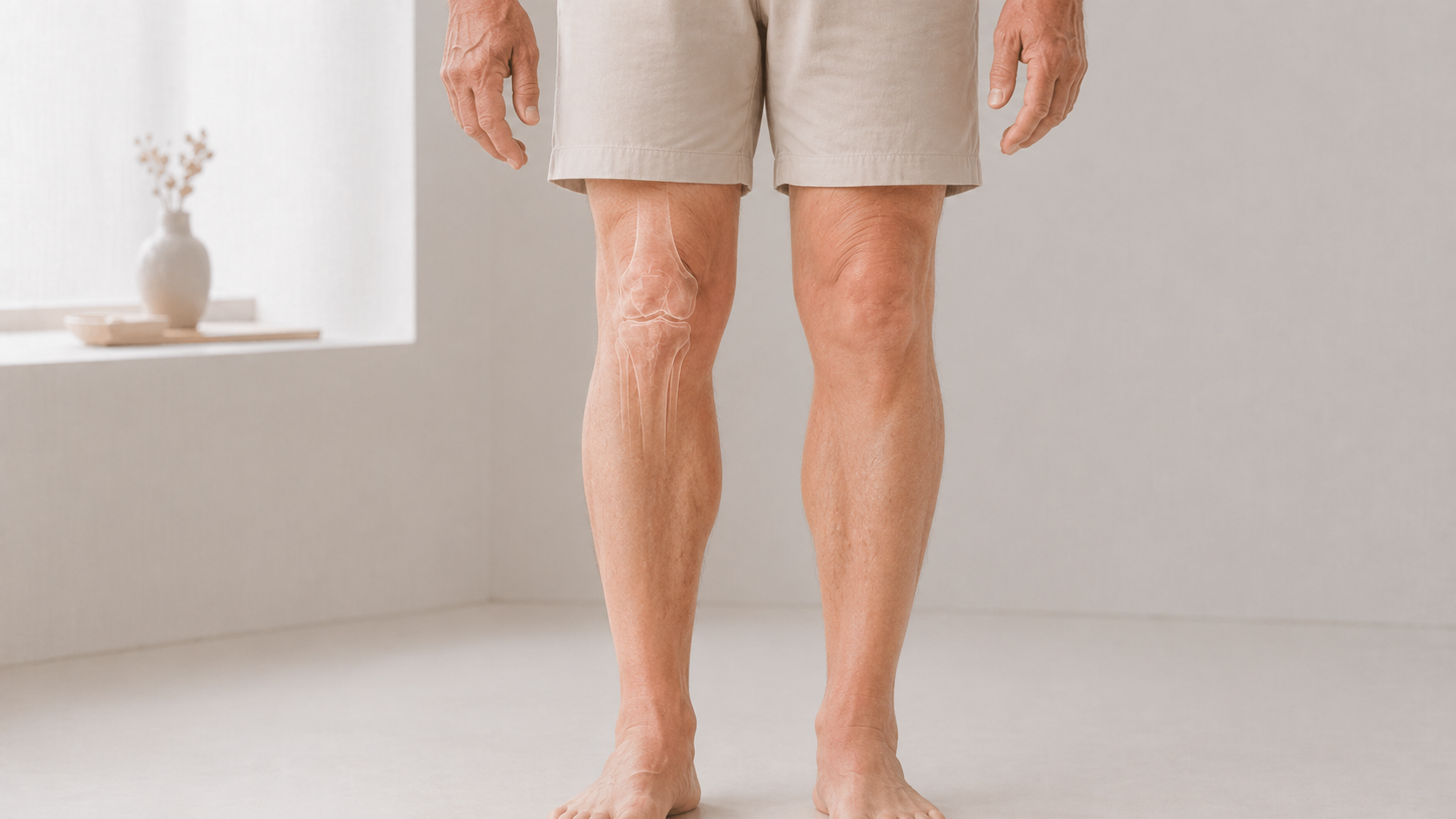
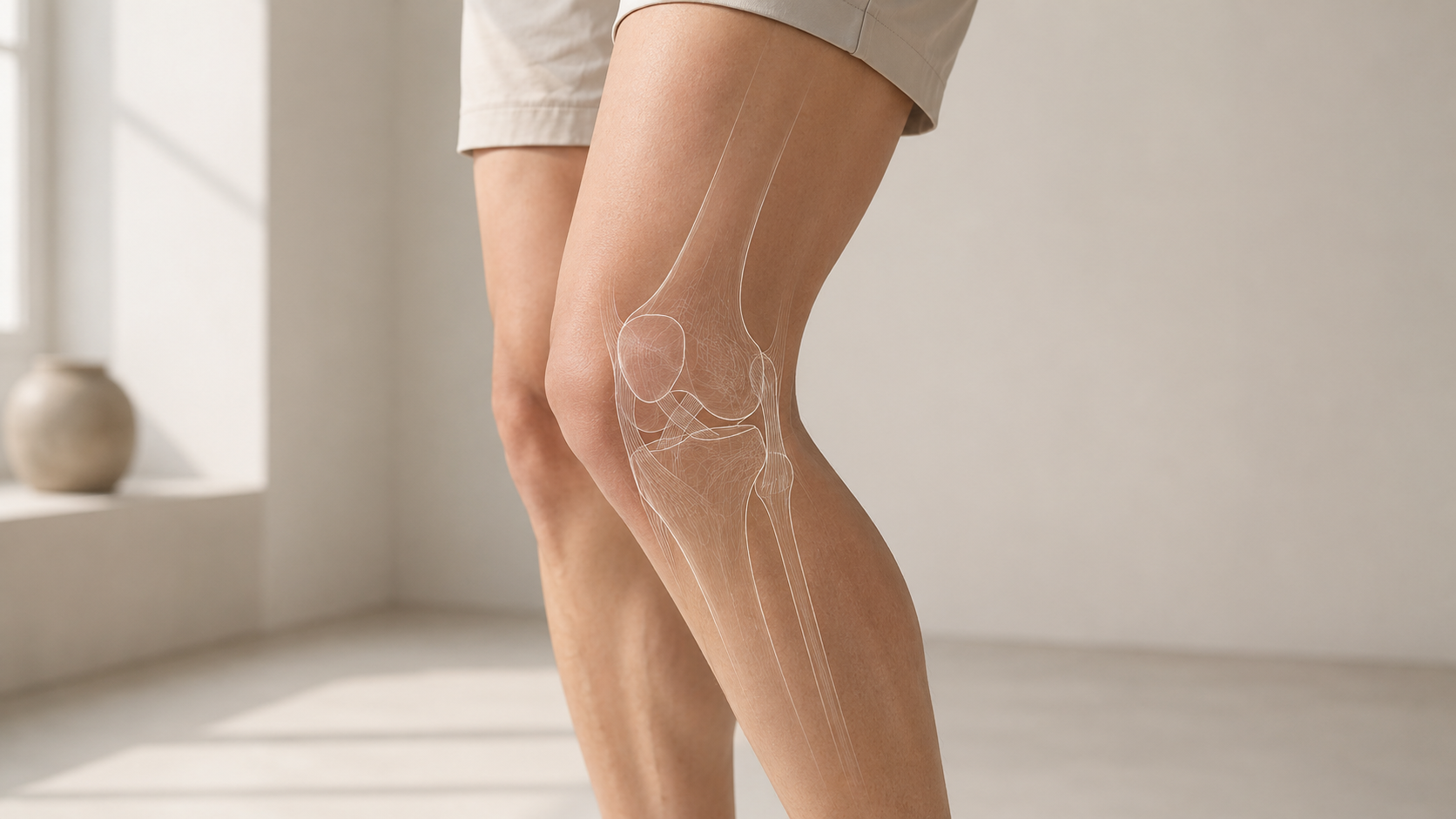
Regenerative medicine may be considered for selected joint, tendon, ligament, SI joint, foot, pelvic, or hypermobility-related pain patterns.

Learn how Dr. Siefferman explains regenerative medicine, including advanced treatments designed to support the body's natural healing process and help reduce chronic pain.

What Is Regenerative Medicine?

Regenerative medicine is a treatment category that may include procedures such as platelet-rich plasma, prolotherapy, and bone marrow aspirate concentrate for selected musculoskeletal, ligament, tendon, joint, spine-adjacent, pelvic, foot, or hypermobility-related pain patterns.

At Manhattan Pain Medicine, regenerative medicine NYC care is not presented as a cure-all, a guaranteed alternative to surgery, or a replacement for diagnosis. Treatment begins with a careful evaluation of the pain generator, anatomy, imaging, prior treatments, functional goals, and whether the patient is an appropriate candidate for a regenerative or orthobiologic approach.

Specialist-Guided Regenerative Treatment Planning

MPM specialists evaluate whether regenerative medicine may be appropriate by identifying the likely source of pain before recommending a procedure. Joint pain, tendon pain, ligament pain, spine-adjacent pain, SI joint pain, foot pain, pelvic pain, and hypermobility-related symptoms can have different causes and may not respond to the same treatment.

MPM reviews the diagnosis, exam findings, imaging, prior injections, physical therapy response, instability patterns, inflammation, nerve involvement, and functional goals. This helps determine whether PRP, prolotherapy, BMAC, rehabilitation, medication management, ultrasound-guided injections, or another care pathway may be more appropriate.

Regenerative Medicine Without Hype

Many patients search for regenerative medicine in Manhattan after trying physical therapy, medications, steroid injections, bracing, rest, orthopedic care, or surgery consultation without enough improvement. Others are specifically looking for PRP, prolotherapy, BMAC, orthobiologics, or alternatives to “stem cell” procedures.

MPM approaches regenerative medicine carefully. Some options, such as platelet-rich plasma, prolotherapy, and bone marrow aspirate concentrate, may be considered for selected musculoskeletal or soft tissue pain patterns when the diagnosis and target are appropriate. However, regenerative medicine is not appropriate for every patient, and results vary. MPM avoids unsupported claims about cartilage regrowth, ligament reconstruction, disc regeneration, nerve regeneration, or guaranteed surgery avoidance. Many marketed stem cell, exosome, amniotic, cord-derived, and similar products are not FDA-approved for orthopedic pain or chronic pain conditions. MPM focuses on informed consent, realistic expectations, precise targeting, and coordinated rehabilitation when appropriate.

Request An Appointment

Treatment Process

How MPM Approaches Regenerative Medicine

MPM uses a diagnosis-first process to determine whether regenerative medicine fits the patient’s pain source, anatomy, and goals.
  • 1

    Identify the Pain Generator

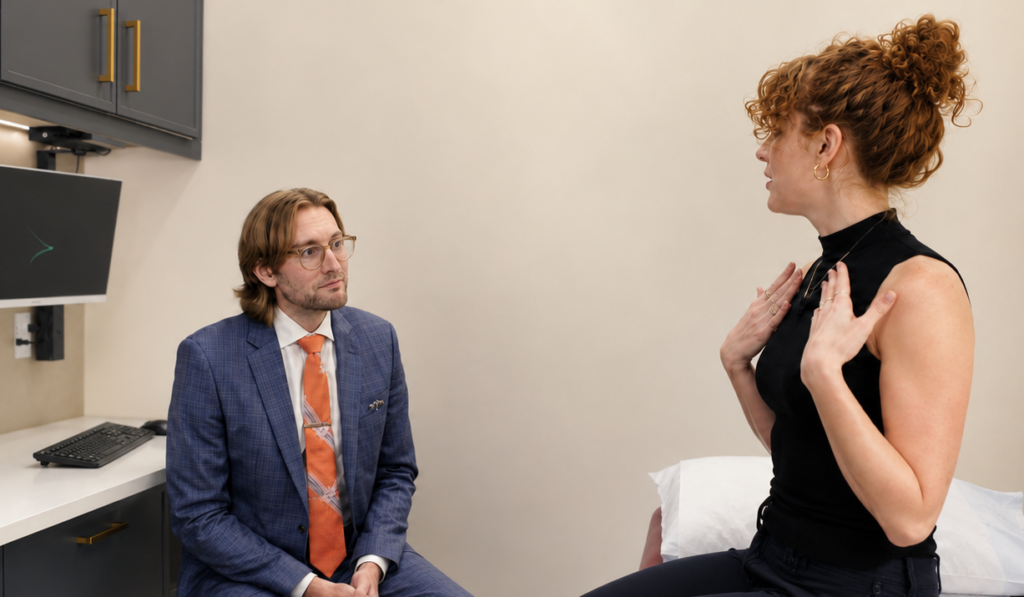
    The process begins with a review of symptoms, exam findings, imaging, prior treatments, physical therapy response, instability patterns, and functional limitations. MPM evaluates whether pain may be coming from a joint, tendon, ligament, SI joint, spine-adjacent structure, foot structure, pelvic-region target, or another source.
  • 2

    Assess Candidacy and Fit

    Regenerative medicine is not appropriate for every condition. MPM considers diagnosis, tissue target, severity, medical history, inflammatory disease, hypermobility, prior injections, surgical history, medication use, activity goals, and whether the condition is likely to respond to PRP, prolotherapy, BMAC, or another treatment.
  • 3

    Plan the Procedure Carefully

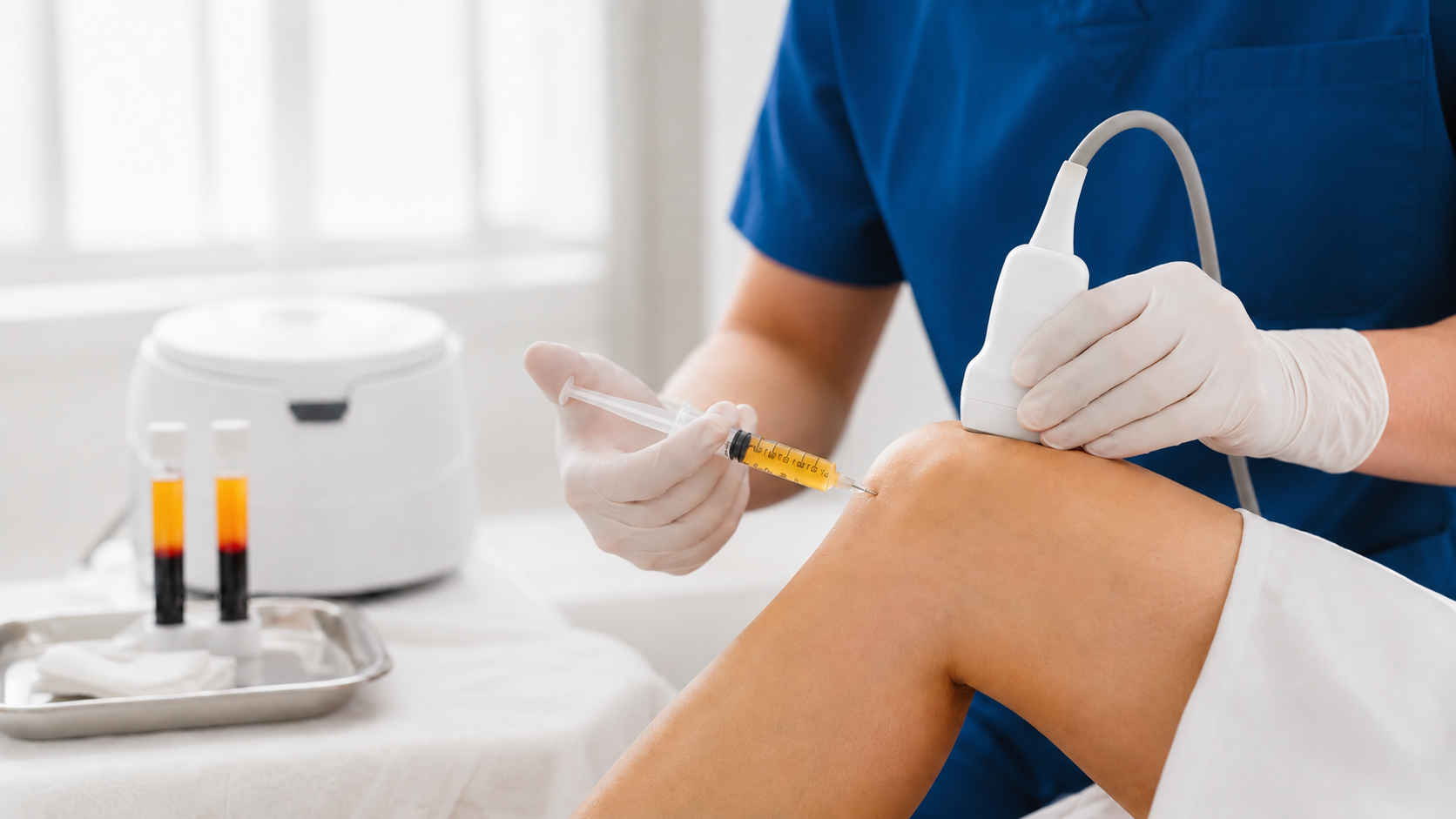
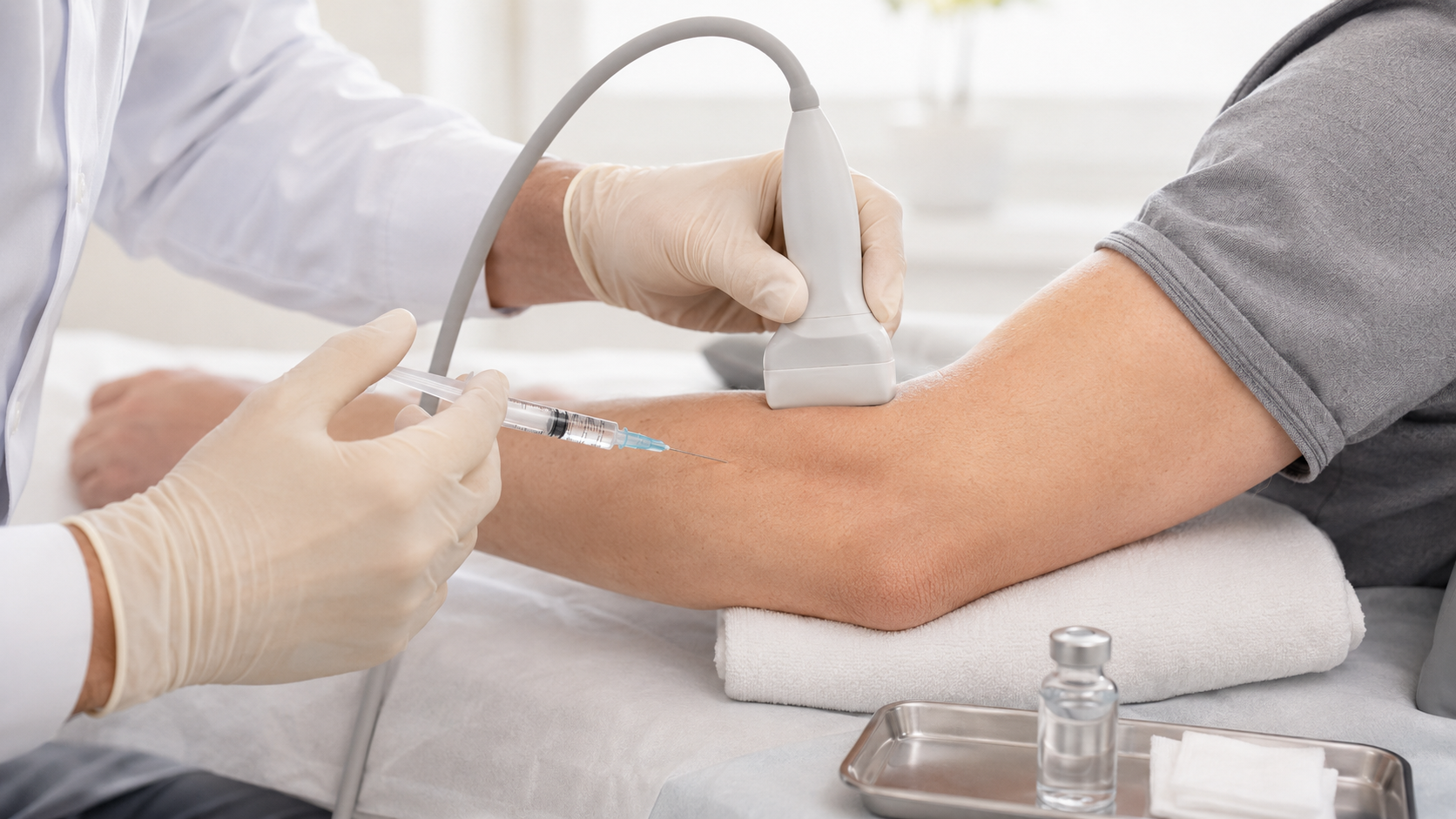
    When treatment is appropriate, MPM selects the procedure, target, and guidance method based on anatomy and clinical goals. Diagnostic ultrasound or ultrasound-guided injections may be used when appropriate to support precise targeting and safer delivery.
  • 4

    Support Recovery and Follow-Up

    After treatment, MPM reviews pain response, function, flare patterns, rehabilitation needs, and next steps. Recovery may require activity modification, bracing, physical therapy, gradual loading, or coordinated care. If symptoms persist, the diagnosis or treatment plan may need to be adjusted.

Regenerative Medicine Across MPM’s Pain Expertise

Regenerative medicine may intersect with several MPM Zones of Expertise, including Musculoskeletal issues, Hypermobility, Complex Chronic Pain, and Pelvic Pain. In musculoskeletal care, regenerative procedures may be considered for selected joint, tendon, ligament, chronic sprain, SI joint, foot, or spine-adjacent pain patterns. In hypermobility and EDS-related pain, treatment planning may focus on instability, ligament strain, compensatory muscle guarding, and realistic functional goals.

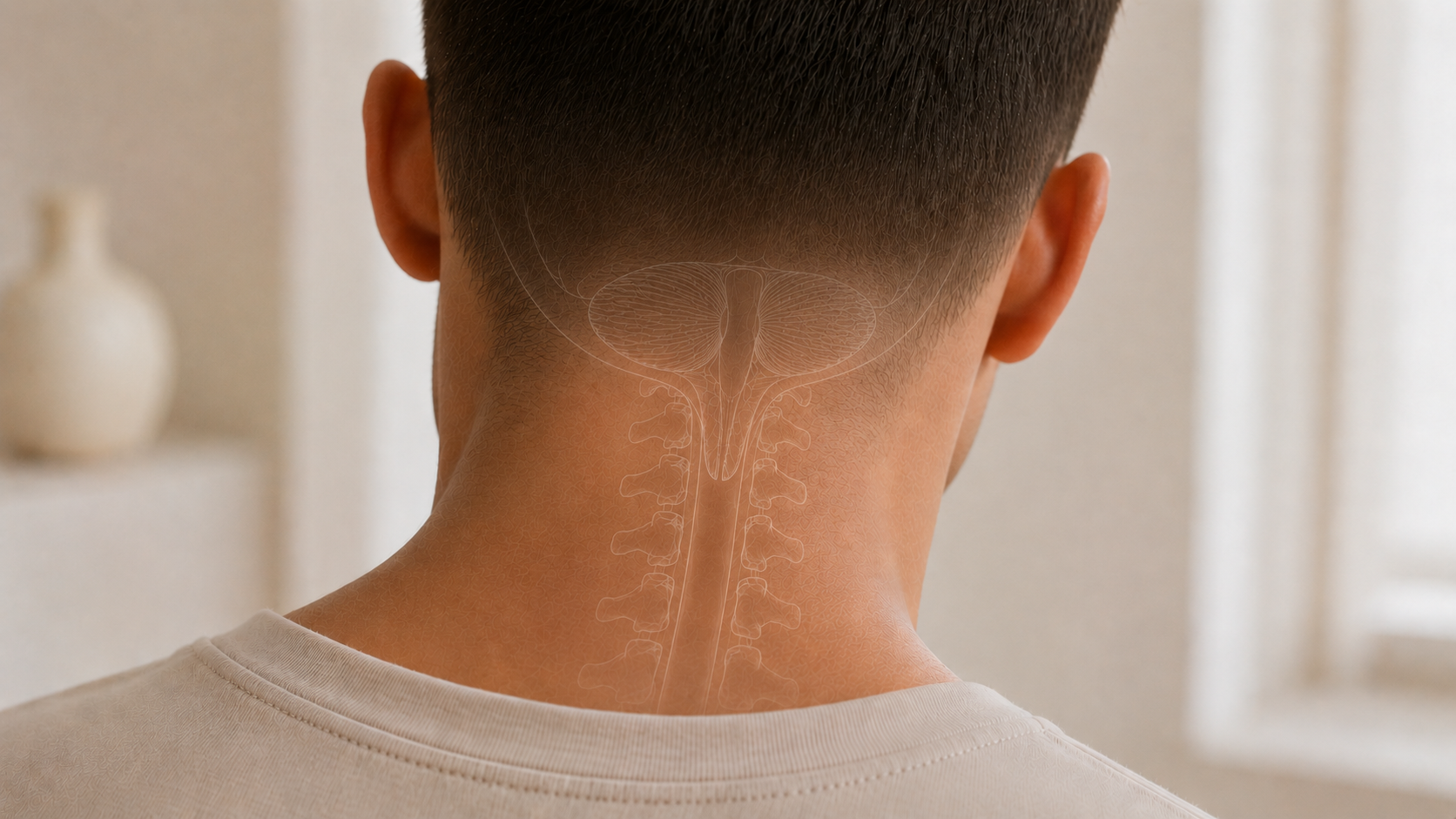
For pelvic pain, pudendal neuralgia overlap, pelvic floor dysfunction, or peripheral pain patterns, regenerative medicine may be considered only when the target and diagnosis support it. For complex chronic pain, MPM also evaluates whether central sensitization, post-viral symptoms, fibromyalgia, inflammation, or nerve pain may be contributing. Regenerative medicine is one possible tool, not the entire care plan.

Learn More

What to Expect During Regenerative Treatment

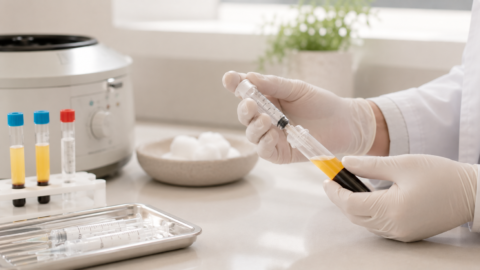
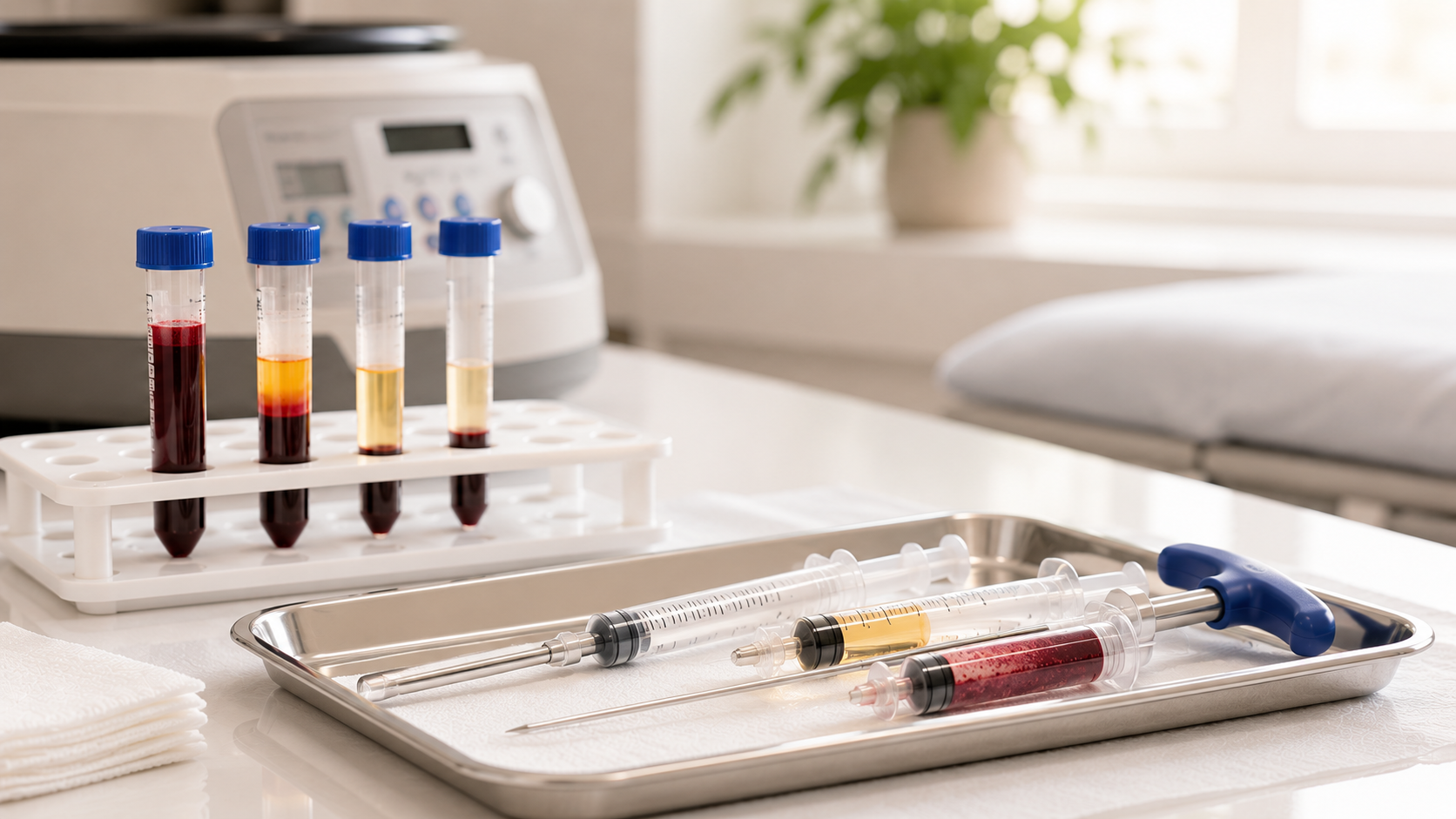
Before regenerative medicine treatment, MPM reviews the diagnosis, target structure, procedure type, expected goals, risks, alternatives, and recovery plan. Depending on the treatment, the procedure may involve PRP prepared from the patient’s own blood, prolotherapy solution, BMAC collected and processed from bone marrow, or another carefully selected approach. Ultrasound guidance may be used when appropriate to help target the selected area.

Patients may feel pressure, soreness, or a temporary pain flare after treatment. Recovery varies by procedure, target, and diagnosis. Some patients may need to modify activity, avoid certain medications, use bracing, or begin a gradual rehabilitation plan. Relief, if it occurs, may be gradual and is not guaranteed. MPM monitors response, function, side effects, and whether the next step should involve additional treatment, rehabilitation, imaging, or another care pathway.

Request An Appointment

PATIENT STORIES

Real Patients. Real Progress.

Hear from patients who came to Manhattan Pain Medicine looking for answers, clarity, and a more thoughtful path forward.
  • Michael O.

    5 star review

    These guys are the best. I've been going here for over 6 years and their familiarity with my Schwannomatosis (most ppl have never even heard of it - its rather rare) and their ability to diagnose my CRPS quickly and accurately and then treat it like I was merely getting a flu shot is just incredible...

    Google

  • John A.

    5 star review

    Highly recommended for those who need Pain Management. Everyone at Manhattan Pain Medicine is extremely nice and helpful. I have had very good interactions with both Dr. Siefferman and Dr. Louis. All of the staff is very responsive. 5 stars.

    Google

  • Rakhee K.

    5 star review

    The providers at Manhattan Pain Medicine are exceptional. I wish I had found them 30 years ago!

    Google

  • Annie R.

    5 star review

    I genuinely can’t say enough good things about the team at Manhattan Pain Medicine. I have MCAS, EDS, and an inflammatory autoimmune disease, and I’ve basically been searching for answers since I was a kid. I had years of unexplained inflammation markers, chronic pain, and allergic reactions despite...

    Google

  • Karine S.

    5 star review

    I have a complex medical history and have seen a lot of doctors over the years. Dr. Mikaberidze and Dr. Siefferman each took the time to really listen and understand everything I had been dealing with. I also appreciated how they work together and communicated about my care. I left with a plan that...

    Google

  • Edwin F-S.

    5 star review

    Sharing my gratitude for the pleasant experience last week during my visit, the medical team provided great care and also treated my session as a learning experience, I left my session with a wealth of knowledge. A big thank you to the kind, and professional staff who welcomed me to the office as a...

    Google

  • Madaline. M

    5 star review

    I cannot say enough good things about Manhattan Pain Medicine. From the moment I walked in, I felt truly cared for and taken seriously. Dr. Nino Mikaberidze, Director of Rheumatology, is exceptional — knowledgeable, compassionate, and incredibly thorough. She takes the time to listen, explains every...

    Google

  • Lauren W.

    5 star review

    Dr Siefferman is the most thorough, patient doctor I have even been to. Currently I travel from miami to nyc to see him because his bed side manner and desire to help is incomparable.

    ZocDoc

  • Dana S.

    5 star review

    This practice is wonderful. I have been a patient of Dr. Siefferman’s since 2019 and he’s extremely helpful and kind. He has brought in a Rheumatologist who is also great. They handle very complex pain issues and always try to find new ways to help me.

    Google

  • Frans M.

    5 star review

    Dr. Siefferman is an incredible doctor! He is extremely diligent and knowledgeable. It feels like you are his only patient. He invests a lot of time and effort into your injuries and concerns. I did not find these wonderful qualities with other pain specialists before, who were always rushed and som...

    ZocDoc

  • Gregory S.

    5 star review

    Dr. Siefferman is a doctor who combines the old world bedside manner of doctors from my childhood (60 years ago) with a sta te of the art embrace of modern technology. It is always a pleasure to have an appointment with him...always has options and solutions to my medical issues. He is truly the doc...

    ZocDoc

  • Judith R.

    5 star review

    Dr. Siefferman is a genius. He is very informed and listens attentively.

    ZocDoc

  • Joshua M.

    5 star review

    Dr. Siefferman and his entire team continue to be efficient, dedicated, and driven by precision and a genuine desire to give fantastic care. Will always recommend.

    ZocDoc

  • Michael W. S

    5 star review

    Doctor Siefferman is fantastic. Have been seeing him for 5 years. Couldn’t recommend more.

    ZocDoc

  • Stephanie G.

    5 star review

    Dr. Siefferman is the ONLY doctor who has ever been able to diagnose my pain and treat it. He is hands down the best

    ZocDoc

FAQs About Regenerative Medicine

Related Regenerative and Injection Treatments

Related treatments may be considered depending on the patient’s pain source, tissue target, imaging findings, and care goals.

Understanding Insurance Before You Begin

Before care begins, our team helps patients understand the practical side of treatment, including insurance verification, out-of-network benefits, cost-share estimates, self-pay options, and billing questions. We believe patients should have as much clarity as possible before moving forward.

Insurance & Billing

Pain Care That Starts With Understanding

When pain is complex, the first step should not be another generic treatment. Manhattan Pain Medicine looks deeper to understand what is driving the pain, why it has persisted, and what path forward makes sense for you.

Request An Appointment

In Depth

Regenerative Medicine for Joint, Tendon, and Ligament Pain

Regenerative medicine may be considered for selected pain patterns when the diagnosis, target, and recovery plan are clear.

Regenerative Medicine

Regenerative medicine is a broad category of treatments that may be considered for selected musculoskeletal, tendon, ligament, joint, spine-adjacent, SI joint, foot, pelvic-region, and hypermobility-related pain patterns. Commonly discussed options include platelet-rich plasma, prolotherapy, and bone marrow aspirate concentrate. These procedures are sometimes called orthobiologics when they use biologic materials in musculoskeletal care.

At Manhattan Pain Medicine (MPM), regenerative medicine NYC care begins with diagnosis-first evaluation. The goal is to determine whether the patient has a clear pain generator that may reasonably respond to a regenerative approach. Regenerative medicine is not a cure-all, a guaranteed alternative to surgery, or a replacement for rehabilitation, medical management, or appropriate specialist care.

PRP, Prolotherapy, and BMAC

PRP, or platelet-rich plasma, is prepared from a patient’s own blood and processed to concentrate platelets before injection into a selected target. It may be considered for certain tendon, ligament, joint, or soft tissue pain patterns when the diagnosis supports it.

Prolotherapy is an injection-based treatment that may be considered for selected ligament, tendon, joint, or instability-related pain patterns. It is sometimes discussed in the context of chronic sprains, joint instability, SI joint pain, or hypermobility-related symptoms when a specific target is identified.

BMAC, or bone marrow aspirate concentrate, is prepared from the patient’s own bone marrow and processed before injection into a selected area. It may be considered in certain orthopedic or musculoskeletal contexts, but it should not be described as guaranteed tissue regeneration or a cure.

Regenerative Medicine Versus Standard Injections

Standard pain injections often use medications such as local anesthetic or corticosteroid to reduce pain, inflammation, or irritation in a targeted area. Regenerative procedures have a different goal. They are intended to support a tissue response in selected cases, and the response may be slower or more variable.

This difference is important. A steroid injection may be more appropriate for certain inflammatory conditions. A regenerative procedure may be considered when a tendon, ligament, joint, or instability-related target fits the diagnosis. In some cases, diagnostic ultrasound or diagnostic injections may be needed before deciding whether regenerative medicine is reasonable.

Regenerative Medicine for Hypermobility and Joint Instability

Patients with EDS, hypermobility spectrum disorder, joint instability, chronic sprains, or ligament-related pain often ask whether regenerative medicine can help. For selected patients, regenerative injections may be considered when a specific ligament, tendon, or joint target is contributing to symptoms.

However, regenerative medicine does not cure EDS or hypermobility. These conditions often require stabilization, bracing, gradual strengthening, pacing, activity modification, medication management, and evaluation for overlapping nerve pain, central sensitization, or autonomic symptoms. MPM evaluates whether a regenerative procedure could support the care plan or whether rehabilitation and stabilization should be prioritized.

Regenerative Medicine for Spine-Adjacent, SI Joint, Pelvic, and Foot Pain

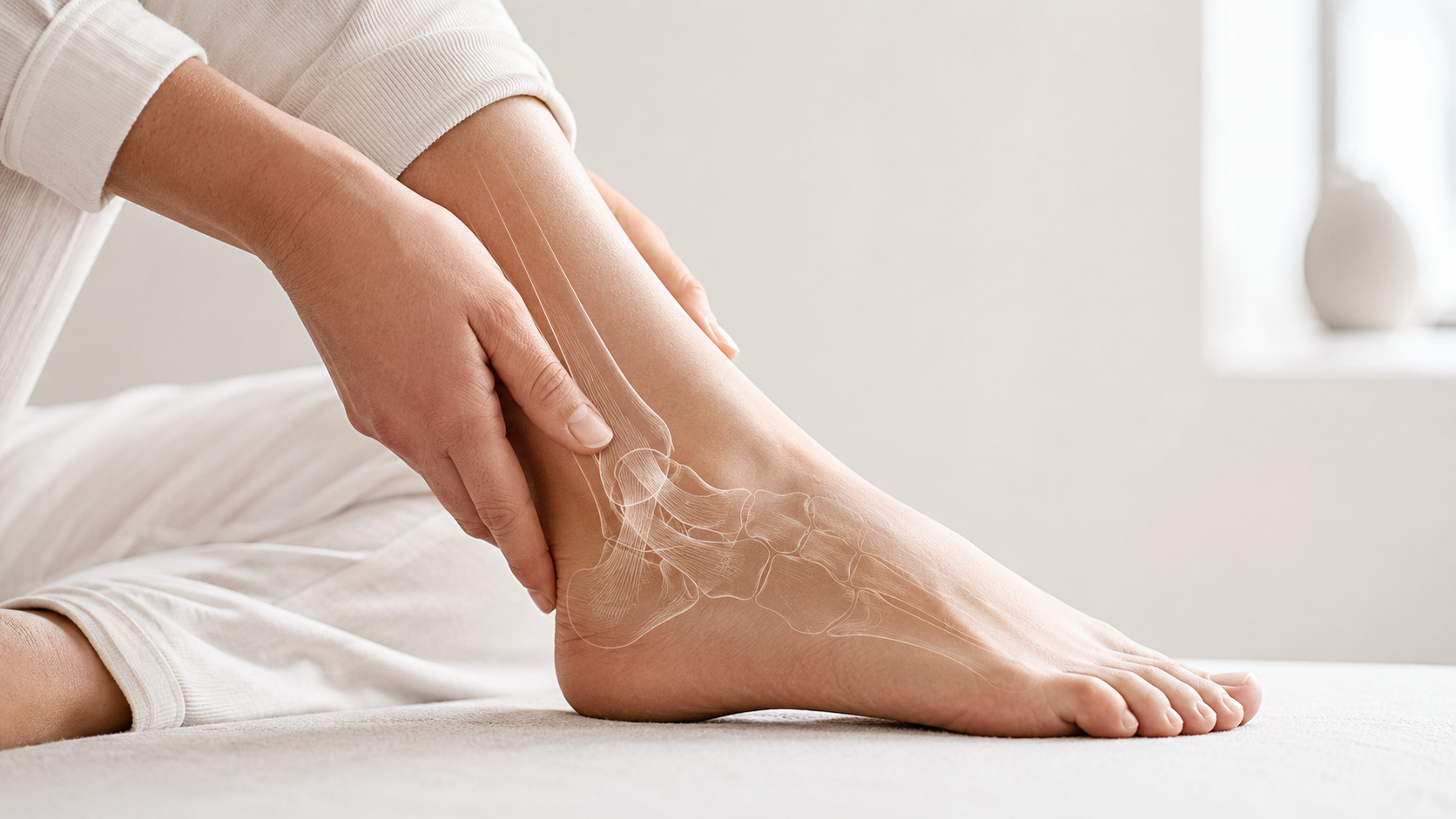
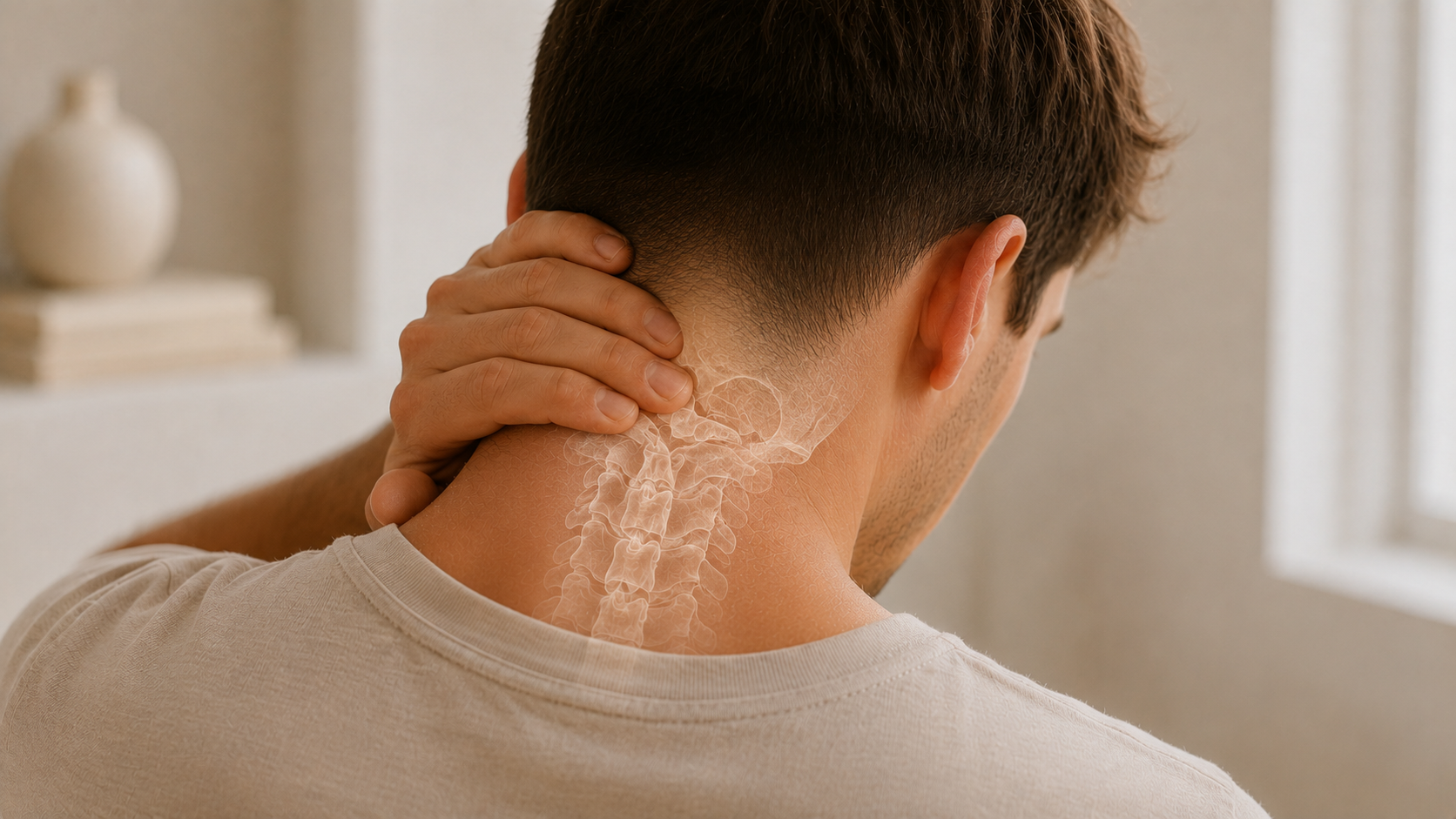
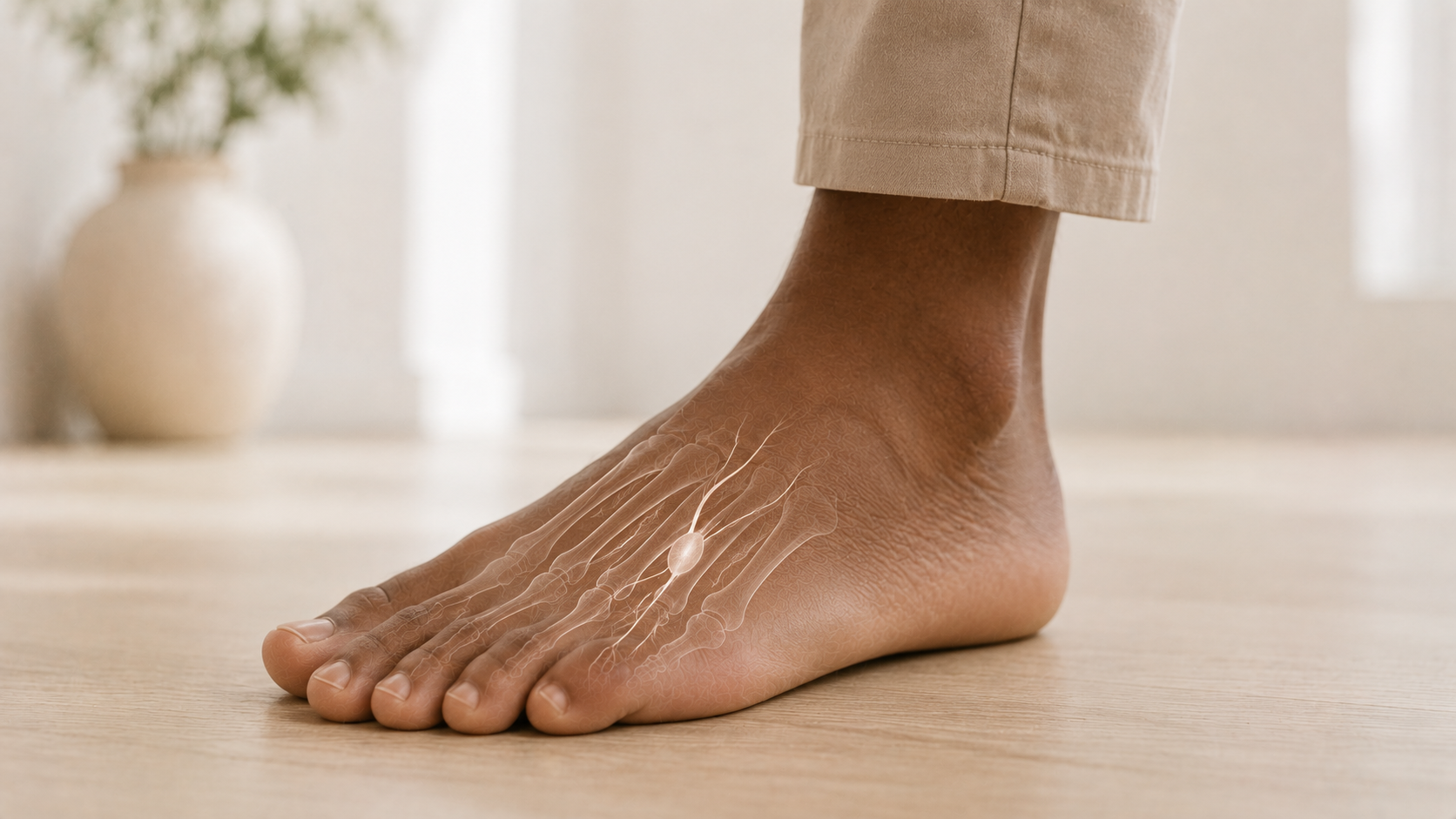
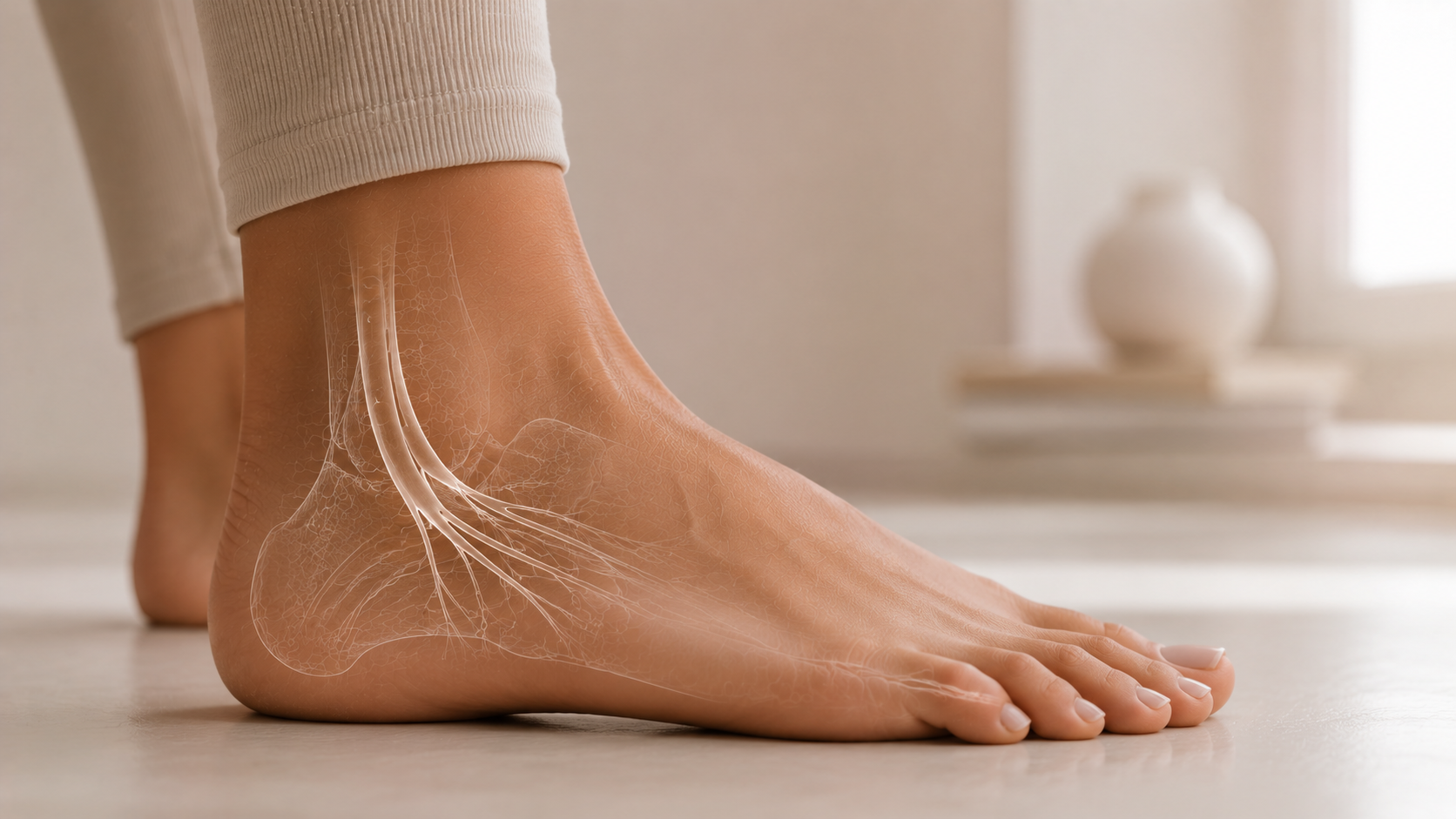
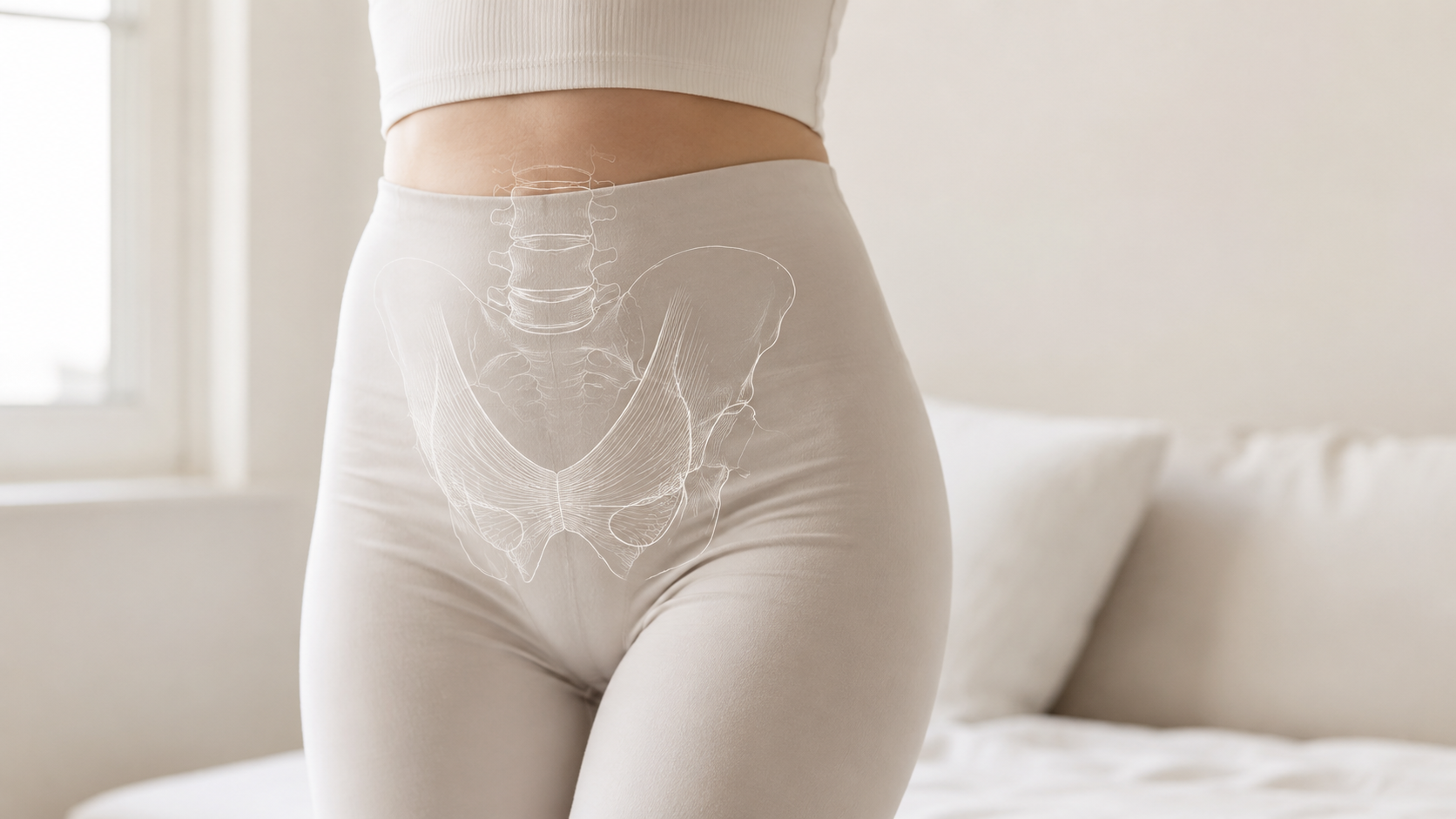
Regenerative medicine may be considered for selected SI joint pain, spine-adjacent ligament or soft tissue pain, foot pain, tendon pain, and peripheral pain patterns when the target is clear. SI joint pain may be mechanical, inflammatory, hypermobility-related, degenerative, or referred from the spine. Foot pain may involve tendons, ligaments, Morton’s neuroma, tarsal tunnel syndrome, metatarsalgia, or other contributors. Pelvic pain may involve pelvic floor dysfunction, pudendal neuralgia, pelvic dystonia, or peripheral structures, but regenerative medicine is only considered when a specific target and rationale are present.

Some conditions require other pathways first, including advanced imaging, diagnostic ultrasound, nerve evaluation, rheumatology care, neurology care, pelvic specialty care, or surgical consultation.

Evidence, Limitations, and Regulatory Caution

Regenerative medicine is an evolving field. Some therapies may help pain and function in selected patients, but results vary and evidence differs by condition and procedure. MPM avoids unsupported claims about cartilage regrowth, ligament reconstruction, disc regeneration, nerve regeneration, or guaranteed avoidance of surgery.

Patients should be cautious about marketed “stem cell,” exosome, amniotic, cord-derived, Wharton’s jelly, or adipose-derived products promoted for orthopedic pain or chronic pain. Many of these products are not FDA-approved for those uses. MPM focuses on appropriate patient selection, informed consent, and realistic expectations.

Safety and Follow-Up

Risks may include post-procedure pain flare, bruising, bleeding, infection, allergic reaction, nerve irritation, vascular injury, incomplete relief, temporary worsening, and persistent symptoms despite treatment. Recovery may require activity modification, bracing, gradual loading, rehabilitation, and follow-up assessment.

Patients should seek urgent evaluation for fever, spreading redness, severe swelling, new weakness, new numbness, bowel or bladder dysfunction, saddle anesthesia, chest pain, shortness of breath, sudden severe headache, severe abdominal or pelvic pain, major trauma, suspected infection, loss of pulses, limb discoloration, or rapidly worsening symptoms.

For selected patients, regenerative medicine may be one part of a targeted pain care plan. MPM’s role is to determine whether the diagnosis, tissue target, safety profile, and recovery plan support treatment within a coordinated, medically responsible framework.