
Conditions We Treat
At Manhattan Pain Medicine, conditions are not treated as isolated labels. Our team uses a diagnosis-first, protocol-driven approach to understand what is generating the pain, how it developed, and why it has not resolved, then selects care based on the underlying drivers.
What Are Zones of Expertise?
Our team organizes conditions and treatments into related zones of expertise to make it easier to explore the care paths most relevant to your symptoms and goals.
Use the zone tags above to browse dedicated pages for each focus area, including services, providers, and what to expect during treatment.
Expertise Built for Complex Pain
Explore the Zones of Expertise by clicking or tapping on a circle.


A Diagnosis-First Approach to Complex Conditions
Many pain conditions develop in layers. A primary driver may lead to compensation, guarding, nervous system sensitization, inflammation, or emotional distress over time. Our role is to separate those layers carefully, so treatment is guided by what is actually driving the pain rather than the symptom alone.
How We Evaluate Conditions
-

Foot Pain
Foot pain can come from joints, tendons, ligaments, nerves, inflammation, gout, arthritis, hypermobility, or chronic pain patterns. MPM evaluates the source of pain before recommending treatment.
-
Persistent Genital Arousal Disorder (PGAD)
Persistent Genital Arousal Disorder, or PGAD, can cause unwanted genital arousal sensations, tingling, throbbing, pressure, burning, sensitivity, pelvic discomfort, or genito-pelvic dysesthesia without sexual desire. A diagnosis-first evaluation helps determine whether symptoms may be related to pelvic nerve irritation, pudendal neuralgia, pelvic floor dysfunction, spine or sacral nerve issues, autonomic symptoms, medication history, musculoskeletal mechanics, or overlapping chronic pelvic pain conditions.
-
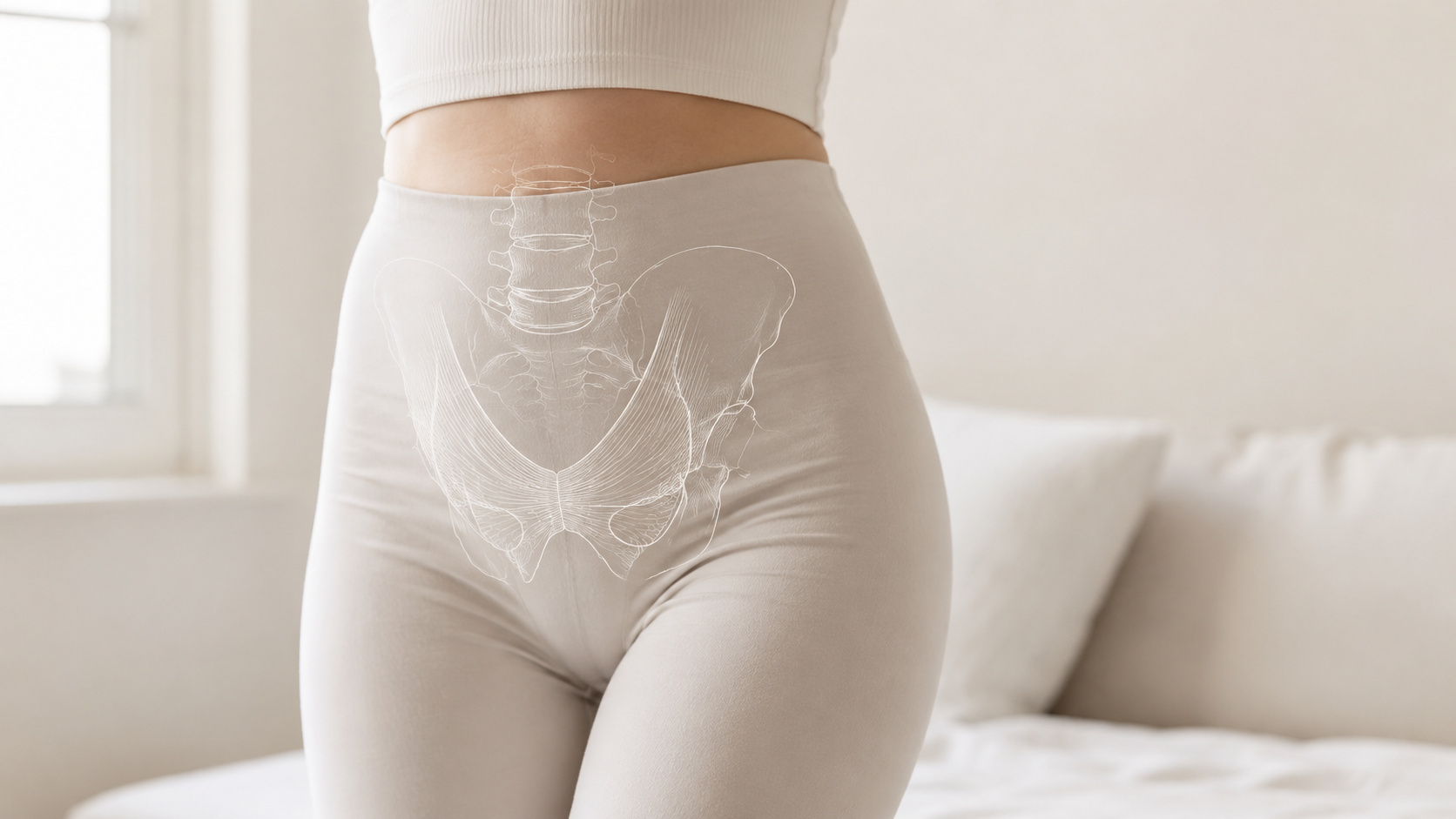
Pelvic Dystonia
Pelvic dystonia can involve involuntary pelvic floor muscle overactivity, spasm, tightness, pressure, burning, deep aching, bowel symptoms, bladder symptoms, sexual pain, hip pain, SI joint pain, or low back pain. A diagnosis-first evaluation helps determine whether symptoms are driven by pelvic floor muscle dysfunction, nerve irritation, pelvic mechanics, endometriosis, fibroids, hypermobility, or overlapping chronic pain mechanisms.
-

Spondylosis
Spondylosis refers to degenerative changes in the spine, including arthritis, disc changes, bone spurs, and stiffness. It may contribute to neck pain, back pain, nerve symptoms, or sciatica-like pain, but imaging findings must be matched carefully with the full clinical picture.
-
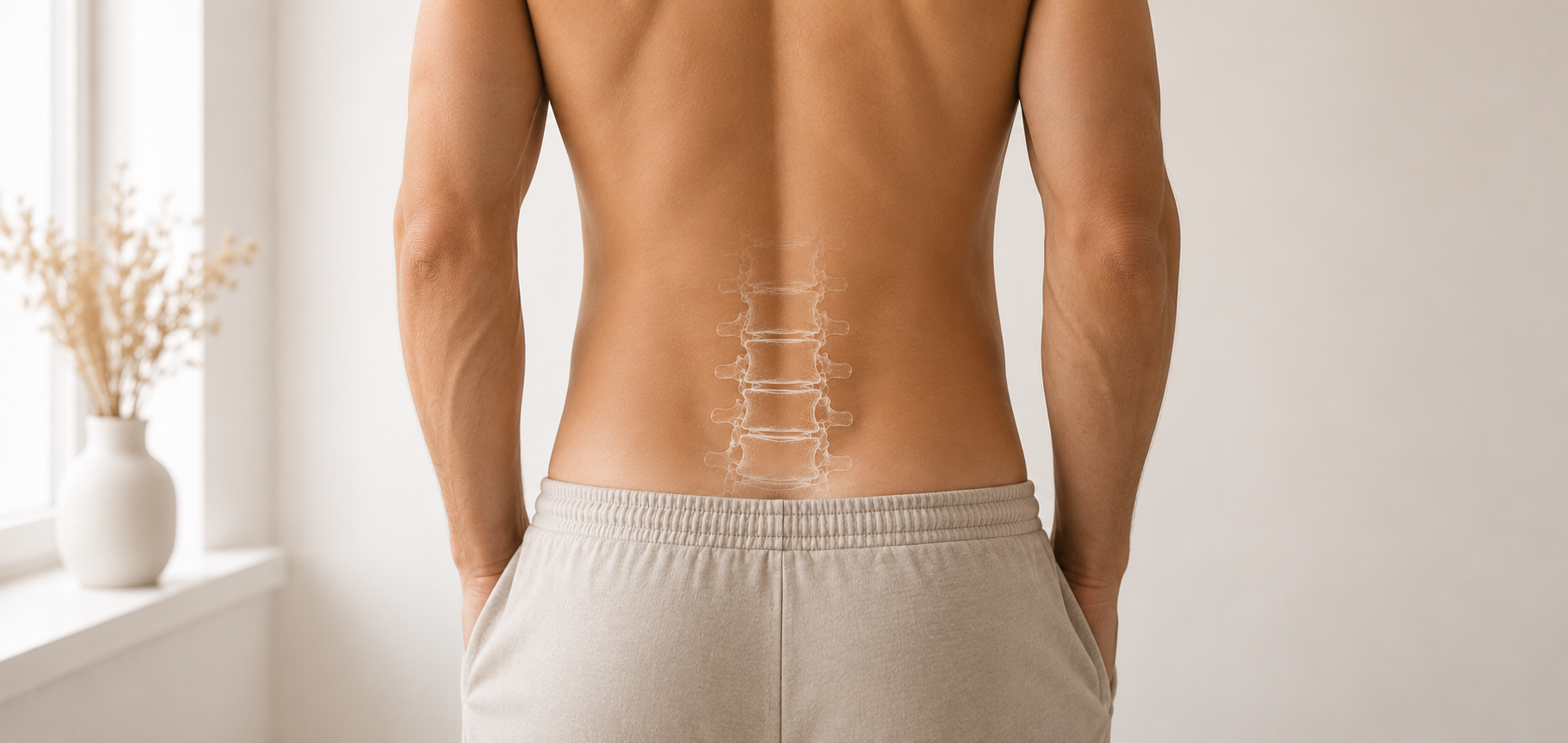
Spondylolisthesis
Spondylolisthesis happens when one vertebra slips out of alignment with the bone below it. It may contribute to lower back pain, leg pain, sciatica-like symptoms, numbness, tingling, weakness, or walking limitation, but imaging findings must be matched carefully with the full clinical picture.
-

Pudendal Neuralgia
Pudendal neuralgia can cause burning, stabbing, shooting, electric, genital, rectal, perineal, or sitting-related pelvic pain. Careful evaluation helps determine whether symptoms are coming from the pudendal nerve, pelvic floor muscles, spine, hip, SI joint, endometriosis, vascular compression, or overlapping chronic pain mechanisms.
-
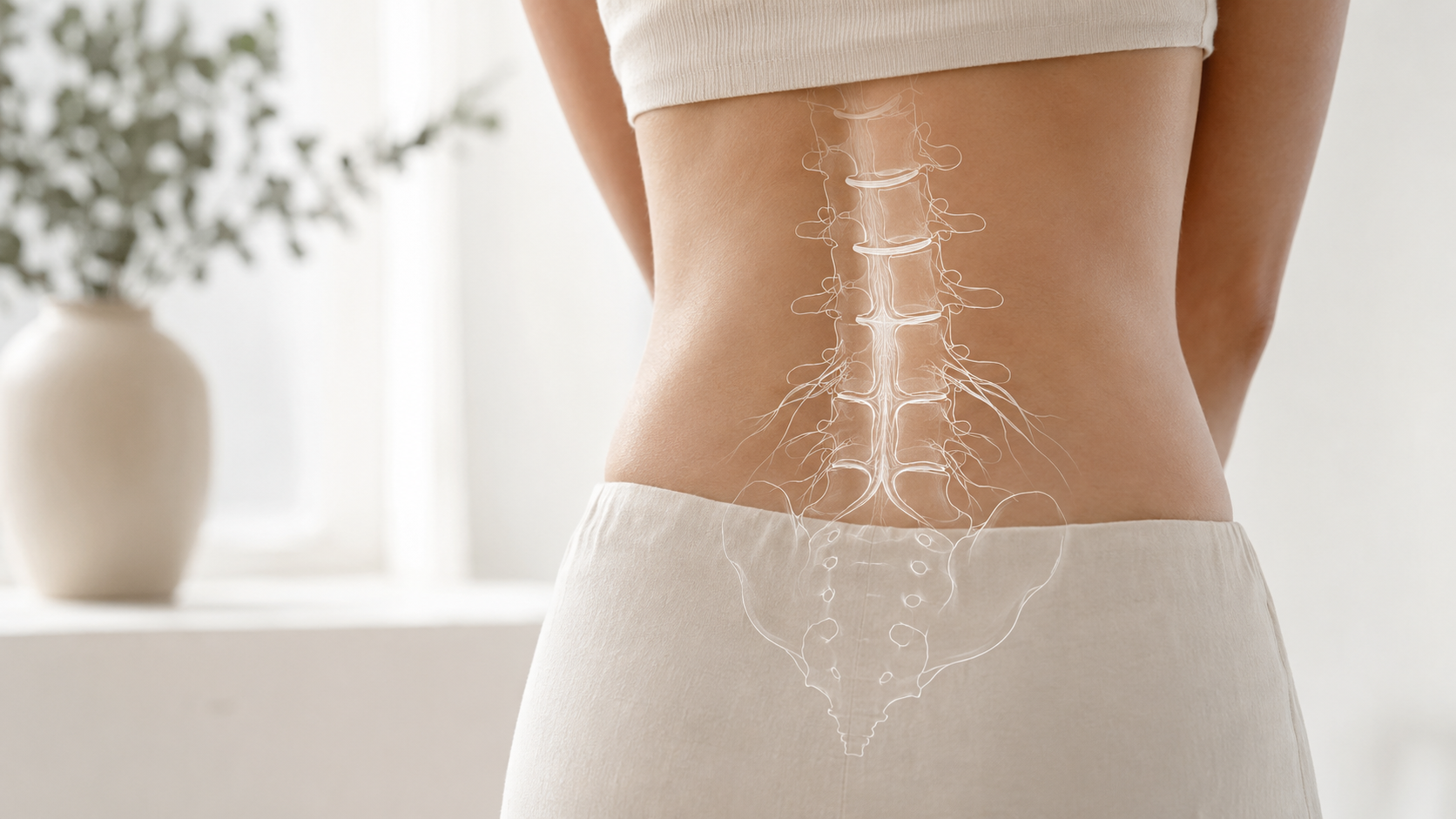
Spinal Stenosis
Spinal stenosis is narrowing around the spinal canal or nerve passageways that can cause back pain, neck pain, arm pain, leg pain, numbness, tingling, weakness, walking limitation, or sciatica-like symptoms. Manhattan Pain Medicine uses a diagnosis-first approach to determine whether stenosis is the true pain generator or one part of a broader spine, joint, nerve, inflammatory, or chronic pain pattern.
-
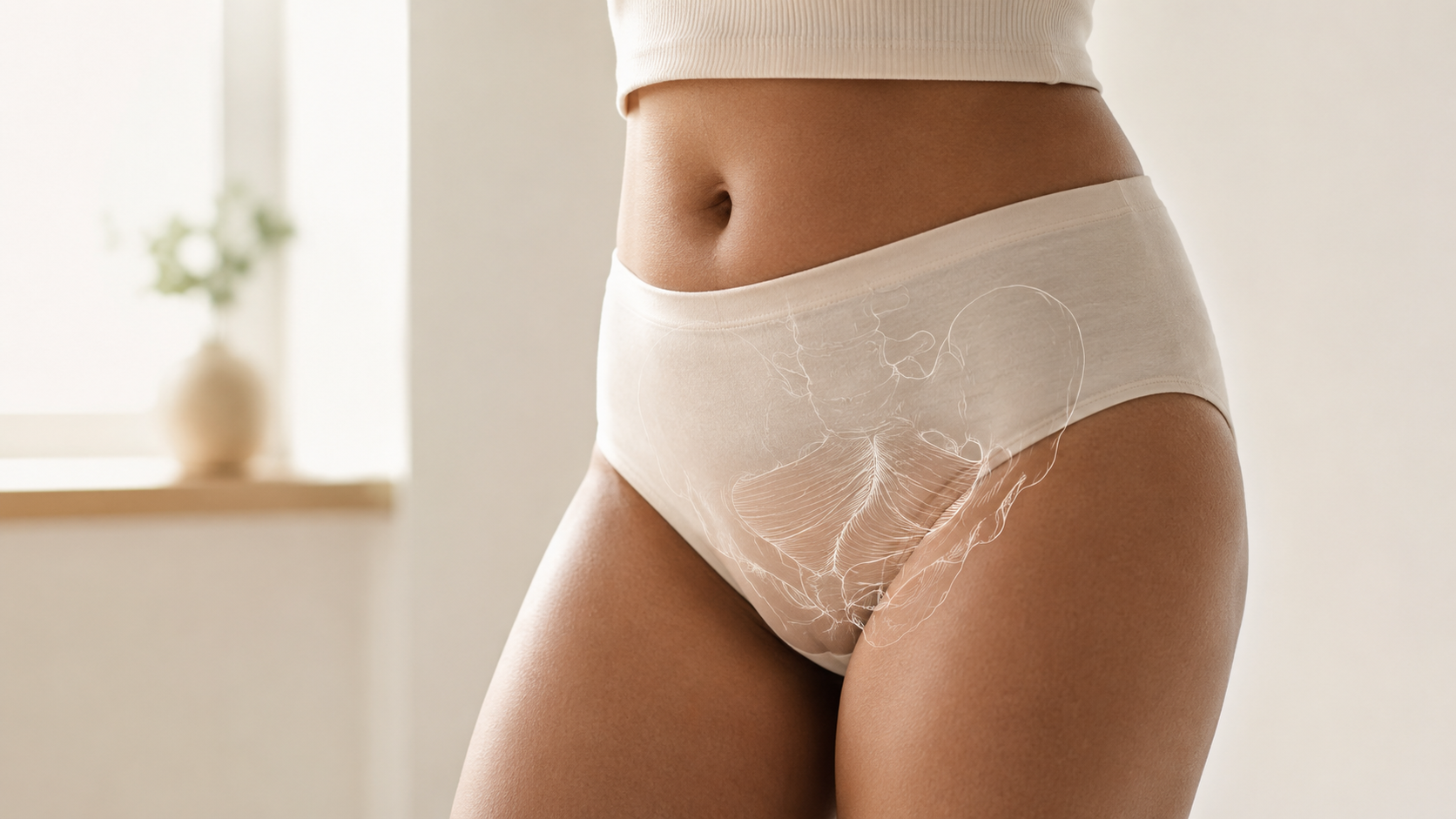
Pelvic Floor Dysfunction
Pelvic floor dysfunction can contribute to pelvic pain, constipation, urinary symptoms, sexual pain, hip pain, low back pain, SI joint pain, and tailbone-region pain.
-
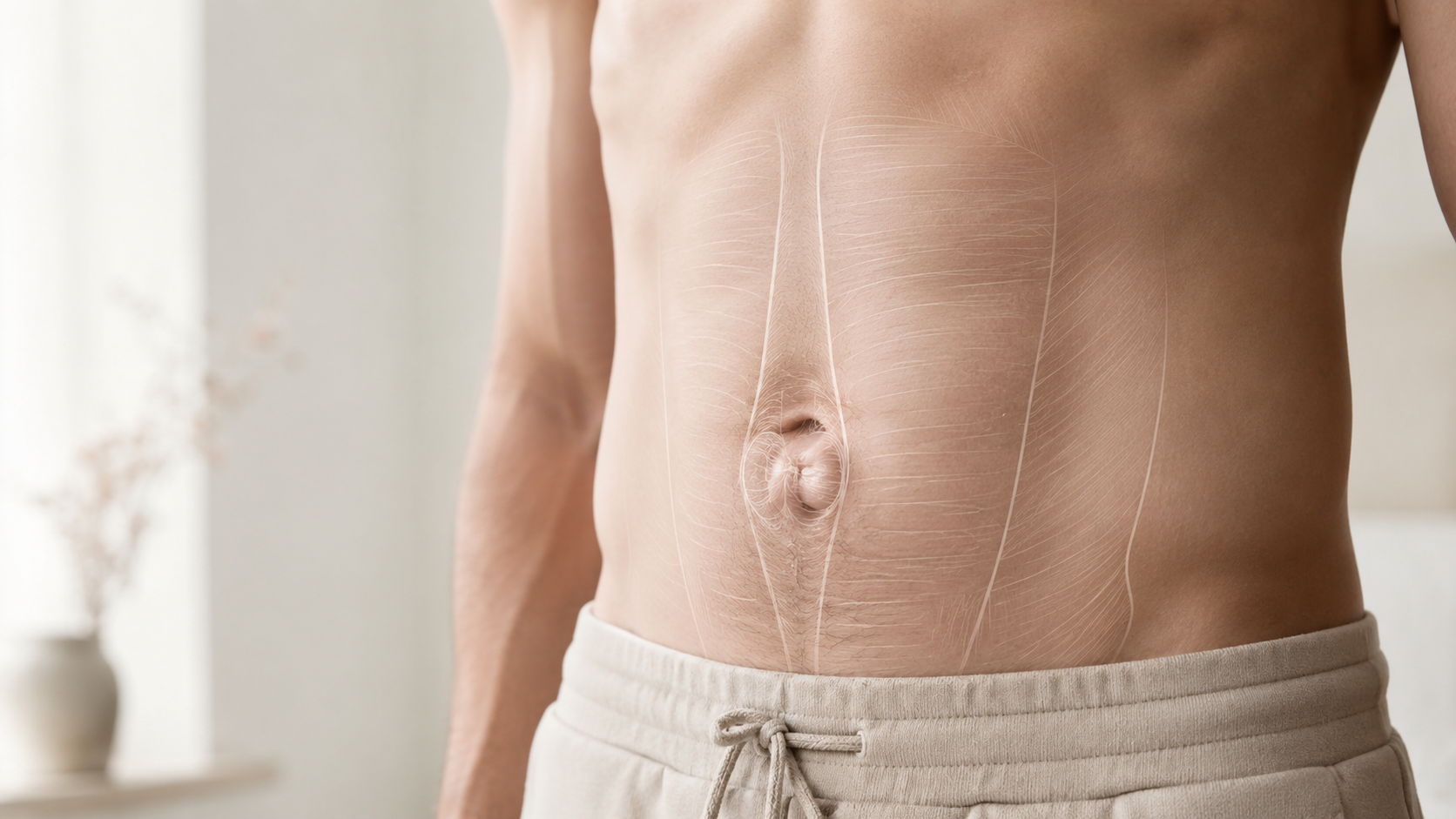
Umbilical Hernia Pain
Umbilical hernia pain can cause discomfort, pressure, or pain around the belly button, but similar symptoms may also come from abdominal wall nerve pain, ACNES, scar tissue, pelvic pain, or post-surgical nerve irritation.
-
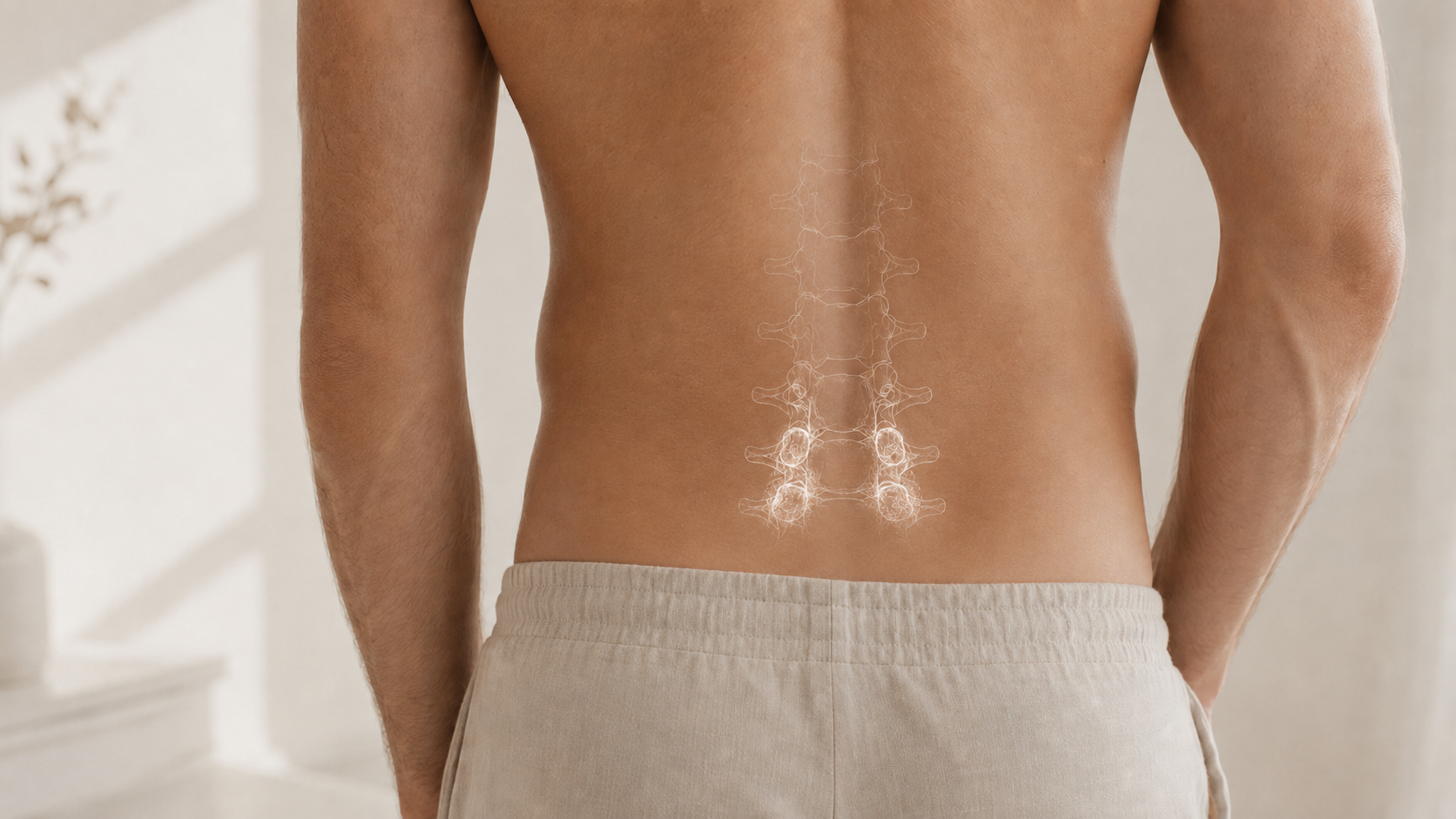
Facet Arthropathy and Facet-Mediated Back Pain
Facet arthropathy can cause neck, mid-back, or lower back pain when the small joints in the spine become irritated, arthritic, inflamed, or overloaded. MPM provides diagnosis-first evaluation to determine whether facet joints are truly the pain generator or whether symptoms are coming from discs, nerves, muscles, the SI joint, inflammation, hypermobility, or another overlapping source.
-
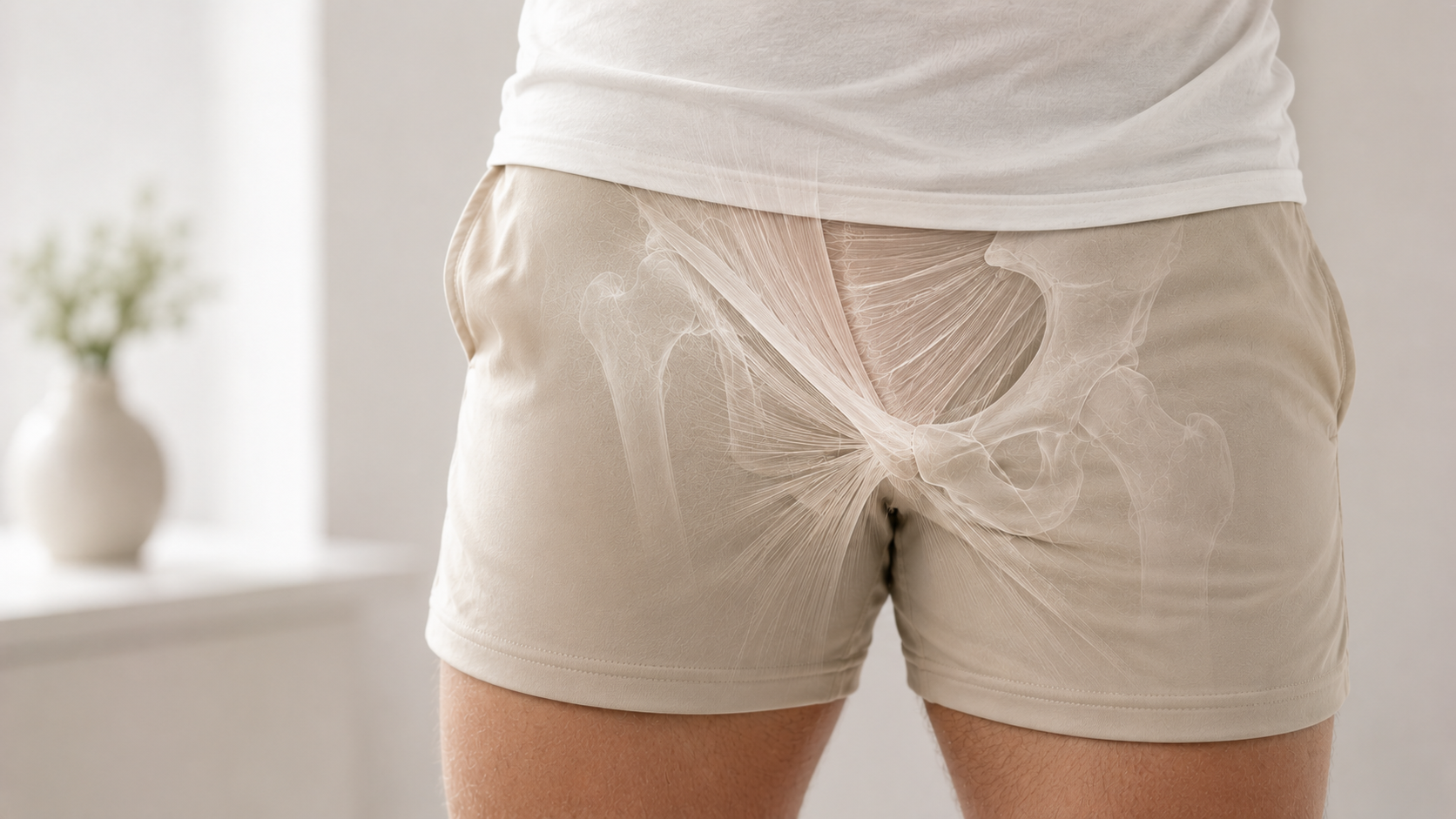
Sports Hernia / Athletic Pubalgia
Sports hernia, also called athletic pubalgia or core muscle injury, can cause chronic lower abdominal, groin, pelvic, hip-region, or adductor pain, especially with running, twisting, cutting, lifting, or core activity.
-
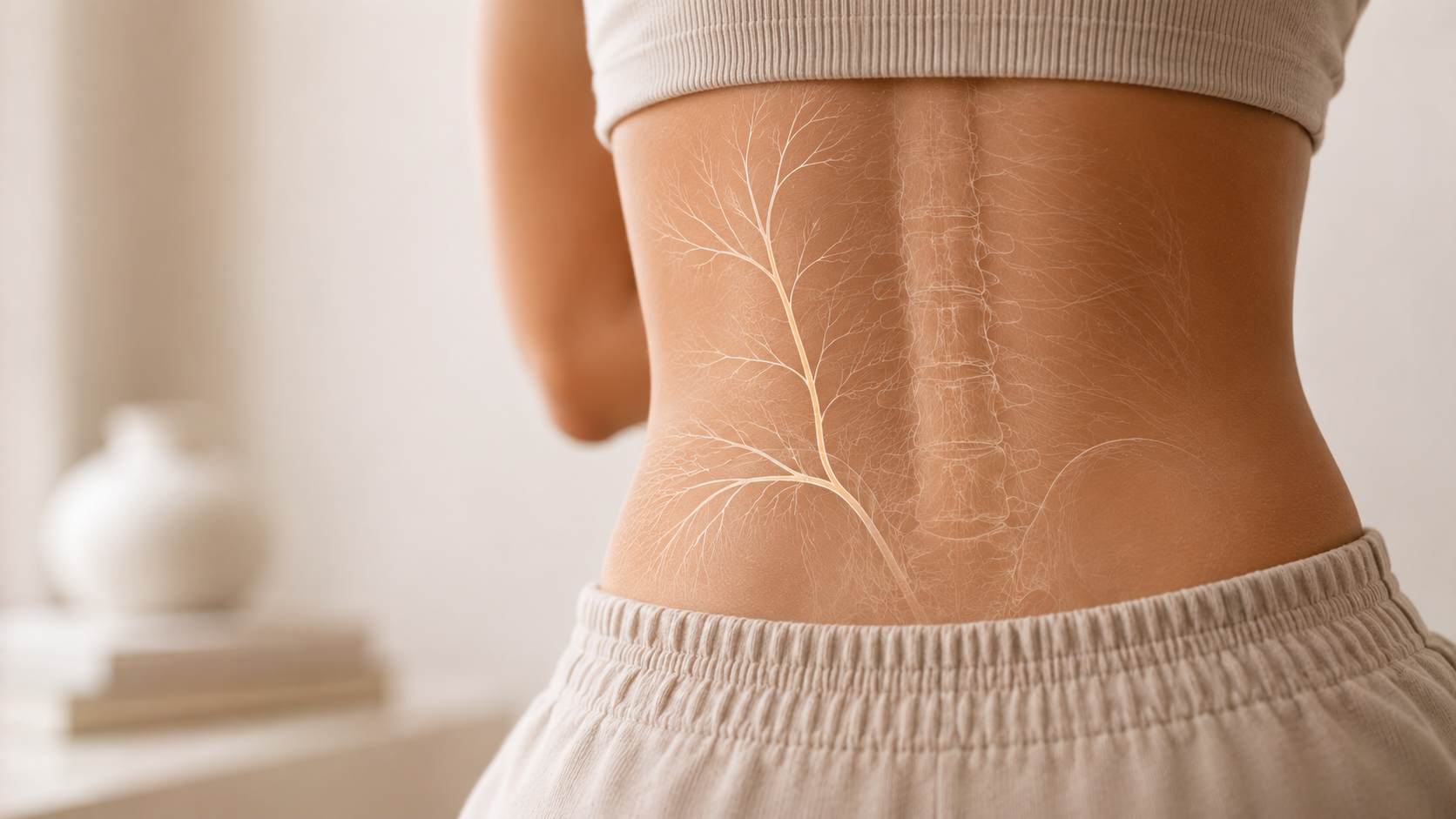
Cluneal Neuralgia
Cluneal neuralgia can cause lower back, upper buttock, hip-region, pelvic-region, or sciatica-like pain when one of the cluneal nerves becomes irritated or entrapped. MPM provides diagnosis-first evaluation to determine whether pain is coming from the cluneal nerves, SI joint, lumbar spine, hip, pelvic region, muscle tissue, or another overlapping pain generator.