
Our Research
Research is a core pillar of Manhattan Pain Medicine’s mission to transform pain medicine through clinical discovery, education, and outreach. Our team studies complex pain conditions that are often under-recognized, under-researched, or lacking clear treatment pathways, with the goal of building more structured protocols and better tools for patient care.
Discover how Dr. Siefferman and the team at Manhattan Pain Medicine are advancing pain medicine through research, education, and collaboration to improve patient care.
What Are Zones of Expertise?
Our team organizes conditions and treatments into related zones of expertise to make it easier to explore the care paths most relevant to your symptoms and goals.
Use the zone tags above to browse dedicated pages for each focus area, including services, providers, and what to expect during treatment.
Hi, I’m Dr. Jason Siefferman, medical director at Manhattan Pain Medicine. Research is an integral part of advancing the practice of pain medicine. If we don’t understand how things work, why they work, if they work, and if we can’t communicate this information to our patients and our colleagues, it’s impossible to grow the practice. We consider it part of education and part of outreach, and we are eager to share our work with you.

Areas of Research
At Manhattan Pain Medicine, research grows directly from the complexity we see in patient care. Our work focuses on conditions where diagnosis is often delayed, treatment options are limited, or the existing medical literature does not yet fully reflect the needs of patients with complex pain.
Hypermobility & Regenerative Medicine
We study how regenerative medicine may help patients with symptomatic joint hypermobility, hypermobile Ehlers-Danlos syndrome, hypermobility spectrum disorder, and joint instability. Our research is focused on structured treatment pathways that begin with less invasive options and use patient response to guide the next step.

Pelvic Pain & Diagnostic Measurement
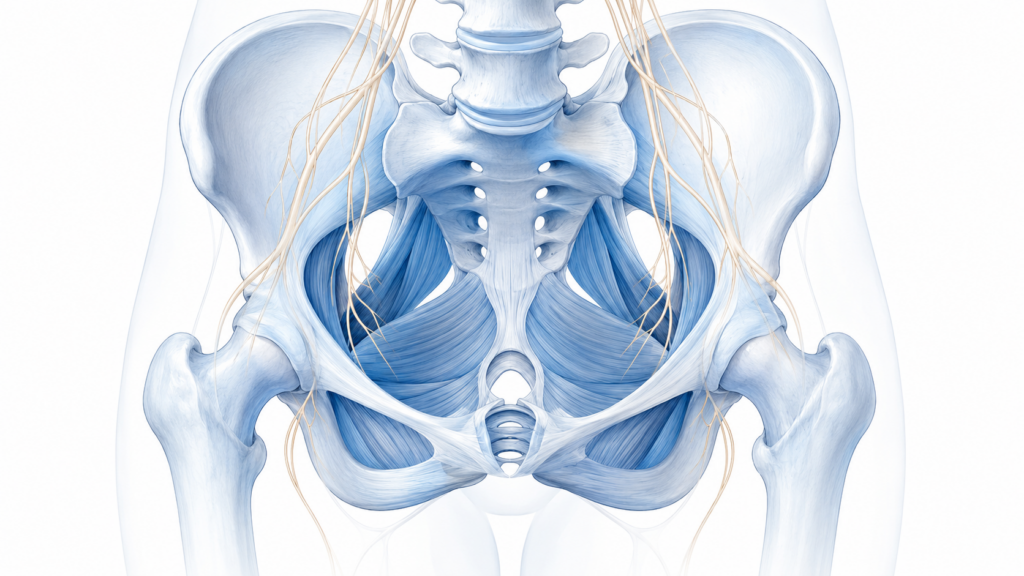
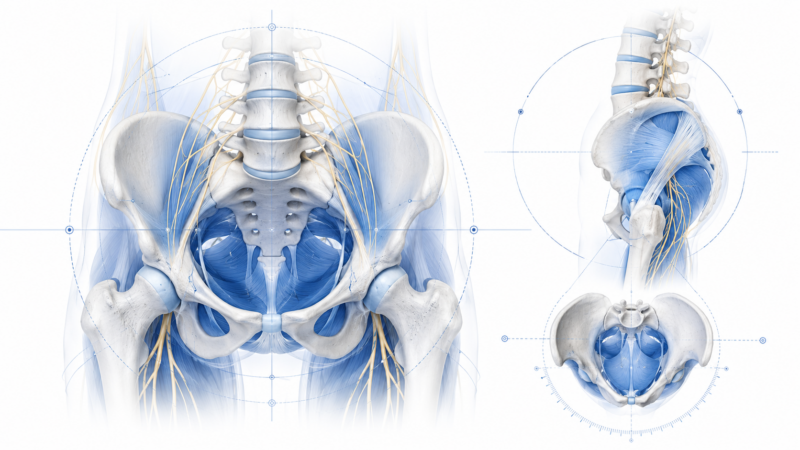
Pelvic pain is often difficult to diagnose because symptoms can overlap across muscles, nerves, joints, bladder function, sexual function, and pelvic floor control. Our research includes the development and validation of condition-specific tools, such as the Pelvic Dystonia Severity Scale, to help clinicians measure symptoms more accurately and track treatment response.
Neurogenic Pain & Targeted Injections
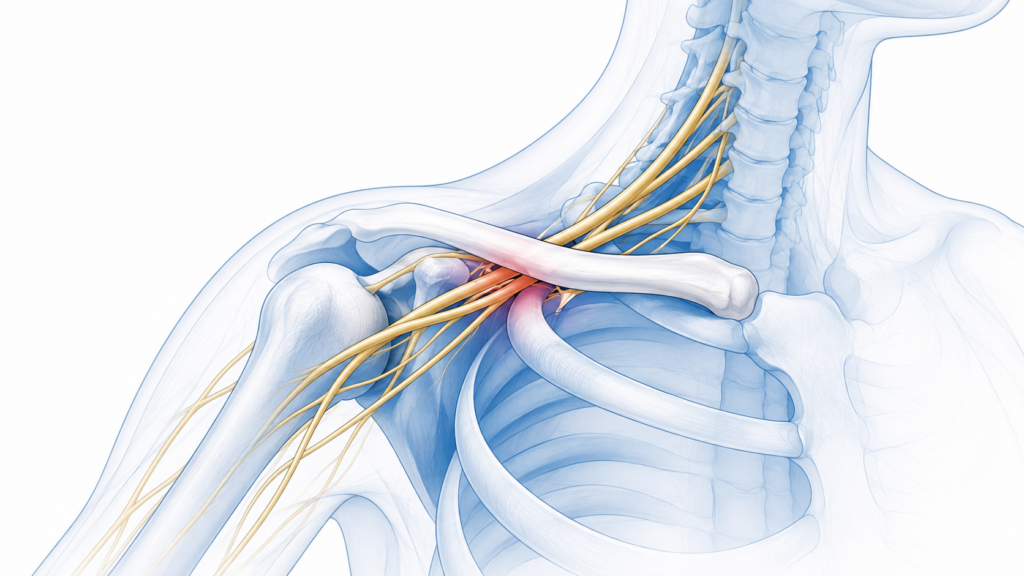
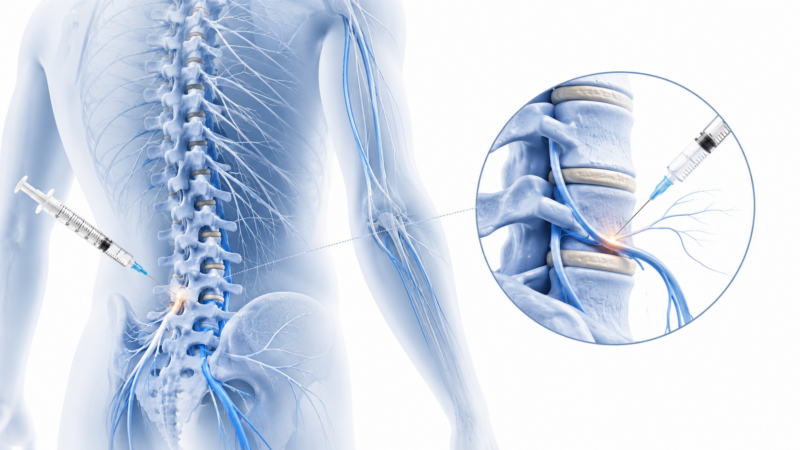
Our research explores targeted, minimally invasive approaches for nerve-related pain conditions, including neurogenic thoracic outlet syndrome and upper limb nerve compression. These studies help evaluate whether image-guided treatments can reduce symptoms such as pain, tingling, numbness, weakness, and functional limitation.
Complex Pain Protocols
Many complex pain conditions do not fit neatly into one diagnosis or specialty. MPM research focuses on turning clinical insight into structured protocols, helping define how patients are evaluated, how treatment sequences are selected, and how outcomes can be measured over time.
Research Partners & Collaborators
-
-
Industry Research Collaborators
-
Clinical Referral Partners
-
Merz Pharmaceuticals GmbH