Pelvic Pain

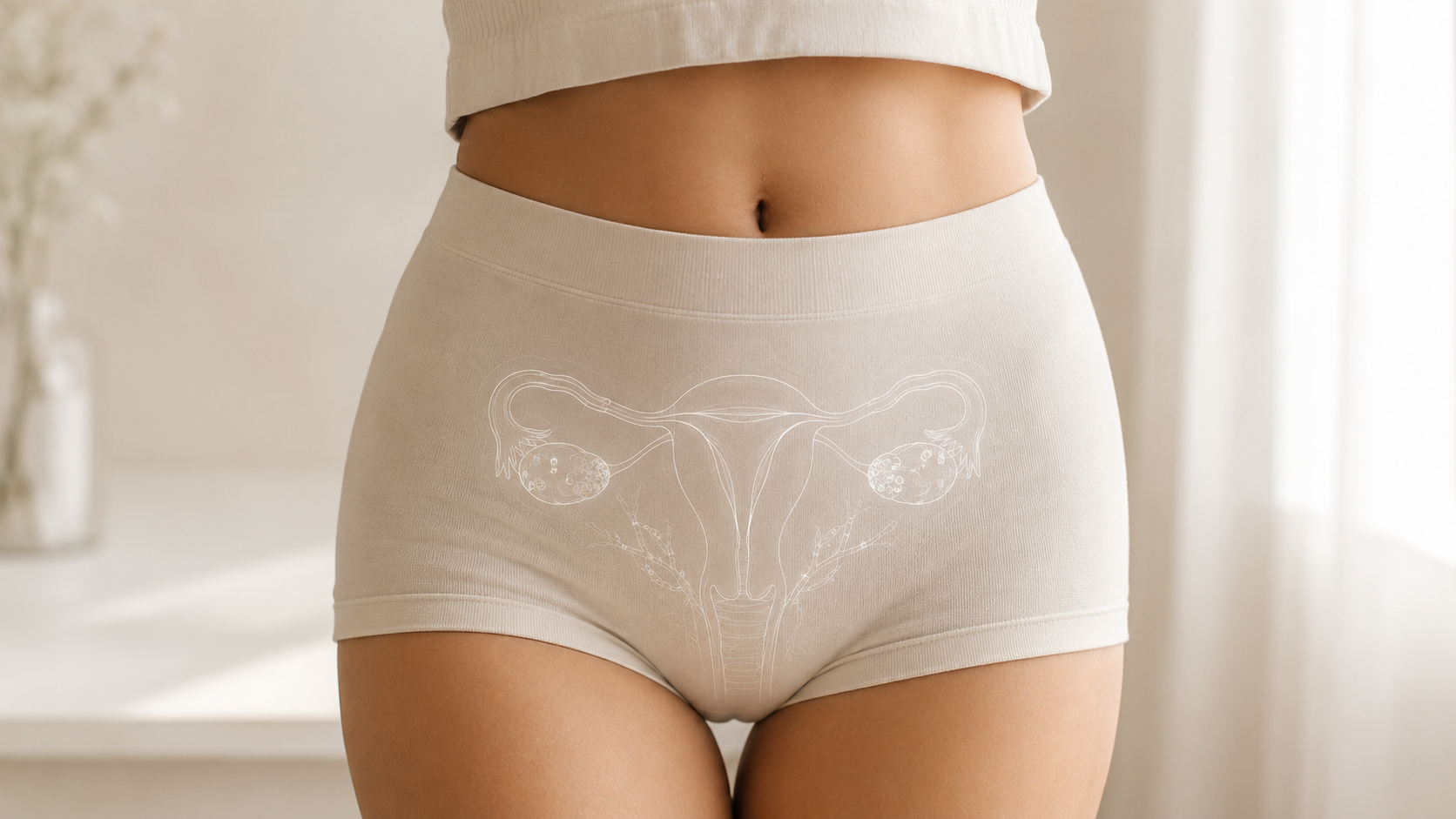
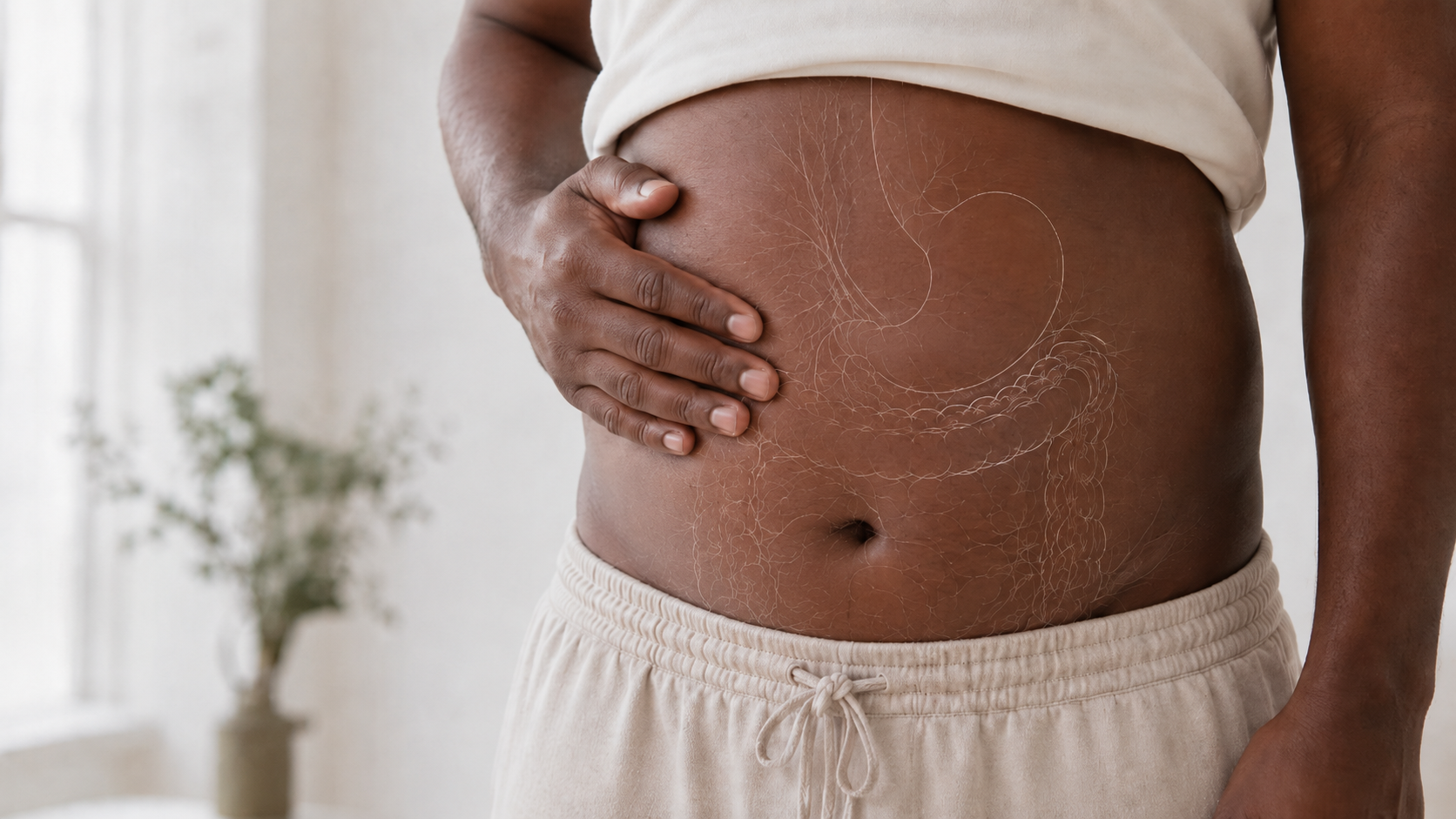
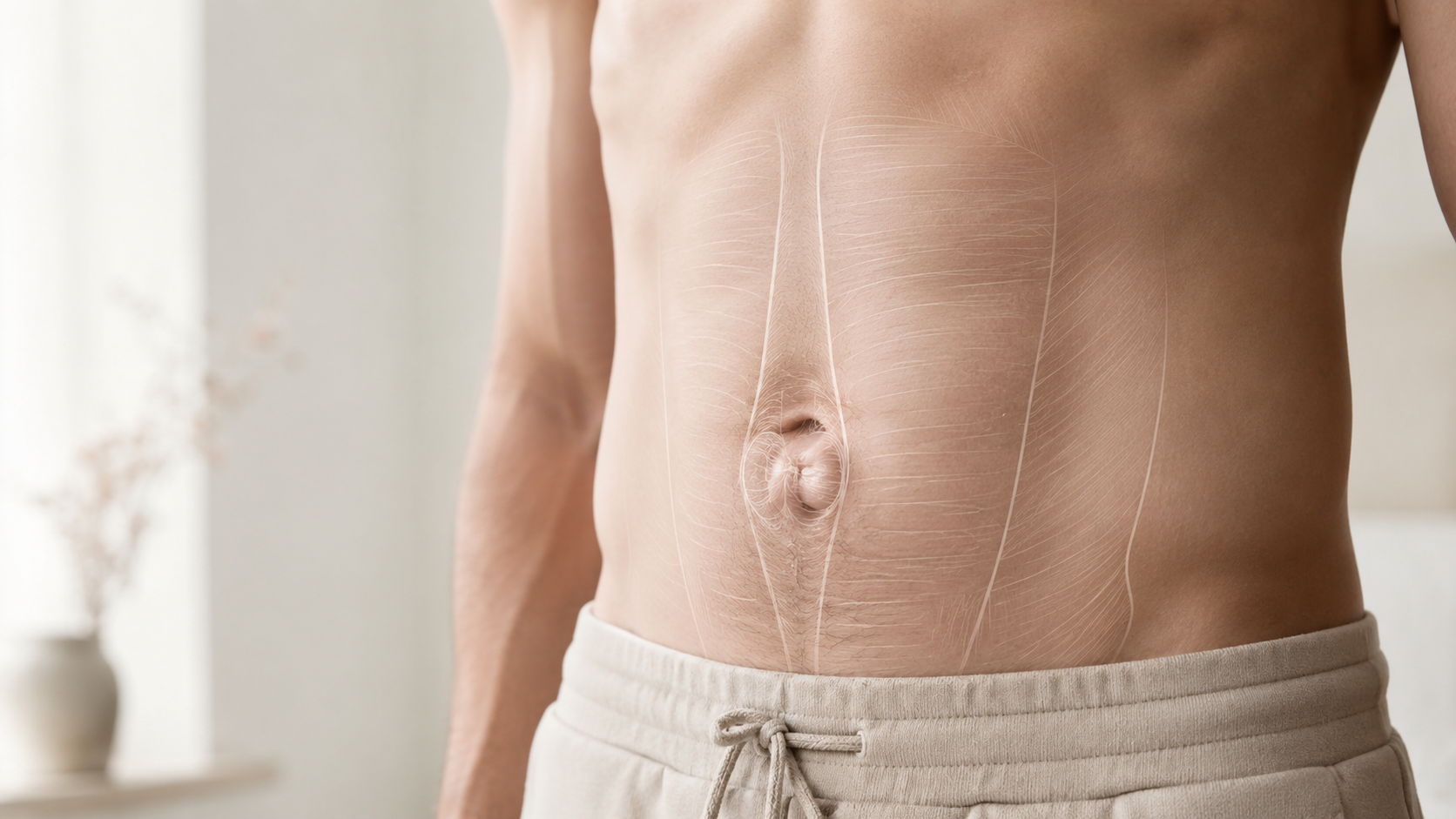
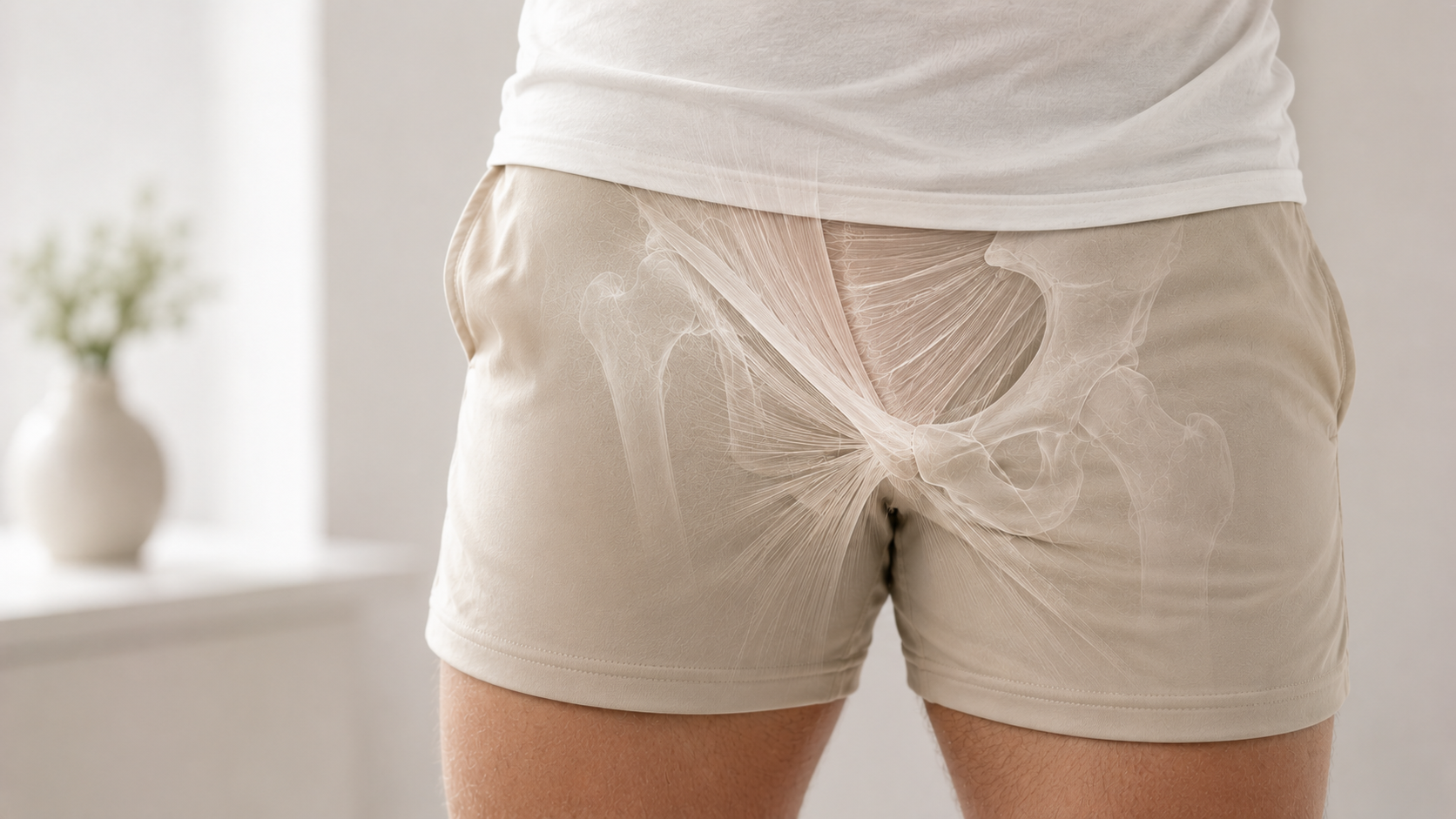
Pelvic pain is often complex because the pelvis contains many overlapping systems in a small space, including the bowel, bladder, reproductive organs, pelvic ring, hips, spine, nerves, blood vessels, muscles, and connective tissue. At Manhattan Pain Medicine, we evaluate pelvic pain by looking beyond the painful area to understand whether symptoms are being driven by pelvic floor guarding, joint instability, nerve irritation, visceral inflammation, vascular congestion, spinal pathology, or nervous system sensitization.

Related Zones of Expertise

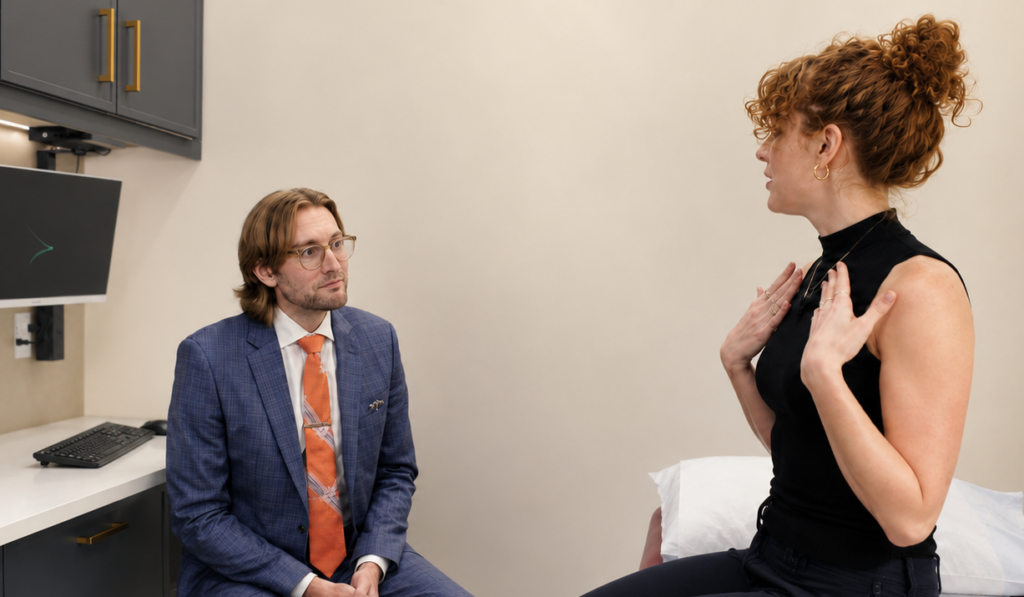
Pelvic pain can have many causes. Dr. Siefferman explains what may be behind your symptoms and how treatment can help.

About Pelvic Pain

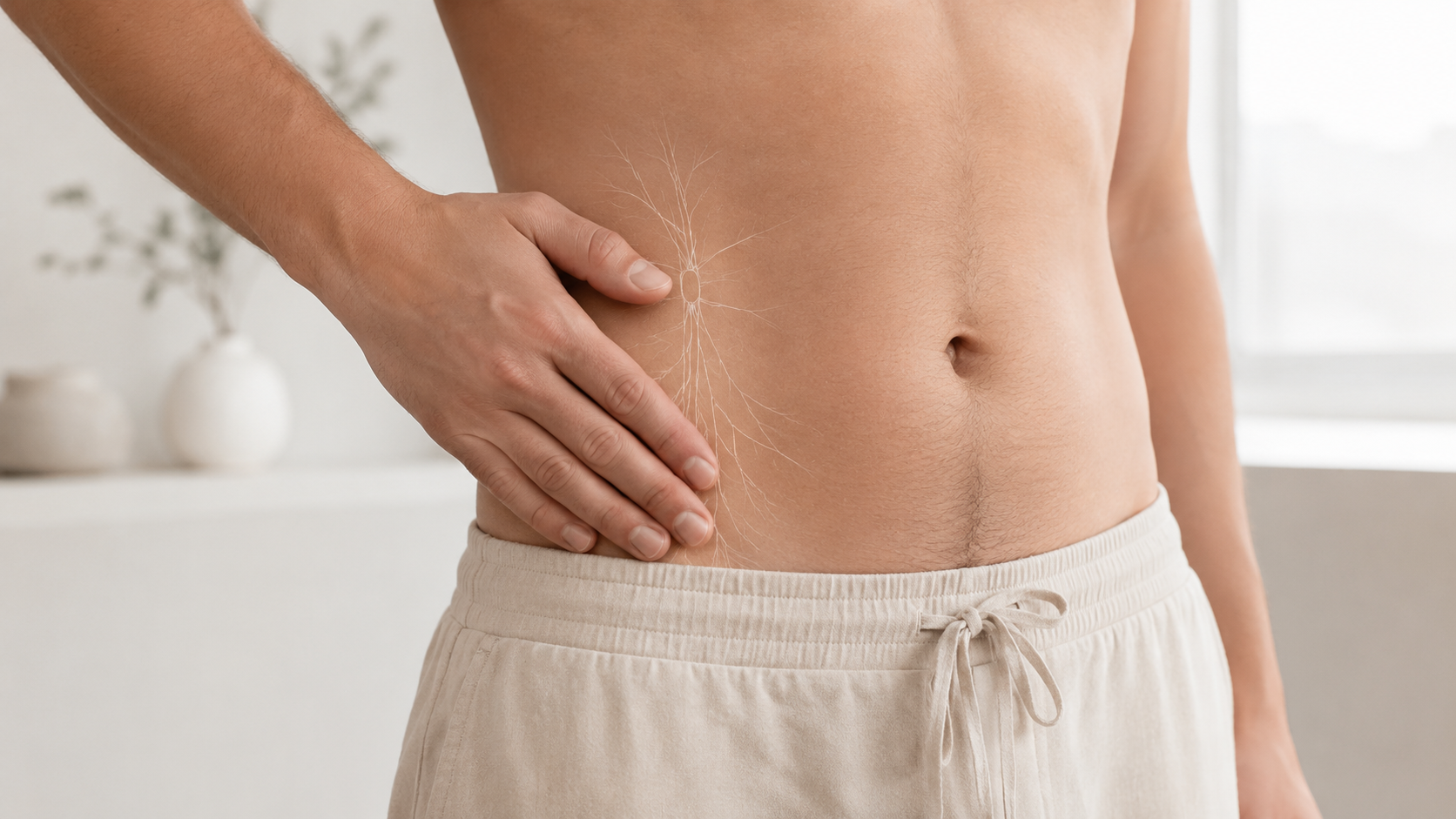
Pelvic pain may be felt in the lower abdomen, pelvis, bladder, rectum, vagina, vulva, perineum, scrotum, hips, sacroiliac joints, tailbone, or low back. Because these structures sit close together and share overlapping nerve pathways, pain may be felt in one location even when it is generated somewhere else.
At Manhattan Pain Medicine, we do not assume that pelvic floor dysfunction is always the primary problem. In many patients, pelvic floor tightness is a guarding response to another driver, such as hip or sacroiliac instability, pudendal nerve irritation, endometriosis, interstitial cystitis, spinal nerve irritation, pelvic congestion, occult hernia, or connective tissue laxity.

Our goal is to identify which systems are involved, which pain generators are primary, which symptoms are referred, and what treatment sequence may help the pelvis become less reactive and more stable.
Our Pelvic Pain Team

Pelvic pain often requires collaboration across pelvic pain medicine, interventional pain, rehabilitation, rheumatology, pain psychology, regenerative medicine, and outside specialists when needed. At Manhattan Pain Medicine, care is coordinated around the full pelvic pain pattern, including pelvic floor symptoms, visceral pain, nerve pain, joint instability, spine involvement, vascular concerns, and systemic contributors.

When Should I Seek Evaluation?

Patients may benefit from evaluation when pelvic pain is persistent, difficult to explain, worsens with sitting, affects the bladder or bowel, causes pain with intercourse, feels burning or electric, overlaps with hip or low back pain, follows endometriosis or pelvic surgery, or continues despite pelvic floor physical therapy, urology, gynecology, or gastrointestinal evaluation.

Request An Appointment

APPROACH

Our Approach to Pelvic Pain

We evaluate pelvic pain by identifying which structures are generating pain, which symptoms are referred, and which systems need to be treated first.
  • 1

    Discovery

    We begin by mapping the pelvic pain pattern, including location, sitting tolerance, bowel and bladder symptoms, sexual pain, hip and sacroiliac mechanics, spine symptoms, nerve pain, menstrual or hormonal patterns, prior surgeries, imaging, physical therapy response, and signs of visceral, vascular, inflammatory, or autonomic involvement.
  • 2

    Treatment

    Treatment is selected based on the suspected driver. Care may include pelvic pain medication support, compounded suppositories, bowel regimen optimization, sympathetic nerve blocks, pudendal nerve blocks, pelvic floor or hip-focused injections, regenerative medicine for instability, Botox or Xeomin for selected muscle guarding patterns, epidural procedures, pelvic floor physical therapy, and pain psychology.
  • 3

    Maintenance

    Once the main drivers are clearer and symptoms are more stable, the focus shifts to maintaining pelvic control, reducing guarding, improving sitting tolerance, supporting bowel function, retraining pelvic floor response, preventing flares, and helping the patient understand which symptoms reflect mechanical, nerve, visceral, vascular, or sensitization patterns.

Pelvic pain is rarely solved by treating one structure in isolation. We work to understand the pelvis as a dynamic crossroad where the hips, sacroiliac joints, spine, pelvic floor, nerves, organs, blood vessels, connective tissue, and nervous system may all contribute to the pain pattern.

What to Expect During Evaluation

Your evaluation may include a detailed review of pelvic pain location, sitting intolerance, bowel and bladder function, sexual pain, menstrual or hormonal history, prior surgeries, spine and hip symptoms, imaging, pelvic floor therapy response, and previous injections or procedures. The team may evaluate whether pain is local, referred, nerve-driven, mechanically driven, visceral, vascular, inflammatory, or part of a broader sensitization pattern.

Request An Appointment

RELATED CONDITIONS

Conditions Related to Pelvic Pain

Pelvic pain can overlap with many nerve, spine, hip, gynecologic, urologic, gastrointestinal, vascular, connective tissue, and systemic pain conditions. The condition list below connects this zone with related diagnoses and clinical patterns that may require coordinated evaluation.

Why Referred Pain Matters

Pain felt in the pelvis is not always generated by the exact structure that hurts. A spinal nerve, sacroiliac joint, hip, hernia, vascular issue, bladder, uterus, bowel, or pelvic floor muscle may refer pain into another pelvic region. Understanding referred pain helps prevent treatment from focusing on the wrong target.

PATIENT STORIES

Real Patients. Real Progress.

Hear from patients who came to Manhattan Pain Medicine looking for answers, clarity, and a more thoughtful path forward.
  • Madaline. M

    5 star review

    I cannot say enough good things about Manhattan Pain Medicine. From the moment I walked in, I felt truly cared for and taken seriously. Dr. Nino Mikaberidze, Director of Rheumatology, is exceptional — knowledgeable, compassionate, and incredibly thorough. She takes the time to listen, explains every...

    Google

  • Haleigh Y.

    5 star review

    The best care I've received as a chronic pain patient. I traveled from out of state to visit Manhattan Pain Medicine because I could not find knowledgeable doctors in my hometown for my hypermobility, and Ehlers-Danlos syndrome symptoms and comorbidities. Let me tell you, it was worth every travel e...

    Google

  • Damien P.

    5 star review

    I was injured in a bicycle accident over 8 years ago. I’ve suffered throughout the years since my accident with nothing seeming to work. PT, Yoga, lifestyle changes, NOTHNG! I finally made an appointment with Dr Kane and I’m feeling an improvement in my life. I no longer stay up all night in pain, a...

    Google

  • JP S.

    5 star review

    One of the best experiences, if not the best, I have ever had at the doctor’s office. From the front desk to the nurses to the PA assisting the doctor this was a great experience. Dr.Nino actually listened to me and came up with a game plan. Would recommend this practice to as many people as I could...

    Google

  • Richard B.

    5 star review

    I have very unique & severe nerve pain from CRPS which has no known specific cure. Dr. Siefferman has a huge tool box, far greater than the other 23 Drs. I have seen. He saved me from jumping off a bridge and continues to help me with both treatments and advice. Dr. S. is in a different league!

    Google

  • Clare F.

    5 star review

    After two years of searching and feeling lost and let down, I finally found real help at Manhattan Pain Medicine. With Dr. Siefferman, Adam Rosenberg, Dr. Mikaberidze, and the whole team, I feel heard, supported and understood. Every symptom is being considered and I’m finally getting answers with m...

    Google

  • Jonathan C.

    5 star review

    Why is Dr Dr. Tayyaba Ahmed one of the top pevic Floor specialists - 1- She wants to know a full history of what led the patient to get to this point. 2 - She listens intensley to the patient 3- She does not rush you 4- Extremely skilled at giving pelvic floor injections 5- I thank my luck stars she...

    Google

  • Jodi K.

    5 star review

    The staff was friendly and helpful. Dr. Siefferman was thoughtful, listened, asked questions and proposed simple safe ways to come to further conclusions regarding my pain and discomfort. The office staff including Dr. Siefferman is responsive even after the initial in-person visit. Very pleased.

    Google

  • Sabrina S.

    5 star review

    Dr. Siefferman is a brilliant provider. While my pain is still a work in progress, Dr Siefferman always gives me options and explains his reasoning behind things. He listens to my feedback and concerns. I never feel rushed; and am grateful he works to meet me where I am. I highly recommend him.

    Google

  • Lorraine B.

    5 star review

    What a great find! They listen to me, I listen to them and the diagnosis is made and a plan developed to develop an approach to treat all of my chronic pain. I wish I could have discovered this type of treatment sooner. This doctor and group give me hope.

    Google

FAQ

Frequently Asked Questions

Common questions about pelvic pain, pudendal neuralgia, pelvic floor dysfunction, endometriosis-related pain, bladder pain, sitting intolerance, nerve pain, and how Manhattan Pain Medicine approaches evaluation and treatment.

Understanding Insurance Before You Begin

Before care begins, our team helps patients understand the practical side of treatment, including insurance verification, out-of-network benefits, cost-share estimates, self-pay options, and billing questions. We believe patients should have as much clarity as possible before moving forward.

Insurance & Billing

Find the Driver Behind Pelvic Pain

If pelvic pain, sitting intolerance, bladder or bowel symptoms, sexual pain, burning nerve pain, hip instability, or low back symptoms are disrupting daily life, our team can help evaluate what may be driving the pattern and guide the next step in care.

Request An Appointment

RESEARCH

Research on Pelvic Pain

Explore MPM research related to pelvic pain, pudendal neuralgia, pelvic floor dysfunction, visceral pain, nerve sensitization, pelvic instability, and related clinical patterns that may contribute to complex pain.
GO DEEPER

Pelvic Pain: The MPM Approach

Pelvic pain can involve the bowel, bladder, reproductive organs, pelvic floor, hips, spine, nerves, blood vessels, and connective tissue. Our approach begins by identifying which systems are involved and which driver should be treated first.

Pelvic pain is complex because the pelvis contains many structures in a small space. Pain may come from the bladder, bowel, uterus, ovaries, prostate, pelvic floor muscles, sacroiliac joints, hips, spine, nerves, blood vessels, abdominal wall, connective tissue, or hernias. These structures share overlapping nerve pathways, so the brain may feel pain in one location even when it is generated somewhere else.

At Manhattan Pain Medicine, we evaluate pelvic pain by looking at the pelvis as a dynamic crossroad. We ask whether the pain is local, referred, nerve-driven, mechanically driven, visceral, vascular, inflammatory, or part of a broader sensitization pattern. Often, more than one answer is true.

Pelvic Floor Dysfunction Is Often Secondary

Pelvic floor dysfunction is commonly described as a diagnosis, but in many patients it is a response. The pelvic floor may tighten to protect the pelvis, hips, sacroiliac joints, spine, nerves, or irritated organs. This guarding can become painful and can create symptoms that seem primary, even when the original driver is elsewhere.

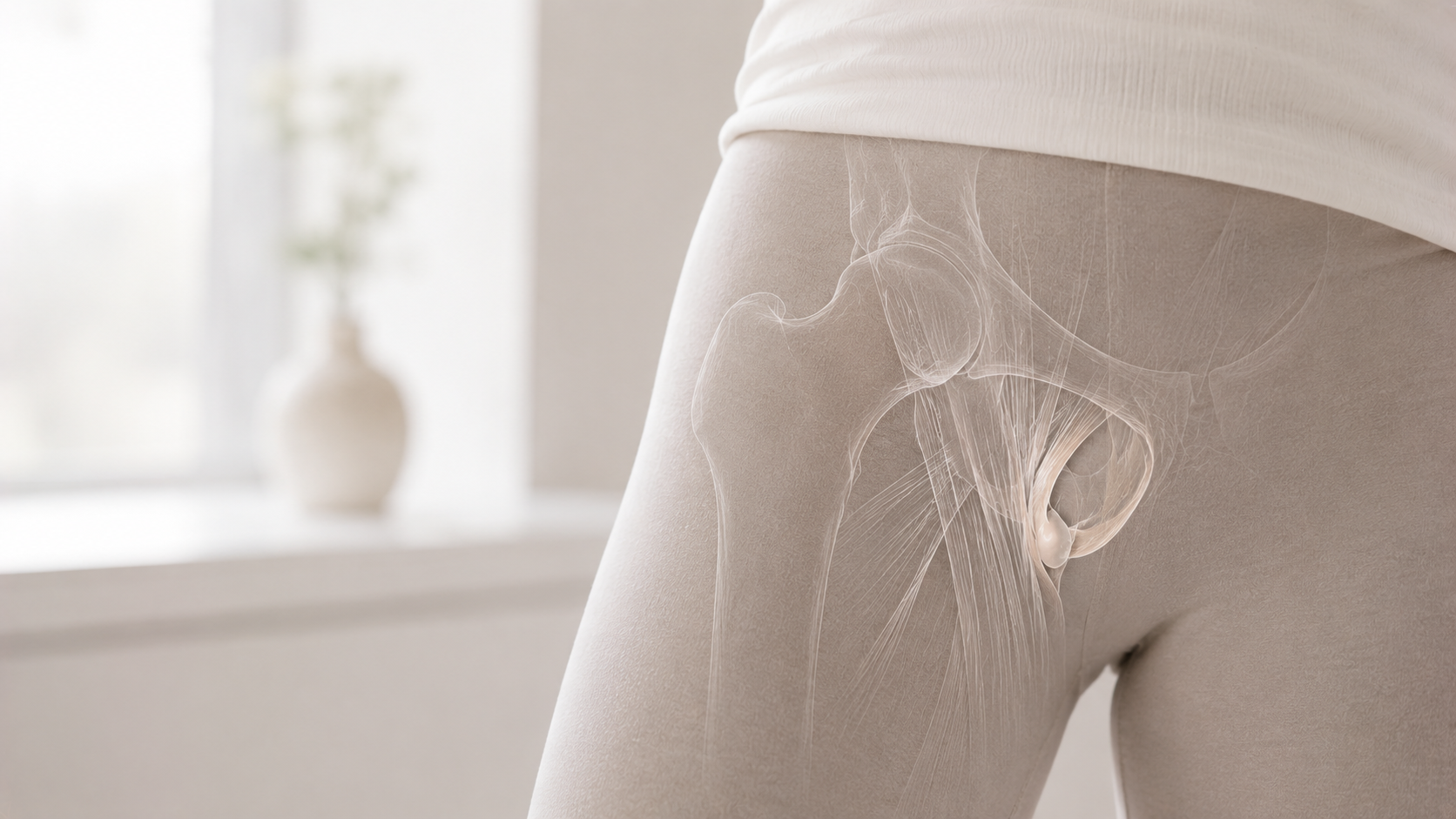
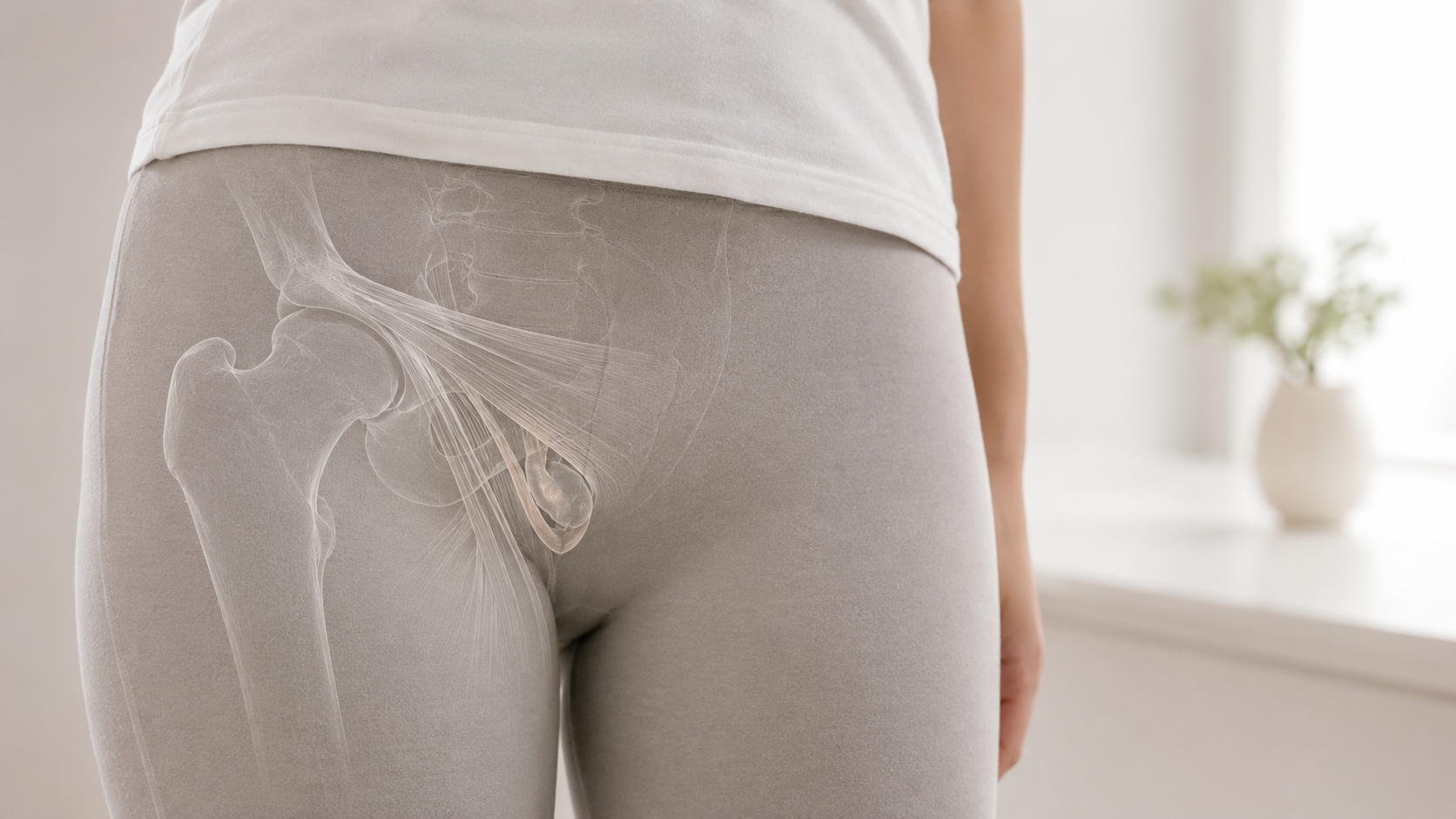
For example, unstable hips or sacroiliac joints may cause the obturator internus, piriformis, levator ani, or other deep pelvic muscles to contract as functional splints. Over time, these muscles may become enlarged, tight, painful, and crowded around nearby nerves. The pudendal nerve may become irritated, creating genital, perineal, rectal, or sitting-related pain.

The Pelvic Pain Crossroad

Pelvic pain can be driven by multiple systems at once. A patient may have endometriosis, sacroiliac instability, pelvic floor guarding, pudendal nerve irritation, constipation, dysautonomia, and medical trauma all feeding into the same pain pattern. Treating only one piece may help, but it may not be enough.

MPM’s role is often to help organize the full pattern and determine what needs to be treated directly, what needs referral coordination, and what needs to be calmed before the next step can work.

Common Clinical Patterns

Pudendal Neuralgia

Pudendal neuralgia may cause burning, stabbing, electric, pins-and-needles, or numb sensations involving the vulva, clitoris, penis, scrotum, perineum, or rectum. Sitting intolerance is common. Some patients feel better standing or walking because sitting increases pressure or tension through the nerve pathway.

Endometriosis and Visceral Sensitization

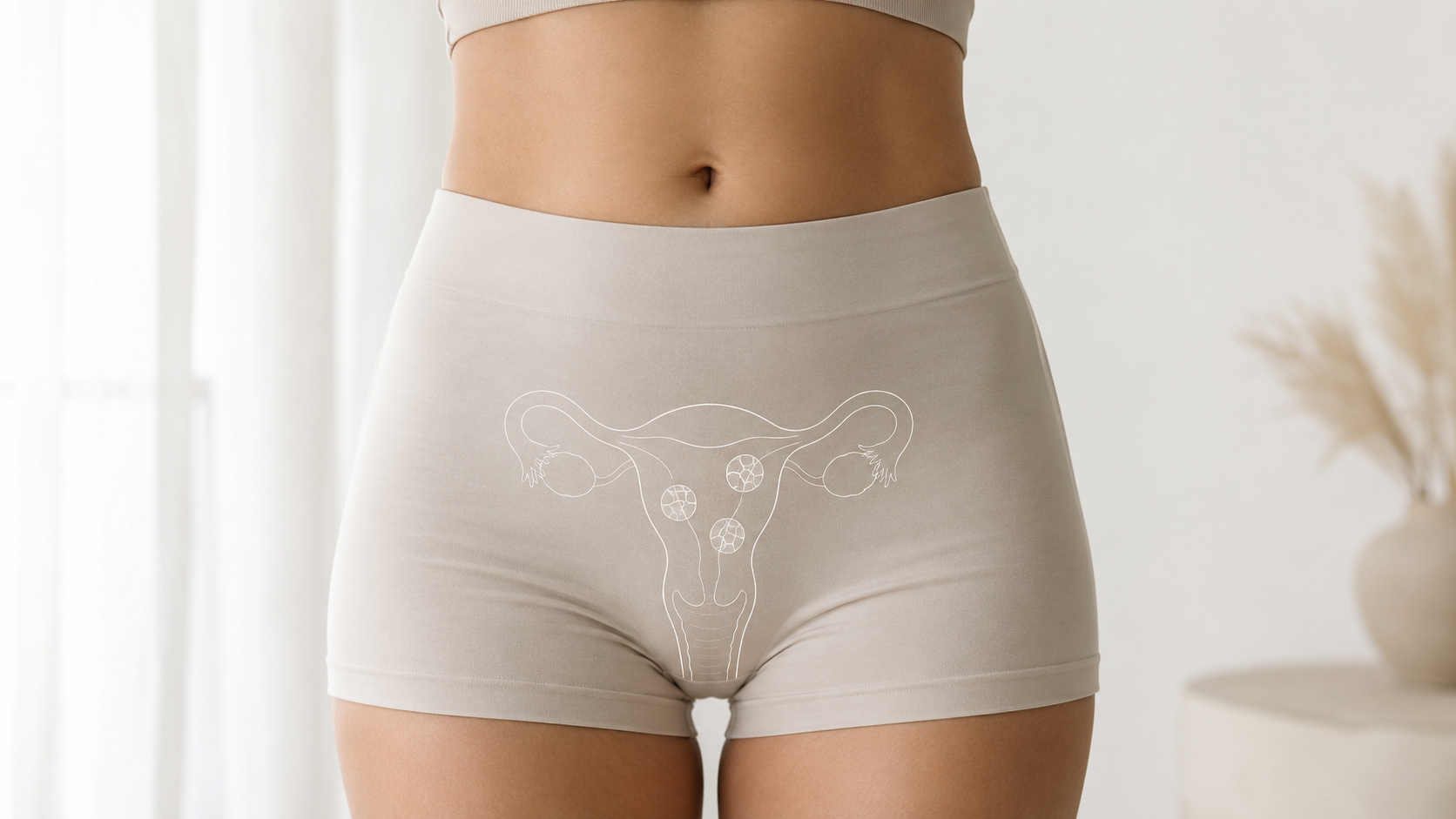
Endometriosis, adenomyosis, interstitial cystitis, painful bladder syndrome, bowel inflammation, and other visceral conditions can place the nervous system in a high-alert state. Over time, the body may become more sensitive to pelvic signals, leading to pain with intercourse, clothing sensitivity, bladder urgency, bowel flares, pelvic floor guarding, and cross-organ symptoms.

Bladder Pressure and Phantom UTI Symptoms

Some patients feel constant bladder pressure, burning, urgency, or frequency despite normal urine testing. These symptoms may be related to bladder pain syndrome, pelvic floor guarding, sympathetic nervous system sensitization, pudendal nerve irritation, occult hernia, or referred pain from nearby structures.

Hip, Sacroiliac, and Pelvic Ring Instability

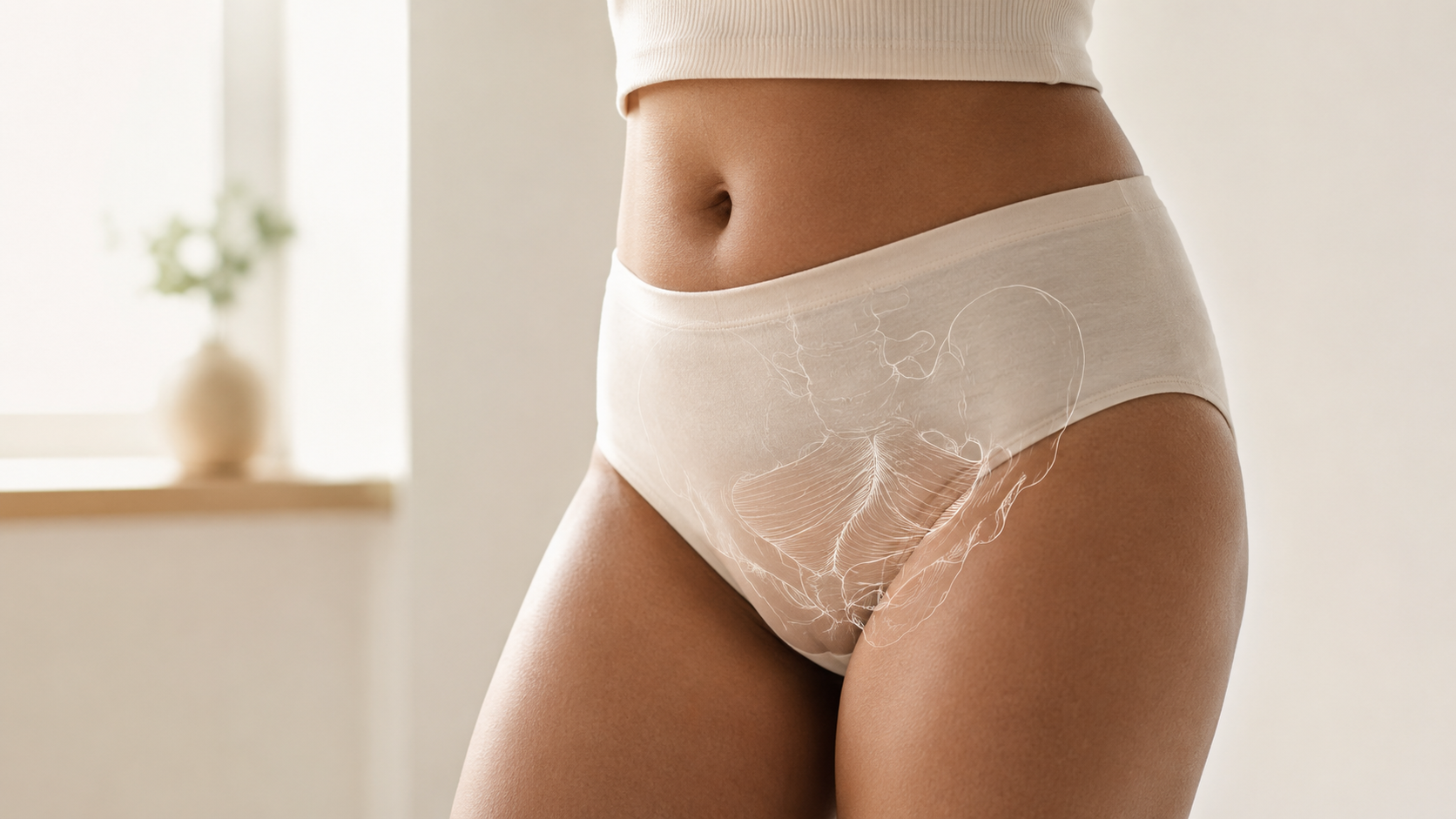
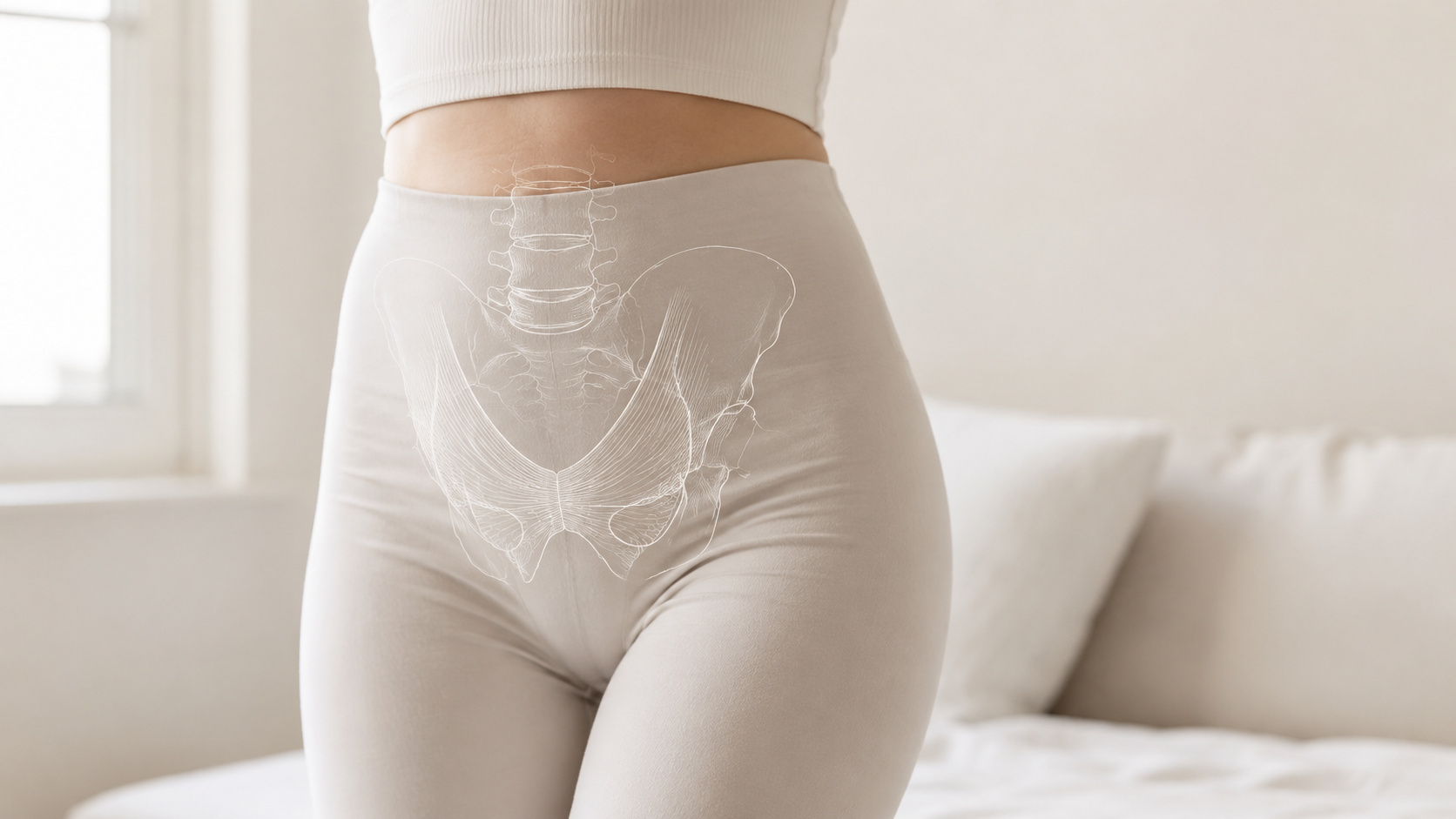
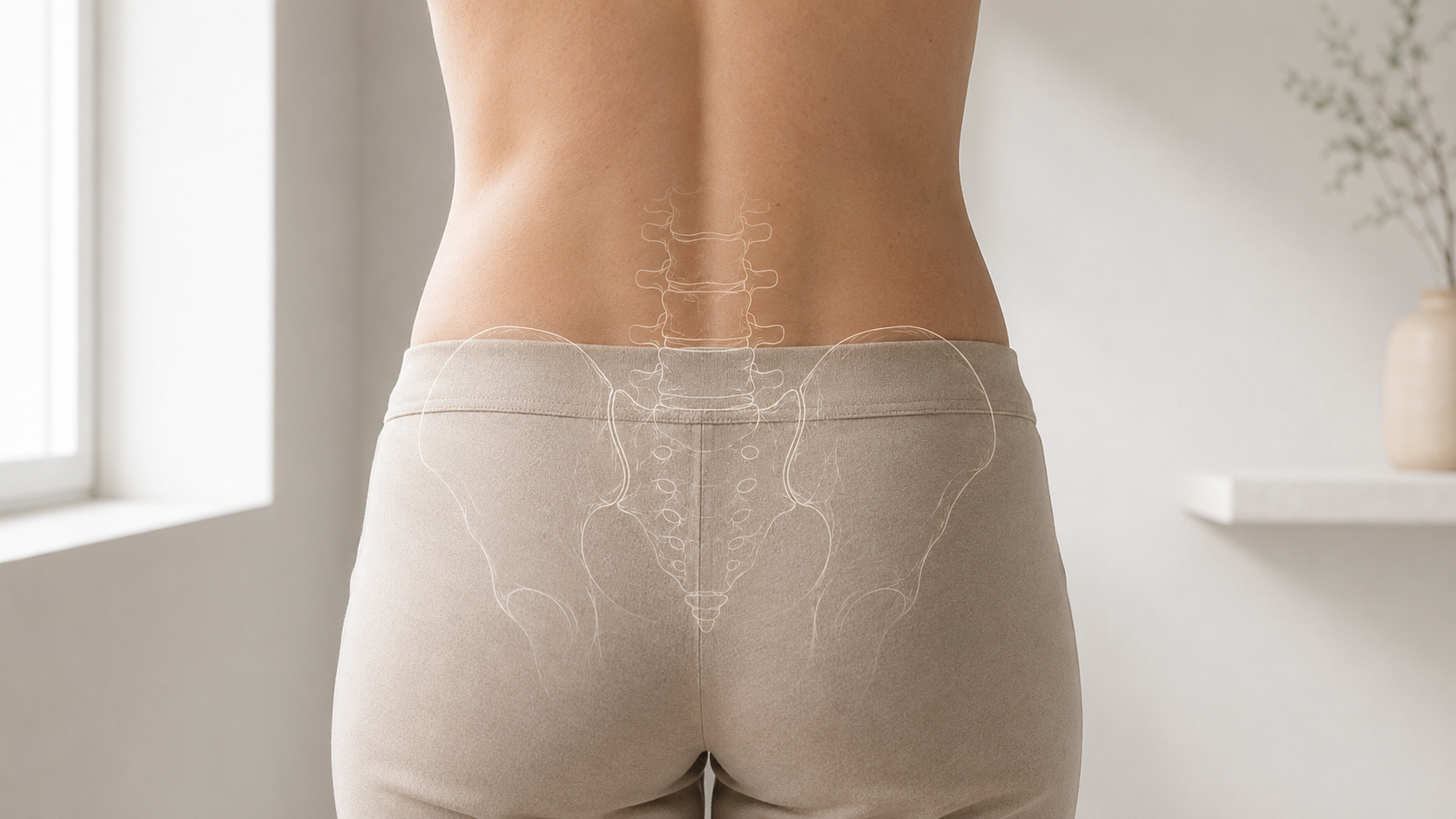
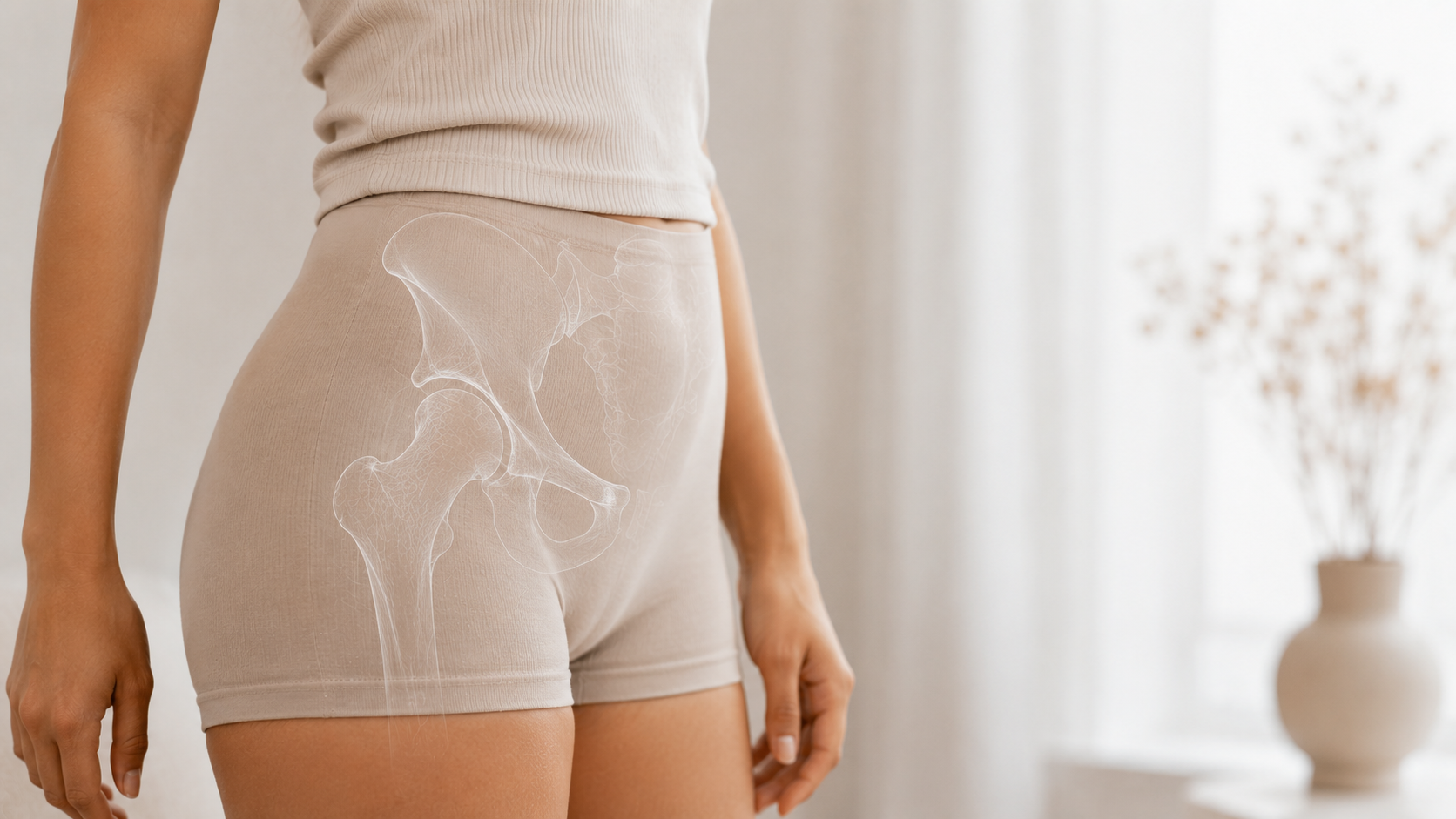
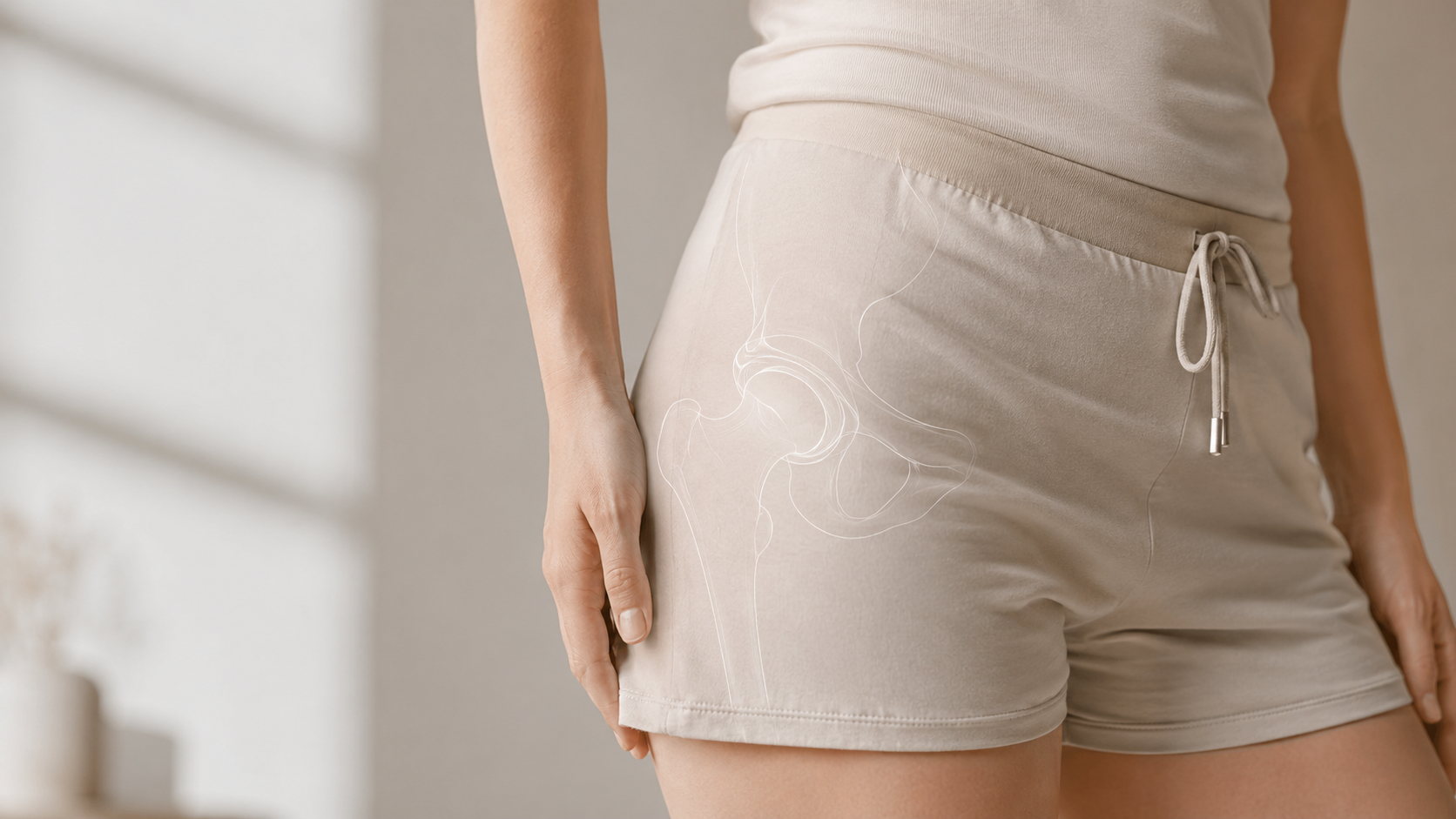
The pelvis depends on the hips, sacroiliac joints, pubic symphysis, ligaments, and deep stabilizing muscles. When these structures are unstable, the pelvic floor may tighten to protect the region. This can create pain in the pelvis, low back, groin, rectum, vagina, perineum, hip, or tailbone.

Spinal Drivers and Double Crush Patterns

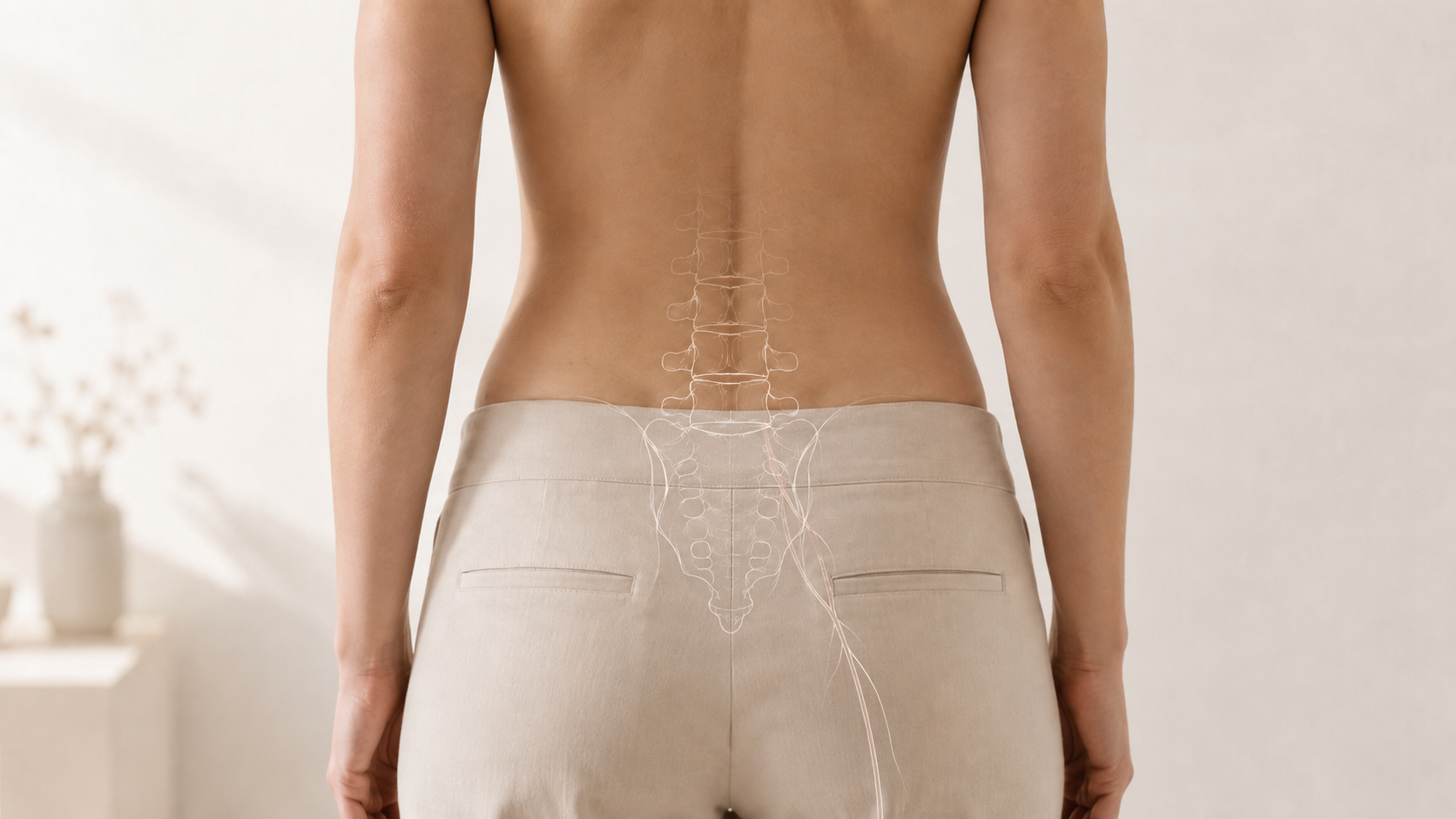
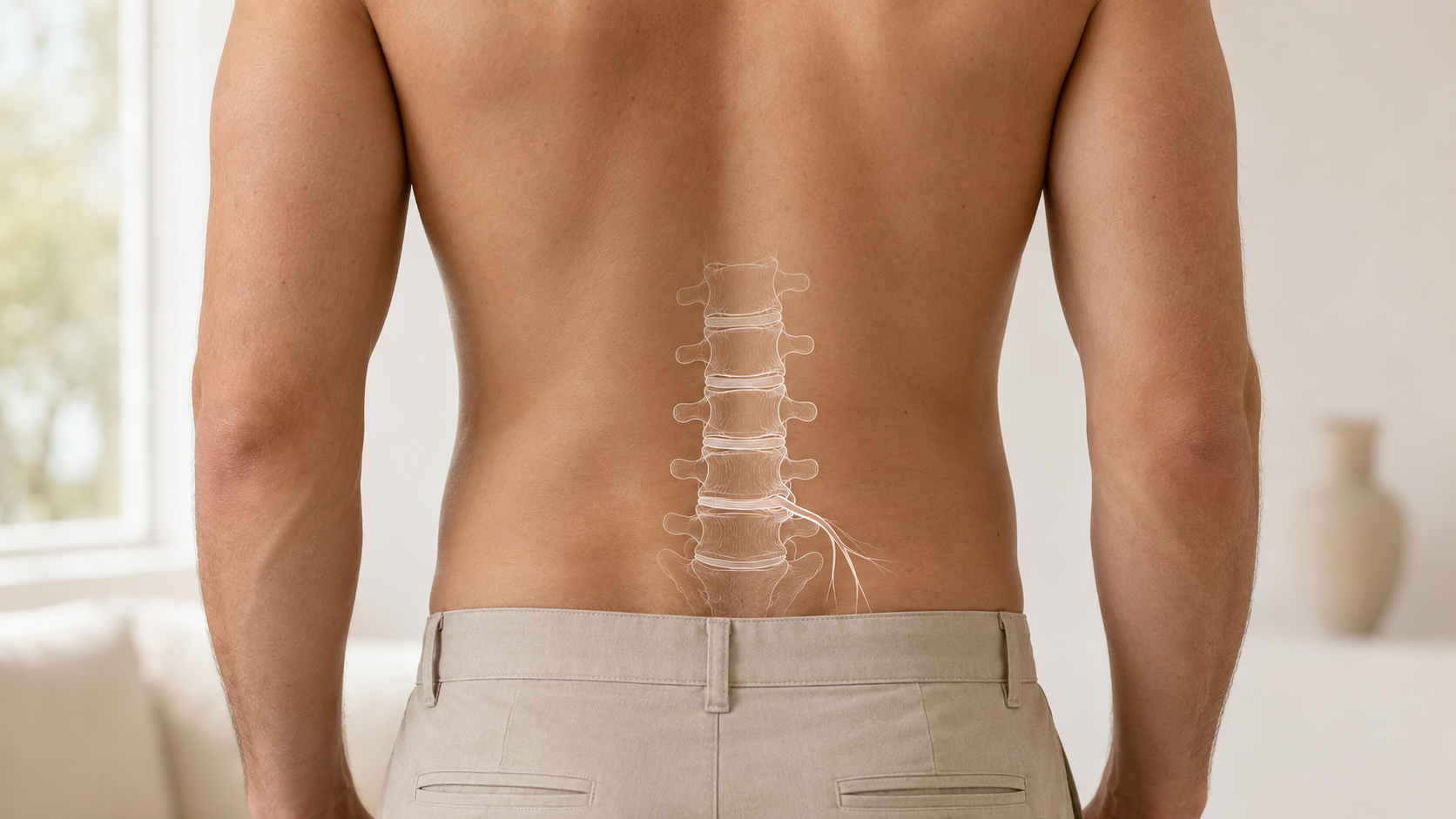
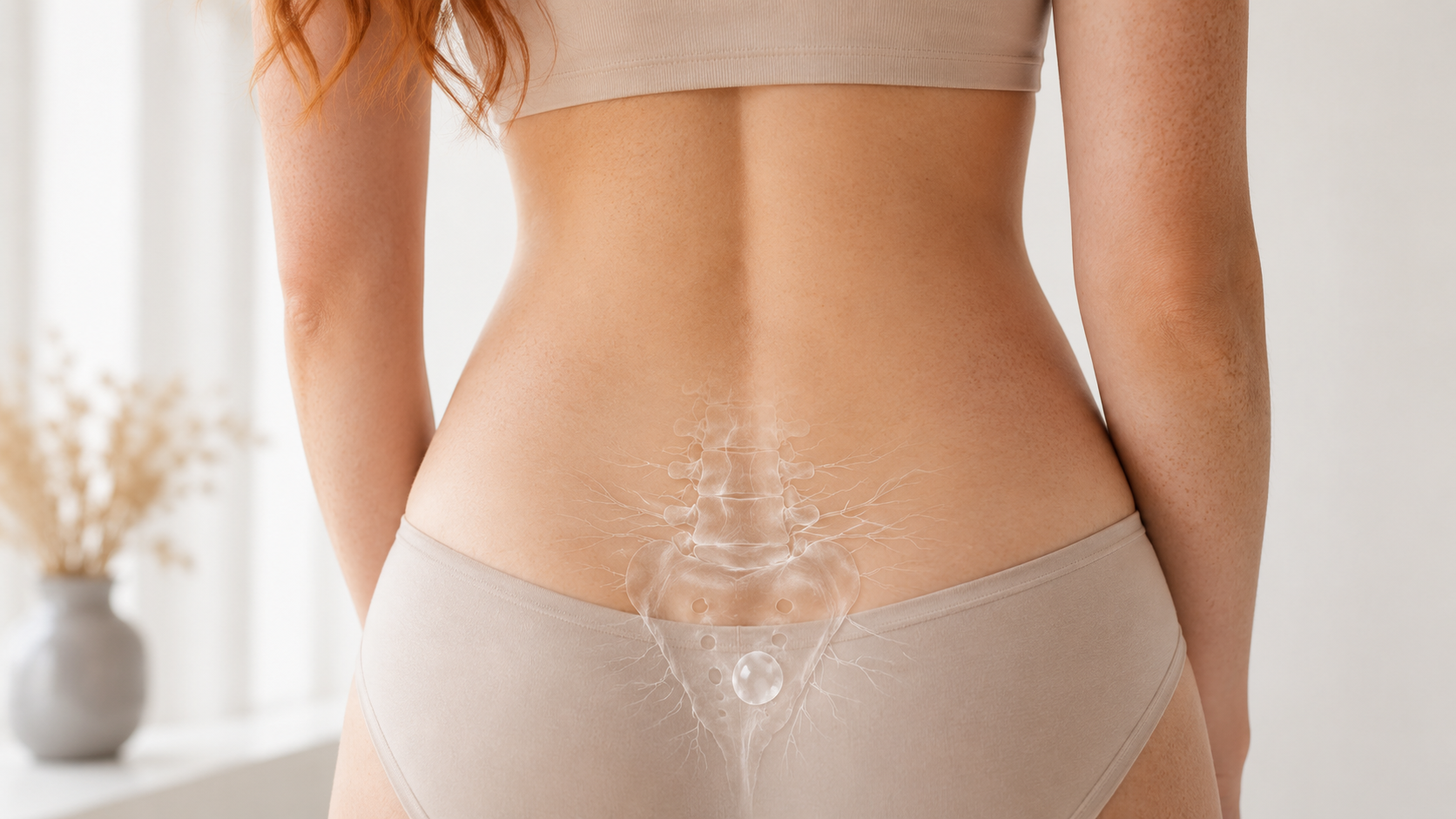
Pelvic nerves are influenced by the lower spine and sacral nerve roots. A disc herniation, inflammatory irritation, scar tissue, or tethered nerve root may contribute to pelvic pain. A nerve may also be irritated in two locations, such as near the spine and again within the pelvis. This double crush pattern can make symptoms more severe and more difficult to interpret.

Vascular Congestion, Hernias, and Variant Anatomy

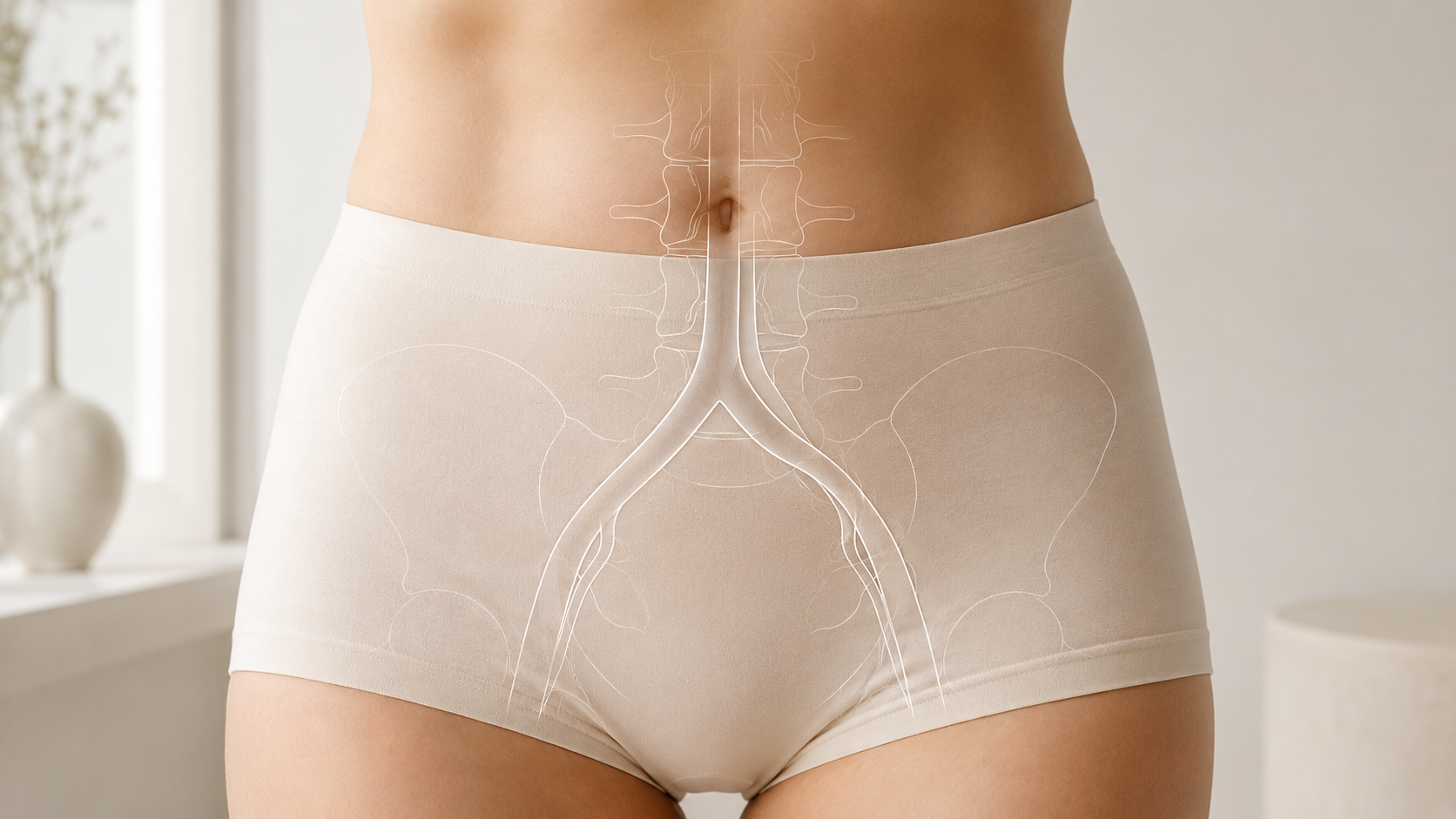
Pelvic pain may also come from vascular congestion, occult hernias, abdominal wall defects, or variant anatomy such as Bertolotti syndrome. These conditions can mimic pudendal neuralgia, bladder pain, hip pain, low back pain, or genital pain. When suspected, the team helps coordinate appropriate imaging, referrals, or procedural evaluation.

Discovery

Discovery begins by separating the symptoms. We ask where the pain is felt, what it feels like, what triggers it, what relieves it, whether sitting changes it, whether bowel or bladder function is involved, whether intercourse is painful, and whether symptoms change with the menstrual cycle, posture, hip motion, spine motion, or activity.

We also look for referred pain. A structure may generate pain in one area while the patient feels it somewhere else. This is common in the pelvis because the organs, nerves, muscles, joints, and connective tissues share overlapping pathways.

Diagnostic blocks may help isolate variables. A pudendal nerve block may clarify whether pudendal neuralgia is a major contributor. Superior hypogastric plexus or ganglion impar blocks may help evaluate visceral or sympathetic pain. Hip, sacroiliac, spine, or pelvic ligament injections may help determine whether mechanical instability is driving pelvic floor guarding.

When hypermobility or instability is suspected, diagnostic fluid distension or targeted joint testing may help determine whether stabilizing a joint reduces pelvic floor guarding or referred nerve pain. Imaging may be reviewed carefully, and dynamic or specialty imaging may be considered when standard studies do not explain the symptoms.

Treatment

Treatment depends on the driver and the sequence. Pelvic pain treatment often works best when the nervous system is calmed, bowel and bladder contributors are addressed, mechanical instability is treated when present, and the pelvic floor is retrained after the upstream drivers are better controlled.

  • Sensitization control: Superior hypogastric plexus blocks, ganglion impar blocks, medication strategies, and pain psychology may help calm visceral alarm signals and reduce nervous system amplification.
  • Local pelvic floor support: Compounded vaginal or rectal suppositories may be considered in selected patients to help relax pelvic floor spasm and soothe local nerve irritation.
  • Bowel optimization: Constipation can increase internal pelvic pressure and worsen nerve, hernia, bladder, and pelvic floor symptoms. Bowel function is often addressed as part of the treatment plan.
  • Structural repair: When sacroiliac, hip, pubic symphysis, or pelvic ligament instability is driving guarding, regenerative medicine such as dextrose prolotherapy or platelet-rich plasma may be considered in selected cases.
  • Nerve and muscle interventions: Pudendal nerve blocks, Botox or Xeomin for selected pelvic floor or obturator internus spasm patterns, and targeted injections may help reduce nerve irritation and muscle-driven compression.
  • Spine-directed care: If pelvic pain is driven by sacral nerve root irritation, disc inflammation, or scar tissue, epidural procedures or lysis of adhesions may be considered when appropriate.
  • Pelvic floor physical therapy: Once the key drivers are better understood, pelvic floor physical therapy can help retrain muscles, reduce guarding, restore coordination, and improve tolerance for sitting, movement, bowel function, and sexual activity.
  • Pain psychology: Chronic pelvic pain can affect identity, intimacy, safety, trust, and medical decision-making. Pain psychology can support nervous system regulation, medical trauma processing, and flare planning.

Why Treatment Order Matters

Pelvic pain often persists when treatment focuses only on the most obvious symptom. Pelvic floor therapy may flare if the sacroiliac joint remains unstable. Pudendal nerve treatment may be incomplete if the nerve is also irritated at the spine. Bladder treatment may fail if the driver is pelvic floor guarding, hernia, or sympathetic sensitization. Surgery may not solve pain if the nervous system has become sensitized.

MPM works to identify what should be calmed first, what should be repaired, what should be referred, and what should be retrained. This order of care helps the pelvis move from alarm and guarding toward better function.

Maintenance

Maintenance begins when the patient has a clearer map of the pelvic pain pattern and the major drivers are more stable. The goal is to help the patient recognize familiar flares, understand what system is likely involved, and know which tools to use before symptoms escalate.

Patients may continue pelvic floor physical therapy, bowel support, strengthening, pacing, medication strategies, periodic procedures, or coordinated care with gynecology, urology, gastroenterology, vascular specialists, or hernia specialists when needed.

Pelvic pain can feel overwhelming because so many systems may be involved. With a structured diagnostic process, the pain pattern can become more understandable, and the treatment path can become more precise.