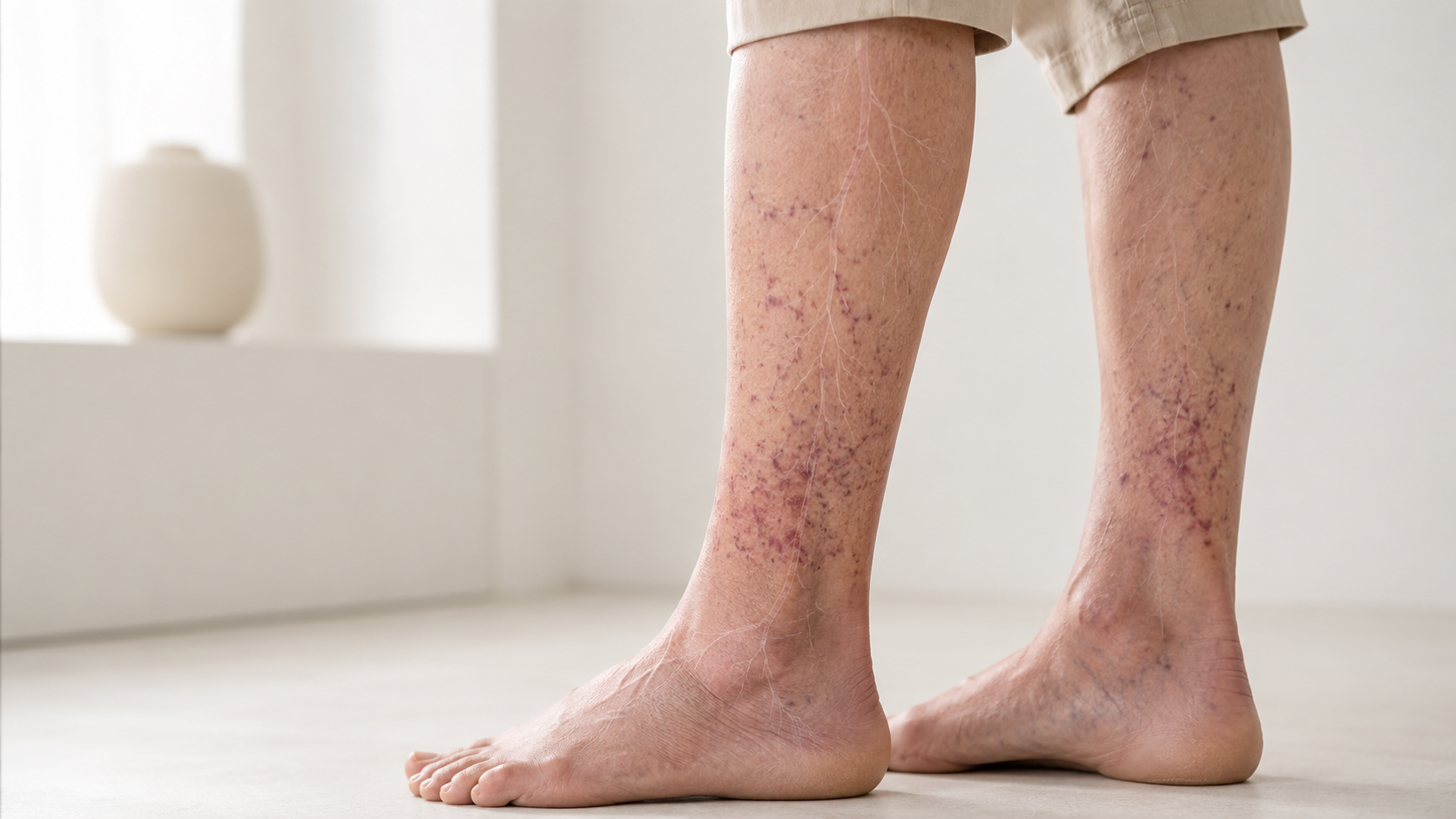
Autoimmune and inflammatory disorders occur when the immune system becomes dysregulated and creates inflammation that is excessive, persistent, or misdirected. Inflammation is part of normal healing, but when it stays active or attacks the wrong tissues, it can create pain, stiffness, fatigue, tissue irritation, and nervous system sensitization.
At Manhattan Pain Medicine, we evaluate autoimmune and inflammatory pain as part of the full clinical picture. The question is not simply whether a patient has a named autoimmune diagnosis. The question is whether inflammation is contributing to pain, impairing healing, amplifying the nervous system, or changing the order in which treatment should happen.
Why Inflammation Matters in Pain Care
Inflammation can change the behavior of tissues and nerves. Inflamed tissue releases chemical mediators that make surrounding nerves more reactive. This can cause pain to spread, intensify, or persist even when the original mechanical strain seems minor.
In patients with hypermobility or connective tissue laxity, inflammation can be especially disruptive. A small mechanical strain may create a larger-than-expected immune response. When the immune system overreacts to irritation, the body can turn a minor strain into a severe flare.
Inflammation can also affect collagen and connective tissue. In some autoimmune conditions, the immune system may contribute to tissue breakdown, joint laxity, tendon irritation, ligament pain, or progressive instability. For this reason, the inflammatory system must be understood before structural repair is considered.
Common Clinical Patterns
Seronegative Inflammatory Disease
Some patients have inflammatory symptoms even when standard autoimmune blood tests appear normal. These are often called seronegative conditions. In these cases, the diagnosis may depend on the clinical pattern, physical examination, medication response, ultrasound, MRI, or signs of inflammation in tendons, ligaments, joints, or soft tissues.
Morning Stiffness and Systemic Flares
Mechanical pain often worsens with use. Inflammatory pain often behaves differently. Patients may wake with deep stiffness, pain, swelling, or heaviness that improves slowly with movement and worsens again after prolonged inactivity. Fatigue, brain fog, and whole-body flares may also point toward an inflammatory driver.
Enthesitis and Soft-Tissue Inflammation
Enthesitis is inflammation where tendons or ligaments attach to bone. It can be severe and focal, especially in conditions such as psoriatic arthritis or other spondyloarthropathies. Enthesitis may appear around the sacroiliac region, pelvis, ribs, Achilles tendon, shoulder, jaw, or other attachment points.
Inflammation, Nerve Sensitivity, and Systemic Sensitization
Inflammation does not only affect joints. It can sensitize the nervous system and make the body more reactive to normal stimuli. Patients may experience widespread pain, burning, tingling, fatigue, temperature sensitivity, autonomic symptoms, or pain that seems disproportionate to visible findings.
Discovery
Discovery begins with the pattern. We look at where symptoms occur, when they are worst, what triggers flares, what improves them, and whether the pain behaves mechanically, inflammatory, neurologically, or as a combination.
Evaluation may include a detailed history, physical examination, review of prior labs, targeted laboratory testing, musculoskeletal ultrasound, MRI review, medication response, and assessment for related conditions such as hypermobility, mast cell activation, small fiber neuropathy, dysautonomia, post-infectious syndromes, or chronic pain sensitization.
When standard labs are normal but the clinical picture suggests inflammation, the team may look for other forms of evidence. A short anti-inflammatory or steroid trial may help clarify whether inflammation is a meaningful driver. Advanced imaging may reveal synovitis, tenosynovitis, ligament thickening, tendon inflammation, or early erosive changes that standard X-rays can miss.
Treatment
Treatment starts by controlling the fire. If autoimmune or inflammatory activity is active, it often needs to be addressed before procedures, rehabilitation progression, or regenerative treatments can succeed.
- Anti-inflammatory trials: A carefully selected medication trial may help determine whether inflammation is a major contributor to pain, stiffness, fatigue, or flare patterns.
- DMARDs: Disease-modifying antirheumatic drugs may be used to calm the immune response and reduce ongoing inflammatory activity.
- Biologic therapies: For more severe, progressive, or treatment-resistant inflammatory disease, targeted biologic medications may be considered to block specific inflammatory pathways.
- Low-dose naltrexone: Low-dose naltrexone may be used off-label in selected patients as part of a broader strategy to reduce immune hyper-reactivity and pain amplification.
- IVIG: Intravenous immunoglobulin may be considered in selected cases where autoimmune symptoms overlap with immune deficiency, severe small fiber neuropathy, or broader immune dysregulation.
- Targeted injections: Diagnostic or therapeutic injections may help determine whether a joint, tendon, ligament, or enthesis is inflamed and contributing to the pain pattern.
- Rehabilitation and pain psychology: Once inflammation is better controlled, movement retraining, pacing strategies, and pain psychology can support function, confidence, and long-term self-management.
Why Treatment Order Matters
Regenerative medicine depends on a controlled healing response. Treatments such as prolotherapy and platelet-rich plasma are designed to stimulate tissue repair. If the immune system is actively dysregulated, that controlled response may become excessive and painful.
For this reason, MPM works to identify and calm autoimmune or inflammatory activity before pursuing structural repair when inflammation appears to be active. The goal is not to avoid regenerative or procedural care, but to choose the right timing and sequence.
Maintenance
Maintenance begins when inflammation is better understood, major flare drivers are controlled, and the patient has a clearer plan for recognizing and responding to symptoms. Some patients may require ongoing medication management. Others may need periodic monitoring, rehabilitation, flare plans, or coordination across specialties.
Long-term care focuses on helping patients distinguish between inflammatory flares, mechanical strain, nerve sensitization, and new clinical changes. This body literacy helps reduce fear, prevent unnecessary escalation, and support more confident self-management.