Musculoskeletal Issues (Spine, Joint, Muscle, Tendon, Ligament, and Nerve)

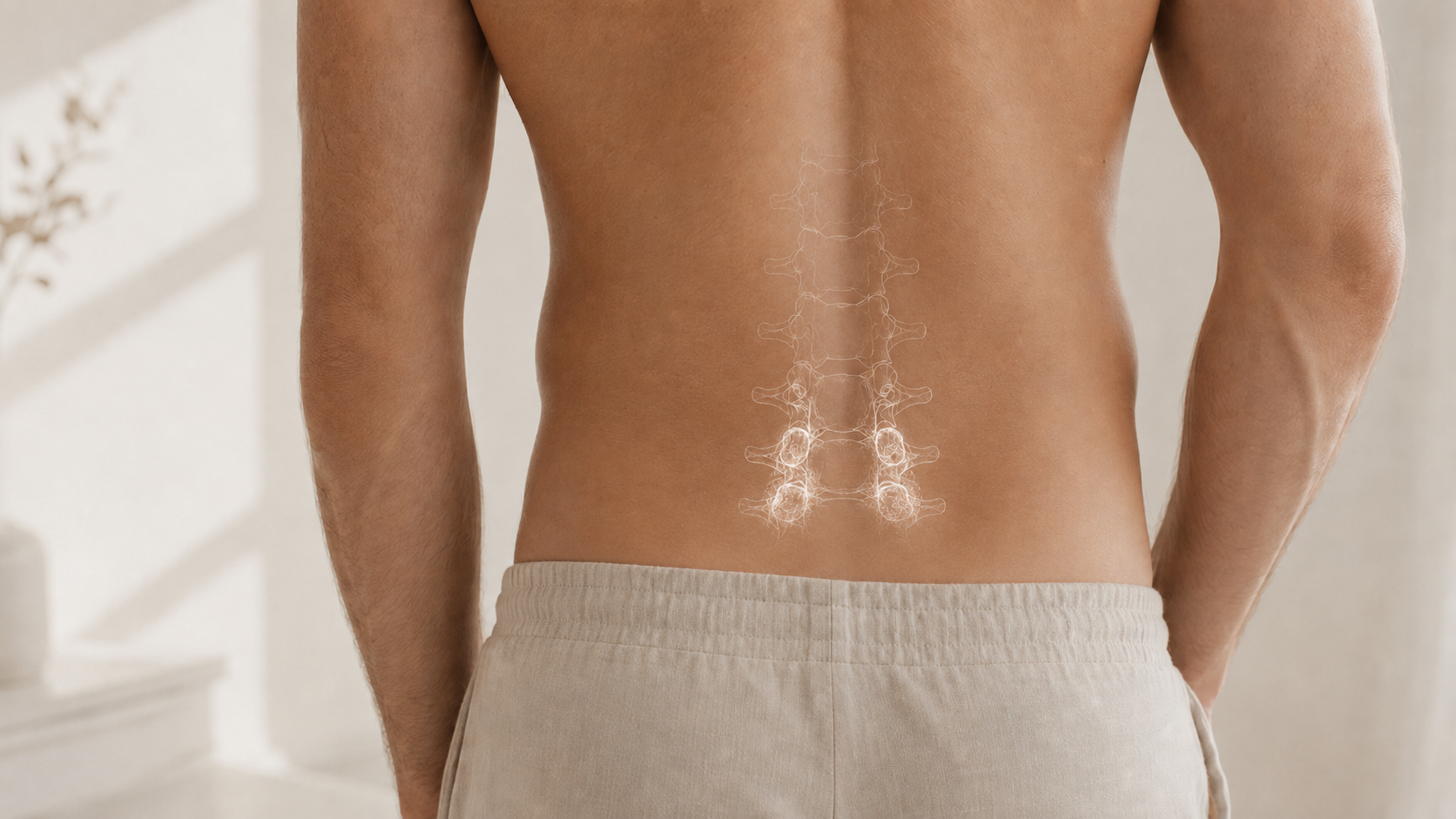
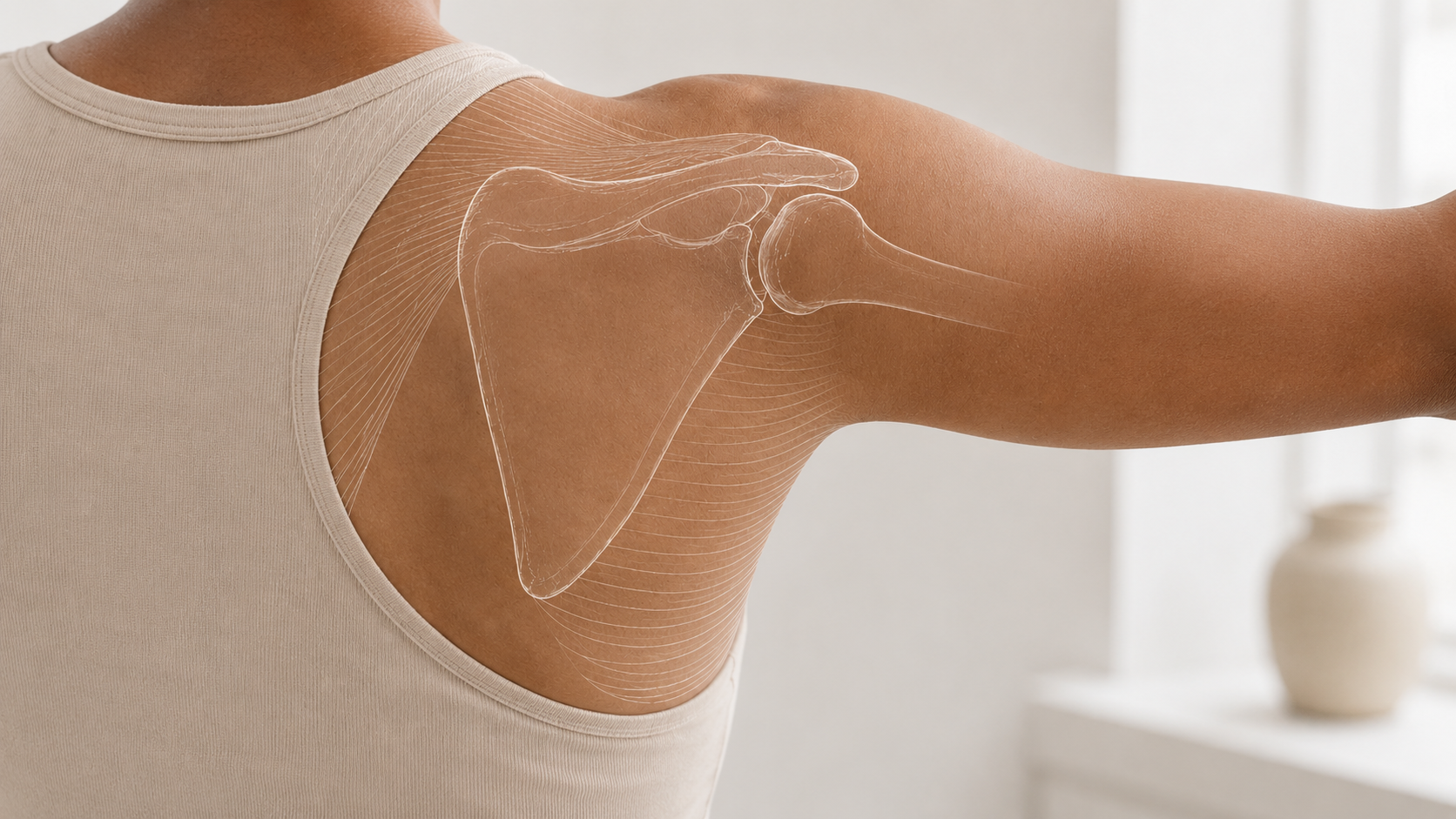
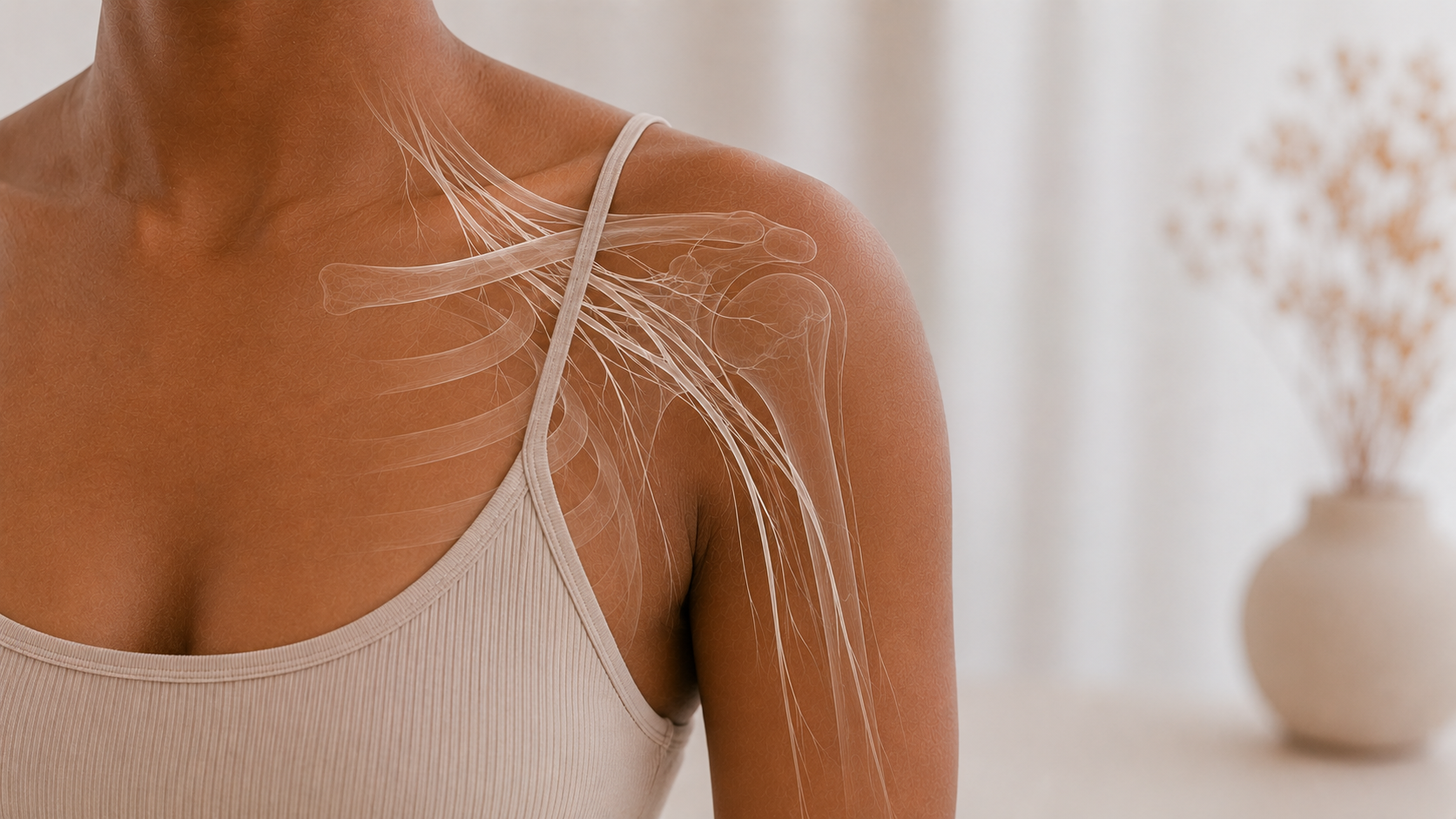
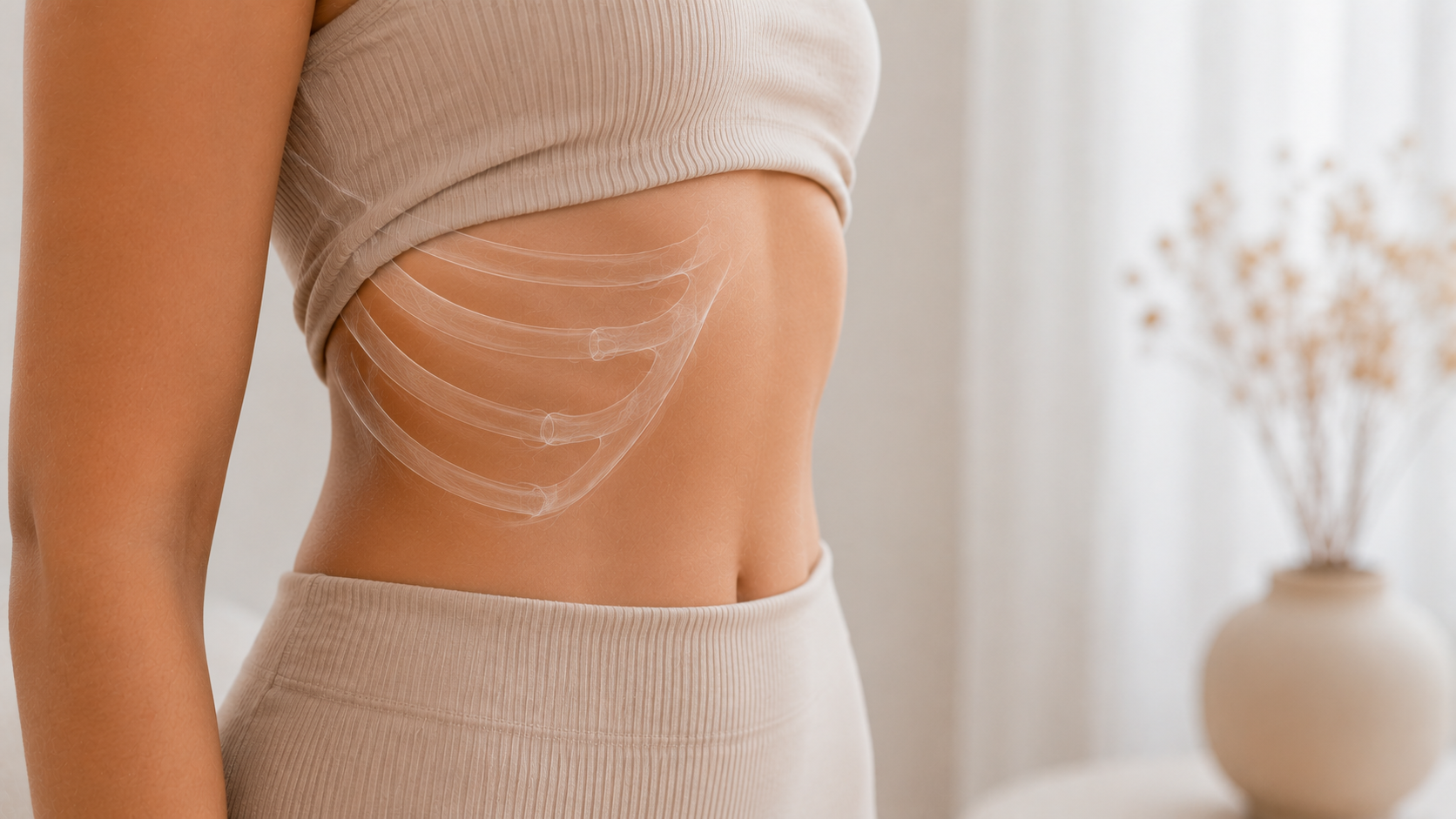
Musculoskeletal dysfunction refers to pain that arises from the way muscles, joints, tendons, ligaments, discs, bones, and nerves move, bear load, compensate, and break down over time. At Manhattan Pain Medicine, we evaluate mechanical pain by identifying where the pain is coming from, why that structure became stressed, and what biomechanical pattern needs to change for more durable relief.

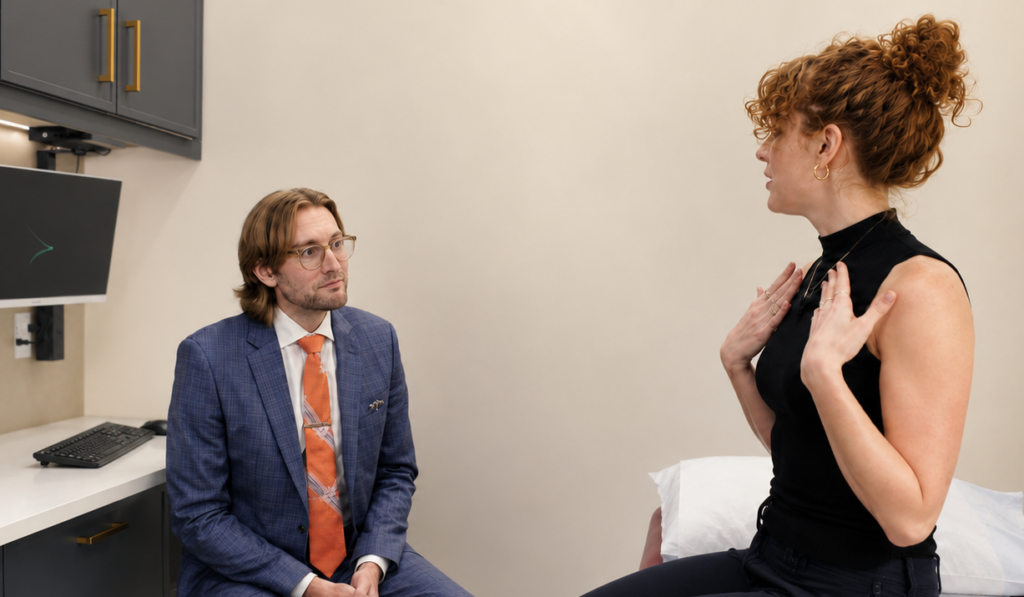
Musculoskeletal pain can affect your spine, joints, muscles, tendons, ligaments, and nerves. Dr. Siefferman explains how expert care can help.

About Musculoskeletal Dysfunction

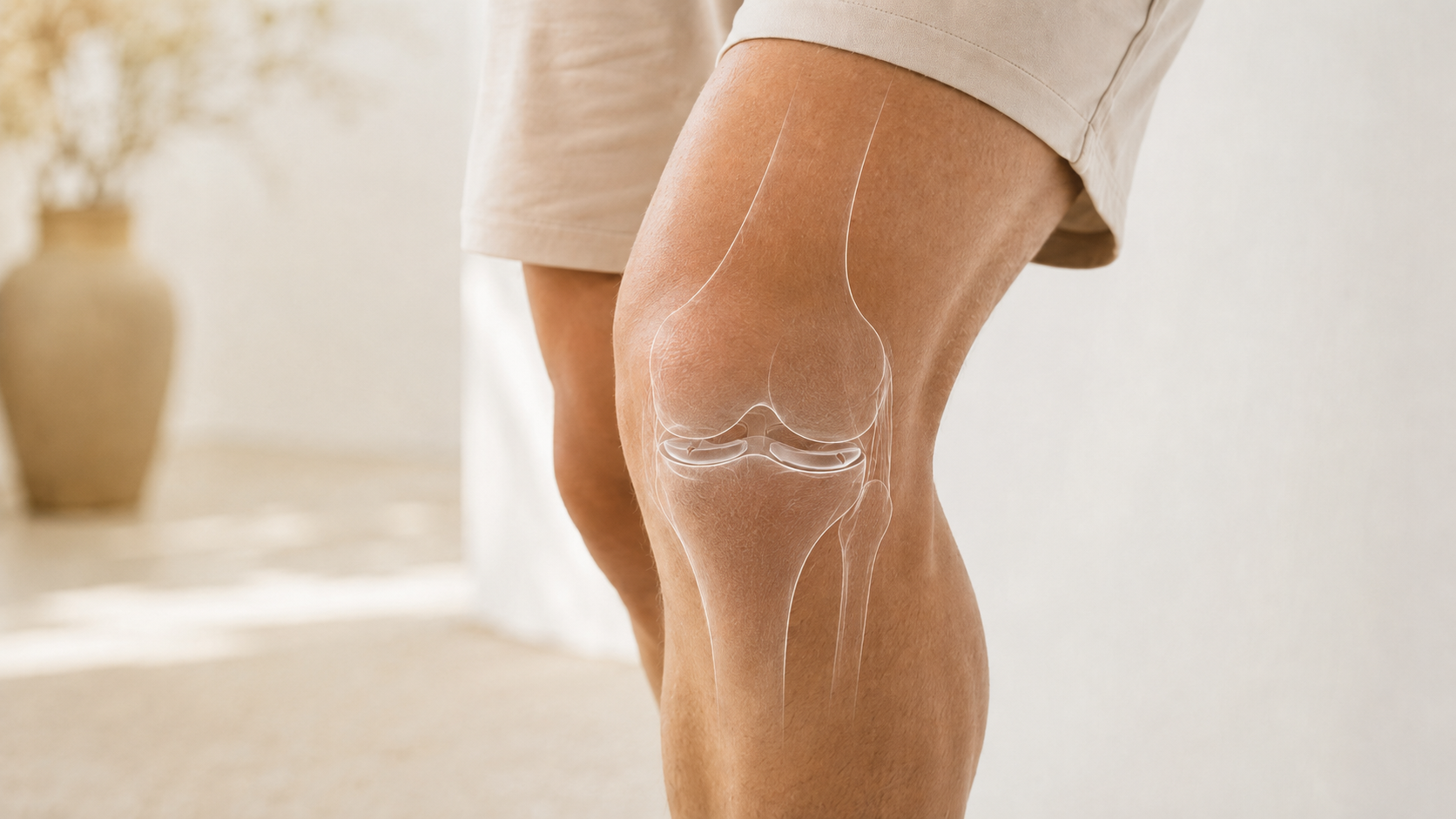
Musculoskeletal pain is often mechanical, meaning it is related to how the body moves, loads, protects, and compensates. A painful structure may be obvious, such as an arthritic joint, disc herniation, tendon injury, or nerve entrapment, but the deeper question is why that structure became painful in the first place.

Many patients develop pain through a cascade. One joint becomes irritated, unstable, compressed, or overused. The body changes posture or movement to protect it. Muscles tighten, other joints take on extra stress, nerves become irritated, and a new layer of pain develops.

At Manhattan Pain Medicine, we work to identify both the pain generator and the biomechanical pattern behind it. The goal is not simply to quiet the painful area, but to understand what is driving the stress so treatment can be more targeted and durable.

Our Musculoskeletal Dysfunction Team

Musculoskeletal dysfunction may require collaboration across pain medicine, rehabilitation, regenerative medicine, rheumatology, pain psychology, and other clinical perspectives. At Manhattan Pain Medicine, care is coordinated around the patient’s full mechanical pattern, including joints, muscles, tendons, ligaments, discs, nerves, posture, movement, and compensation.

When Should I Seek Evaluation?

Patients may benefit from evaluation when pain worsens with movement, posture, sitting, standing, bending, lifting, walking, exercise, or specific positions. Evaluation may also be helpful when pain is focal, recurring, associated with stiffness, weakness, nerve symptoms, trigger points, joint instability, tendon pain, arthritis, disc pain, or a history of injury that never fully resolved.

Request An Appointment

APPROACH

Our Approach to Musculoskeletal Dysfunction

We evaluate mechanical pain by identifying the painful structure, the reason it became overloaded, and the treatment sequence needed to restore better movement and function.
  • 1

    Discovery

    We begin by mapping the pain pattern, mechanical triggers, posture, movement, prior injuries, imaging, nerve symptoms, muscle guarding, joint stability, tendon health, and response to previous treatments. The goal is to identify both the pain generator and the biomechanical cascade behind it.
  • 2

    Treatment

    Treatment is selected based on the structure involved and the reason it is painful. Care may include medication support, physical modalities, trigger point treatment, image-guided injections, regenerative medicine, nerve blocks, epidural procedures, viscosupplementation, radiofrequency ablation, rehabilitation, and pain psychology when chronic pain has affected confidence, identity, or decision-making.
  • 3

    Maintenance

    Once the pain generator is treated and the mechanical pattern is clearer, the focus shifts to maintaining progress. Patients learn how to recognize early overload, retrain movement, build stabilizing strength, reduce guarding, prevent recurrence, and understand what went wrong so they can protect the body more effectively.

Musculoskeletal pain is not treated as a generic symptom. We work to understand the mechanics behind the pain, including how the body loads, protects, compensates, and breaks down. Each exam finding, imaging result, injection response, therapy response, and flare pattern helps clarify what needs to be treated next.

What to Expect During Evaluation

Your evaluation may include a detailed review of where the pain is located, what movements trigger it, how it behaves during sitting or standing, what prior injuries occurred, what imaging shows, and how the body compensates. The team may assess joint motion, muscle tone, nerve tension, posture, strength, stability, gait, tendon health, and whether diagnostic blocks or dynamic imaging may help clarify the source.

Request An Appointment

RELATED CONDITIONS

Conditions Related to Musculoskeletal Dysfunction

Musculoskeletal dysfunction can overlap with many spine, joint, tendon, ligament, muscle, nerve, and movement-related conditions. The condition list below connects this zone with related diagnoses and clinical patterns that may require coordinated evaluation.

Why Mechanics Matter

The place that hurts is not always the reason pain developed. Back pain may be driven by hip mechanics. Neck pain may be driven by shoulder position. Nerve pain may be worsened by muscle guarding or scar tissue. Understanding the mechanical sequence helps determine whether the next step should target the joint, tendon, nerve, muscle, disc, or movement pattern.

PATIENT STORIES

Real Patients. Real Progress.

Hear from patients who came to Manhattan Pain Medicine looking for answers, clarity, and a more thoughtful path forward.
  • Madaline. M

    5 star review

    I cannot say enough good things about Manhattan Pain Medicine. From the moment I walked in, I felt truly cared for and taken seriously. Dr. Nino Mikaberidze, Director of Rheumatology, is exceptional — knowledgeable, compassionate, and incredibly thorough. She takes the time to listen, explains every...

    Google

  • Haleigh Y.

    5 star review

    The best care I've received as a chronic pain patient. I traveled from out of state to visit Manhattan Pain Medicine because I could not find knowledgeable doctors in my hometown for my hypermobility, and Ehlers-Danlos syndrome symptoms and comorbidities. Let me tell you, it was worth every travel e...

    Google

  • Damien P.

    5 star review

    I was injured in a bicycle accident over 8 years ago. I’ve suffered throughout the years since my accident with nothing seeming to work. PT, Yoga, lifestyle changes, NOTHNG! I finally made an appointment with Dr Kane and I’m feeling an improvement in my life. I no longer stay up all night in pain, a...

    Google

  • JP S.

    5 star review

    One of the best experiences, if not the best, I have ever had at the doctor’s office. From the front desk to the nurses to the PA assisting the doctor this was a great experience. Dr.Nino actually listened to me and came up with a game plan. Would recommend this practice to as many people as I could...

    Google

  • Richard B.

    5 star review

    I have very unique & severe nerve pain from CRPS which has no known specific cure. Dr. Siefferman has a huge tool box, far greater than the other 23 Drs. I have seen. He saved me from jumping off a bridge and continues to help me with both treatments and advice. Dr. S. is in a different league!

    Google

  • Clare F.

    5 star review

    After two years of searching and feeling lost and let down, I finally found real help at Manhattan Pain Medicine. With Dr. Siefferman, Adam Rosenberg, Dr. Mikaberidze, and the whole team, I feel heard, supported and understood. Every symptom is being considered and I’m finally getting answers with m...

    Google

  • Jonathan C.

    5 star review

    Why is Dr Dr. Tayyaba Ahmed one of the top pevic Floor specialists - 1- She wants to know a full history of what led the patient to get to this point. 2 - She listens intensley to the patient 3- She does not rush you 4- Extremely skilled at giving pelvic floor injections 5- I thank my luck stars she...

    Google

  • Jodi K.

    5 star review

    The staff was friendly and helpful. Dr. Siefferman was thoughtful, listened, asked questions and proposed simple safe ways to come to further conclusions regarding my pain and discomfort. The office staff including Dr. Siefferman is responsive even after the initial in-person visit. Very pleased.

    Google

  • Sabrina S.

    5 star review

    Dr. Siefferman is a brilliant provider. While my pain is still a work in progress, Dr Siefferman always gives me options and explains his reasoning behind things. He listens to my feedback and concerns. I never feel rushed; and am grateful he works to meet me where I am. I highly recommend him.

    Google

  • Lorraine B.

    5 star review

    What a great find! They listen to me, I listen to them and the diagnosis is made and a plan developed to develop an approach to treat all of my chronic pain. I wish I could have discovered this type of treatment sooner. This doctor and group give me hope.

    Google

FAQ

Frequently Asked Questions

Common questions about musculoskeletal pain, mechanical pain, joint pain, tendon injuries, disc pain, nerve entrapment, trigger points, regenerative medicine, injections, and rehabilitation.

Understanding Insurance Before You Begin

Before care begins, our team helps patients understand the practical side of treatment, including insurance verification, out-of-network benefits, cost-share estimates, self-pay options, and billing questions. We believe patients should have as much clarity as possible before moving forward.

Insurance & Billing

Find the Mechanical Source of the Pain

If pain changes with movement, posture, sitting, standing, lifting, walking, or specific positions, our team can help evaluate the structure involved, the mechanics behind it, and the treatment sequence that may support more durable relief.

Request An Appointment

RESEARCH

Research on Musculoskeletal Dysfunction

Explore MPM research related to musculoskeletal dysfunction, mechanical pain, joint instability, tendon injury, nerve irritation, regenerative medicine, and treatment sequencing for complex pain.
GO DEEPER

Musculoskeletal Dysfunction: The MPM Approach

Musculoskeletal pain often reflects a mechanical cascade. Our approach begins by identifying the painful structure, understanding why it became overloaded, and treating the movement pattern or tissue problem that keeps the pain active.

Musculoskeletal dysfunction includes pain arising from muscles, joints, tendons, ligaments, discs, bones, and nerves. It is a broad zone because the musculoskeletal system is how the body bears weight, moves through space, absorbs force, protects itself, and adapts to injury.

At Manhattan Pain Medicine, we view mechanical pain as pain with a reason. A joint may be arthritic, a tendon may be overloaded, a disc may be sensitized, a nerve may be compressed, or a muscle may be guarding. But the deeper question is why that structure became painful and what pattern is keeping it from getting better.
The Mechanical Cascade

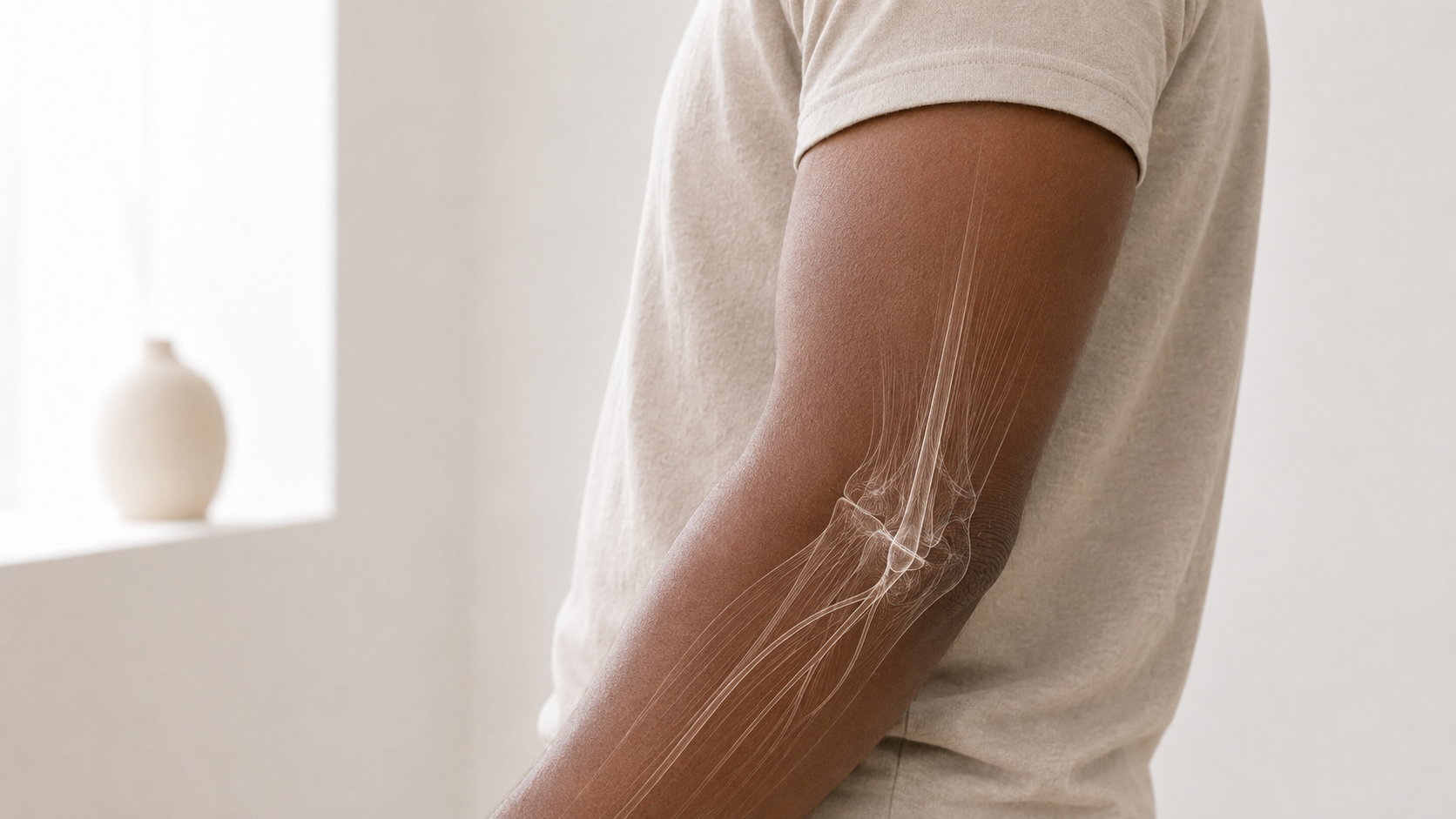
Musculoskeletal pain often develops through a cascade. One structure becomes injured, irritated, unstable, or overloaded. The body then changes how it moves to protect that area. Posture shifts, muscles guard, joints take on new stress, and previously healthy structures may begin to hurt.

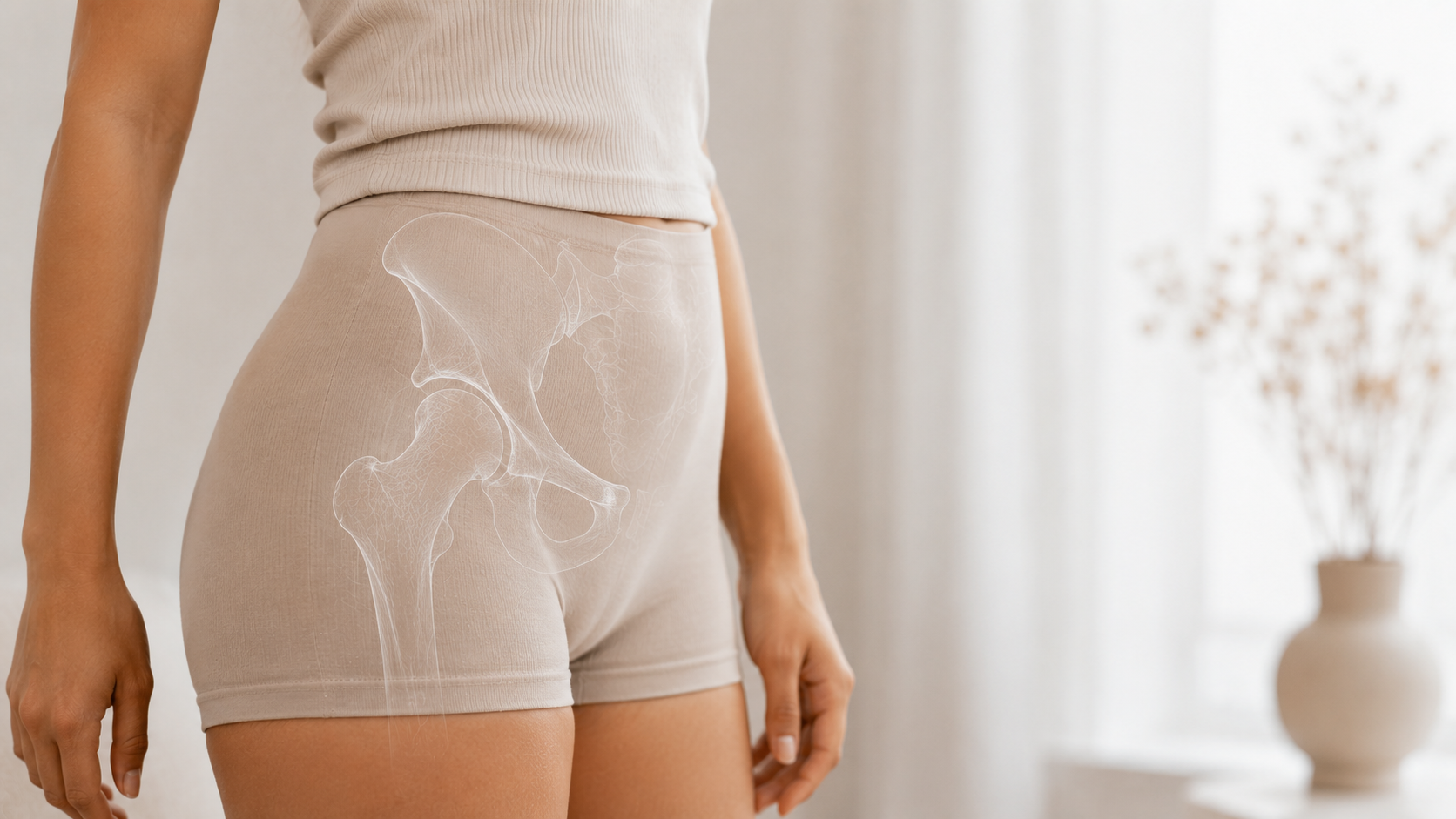
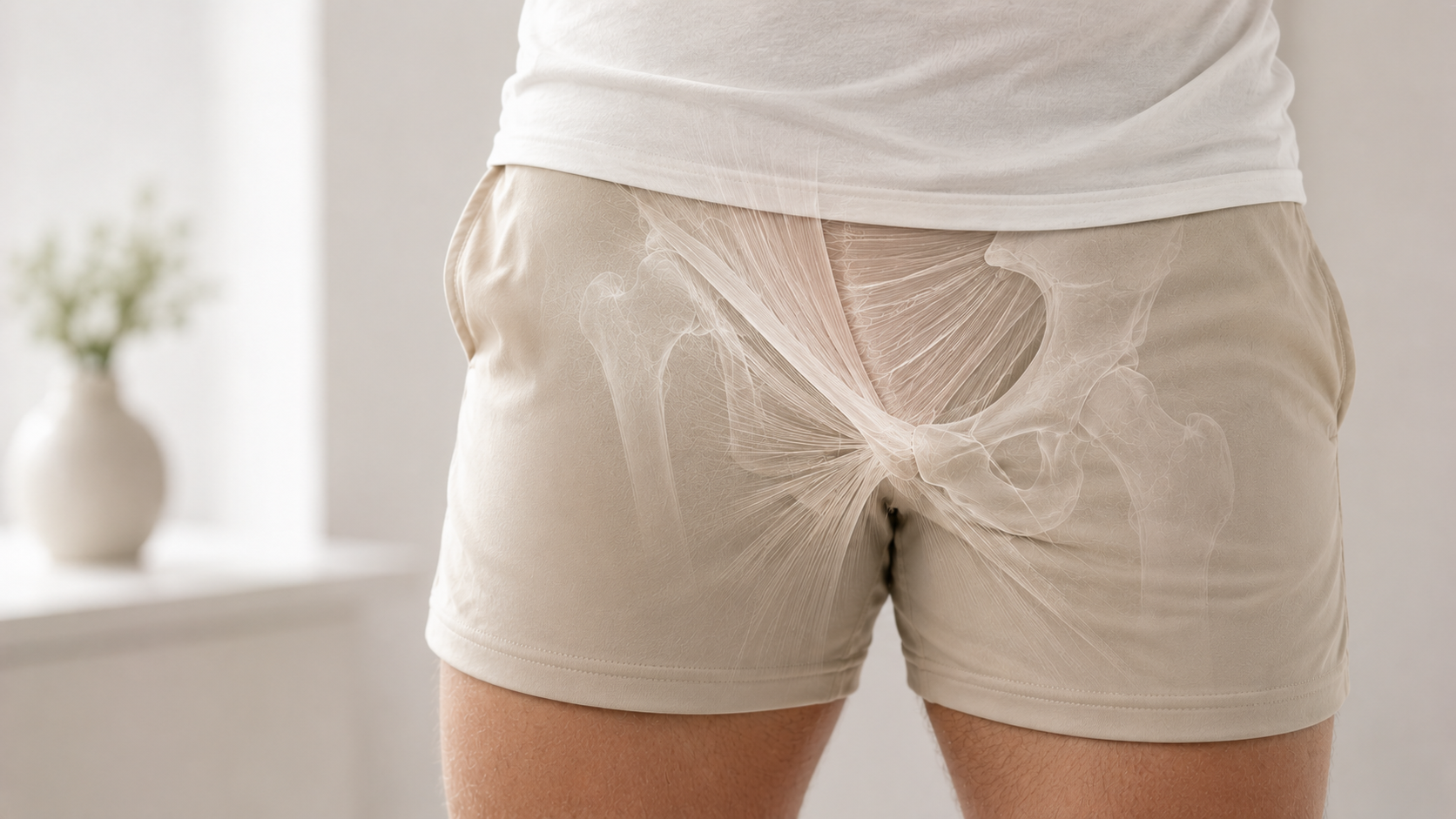
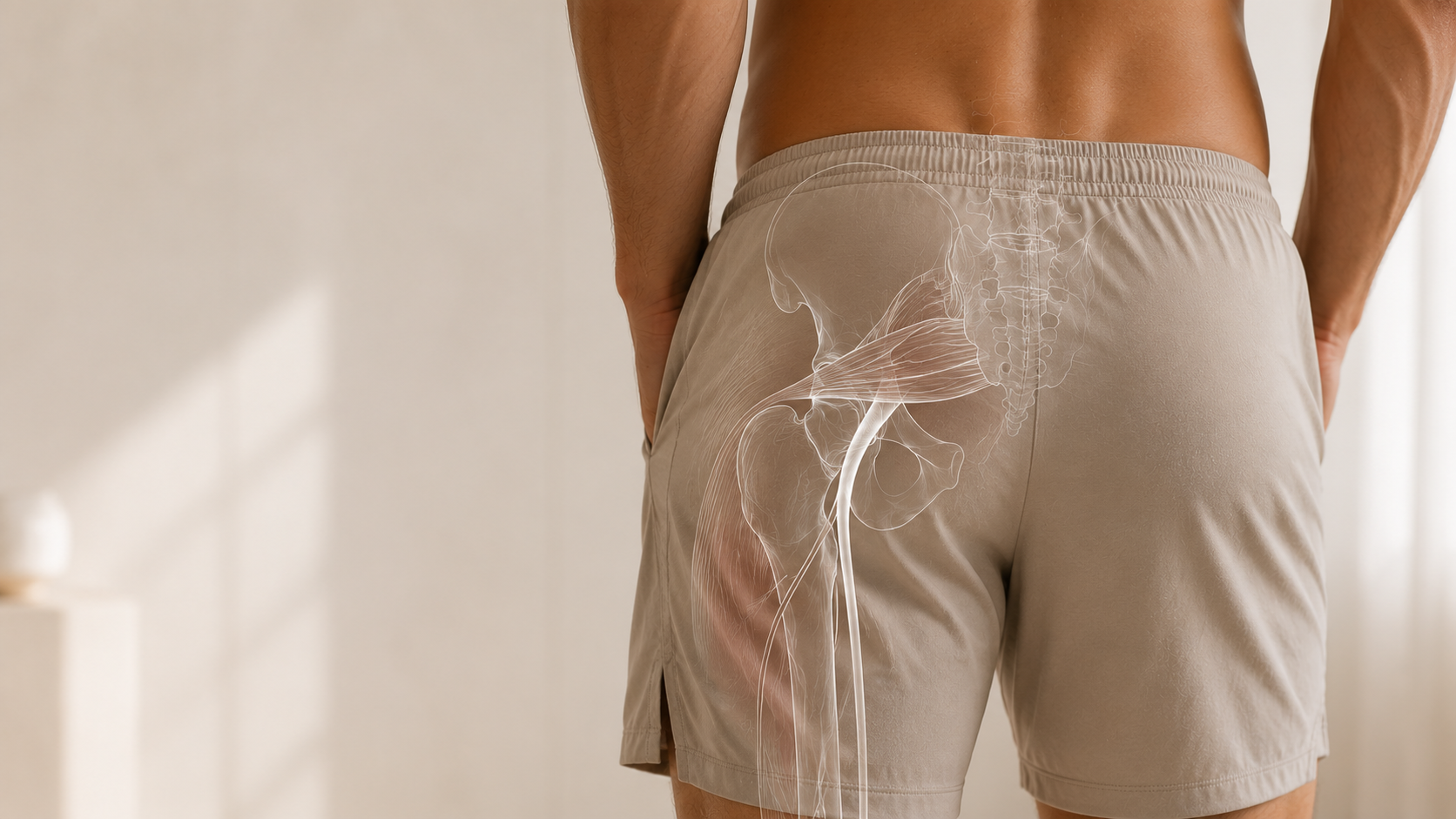
This is why the area that hurts is not always the whole explanation. A patient may come in with back pain, but the back may be reacting to hip mechanics, pelvic position, gait, core weakness, disc irritation, or a pattern of compensation that has been building for years.

Suboptimal Biomechanics and Trickle-Down Stress

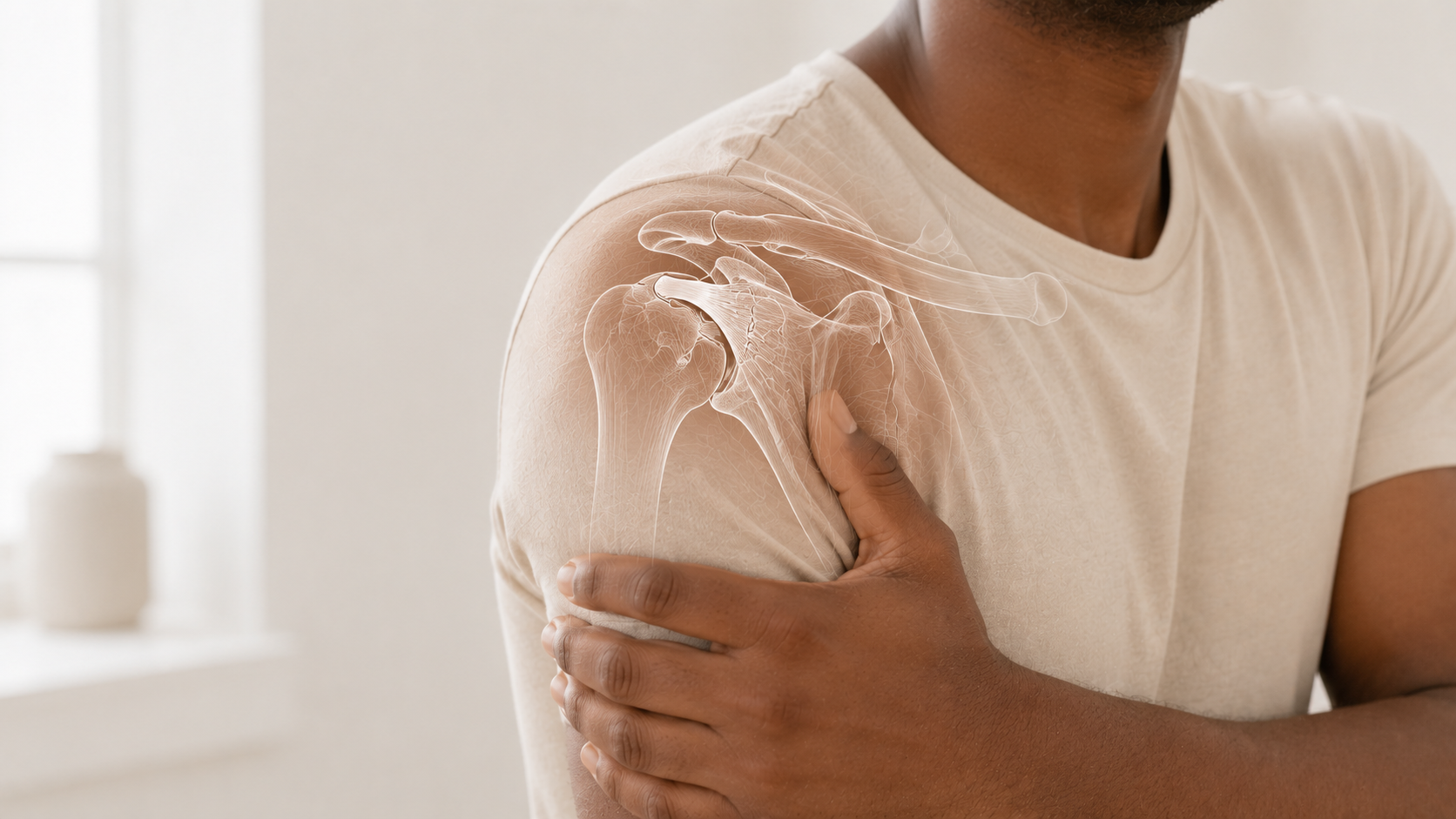
Gravity and repetitive movement place ongoing stress on the body. When alignment, strength, mobility, or joint stability is altered, that stress may concentrate in specific structures. A disc, facet joint, tendon, ligament, bursa, or nerve may be forced to absorb more load than it can tolerate.

Over time, this can create a trickle-down effect. A painful hip may change the low back. A shoulder injury may alter the neck. A knee injury may affect the ankle, pelvis, or spine. Treating only the most painful structure may help temporarily, but durable progress often requires identifying the mechanical sequence behind the pain.

Muscle Guarding and Trigger Points

Muscles often tighten to protect vulnerable or painful structures. This guarding can act like a temporary splint, helping the body avoid motion that feels unsafe. When guarding becomes chronic, the muscles may become painful, stiff, and overworked.

Trigger points can develop when clusters of muscle fibers remain contracted. These areas may lose normal blood flow, become metabolically irritated, and refer pain to other regions. A trigger point in one muscle may feel like joint pain, nerve pain, headache, pelvic pain, or spine pain depending on the pattern.

Tendinopathy and Impaired Healing

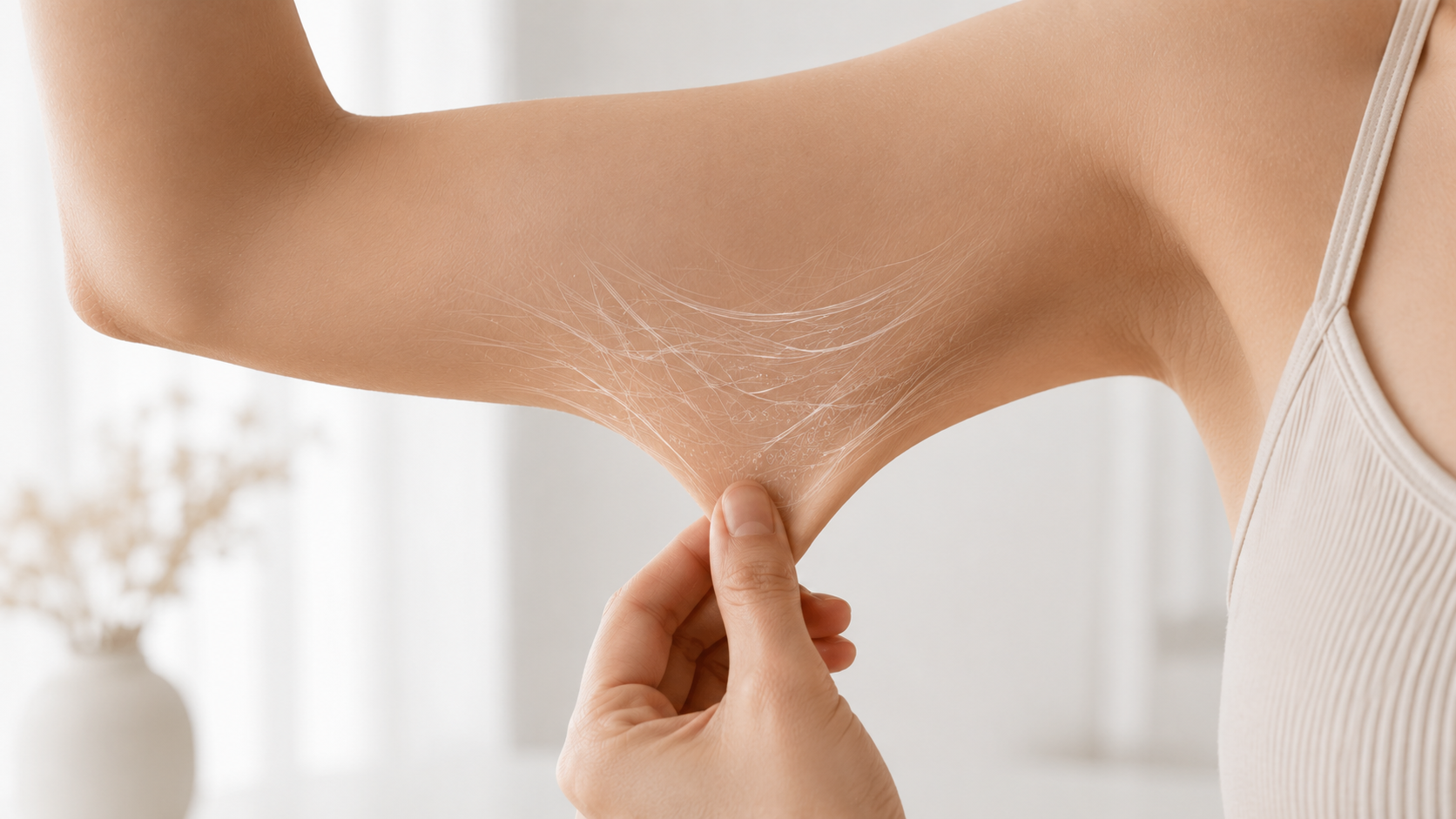
Not every tendon problem is simple inflammation. Many chronic tendon problems are tendinopathies, meaning the tendon has become overloaded, irritated, or structurally weakened over time. The problem is often impaired healing rather than a short-term inflammatory episode.

Tendinopathy commonly occurs where tendons attach to bone, known as the enthesis. Repetitive microtrauma, poor mechanics, instability, or inflammatory disease may all contribute. Treatment may need to focus on load management, tissue healing, regenerative strategies, and movement retraining.

Nerve Irritation and Double Crush Patterns

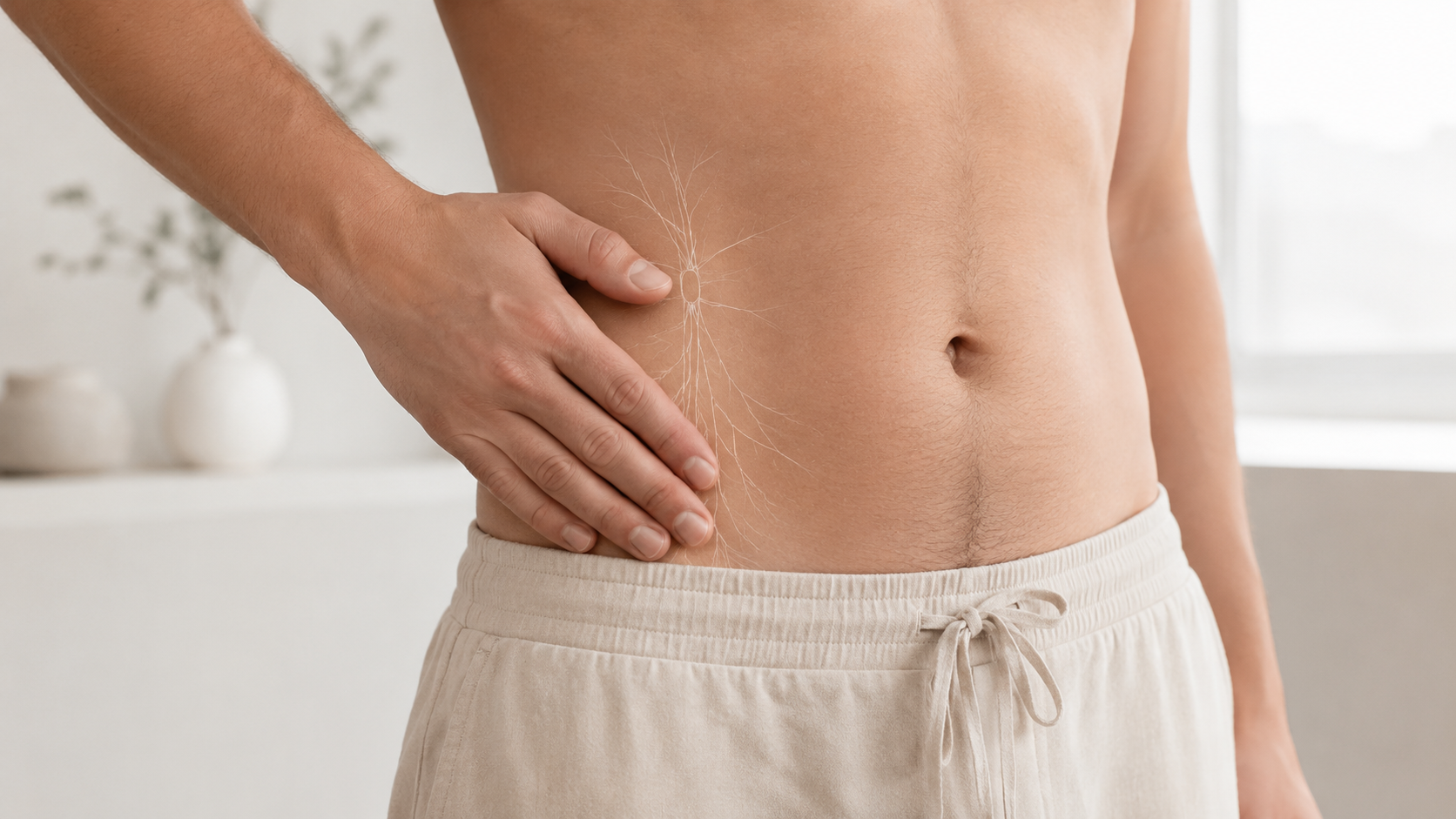
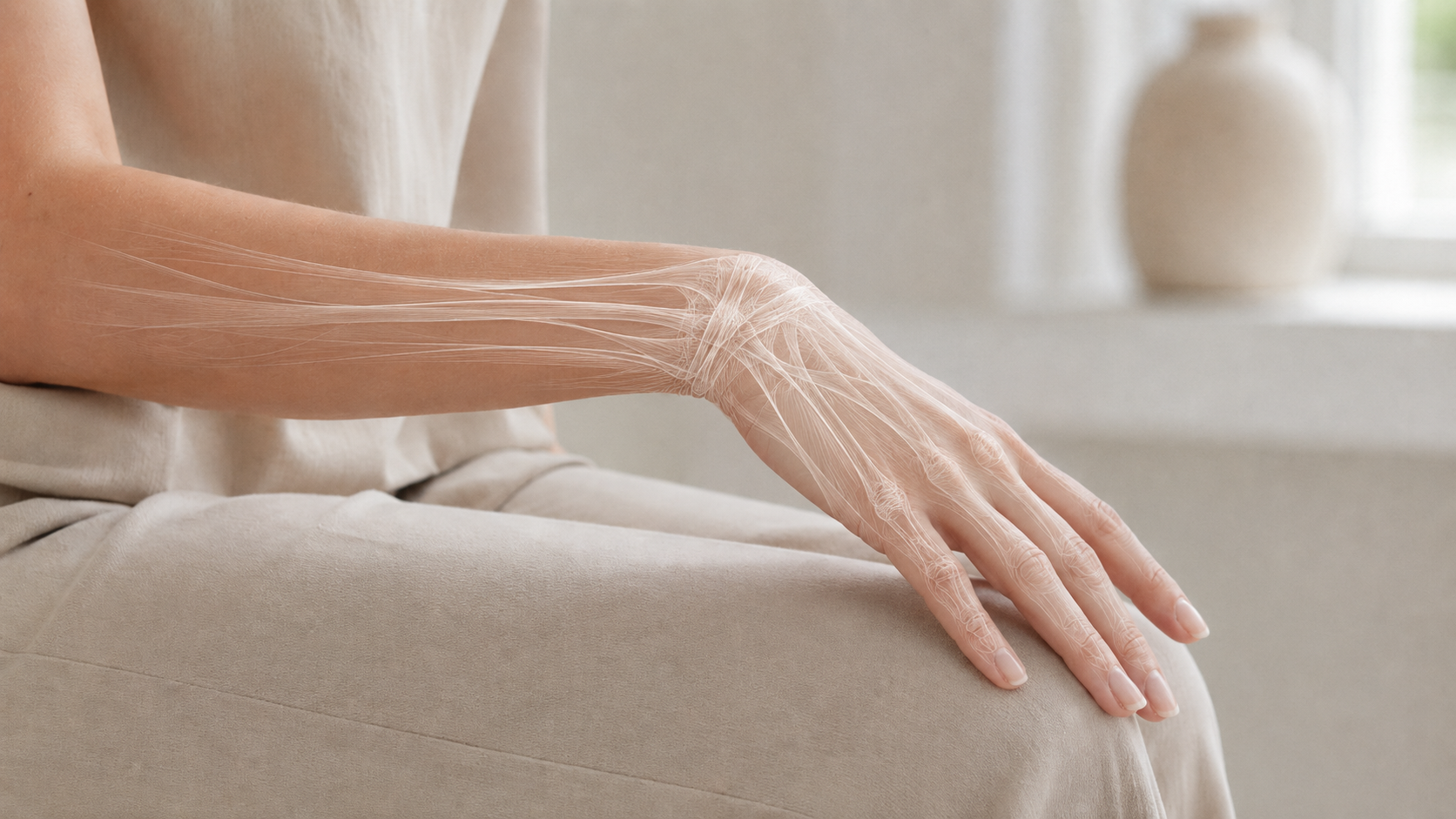
Nerves may become painful when they are compressed, stretched, inflamed, adhered, or irritated along their path. Sometimes there is one clear compression point. Other times, the nerve is stressed in more than one location, creating a double crush pattern.
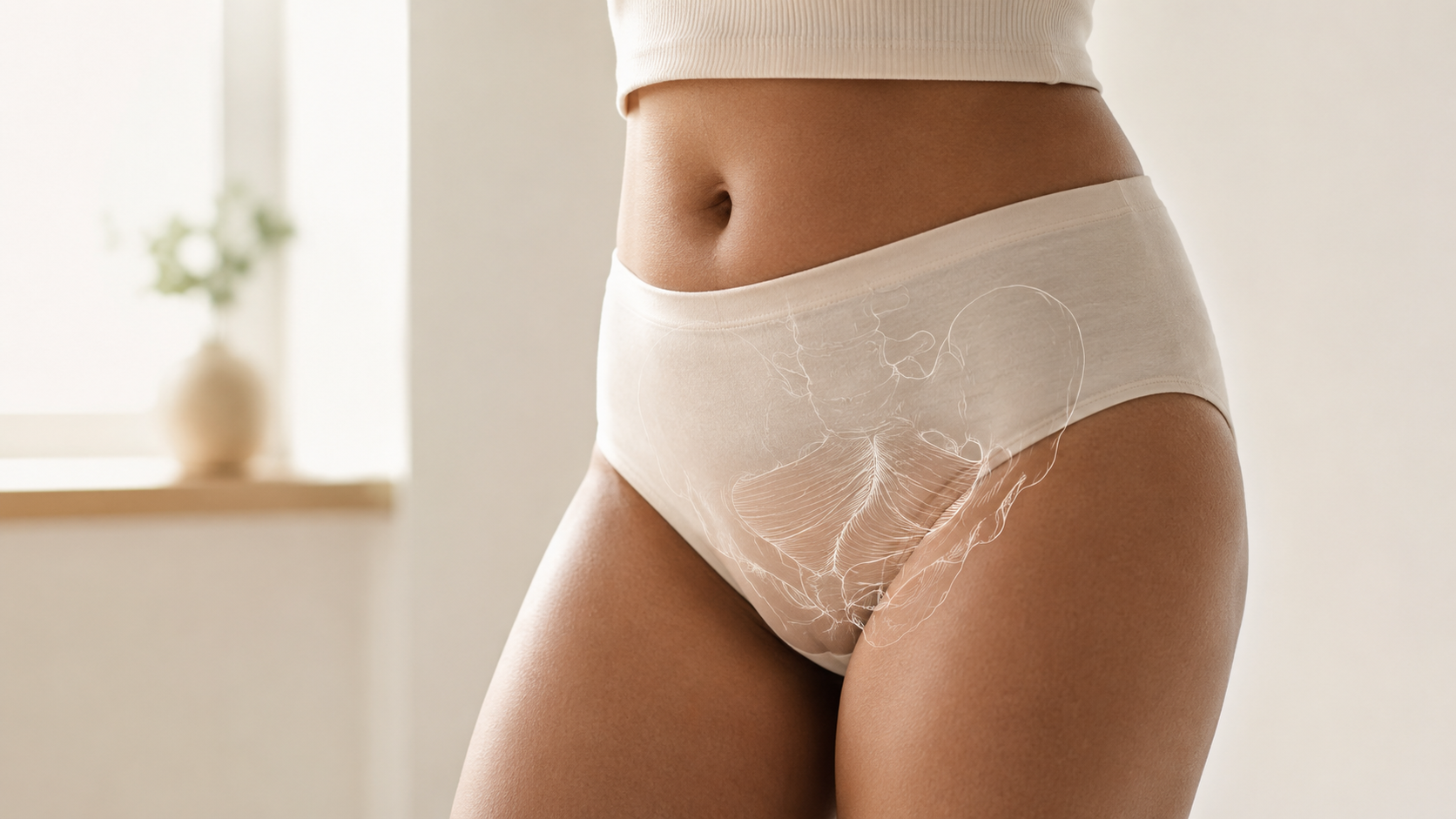
For example, a cervical disc herniation may combine with carpal tunnel symptoms, or a lumbar disc problem may overlap with a peripheral nerve entrapment in the pelvis or leg. When multiple sites contribute, the pain may be more intense, more confusing, and more resistant to isolated treatment.

Common Clinical Patterns

Focal Mechanical Pain

Mechanical pain often has a predictable relationship to load, posture, or movement. Patients may be able to identify the exact motion, position, or activity that brings it on. This predictability helps guide the examination and diagnostic testing.

Discogenic Pain

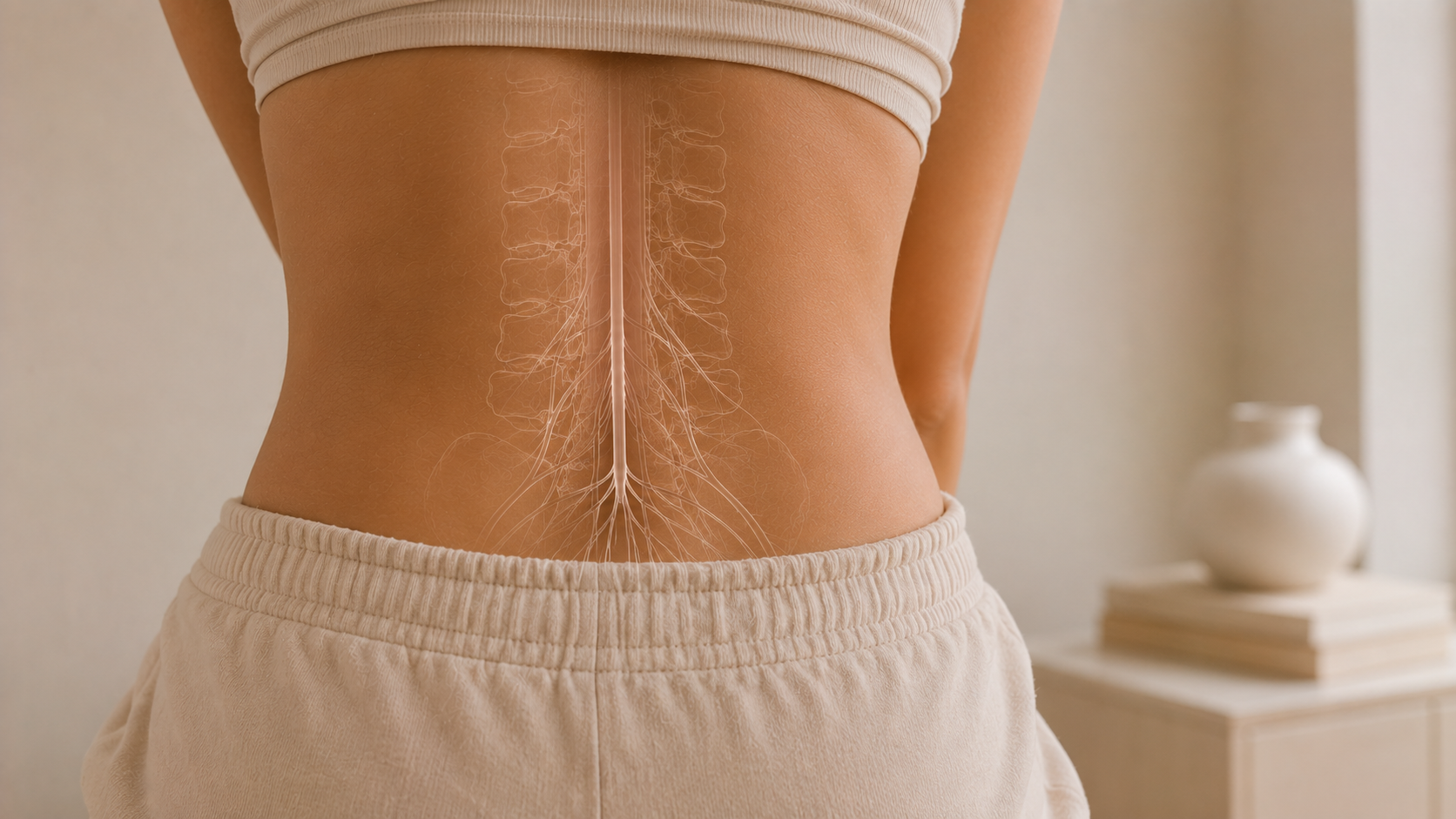
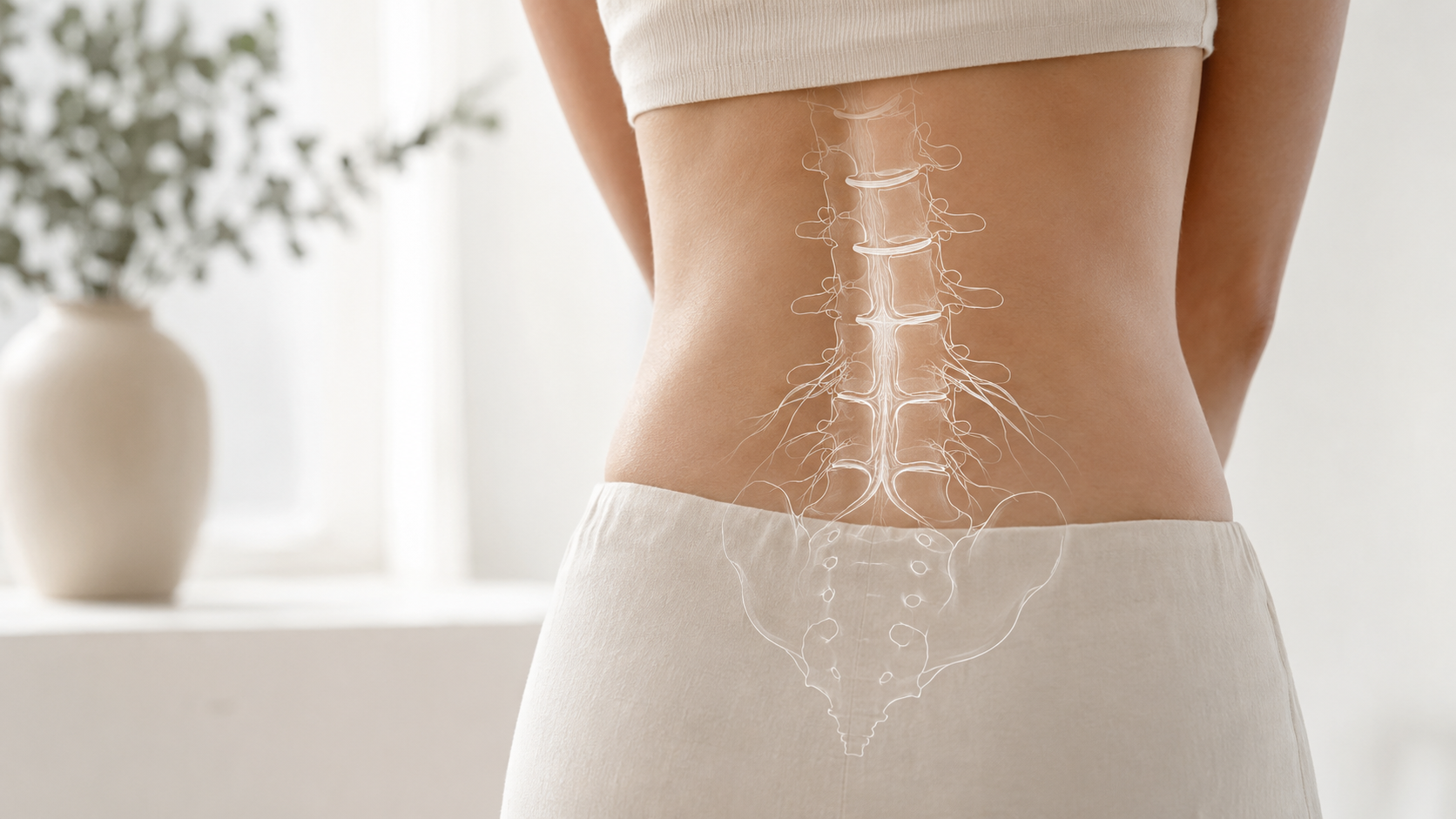
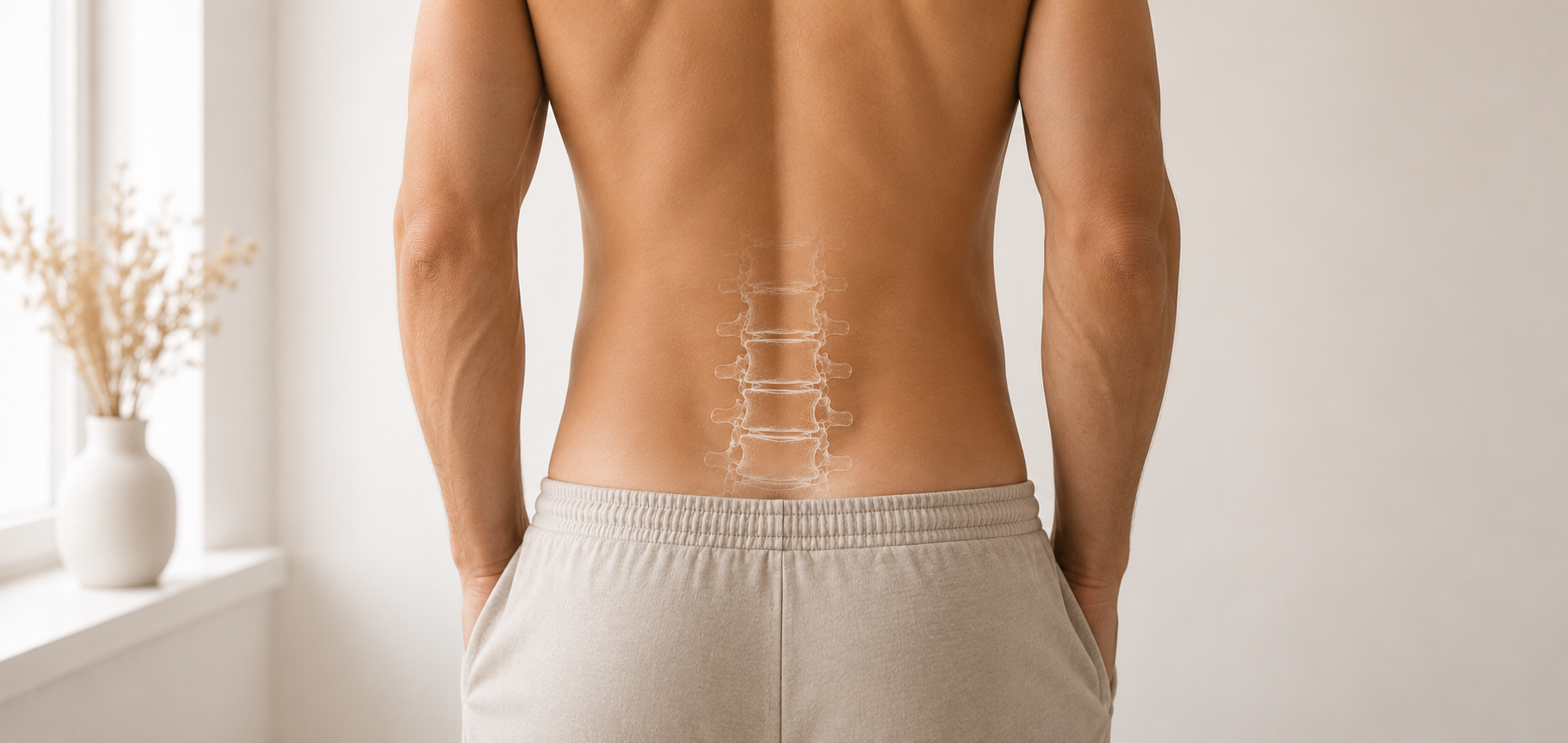
Discogenic pain comes from the disc itself. It may cause deep back or neck pain, stiffness after prolonged positioning, and difficulty tolerating sitting or standing. It may not always travel down the arm or leg, because the disc itself can be the source of pain.

Radicular Pain and Sciatica

Radicular pain occurs when a spinal nerve is irritated by inflammation, compression, narrowing, or disc material. Patients may feel sharp, electric, burning, zapping, or radiating pain down an arm or leg. Sciatica is one common form of radicular pain.

Peripheral Nerve Entrapment

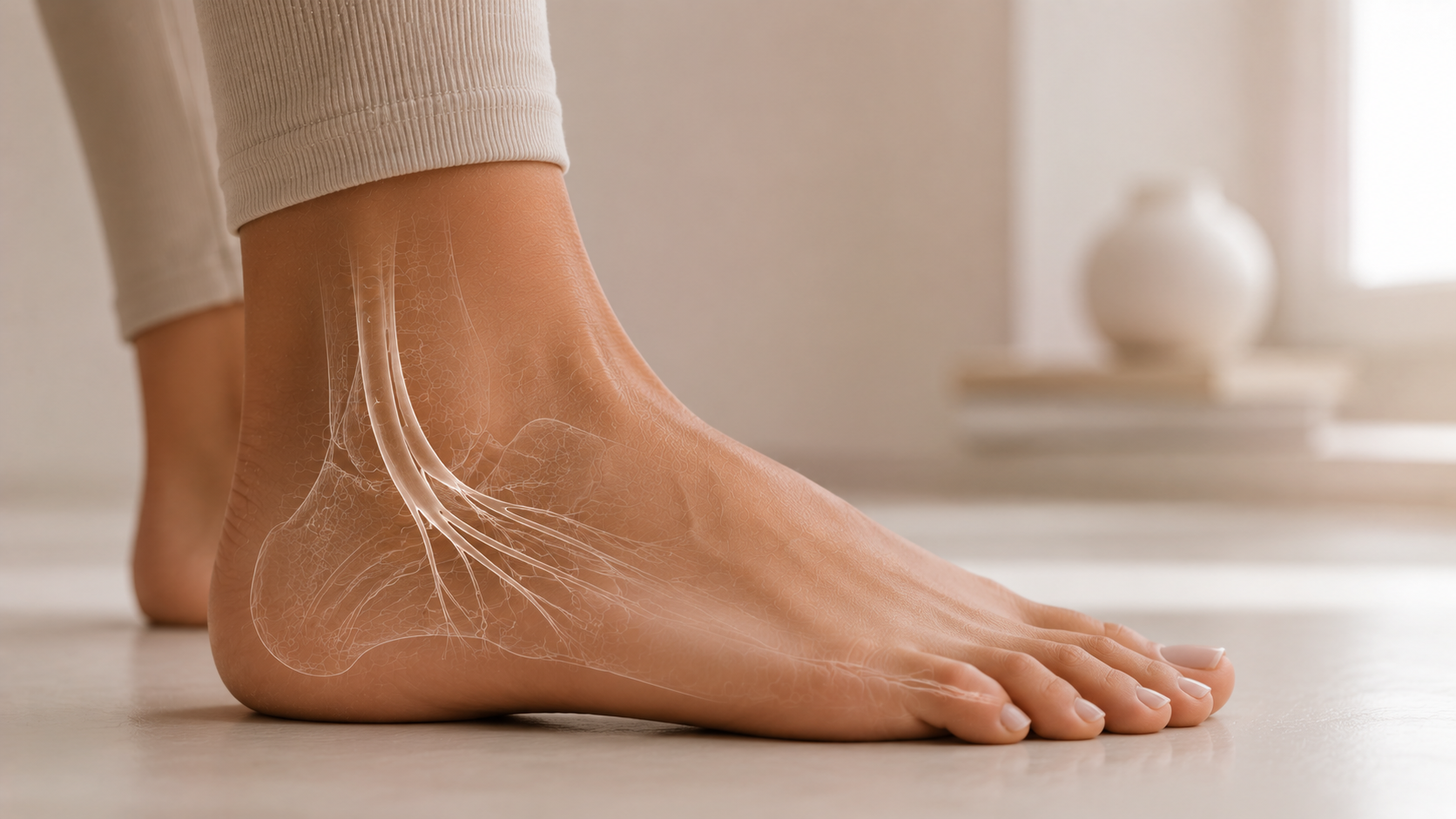
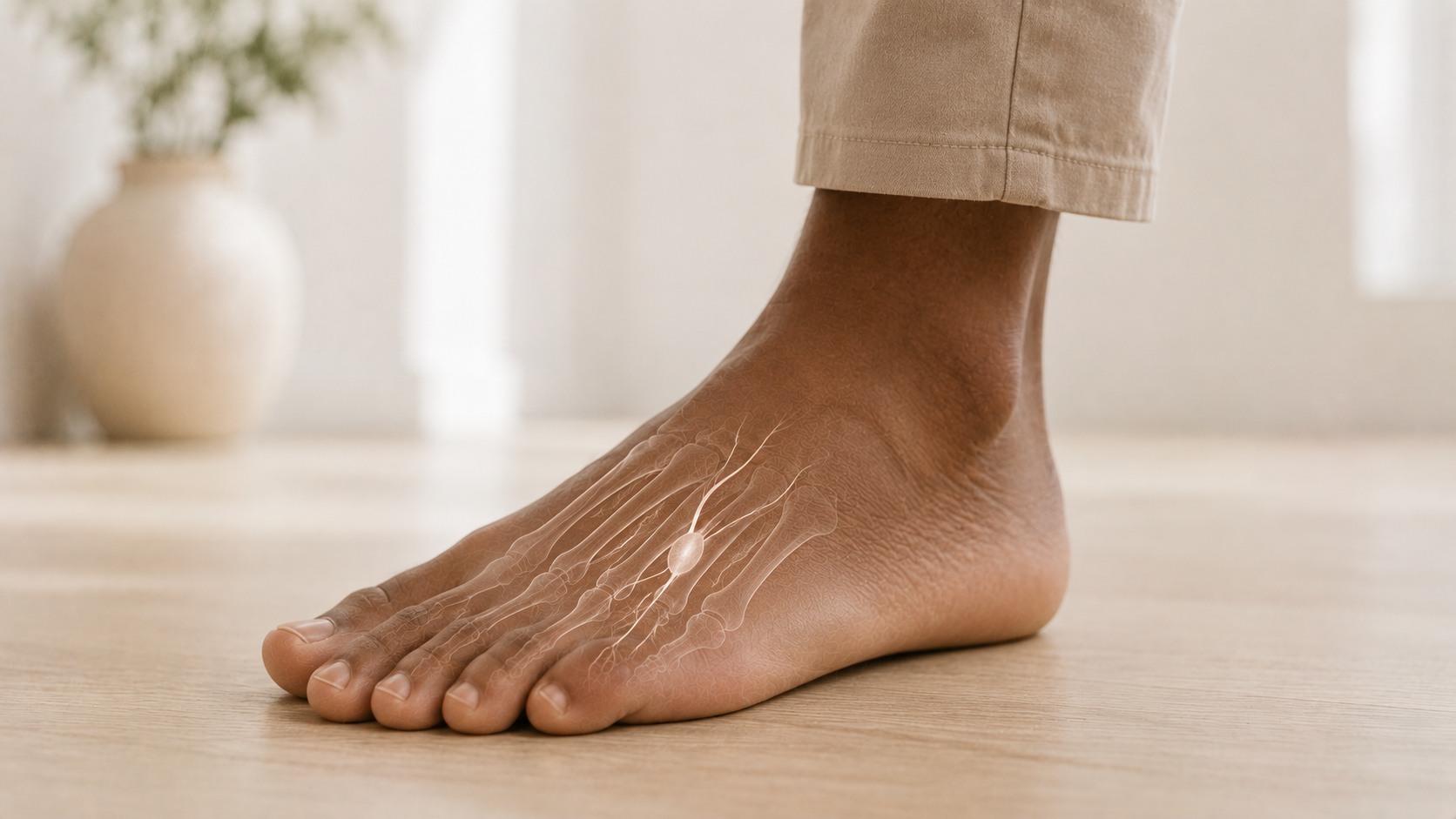
Peripheral nerves may become compressed or irritated as they pass through muscles, fascial planes, tunnels, or tight anatomical spaces. This can contribute to conditions such as thoracic outlet syndrome, cubital tunnel syndrome, carpal tunnel syndrome, meralgia paresthetica, tarsal tunnel syndrome, or pelvic nerve entrapment patterns.

Discovery

Discovery begins with the mechanics. We ask where the pain is located, what movement triggers it, what position relieves it, how it started, what changed afterward, and what other areas began compensating.

The physical examination is central. The team may assess joint stability, range of motion, muscle tone, posture, gait, strength, nerve tension, trigger points, and the relationship between one painful region and another.

Dynamic ultrasound may be used to evaluate tendons, ligaments, bursae, soft tissues, and nerves during movement. Dynamic imaging may be considered when symptoms suggest instability that standard supine imaging may miss.

When multiple pain generators are possible, sequential diagnostic blocks can help isolate the source. By temporarily numbing a specific joint, nerve, fascial plane, or pain pathway, we can learn whether that structure is truly part of the patient’s familiar pain.

Treatment

Treatment targets the structural deficit, pain generator, or biomechanical pattern identified during discovery. The goal is to reduce pain while also addressing the reason the tissue became painful.

  • Medication support: Medications may provide comfort while the team diagnoses and treats the primary driver, but they are rarely the full solution for mechanical pain.
  • Trigger point injections and dry needling: These treatments may help release guarding muscle knots, improve blood flow, and reduce referred pain when trigger points are part of the pattern.
  • Regenerative medicine: Dextrose prolotherapy or platelet-rich plasma may be used in selected cases to support healing in lax ligaments, injured tendons, joint capsules, or soft tissues.
  • Epidural procedures and hydrodissection: When a spinal nerve is irritated by inflammation, disc material, or scar tissue, epidural approaches may be used to reduce irritation, improve nerve mobility, or separate adhesions when appropriate.
  • Viscosupplementation: Hyaluronic acid may be used in selected degenerative joints to improve lubrication, cushioning, and mechanical tolerance.
  • Botulinum toxin: Botox or similar medications may be considered when chronically overactive muscles are compressing nerves or maintaining severe guarding patterns.
  • Radiofrequency ablation: When facet joint pain is confirmed and the joint cannot be restored through other means, radiofrequency ablation may reduce pain by quieting the small sensory nerves that supply the joint.
  • Rehabilitation: Physical therapy, Pilates-based strengthening, closed-chain exercise, posture retraining, and movement retraining help correct the mechanical pattern so pain is less likely to return.
  • Pain psychology: Chronic musculoskeletal pain can affect confidence, identity, work, sleep, and decision-making. Pain psychology can help patients stay engaged in care and rebuild trust in movement.

Why Treatment Order Matters

Musculoskeletal dysfunction often involves more than one structure. A trigger point may be guarding a joint. A nerve may be irritated because a muscle is overactive. A disc may be painful because the pelvis or hip is altering load. Treating the loudest symptom first may not always address the driver.

MPM works to identify the order of care: what needs to be quieted, what needs to be repaired, what needs to be retrained, and what needs to be monitored. This helps treatment become more precise and less reactive.

Maintenance

Maintenance begins when the main pain generator has been identified, treatment has improved stability or comfort, and the patient understands the mechanical pattern behind the pain.

The goal is to help patients recognize early warning signs, adjust movement before a flare builds, continue strengthening, avoid repeated overload, and understand how to prevent the same cascade from returning. Musculoskeletal care is not only about reducing pain. It is about helping patients understand what went wrong and how to keep it from progressing.