Autonomic Dysfunction

Autonomic dysfunction, also called dysautonomia, occurs when the nervous system has difficulty regulating automatic body functions such as heart rate, blood pressure, digestion, sweating, temperature control, and stress response. At Manhattan Pain Medicine, we look for the underlying drivers of this imbalance, including hypermobility, craniocervical instability, small fiber neuropathy, immune dysfunction, visceral pain, and chronic nervous system sensitization.

Symptoms of autonomic dysfunction can be complex. Dr. Siefferman discusses diagnosis and treatment options.

About Autonomic Dysfunction

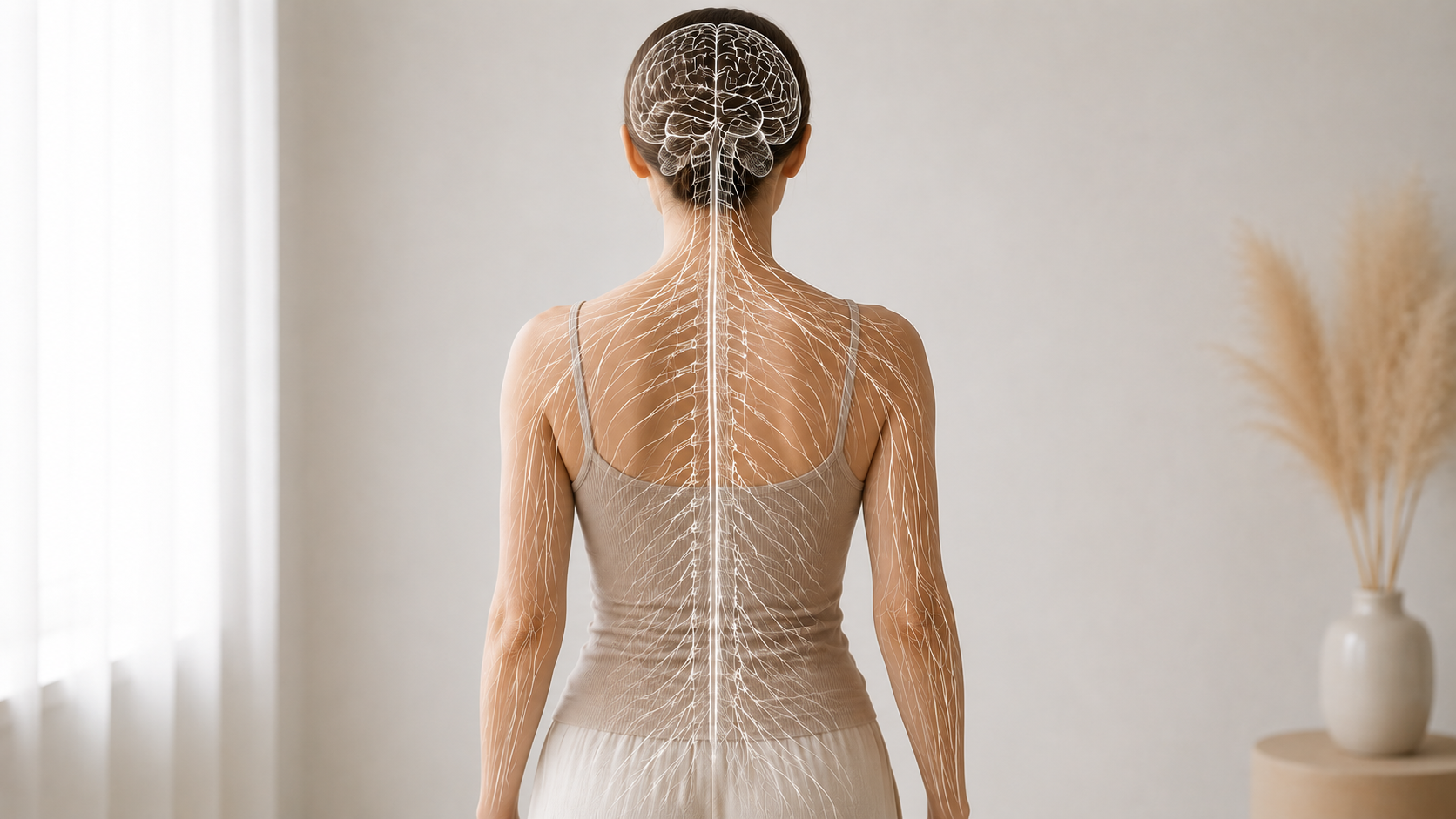
The autonomic nervous system helps regulate the body’s automatic functions through two major pathways: the sympathetic nervous system, often described as the fight-or-flight system, and the parasympathetic nervous system, often described as the rest-and-digest system.

When these systems fall out of balance, patients may experience symptoms across many parts of the body, including heart rate changes, dizziness, blood pressure instability, digestive slowing, constipation, reflux, nausea, sweating changes, temperature sensitivity, fatigue, brain fog, and physical sensations that can feel like anxiety or panic.

At Manhattan Pain Medicine, we approach dysautonomia by asking why the autonomic system is dysregulated. The goal is not only to reduce symptoms, but to understand what is driving the imbalance and how to help the nervous system re-regulate over time.

Our Autonomic Dysfunction Team

Autonomic dysfunction often crosses traditional specialty boundaries. At Manhattan Pain Medicine, the evaluation may involve pain medicine, rheumatology, rehabilitation, pain psychology, and other clinical perspectives depending on the patient’s symptoms and suspected drivers.

When Should I Seek Evaluation?

Patients may benefit from evaluation when symptoms such as dizziness, rapid heart rate, brain fog, fatigue, nausea, constipation, sweating changes, temperature sensitivity, or body-wide stress responses occur alongside chronic pain, hypermobility, inflammatory symptoms, nerve symptoms, or suspected craniocervical instability.

Request An Appointment

APPROACH

Our Approach to Autonomic Dysfunction

We evaluate dysautonomia by looking for what is disrupting autonomic balance, what systems are involved, and what needs to be treated first.
  • 1

    Discovery

    We begin by identifying the pattern of symptoms and possible drivers, including hypermobility, craniocervical instability, small fiber neuropathy, immune or inflammatory conditions, visceral pain, chronic infection history, post-viral syndromes, and nervous system sensitization.
  • 2

    Treatment

    Treatment is selected based on the suspected driver. Care may include medication management, sympathetic nerve blocks, treatment of immune or inflammatory contributors, autonomic rehabilitation, pain psychology, biofeedback, and targeted treatment of structural or visceral pain generators.
  • 3

    Maintenance

    Once the nervous system is more stable, the focus shifts to building tolerance, improving body awareness, pacing activity, tracking delayed crashes, and creating a plan for managing flares without losing progress.

Autonomic dysfunction is not treated as one isolated diagnosis. We work to understand the system behind the symptoms, calm the overactive signals, and address the structural, inflammatory, neurologic, or pain-related factors that may be keeping the body in a high-alert state.

What to Expect During Evaluation

Your evaluation may include a detailed symptom history, review of triggers, orthostatic vital signs, physical examination, medication response review, and assessment for related drivers such as hypermobility, craniocervical instability, small fiber neuropathy, inflammatory disease, mast cell activation, visceral pain, or chronic nervous system sensitization. The goal is to understand the pattern before selecting a treatment path.

Request An Appointment

RELATED CONDITIONS

Conditions Related to Autonomic Dysfunction

Autonomic dysfunction can appear alongside several complex pain and systemic conditions. The condition list below connects this zone with related diagnoses, symptoms, and clinical patterns that may require coordinated evaluation.

Why the Underlying Driver Matters

Two patients may both have dysautonomia, but for different reasons. One may have blood pooling related to connective tissue laxity, another may have small fiber neuropathy, another may have craniocervical instability, and another may have visceral pain or immune activation keeping the nervous system on high alert. Understanding the driver helps determine the right treatment sequence.

PATIENT STORIES

Real Patients. Real Progress.

Hear from patients who came to Manhattan Pain Medicine looking for answers, clarity, and a more thoughtful path forward.
  • Madaline. M

    5 star review

    I cannot say enough good things about Manhattan Pain Medicine. From the moment I walked in, I felt truly cared for and taken seriously. Dr. Nino Mikaberidze, Director of Rheumatology, is exceptional — knowledgeable, compassionate, and incredibly thorough. She takes the time to listen, explains every...

    Google

  • Haleigh Y.

    5 star review

    The best care I've received as a chronic pain patient. I traveled from out of state to visit Manhattan Pain Medicine because I could not find knowledgeable doctors in my hometown for my hypermobility, and Ehlers-Danlos syndrome symptoms and comorbidities. Let me tell you, it was worth every travel e...

    Google

  • Damien P.

    5 star review

    I was injured in a bicycle accident over 8 years ago. I’ve suffered throughout the years since my accident with nothing seeming to work. PT, Yoga, lifestyle changes, NOTHNG! I finally made an appointment with Dr Kane and I’m feeling an improvement in my life. I no longer stay up all night in pain, a...

    Google

  • JP S.

    5 star review

    One of the best experiences, if not the best, I have ever had at the doctor’s office. From the front desk to the nurses to the PA assisting the doctor this was a great experience. Dr.Nino actually listened to me and came up with a game plan. Would recommend this practice to as many people as I could...

    Google

  • Richard B.

    5 star review

    I have very unique & severe nerve pain from CRPS which has no known specific cure. Dr. Siefferman has a huge tool box, far greater than the other 23 Drs. I have seen. He saved me from jumping off a bridge and continues to help me with both treatments and advice. Dr. S. is in a different league!

    Google

  • Clare F.

    5 star review

    After two years of searching and feeling lost and let down, I finally found real help at Manhattan Pain Medicine. With Dr. Siefferman, Adam Rosenberg, Dr. Mikaberidze, and the whole team, I feel heard, supported and understood. Every symptom is being considered and I’m finally getting answers with m...

    Google

  • Jonathan C.

    5 star review

    Why is Dr Dr. Tayyaba Ahmed one of the top pevic Floor specialists - 1- She wants to know a full history of what led the patient to get to this point. 2 - She listens intensley to the patient 3- She does not rush you 4- Extremely skilled at giving pelvic floor injections 5- I thank my luck stars she...

    Google

  • Jodi K.

    5 star review

    The staff was friendly and helpful. Dr. Siefferman was thoughtful, listened, asked questions and proposed simple safe ways to come to further conclusions regarding my pain and discomfort. The office staff including Dr. Siefferman is responsive even after the initial in-person visit. Very pleased.

    Google

  • Sabrina S.

    5 star review

    Dr. Siefferman is a brilliant provider. While my pain is still a work in progress, Dr Siefferman always gives me options and explains his reasoning behind things. He listens to my feedback and concerns. I never feel rushed; and am grateful he works to meet me where I am. I highly recommend him.

    Google

  • Lorraine B.

    5 star review

    What a great find! They listen to me, I listen to them and the diagnosis is made and a plan developed to develop an approach to treat all of my chronic pain. I wish I could have discovered this type of treatment sooner. This doctor and group give me hope.

    Google

FAQ

Frequently Asked Questions

Common questions about autonomic dysfunction, dysautonomia, POTS, and how Manhattan Pain Medicine approaches evaluation and treatment.

Understanding Insurance Before You Begin

Before care begins, our team helps patients understand the practical side of treatment, including insurance verification, out-of-network benefits, cost-share estimates, self-pay options, and billing questions. We believe patients should have as much clarity as possible before moving forward.

Insurance & Billing

Find the Driver Behind Autonomic Dysfunction

If symptoms like rapid heart rate, dizziness, brain fog, digestive slowing, temperature sensitivity, or body-wide stress responses are disrupting daily life, our team can help evaluate what may be driving the imbalance and guide the next step in care.

Request An Appointment

RESEARCH

Research on Autonomic Dysfunction

Explore MPM research related to autonomic dysfunction, including studies and clinical research efforts that help clarify how dysautonomia may be understood, evaluated, and treated.
GO DEEPER

Autonomic Dysfunction: The MPM Approach

Autonomic dysfunction can affect the whole body. Our approach begins by understanding which part of the nervous system is dysregulated, what may be driving that imbalance, and how to help the body regain more stable control.

Autonomic dysfunction, also called dysautonomia, refers to dysregulation of the body’s automatic nervous system. This system controls functions that should happen without conscious effort, including heart rate, blood pressure, digestion, sweating, temperature regulation, and stress response.

The autonomic nervous system includes the sympathetic nervous system, often described as fight or flight, and the parasympathetic nervous system, often described as rest and digest. When these systems fall out of balance, the body may feel trapped in a state of physiologic alarm, with symptoms that can affect multiple systems at once.

Why Dysautonomia Happens

At Manhattan Pain Medicine, we do not treat dysautonomia as a standalone label. We look for the reason the autonomic nervous system is dysregulated. In many patients, dysautonomia is driven by an underlying structural, neurologic, inflammatory, immune, or pain-related process.

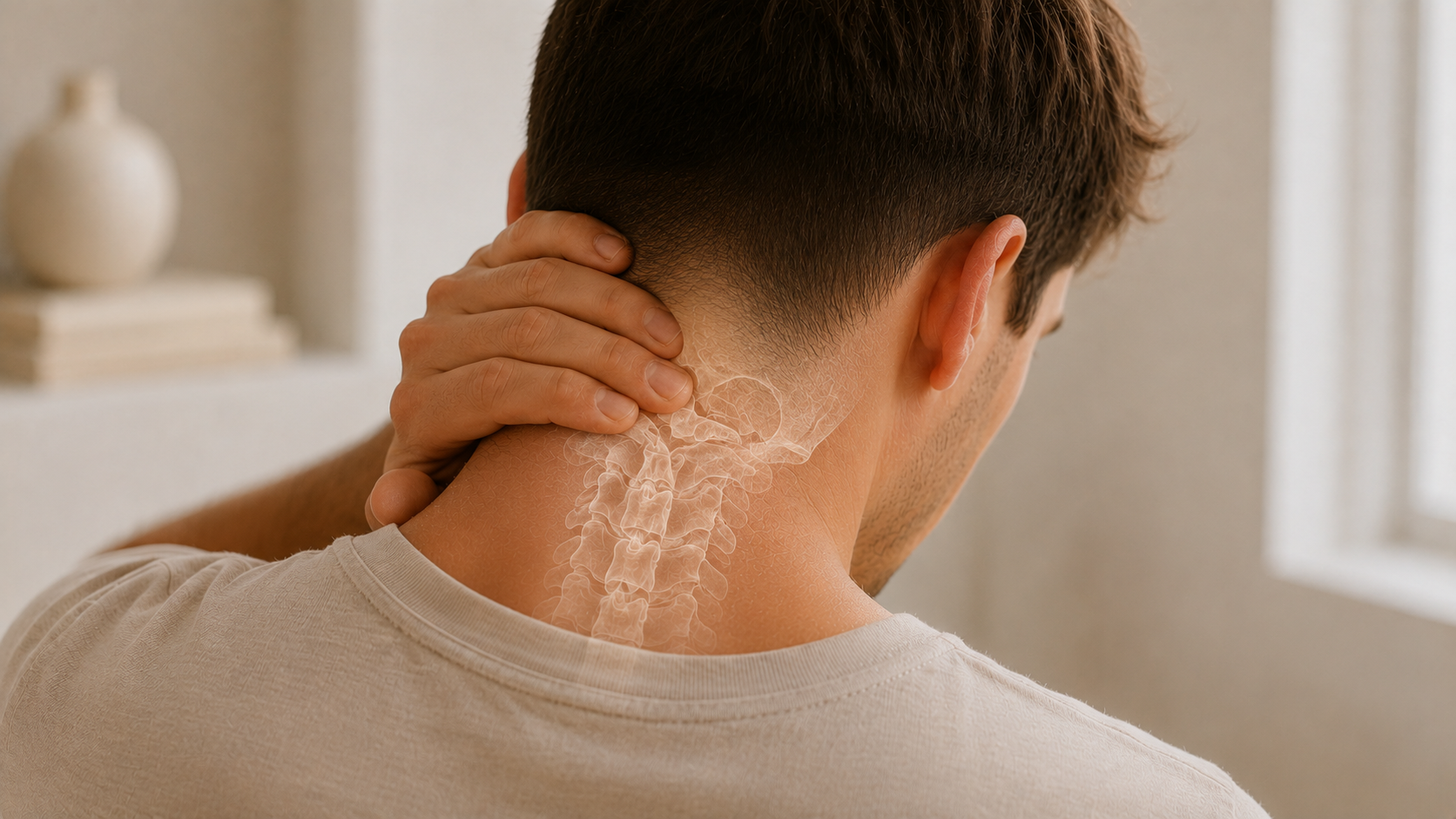
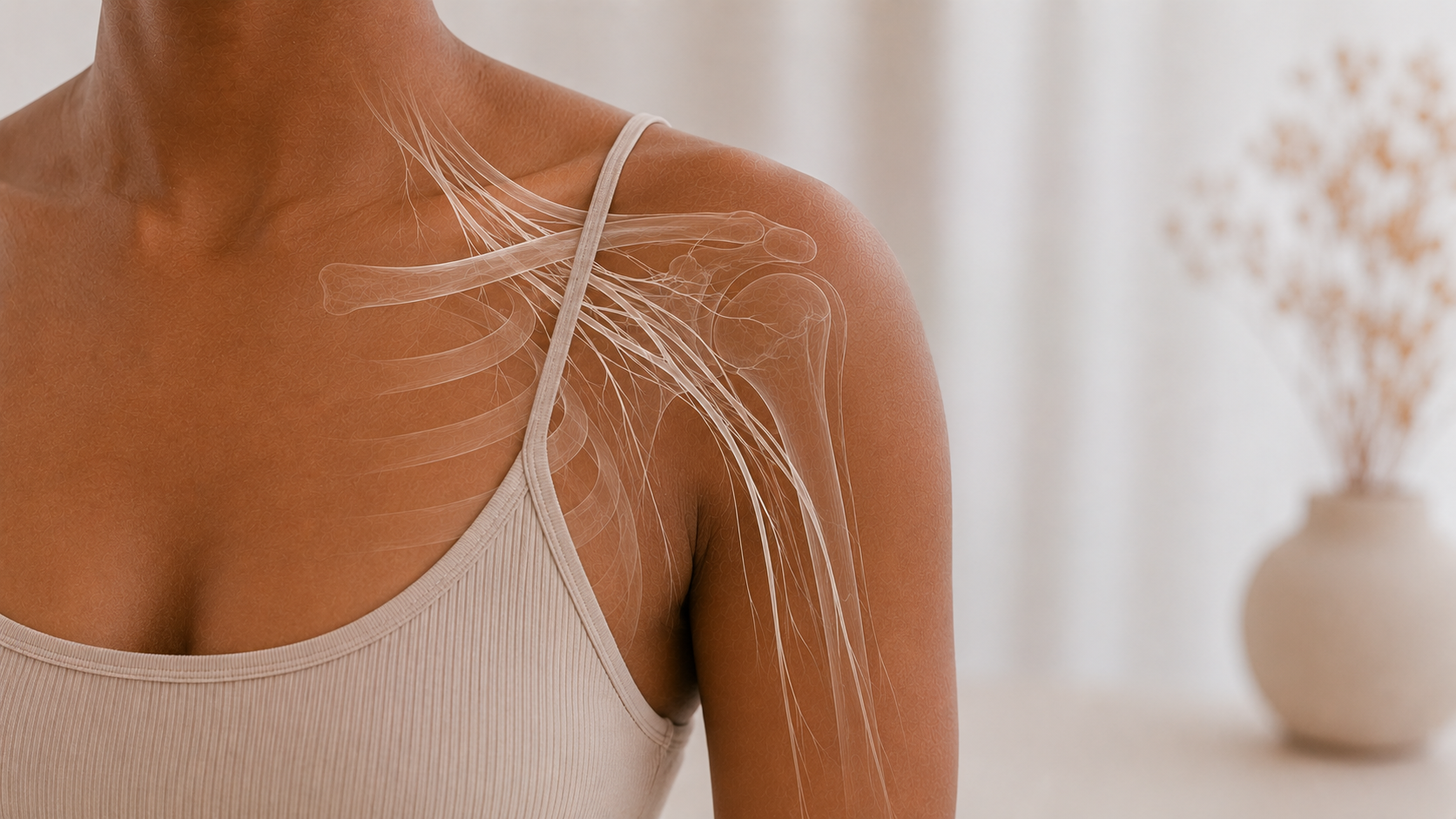
Hypermobility and connective tissue laxity can contribute to blood pooling because blood vessels may not provide enough resistance against gravity. Craniocervical instability can place mechanical stress on the head-neck junction, potentially affecting the vagus nerve and sympathetic chain. Small fiber neuropathy can impair autonomic nerve fibers involved in temperature regulation, sweating, and vascular control. Visceral pain, inflammatory disease, post-viral syndromes, mast cell activation, and chronic pain sensitization can also keep the nervous system in a high-alert state.

Common Clinical Patterns

POTS and Orthostatic Intolerance

Postural Orthostatic Tachycardia Syndrome, or POTS, is one of the most common dysautonomia patterns. Patients may experience rapid heart rate, dizziness, fatigue, brain fog, shakiness, sweating, or a sense of internal alarm when standing. In some patients, this is related to blood pooling. In others, it may reflect sympathetic overactivity, volume dysregulation, adrenal or hormonal contributors, small fiber neuropathy, or a combination of factors.

Digestive Dysregulation

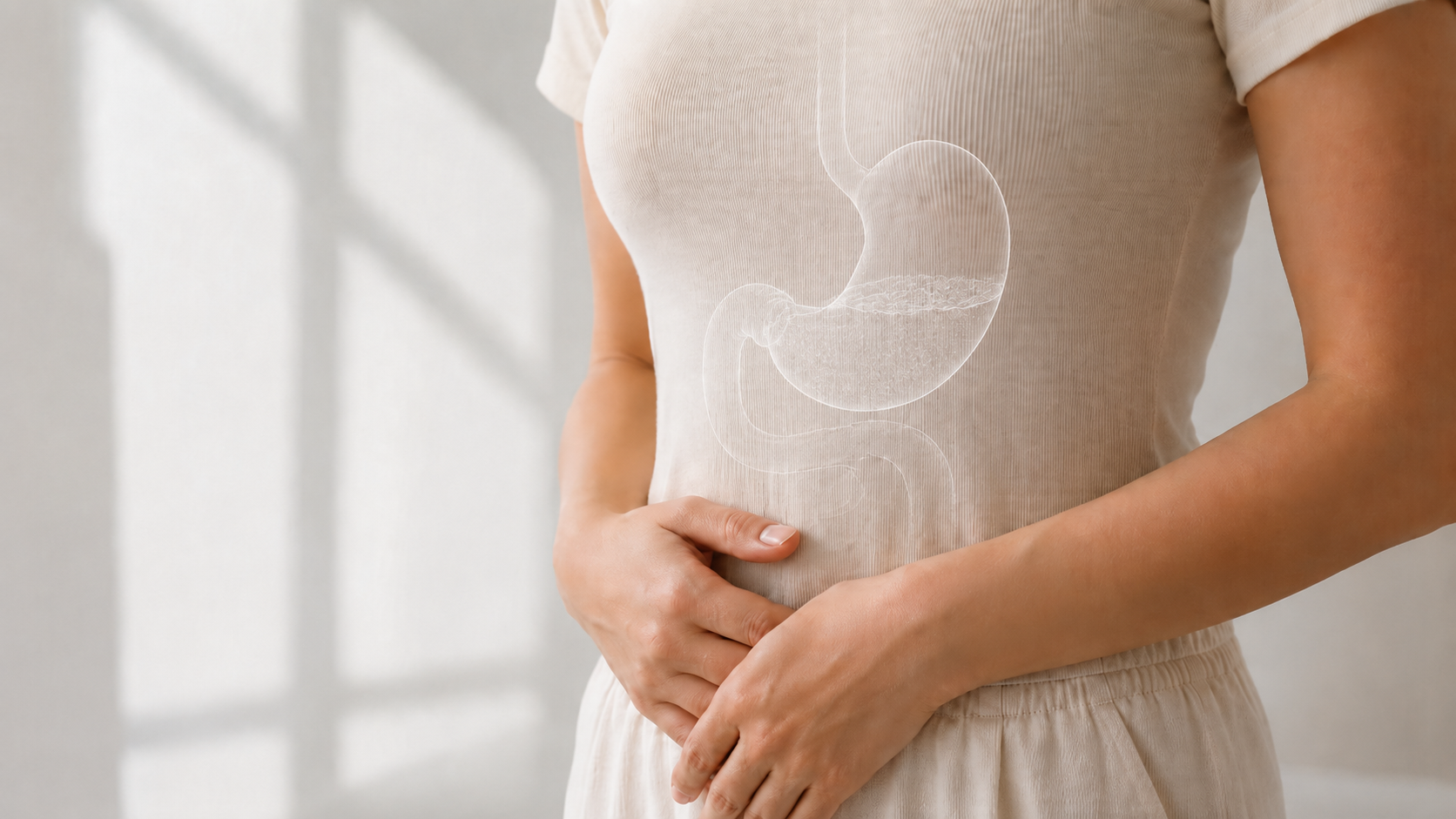
The autonomic nervous system also regulates digestion. When sympathetic tone is high or parasympathetic signaling is disrupted, patients may develop nausea, reflux, constipation, bloating, delayed stomach emptying, or symptoms consistent with gastroparesis. In some patients, the digestive symptoms are part of the same autonomic pattern as dizziness, fatigue, and heart rate instability.

Body Anxiety

Many patients describe a feeling of anxiety that does not feel purely emotional. The body may surge with adrenaline, heat, sweating, shakiness, racing heart, or panic-like sensations. At MPM, we often explain this as a physiologic autonomic surge. The experience is real, but the driver may be the nervous system rather than a primary psychiatric condition.

Discovery

The first step is to understand the pattern. We ask what symptoms appear, when they happen, what triggers them, what relieves them, and what other pain or systemic conditions are present. We may assess orthostatic vitals by tracking blood pressure and pulse across lying, sitting, and standing positions.

We also look for underlying drivers. This may include evaluating hypermobility, craniocervical instability, small fiber neuropathy, autoimmune disease, mast cell activation, post-viral syndromes, visceral pain, chronic migraine, pelvic pain, or other sources of nervous system sensitization.

In selected cases, diagnostic interventions can help clarify the role of the sympathetic nervous system. For example, an intravenous lidocaine challenge or a targeted sympathetic block may provide useful information when symptoms are being maintained by a hyperactive sympathetic response.

Treatment

Treatment depends on the reason the autonomic system is dysregulated. The goal is to calm the overactive signals, support the body’s ability to regulate itself, and address the underlying drivers when possible.

  • Medication management: Sympatholytic medications such as beta blockers, clonidine, or related medications may be used when sympathetic tone is excessive. Volume support may be considered when blood pooling or low circulating volume contributes to symptoms.
  • Sympathetic nerve blocks: Stellate ganglion blocks, lumbar sympathetic blocks, celiac plexus blocks, superior hypogastric plexus blocks, or ganglion impar blocks may be considered when sympathetic overactivity or visceral dysregulation is contributing to symptoms.
  • Autonomic rehabilitation: Physical rehabilitation may begin in supported or horizontal positions to reduce gravitational stress. Patients may work gradually toward upright tolerance while tracking delayed crashes that can occur 24 to 48 hours after activity.
  • Pain psychology and biofeedback: Biofeedback, somatic processing, vagal nerve strategies, and pain psychology can help patients learn to steer autonomic tone and distinguish emotional anxiety from physiologic autonomic surges.
  • Treating underlying drivers: When dysautonomia is being driven by hypermobility, craniocervical instability, small fiber neuropathy, immune dysfunction, visceral pain, migraine, or another pain generator, the treatment plan must address that driver rather than only treating symptoms.

Maintenance

Maintenance begins when the patient understands the pattern, the major drivers have been identified, and the nervous system is more stable. The goal is not simply to avoid symptoms, but to build body literacy and a practical plan for managing flares.

Patients may learn how to pace activity, take supine breaks, elevate the legs, track delayed responses to exertion, use medications or procedures appropriately, and recognize when symptoms represent a temporary autonomic flare versus a new or worsening problem.

For many patients, understanding the why behind dysautonomia is itself a turning point. When patients can connect symptoms to a physiologic process, the experience often becomes less frightening and easier to manage.