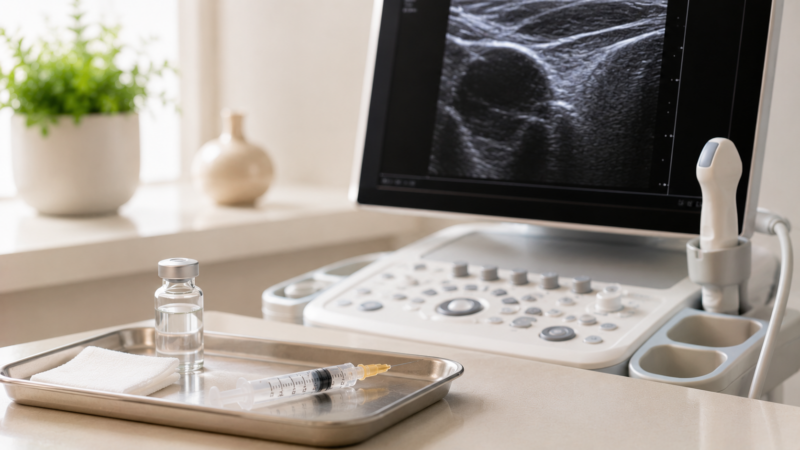

Diagnostic nerve blocks are not designed to cure pain. They are designed to help identify where pain is coming from.
For patients with complex chronic pain, this can be incredibly valuable. Pain may involve several overlapping structures, such as a joint, nerve, tendon, disc, pelvic muscle, scar, or hidden hernia. The brain may feel all of this as one large pain pattern, making it difficult to know which structure is driving the symptoms.
A diagnostic block uses a local anesthetic to temporarily numb a specific nerve, joint, or tissue plane. The response can help guide the next step.
Turning Off One Signal at a Time
A diagnostic block is like temporarily turning off one switch on a complicated electrical panel. If the pain improves during the numbing window, that structure may be contributing to the pain pattern.
This is especially helpful when multiple pain generators are close together. In the pelvis, hip, spine, or shoulder, several structures can refer pain into the same region. Temporarily quieting one target can help separate the source from the surrounding noise.
Primary Pain vs. Referred Pain
Diagnostic blocks can also help distinguish where pain is felt from where pain is generated.
For example, if a nerve is numbed and the patient’s usual pain improves, that may suggest the nerve is involved. But if the area becomes numb to touch and the original pain remains, the pain may be coming from another location upstream, such as the spine, pelvis, or a deeper nerve pathway.
This distinction matters because treating the painful area is not always the same as treating the pain generator.
Why Temporary Relief Still Matters
The temporary nature of a block is part of its value. During the diagnostic window, patients can test movements or positions that usually trigger pain, such as sitting, walking, bending, or turning.
When the medication wears off, the return of pain can also clarify what that structure was contributing. In some cases, turning off one major pain generator may reveal a second pain source that had been hidden underneath.
When a Block Acts Like a Reboot
Although diagnostic blocks are primarily investigative, some patients experience relief that lasts longer than expected. This may happen when the block interrupts a sensitized pain loop or calms an overactive sympathetic nervous system.
That response can provide useful information about how much of the pain pattern is being amplified by the nervous system.
Our Approach at MPM
At Manhattan Pain Medicine, we use diagnostic blocks as part of a careful, step-by-step pain mapping process, helping patients identify whether symptoms are coming from nerves, joints, discs, muscles, scar tissue, hernias, or a layered pain pattern.