
Conditions We Treat
At Manhattan Pain Medicine, conditions are not treated as isolated labels. Our team uses a diagnosis-first, protocol-driven approach to understand what is generating the pain, how it developed, and why it has not resolved, then selects care based on the underlying drivers.
What Are Zones of Expertise?
Our team organizes conditions and treatments into related zones of expertise to make it easier to explore the care paths most relevant to your symptoms and goals.
Use the zone tags above to browse dedicated pages for each focus area, including services, providers, and what to expect during treatment.
Expertise Built for Complex Pain
Explore the Zones of Expertise by clicking or tapping on a circle.


A Diagnosis-First Approach to Complex Conditions
Many pain conditions develop in layers. A primary driver may lead to compensation, guarding, nervous system sensitization, inflammation, or emotional distress over time. Our role is to separate those layers carefully, so treatment is guided by what is actually driving the pain rather than the symptom alone.
How We Evaluate Conditions
-
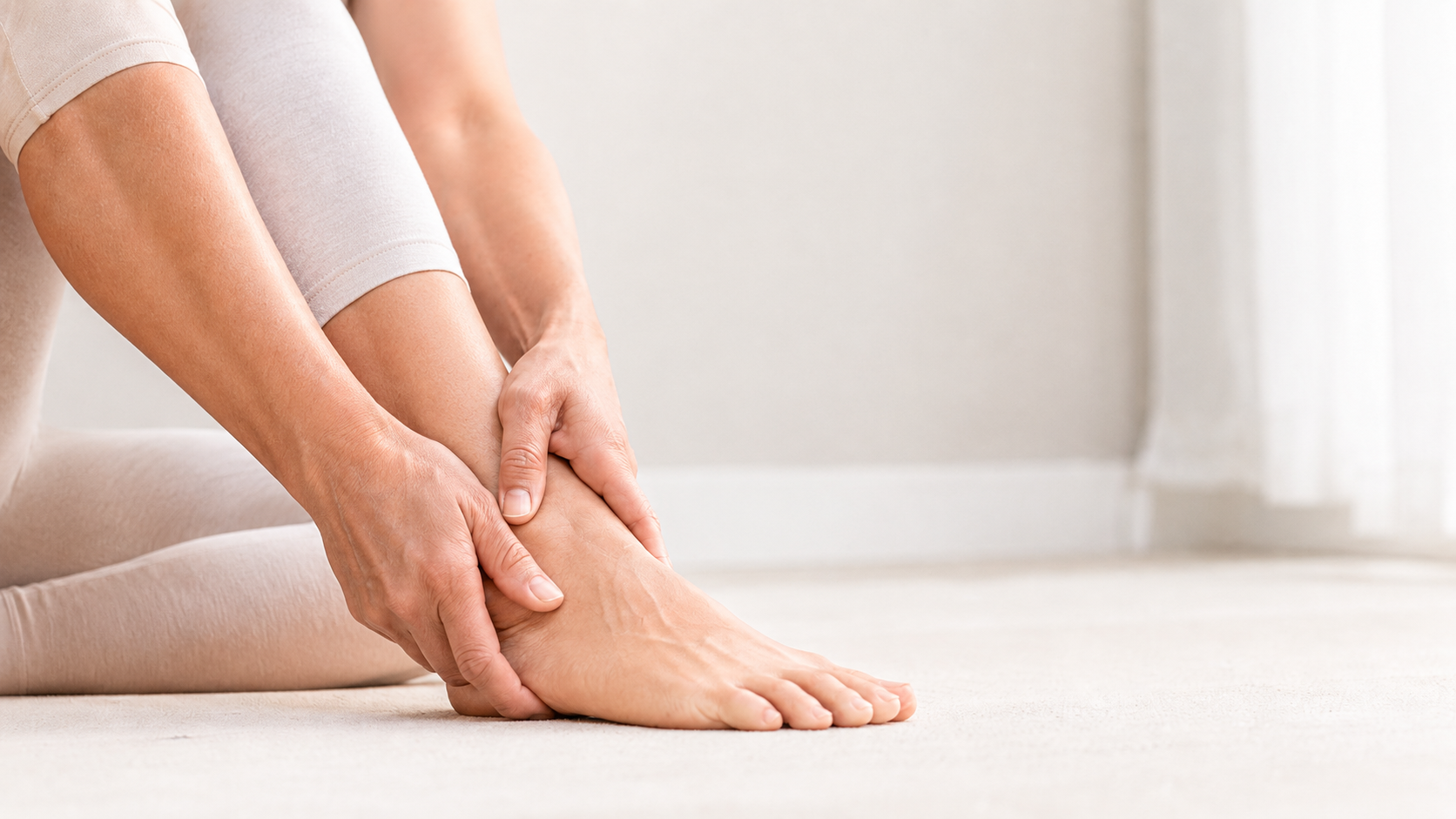
Foot Pain
Foot pain may stem from joints, tendons, ligaments, or nerves, or be linked to gout, arthritis, inflammation, hypermobility, or a broader chronic pain condition. We assess how you walk and bear weight and look beyond the foot for causes such as nerve irritation in the lower back.
-

Spine Pain
Spine pain can affect the neck, mid-back, lower back, or the area around the SI joints. We assess how movement, loading, and nerve symptoms fit together and look for contributors such as joint irritation, inflammation, or hypermobility.
-

Pediatric Pain
Persistent pain in children and teens can disrupt sleep, school, sports, and everyday movement. We assess what is driving symptoms and coordinate a care plan around the young person’s function, goals, and existing care team.
-
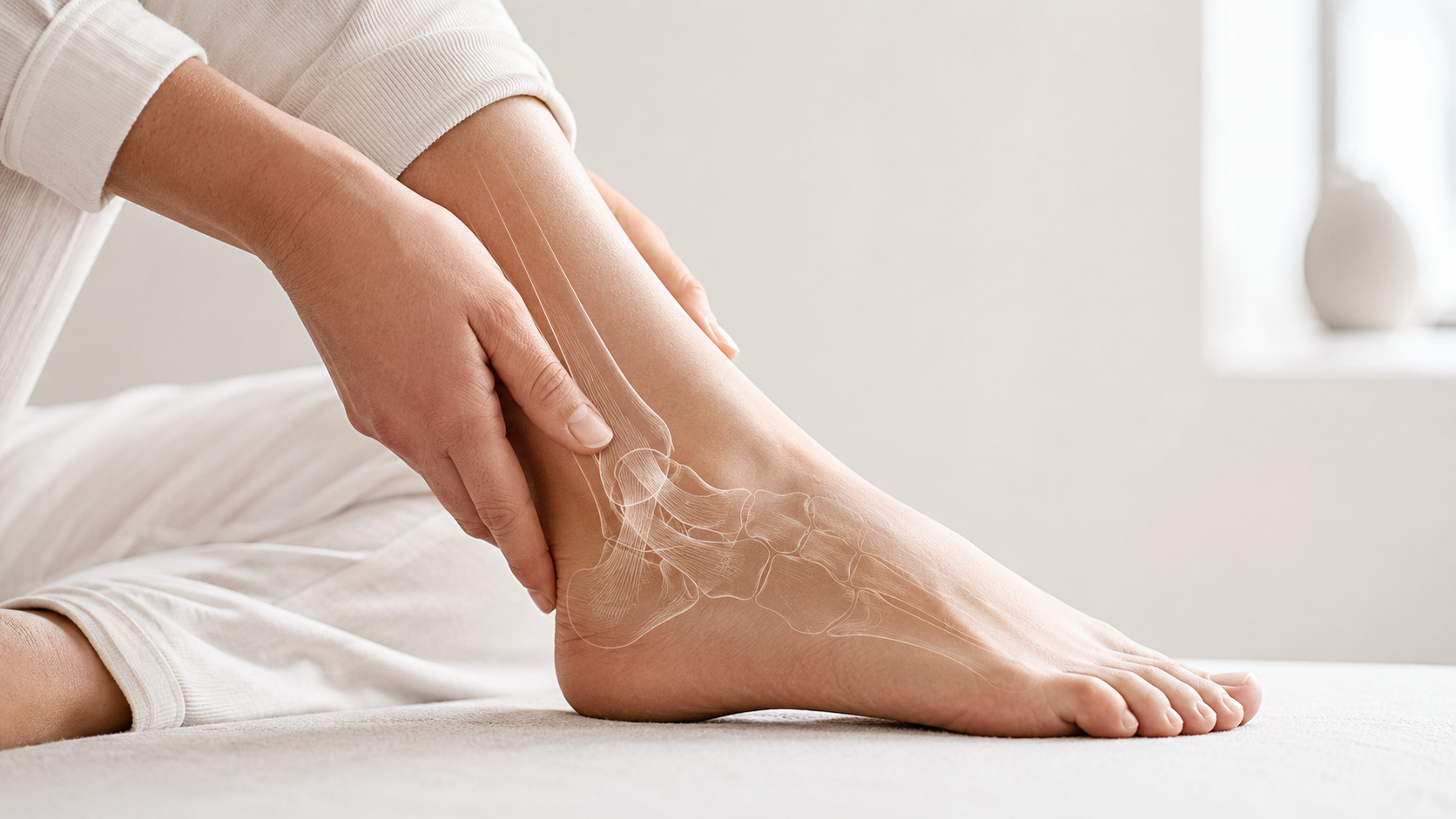
Chronic Sprain
A chronic sprain can leave a joint painful, swollen, weak, or prone to repeated injury. We assess ligament support and how the joint moves under load, looking for instability, hypermobility, or secondary tendon and nerve irritation.
-

Spondylosis
Spondylosis describes age-related changes in the spine, such as disc wear, arthritis, and bone spurs. We match imaging with your exam and symptom pattern to see whether these changes explain neck or back pain, stiffness, or pain traveling into an arm or leg.
-
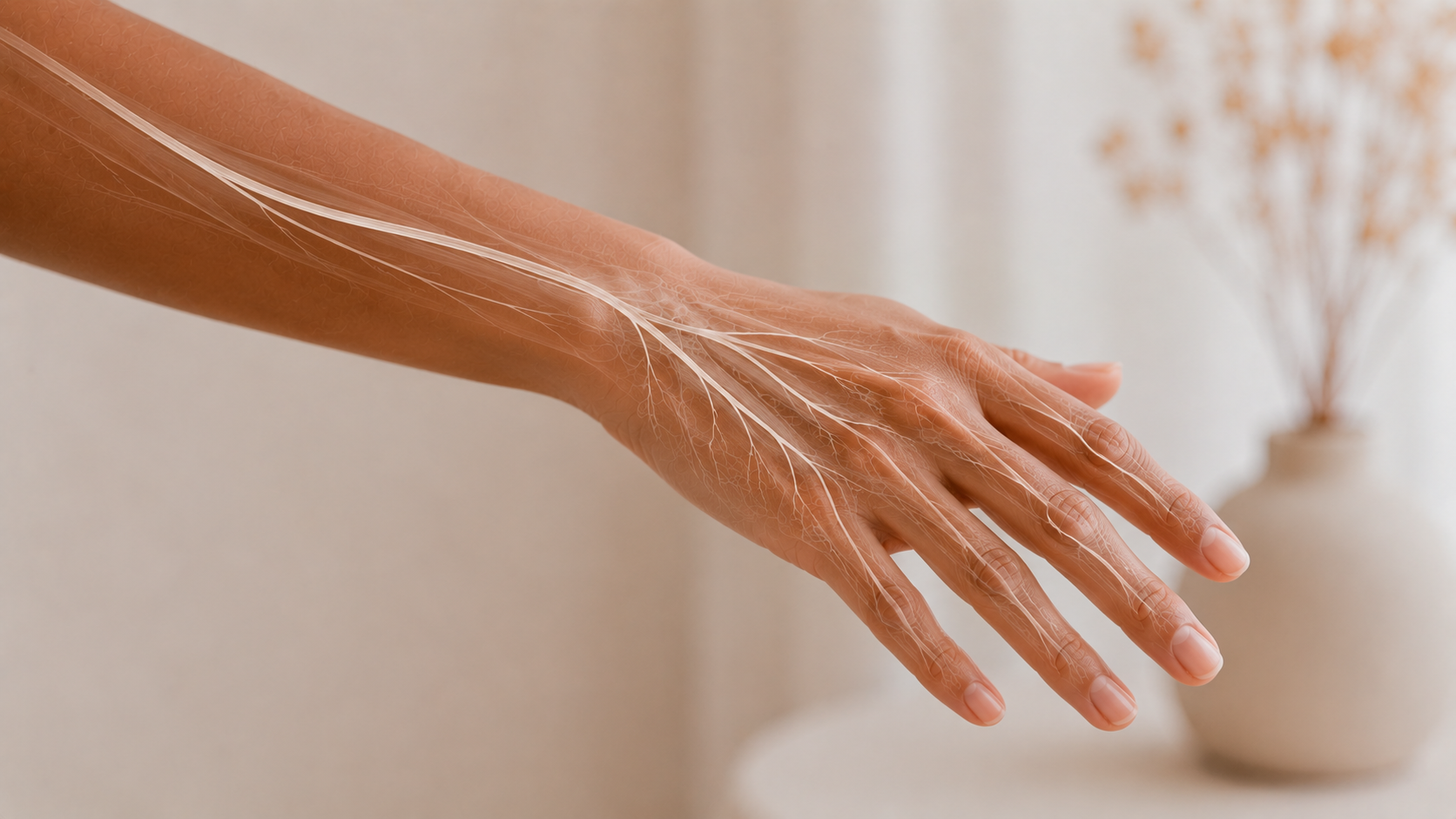
Peripheral Neuropathy
Peripheral neuropathy can cause burning, tingling, numbness, weakness, or balance changes. We map which areas are affected and review medical history and autonomic symptoms to identify the pattern and guide testing or specialist coordination.
-
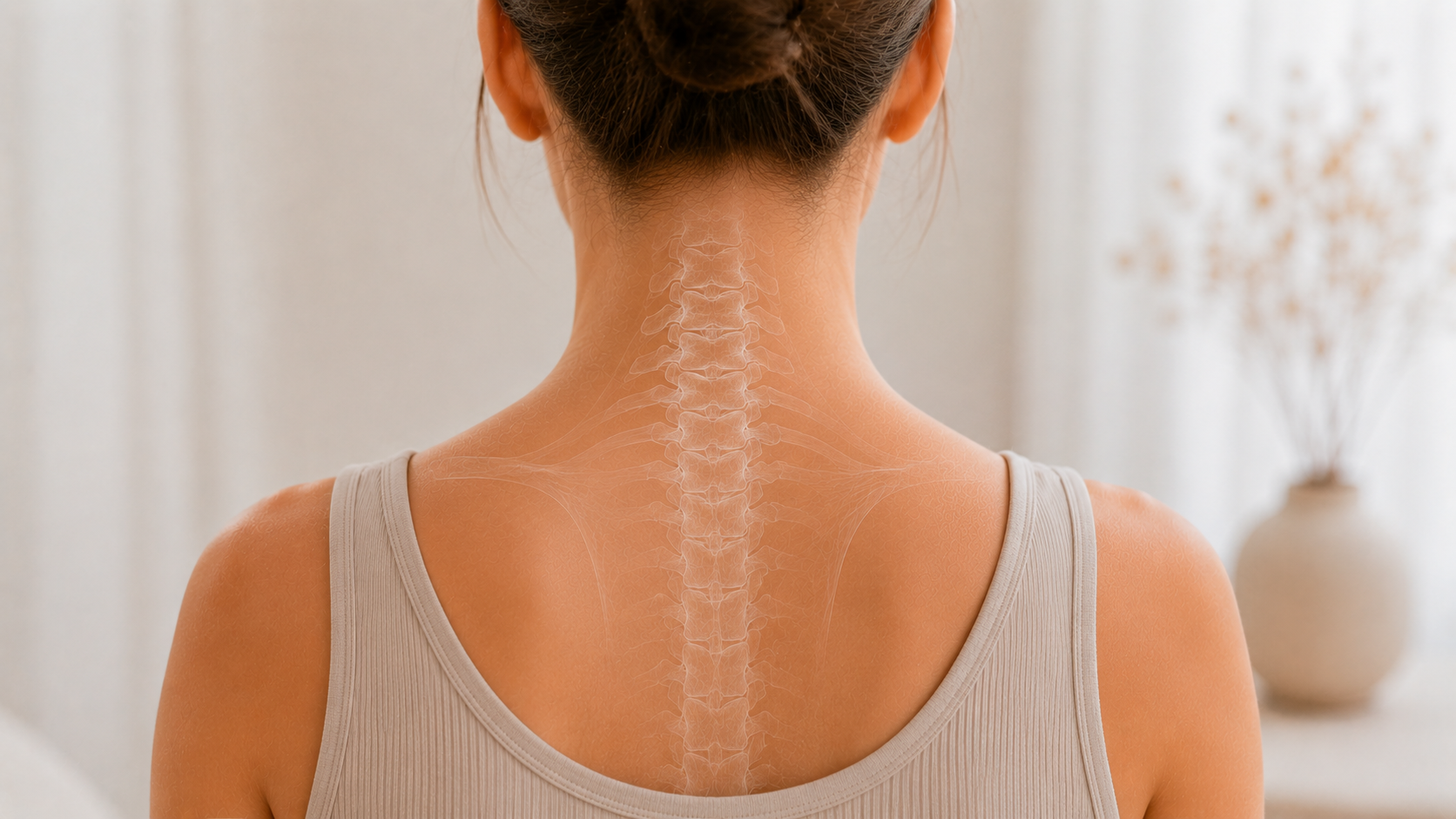
Cervical Dystonia
Cervical dystonia causes involuntary neck muscle contractions that can pull or tilt the head and lead to tremor, pain, or headaches. We assess which muscles drive the movement pattern and how it affects your range of motion and daily function.
-
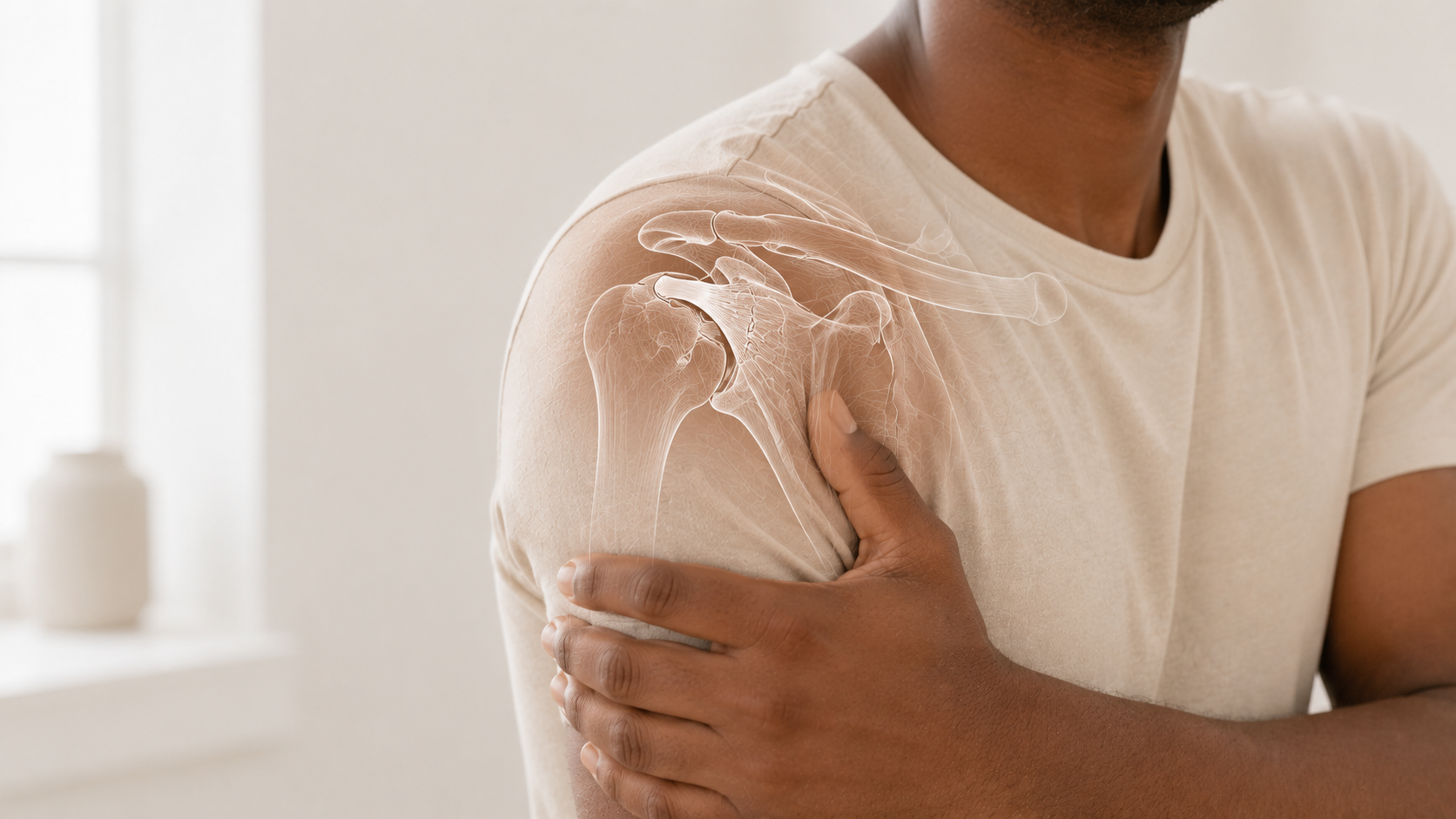
Shoulder Impingement
Shoulder impingement can cause pain with lifting, reaching overhead, sleeping on the affected side, or reaching behind your back. We assess shoulder blade movement, rotator cuff loading, and other sources of pain to determine what is being irritated.
-
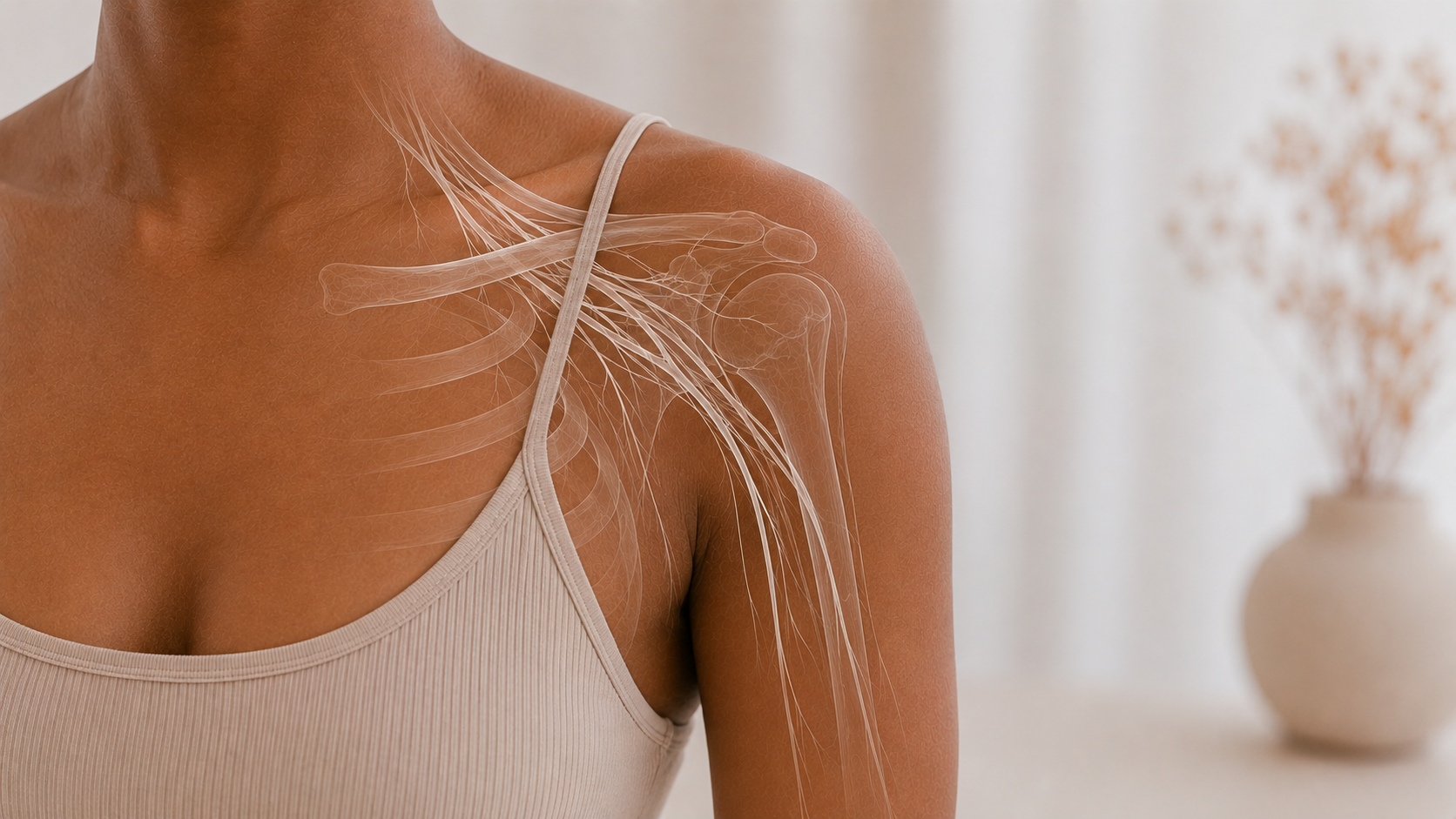
Thoracic Outlet Syndrome (TOS)
Thoracic outlet syndrome can cause arm or hand pain, tingling, weakness, heaviness, or swelling, often with overhead activity. We assess whether the pattern points to nerve or blood vessel compression and look for overlapping neck and shoulder conditions.
-

Post-COVID Pain
Pain after COVID can include headaches, muscle or joint pain, or nerve symptoms alongside fatigue, brain fog, and dysautonomia. We review how symptoms changed after infection and assess which pain, autonomic, or other factors may be contributing.
-
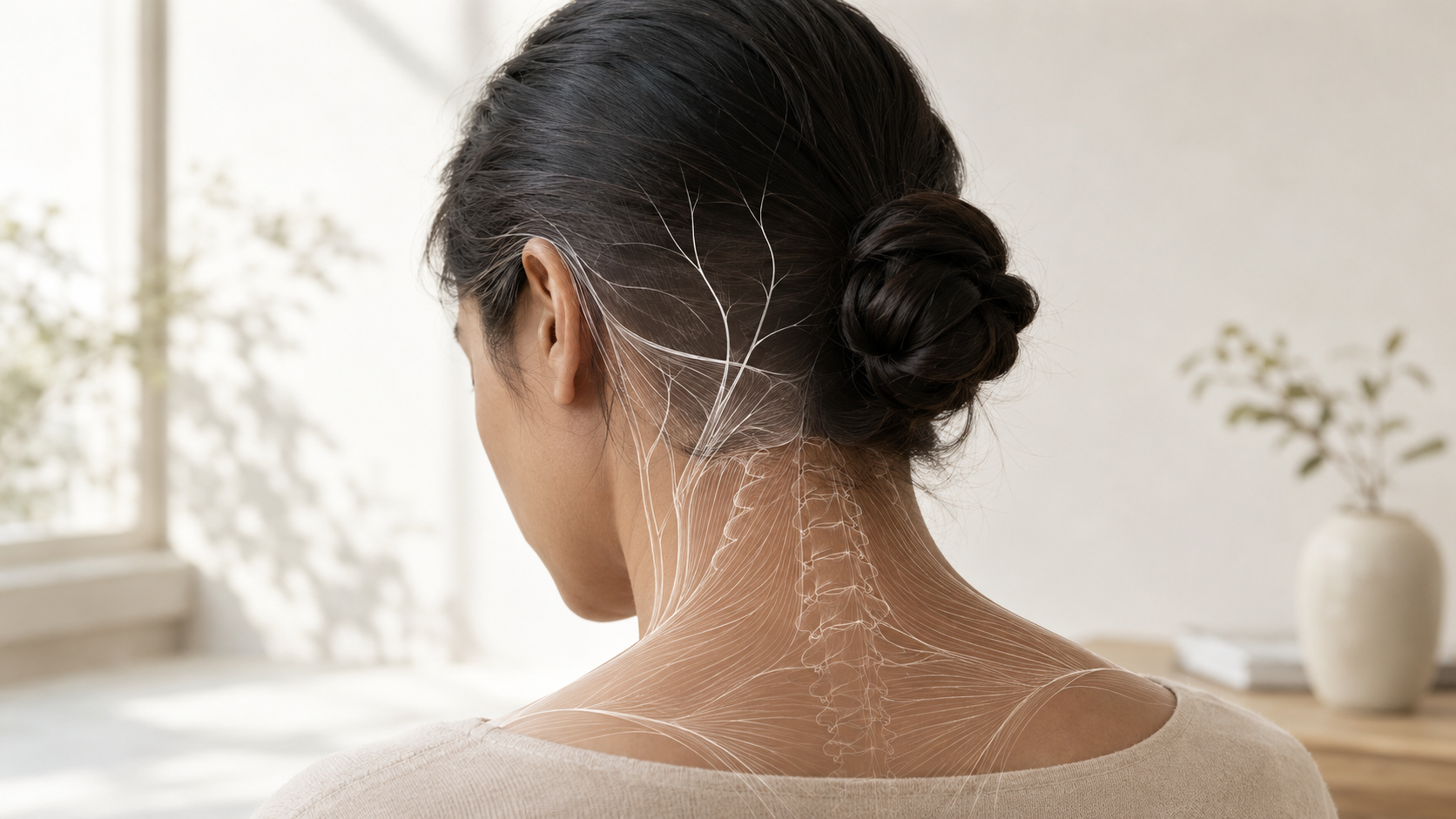
Tension Headache
Tension headache often feels like steady pressure or tightness around the head. We assess how neck and shoulder tension, jaw clenching, posture, sleep, and stress relate to the pattern and check for overlapping migraine or neck-related headache.
-
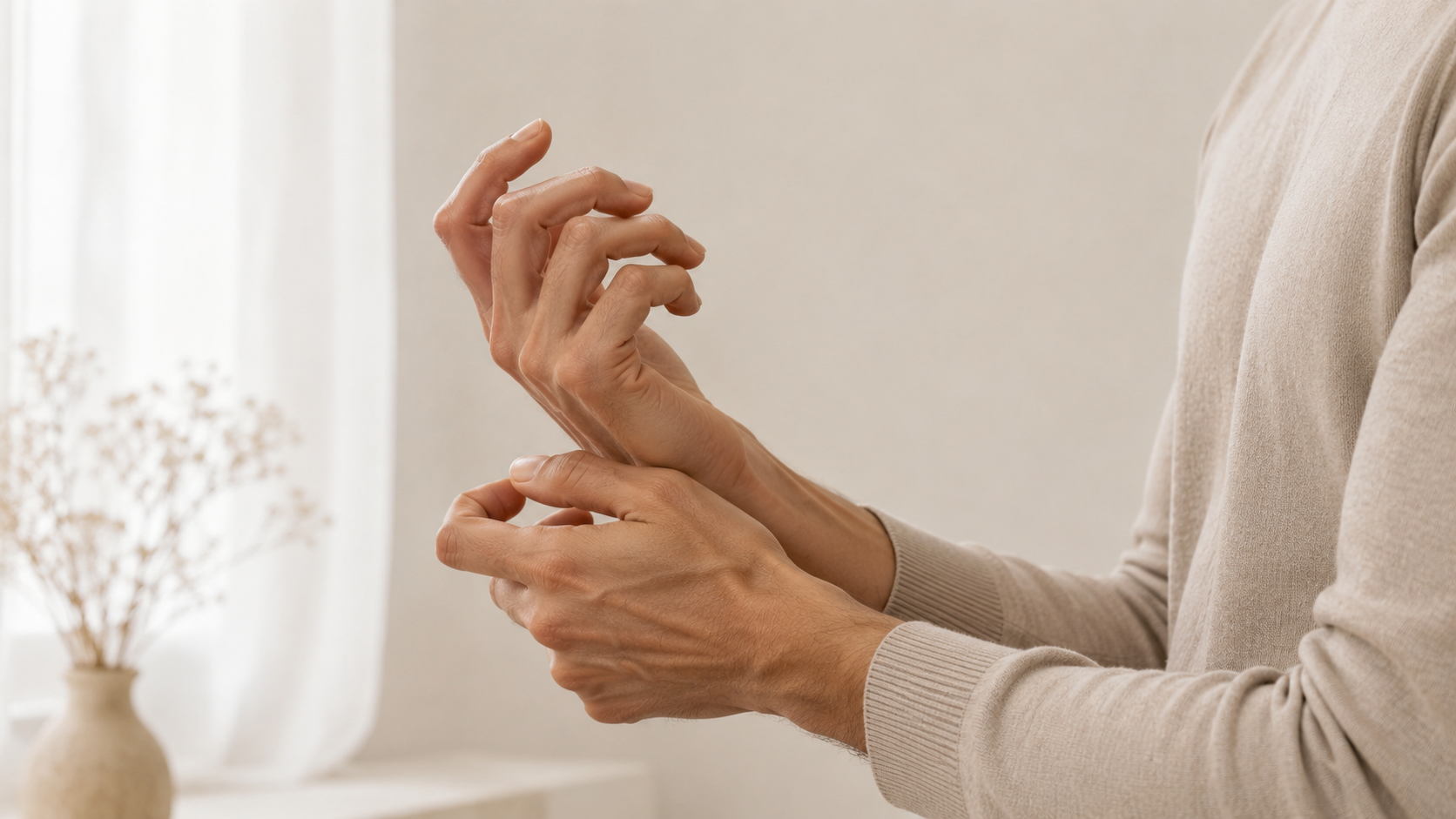
Focal Dystonia
Focal dystonia causes involuntary contractions in one part of the body, sometimes during a specific task. We observe which movements trigger cramping, pulling, or abnormal posture and identify the muscles involved and how symptoms affect function.