
Treatments We Offer
At Manhattan Pain Medicine, treatment is selected through diagnosis, not habit. Every medication, procedure, therapy, or intervention is chosen based on what we believe is driving the pain, what the body is protecting, and what needs to change for more durable progress.
What Are Zones of Expertise?
Our team organizes conditions and treatments into related zones of expertise to make it easier to explore the care paths most relevant to your symptoms and goals.
Use the zone tags above to browse dedicated pages for each focus area, including services, providers, and what to expect during treatment.
Expertise Built for Complex Pain
Explore the Zones of Expertise by clicking or tapping on a circle.


How Treatments Fit Into Care
Treating complex pain often requires two paths at the same time: helping the patient feel more comfortable while continuing to address the underlying cause. Some treatments calm inflammation or sensitization. Others support healing, improve stability, retrain movement, or help regulate the nervous system. The right plan depends on the diagnosis, the order of care, and how the body responds.
How We Choose the Right Treatment
-
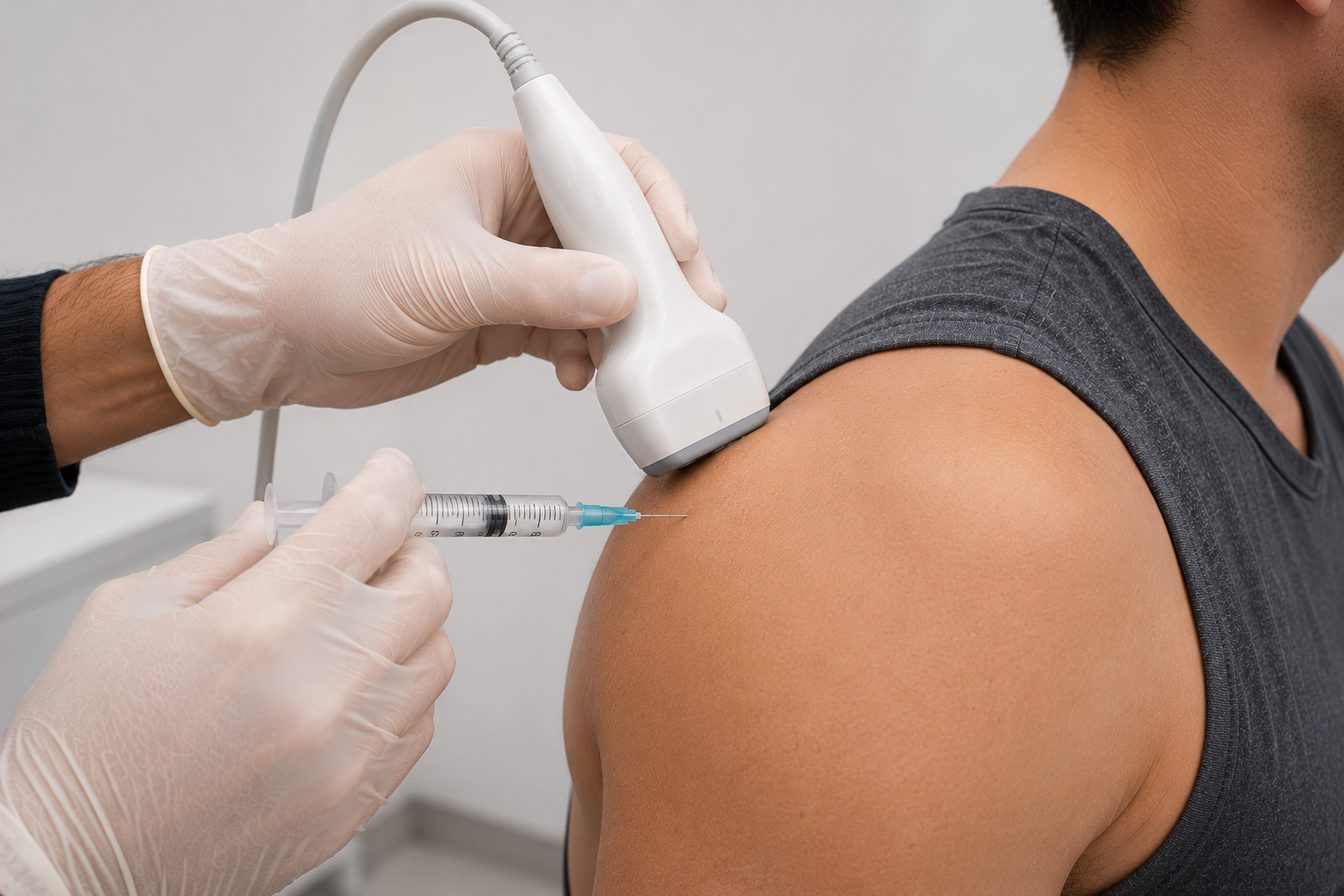
Ultrasound Guided Injections
Ultrasound-guided injections use real-time imaging to help target selected joints, tendons, ligaments, muscles, nerves, and soft tissue pain sources.
-

Diagnostic Ultrasound
Diagnostic ultrasound may help evaluate certain joint, tendon, ligament, muscle, nerve, foot, abdominal wall, hernia-related, and pelvic-region pain patterns.
-

Chemodenervation for Thoracic Outlet Syndrome
Chemodenervation may be considered for selected neurogenic thoracic outlet syndrome patterns involving neck, shoulder, arm, or hand symptoms.
-

Chemodenervation for Cervical Dystonia
Chemodenervation may help selected patients with cervical dystonia, painful neck spasms, abnormal head posture, and neck muscle overactivity.
-

Botulinum toxin for TMJ dysfunction
Botulinum toxin may help selected patients with TMJ-related jaw pain, clenching, bruxism, masseter tightness, or orofacial muscle overactivity.
-

Botox for Chronic Migraine
Botulinum toxin may help selected adults with chronic migraine reduce headache frequency as part of a diagnosis-first headache care plan.
-

Botulinum Toxin Injections (Botox)
Botulinum toxin injections may help selected patients with chronic migraine, dystonia, muscle overactivity, TMJ pain, pelvic floor spasm, or hyperhidrosis.
-
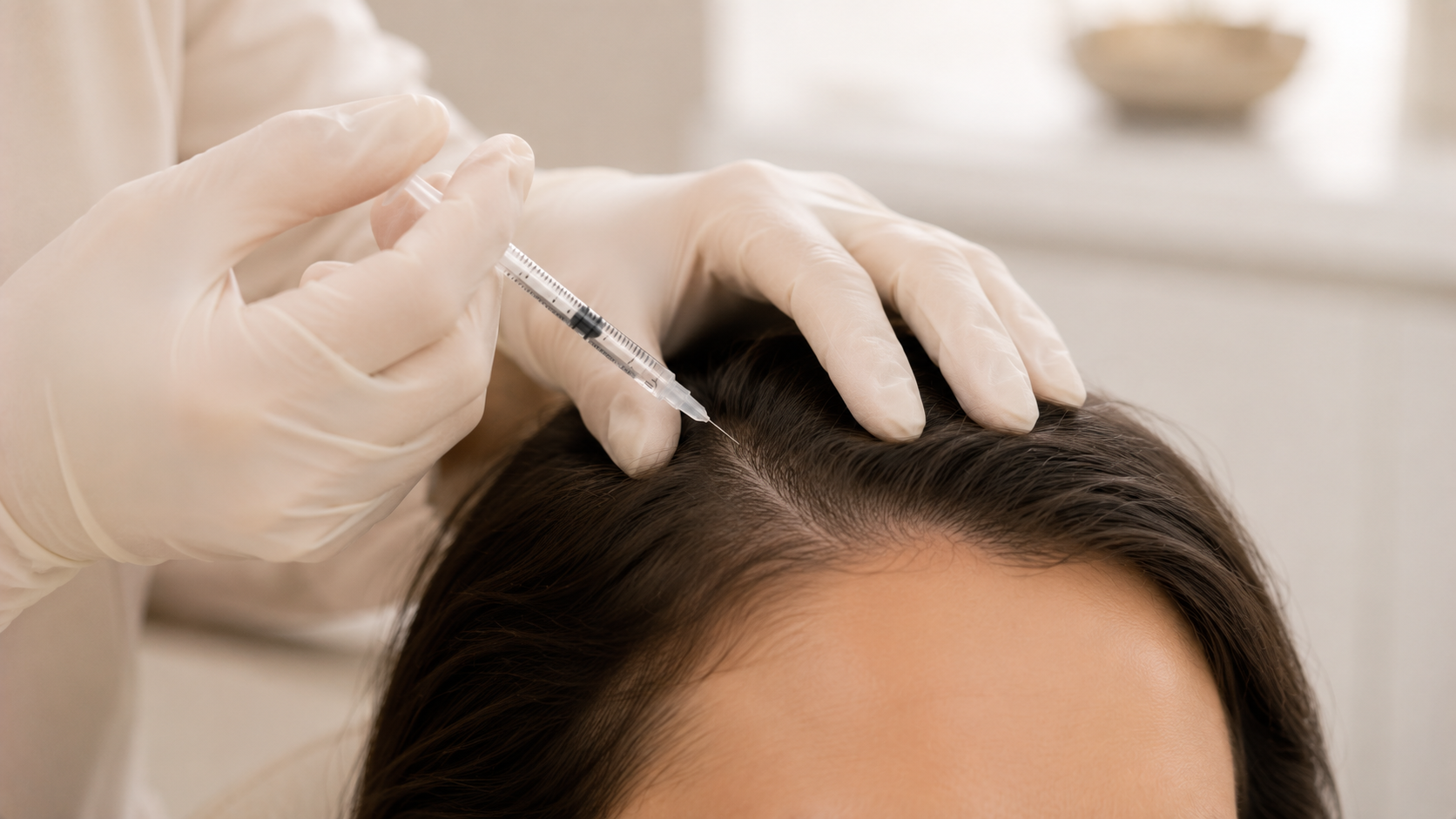
Botulinum Toxin (Botox)
Botulinum toxin may help selected patients with chronic migraine, dystonia, muscle overactivity, TMJ-related pain, pelvic floor spasm, or hyperhidrosis.
-

Pain Psychology
Pain psychology helps patients understand the brain-body relationship in chronic pain, build coping skills, reduce distress, and support function within coordinated care.
-

Biofeedback
Biofeedback therapy may help selected patients understand and regulate body responses linked to pain, tension, headaches, pelvic symptoms, and autonomic activation.
-

Feldenkrais Method
Feldenkrais therapy may support chronic pain care by helping patients improve body awareness, movement patterns, mobility, and confidence with movement.
-

Medical Weight Management
Medical weight loss may support chronic pain care by reducing mechanical stress, improving mobility, and helping selected patients pursue more effective long-term treatment.
Find a Treatment Path Built Around the Diagnosis
The most effective treatment plan begins with understanding the reason pain is happening. Our team works to identify the source, calm the systems that may be amplifying symptoms, and build a coordinated plan that supports comfort, function, and long-term management.