Superior Cervical Ganglion Block
A superior cervical ganglion block is a specialized sympathetic nerve block that may be considered for selected head, neck, facial, headache, or autonomic pain patterns. The superior cervical ganglion is part of the sympathetic nervous system and contributes sympathetic innervation to the head and neck region.
At Manhattan Pain Medicine (MPM), superior cervical ganglion block NYC care begins with diagnosis-first evaluation. This procedure is not a routine headache injection or a general treatment for facial pain. It is considered only when symptoms, anatomy, prior response patterns, and safety factors suggest that the superior cervical ganglion may be clinically relevant.
What the Superior Cervical Ganglion May Influence
The superior cervical ganglion helps carry sympathetic signals to parts of the head and neck. These signals may influence blood flow, sweating, temperature, eye-related autonomic responses, and some pain-related pathways. In selected patients, symptoms such as facial warmth, flushing, tearing, sweating changes, temperature sensitivity, eye symptoms, or head and neck pain with autonomic features may raise the question of cervical sympathetic involvement.
These symptoms do not confirm that the superior cervical ganglion is the pain source. Similar symptoms can occur with migraine, cluster headache, trigeminal autonomic cephalalgias, trigeminal neuralgia, occipital neuralgia, sphenopalatine ganglion-related pathways, cervical spine pain, ENT conditions, dental disease, vascular disorders, neurological disease, CRPS overlap, or central sensitization.
Why Diagnosis Comes First
Because head, face, neck, and headache symptoms can overlap, MPM begins with careful symptom mapping and red flag screening. The evaluation may include review of headache type, facial pain distribution, eye symptoms, autonomic signs, neck pain, neurological symptoms, prior imaging, previous procedures, medications, and prior specialist evaluations.
MPM also considers whether another block may be more appropriate. An SPG block may be more relevant for selected trigeminal-autonomic headache or facial pain patterns. A trigeminal nerve block may be considered when pain follows trigeminal nerve branches. An occipital nerve block may be more relevant for pain at the back of the head or scalp. A stellate ganglion block may be more relevant for selected upper extremity CRPS or broader upper body sympathetic symptoms.
Diagnostic vs. Therapeutic Value
A superior cervical ganglion block may be diagnostic, therapeutic, or both. A diagnostic block may help determine whether cervical sympathetic pathways are contributing to symptoms. If temporary relief occurs in the expected region, the response may support the superior cervical ganglion pathway as clinically meaningful.
A therapeutic block is intended to reduce symptoms for a period of time. Relief may last hours, days, or longer depending on the diagnosis, medication used, and patient response. Some patients may not respond. MPM reviews the degree, timing, location, and duration of relief before recommending next steps.
A Specialized and Evolving Procedure
Superior cervical ganglion block is a more specialized procedure than many commonly used headache or peripheral nerve blocks. Evidence for many headache, orofacial pain, and autonomic pain uses is limited or evolving. For that reason, MPM uses restrained, medically responsible language and does not present the block as a cure or routine treatment.
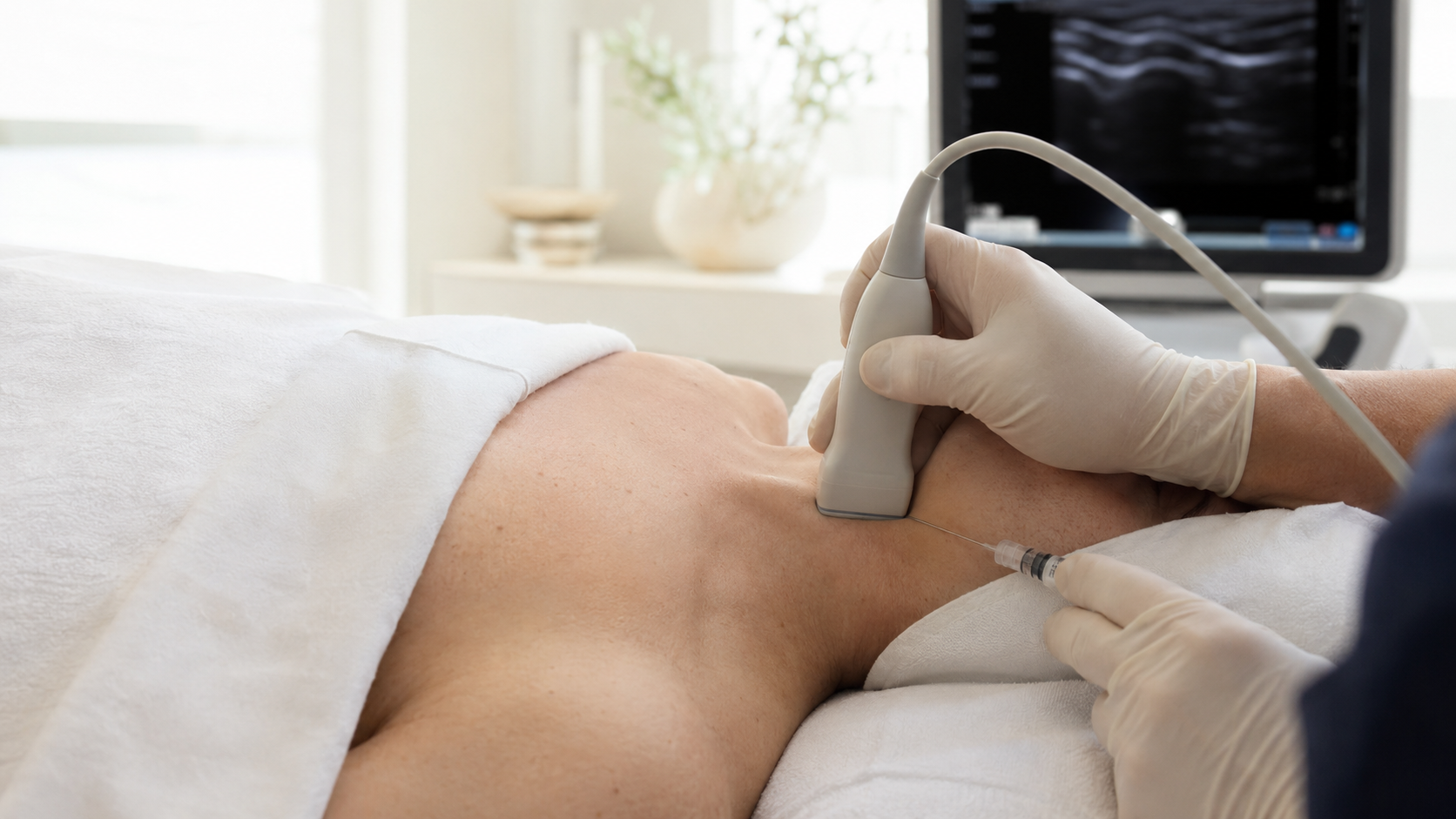
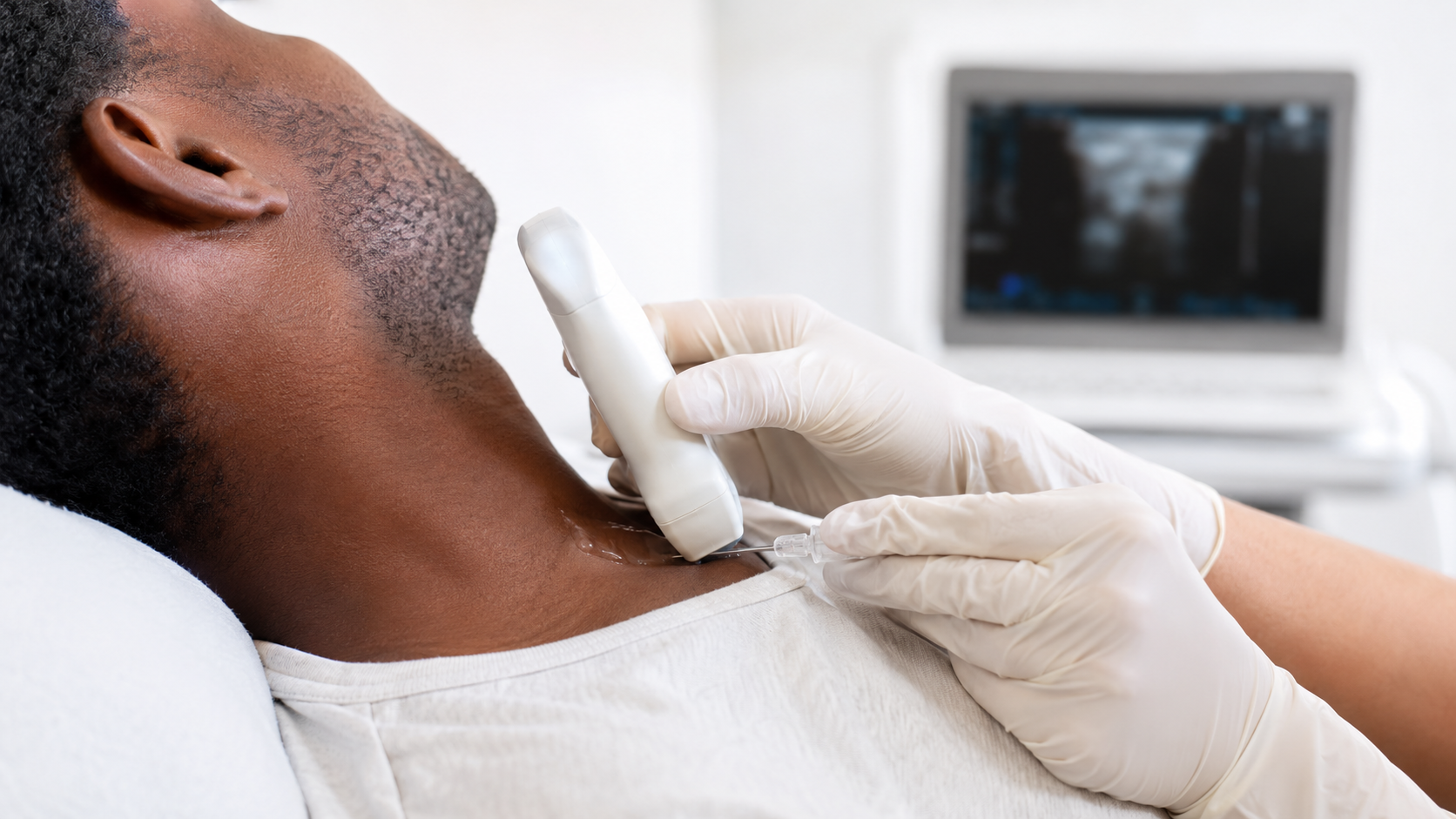
When appropriate, the procedure may be performed with ultrasound guidance to support anatomy-aware planning. Ultrasound guidance does not guarantee relief, but it may help with target localization and procedural safety in selected cases.
Coordinated Care After the Block
The response to a superior cervical ganglion block may help guide broader care. If symptoms improve temporarily, MPM may consider whether additional sympathetic care, headache management, medication management, pain psychology, biofeedback, peripheral nerve stimulation, spinal cord stimulation, dorsal root ganglion stimulation, or other neuromodulation options should be discussed.
If the block does not help, MPM may reassess whether symptoms are more consistent with migraine, TACs, trigeminal neuralgia, occipital neuralgia, cervical spine pain, ENT disease, dental pain, vascular concerns, ophthalmologic conditions, or another diagnosis.
Risks and Urgent Symptoms
Risks may include pain flare, bruising, bleeding, infection, allergic reaction, temporary hoarseness, throat numbness, trouble swallowing, dizziness, low blood pressure, local anesthetic toxicity, vascular injury, nerve irritation, Horner-type symptoms, incomplete relief, temporary relief only, or no relief.
Patients should seek urgent evaluation for sudden worst headache, new neurological deficits, vision loss, confusion, fever, stiff neck, trauma, cancer history, immune suppression, new headache after age 50, severe neck swelling, trouble breathing, trouble swallowing, chest pain, fainting, severe facial swelling, suspected infection, severe allergic reaction, suicidal thoughts, severe psychiatric crisis, or rapidly worsening symptoms.
For selected patients, a superior cervical ganglion block may be a useful step in understanding complex head, neck, facial, headache, or autonomic pain. MPM’s role is to determine whether this specialized target is clinically appropriate and how the block fits within a coordinated, medically responsible care plan.