Spasticity
Spasticity occurs when the nervous system sends abnormal signals that cause muscles to remain tight, overactive, or resistant to stretch. It is often associated with conditions that affect the brain, spinal cord, or motor pathways, including stroke, spinal cord injury, traumatic brain injury, multiple sclerosis, cerebral palsy, and other neurologic disorders.
Spasticity can range from mild stiffness to severe muscle overactivity that limits movement, walking, hand use, hygiene, sleep, positioning, and daily function. Some patients experience spasms, cramping, pulling, clonus, abnormal posture, or pain when trying to move or stretch.
How Spasticity Causes Pain
Spasticity can cause pain through sustained muscle contraction and abnormal positioning. When a muscle remains overactive, it may place excess stress on nearby joints, tendons, ligaments, and soft tissues. Over time, this can contribute to stiffness, reduced mobility, compensatory muscle pain, tendon strain, or joint irritation.
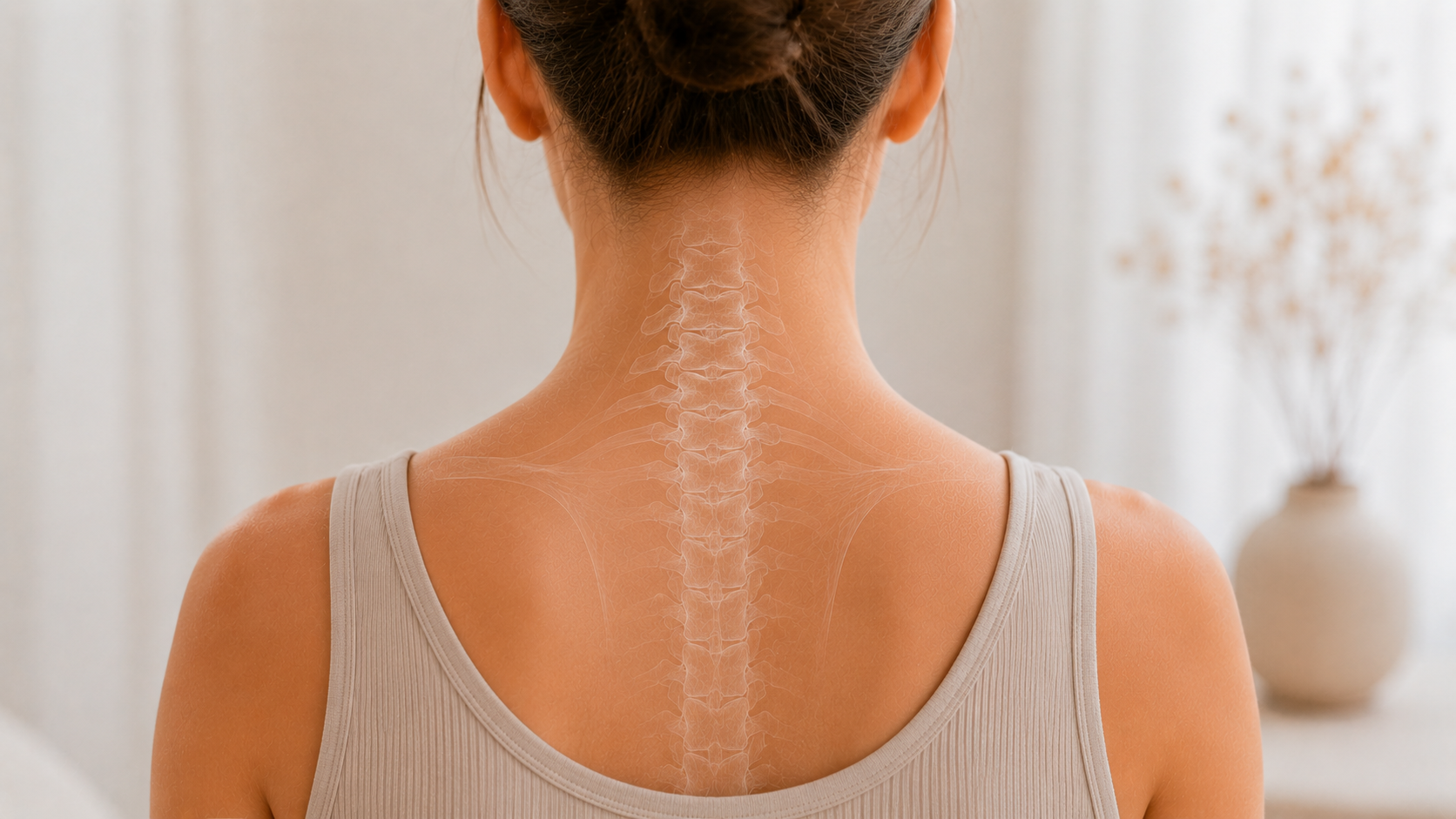
Pain may also develop because the body compensates for the affected muscle pattern. For example, spasticity in the leg can alter walking mechanics and contribute to hip, knee, ankle, foot, or back pain. Spasticity in the arm or hand can affect shoulder position, elbow movement, wrist posture, grip, and daily tasks.
Spasticity vs. Dystonia, Spasm, and Contracture
Spasticity can resemble other movement and muscle conditions, so diagnosis matters. Dystonia involves involuntary muscle contractions that may cause twisting, pulling, or abnormal postures. Muscle spasm may be temporary and related to local strain or irritation. Contracture involves structural shortening or restriction of a muscle, tendon, or joint.
These conditions can overlap, but they are not the same. A patient may have spasticity, dystonia, orthopedic stiffness, muscle guarding, joint restriction, or nerve-related pain at the same time. MPM evaluates the full pattern before recommending treatment.
How MPM Evaluates Spasticity
MPM begins by reviewing the neurologic history, symptom timeline, affected muscles, pain location, range of motion, gait or movement impact, prior therapy, prior medication response, and daily function limitations. The evaluation may include strength testing, tone assessment, movement observation, joint motion review, pain mapping, and assessment of how stiffness affects walking, hand function, positioning, sleep, or care needs.
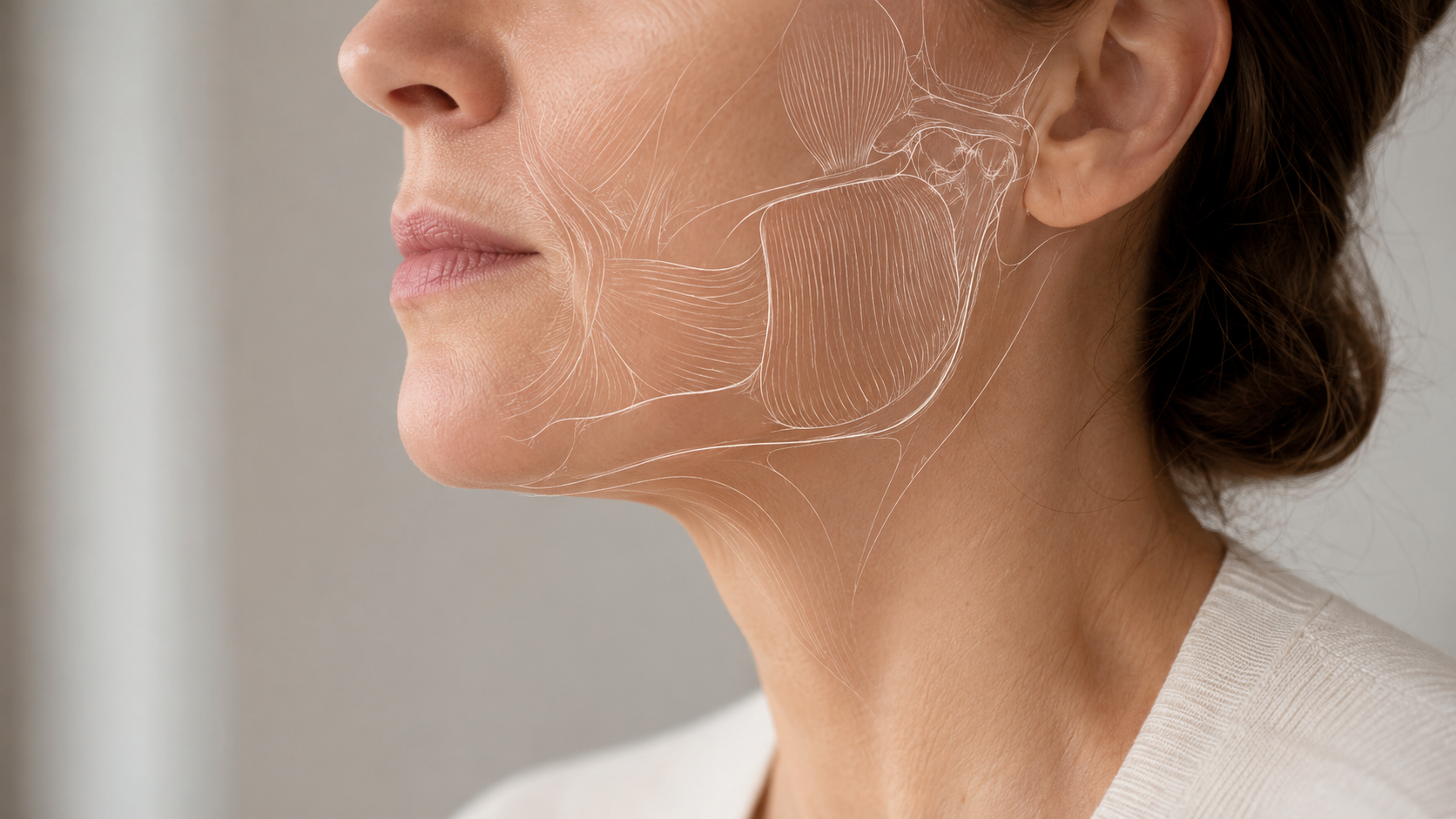
MPM also considers whether symptoms overlap with focal dystonia, cervical dystonia, orofacial dystonia, muscle pain, spine-related pain, peripheral nerve symptoms, or complex chronic pain. When appropriate, MPM coordinates with neurology, rehabilitation medicine, physical therapy, occupational therapy, orthopedics, and other specialists.
Treatment Options for Spasticity
Spasticity care is often multimodal. Treatment may include physical therapy, occupational therapy, stretching programs, bracing or splinting, mobility support, medication management, and functional retraining. The goal may be to improve comfort, reduce spasms, maintain range of motion, support walking, improve hand use, make hygiene easier, reduce pain, or improve participation in therapy.
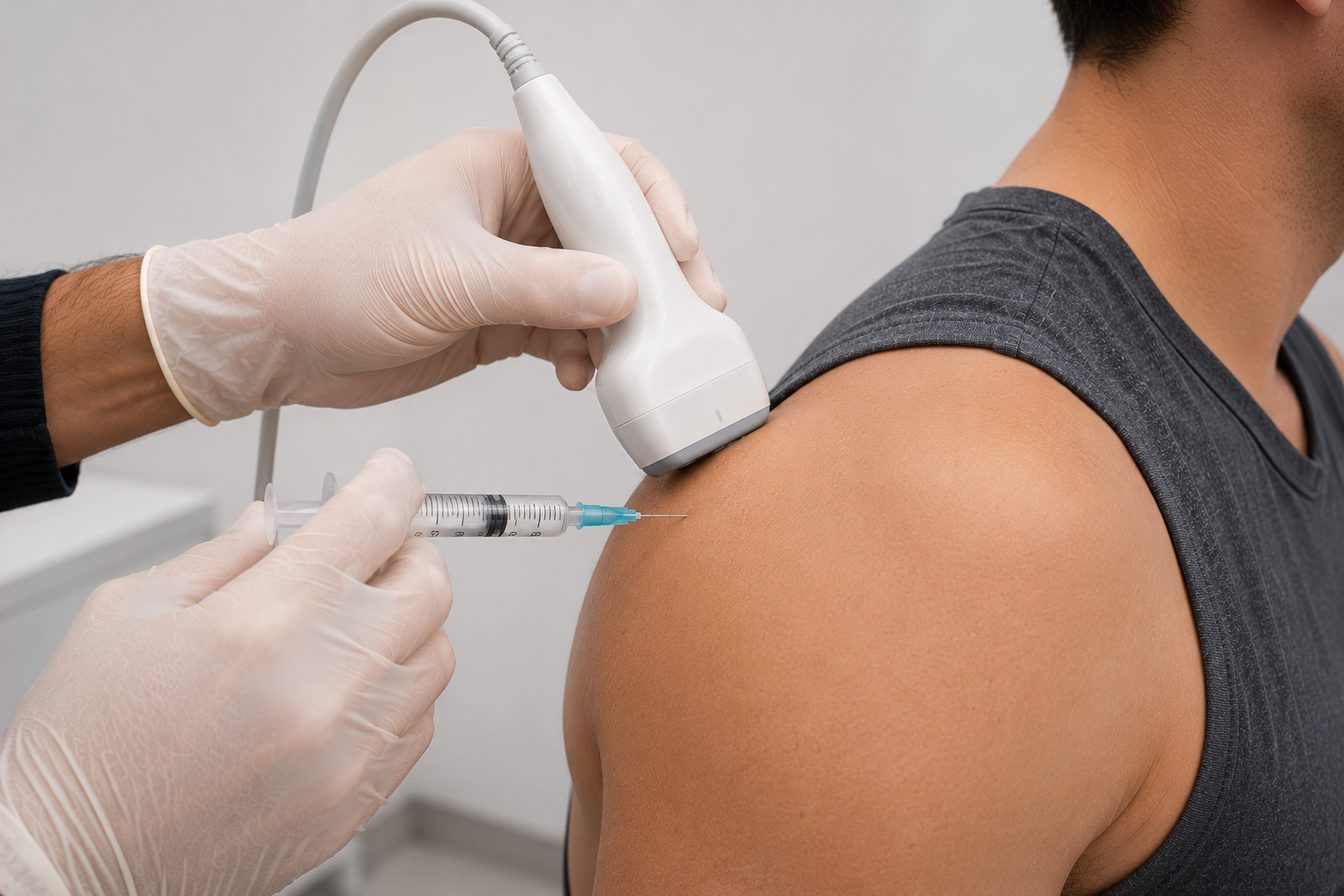
Botulinum toxin may be used for selected focal muscle overactivity when the affected muscles can be identified and treatment goals are clear. It works by reducing excessive muscle activity in the injected muscles for a temporary period. Treatment may need to be repeated when appropriate and should be paired with a broader rehabilitation or functional plan.
Botulinum Toxin and Ultrasound-Guided Care
Botulinum toxin injections for spasticity require careful muscle selection, dosing, technique, and monitoring. This is not cosmetic Botox. It is a medical treatment used to reduce overactivity in specific muscles.
Ultrasound guidance may be used when it helps identify the correct muscle, avoid surrounding structures, and improve targeting. This can be especially relevant when muscles are deep, anatomy is complex, or prior treatment response has been incomplete. Ultrasound guidance is one tool, not a requirement for every injection.
When Specialty Coordination Is Needed
Spasticity often requires coordinated care. Neurology may help evaluate the underlying neurologic condition. Rehabilitation medicine may guide tone management and functional planning. Physical and occupational therapy may support mobility, range of motion, strength, and daily activity. Pain medicine may help address painful muscle overactivity, injection candidacy, and overlapping musculoskeletal pain.
Patients should seek urgent evaluation for sudden weakness or numbness, facial droop, speech difficulty, vision changes, new severe headache, fever with neck stiffness, loss of bowel or bladder control, saddle anesthesia, trouble swallowing or breathing, major trauma, rapidly worsening stiffness, or new loss of function.
How MPM Approaches Spasticity Care
MPM approaches spasticity through a diagnosis-first, function-focused model. The goal is to understand the neurologic condition, affected muscles, pain pattern, movement limitation, and patient goals before recommending care.
For patients seeking spasticity treatment in Manhattan, MPM offers a careful pain medicine perspective focused on neurologic muscle overactivity, musculoskeletal pain, injection precision, and coordinated care. Treatment may include botulinum toxin, ultrasound-guided injections, medication coordination, rehabilitation support, and specialist collaboration when appropriate. The goal is to improve clarity, comfort, movement, and function without overpromising outcomes.