Orofacial Dystonia Treatment in Manhattan and NYC

Orofacial dystonia can cause involuntary facial, jaw, mouth, tongue, or lower facial muscle contractions that interfere with speaking, chewing, swallowing, facial expression, sleep, pain, and daily function. Manhattan Pain Medicine uses a diagnosis-first approach to distinguish dystonia from TMJ dysfunction, bruxism, migraine, facial nerve pain, dental disease, autoimmune oral symptoms, muscle guarding, and complex chronic pain.

Learn how Dr. Siefferman evaluates orofacial dystonia, explains its underlying causes, and discusses treatment options to help reduce symptoms and improve daily function.

Understanding Orofacial Dystonia

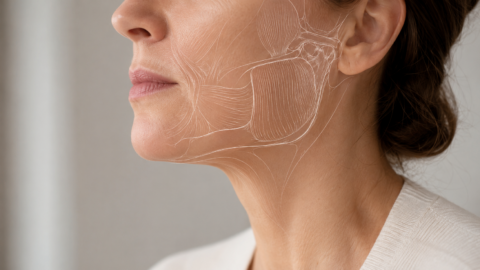
Orofacial dystonia is a neurologic movement disorder involving involuntary muscle contractions in the face, jaw, mouth, tongue, or lower facial region. These contractions may cause jaw clenching, jaw opening, jaw deviation, tongue movements, mouth pulling, facial spasms, grimacing, lip tightness, chewing difficulty, speech changes, swallowing difficulty, or pain.

Orofacial dystonia can overlap with oromandibular dystonia, Meige syndrome, TMJ dysfunction, bruxism, facial pain, headache, migraine, tension headache, trigeminal neuralgia, dental disease, Sjogren’s-related oral dryness, autoimmune-related pain, medical PTSD, and complex chronic pain.

At Manhattan Pain Medicine (MPM), evaluation begins by identifying whether symptoms are truly dystonic or whether they are driven by TMJ dysfunction, myofascial pain, dental pathology, nerve pain, headache, autoimmune oral symptoms, medication effects, trauma-related guarding, or another pain generator.

Specialist Care for Jaw, Mouth, Tongue, and Facial Muscle Spasms

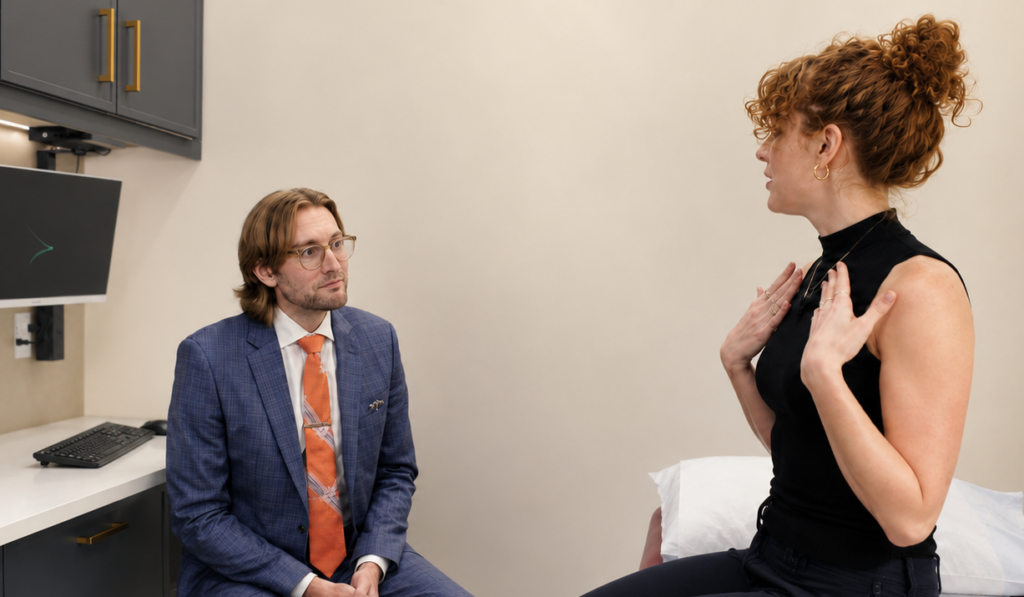
For patients looking for orofacial dystonia treatment in Manhattan or NYC, MPM provides diagnosis-first evaluation of involuntary jaw, facial, mouth, tongue, and lower facial muscle activity.

MPM reviews symptom pattern, muscle involvement, jaw position, chewing and speaking triggers, swallowing symptoms, headache overlap, TMJ pain, dental history, neurologic history, autoimmune symptoms, Sjogren’s-related dryness, medication history, trauma-related triggers, prior botulinum toxin response, and functional limitations.

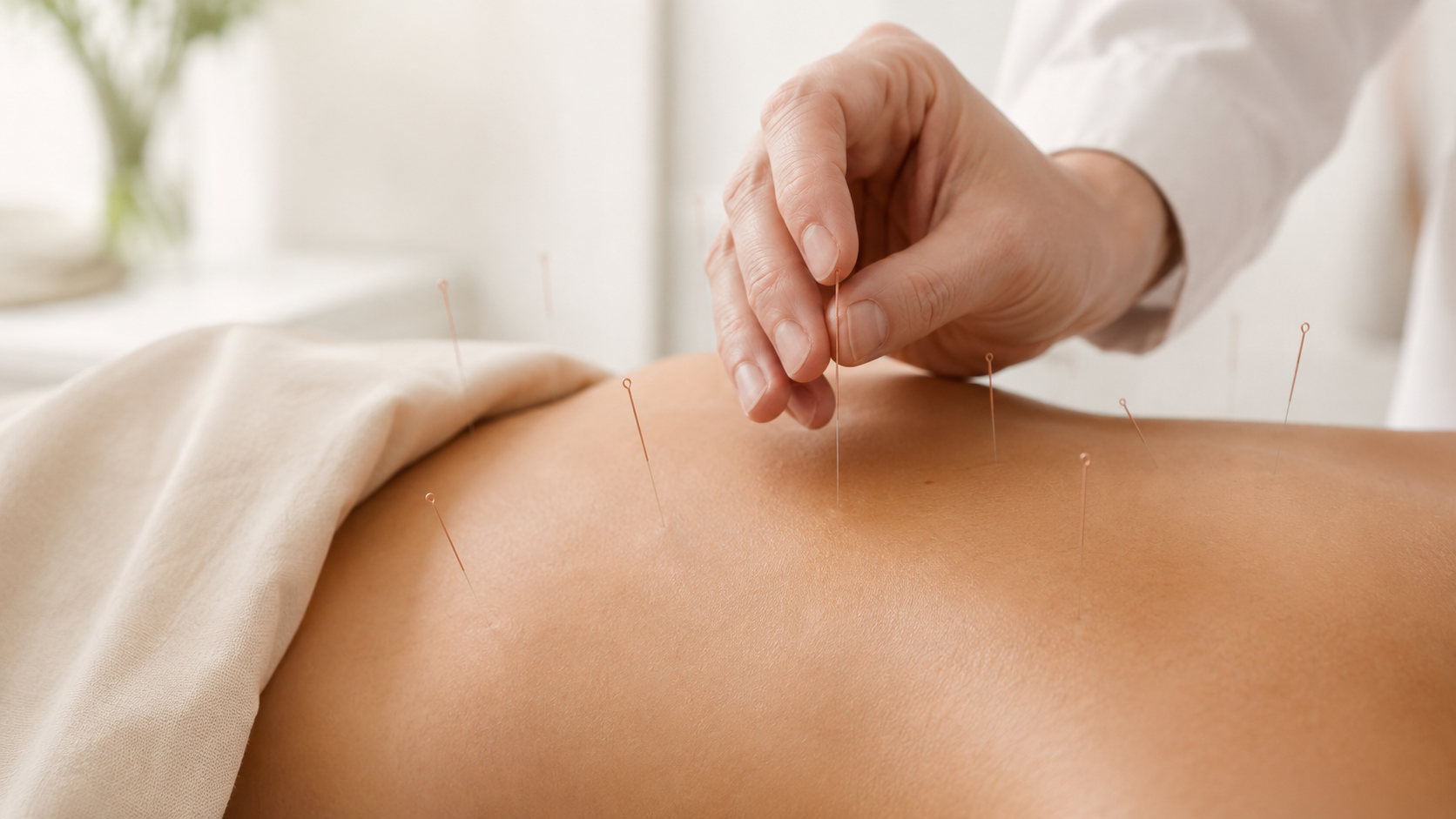
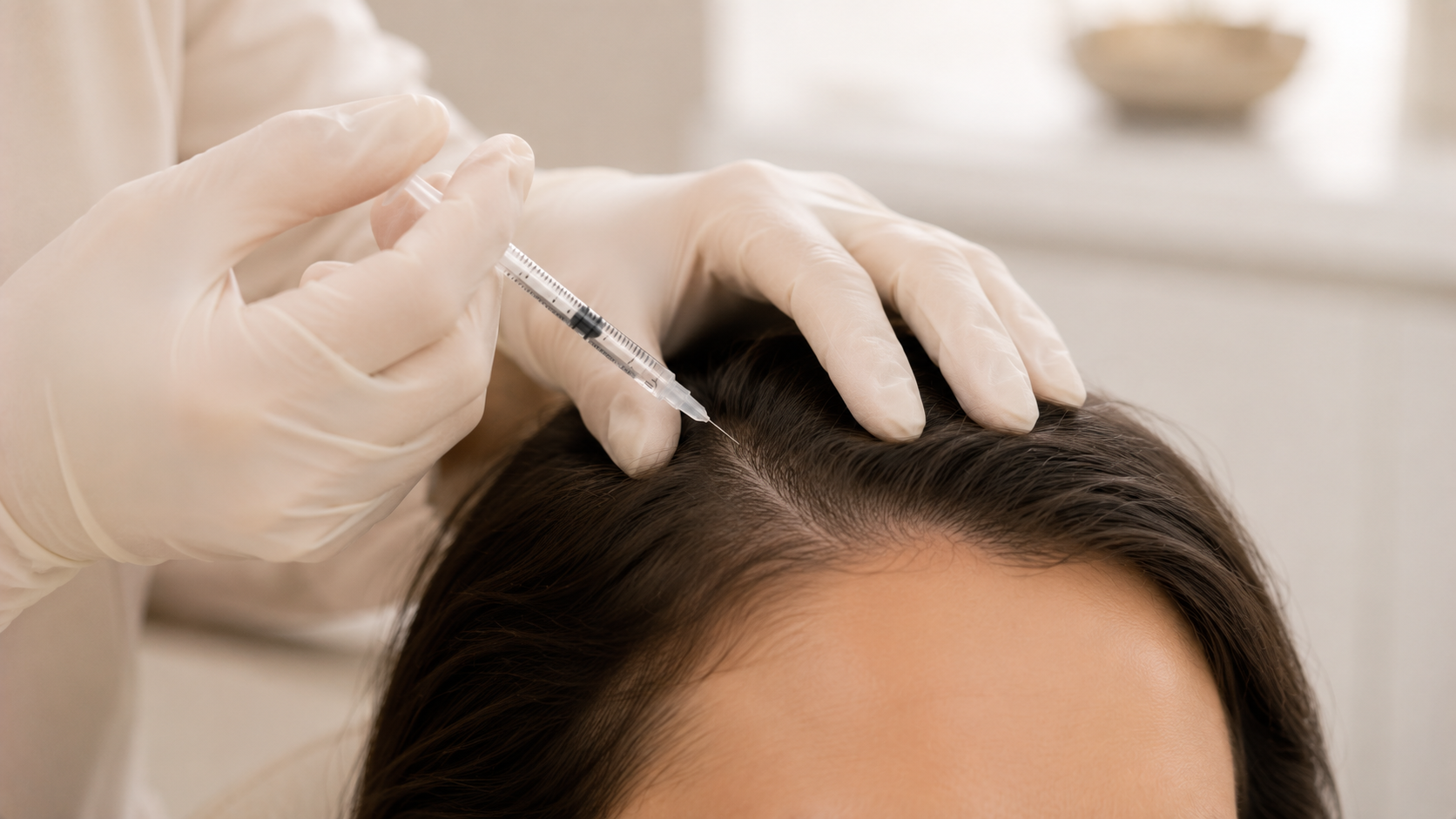
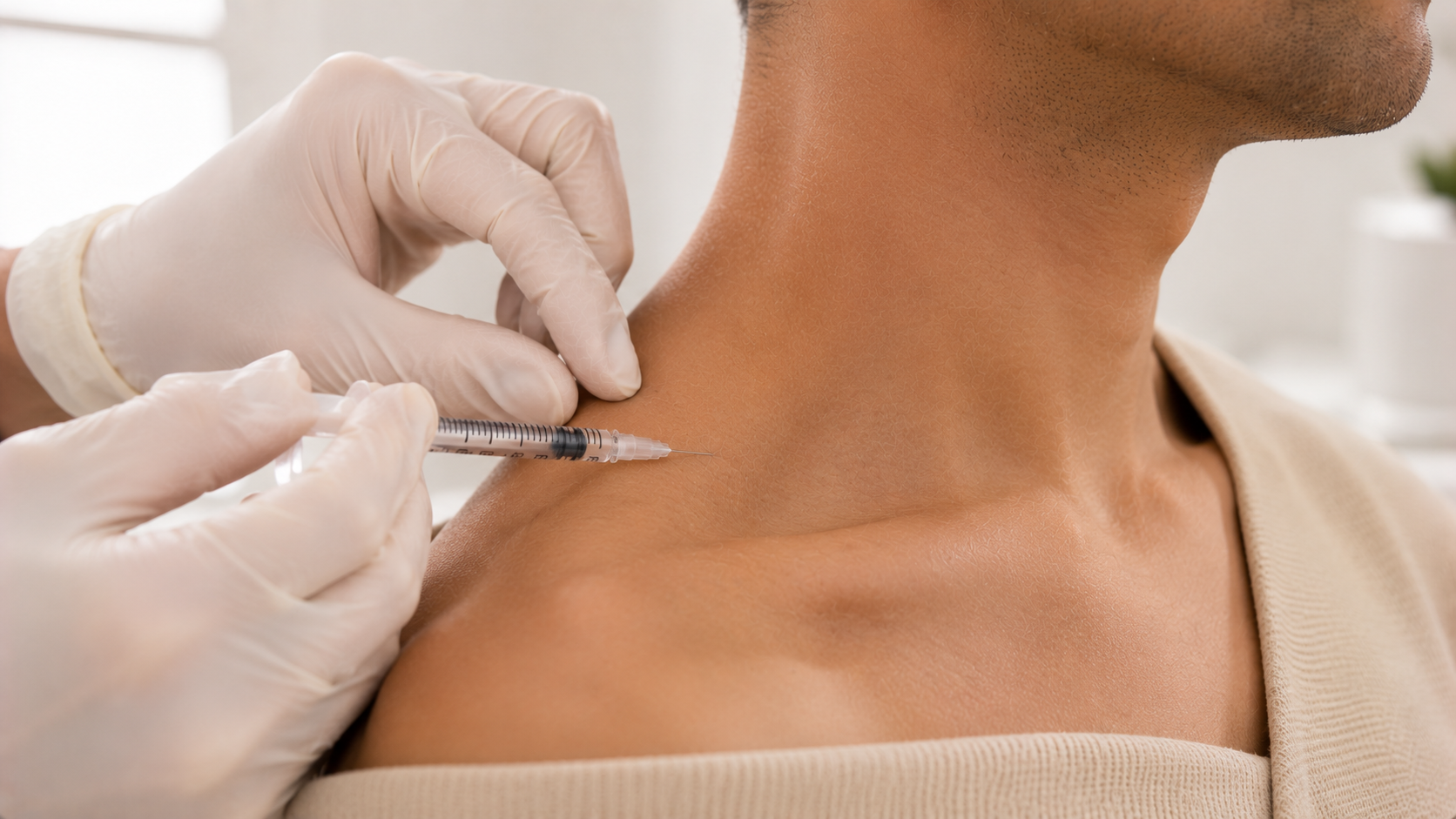
Care may include botulinum toxin injections or chemodenervation in selected muscle patterns, acupuncture, biofeedback, pain psychology, medication management when appropriate, headache care coordination, TMJ-directed coordination, neurology referral, dental or oral specialist coordination, rheumatology coordination, and rehabilitation support when needed.

Orofacial Dystonia Is Not Routine TMJ Pain

Orofacial dystonia can feel like TMJ dysfunction, bruxism, jaw tension, or facial pain, but it is not the same as routine TMJ pain. Dystonia involves involuntary muscle contractions or abnormal muscle activation patterns. TMJ dysfunction may involve the joint, bite mechanics, disc position, inflammation, muscle pain, clenching, or jaw mechanics.

The two conditions can overlap. A patient may have dystonic jaw movement and TMJ pain, or TMJ dysfunction that leads to protective muscle guarding. MPM evaluates the movement pattern, pain pattern, muscle activation, triggers, and functional impact before recommending treatment.

Request an Appointment

Diagnosis-first care

How MPM Evaluates Orofacial Dystonia

MPM evaluates orofacial dystonia by mapping the muscle pattern, identifying overlapping pain generators, and selecting treatment only when the target and goal are clear.
  • 1

    Map the Muscle Pattern

    MPM reviews which muscles appear involved, whether symptoms include jaw closing, jaw opening, jaw deviation, tongue movements, lip pulling, facial spasms, grimacing, chewing difficulty, speech changes, swallowing symptoms, or pain with use.
  • 2

    Differentiate Dystonia From Similar Conditions

    Orofacial dystonia can overlap with TMJ dysfunction, bruxism, dental disease, trigeminal neuralgia, glossopharyngeal neuralgia, migraine, tension headache, facial myofascial pain, anxiety-related jaw tension, autoimmune oral symptoms, and medical PTSD-related guarding.
  • 3

    Review Triggers and Functional Impact

    Symptoms may worsen with speaking, chewing, swallowing, fatigue, stress, medical appointments, pain flares, or certain jaw positions. MPM reviews how symptoms affect eating, speech, sleep, facial expression, work, social life, and quality of life.
  • 4

    Build a Treatment Plan

    Treatment may include botulinum toxin injections or chemodenervation in selected cases, headache or TMJ-directed coordination, acupuncture, biofeedback, pain psychology, medication management, neurology referral, dentistry or oral specialist coordination, rheumatology input, or rehabilitation support. Treatment depends on the diagnosis, muscle pattern, risk profile, and goals.

Orofacial Dystonia, Complex Chronic Pain, and Nervous System Regulation

Orofacial dystonia fits within MPM’s Hypermobility, Autoimmune and Inflammatory, Autonomic dysfunction, Headache, and Complex Chronic Pain Zones of Expertise because symptoms may overlap with TMJ pain, headache, migraine, facial pain, autoimmune dryness, Sjogren’s symptoms, nervous system sensitization, medical PTSD, and chronic muscle guarding.

MPM evaluates the full clinical context without assuming every facial or jaw symptom is dystonia. The goal is to identify the movement disorder component, pain generator, nervous system contributors, and appropriate coordinated care pathway.

Treatments Related to Orofacial Dystonia

Treatment depends on whether symptoms are driven by dystonic muscle activity, TMJ dysfunction, headache, facial pain, autoimmune oral symptoms, nerve pain, muscle guarding, trauma-related nervous system activation, or complex chronic pain mechanisms.
PATIENT STORIES

Real Patients. Real Progress.

Hear from patients who came to Manhattan Pain Medicine looking for answers, clarity, and a more thoughtful path forward.
  • Madaline. M

    5 star review

    I cannot say enough good things about Manhattan Pain Medicine. From the moment I walked in, I felt truly cared for and taken seriously. Dr. Nino Mikaberidze, Director of Rheumatology, is exceptional — knowledgeable, compassionate, and incredibly thorough. She takes the time to listen, explains every...

    Google

  • Haleigh Y.

    5 star review

    The best care I've received as a chronic pain patient. I traveled from out of state to visit Manhattan Pain Medicine because I could not find knowledgeable doctors in my hometown for my hypermobility, and Ehlers-Danlos syndrome symptoms and comorbidities. Let me tell you, it was worth every travel e...

    Google

  • Damien P.

    5 star review

    I was injured in a bicycle accident over 8 years ago. I’ve suffered throughout the years since my accident with nothing seeming to work. PT, Yoga, lifestyle changes, NOTHNG! I finally made an appointment with Dr Kane and I’m feeling an improvement in my life. I no longer stay up all night in pain, a...

    Google

  • JP S.

    5 star review

    One of the best experiences, if not the best, I have ever had at the doctor’s office. From the front desk to the nurses to the PA assisting the doctor this was a great experience. Dr.Nino actually listened to me and came up with a game plan. Would recommend this practice to as many people as I could...

    Google

  • Richard B.

    5 star review

    I have very unique & severe nerve pain from CRPS which has no known specific cure. Dr. Siefferman has a huge tool box, far greater than the other 23 Drs. I have seen. He saved me from jumping off a bridge and continues to help me with both treatments and advice. Dr. S. is in a different league!

    Google

  • Clare F.

    5 star review

    After two years of searching and feeling lost and let down, I finally found real help at Manhattan Pain Medicine. With Dr. Siefferman, Adam Rosenberg, Dr. Mikaberidze, and the whole team, I feel heard, supported and understood. Every symptom is being considered and I’m finally getting answers with m...

    Google

  • Jonathan C.

    5 star review

    Why is Dr Dr. Tayyaba Ahmed one of the top pevic Floor specialists - 1- She wants to know a full history of what led the patient to get to this point. 2 - She listens intensley to the patient 3- She does not rush you 4- Extremely skilled at giving pelvic floor injections 5- I thank my luck stars she...

    Google

  • Jodi K.

    5 star review

    The staff was friendly and helpful. Dr. Siefferman was thoughtful, listened, asked questions and proposed simple safe ways to come to further conclusions regarding my pain and discomfort. The office staff including Dr. Siefferman is responsive even after the initial in-person visit. Very pleased.

    Google

  • Sabrina S.

    5 star review

    Dr. Siefferman is a brilliant provider. While my pain is still a work in progress, Dr Siefferman always gives me options and explains his reasoning behind things. He listens to my feedback and concerns. I never feel rushed; and am grateful he works to meet me where I am. I highly recommend him.

    Google

  • Lorraine B.

    5 star review

    What a great find! They listen to me, I listen to them and the diagnosis is made and a plan developed to develop an approach to treat all of my chronic pain. I wish I could have discovered this type of treatment sooner. This doctor and group give me hope.

    Google

Orofacial Dystonia FAQs

Related conditions

Conditions That May Overlap With Orofacial Dystonia

Orofacial dystonia may overlap with autoimmune-related pain, Sjogren’s, arthritis and joint pain, Medical PTSD, pelvic pain, headache and migraine, tension headache, TMJ dysfunction, trigeminal neuralgia, glossopharyngeal neuralgia, complex chronic pain, and autonomic dysfunction.

Understanding Insurance Before You Begin

Before care begins, our team helps patients understand the practical side of treatment, including insurance verification, out-of-network benefits, cost-share estimates, self-pay options, and billing questions. We believe patients should have as much clarity as possible before moving forward.

Insurance & Billing

Request an Orofacial Dystonia Evaluation

If involuntary jaw, tongue, mouth, facial, or lower facial muscle contractions are affecting speech, chewing, swallowing, facial expression, sleep, pain, or daily function, MPM can help evaluate what may be contributing. Our diagnosis-first approach considers orofacial dystonia, oromandibular dystonia, TMJ dysfunction, bruxism, headache, facial pain, trigeminal neuralgia, autoimmune oral symptoms, Sjogren’s, medical PTSD, nervous system guarding, and complex chronic pain. Request an appointment to discuss your symptoms and care options.

Request An Appointment

Insights & Research

Explore MPM Insights and Research, including patient-friendly articles, clinical perspectives, and research from our team to help explain how we understand complex pain, evaluate care options, and guide the path to treatment
Patient education

A Deeper Look at Orofacial Dystonia and Complex Facial Pain

Orofacial dystonia can involve jaw, tongue, mouth, and facial muscle contractions, while overlapping with TMJ symptoms, headache, autoimmune oral symptoms, nerve pain, trauma physiology, and complex chronic pain.

Orofacial Dystonia

Orofacial dystonia is a movement disorder that affects muscles of the face, jaw, mouth, tongue, or lower facial region. These muscles are involved in speaking, chewing, swallowing, facial expression, breathing coordination, and daily communication. When involuntary contractions occur, the symptoms can be painful, disruptive, and difficult to explain.

Patients may notice jaw clenching, jaw opening, jaw deviation, mouth pulling, tongue movements, facial spasms, grimacing, lip tightness, chewing difficulty, speech changes, swallowing symptoms, or facial pain. Symptoms may occur at rest, during speaking, while chewing, during stress, when fatigued, during pain flares, or in medical settings.

What Is Orofacial Dystonia?

Orofacial dystonia refers to involuntary muscle contractions involving the face or mouth region. It may include oromandibular dystonia, which affects the jaw, lower face, mouth, and tongue. Some patients may also have features that overlap with Meige syndrome, a movement disorder involving spasms around the eyes, jaw, tongue, or lower facial muscles.

The exact pattern matters. Jaw-closing dystonia is different from jaw-opening dystonia. Tongue dystonia is different from TMJ-related clenching. Facial pulling is different from trigeminal neuralgia. MPM evaluates the specific pattern before recommending treatment.

Orofacial Dystonia vs Oromandibular Dystonia

Oromandibular dystonia is a subtype of dystonia involving the jaw, mouth, lower face, and tongue. Orofacial dystonia is a broader term that may include facial and mouth-region muscle involvement.

Patients may experience jaw closing, jaw opening, jaw deviation, tongue protrusion, tongue pulling, mouth corner pulling, lip tightness, facial grimacing, or abnormal bite-related movement. These symptoms may be task-specific, meaning they appear or worsen during speaking, chewing, swallowing, or other movements.

Orofacial Dystonia vs TMJ Dysfunction

Orofacial dystonia and TMJ dysfunction can overlap, but they are not the same. TMJ dysfunction may involve the jaw joint, joint disc, bite mechanics, inflammation, muscle pain, or bruxism. Orofacial dystonia involves involuntary muscle activation or abnormal movement patterns.

A patient with dystonia may feel jaw pain, fatigue, clenching, clicking, locking, or difficulty chewing and may initially be told the problem is TMJ dysfunction. Another patient may have TMJ dysfunction and develop protective muscle guarding that resembles dystonia-like tension.

MPM evaluates both the movement pattern and the pain generator to avoid treating the wrong structure.

Orofacial Dystonia, Headache, and Facial Pain Overlap

Sustained jaw, facial, or tongue muscle activity can contribute to facial pain, headache, neck tension, TMJ-region pain, and migraine overlap. Patients may feel tension-type headache, jaw fatigue, temple pain, facial aching, or pain that worsens with speaking or chewing.

Facial pain can also come from trigeminal neuralgia, glossopharyngeal neuralgia, dental disease, sinus disease, headache disorders, autoimmune dryness, or nerve sensitization. The presence of pain does not automatically prove dystonia, and dystonia does not explain every headache or facial pain pattern.

Orofacial Dystonia and Autoimmune or Sjogren’s-Related Symptoms

Autoimmune conditions, including Sjogren’s, may complicate orofacial symptoms. Sjogren’s can contribute to dry mouth, oral discomfort, dental complications, burning sensations, fatigue, joint pain, and sometimes nerve-related symptoms. These issues can overlap with facial pain, jaw pain, tongue discomfort, and muscle guarding.

MPM evaluates autoimmune-related pain and oral symptom context when a patient has dryness, inflammatory symptoms, joint pain, fatigue, or known rheumatologic disease. Coordination with rheumatology, dentistry, oral medicine, or neurology may be appropriate.

Orofacial Dystonia, Medical PTSD, and Nervous System Guarding

Medical PTSD, prior traumatic medical experiences, chronic pain, and nervous system hyperarousal can contribute to muscle guarding, jaw tension, pain flares, and increased symptom sensitivity. Medical appointments, dental care, procedures, pain flares, or fear of choking may worsen facial or jaw symptoms in some patients.

This does not mean dystonia is psychological. It means that the nervous system can influence muscle tone, pain perception, and symptom severity. MPM considers both neurologic movement patterns and nervous system regulation when symptoms are complex.

How MPM Evaluates Orofacial Dystonia

MPM begins with a detailed history and symptom map. This includes which muscles seem involved, when symptoms occur, what movements trigger symptoms, whether pain is present, whether there is jaw clenching or jaw opening, whether the tongue is involved, whether speech or swallowing is affected, and whether symptoms overlap with headache, TMJ pain, facial pain, autoimmune symptoms, or trauma-related triggers.

The evaluation may include review of prior dental care, oral surgery, neurology evaluation, rheumatology care, headache treatment, TMJ treatment, medications, prior botulinum toxin injections, imaging, and rehabilitation. The goal is to distinguish dystonia from TMJ dysfunction, bruxism, dental pathology, nerve pain, migraine, tension headache, Sjogren’s-related oral symptoms, myofascial pain, and complex chronic pain.

Botulinum Toxin and Chemodenervation for Orofacial Dystonia

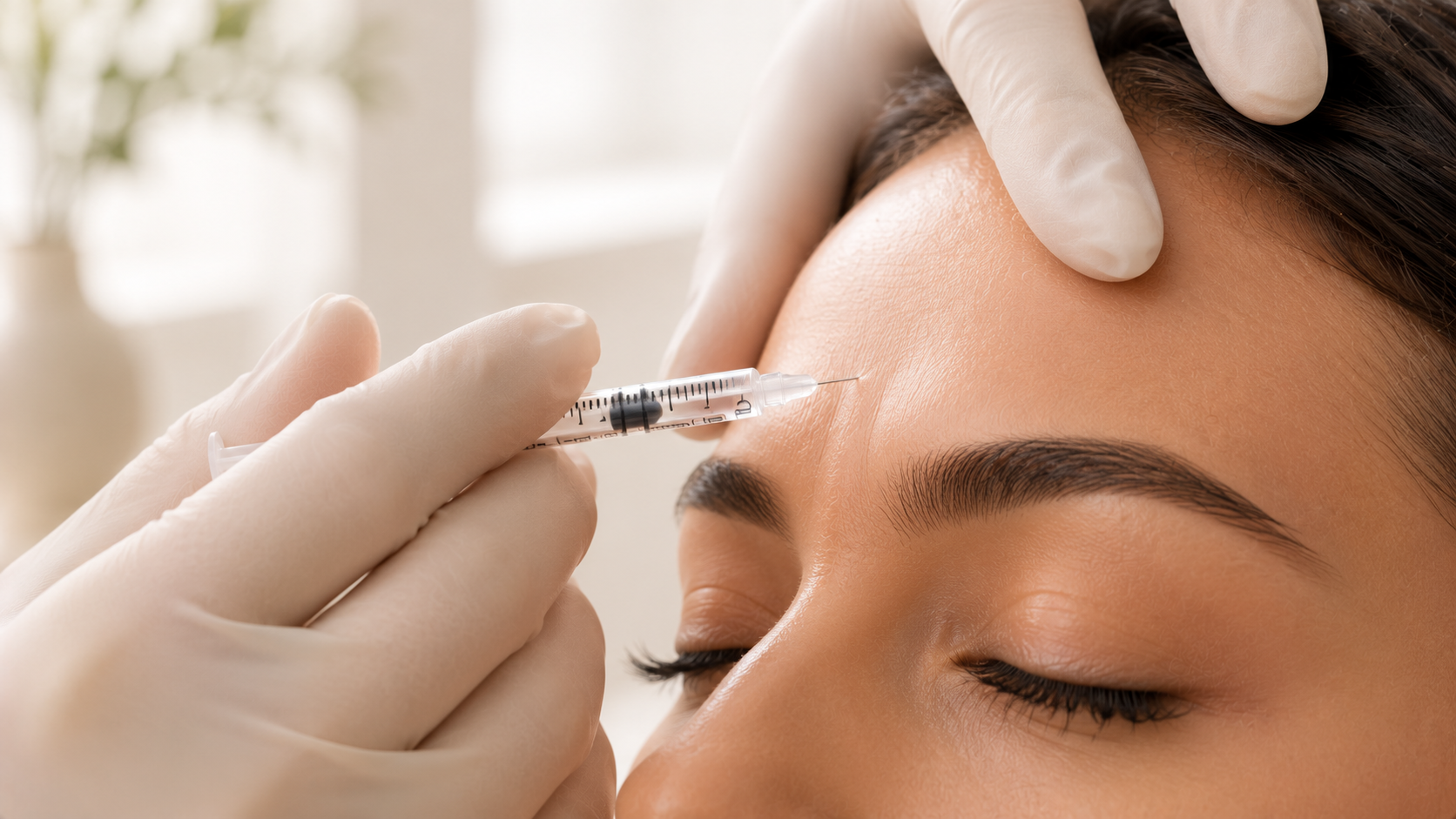
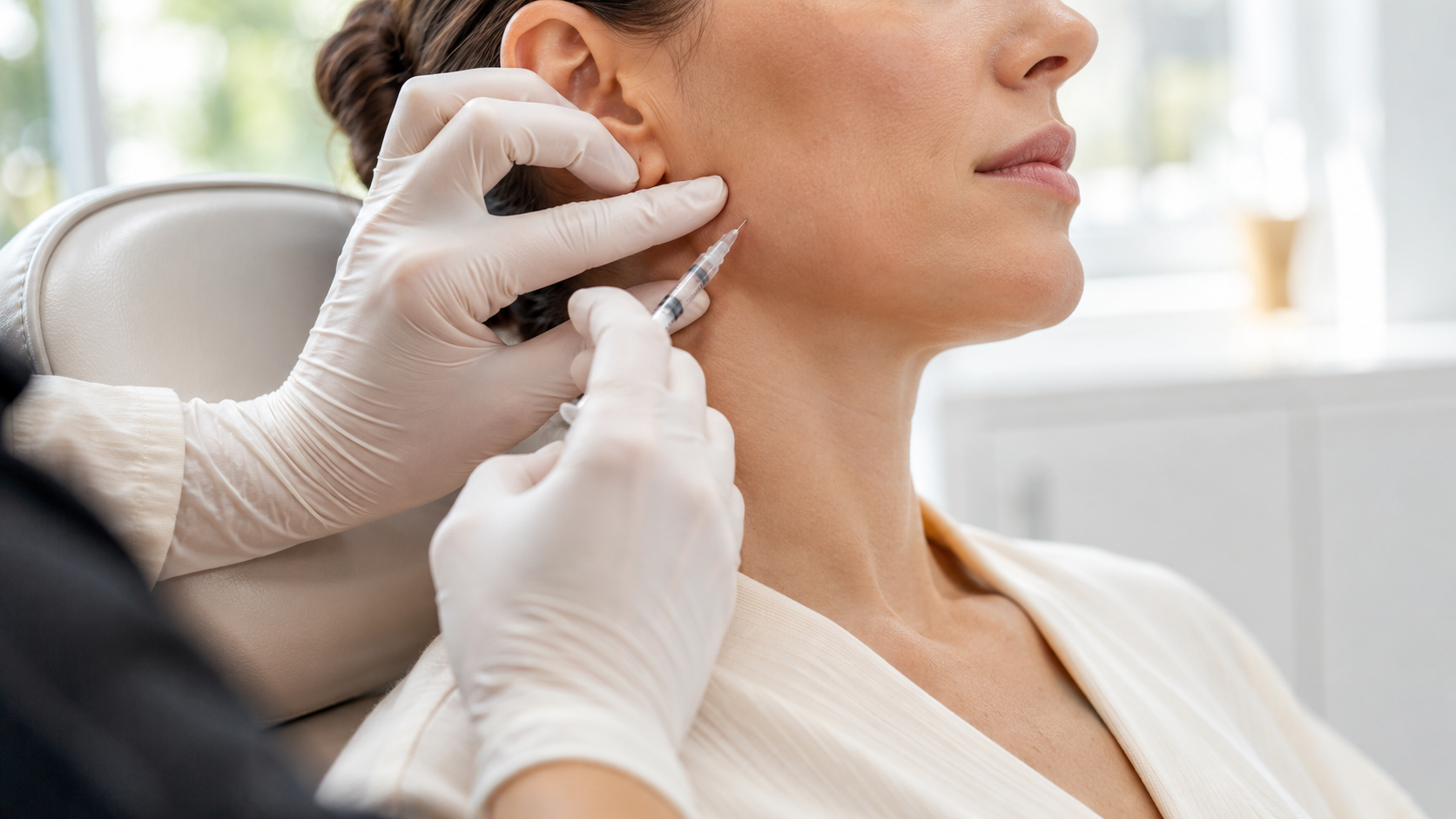
Botulinum toxin may be considered when a specific dystonic muscle pattern is identified. It works by temporarily reducing muscle overactivity in targeted muscles. This may reduce spasms, involuntary movement, pain, or functional interference in selected patients.

Treatment requires careful muscle selection. Muscles involved in jaw closing, jaw opening, tongue movement, mouth pulling, or lower facial spasm all have different functions and different risk profiles. Injections around the jaw, mouth, and tongue require caution because these muscles affect chewing, swallowing, speech, facial expression, and oral comfort.

Botulinum toxin is not a cure. It is a temporary treatment that may require repeat treatment, dose adjustment, and muscle-pattern refinement.

Jaw-Closing, Jaw-Opening, and Tongue Dystonia

Jaw-closing dystonia may involve muscles that close the jaw and may present as clenching, biting, jaw tightness, or difficulty opening the mouth. Jaw-opening dystonia may involve muscles that pull the jaw open or prevent comfortable closure. Jaw deviation may pull the jaw to one side. Tongue dystonia may interfere with speech, swallowing, chewing, or tongue position.

These patterns are not treated the same way. Jaw-closing patterns may respond differently than jaw-opening or tongue patterns. Tongue and mouth-region injections may carry higher risk of speech or swallowing effects. This is why precise diagnosis and realistic expectations are essential.

Biofeedback, Pain Psychology, and Supportive Care

Some patients benefit from supportive care that helps reduce symptom amplification, muscle guarding, stress physiology, and pain-related fear. Biofeedback may help patients understand muscle activation patterns and nervous system responses. Pain psychology may help with chronic pain coping, medical trauma, avoidance patterns, sleep disruption, and distress related to unpredictable symptoms.

These approaches do not mean the symptoms are imaginary. They can be part of a comprehensive plan for a neurologic and pain condition that affects daily function and quality of life.

Acupuncture and Integrative Support

Acupuncture may be considered as part of a supportive care plan for selected patients with facial pain, headache overlap, jaw tension, or nervous system-related pain amplification. It is not a replacement for neurologic evaluation, dental evaluation, or dystonia-directed treatment when those are needed.

MPM considers integrative options within the broader treatment plan rather than as one-size-fits-all care.

When Neurology, Dentistry, Rheumatology, or ENT Coordination May Be Needed

Orofacial dystonia care often requires coordination. Neurology may be needed for movement disorder evaluation or broader neurologic assessment. Dentistry, oral medicine, oral surgery, or TMJ specialists may be needed when bite, dental disease, oral appliance needs, or TMJ joint pathology is present. Rheumatology may be needed when Sjogren’s, inflammatory disease, or autoimmune symptoms are involved. ENT may be needed when swallowing, voice, airway, or throat symptoms require evaluation.

MPM coordinates care when the symptom pattern extends beyond pain medicine alone.

Risks, Limitations, and Realistic Expectations

Botulinum toxin treatment around the jaw, mouth, tongue, and lower face can be helpful in selected patients, but it must be approached carefully. Risks may include injection pain, bruising, temporary weakness, chewing difficulty, swallowing difficulty, speech changes, dry mouth, asymmetry, smile changes, incomplete response, temporary benefit only, or need for dose and muscle-pattern adjustment.

The goal is not to freeze the face or eliminate normal movement. The goal is to reduce problematic involuntary muscle activity while preserving function as much as possible. Response may take time to optimize, and not every patient is a candidate.

When Urgent Evaluation Is Needed

Facial, jaw, or neurologic symptoms should be evaluated urgently when there is new facial droop, sudden weakness or numbness, difficulty speaking, difficulty swallowing, choking, breathing difficulty, sudden severe headache, vision changes, loss of coordination, chest pain, severe allergic reaction, rapidly worsening neurologic symptoms, fever with facial swelling, or signs of infection.

These symptoms may indicate stroke, infection, allergic reaction, airway concern, neurologic emergency, or another urgent medical condition.

How MPM Approaches Orofacial Dystonia Care

MPM approaches orofacial dystonia through a diagnosis-first, multidisciplinary model. The goal is to determine whether symptoms are driven by dystonia, TMJ dysfunction, headache, facial nerve pain, dental disease, autoimmune oral symptoms, Sjogren’s, medical PTSD-related guarding, autonomic arousal, or complex chronic pain mechanisms.

For patients looking for orofacial dystonia treatment in Manhattan or NYC, MPM offers careful evaluation, muscle-pattern identification, realistic treatment planning, botulinum toxin or chemodenervation when appropriate, and coordination with neurology, dentistry, rheumatology, oral specialists, headache care, rehabilitation, biofeedback, and pain psychology.

Treatment is individualized and selected only after the likely movement pattern, pain generator, risks, and goals are better understood.