Cubital Tunnel Syndrome
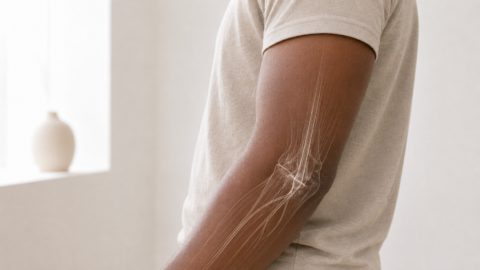
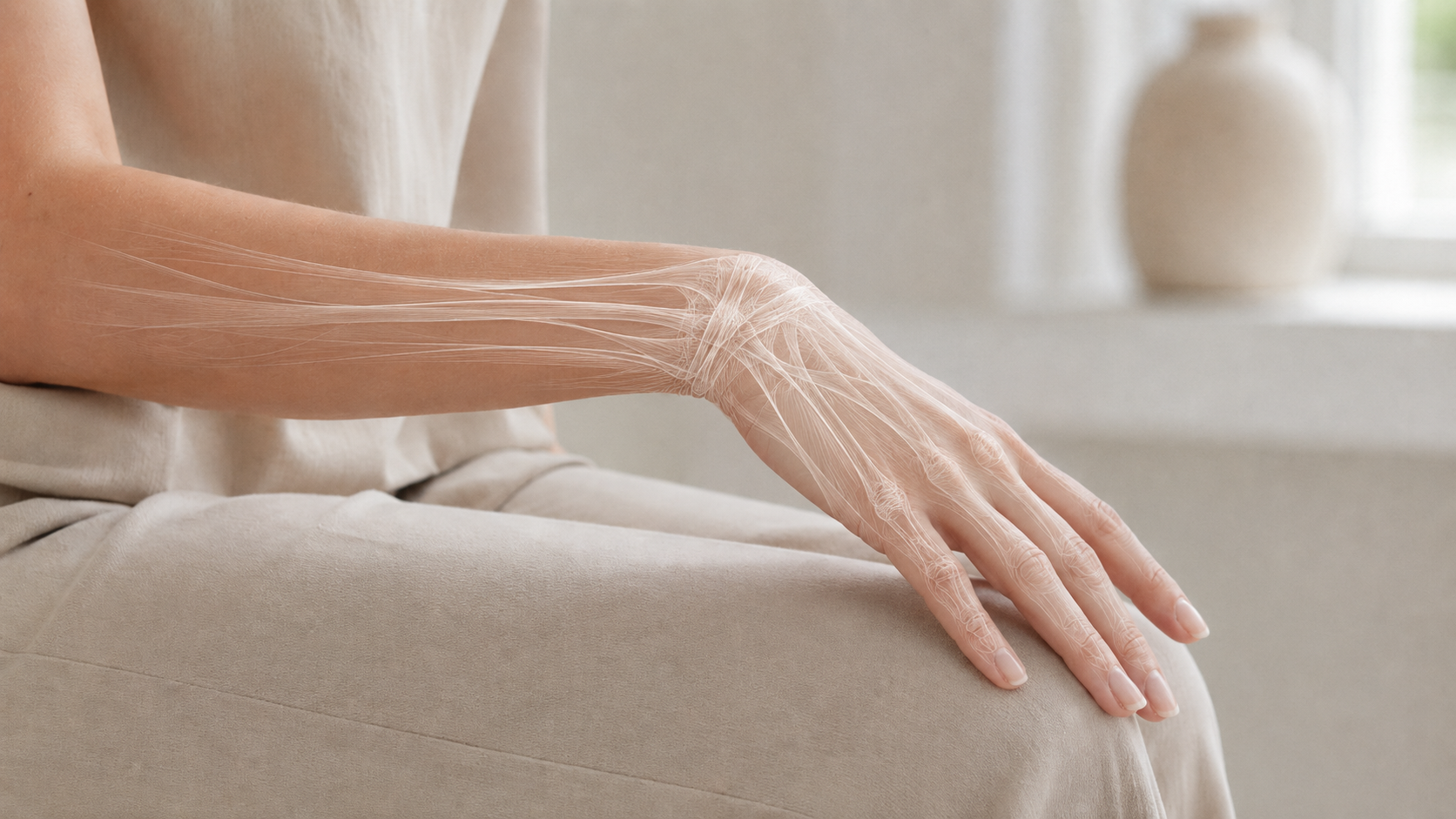
Cubital tunnel syndrome is a nerve compression condition involving the ulnar nerve at the elbow. The ulnar nerve travels from the neck into the arm, passes behind the inside of the elbow, and continues into the forearm and hand. It helps provide sensation to the little finger, ring finger, and pinky side of the hand, and it supports important muscles involved in grip and fine hand coordination.
When the ulnar nerve is irritated or compressed at the elbow, symptoms may include numbness, tingling, burning, electric pain, elbow pain, hand weakness, clumsiness, reduced grip, or difficulty with fine motor tasks. Patients may notice they drop objects, wake up with numb fingers, or feel symptoms when the elbow stays bent for too long.
Why Cubital Tunnel Symptoms Happen
Cubital tunnel syndrome can develop from several mechanisms. Some patients have static compression, where the nerve is irritated by pressure within the cubital tunnel. Others have dynamic irritation, where the nerve becomes stretched, unstable, or irritated during elbow motion. Symptoms often worsen when the elbow is bent because flexion can increase tension or pressure on the ulnar nerve.
Common triggers include sleeping with the elbow bent, leaning on the elbow, holding a phone, typing, driving, cycling, weightlifting, repetitive elbow motion, or prolonged computer work. Scar tissue, swelling, arthritis, prior injury, local anatomy, or repetitive pressure may also contribute.
Cubital Tunnel Syndrome and Hypermobility
Hypermobility and EDS can make nerve symptoms more complex. In some patients, connective tissue laxity may affect elbow mechanics, joint stability, and nerve mobility. The ulnar nerve may move more than expected around the elbow, sometimes called ulnar nerve subluxation. This can create irritation with bending, gripping, leaning, or repetitive use.
Patients with hypermobility may also have overlapping symptoms from the neck, thoracic outlet region, shoulder mechanics, chronic sprain patterns, or peripheral nerve sensitivity. MPM evaluates these factors because treating the elbow alone may not be enough when the full nerve pathway is involved.
Cubital Tunnel Syndrome vs. Other Nerve Conditions
Numbness in the pinky and ring fingers often points toward the ulnar nerve, but the source is not always the elbow. Symptoms can also come from Guyon’s canal compression at the wrist, cervical radiculopathy in the neck, thoracic outlet syndrome, brachial plexus irritation, peripheral neuropathy, diabetes-related neuropathy, inflammatory disease, or medication-related neuropathy.
This is why diagnosis-first care is important. MPM evaluates whether the ulnar nerve is irritated at the elbow, compressed somewhere else, affected by systemic neuropathy, or part of a broader pain pattern.
How MPM Evaluates Ulnar Nerve Pain
MPM begins with a detailed history and physical examination. The clinician reviews where symptoms occur, how often they happen, what positions trigger them, whether the elbow is painful, whether weakness or clumsiness is present, and whether symptoms worsen at night or with elbow bending.
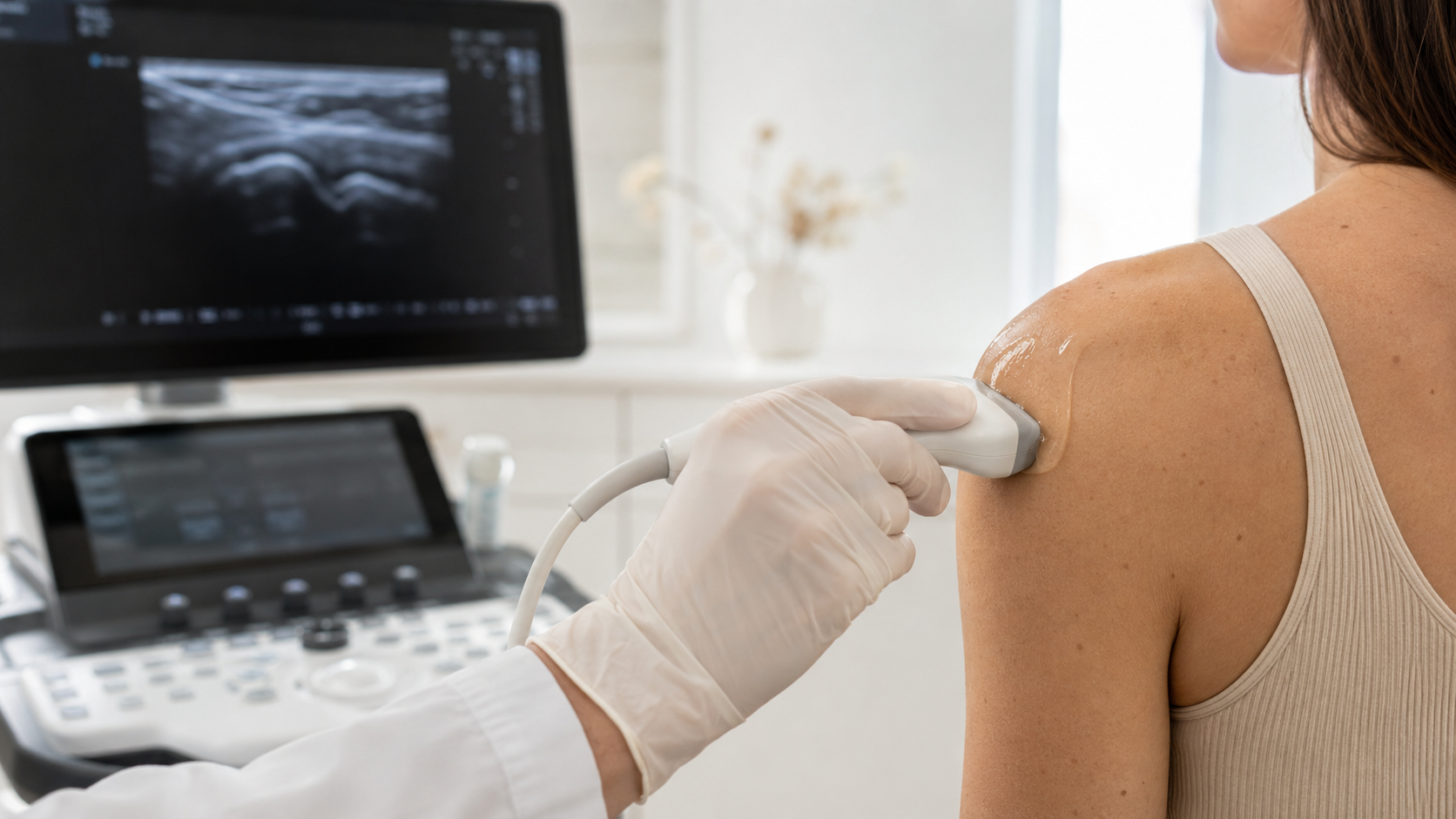
The exam may include sensory testing, grip assessment, hand coordination, elbow tenderness, provocative elbow positioning, neck assessment, wrist assessment, and evaluation for ulnar nerve movement or instability. If there is concern for nerve dysfunction, EMG or nerve conduction studies may be reviewed or recommended. Diagnostic ultrasound may be used in selected cases to assess nerve size, swelling, surrounding structures, subluxation, or dynamic movement.
Treatment Options for Cubital Tunnel Syndrome
Treatment depends on severity and cause. Early or mild cases may improve with activity modification, ergonomic changes, avoiding prolonged elbow flexion, reducing pressure on the elbow, and nighttime bracing or splinting. Therapy may help with nerve gliding, movement patterns, strength, posture, and functional use when appropriate.
Medication management may be considered for pain or inflammation in selected cases, but medication alone does not correct mechanical nerve compression. Steroid injections may be considered only when clinically appropriate and after careful evaluation.
Nerve Hydrodissection and Image-Guided Care
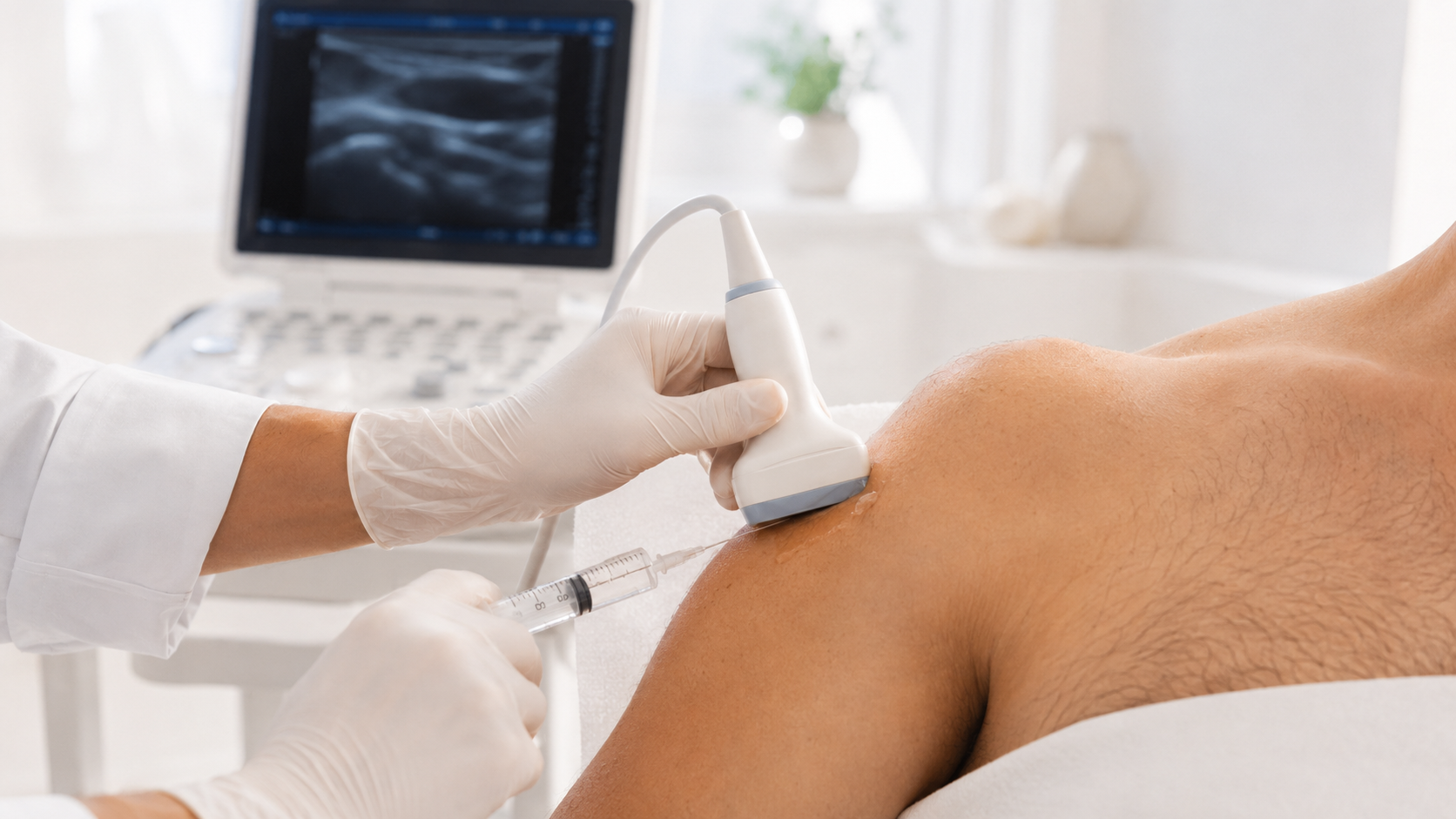
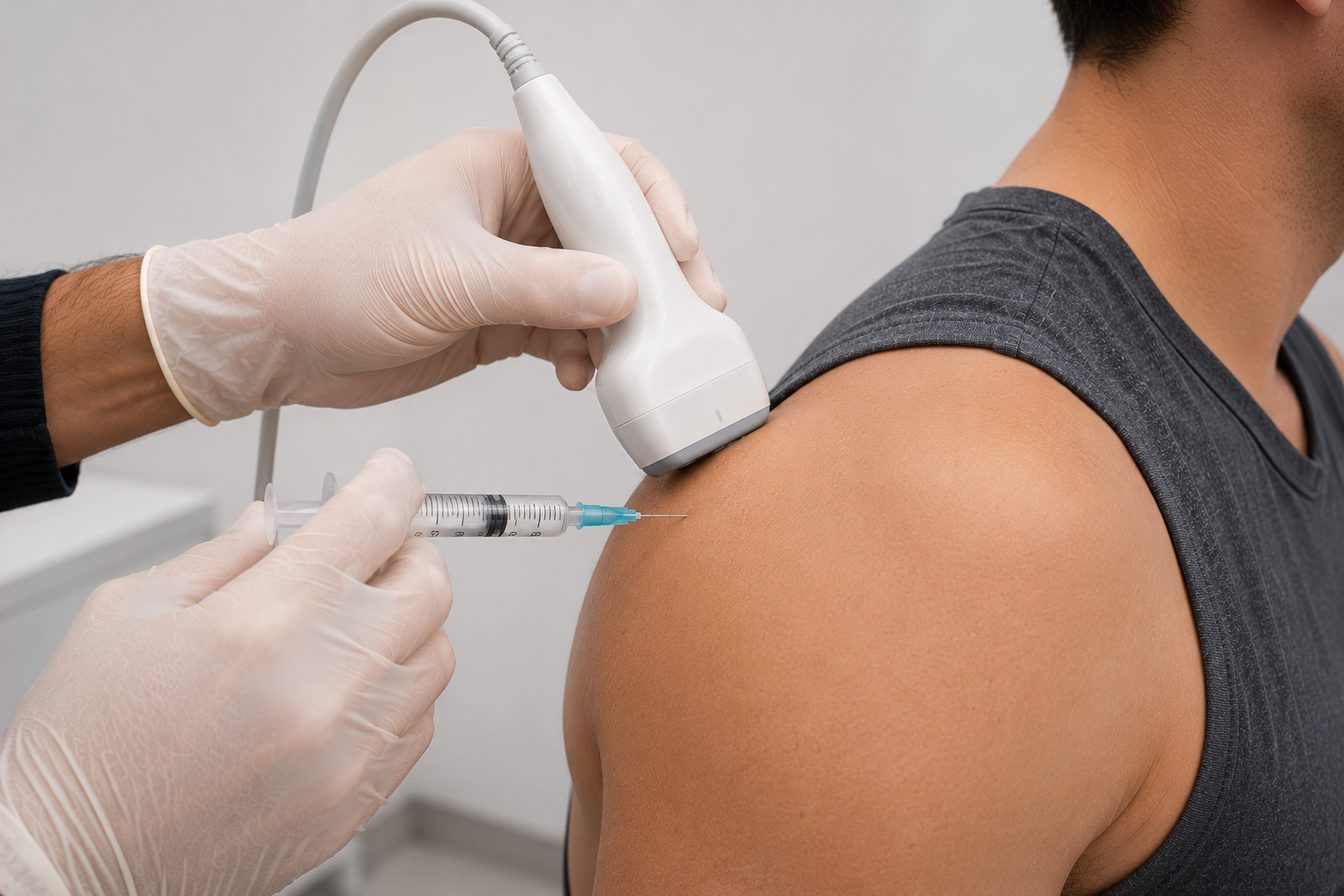
Nerve hydrodissection is an image-guided technique that may be considered for selected nerve entrapment patterns. It involves placing fluid around a nerve under ultrasound guidance to help separate it from surrounding tissues. For cubital tunnel syndrome, this should be considered carefully and is not standard treatment for every patient.
MPM presents nerve hydrodissection as a selected precision option, not a guaranteed alternative to surgery. It should be considered only after the diagnosis, anatomy, severity, nerve function, risks, and treatment goals are reviewed. Diagnostic ultrasound and ultrasound-guided injections may also be used when they help clarify the pain generator or improve procedural accuracy.
When Surgery May Be Needed
Surgical referral may be appropriate when symptoms do not improve with conservative care or when there is progressive nerve dysfunction. Warning signs include persistent numbness, worsening weakness, muscle wasting, loss of hand coordination, finger clawing, or evidence of nerve damage on testing. In these cases, delaying decompression may increase the risk of lasting functional loss.
MPM may coordinate with hand surgery, orthopedics, neurology, or physical therapy when symptoms suggest that structural decompression, additional testing, or specialized hand care is needed.
When Symptoms Need Timely Evaluation
Cubital tunnel symptoms should be evaluated when numbness, tingling, pain, weakness, clumsiness, grip difficulty, muscle loss, finger clawing, or sleep disruption persists or worsens. Patients should seek timely evaluation after trauma, severe elbow swelling, fever, redness, rapidly worsening pain, loss of hand coordination, or signs of vascular compromise.
How MPM Approaches Cubital Tunnel Syndrome Care
MPM approaches cubital tunnel syndrome through a diagnosis-first, pathway-based model. The evaluation considers ulnar nerve entrapment at the elbow, dynamic nerve instability, wrist-level compression, neck-related nerve pain, thoracic outlet-type symptoms, peripheral neuropathy, hypermobility, EDS, and chronic pain sensitivity.
For patients looking for cubital tunnel syndrome treatment in Manhattan, MPM offers a careful pain medicine perspective that can work alongside neurology, hand surgery, orthopedics, hand therapy, physical therapy, and rehabilitation when needed. The goal is to identify the true site and driver of ulnar nerve irritation, protect hand function, and build a treatment plan that is appropriate for the patient’s symptoms, anatomy, risks, and goals.