
Conditions We Treat
At Manhattan Pain Medicine, conditions are not treated as isolated labels. Our team uses a diagnosis-first, protocol-driven approach to understand what is generating the pain, how it developed, and why it has not resolved, then selects care based on the underlying drivers.
What Are Zones of Expertise?
Our team organizes conditions and treatments into related zones of expertise to make it easier to explore the care paths most relevant to your symptoms and goals.
Use the zone tags above to browse dedicated pages for each focus area, including services, providers, and what to expect during treatment.
Expertise Built for Complex Pain
Explore the Zones of Expertise by clicking or tapping on a circle.


A Diagnosis-First Approach to Complex Conditions
Many pain conditions develop in layers. A primary driver may lead to compensation, guarding, nervous system sensitization, inflammation, or emotional distress over time. Our role is to separate those layers carefully, so treatment is guided by what is actually driving the pain rather than the symptom alone.
How We Evaluate Conditions
-

Spasticity
Spasticity causes increased muscle tone that can lead to stiffness, spasms, pain, and difficulty moving. We assess which muscles are involved, how symptoms affect daily tasks, and how tone management might support mobility, comfort, or care.
-
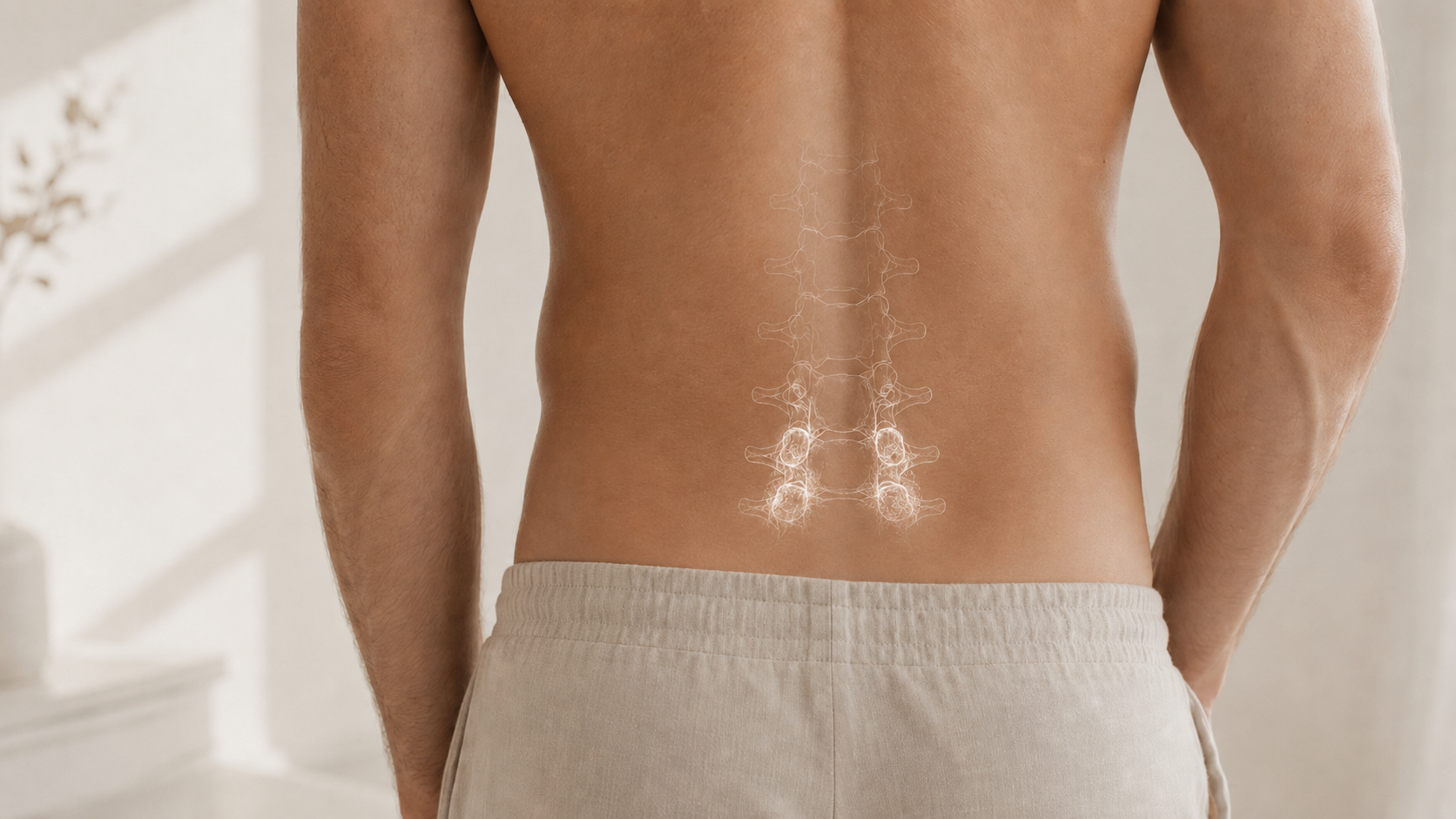
Facet Arthropathy and Facet-Mediated Back Pain
Irritation of the small facet joints can cause neck, mid-back, or lower back pain. We look at how movement loads those joints and assess whether discs, nerves, muscles, the SI joint, or inflammation better explain your symptoms or contribute alongside them.
-

Frozen Shoulder
Frozen shoulder causes pain and a progressive loss of motion that can disrupt sleep and make reaching overhead or behind your back difficult. We compare how far you can move the arm with how far it moves when guided to distinguish joint stiffness from other shoulder problems.
-

Orthopedic Conditions
Orthopedic pain can arise from joints, bones, tendons, ligaments, muscles, or nearby nerves. We examine how symptoms relate to injury, movement, and load, and account for inflammation or hypermobility when they may affect recovery.
-

Hyperhidrosis (Excessive Sweating)
Hyperhidrosis is excessive sweating that can disrupt work, sleep, and daily activities. We review where and when sweating occurs, medication effects, and autonomic or neurologic symptoms to guide options such as medication or targeted botulinum toxin.
-

Muscle Pain
Muscle pain can arise from overuse, trigger points, or involuntary contractions, and may overlap with joint instability, nerve irritation, or inflammation. We assess when muscles hurt, what loads them, and how they respond to movement to identify the source.
-
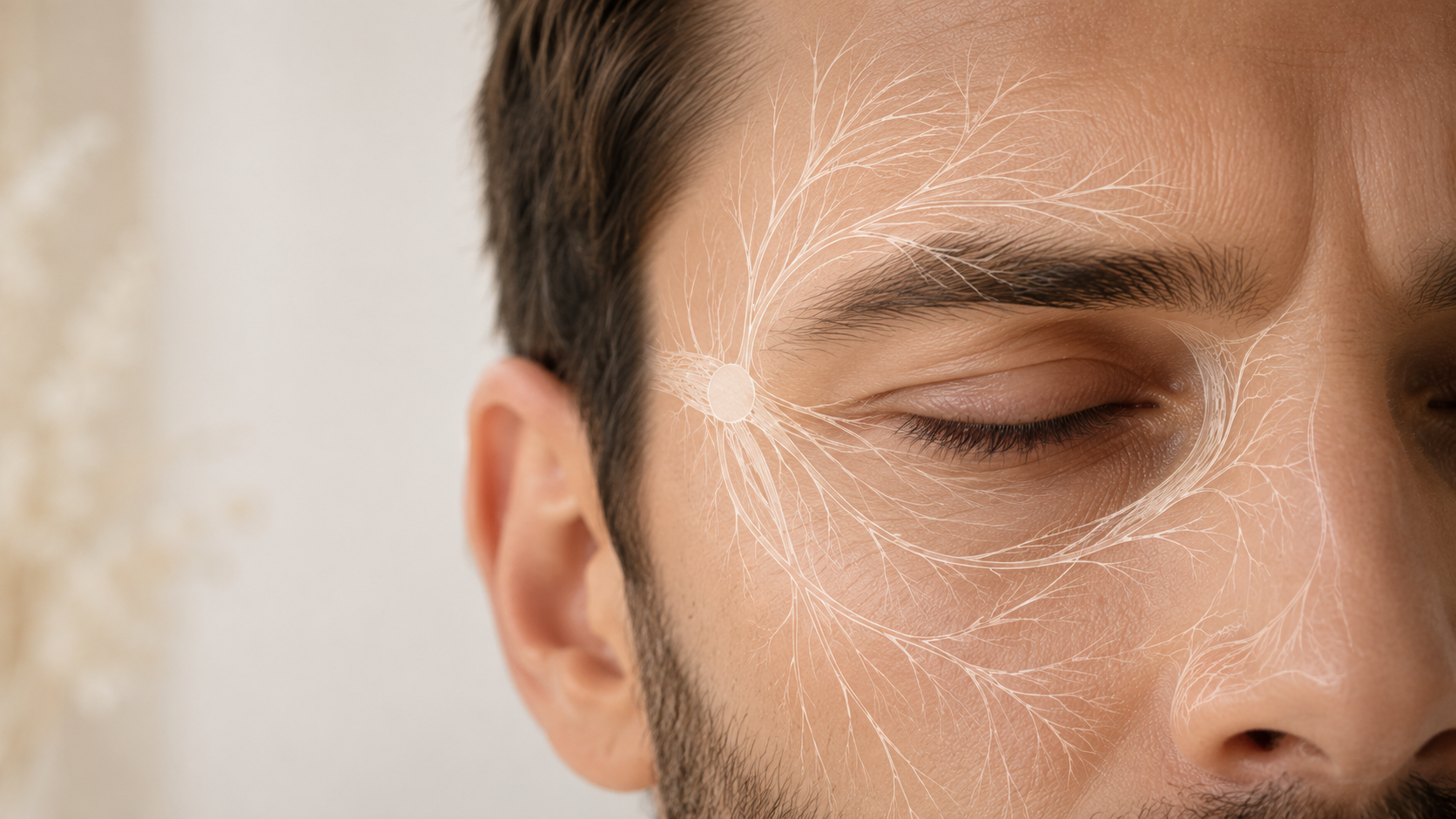
Cluster Headache
Cluster headache causes repeated attacks of severe one-sided pain around the eye or temple, often with tearing, nasal congestion, or restlessness. We review attack timing, duration, and symptom-free periods to distinguish it from other one-sided headaches.
-
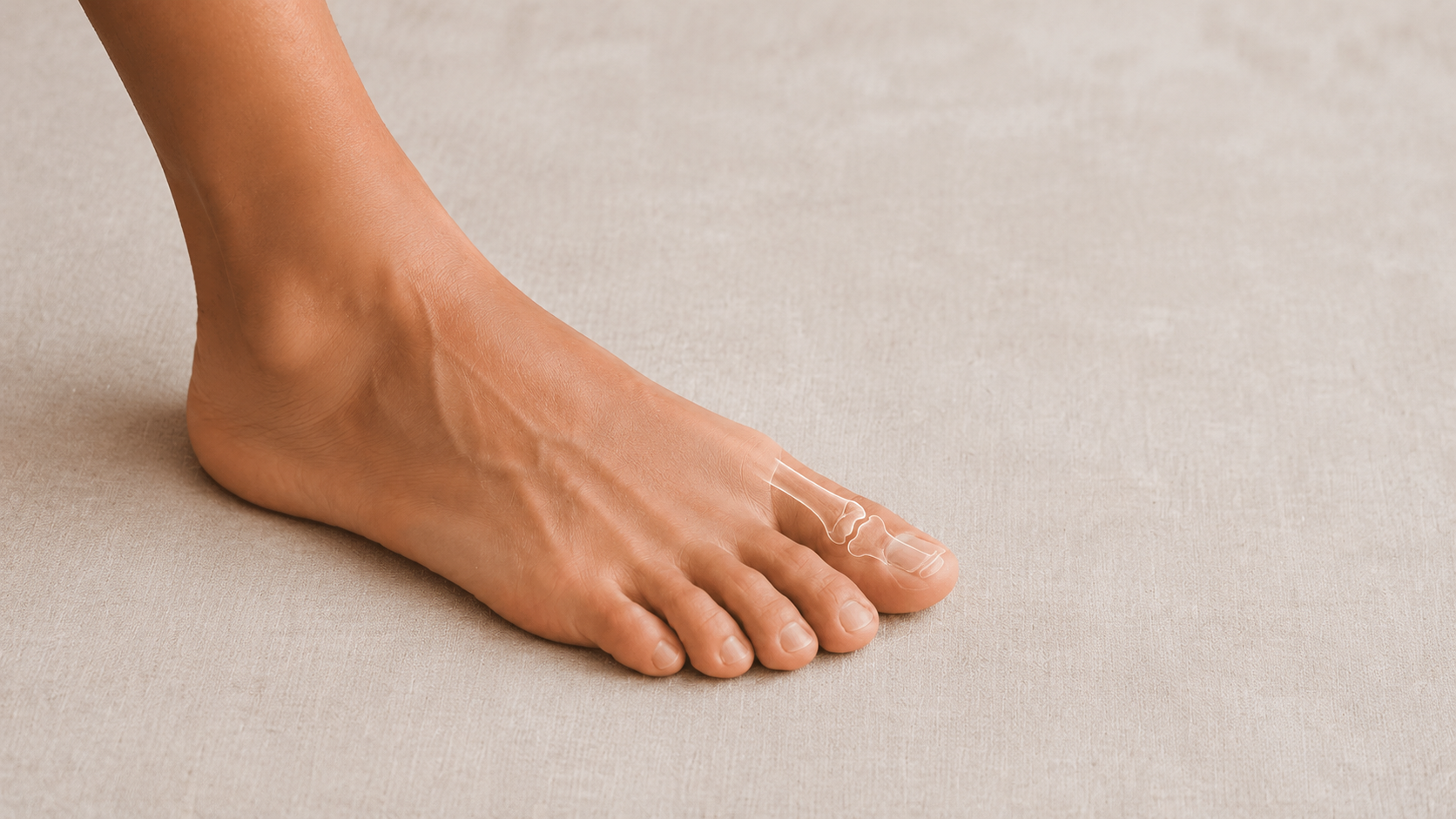
Gout
Gout is an inflammatory arthritis that can cause sudden, severe pain, warmth, and swelling, often in the big toe. We review the timing and pattern of flares and consider other causes of a painful, swollen joint to guide evaluation and coordinated care.