Spasticity Evaluation and Treatment in Manhattan

Spasticity can cause persistent muscle stiffness, spasms, tightness, pain, abnormal posture, limited range of motion, and difficulty with movement or daily function.

Related Zones of Expertise

Muscle stiffness, tightness, and involuntary spasms can make everyday movement difficult. Dr. Siefferman discusses the causes of spasticity and the treatments available to improve comfort, mobility, and function.

Understanding Spasticity

Spasticity is a neurologic muscle overactivity condition that can cause abnormal stiffness, tightness, spasms, cramping, pulling, clonus, pain, or difficulty moving normally. It is often associated with conditions that affect the brain, spinal cord, or motor pathways, including stroke, spinal cord injury, brain injury, multiple sclerosis, cerebral palsy, or other neurologic disorders.

Spasticity is different from ordinary muscle tightness or temporary muscle spasm. It can affect walking, hand use, posture, sleep, hygiene, range of motion, and daily care. At Manhattan Pain Medicine (MPM), evaluation begins by identifying the muscle pattern, neurologic history, pain contributors, functional limitations, and overlap with dystonia, muscle pain, joint restriction, or musculoskeletal strain before treatment is recommended.

Specialist Care for Neurologic Muscle Stiffness

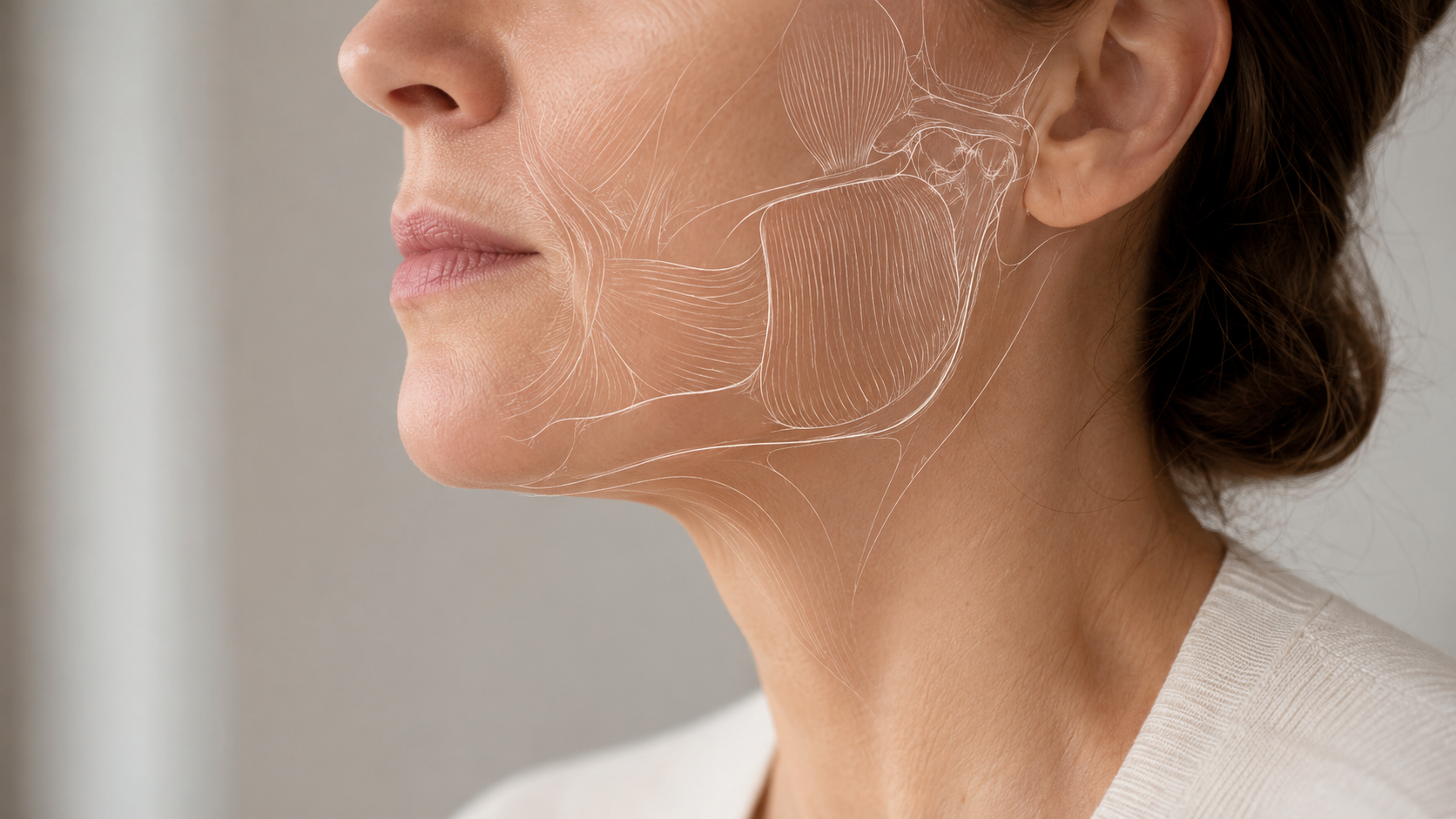
At MPM, spasticity care begins with a diagnosis-first evaluation of the affected muscles, movement pattern, pain location, range of motion, gait or functional impact, and prior response to therapy or medication. For patients seeking spasticity treatment in Manhattan, MPM considers whether symptoms reflect spasticity, focal dystonia, cervical dystonia, orofacial dystonia, contracture, radiculopathy, myelopathy, orthopedic tightness, muscle pain, or another neurologic or musculoskeletal condition.

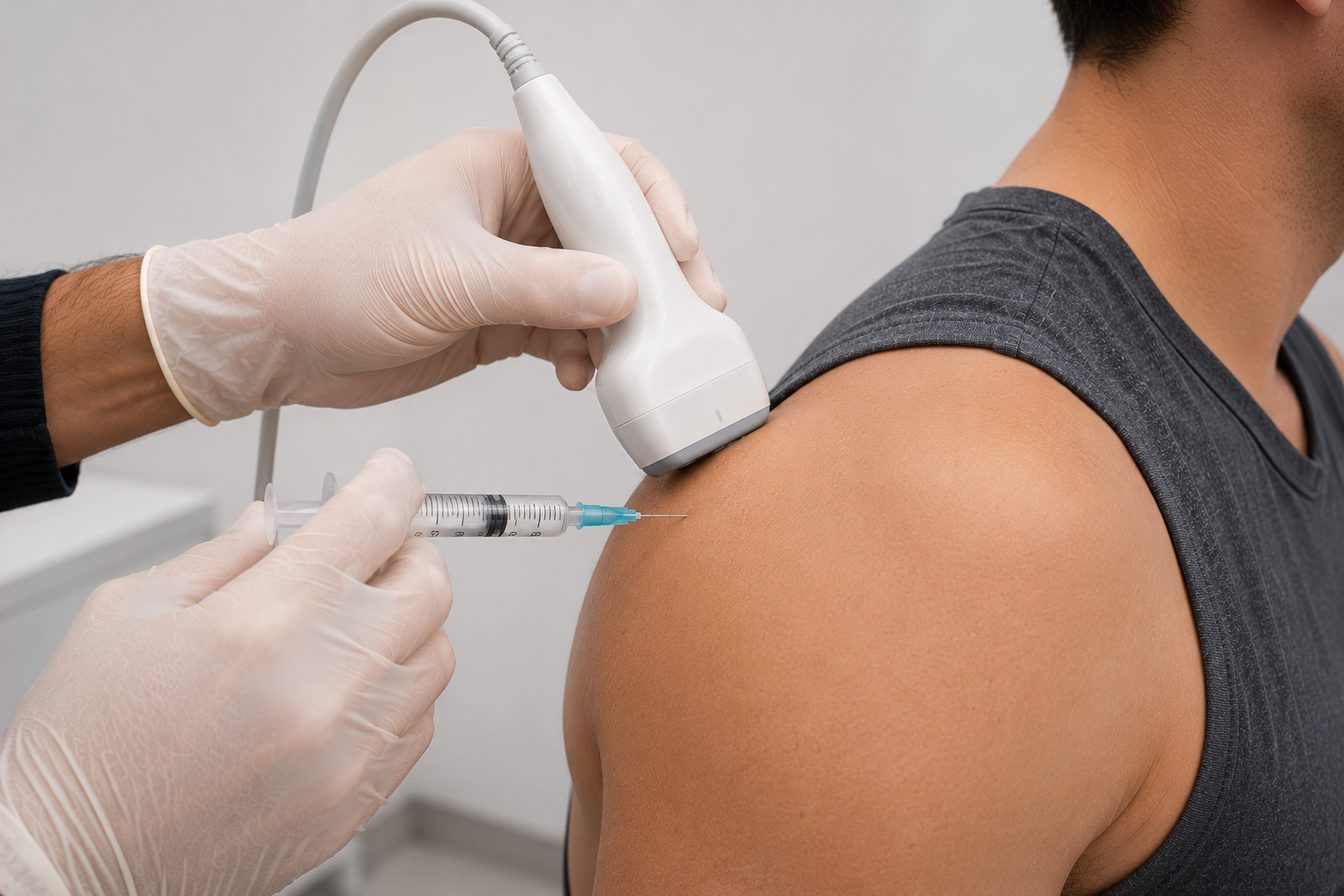
Care may include coordination with neurology, rehabilitation medicine, physical therapy, occupational therapy, and pain medicine, with botulinum toxin or ultrasound-guided injections considered only when the pattern and goals support that approach.

Why Spasticity Can Cause Pain and Functional Limitation

Spasticity can create pain in several ways. Sustained muscle contraction may strain joints, tendons, ligaments, and surrounding soft tissue. Abnormal posture or movement can overload other muscle groups, restrict range of motion, contribute to stiffness, and make walking, reaching, gripping, or positioning more difficult.

For some patients, spasticity leads to compensatory pain in the neck, back, shoulders, hips, legs, hands, or feet. It may also contribute to sleep disruption, skin pressure, hygiene challenges, falls, difficulty with mobility, or loss of independence. MPM evaluates spasticity as both a neurologic muscle overactivity pattern and a musculoskeletal pain generator, so treatment can be matched to the patient’s functional goals.

Request an Appointment

Diagnosis-first care

How MPM Approaches Spasticity Evaluation

MPM evaluates spasticity by identifying the neurologic history, affected muscles, movement pattern, pain contributors, and functional goals before recommending treatment.
  • 1

    Identify the Muscle Pattern

    MPM begins by evaluating which muscles are overactive, how stiffness or spasms appear, whether clonus is present, and how symptoms affect movement, posture, walking, hand function, sleep, or daily care.
  • 2

    Review the Neurologic History

    Spasticity is often related to neurologic conditions such as stroke, spinal cord injury, brain injury, multiple sclerosis, cerebral palsy, or other central nervous system disorders. MPM reviews the patient’s diagnosis, prior testing, medications, therapy history, and specialist involvement.
  • 3

    Separate Spasticity From Similar

    Muscle stiffness may also come from focal dystonia, cervical dystonia, orofacial dystonia, ordinary muscle spasm, contracture, radiculopathy, myelopathy, joint restriction, orthopedic injury, medication effects, or other neurologic conditions. MPM evaluates these possibilities before selecting treatment.
  • 4

    Build a Targeted Treatment Plan

    Treatment may include coordinated rehabilitation, stretching or mobility support, medication review, botulinum toxin injections, ultrasound-guided injections, or referral to neurology, rehabilitation medicine, orthopedics, or other specialists. Care is based on muscle selection, dosing, risk profile, prior response, and functional goals.

Spasticity, Dystonia, and Musculoskeletal Pain

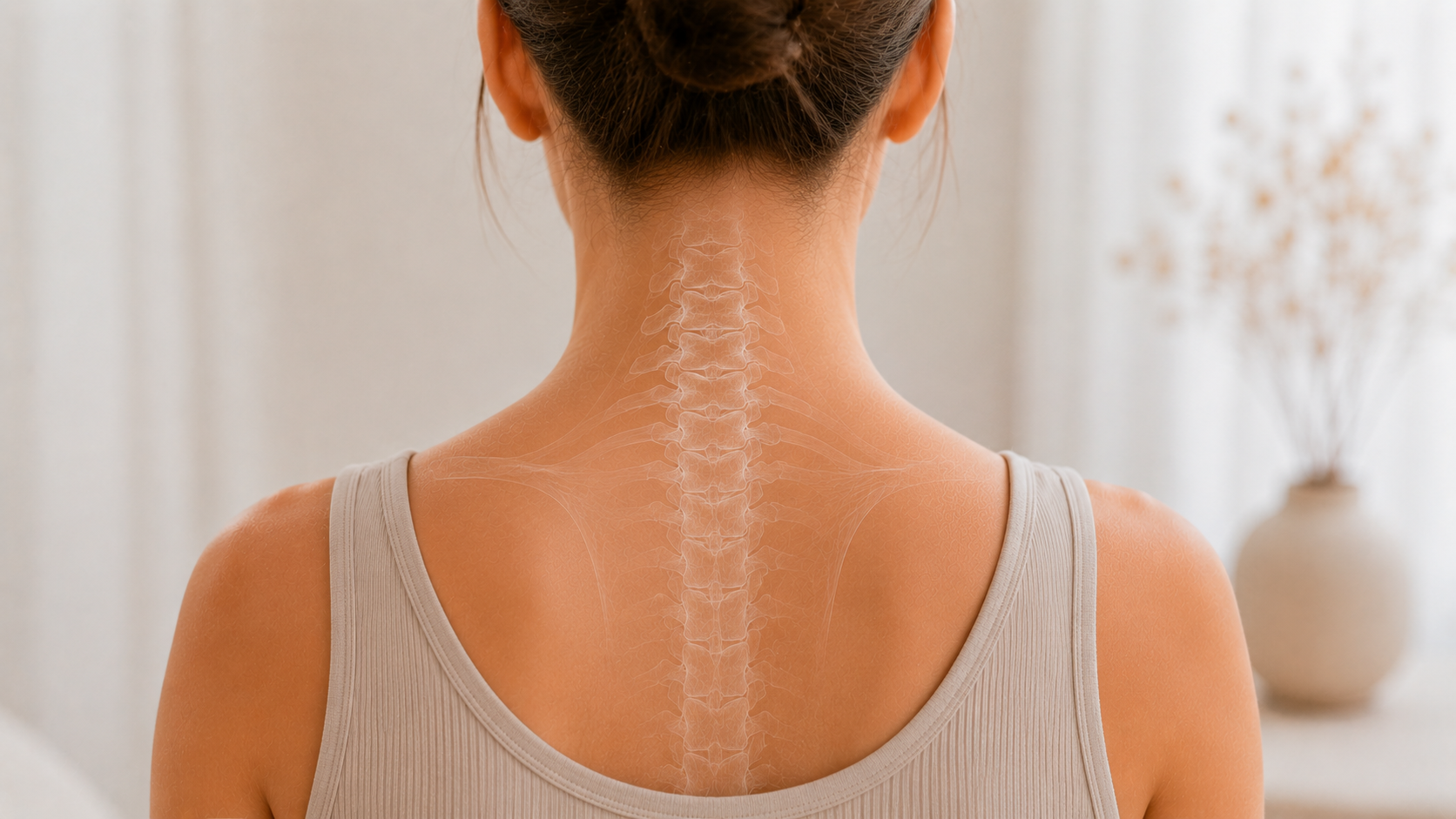
Spasticity sits within MPM’s neurological conditions framework, with strong relevance to Musculoskeletal issues because abnormal muscle tone can create pain, joint stress, tendon strain, restricted movement, and compensatory muscle overload. Symptoms may also overlap with focal dystonia, cervical dystonia, orofacial dystonia, muscle pain, neck and back pain, and complex pain patterns.

MPM evaluates whether stiffness is caused by spasticity, dystonia, contracture, muscle guarding, orthopedic restriction, nerve-related symptoms, or another source. This distinction helps determine whether treatment should focus on rehabilitation, medication adjustment, botulinum toxin, ultrasound-guided targeting, pain management, or specialty coordination.

Treatments Related to Spasticity

Treatment depends on the neurologic condition, affected muscles, severity of stiffness, pain pattern, functional goals, prior therapy response, and safety considerations.
PATIENT STORIES

Real Patients. Real Progress.

Hear from patients who came to Manhattan Pain Medicine looking for answers, clarity, and a more thoughtful path forward.
  • Madaline. M

    5 star review

    I cannot say enough good things about Manhattan Pain Medicine. From the moment I walked in, I felt truly cared for and taken seriously. Dr. Nino Mikaberidze, Director of Rheumatology, is exceptional — knowledgeable, compassionate, and incredibly thorough. She takes the time to listen, explains every...

    Google

  • Haleigh Y.

    5 star review

    The best care I've received as a chronic pain patient. I traveled from out of state to visit Manhattan Pain Medicine because I could not find knowledgeable doctors in my hometown for my hypermobility, and Ehlers-Danlos syndrome symptoms and comorbidities. Let me tell you, it was worth every travel e...

    Google

  • Damien P.

    5 star review

    I was injured in a bicycle accident over 8 years ago. I’ve suffered throughout the years since my accident with nothing seeming to work. PT, Yoga, lifestyle changes, NOTHNG! I finally made an appointment with Dr Kane and I’m feeling an improvement in my life. I no longer stay up all night in pain, a...

    Google

  • JP S.

    5 star review

    One of the best experiences, if not the best, I have ever had at the doctor’s office. From the front desk to the nurses to the PA assisting the doctor this was a great experience. Dr.Nino actually listened to me and came up with a game plan. Would recommend this practice to as many people as I could...

    Google

  • Richard B.

    5 star review

    I have very unique & severe nerve pain from CRPS which has no known specific cure. Dr. Siefferman has a huge tool box, far greater than the other 23 Drs. I have seen. He saved me from jumping off a bridge and continues to help me with both treatments and advice. Dr. S. is in a different league!

    Google

  • Clare F.

    5 star review

    After two years of searching and feeling lost and let down, I finally found real help at Manhattan Pain Medicine. With Dr. Siefferman, Adam Rosenberg, Dr. Mikaberidze, and the whole team, I feel heard, supported and understood. Every symptom is being considered and I’m finally getting answers with m...

    Google

  • Jonathan C.

    5 star review

    Why is Dr Dr. Tayyaba Ahmed one of the top pevic Floor specialists - 1- She wants to know a full history of what led the patient to get to this point. 2 - She listens intensley to the patient 3- She does not rush you 4- Extremely skilled at giving pelvic floor injections 5- I thank my luck stars she...

    Google

  • Jodi K.

    5 star review

    The staff was friendly and helpful. Dr. Siefferman was thoughtful, listened, asked questions and proposed simple safe ways to come to further conclusions regarding my pain and discomfort. The office staff including Dr. Siefferman is responsive even after the initial in-person visit. Very pleased.

    Google

  • Sabrina S.

    5 star review

    Dr. Siefferman is a brilliant provider. While my pain is still a work in progress, Dr Siefferman always gives me options and explains his reasoning behind things. He listens to my feedback and concerns. I never feel rushed; and am grateful he works to meet me where I am. I highly recommend him.

    Google

  • Lorraine B.

    5 star review

    What a great find! They listen to me, I listen to them and the diagnosis is made and a plan developed to develop an approach to treat all of my chronic pain. I wish I could have discovered this type of treatment sooner. This doctor and group give me hope.

    Google

Spasticity FAQs

Related conditions

Conditions That May Overlap With Spasticity

Spasticity may overlap with focal dystonia, cervical dystonia, orofacial dystonia, muscle pain, neck and back pain, spine pain, peripheral neuropathy, central pain syndromes, neurological conditions, and complex chronic pain.

Understanding Insurance Before You Begin

Before care begins, our team helps patients understand the practical side of treatment, including insurance verification, out-of-network benefits, cost-share estimates, self-pay options, and billing questions. We believe patients should have as much clarity as possible before moving forward.

Insurance & Billing

Pain Care That Starts With Understanding

When pain is complex, the first step should not be another generic treatment. Manhattan Pain Medicine looks deeper to understand what is driving the pain, why it has persisted, and what path forward makes sense for you.

Request An Appointment

Insights & Research

Explore MPM Insights and Research, including patient-friendly articles, clinical perspectives, and research from our team to help explain how we understand complex pain, evaluate care options, and guide the path to treatment
Patient education

A Deeper Look at Spasticity, Pain, and Movement Limitation

Spasticity is a neurologic muscle overactivity pattern that can cause stiffness, spasms, pain, abnormal posture, and difficulty with movement or daily function.

Spasticity

Spasticity occurs when the nervous system sends abnormal signals that cause muscles to remain tight, overactive, or resistant to stretch. It is often associated with conditions that affect the brain, spinal cord, or motor pathways, including stroke, spinal cord injury, traumatic brain injury, multiple sclerosis, cerebral palsy, and other neurologic disorders.

Spasticity can range from mild stiffness to severe muscle overactivity that limits movement, walking, hand use, hygiene, sleep, positioning, and daily function. Some patients experience spasms, cramping, pulling, clonus, abnormal posture, or pain when trying to move or stretch.

How Spasticity Causes Pain

Spasticity can cause pain through sustained muscle contraction and abnormal positioning. When a muscle remains overactive, it may place excess stress on nearby joints, tendons, ligaments, and soft tissues. Over time, this can contribute to stiffness, reduced mobility, compensatory muscle pain, tendon strain, or joint irritation.

Pain may also develop because the body compensates for the affected muscle pattern. For example, spasticity in the leg can alter walking mechanics and contribute to hip, knee, ankle, foot, or back pain. Spasticity in the arm or hand can affect shoulder position, elbow movement, wrist posture, grip, and daily tasks.

Spasticity vs. Dystonia, Spasm, and Contracture

Spasticity can resemble other movement and muscle conditions, so diagnosis matters. Dystonia involves involuntary muscle contractions that may cause twisting, pulling, or abnormal postures. Muscle spasm may be temporary and related to local strain or irritation. Contracture involves structural shortening or restriction of a muscle, tendon, or joint.

These conditions can overlap, but they are not the same. A patient may have spasticity, dystonia, orthopedic stiffness, muscle guarding, joint restriction, or nerve-related pain at the same time. MPM evaluates the full pattern before recommending treatment.

How MPM Evaluates Spasticity

MPM begins by reviewing the neurologic history, symptom timeline, affected muscles, pain location, range of motion, gait or movement impact, prior therapy, prior medication response, and daily function limitations. The evaluation may include strength testing, tone assessment, movement observation, joint motion review, pain mapping, and assessment of how stiffness affects walking, hand function, positioning, sleep, or care needs.

MPM also considers whether symptoms overlap with focal dystonia, cervical dystonia, orofacial dystonia, muscle pain, spine-related pain, peripheral nerve symptoms, or complex chronic pain. When appropriate, MPM coordinates with neurology, rehabilitation medicine, physical therapy, occupational therapy, orthopedics, and other specialists.

Treatment Options for Spasticity

Spasticity care is often multimodal. Treatment may include physical therapy, occupational therapy, stretching programs, bracing or splinting, mobility support, medication management, and functional retraining. The goal may be to improve comfort, reduce spasms, maintain range of motion, support walking, improve hand use, make hygiene easier, reduce pain, or improve participation in therapy.

Botulinum toxin may be used for selected focal muscle overactivity when the affected muscles can be identified and treatment goals are clear. It works by reducing excessive muscle activity in the injected muscles for a temporary period. Treatment may need to be repeated when appropriate and should be paired with a broader rehabilitation or functional plan.

Botulinum Toxin and Ultrasound-Guided Care

Botulinum toxin injections for spasticity require careful muscle selection, dosing, technique, and monitoring. This is not cosmetic Botox. It is a medical treatment used to reduce overactivity in specific muscles.

Ultrasound guidance may be used when it helps identify the correct muscle, avoid surrounding structures, and improve targeting. This can be especially relevant when muscles are deep, anatomy is complex, or prior treatment response has been incomplete. Ultrasound guidance is one tool, not a requirement for every injection.

When Specialty Coordination Is Needed

Spasticity often requires coordinated care. Neurology may help evaluate the underlying neurologic condition. Rehabilitation medicine may guide tone management and functional planning. Physical and occupational therapy may support mobility, range of motion, strength, and daily activity. Pain medicine may help address painful muscle overactivity, injection candidacy, and overlapping musculoskeletal pain.

Patients should seek urgent evaluation for sudden weakness or numbness, facial droop, speech difficulty, vision changes, new severe headache, fever with neck stiffness, loss of bowel or bladder control, saddle anesthesia, trouble swallowing or breathing, major trauma, rapidly worsening stiffness, or new loss of function.

How MPM Approaches Spasticity Care

MPM approaches spasticity through a diagnosis-first, function-focused model. The goal is to understand the neurologic condition, affected muscles, pain pattern, movement limitation, and patient goals before recommending care.

For patients seeking spasticity treatment in Manhattan, MPM offers a careful pain medicine perspective focused on neurologic muscle overactivity, musculoskeletal pain, injection precision, and coordinated care. Treatment may include botulinum toxin, ultrasound-guided injections, medication coordination, rehabilitation support, and specialist collaboration when appropriate. The goal is to improve clarity, comfort, movement, and function without overpromising outcomes.