Enthesitis
Enthesitis is inflammation at the enthesis, the point where a tendon, ligament, or joint capsule structure attaches to bone. This small attachment area absorbs force every time a person walks, grips, pushes, pulls, climbs stairs, or loads a joint. When the enthesis becomes irritated or inflamed, pain can feel deep, localized, and close to a joint.
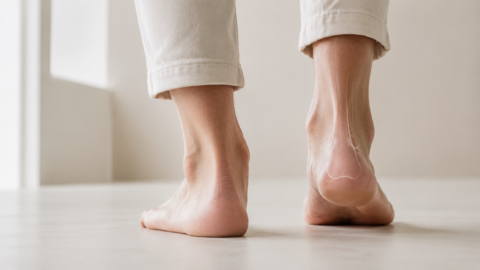
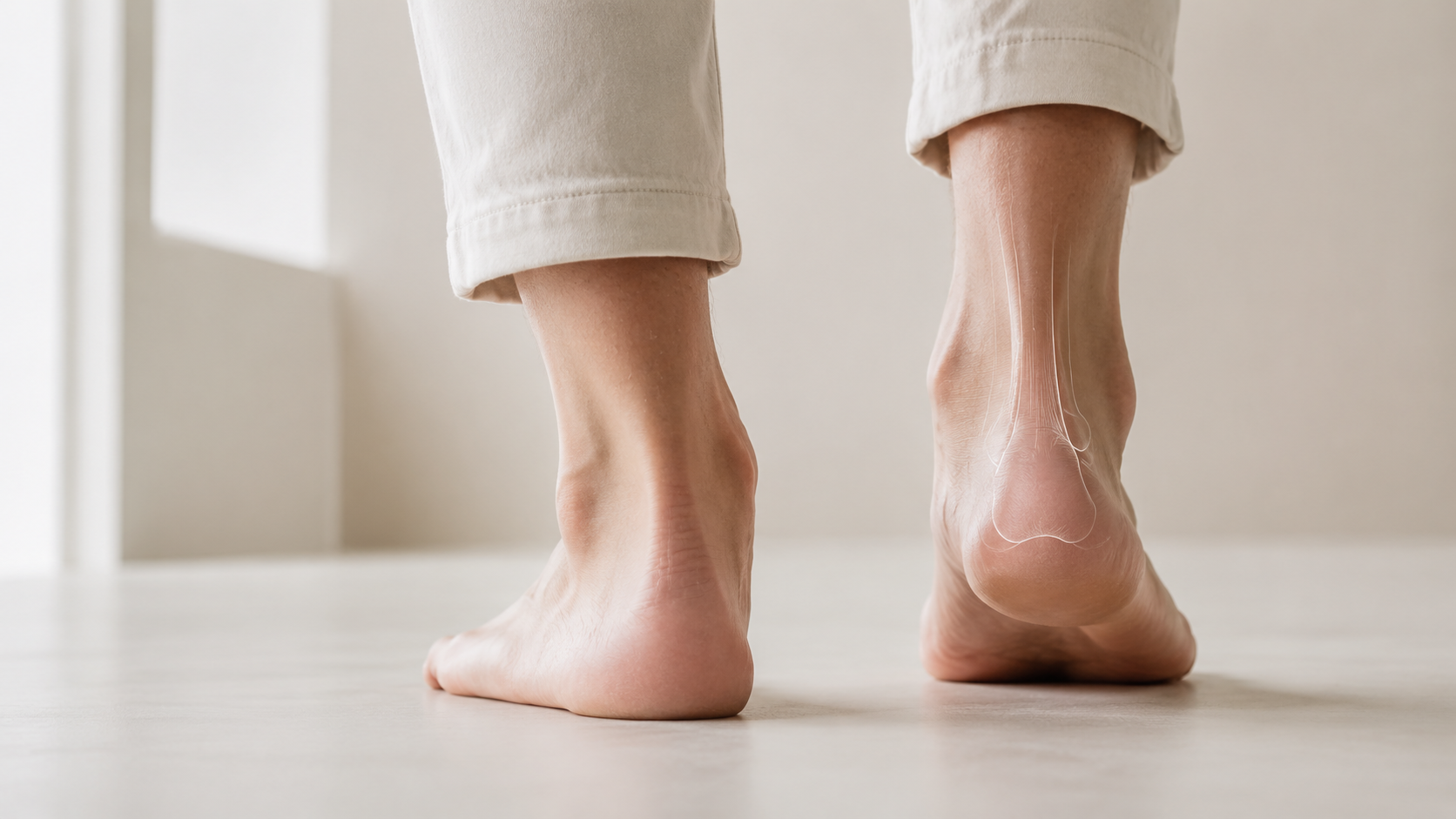
Patients often describe pain “near the joint” rather than inside the joint. For example, Achilles enthesitis may cause pain at the back of the heel. Plantar fascia enthesitis may cause pain under the heel. Enthesitis around the elbow, knee, hip, pelvis, shoulder, or spine can feel like tendonitis, bursitis, arthritis, or overuse. This is why accurate diagnosis matters.
What Enthesitis May Feel Like
Enthesitis usually causes pain at a tendon or ligament attachment site. The area may be tender to touch, painful with pressure, or worse during activity. Walking may aggravate heel or Achilles involvement. Gripping may aggravate elbow symptoms. Climbing stairs may aggravate knee or hip attachment pain. Some patients feel stiff after rest or notice symptoms that are worse in the morning.
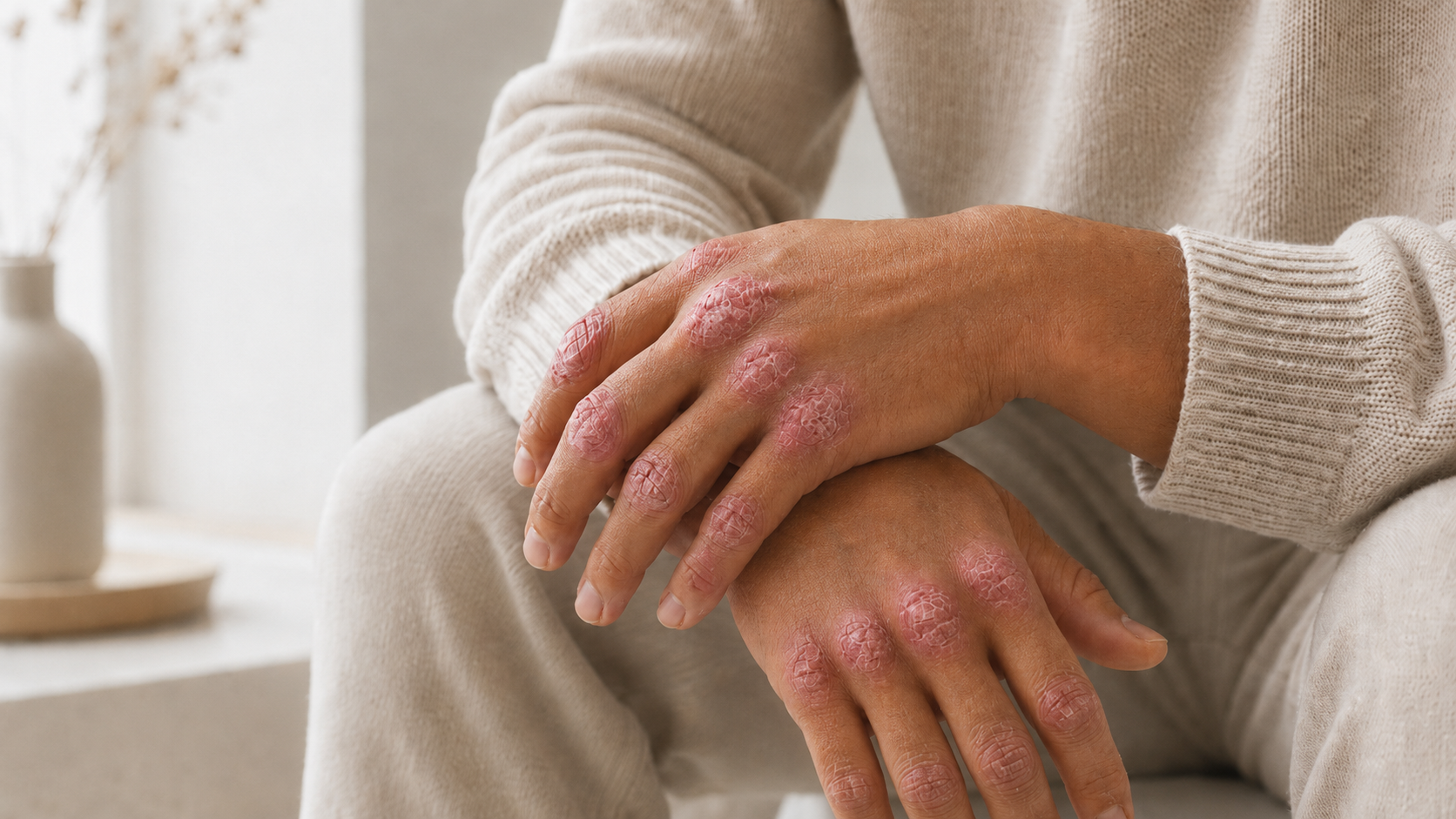
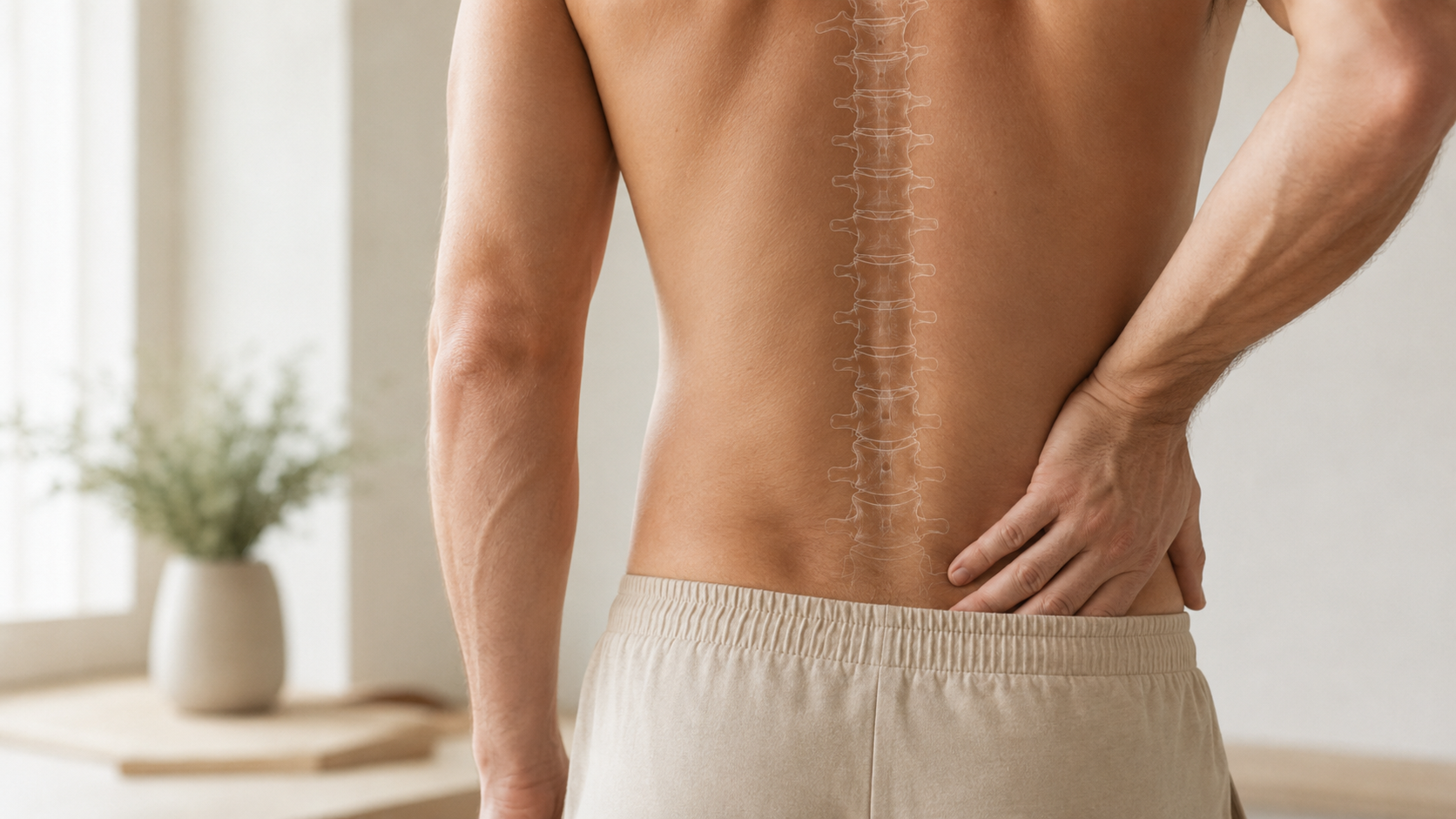
When enthesitis is part of an inflammatory arthritis pattern, patients may have more than one painful site. They may also have psoriasis, inflammatory back pain, swollen joints, fatigue, eye inflammation, bowel symptoms, or a family history of autoimmune disease. Enthesitis can occur without psoriasis, but the presence of psoriasis or inflammatory back pain may change the diagnostic pathway.
What Causes Enthesitis?
Enthesitis can be mechanical, inflammatory, or mixed. Mechanical enthesitis may develop from repetitive load, training changes, poor recovery, altered biomechanics, foot structure, tendon overload, prior injury, or hypermobility-related strain. Inflammatory enthesitis may occur with psoriatic arthritis, spondyloarthritis, reactive arthritis, gout, or other autoimmune-related conditions.
This distinction is important because treatment is different. Mechanical overload may improve with load modification, strengthening, movement retraining, footwear changes, or physical therapy. Inflammatory enthesitis may require systemic treatment guided by rheumatology, especially when multiple sites are involved or symptoms suggest psoriatic arthritis or spondyloarthritis.
Enthesitis vs. Tendonitis, Bursitis, and Arthritis
Enthesitis affects the tendon or ligament insertion at the bone. Tendonitis affects the tendon itself. Bursitis affects a fluid-filled cushion near a joint or tendon. Arthritis affects the joint. These structures are close together, so symptoms can overlap.
Heel pain is a common example. Pain under the heel may be described as plantar fasciitis, but the source may involve the plantar fascia insertion. Pain at the back of the heel may involve the Achilles tendon insertion, a bursa, the tendon itself, or bone irritation. Knee, hip, elbow, and shoulder pain can also involve multiple structures. A diagnosis-first evaluation helps identify which structure is most likely responsible.
How MPM Evaluates Enthesitis
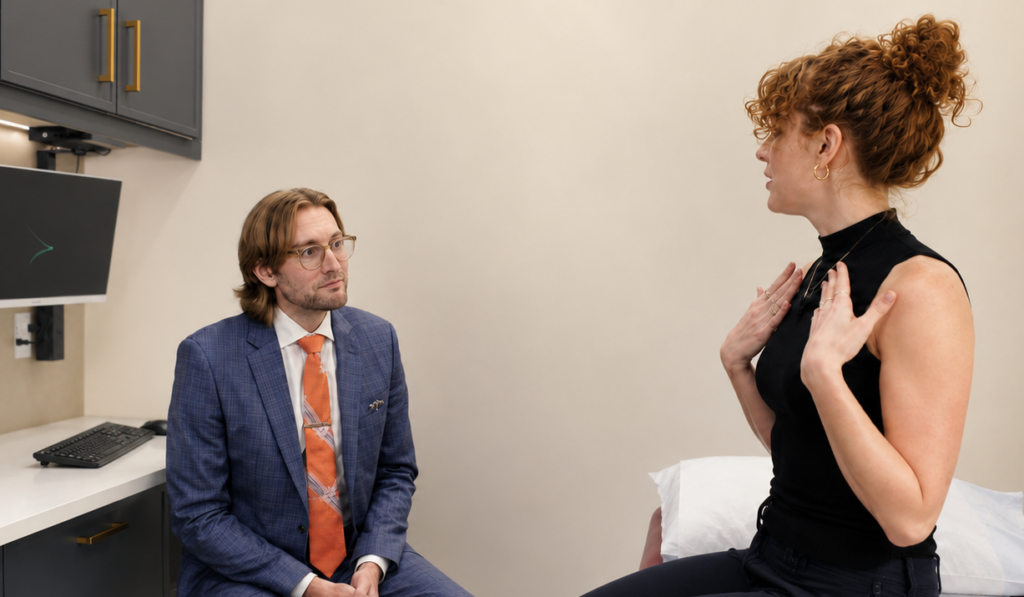
MPM begins with a careful history and physical examination. The evaluation looks at the exact pain location, activity triggers, tenderness, swelling, stiffness, gait, strength, joint mobility, spine referral patterns, nerve symptoms, and signs of systemic inflammation. The team also reviews prior imaging, bloodwork, rheumatology notes, medications, injections, and response to previous treatment.
Diagnostic ultrasound may be useful when clinically appropriate. Ultrasound can help evaluate tendon thickening, erosions, enthesophytes, fluid, inflammation, and structural changes. It may also help guide injections when an injection is appropriate. MRI may be considered in selected cases, especially when deeper structures are involved or when the diagnosis remains unclear.
Treatment Options for Enthesitis
Treatment depends on the cause. Mechanical enthesitis may be managed with activity modification, temporary load reduction, physical therapy, strength work, mobility support, footwear changes, and gradual return to activity. Medication management may include NSAIDs when medically appropriate. If pain is related to muscle guarding or surrounding soft tissue irritation, additional musculoskeletal treatments may be considered.
Steroid injections may be considered in selected cases, but they require caution near tendons and entheses. The decision depends on diagnosis, location, tissue integrity, rupture risk, severity, and imaging findings. Ultrasound guidance may help with needle placement when injection is considered. Injections should not be presented as the default treatment for enthesitis.
When enthesitis is part of psoriatic arthritis, spondyloarthritis, or another inflammatory arthritis, treatment may require rheumatology-directed care. DMARDs and biologics may be considered for systemic inflammatory disease, but they require specialist oversight and monitoring. Pain treatment alone does not control systemic inflammatory arthritis.
Why Pain May Become Chronic
Enthesitis can become persistent when the underlying driver is not addressed. Mechanical overload, poor tissue recovery, ongoing inflammation, hypermobility, altered movement patterns, nerve sensitivity, or repeated flares can all contribute. Some patients also develop fear of movement, deconditioning, or chronic pain sensitization after prolonged symptoms.
MPM evaluates whether pain appears mechanical, inflammatory, neuropathic, referred, or multifactorial. This helps guide care beyond the painful site itself. For some patients, the plan may focus on rehabilitation and load management. For others, it may require coordination with rheumatology, diagnostic ultrasound, targeted procedures, or broader pain support.
When to Seek Evaluation
Patients should seek evaluation for persistent tendon attachment pain, heel pain, Achilles pain, plantar fascia pain, elbow pain, knee pain, hip pain, or joint-adjacent pain that does not improve with routine care. Evaluation is especially important if symptoms occur with swelling, prolonged morning stiffness, psoriasis, inflammatory back pain, multiple painful sites, numbness, weakness, gout history, fever, or rapidly worsening pain.
How MPM Approaches Enthesitis Care
MPM approaches enthesitis through a diagnosis-first, coordinated model. The evaluation considers the enthesis, tendon, ligament, bursa, joint, nerve, spine, biomechanics, autoimmune clues, and chronic pain contributors. Care may involve diagnostic ultrasound, medication management, rehabilitation planning, ultrasound-guided injections when appropriate, and coordination with rheumatology when systemic inflammatory disease is suspected.
For patients looking for enthesitis treatment in Manhattan, MPM offers a careful, patient-centered approach to tendon attachment pain, heel pain, inflammatory symptoms, and overlapping musculoskeletal conditions. The goal is to clarify the source of pain and build a treatment plan that reflects the patient’s diagnosis, function, risks, and long-term goals.