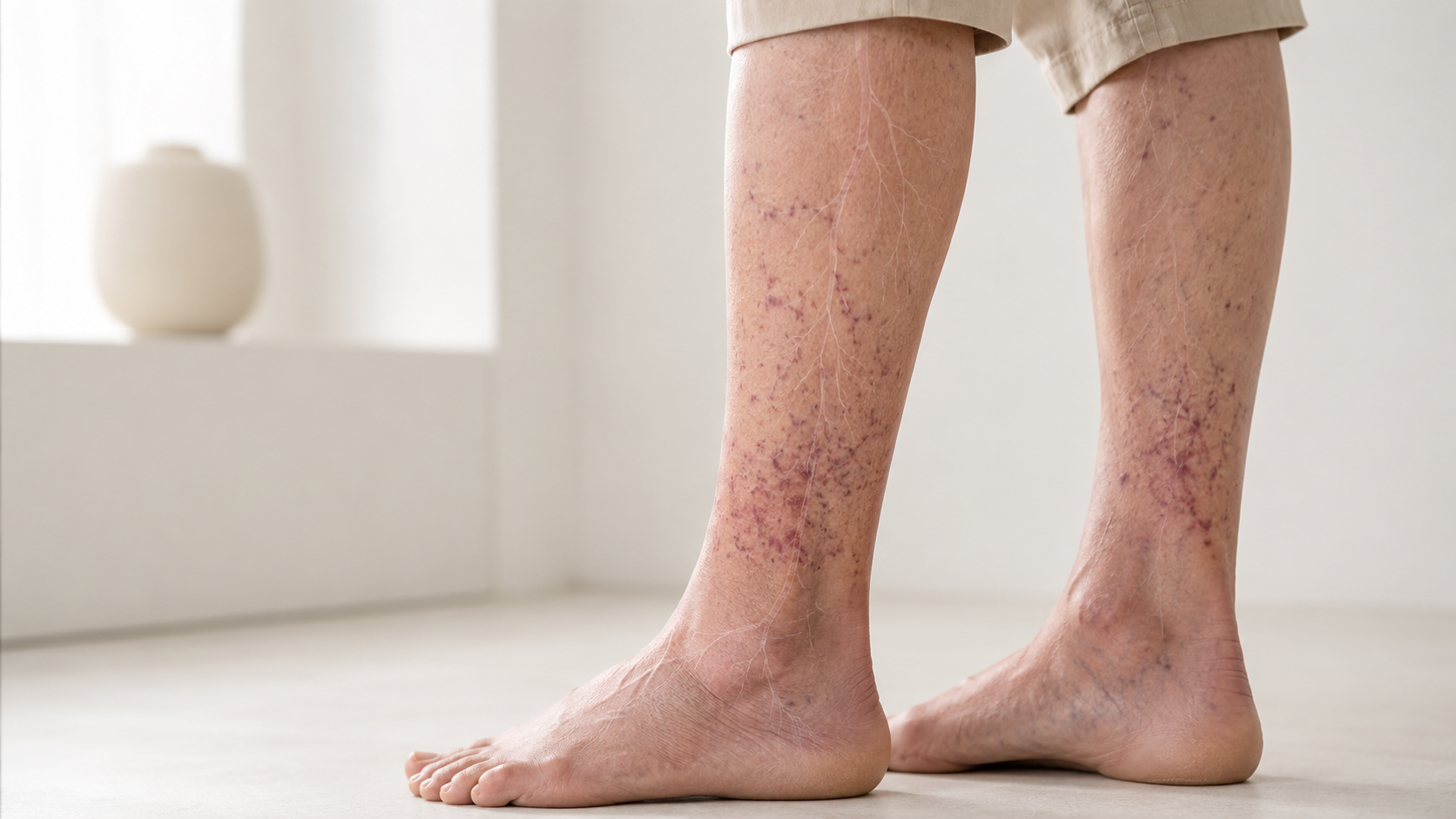
Autoimmune-Related Pain
Autoimmune-related pain is not one single diagnosis. It is a broad symptom category that may occur when immune-system inflammation affects healthy tissues, joints, muscles, nerves, skin, connective tissue, blood vessels, the digestive system, or other organs. Autoimmune diseases develop when the immune system mistakenly targets the body’s own cells or tissues. Inflammation can then produce signs such as redness, swelling, heat, stiffness, fatigue, and pain.
Some patients have a clear autoimmune diagnosis, such as rheumatoid arthritis, lupus, Sjogren’s syndrome, vasculitis, or undifferentiated connective tissue disease. Others have symptoms that suggest inflammation but do not yet meet criteria for a specific disease. They may have positive ANA, joint pain, fatigue, rashes, Raynaud’s symptoms, neuropathy, digestive symptoms, headaches, or flares that come and go. These patients often feel caught between real symptoms and unclear answers.
What Autoimmune-Related Pain May Feel Like
Autoimmune-related pain can appear in different ways. Some patients have inflammatory joint pain with swelling, warmth, tenderness, and prolonged morning stiffness. Others experience muscle aches, deep fatigue, skin sensitivity, headaches, numbness, tingling, burning pain, abdominal symptoms, pelvic pain, TMJ pain, or widespread pain. Some symptoms flare and then improve, while others remain more constant.
Pain may be driven by active inflammation, but that is not always the full story. A patient with autoimmune disease may also have nerve irritation, tendon problems, spine pain, sacroiliac joint dysfunction, pelvic floor dysfunction, hypermobility, fibromyalgia, post-COVID pain, medical PTSD, or chronic pain sensitization. This is why MPM focuses on identifying pain drivers rather than simply labeling pain as autoimmune.
Conditions That May Cause Autoimmune Pain
Autoimmune-related pain may be associated with rheumatoid arthritis, lupus, Sjogren’s syndrome, vasculitis, undifferentiated connective tissue disease, inflammatory arthritis, enthesitis, gout, MCAS, and other immune or inflammatory conditions. It may also overlap with POTS, gastroparesis, chronic constipation, EBV-related pain, fibromyalgia, post-COVID pain, Ehlers-Danlos syndrome, hypermobility spectrum disorder, peripheral neuropathy, headache and migraine, neck and back pain, spine pain, TMJ disorders, endometriosis, frozen shoulder, muscle pain, and tendinopathy.
These overlaps can make diagnosis challenging. For example, fatigue and muscle aches can occur in autoimmune disease, viral illness, endocrine disorders, medication side effects, sleep disruption, or chronic pain. Joint pain may be inflammatory, mechanical, hypermobility-related, degenerative, or neuropathic. Numbness and tingling may reflect nerve involvement, vitamin deficiency, spine issues, dysautonomia, or autoimmune activity. A careful evaluation helps separate these possibilities.
What Does a Positive ANA Mean?
Many patients seeking autoimmune pain treatment in Manhattan have been told they have a positive ANA. ANA testing can be helpful, but it does not diagnose a specific autoimmune disease by itself. Some people with autoimmune disease have a positive ANA, but some people with a positive ANA do not have a defined autoimmune condition. The result needs to be interpreted with symptoms, exam findings, other antibodies, inflammatory markers, urine testing, imaging, and the patient’s clinical history.
A diagnosis-first approach is especially important when symptoms are real but the label is unclear. The goal is not to ignore abnormal labs, but also not to overinterpret them. MPM evaluates whether symptoms suggest inflammatory disease, musculoskeletal pain, nerve pain, dysautonomia, hypermobility, post-viral symptoms, or a chronic pain process.
How Autoimmune-Related Pain Is Evaluated
Evaluation begins with the patient’s story. MPM reviews symptom timing, flare pattern, joint swelling, morning stiffness, rashes, fatigue, fever, numbness, tingling, digestive symptoms, headaches, pelvic symptoms, prior diagnoses, family history, medications, prior lab work, imaging, and response to treatment. Depending on the situation, evaluation may include diagnostic ultrasound, imaging review, laboratory review, and coordination with rheumatology or other specialists.
Diagnostic ultrasound may help assess certain joints, tendons, soft tissue inflammation, effusions, or injection targets when clinically appropriate. It does not diagnose every autoimmune disease, but it can be useful when pain is localized and the clinical question involves joint or soft tissue involvement.
Treatment Options for Autoimmune-Related Pain
Treatment depends on what is driving the pain. If active autoimmune inflammation is present, care may involve rheumatology-directed medications such as NSAIDs, corticosteroids, DMARDs, biologics, immunosuppressants, or infusions. These medications require clinician supervision and monitoring. They should not be started, stopped, or changed without medical guidance.
Pain-focused care may include medication management, peripheral joint injections, sacroiliac joint injection, steroid injections for selected pain generators, B12 replacement when deficiency is relevant, weight-management support, pain psychology, and rehabilitation planning. These treatments are considered based on diagnosis, clinical findings, pain pattern, function, and risk. Injections, infusions, and pain treatment alone do not control systemic autoimmune disease, but they may support symptom management and function as part of a coordinated plan.
Why Pain Can Persist After Inflammation Is Treated
Some patients continue to have pain even when autoimmune disease appears controlled. This does not mean the pain is not real. It may mean additional pain mechanisms are involved. Nerve irritation, joint damage, tendon irritation, myofascial pain, central sensitization, poor sleep, stress physiology, deconditioning, or medical trauma can all contribute to persistent symptoms.
Pain psychology can be helpful for some patients because chronic autoimmune symptoms can create fear, stress, grief, pacing challenges, and nervous system sensitivity. This does not mean pain is psychological. It means that long-term pain often affects and is affected by the nervous system, stress response, sleep, activity, and coping patterns.
When to Seek Evaluation
Patients should seek evaluation for persistent joint swelling, prolonged morning stiffness, fatigue, rashes, fevers, numbness, tingling, weakness, unexplained flares, positive autoimmune labs, or pain that does not fit a clear injury pattern. More urgent evaluation may be needed for chest pain, shortness of breath, neurologic changes, severe weakness, dark urine, blood in urine, rapidly worsening pain, unexplained weight loss, high fever, or new organ-related symptoms.
How MPM Approaches Autoimmune Pain
MPM approaches autoimmune-related pain through a diagnosis-first, coordinated model. The evaluation looks at inflammatory disease activity, musculoskeletal mechanics, joint and soft tissue findings, nerve symptoms, autonomic symptoms, fatigue patterns, prior medication response, functional limitations, and overlapping chronic pain conditions. Care may involve coordination with rheumatology, neurology, dermatology, gastroenterology, physical therapy, psychology, or other specialists when needed.
For patients looking for autoimmune pain treatment in Manhattan, MPM offers a careful, patient-centered approach to understanding inflammatory pain, autoimmune uncertainty, nerve symptoms, and overlapping chronic pain contributors. The goal is to support clearer diagnosis, safer treatment planning, improved function, and coordinated care that reflects the complexity of autoimmune-related pain.