Glossopharyngeal Neuralgia
Glossopharyngeal neuralgia is a rare condition involving the glossopharyngeal nerve, a cranial nerve that helps provide sensation to parts of the throat, tonsil area, back of the tongue, and ear region. When this nerve becomes irritated or affected, patients may experience sudden episodes of severe pain that feel stabbing, electric, burning, or shock-like.
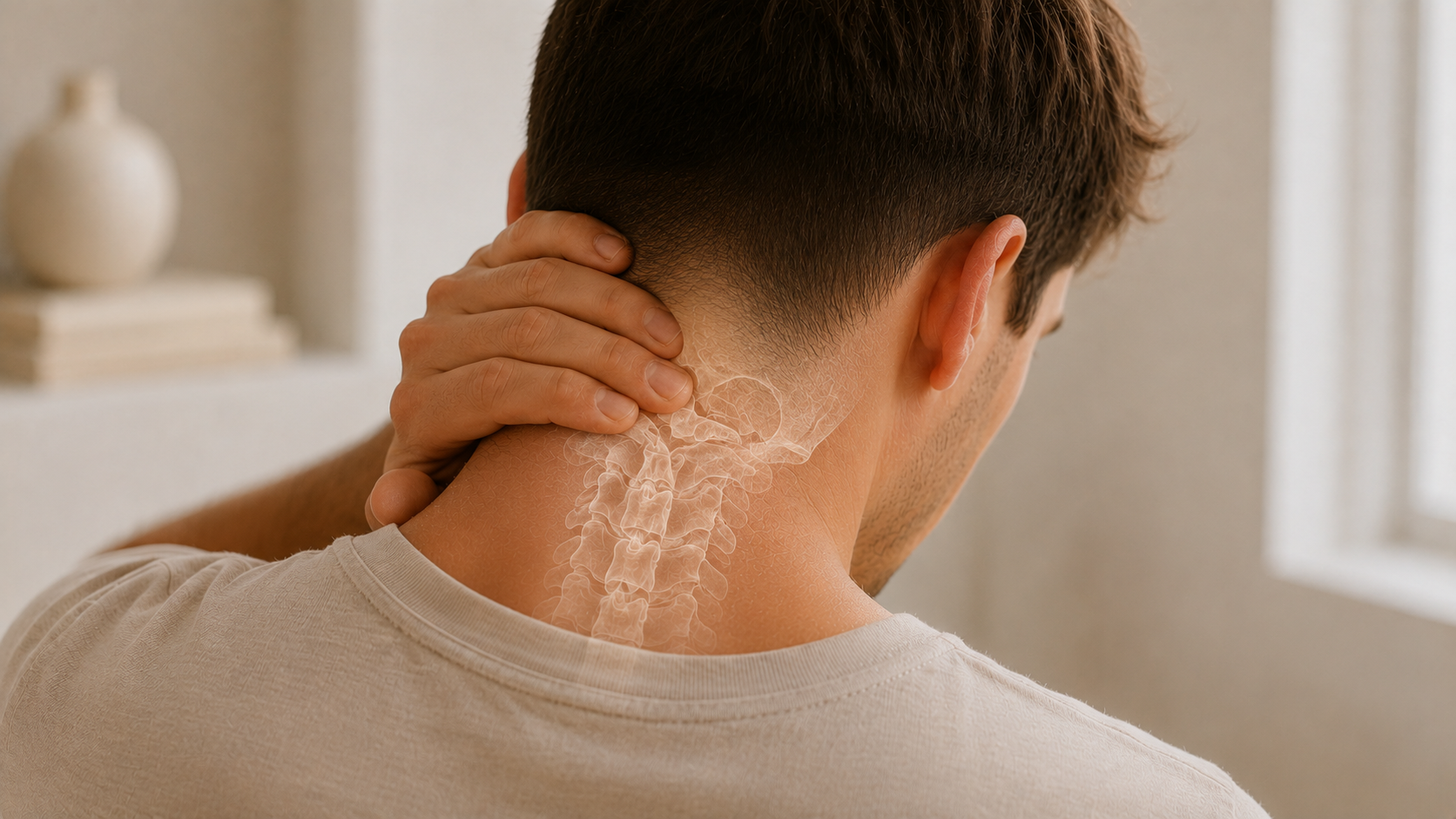
Pain may be felt in the throat, tonsil region, tongue base, ear, jaw angle, or upper neck. Episodes often last seconds to minutes, but the intensity can be significant. Some patients describe pain that is triggered by swallowing, talking, coughing, yawning, chewing, drinking cold liquids, or touching the throat.
Why Glossopharyngeal Neuralgia Can Be Missed
Glossopharyngeal neuralgia can be difficult to recognize because the painful areas overlap with many other specialties. A patient may first see ENT for throat or ear pain, dentistry for tooth or jaw pain, oral surgery for mouth or jaw symptoms, neurology for cranial nerve pain, or emergency care because the pain is severe and sudden.
In some cases, routine exams may not fully explain the symptoms. This does not mean the pain is not real. Cranial nerve pain can be intense even when the throat, ear, or dental exam is unrevealing. At the same time, it is important not to assume glossopharyngeal neuralgia without ruling out other causes.
Conditions That Can Mimic Glossopharyngeal Neuralgia
Throat, ear, jaw, tongue, and upper neck pain can come from several sources. These may include trigeminal neuralgia, TMJ disorders, dental disease, throat infection, ear disease, Eagle syndrome, migraine, cervical spine referral, glossopharyngeal nerve irritation, vascular compression, tumor, carotid disease, or other neurologic conditions.
The pain pattern helps guide the evaluation. Glossopharyngeal neuralgia often causes brief, severe, electric or stabbing attacks triggered by swallowing, talking, coughing, chewing, or throat contact. Trigeminal neuralgia more often affects facial regions such as the cheek, jaw, forehead, or around the eye. TMJ disorders may cause jaw pain, clicking, chewing pain, facial pain, ear pressure, or headache. ENT and dental conditions may cause pain that follows a different pattern or appears with visible findings.
How MPM Evaluates Cranial Nerve-Type Pain
MPM begins by reviewing the patient’s full history, including pain location, trigger pattern, duration of attacks, prior ENT or dental findings, neurologic symptoms, imaging, medication trials, and other diagnoses. The evaluation considers whether the pain is consistent with glossopharyngeal neuralgia or whether another source is more likely.
MPM also evaluates the neck, jaw, throat-related symptoms, headache overlap, and musculoskeletal contributors. In selected patients, CCI, EDS, or hypermobility spectrum disorder may complicate the picture through cervical mechanics, ligamentous laxity, muscle guarding, or upper neck symptoms. These factors should be evaluated carefully, but they should not be assumed to cause glossopharyngeal neuralgia in every case.
When imaging or additional specialty care is needed, MPM may coordinate with neurology, ENT, dentistry, oral surgery, neurosurgery, spine specialists, or primary care.
Treatment Options for Glossopharyngeal Neuralgia
Treatment depends on the diagnosis and suspected pain generator. Medication management is often part of first-line care for cranial neuralgia and may involve medications used to reduce nerve pain under clinician supervision. These medications require careful monitoring for side effects, interactions, and safety.
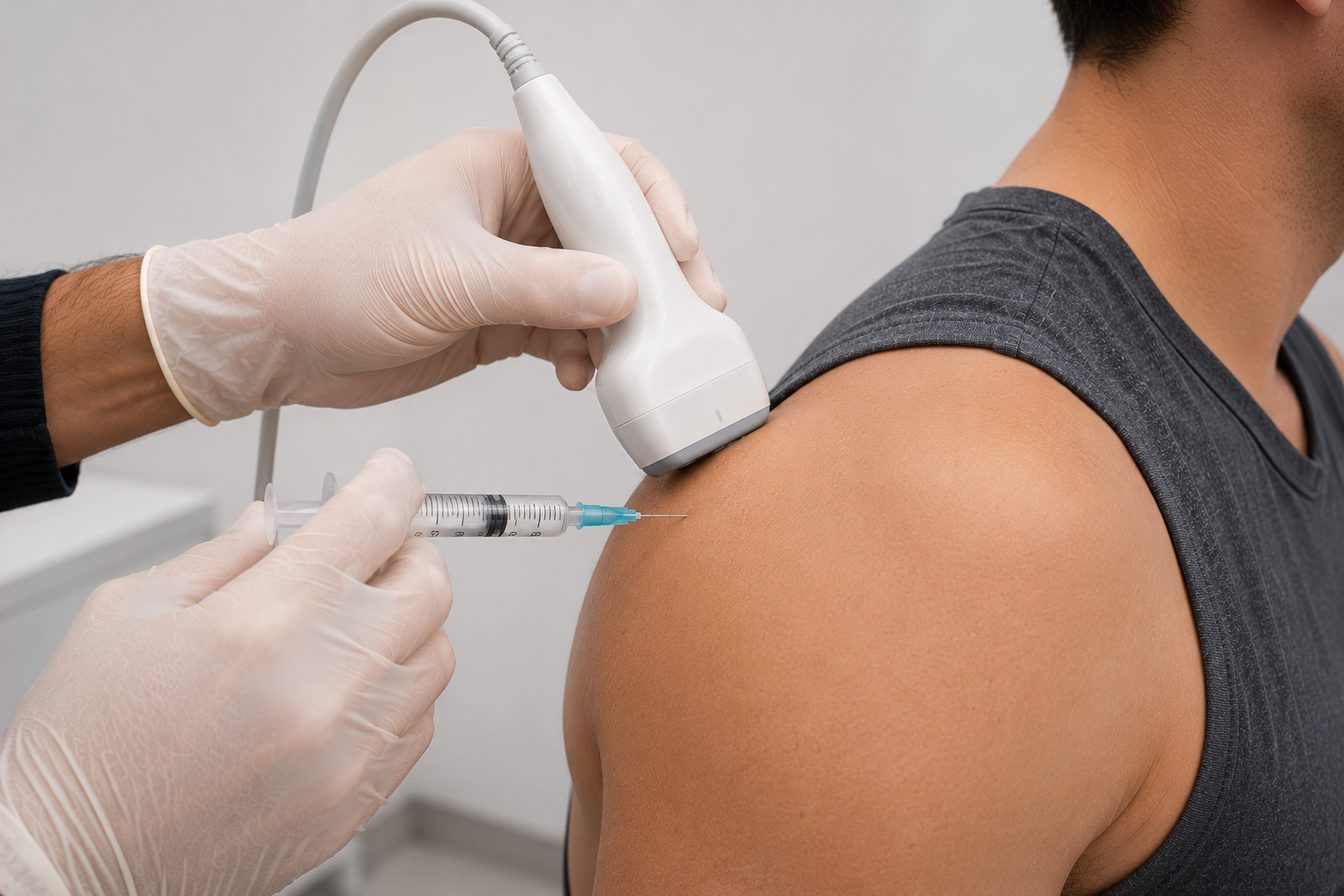
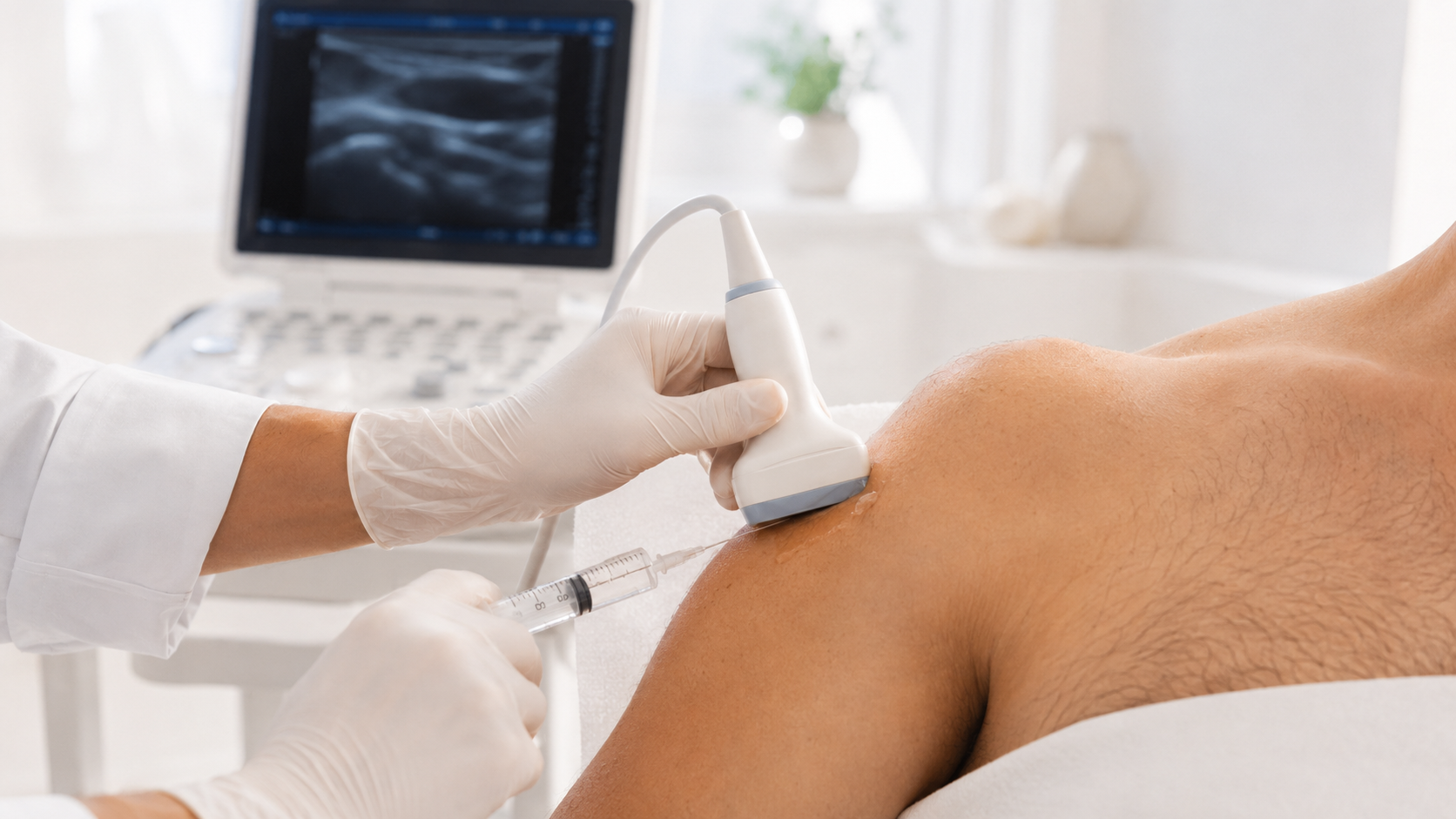
Selected patients may be considered for local anesthetic strategies, nerve blocks, diagnostic ultrasound, ultrasound-guided injections, or other image-guided procedures when anatomy and clinical findings support them. These approaches should be individualized. Nerve hydrodissection and steroid injections are not standard first-line treatments for glossopharyngeal neuralgia and should only be considered when the suspected anatomy, pain generator, and risk profile support that plan.
When Surgery May Be Considered
Some patients with severe, medication-resistant glossopharyngeal neuralgia may need neurosurgical evaluation. If imaging suggests vascular compression of the glossopharyngeal nerve, procedures such as microvascular decompression may be considered in selected cases. Surgery is not appropriate for everyone and requires careful specialist evaluation.
When Symptoms Require Urgent Evaluation
Patients should seek urgent evaluation for chest pain, shortness of breath, fainting, severe dizziness, new neurologic deficits, trouble swallowing or breathing, fever, neck stiffness, facial droop, speech changes, sudden severe headache, unexplained weight loss, coughing blood, throat swelling, or rapidly worsening pain. Throat, jaw, ear, and neck pain can sometimes reflect urgent medical conditions, so red flags should not be ignored.
How MPM Approaches Glossopharyngeal Neuralgia Care
MPM approaches glossopharyngeal neuralgia through a diagnosis-first, coordinated model. The goal is to map the pain pattern, identify likely nerve involvement, rule out overlapping ENT, dental, jaw, cervical, vascular, and neurologic causes, and coordinate care with the right specialists.
For patients looking for glossopharyngeal neuralgia treatment in Manhattan, MPM offers a careful pain medicine perspective focused on cranial nerve pain, upper neck mechanics, hypermobility-related complexity, and coordinated treatment planning. The goal is to clarify the source of pain and guide appropriate next steps without overpromising outcomes.