Craniocervical Instability
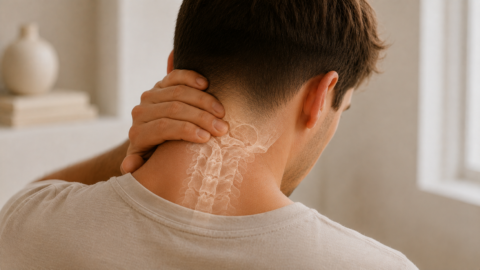
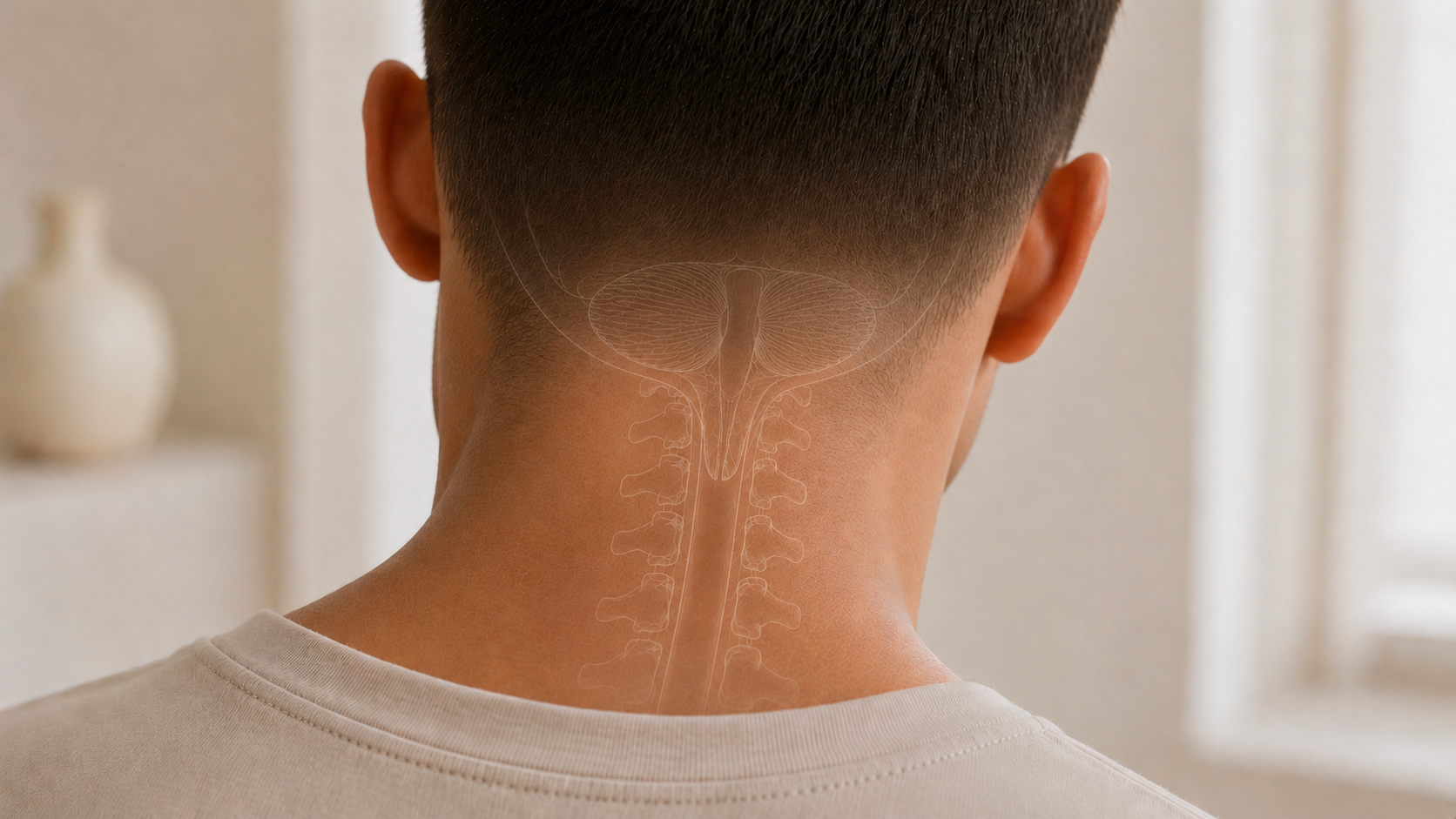
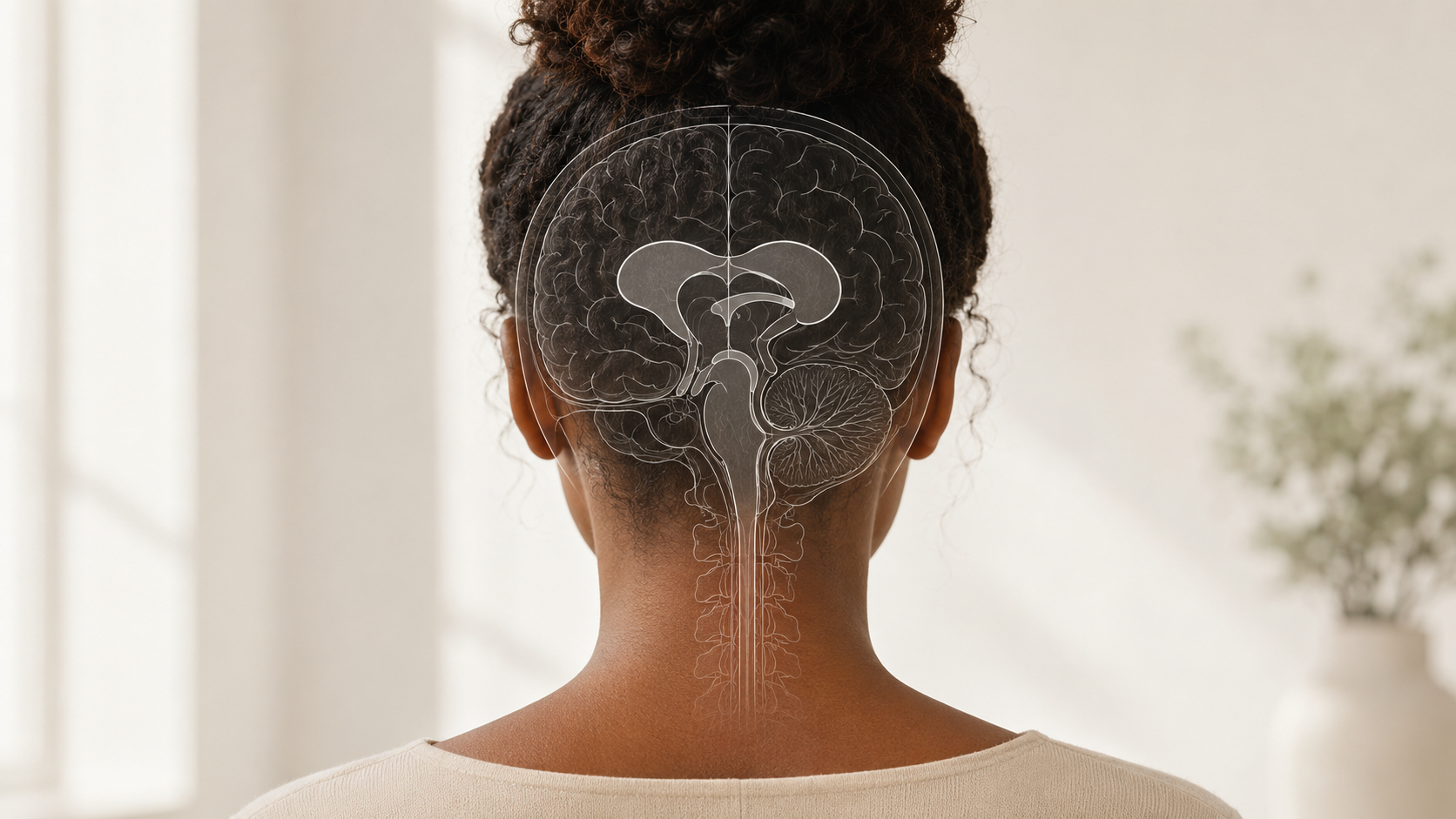
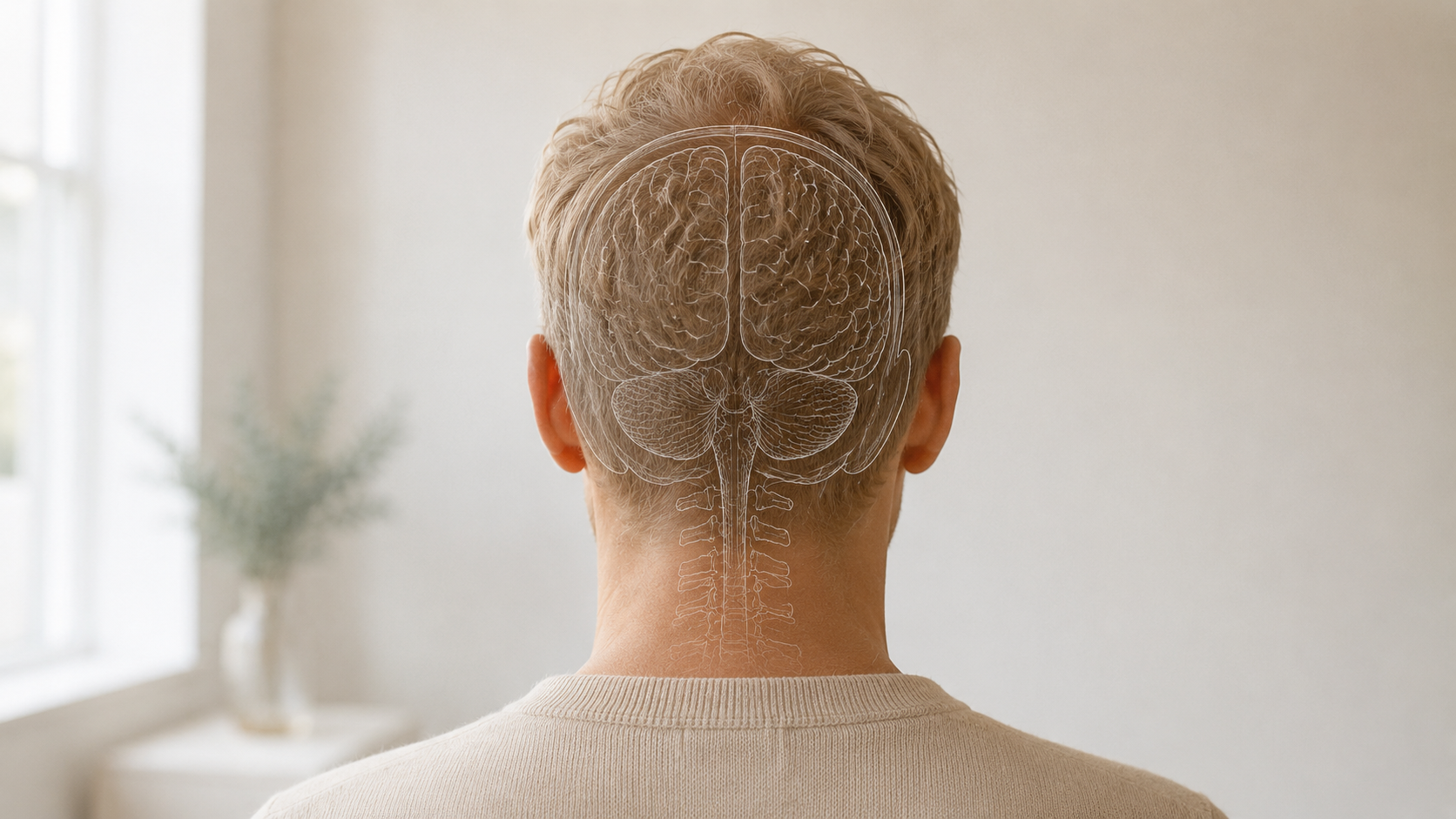
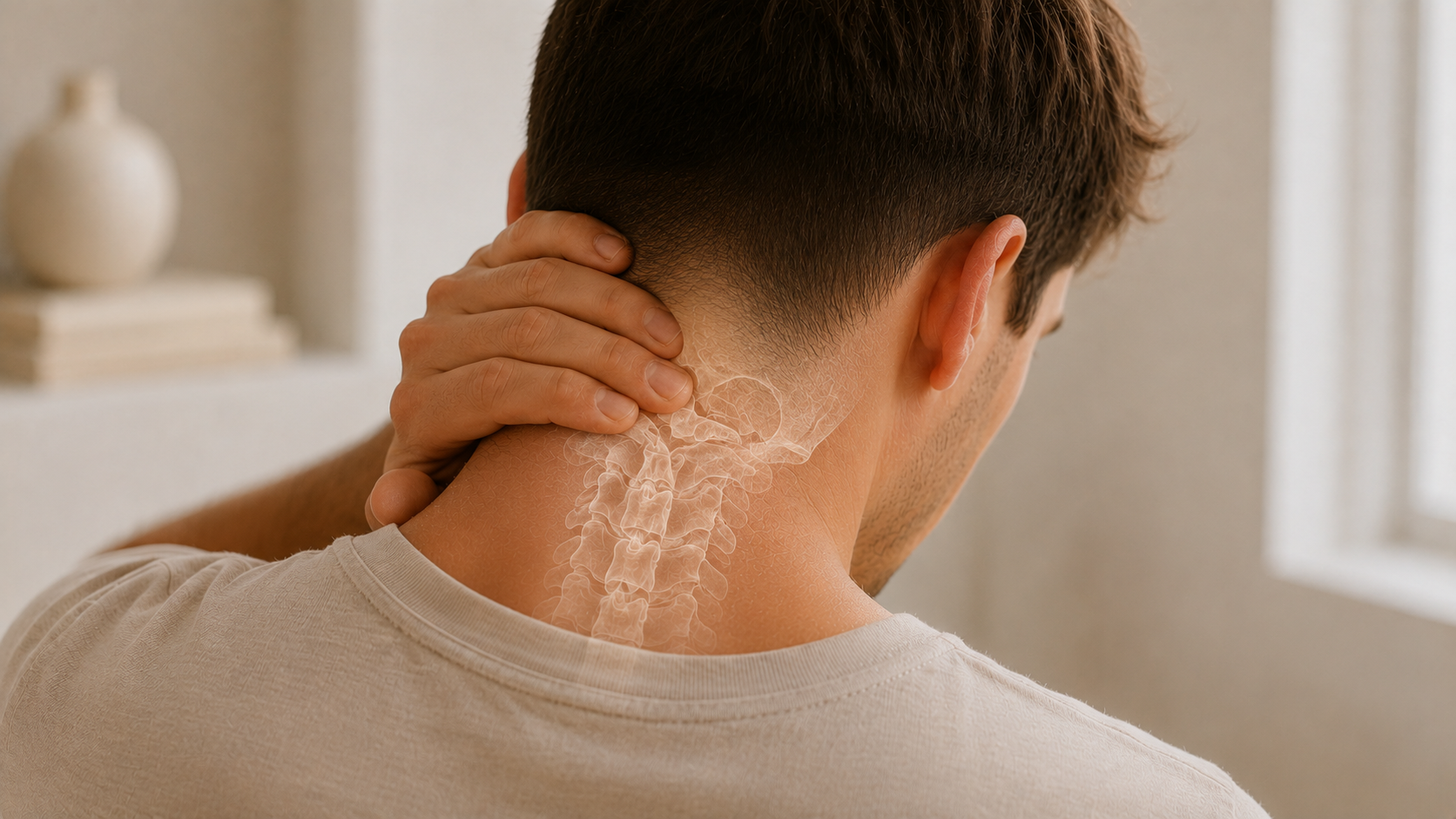
Craniocervical instability, often called CCI, describes abnormal motion or reduced stability at the junction between the skull and upper cervical spine. This region includes the base of the skull, the atlas, and the axis, also known as C1 and C2. These structures support the head, protect important neurologic anatomy, and help coordinate neck movement.
When instability is clinically meaningful, it may contribute to neck pain, occipital headache, migraine-like symptoms, dizziness, brain fog, visual disturbance, facial pain, swallowing symptoms, autonomic symptoms, or a feeling that the head is too heavy for the neck. These symptoms can be disruptive and frightening, especially for patients with EDS, HSD, POTS, MCAS-like symptoms, chronic migraine, or complex chronic pain.
At the same time, CCI should not be self-diagnosed based on symptoms alone. Many conditions can create similar symptoms, which is why a careful differential diagnosis is essential.
Why Suspected CCI Can Be Confusing
Patients with suspected CCI often have symptoms that cross several specialties. They may see neurology for headache or dizziness, cardiology for POTS-like symptoms, rheumatology or genetics for hypermobility, ENT for vestibular symptoms, neurosurgery for Chiari or upper cervical concerns, and pain medicine for neck pain or chronic headache.
This can make the clinical picture feel fragmented. A patient may be told they have migraine, cervicogenic headache, dysautonomia, anxiety, cervical strain, vestibular dysfunction, or hypermobility without a clear explanation for why symptoms overlap.
MPM’s role is to evaluate the pain and symptom pattern in a structured way. The goal is to identify whether symptoms may be coming from upper cervical joints, ligaments, muscles, nerves, headache pathways, autonomic dysfunction, central sensitization, medical trauma, or another condition.
CCI, EDS, and Hypermobility
CCI has been described in the context of hereditary connective tissue disorders, including some patients with EDS or significant hypermobility. In these patients, ligamentous laxity may affect joint support and contribute to instability concerns in selected cases.
However, hypermobility does not automatically mean a patient has CCI. Many hypermobile patients have neck pain, headaches, dizziness, and autonomic symptoms from other causes, including migraine, cervicogenic headache, muscle guarding, POTS, vestibular disorders, TMJ dysfunction, cervical dystonia, intracranial pressure disorders, or chronic pain sensitization.
MPM evaluates hypermobility as one part of the full clinical picture. This may include reviewing joint instability, recurrent sprains, EDS or HSD history, neck mechanics, headache type, autonomic symptoms, GI symptoms, pelvic pain, and prior response to treatment.
Symptoms That May Overlap With CCI
Patients with suspected CCI may report a wide range of symptoms, including upper neck pain, pain at the base of the skull, occipital headaches, migraines, dizziness, lightheadedness, brain fog, blurred vision, visual sensitivity, nausea, facial pain, throat symptoms, swallowing discomfort, ear pressure, fatigue, or symptoms that worsen with certain head or neck positions.
Some patients describe a heavy head sensation or the need to support the head with their hands. Others notice symptom flares after prolonged sitting, computer work, upright posture, driving, exercise, or neck movement.
These symptoms deserve careful evaluation, but they are not specific to CCI. Similar symptoms can occur with migraine, vestibular migraine, cervicogenic headache, Chiari malformation, intracranial hypertension, CSF outflow obstruction, CSF leak, cervical dystonia, TMJ disorders, POTS, MCAS-like symptoms, inflammatory disease, post-COVID pain, EBV-related pain, fibromyalgia, medical PTSD, and other neurologic or musculoskeletal conditions.
CCI vs Chiari, Intracranial Hypertension, and CSF Disorders
CCI can sometimes be discussed alongside Chiari malformation, intracranial hypertension, CSF outflow obstruction, and related disorders because symptoms may overlap. These conditions are different and require different diagnostic pathways.
Chiari malformation involves downward displacement of part of the cerebellum through the opening at the base of the skull. Intracranial hypertension involves elevated pressure around the brain. CSF outflow obstruction or CSF-related conditions may involve altered cerebrospinal fluid dynamics. CCI involves instability at the skull and upper cervical spine.
Symptoms such as headache, neck pain, dizziness, visual changes, nausea, and neurologic complaints can appear in more than one of these conditions. This is why imaging review, neurologic evaluation, and specialist coordination may be needed before treatment planning.
How MPM Evaluates Suspected CCI-Related Pain
MPM begins with a detailed clinical review. This includes the patient’s neck pain pattern, headache type, positional triggers, neurologic symptoms, autonomic symptoms, hypermobility history, trauma history, prior imaging, prior diagnoses, procedures, medication response, physical therapy response, and functional limitations.
The evaluation may include musculoskeletal assessment, upper cervical pain mapping, headache and migraine review, trigger point and myofascial evaluation, joint instability assessment, neurologic symptom screening, and review of whether symptoms suggest the need for additional specialty care.
MPM may coordinate with neurology, neurosurgery, spine specialists, cardiology, genetics, rheumatology, ENT, vestibular therapy, physical therapy, pelvic pain specialists, behavioral health clinicians, or primary care depending on the patient’s presentation.
Treatment Options for CCI-Related Pain Patterns
Treatment depends on the suspected pain generator and the severity of symptoms. Not every patient with suspected CCI needs the same treatment, and not every symptom requires a procedure.
Conservative care may include stabilization-focused physical therapy coordination, activity pacing, ergonomic modification, headache care, careful movement retraining, Feldenkrais, acupuncture, biofeedback, pain psychology, and symptom-specific medical management.
Pain psychology and biofeedback may be useful for patients with chronic pain, medical PTSD, nervous system threat responses, sleep disruption, fear of movement, or symptom flares. This does not mean the symptoms are imagined. These tools can support nervous system regulation and function while medical evaluation continues.
Image-Guided and Interventional Options
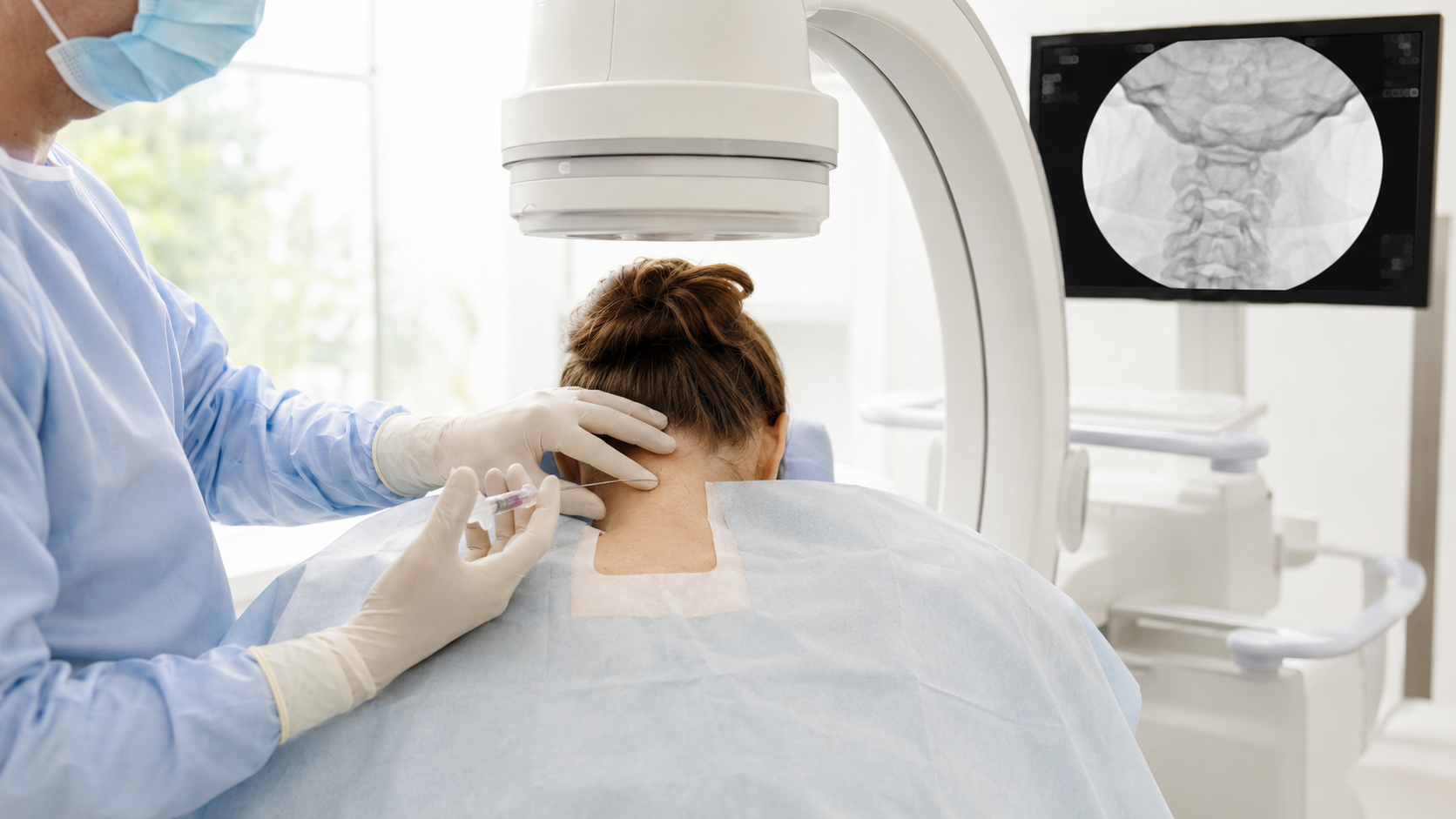
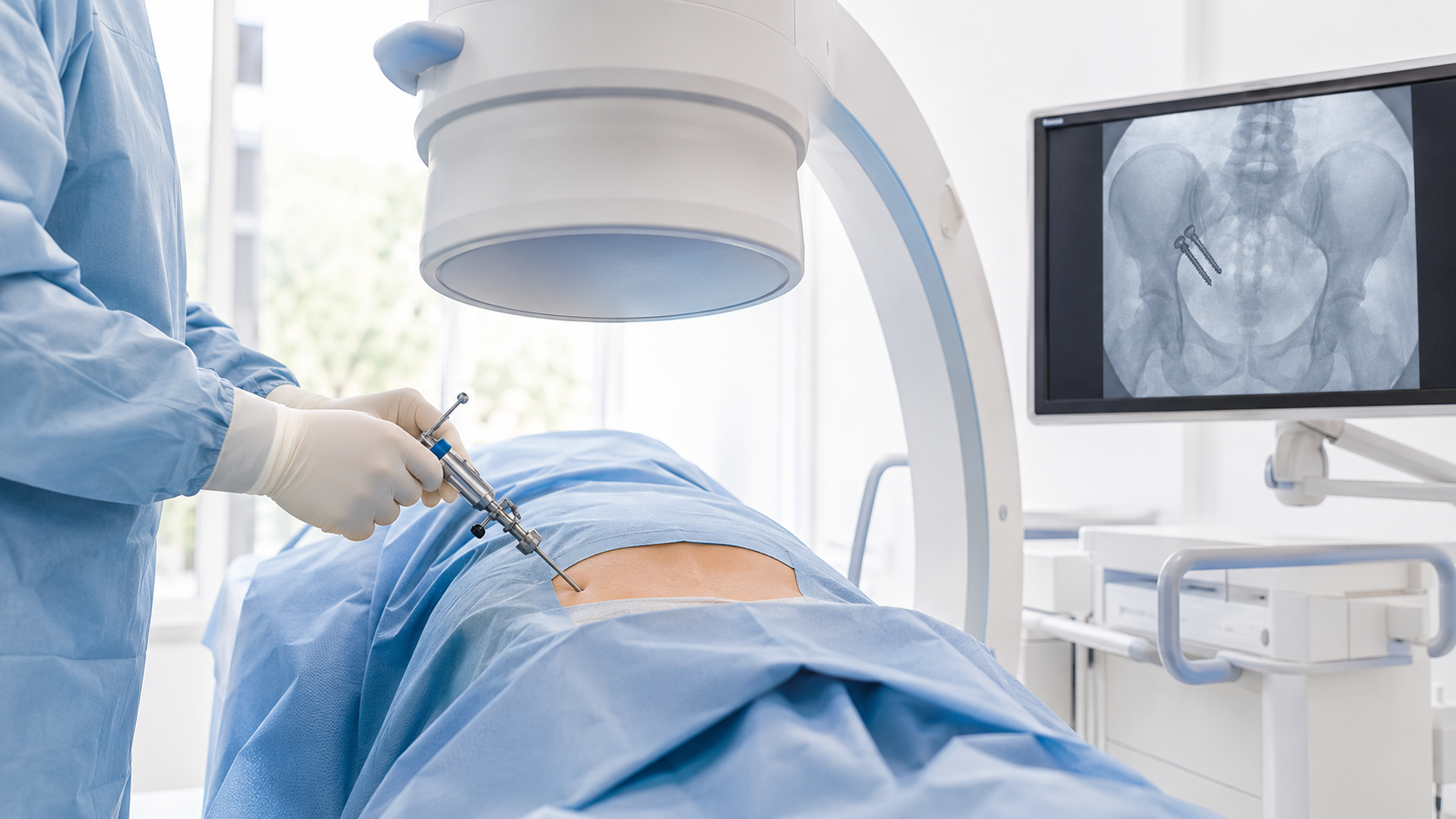
Some patients may have specific pain generators that are appropriate for image-guided procedures. These may include trigger point injections for myofascial pain, ultrasound-guided injections for selected soft tissue or joint-related pain, or C1/2 facet injections when the upper cervical facet joint is strongly suspected to be a pain source.
C1/2 facet injections are not a general treatment for CCI. They should only be considered when the pain pattern, anatomy, imaging review, and clinical evaluation support the joint as a target.
Regenerative medicine, prolotherapy, PRP, or BMAC may be discussed in selected musculoskeletal or ligament-related pain patterns, but they should not be presented as universal treatments for CCI, EDS, HSD, or upper cervical instability. These options require careful diagnosis, risk discussion, and appropriate patient selection.
Stellate ganglion blocks may be considered in selected autonomic or sympathetically mediated pain patterns, but they are not a standard treatment for CCI itself and should not be described as a cure for dysautonomia, POTS, or neurologic symptoms.
When Surgery or Specialty Care May Be Needed
Some patients with suspected or confirmed CCI may need neurosurgical or spine specialist evaluation, especially if there is significant instability, progressive neurologic symptoms, spinal cord or brainstem concerns, severe functional decline, or imaging findings that require specialist interpretation.
MPM does not replace neurosurgical evaluation when structural instability or neurologic compromise is suspected. Instead, MPM helps evaluate pain contributors, coordinate appropriate referrals, and support patients whose symptoms involve overlapping headache, musculoskeletal, autonomic, hypermobility, and chronic pain patterns.
When Symptoms Require Urgent Evaluation
Patients should seek urgent care for sudden severe headache, new weakness or numbness, loss of coordination, fainting, trouble speaking or swallowing, new bowel or bladder dysfunction, fever, major trauma, severe progressive neurologic symptoms, chest pain, shortness of breath, or rapidly worsening symptoms.
These symptoms may indicate stroke, infection, spinal cord compression, vascular emergency, traumatic injury, intracranial pressure concern, or another serious condition. Pain medicine should not replace emergency evaluation when red flags are present.
How MPM Approaches Suspected CCI Care
MPM approaches suspected craniocervical instability through a diagnosis-first, coordinated model. The goal is to validate symptoms while avoiding premature conclusions. Neck pain, headaches, dizziness, autonomic symptoms, and brain fog deserve careful assessment, but they should not automatically be attributed to CCI.
For patients looking for craniocervical instability treatment in NYC, MPM offers a structured pain medicine perspective that considers hypermobility, EDS, HSD, headache disorders, autonomic dysfunction, upper cervical pain generators, medical trauma, and complex chronic pain.
The goal is to clarify what may be driving symptoms, identify appropriate treatment targets, coordinate with the right specialists, and build a plan that supports function, safety, and long-term care.