
Conditions We Treat
At Manhattan Pain Medicine, conditions are not treated as isolated labels. Our team uses a diagnosis-first, protocol-driven approach to understand what is generating the pain, how it developed, and why it has not resolved, then selects care based on the underlying drivers.
What Are Zones of Expertise?
Our team organizes conditions and treatments into related zones of expertise to make it easier to explore the care paths most relevant to your symptoms and goals.
Use the zone tags above to browse dedicated pages for each focus area, including services, providers, and what to expect during treatment.
Expertise Built for Complex Pain
Explore the Zones of Expertise by clicking or tapping on a circle.


A Diagnosis-First Approach to Complex Conditions
Many pain conditions develop in layers. A primary driver may lead to compensation, guarding, nervous system sensitization, inflammation, or emotional distress over time. Our role is to separate those layers carefully, so treatment is guided by what is actually driving the pain rather than the symptom alone.
How We Evaluate Conditions
-
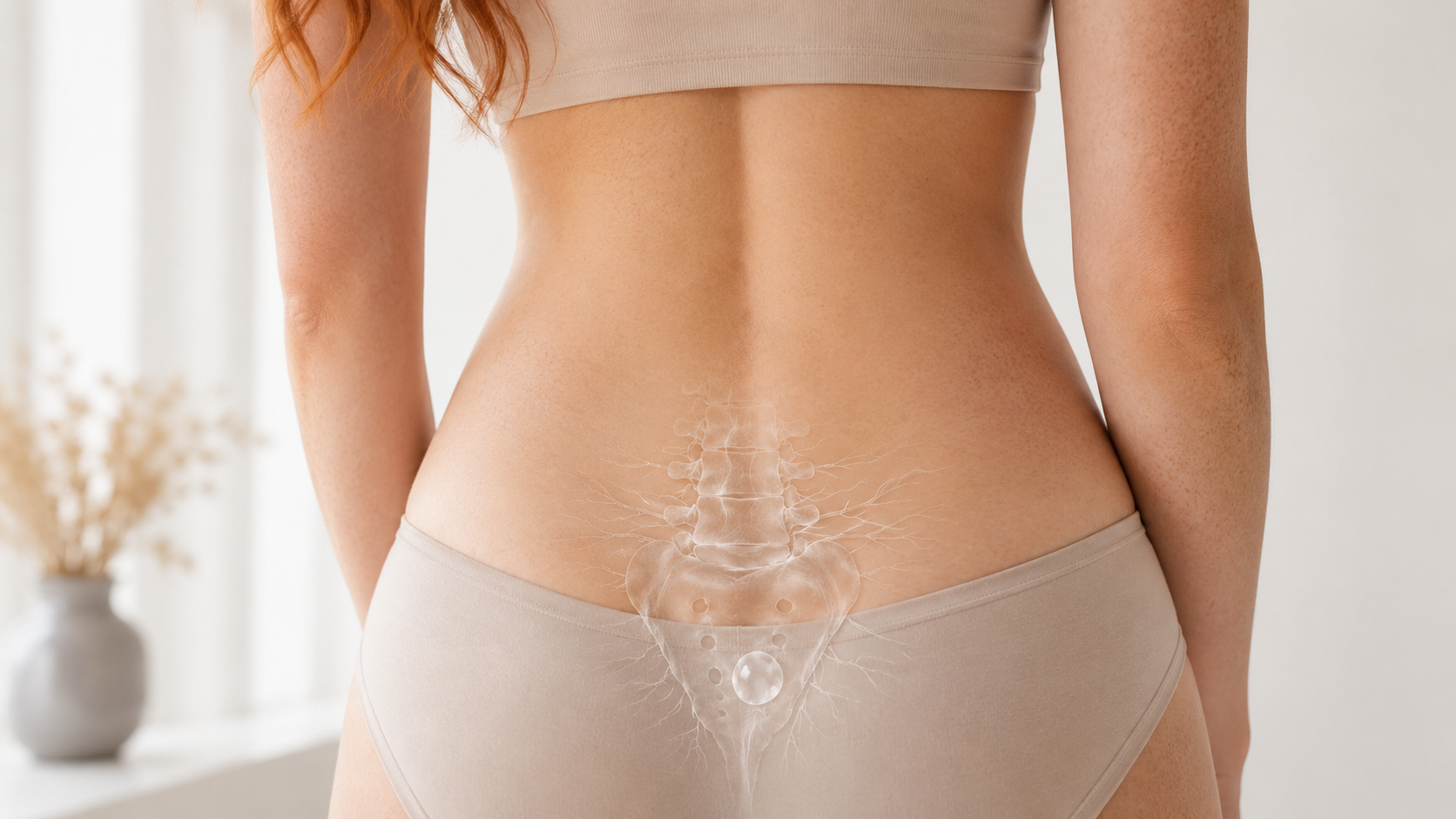
Tarlov Cyst
Tarlov cysts are fluid-filled sacs around nerve roots, often in the sacrum. We compare their location with sacral or pelvic pain, leg tingling, and bowel or bladder changes to assess whether a cyst is contributing and whether specialist review is warranted.
-
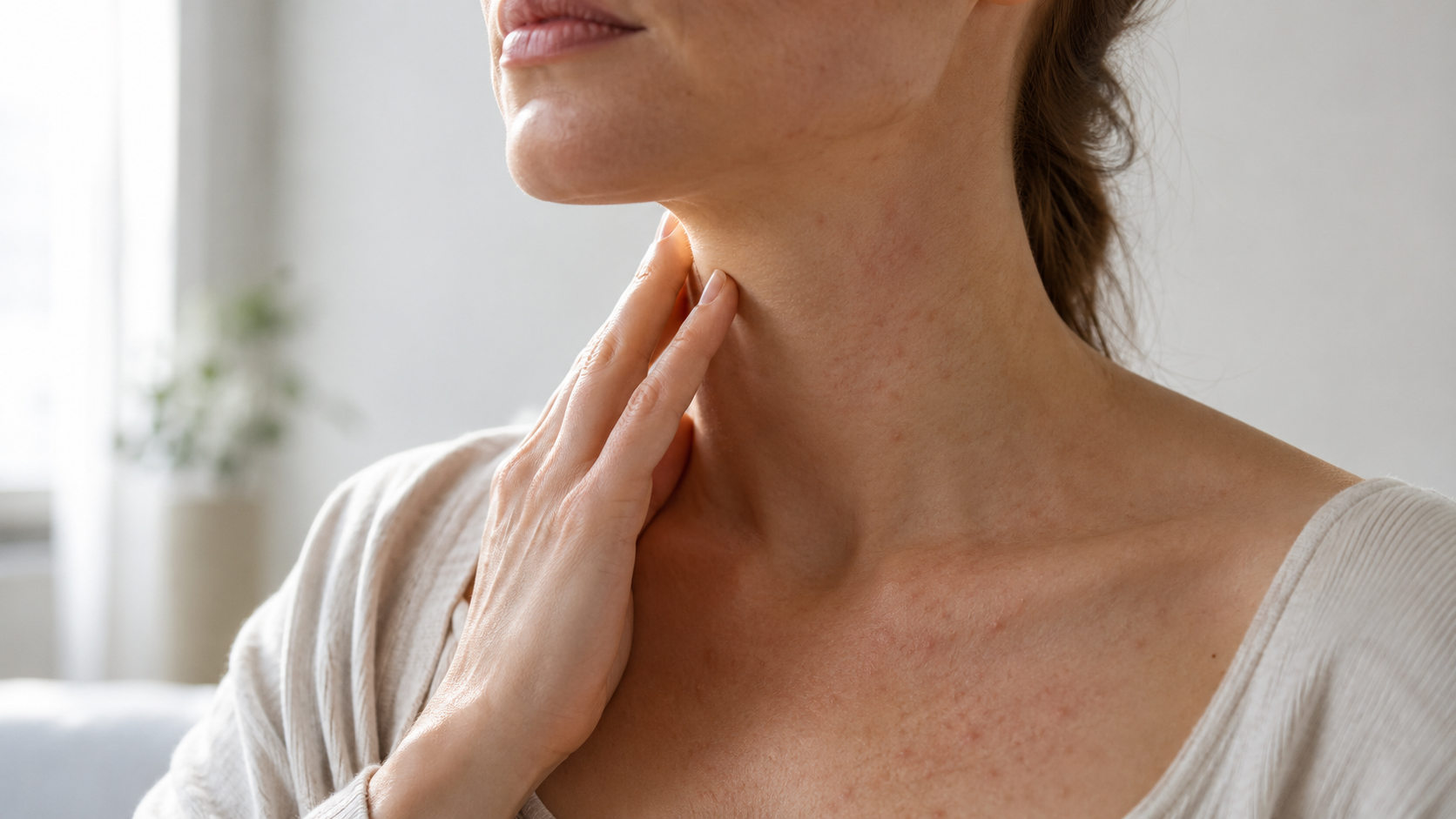
EBV-Related Pain
After an Epstein-Barr virus illness, some people experience lingering fatigue, body aches, headaches, or joint pain. We review the timing and symptom pattern and consider overlapping inflammatory, autoimmune, or nervous system contributors.
-
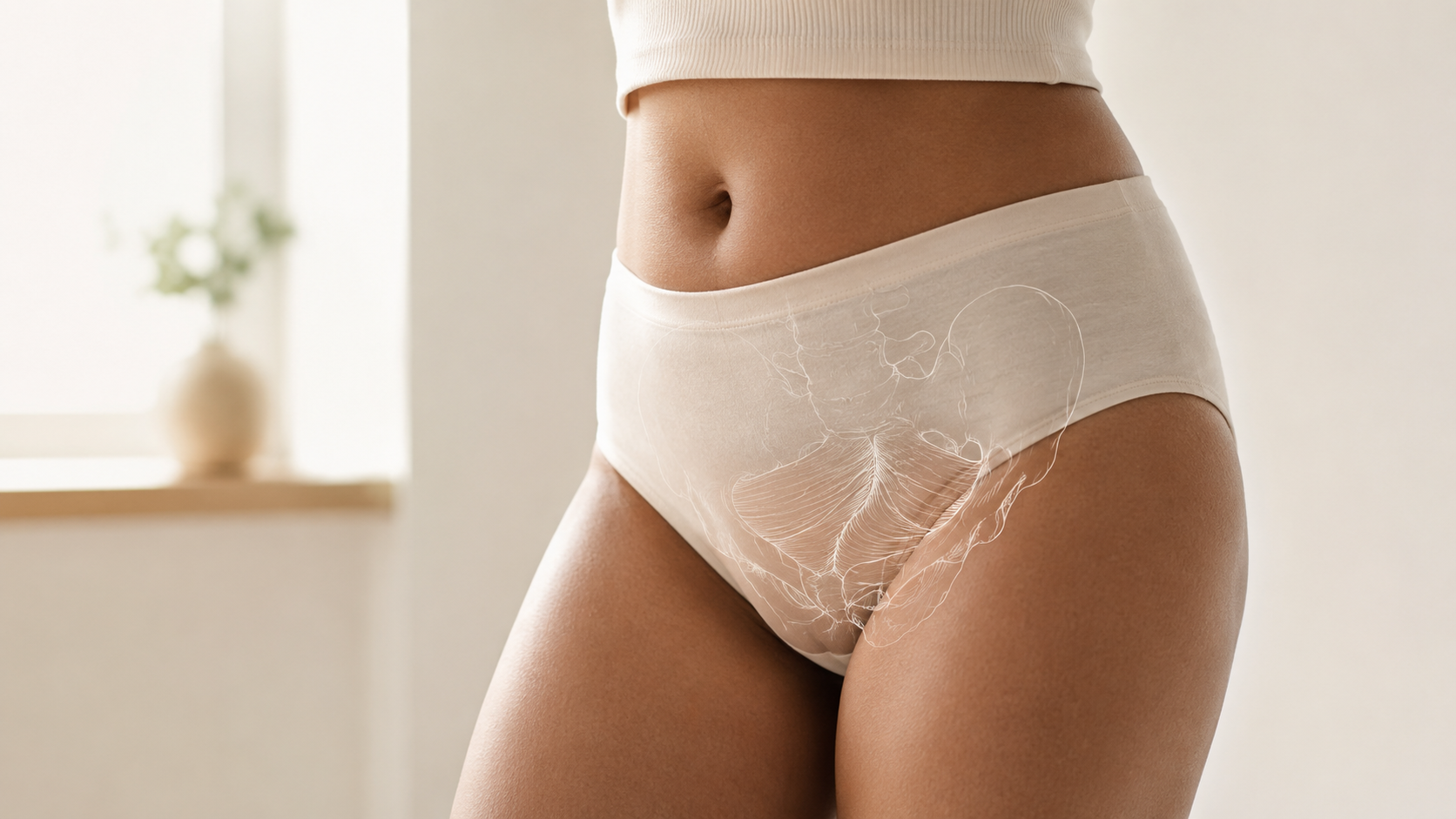
Pelvic Floor Dysfunction
Pelvic floor dysfunction occurs when pelvic muscles have trouble relaxing, contracting, or coordinating. We review pelvic pain, bowel and bladder changes, and pain with sex, then assess how muscle tension, nerve symptoms, and hip or low back pain may be connected.
-
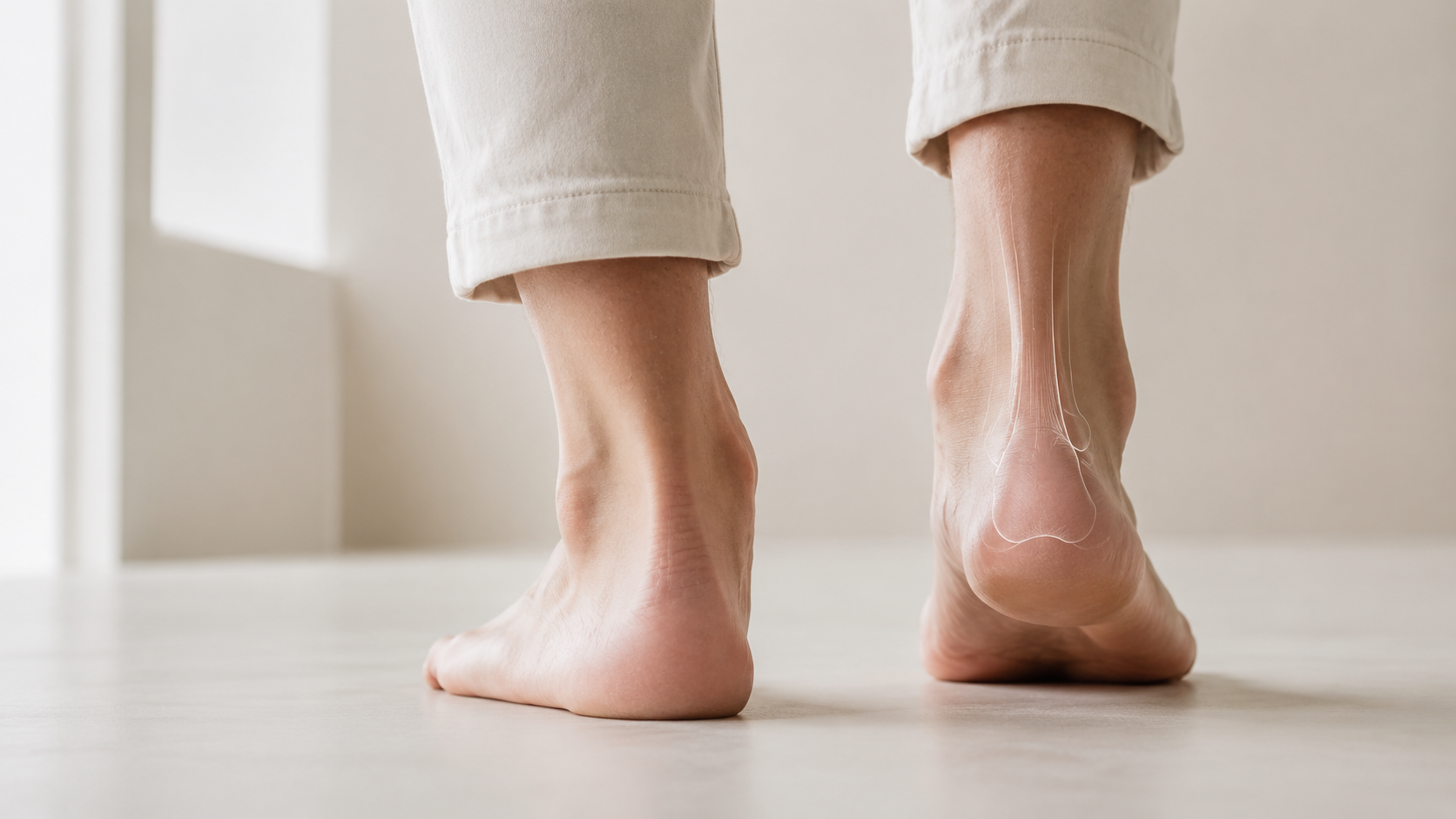
Enthesitis
Enthesitis is inflammation where a tendon or ligament attaches to bone and can cause deep, localized pain. We assess the pattern and look for clues that distinguish inflammatory disease, such as spondyloarthritis, from load-related tendon pain.
-
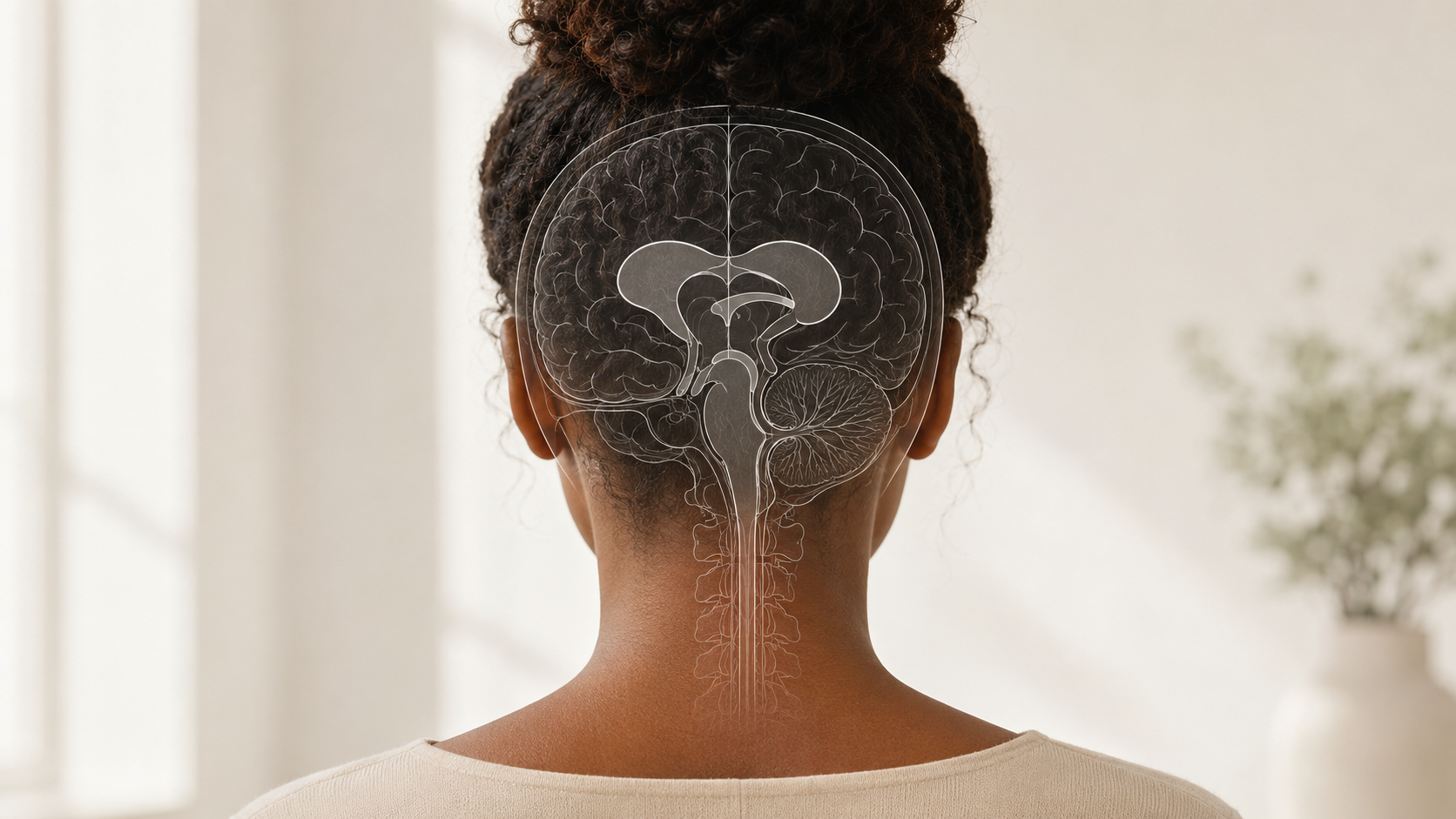
CSF Outflow Obstruction
Changes in the outflow of cerebrospinal fluid can be considered in complex cases involving pressure headaches, neck pain, dizziness, or visual symptoms. We review the symptom pattern and compare it with imaging and overlapping Chiari-like or autonomic symptoms.
-
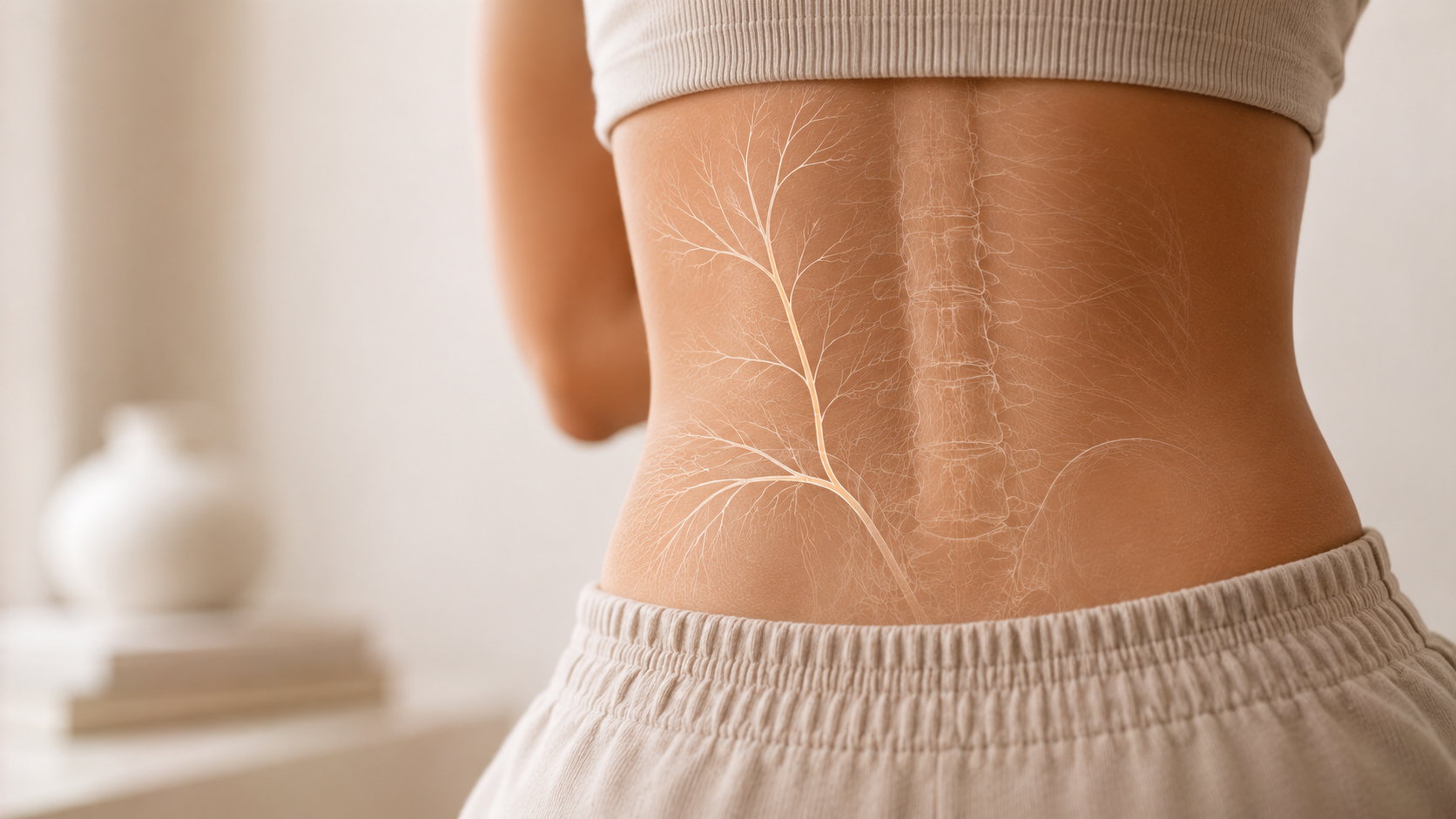
Cluneal Neuralgia
Cluneal neuralgia occurs when small sensory nerves are irritated or trapped, causing pain across the lower back or top of the buttock. We map tenderness and radiating symptoms to distinguish cluneal nerve pain from lumbar spine, SI joint, hip, or pelvic pain.
-

Anterior Pelvic Tilt
Anterior pelvic tilt is a forward position of the pelvis that may contribute to low back, hip, SI joint, or pelvic pain. We assess how symptoms change with movement and loading and check for other sources in the hip, spine, or pelvic floor.
-

Trigeminal Autonomic Cephalalgias (TACs)
Trigeminal autonomic cephalalgias cause severe one-sided head or facial pain with symptoms such as tearing, eye redness, or nasal congestion. We use attack duration, frequency, and symptoms on the painful side to distinguish cluster headache and related disorders.
-
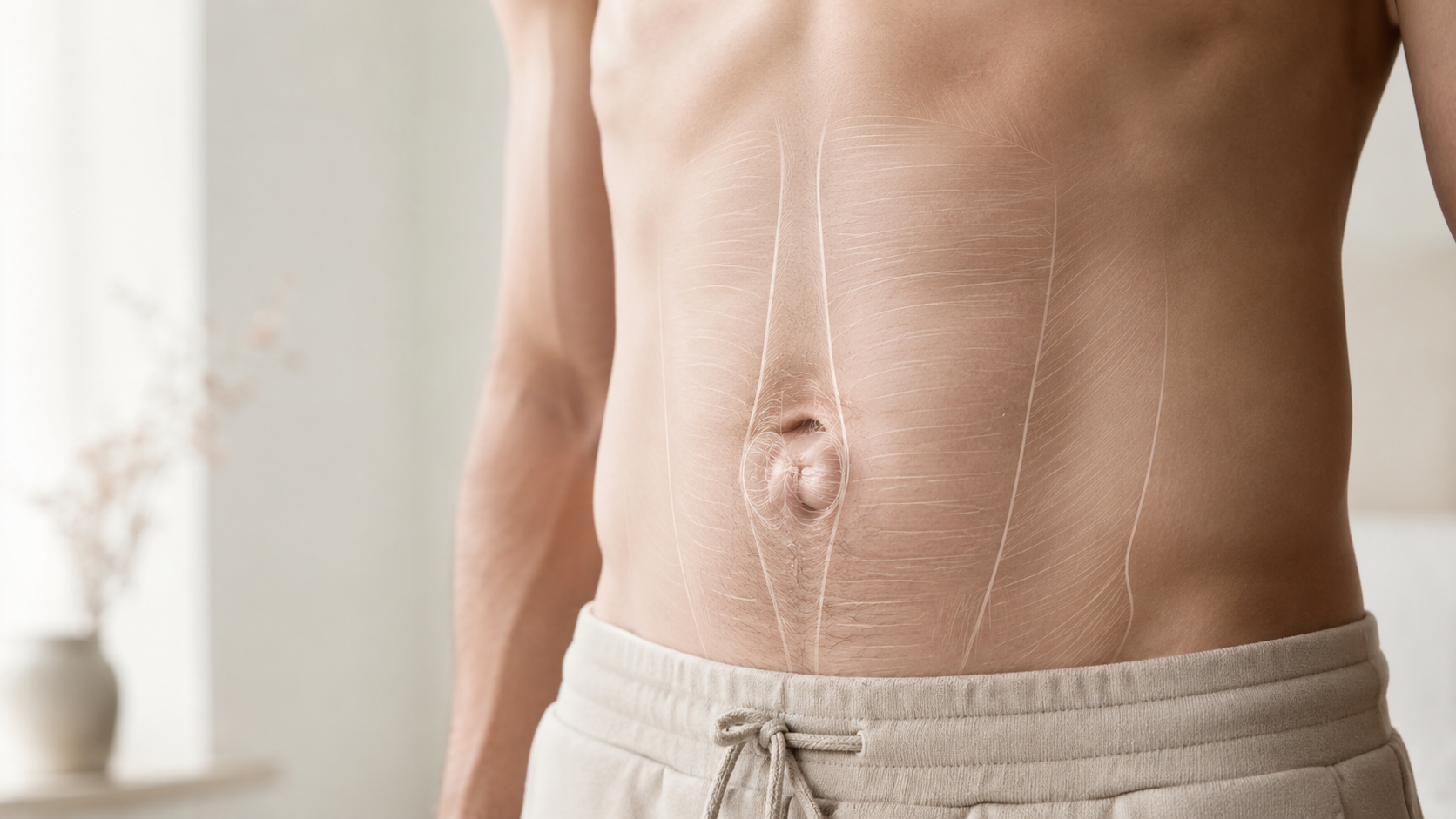
Umbilical Hernia Pain
An umbilical hernia can cause a bulge, pressure, or pain near the belly button. We assess whether the discomfort fits the hernia or may involve an entrapped abdominal wall nerve, scar tissue, pelvic pain, or nerve irritation after surgery.
-
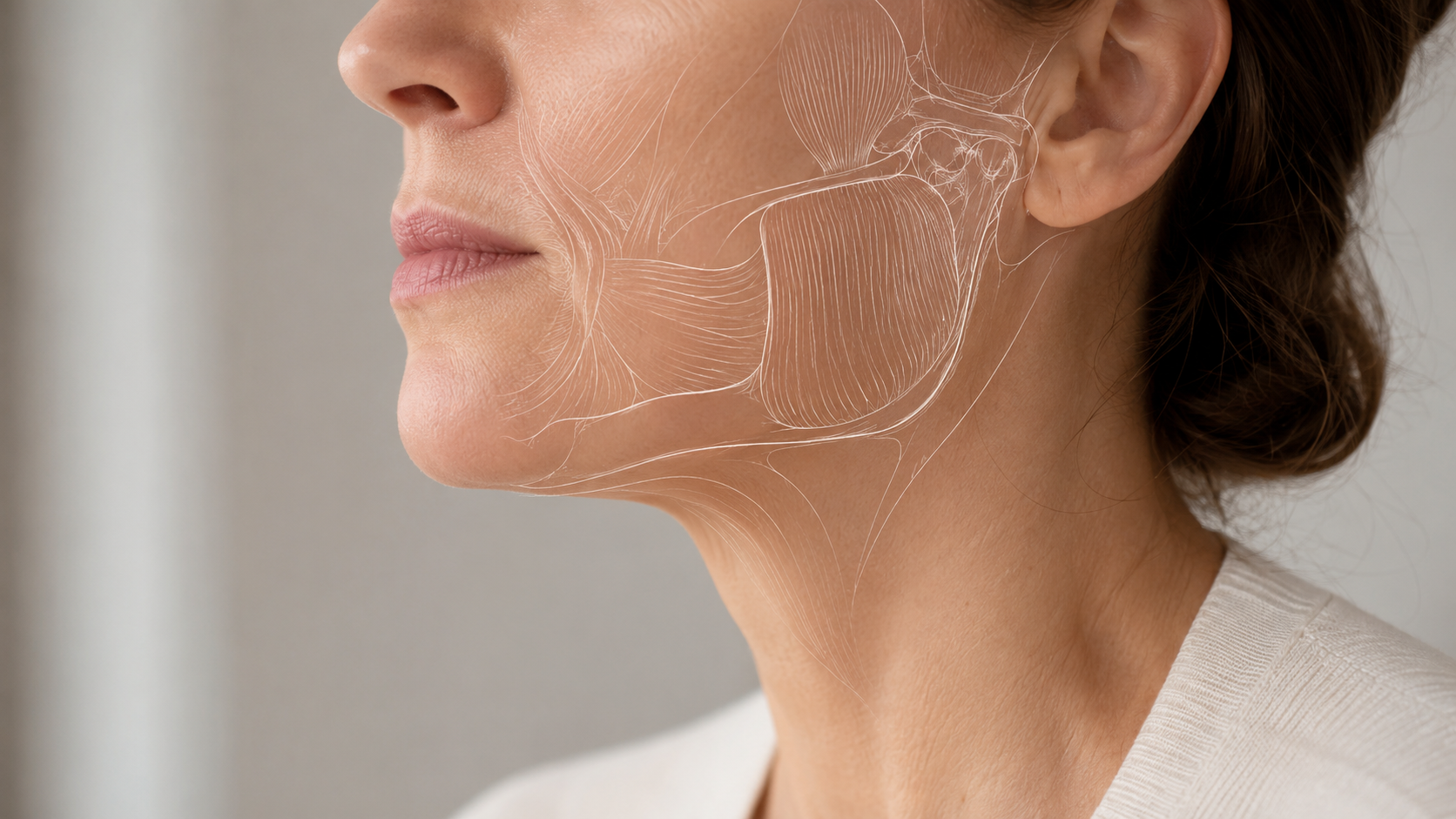
Orofacial Dystonia
Orofacial dystonia causes involuntary jaw, face, or tongue contractions that can affect chewing, speech, or swallowing. We assess the movement pattern and consider overlapping TMJ dysfunction, clenching, migraine, dental conditions, and facial nerve pain.
-
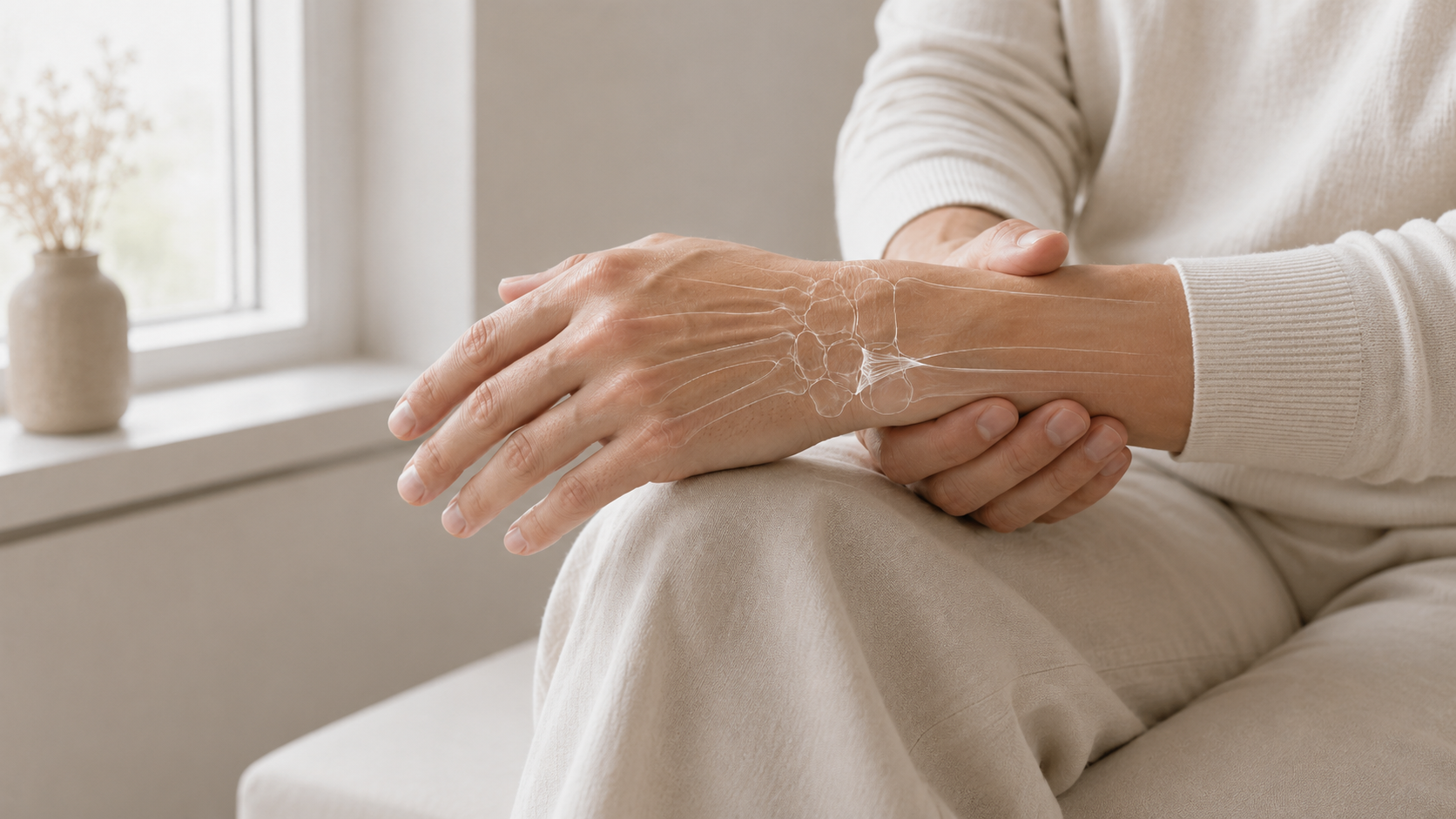
TFCC Injury
A TFCC injury affects structures that stabilize the little-finger side of the wrist and can cause pain, clicking, or a weak grip. We assess how turning, gripping, and loading the wrist reproduce symptoms and look for instability or overlapping tendon pain.
-
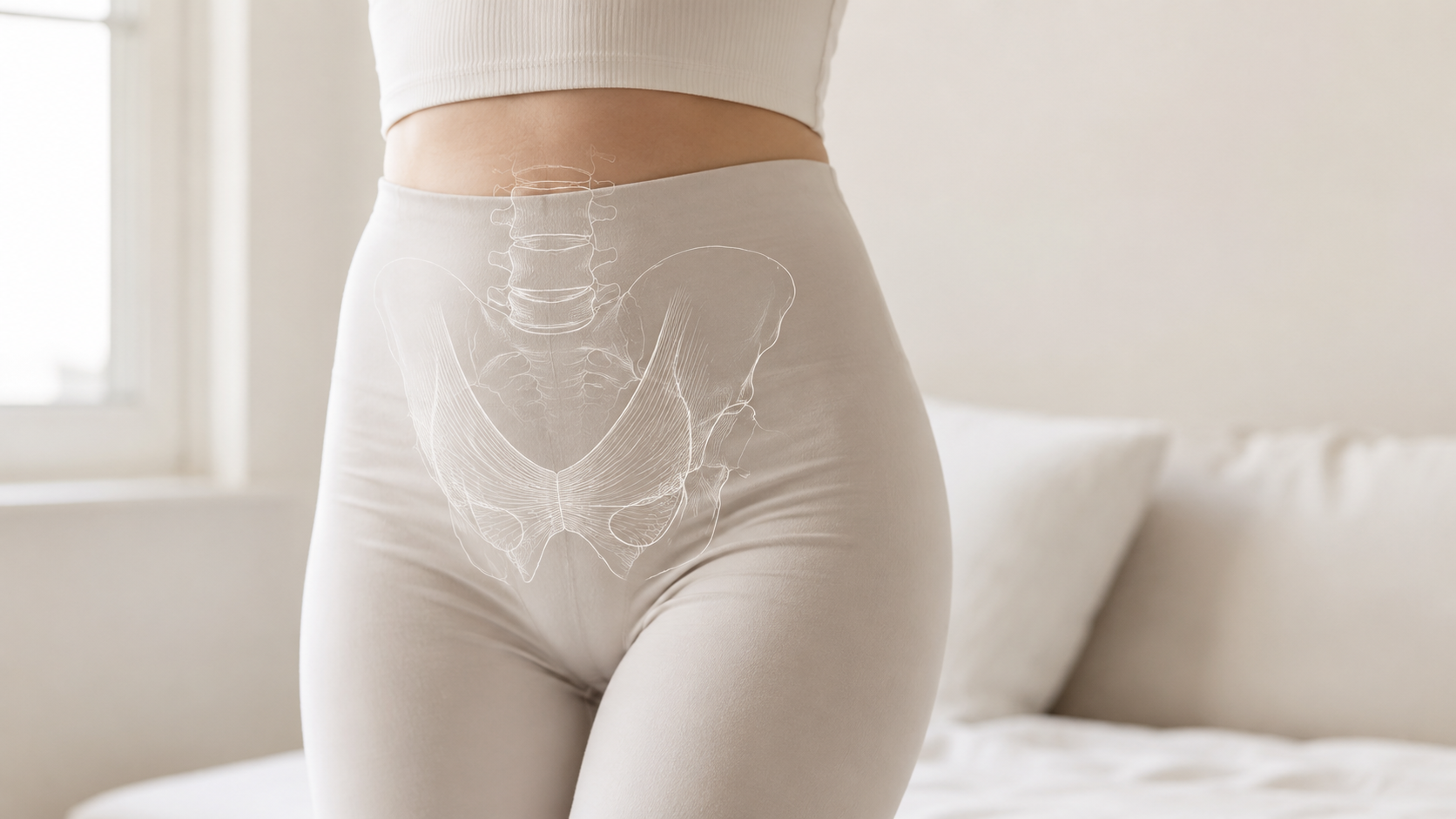
Pelvic Dystonia
Pelvic dystonia involves involuntary pelvic floor spasms that can cause deep aching, pressure, burning, or pain with sex, urination, or bowel movements. We assess how the muscles, pelvic nerves, and mechanics interact and look for contributors like endometriosis or hypermobility.