EBV-Related Pain
Epstein-Barr virus, or EBV, is a common virus best known for causing infectious mononucleosis. Acute EBV infection can cause fatigue, fever, sore throat, swollen lymph nodes, headache, body aches, rash, and sometimes enlargement of the spleen or liver. Most people improve within a few weeks, but some feel fatigued for weeks or months afterward.
For some patients, the difficult part begins after the acute illness. They may continue to experience fatigue, body aches, headaches, brain fog, joint pain, nerve-like pain, sore throat, swollen glands, or flares. These symptoms are real and can be disruptive. However, persistent symptoms should not automatically be attributed to active EBV or EBV reactivation. EBV is common, and antibody tests often reflect past infection.
What EBV-Related Pain May Feel Like
Patients searching for EBV-related pain treatment in Manhattan may describe body aches, joint pain, muscle pain, headaches, nerve-like burning or tingling, widespread sensitivity, fatigue after activity, brain fog, or flu-like flares. Some symptoms may resemble fibromyalgia, central sensitization, ME/CFS-like illness, headache and migraine, post-COVID pain, autonomic dysfunction, or autoimmune-related pain.
The timing matters. Pain that begins during or shortly after mono may raise different questions than pain that starts years after a positive EBV antibody test. A diagnosis-first evaluation reviews the timeline, symptom pattern, prior testing, and possible competing explanations.
EBV, Fatigue, and Post-Viral Syndromes
ME/CFS can begin after an acute infection, including Epstein-Barr infection. Pain is also common in ME/CFS, including muscle pain, joint pain without swelling or redness, and headaches. This does not mean every patient with post-EBV fatigue has ME/CFS. It means persistent fatigue, pain, and post-exertional symptom flares deserve thoughtful evaluation.
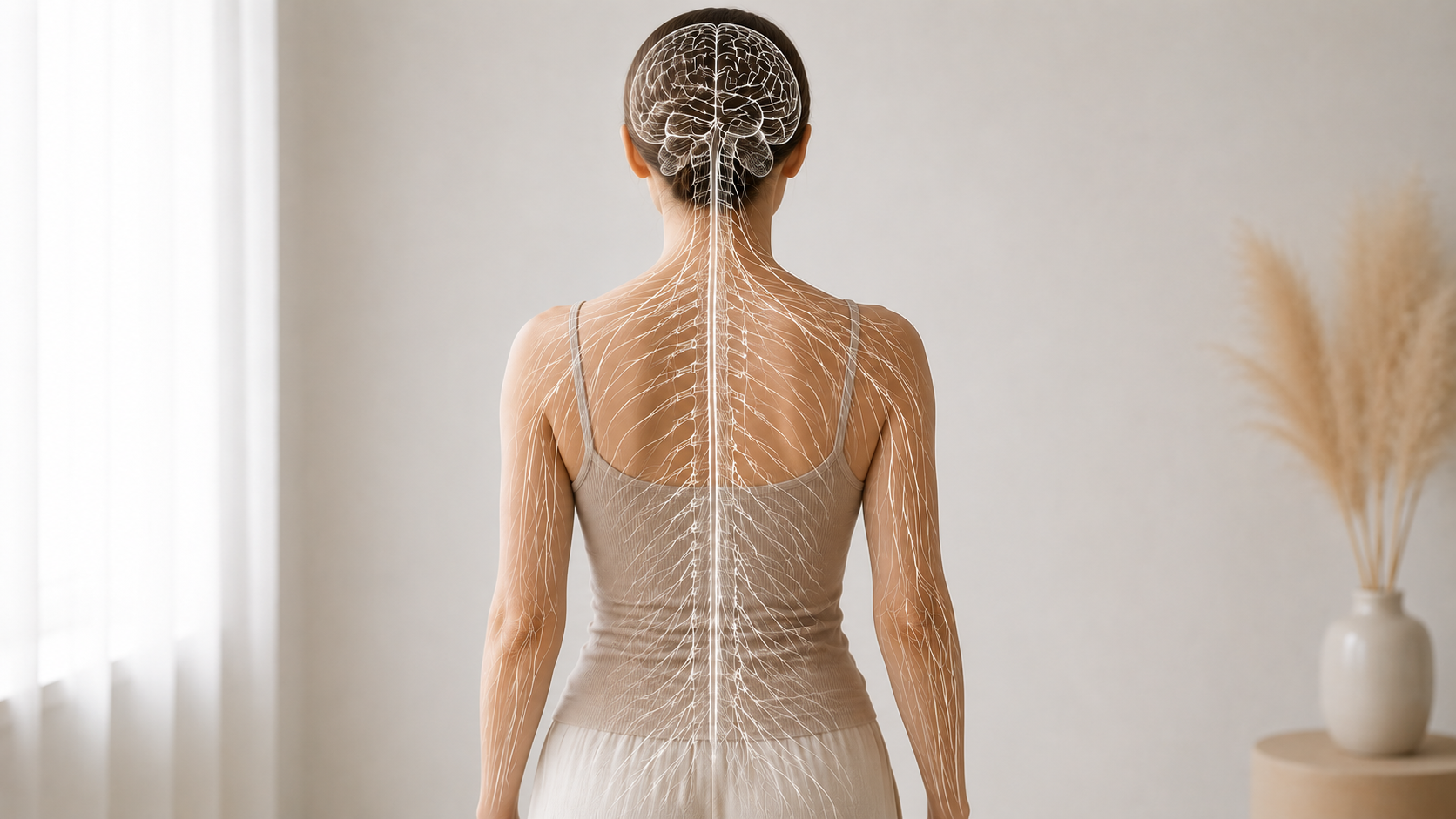
Patients may also experience post-viral nervous system sensitivity. This may include pain amplification, activity intolerance, sleep disruption, autonomic symptoms, and heightened sensitivity to stress, movement, or exertion. MPM evaluates whether symptoms appear primarily post-viral, centralized, headache-related, autonomic, inflammatory, neuropathic, or mixed.
EBV and Autoimmune or Neurologic Conditions
EBV has been studied in relation to autoimmune and neurologic disease. Research has identified an association between EBV and multiple sclerosis risk, while also recognizing that EBV alone is not sufficient to trigger MS. Research has also explored possible relationships between EBV and systemic autoimmune diseases such as lupus and Sjogren’s syndrome. These associations are important scientifically, but they should not be translated into a simple explanation for an individual patient’s pain without proper evaluation.
If symptoms suggest autoimmune disease, neurologic disease, neuropathy, or inflammatory pain, additional evaluation may be needed. This can include rheumatology, neurology, infectious disease, primary care, cardiology, or autonomic testing depending on the clinical picture.
Why EBV Antibodies Can Be Confusing
EBV antibody results can show whether a person has had EBV in the past, whether infection may be recent, or whether certain patterns need interpretation by a clinician. Because most adults have been exposed to EBV, positive antibody results are common. A positive EBV result does not automatically prove that chronic pain, fatigue, headache, or brain fog is caused by active EBV.
This distinction matters because over-attributing symptoms to EBV can delay evaluation for other conditions, such as thyroid disease, anemia, autoimmune disease, neurologic disorders, long COVID, ME/CFS, headache disorders, autonomic dysfunction, malignancy, medication effects, or central pain syndromes. MPM evaluates EBV-related concerns in the broader context of the patient’s full health picture.
How MPM Evaluates EBV-Related Pain
MPM begins with a detailed history. This includes when the EBV or mono illness occurred, whether it was confirmed, what symptoms persisted, what labs were abnormal, what treatments have been tried, and whether symptoms flare with exertion, stress, poor sleep, infection, meals, posture, or hormonal changes.
The evaluation also considers headache and migraine, peripheral neuropathy, fibromyalgia, central pain syndromes, MCAS-like symptoms, autonomic dysfunction, autoimmune-related pain, arthritis joint pain, undifferentiated connective tissue disease, neurological conditions, and psychological threat physiology. Pain psychology is not used because symptoms are imagined. It is used because chronic symptoms can affect the nervous system, stress response, coping, sleep, pacing, and function.
Treatment Options for EBV-Related Pain Patterns
There is no single pain treatment that clears EBV or proves EBV is the active cause. Treatment depends on the pain pattern. Medication management may help with headache, neuropathic pain, widespread pain, sleep, or flare burden when appropriate. Pain psychology and biofeedback may support nervous system regulation, pacing, symptom fear, and activity planning. Acupuncture and Feldenkrais may help selected patients with movement, body awareness, and chronic pain management.
Headache-directed care may be important when EBV-related symptoms overlap with migraine or chronic headache. Botulinum toxin injections may be relevant for selected headache or muscle-related patterns, not as treatment for EBV itself. Lidocaine and ketamine infusions or ketamine therapy may be discussed only in selected chronic pain patterns and should not be presented as antiviral therapy. Regenerative medicine should not be described as treating EBV-related pain directly.
When to Seek Urgent Medical Evaluation
Persistent post-viral symptoms deserve care, but some symptoms should be addressed urgently. Patients should seek urgent evaluation for severe headache, confusion, fainting, chest pain, shortness of breath, severe abdominal pain, high fever, jaundice, new neurologic deficits, rapidly worsening weakness, stiff neck, or concern for spleen enlargement after mono. These symptoms may require emergency, infectious disease, GI, neurologic, or medical evaluation.
How MPM Approaches EBV-Related Pain Care
MPM approaches EBV-related pain through a diagnosis-first, coordinated model. The evaluation considers post-viral pain, central sensitization, autoimmune and inflammatory disease, autonomic dysfunction, headache and migraine, neuropathy, fibromyalgia-like symptoms, MCAS-like symptoms, fatigue, sleep, stress physiology, and function.
For patients looking for EBV-related pain treatment in Manhattan, MPM offers a careful, clinically grounded approach to persistent pain and fatigue after EBV. The goal is to validate the symptom burden, avoid unsupported assumptions, identify treatable contributors, and build a coordinated care plan that supports function, clarity, and safer long-term management.