CSF Outflow Obstruction
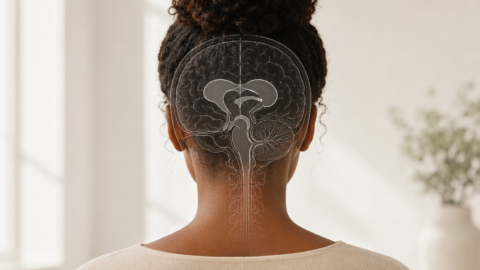
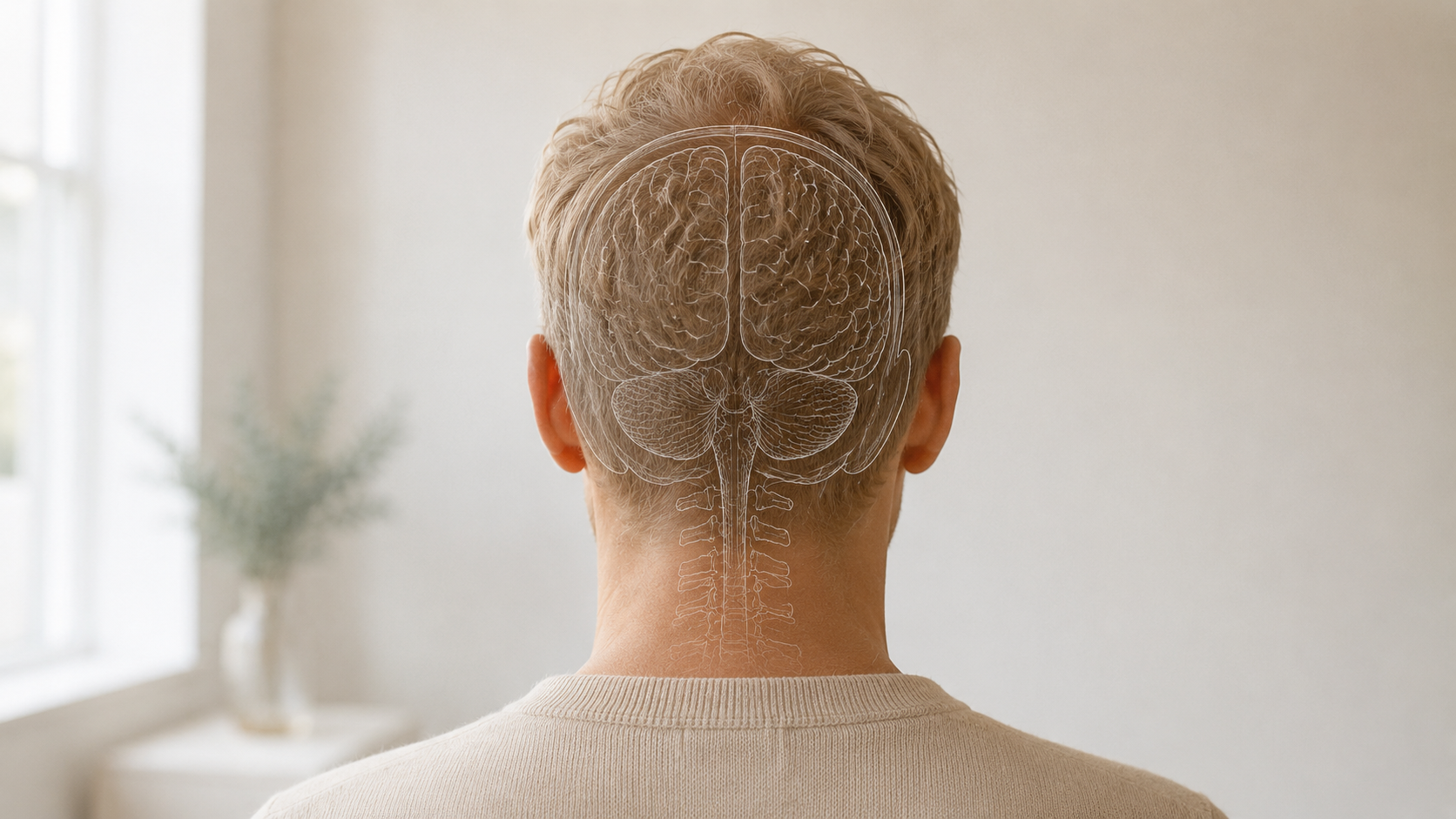
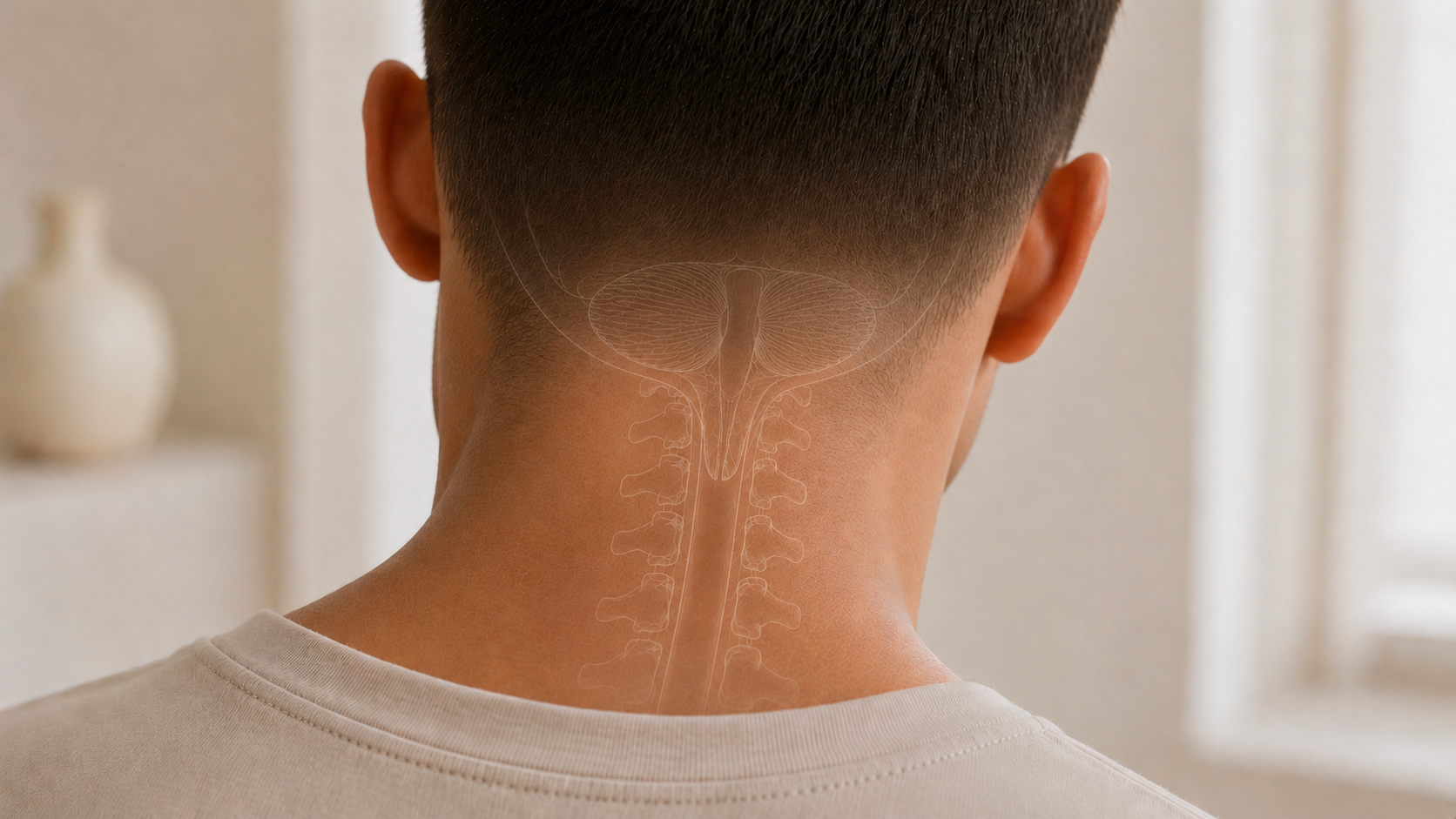
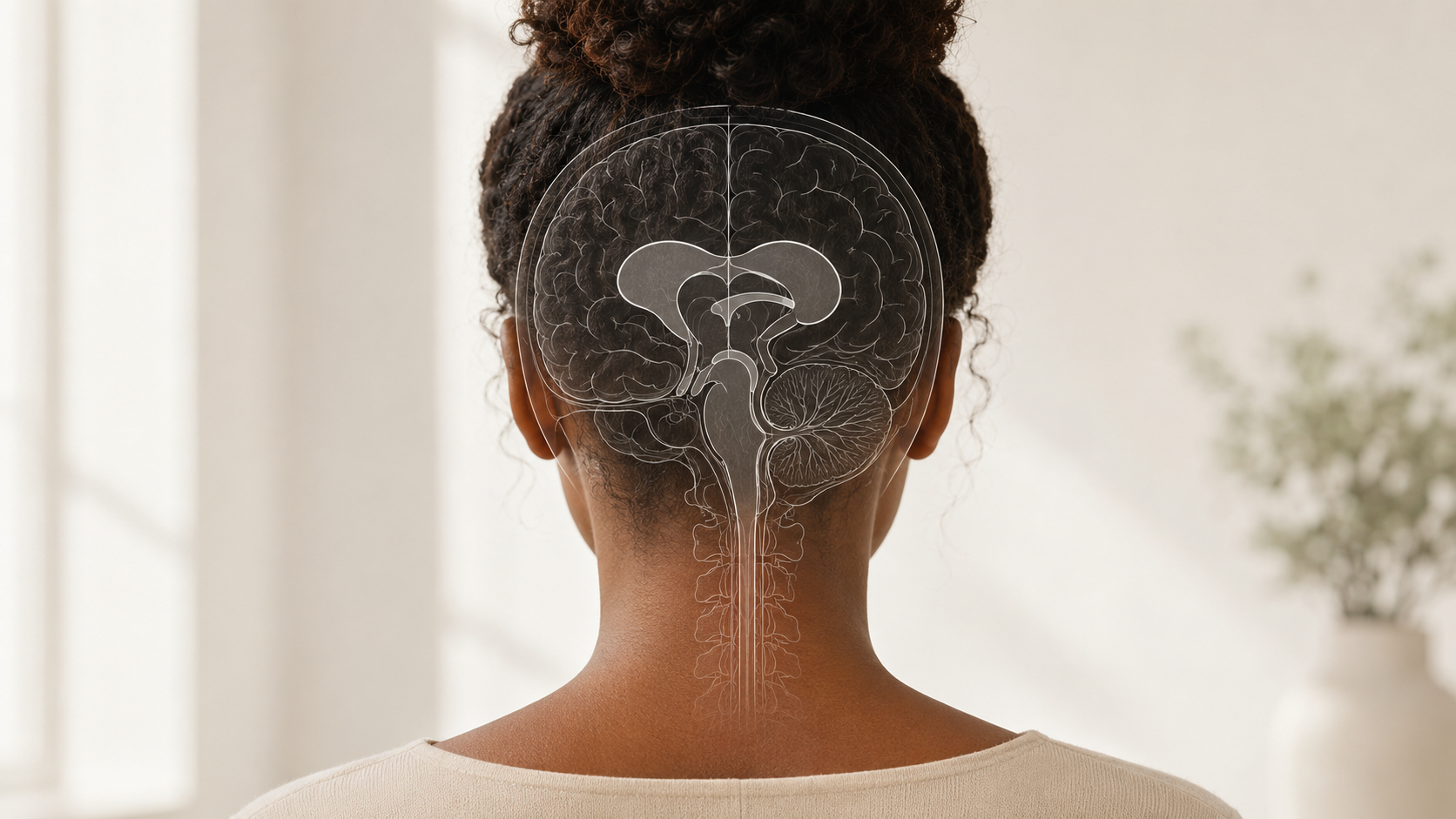
Cerebrospinal fluid, or CSF, is the fluid that surrounds the brain and spinal cord. It circulates through spaces in and around the nervous system and helps support cushioning, nutrient movement, waste clearance, and pressure balance.
CSF outflow obstruction refers to impaired or restricted movement of this fluid through normal pathways. In some patients, this may be associated with Chiari malformation, narrowing at the craniocervical junction, altered CSF flow dynamics, intracranial pressure disorders, venous outflow issues, or other neurologic and neurosurgical conditions.
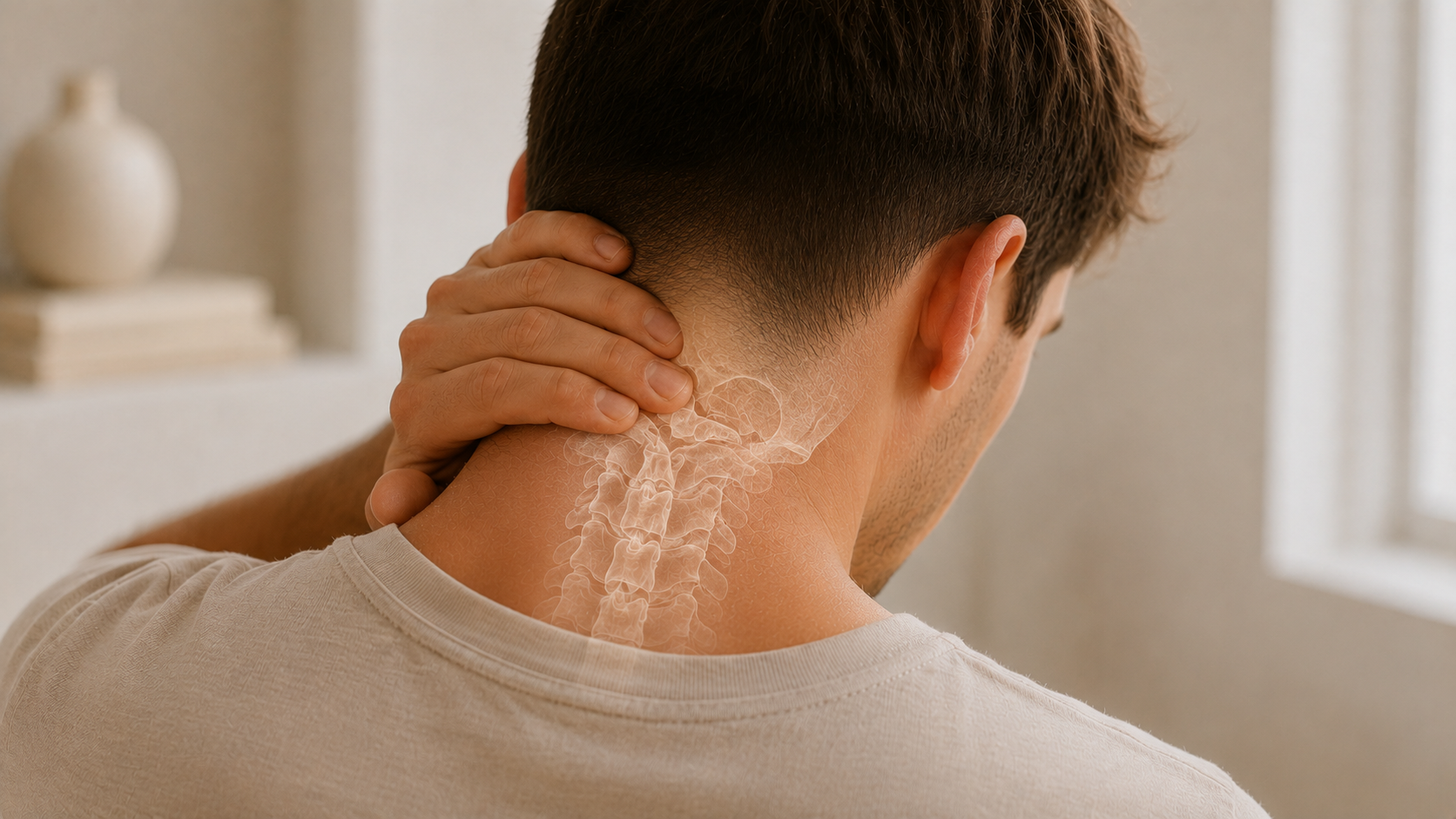
Because CSF flow and pressure are closely connected to the brain, spine, and skull base, suspected obstruction can be associated with headache, pressure symptoms, neck pain, dizziness, visual symptoms, nausea, brain fog, or neurologic complaints. However, these symptoms are not specific to CSF obstruction and should not be used alone to make the diagnosis.
Why CSF-Related Symptoms Can Be Confusing
Patients with suspected CSF flow problems often have symptoms that overlap with several other conditions. A person may have headaches that worsen with coughing, straining, bending, or position changes. They may also have neck pain, dizziness, blurred vision, brain fog, nausea, balance issues, autonomic symptoms, or fatigue.
These symptoms can be frightening and disruptive, but they can come from many different sources. Chronic migraine, Chiari malformation, craniocervical instability, intracranial hypertension, CSF leak, vestibular migraine, cervical spine disorders, POTS, EDS, hypermobility spectrum disorder, post-COVID pain, inflammatory disease, medication effects, medical trauma, and central pain sensitization can all create overlapping symptom patterns.
This is why diagnosis-first evaluation matters. MPM does not treat CSF outflow obstruction as a symptom label. The goal is to understand whether there is a CSF-related process, another headache disorder, an upper cervical pain generator, an autonomic disorder, a hypermobility-related contributor, or a mixed pattern.
CSF Outflow Obstruction, Chiari Malformation, and CCI
CSF flow concerns are often discussed in relation to Chiari malformation because Chiari may affect CSF movement near the base of the skull and upper cervical spine in selected patients. Some patients may need specialized imaging or neurosurgical evaluation to determine whether a Chiari finding is clinically significant.
Craniocervical instability may also enter the discussion for patients with EDS, HSD, upper neck pain, headaches, dizziness, brain fog, and neurologic symptoms. CCI and Chiari are different conditions, but symptoms may overlap. Some patients may need careful imaging review, neurologic evaluation, and specialist input to understand whether either condition is contributing.
MPM evaluates these possibilities carefully while avoiding overdiagnosis. Not every patient with headache and hypermobility has CCI. Not every patient with Chiari has CSF obstruction. Not every pressure headache is intracranial hypertension. The evaluation must connect symptoms, exam findings, imaging, and specialist interpretation.
CSF Flow Problems and Intracranial Pressure Symptoms
CSF flow obstruction and intracranial hypertension are related concepts but not the same diagnosis. CSF outflow obstruction refers to impaired movement or drainage of cerebrospinal fluid. Intracranial hypertension refers to elevated pressure inside the skull.
Patients with intracranial pressure concerns may report pressure headaches, visual symptoms, pulsatile tinnitus, nausea, dizziness, or symptoms that change with position. These concerns may require ophthalmologic evaluation, neurologic assessment, venous imaging, lumbar puncture, or other specialist-directed testing depending on the clinical presentation.
MPM does not replace neurologic, ophthalmologic, or neurosurgical evaluation for suspected intracranial pressure disorders. MPM’s role is to help evaluate pain patterns, coordinate care, and address overlapping pain generators when appropriate.
How MPM Evaluates Suspected CSF-Related Pain
MPM begins by reviewing the patient’s full symptom history, including headache location, pressure symptoms, positional changes, cough or strain triggers, neck pain, dizziness, visual symptoms, nausea, balance issues, autonomic symptoms, prior imaging, prior diagnoses, and treatment response.
The evaluation may include headache classification, musculoskeletal assessment, upper cervical pain mapping, trigger point and myofascial assessment, hypermobility-aware review, autonomic symptom screening, medication history, and review of red flags that require urgent or specialist evaluation.
When CSF flow concerns are suspected, MPM may coordinate with neurology, neurosurgery, neuroradiology, ophthalmology, cardiology, genetics, rheumatology, ENT, vestibular therapy, physical therapy, behavioral health clinicians, or primary care.
The Role of Imaging and Cine MRI
CSF flow problems are often evaluated through imaging. Standard MRI may identify Chiari malformation, structural abnormalities, ventricular changes, or other findings. Cine MRI may be considered in selected cases to evaluate CSF motion, especially around the craniocervical junction.
However, imaging findings must be interpreted in context. A finding may be significant in one patient and incidental in another. Similarly, a patient can have severe symptoms even when imaging does not provide a simple answer. This is why symptom mapping, neurologic evaluation, and specialist interpretation are important.
MPM reviews available imaging and prior workups to help determine whether additional specialist input is needed and whether pain-focused care may address overlapping contributors.
Treatment Options for CSF-Related Headache and Pain
Treatment depends on the diagnosis. If symptoms are caused by a structural CSF flow problem, Chiari malformation, intracranial hypertension, CSF leak, or another neurologic condition, care should be directed by the appropriate specialist.
When symptoms are driven by overlapping headache, neck pain, myofascial pain, autonomic dysfunction, hypermobility-related mechanics, or chronic pain sensitization, MPM may support non-surgical pain management. This may include medication coordination, headache-directed care, acupuncture, Feldenkrais, biofeedback, pain psychology, trigger point injections, diagnostic ultrasound when appropriate, and selected ultrasound-guided procedures for clearly identified pain generators.
Pain psychology and biofeedback may be helpful when chronic symptoms create fear, vigilance, sleep disruption, medical trauma, stress physiology, or difficulty reengaging with care. These tools do not mean symptoms are imagined. They can support nervous system regulation, coping, pacing, and function while medical evaluation continues.
Image-Guided and Interventional Options
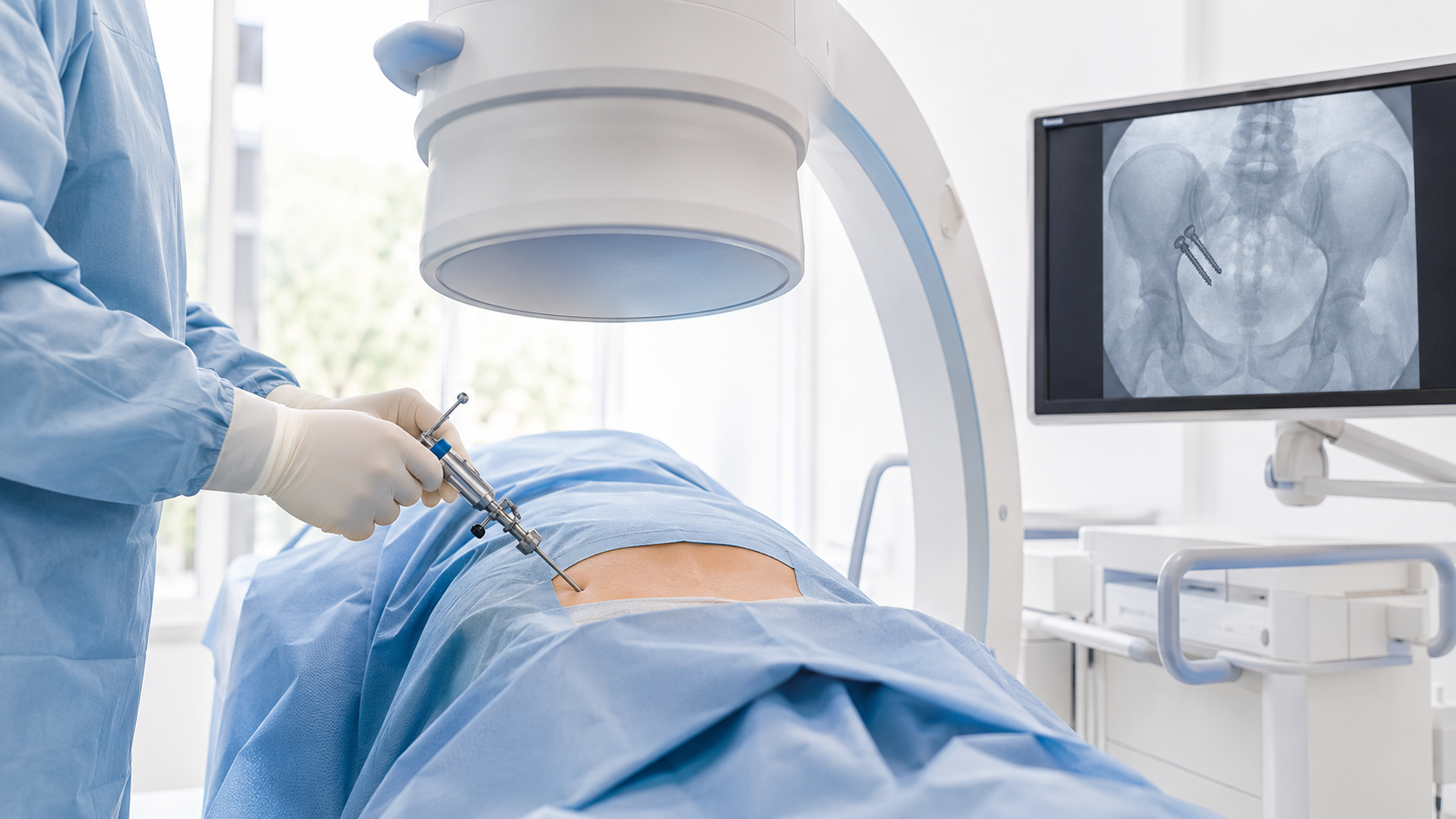
Some patients with suspected CSF-related symptoms also have separate musculoskeletal or upper cervical pain generators. In those cases, targeted procedures may be considered only when the diagnosis supports them.
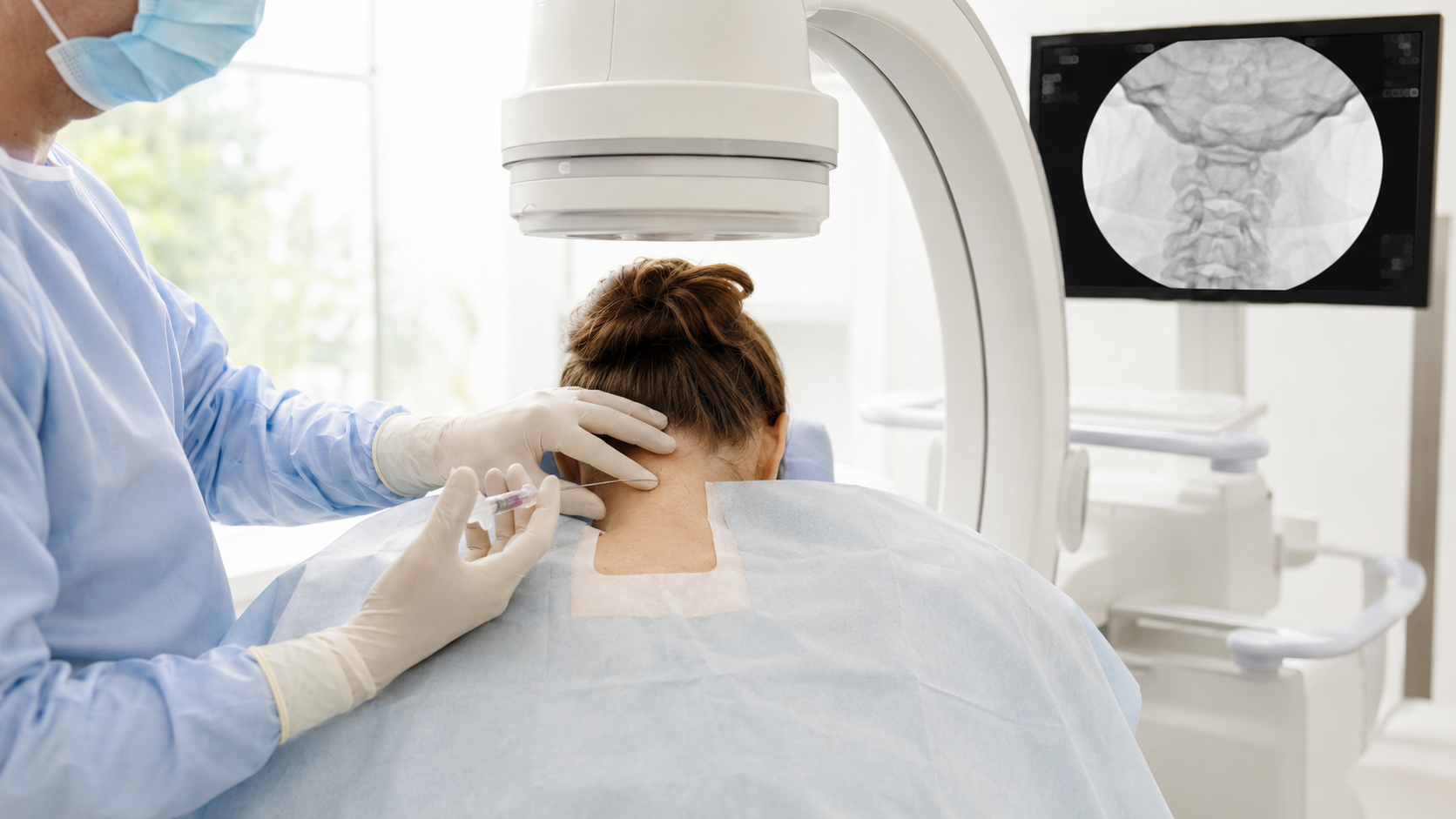
For example, trigger point injections may be considered when myofascial pain is a meaningful contributor. C1/2 facet injections may be considered only when the upper cervical facet joint is strongly suspected to be a pain generator. Ultrasound-guided injections may be used for selected peripheral, soft tissue, or musculoskeletal pain sources.
These procedures do not treat CSF outflow obstruction itself. They should not be presented as substitutes for neurology, neurosurgery, neuroradiology, or pressure-related evaluation when those are needed.
Stellate ganglion blocks, prolotherapy, PRP, BMAC, regenerative medicine, CSF diversion procedures, decompression surgery, or other interventions should not be presented as universal treatments. Each requires diagnosis-specific evaluation, risk discussion, and specialist guidance.
When Specialty Care May Be Needed
Patients with suspected CSF outflow obstruction may need neurology, neurosurgery, neuroradiology, or ophthalmology evaluation, especially when symptoms include progressive neurologic changes, visual symptoms, suspected intracranial pressure disorder, Chiari malformation, syrinx, CSF leak concern, or structural findings on imaging.
MPM helps coordinate care when symptoms are complex and involve multiple possible contributors. This can be especially important for patients with EDS, HSD, POTS, MCAS-like symptoms, chronic migraine, CCI concerns, medical trauma, or long histories of unclear symptoms.
When Symptoms Require Urgent Evaluation
Patients should seek urgent evaluation for sudden severe headache, new weakness or numbness, vision loss, loss of coordination, fainting, trouble speaking or swallowing, new bowel or bladder dysfunction, fever, major trauma, severe progressive neurologic symptoms, chest pain, shortness of breath, or rapidly worsening symptoms.
These symptoms may reflect stroke, infection, spinal cord compression, vascular emergency, intracranial pressure concern, traumatic injury, or another serious condition. Pain medicine should not replace emergency evaluation when red flags are present.
How MPM Approaches CSF-Related Care
MPM approaches suspected CSF outflow obstruction through a diagnosis-first, coordinated model. The goal is to clarify the symptom pattern, review available imaging, identify pain generators, avoid premature assumptions, and coordinate with the right specialists.
For patients looking for CSF outflow obstruction treatment in NYC, MPM offers a structured pain medicine perspective that considers CSF flow concerns, Chiari malformation, CCI, intracranial hypertension, chronic migraine, upper cervical pain, EDS, HSD, POTS, MCAS-like symptoms, post-COVID pain, medical trauma, and complex chronic pain.
The goal is to help patients understand what may be contributing to their symptoms, identify appropriate next steps, and build a careful plan that supports safety, function, and coordinated care.