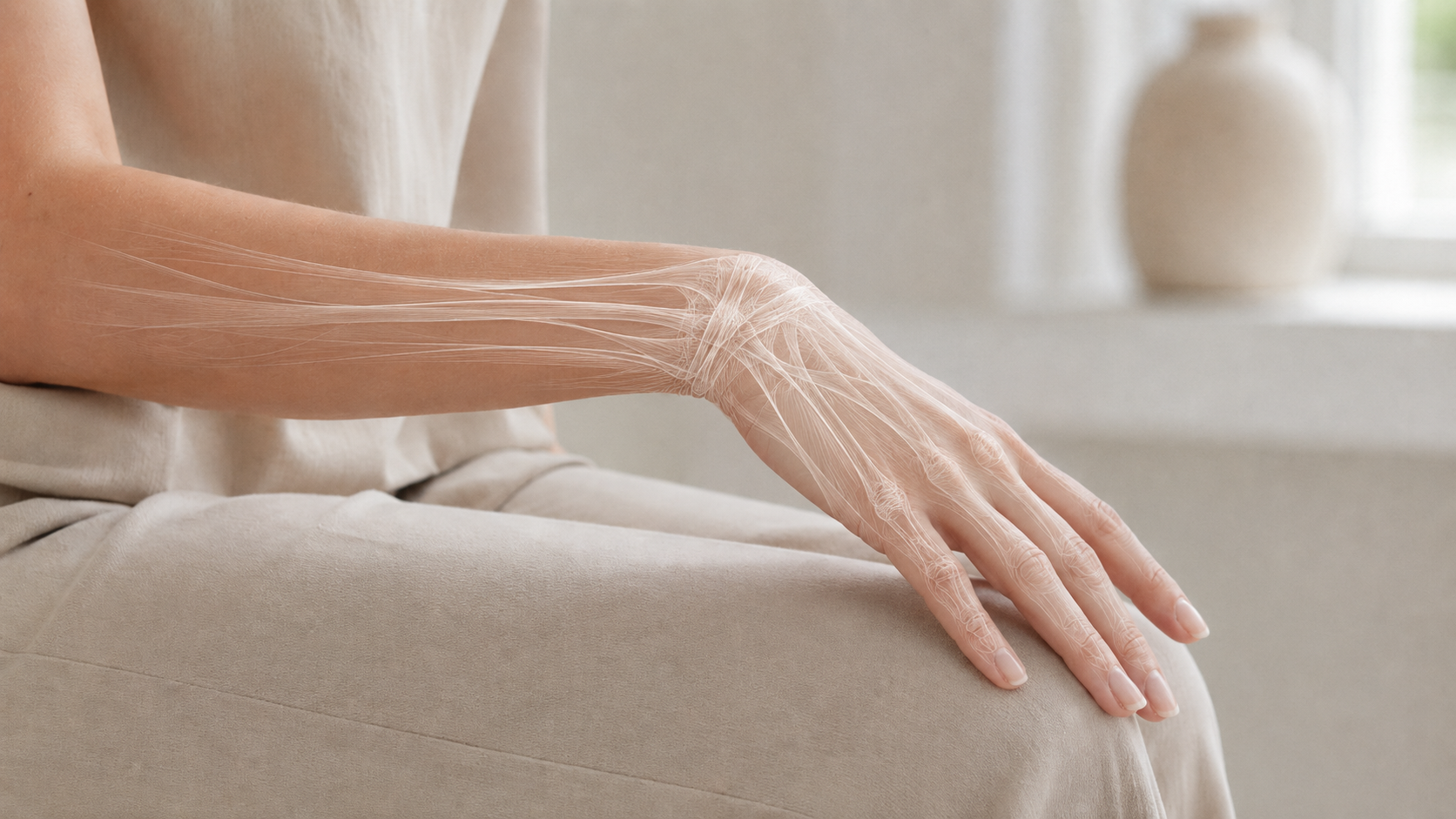
Peripheral Nerve Entrapment
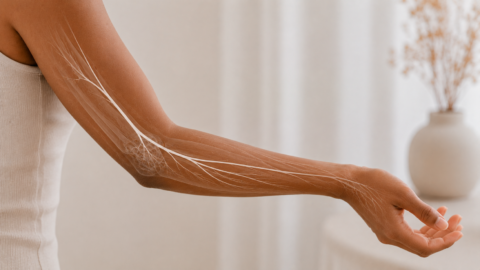
Peripheral nerve entrapment occurs when a nerve outside the brain and spinal cord becomes compressed, irritated, tethered, or restricted by nearby tissue. The affected nerve may pass through a tight tunnel, around a joint, near scar tissue, through a muscle, or under connective tissue that limits normal movement. When the nerve becomes irritated, patients may develop burning, tingling, numbness, electric pain, sensitivity, weakness, or symptoms that travel along a nerve pathway.
This type of pain is sometimes described as a pinched nerve, nerve compression, nerve irritation, neuropathy, sciatica, carpal tunnel, cubital tunnel, tarsal tunnel, or another focal nerve problem. These labels are not interchangeable. The key is identifying which nerve is involved and where the nerve is being irritated.
Why Nerve Entrapment Can Be Difficult to Diagnose
Peripheral nerve entrapment can be difficult to diagnose because symptoms may be intermittent, positional, or activity-related. A patient may feel normal at rest but develop burning, tingling, or numbness when typing, walking, bending, gripping, sitting, exercising, or sleeping in a certain position.
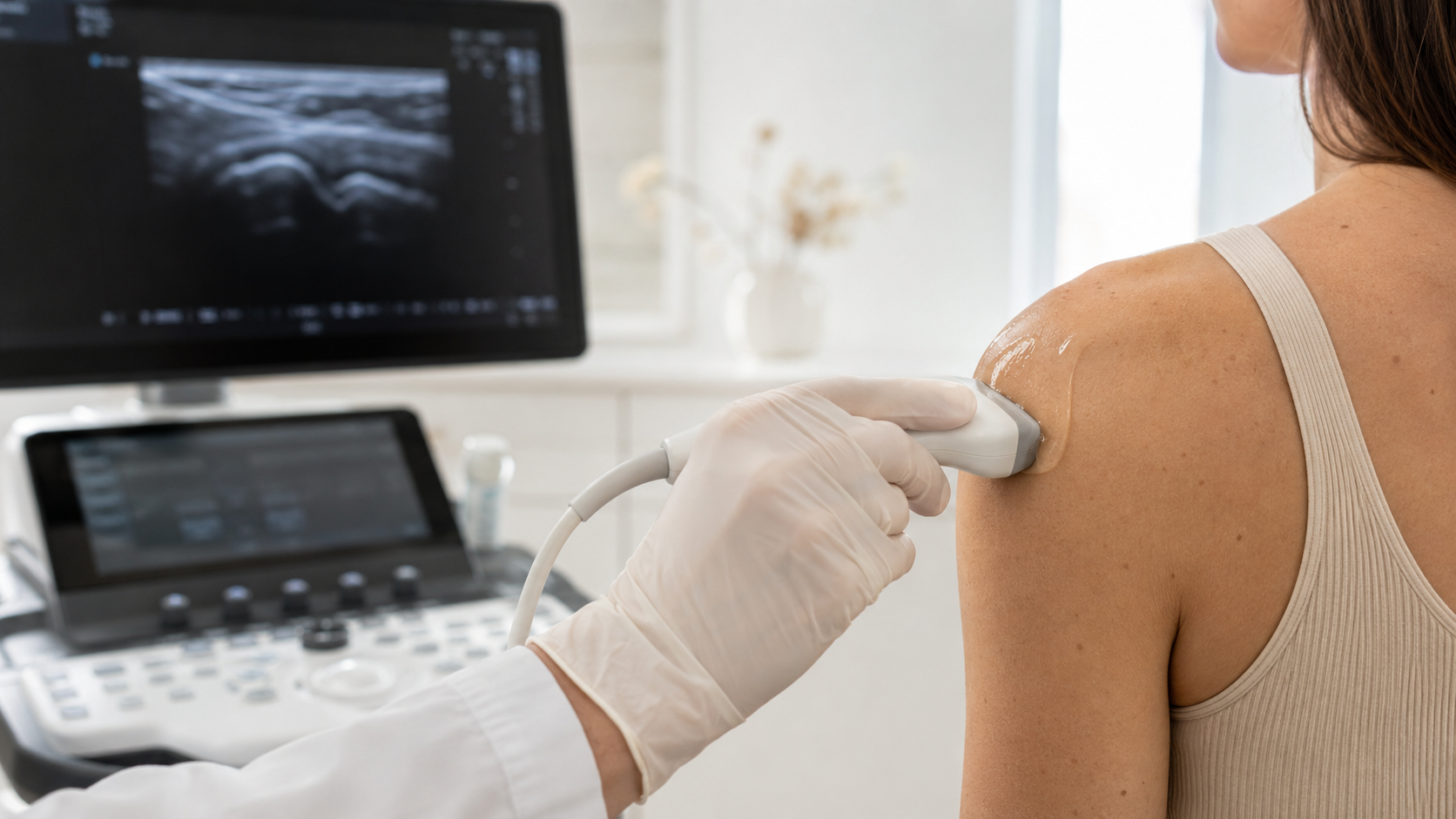
Standard imaging may not always show the problem, especially when the entrapment is dynamic or related to subtle soft tissue restriction. EMG or nerve conduction testing can be helpful in some cases, but it may not capture every positional or early nerve irritation pattern. This is why clinical history, physical examination, nerve pathway mapping, and diagnostic ultrasound can be important parts of evaluation.
Peripheral Nerve Entrapment vs. Spine Pain or Neuropathy
Not all nerve symptoms come from peripheral nerve entrapment. Burning, tingling, numbness, electric pain, weakness, and radiating pain can also come from cervical or lumbar radiculopathy, spinal stenosis, myelopathy, peripheral neuropathy, diabetes-related neuropathy, autoimmune neuropathy, vitamin deficiency, medication effects, vascular disease, infection, tumor, CRPS, or central pain syndromes.
MPM evaluates the full pathway. For example, hand numbness may come from cubital tunnel syndrome, carpal tunnel syndrome, thoracic outlet-type symptoms, cervical radiculopathy, or peripheral neuropathy. Foot tingling may come from tarsal tunnel syndrome, peroneal nerve entrapment, lumbar radiculopathy, systemic neuropathy, or local musculoskeletal compression. Pelvic nerve pain may overlap with pudendal neuralgia, pelvic floor dysfunction, spine referral, or scar-related irritation.
How Hypermobility and EDS May Contribute
In some patients, EDS or hypermobility spectrum disorder may increase vulnerability to nerve irritation. Joint laxity, instability, altered biomechanics, repetitive compression, and tissue sensitivity may change how nerves move through surrounding structures. A nerve may become irritated by joint instability, chronic sprain patterns, muscle guarding, or repeated traction.
This does not mean hypermobility is always the cause. MPM evaluates whether symptoms are driven by focal entrapment, joint mechanics, scar tissue, muscle compression, spine-related nerve pain, systemic neuropathy, or a mixed pattern.
How MPM Evaluates Peripheral Nerve Entrapment
MPM begins with a detailed history and physical examination. The clinician reviews the location of symptoms, whether pain follows a nerve path, what movements or positions make symptoms worse, whether numbness or weakness is present, and whether there has been injury, surgery, repetitive pressure, or prior nerve diagnosis.
The exam may include sensory testing, strength testing, nerve tension testing, movement assessment, palpation along the nerve pathway, scar evaluation, joint stability assessment, and review of spine or musculoskeletal contributors. Diagnostic ultrasound may be used in selected cases to evaluate nerve size, swelling, mobility, scar tissue, compression, and dynamic movement. EMG, nerve conduction studies, MRI, or specialist evaluation may be considered depending on the clinical picture.
Treatment Options for Peripheral Nerve Entrapment
Treatment depends on the nerve involved, the site of entrapment, the severity of symptoms, and whether weakness or nerve damage is present. Conservative care may include activity modification, ergonomic changes, splinting or bracing, therapy coordination, medication management, and reducing repetitive pressure.
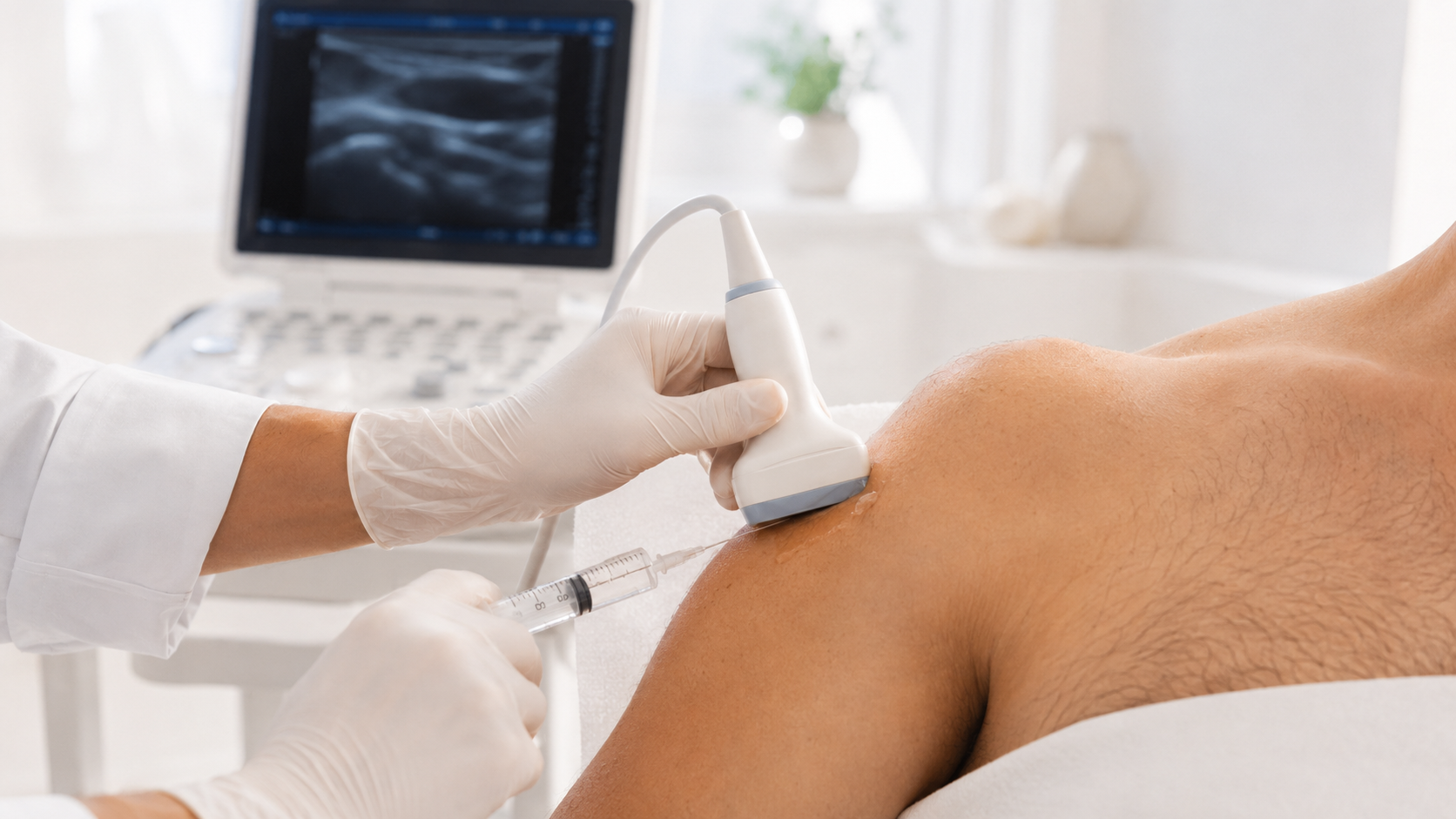
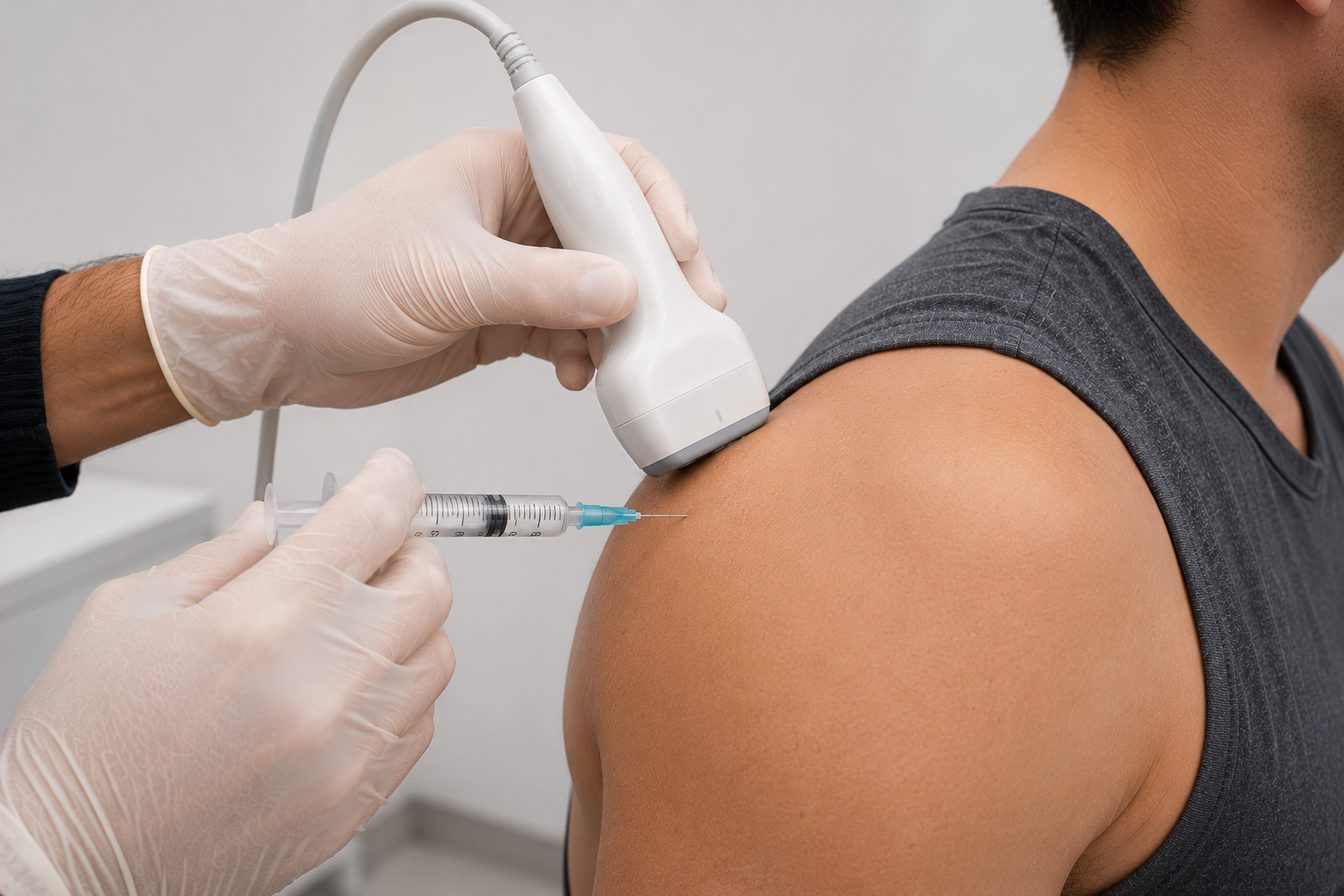
Steroid injections may be considered in selected cases when inflammation or local irritation is contributing. Peripheral nerve blocks may help clarify a pain generator or reduce symptoms in appropriate situations. Treatment should be based on diagnosis and anatomy, not simply the presence of nerve pain.
Nerve Hydrodissection and Image-Guided Care
Nerve hydrodissection is an ultrasound-guided technique that uses fluid to gently separate a nerve from surrounding tissue when entrapment or tethering is suspected. It may be considered for selected focal nerve entrapment patterns, especially when ultrasound findings and symptoms support a localized source.
Hydrodissection is not appropriate for every patient and does not repair a damaged nerve. It should not be presented as a guaranteed alternative to surgery. The decision depends on the nerve involved, the degree of compression, the presence of weakness, prior care, anatomy, risks, and treatment goals.
When Surgery or Referral May Be Needed
Surgery or specialist referral may be appropriate when there is progressive weakness, muscle loss, persistent numbness, severe compression, structural entrapment, or symptoms that do not improve with appropriate nonsurgical care. Neurology, orthopedics, hand surgery, spine specialists, or other specialists may be involved depending on the nerve and location.
When Symptoms Require Urgent Evaluation
Patients should seek urgent evaluation for sudden weakness or numbness, facial droop, speech difficulty, vision changes, loss of bowel or bladder control, saddle anesthesia, severe back or neck pain with neurologic deficits, rapidly worsening weakness, fever, major trauma, severe swelling, loss of pulses, or signs of infection.
How MPM Approaches Peripheral Nerve Entrapment Care
MPM approaches peripheral nerve entrapment through a diagnosis-first, nerve-mapping model. The goal is to identify the exact nerve, location of irritation, mechanical or inflammatory driver, and any overlapping spine, joint, muscle, scar, hypermobility, or systemic contributors.
For patients looking for peripheral nerve entrapment treatment in Manhattan, MPM offers a careful pain medicine perspective that can include diagnostic ultrasound, ultrasound-guided injections, selected nerve hydrodissection, steroid injections when appropriate, medication coordination, and referral when surgical decompression or neurologic evaluation is needed. The goal is to clarify the source of symptoms and guide appropriate next steps without overpromising outcomes.