Sphenopalatine Ganglion Block
A sphenopalatine ganglion block, often called an SPG block, is a targeted procedure that delivers medication near the sphenopalatine ganglion. The SPG is a nerve structure located deep in the face, behind the nasal cavity. It is connected to trigeminal and autonomic pathways that may be involved in certain headache and facial pain conditions.
At Manhattan Pain Medicine (MPM), sphenopalatine ganglion block NYC care begins with diagnosis-first headache evaluation. The goal is to determine whether the SPG region may be contributing to symptoms and whether a block may provide diagnostic information, temporary relief, or both.
What the Sphenopalatine Ganglion May Affect
The SPG is associated with head, facial, and cranial autonomic pathways. This is why an SPG block may be considered for selected patients with migraine, cluster headache, trigeminal autonomic cephalalgia, facial pain, or pain behind the eye. Some patients have symptoms such as tearing, nasal congestion, facial pressure, eye-region pain, or one-sided headache.
These symptoms do not automatically mean the SPG is the source of pain. Migraine, cluster headache, hemicrania, TACs, tension headache, trigeminal neuralgia, sinus-related pain, eye conditions, dental disease, cervical pain, and secondary headache causes can overlap. MPM evaluates the pattern before recommending treatment.
Diagnostic vs. Therapeutic SPG Blocks
An SPG block may be diagnostic, therapeutic, or both. A diagnostic block may help determine whether the SPG region or trigeminal-autonomic pathway is involved. A therapeutic block is intended to reduce symptoms for a period of time.
Relief may occur quickly in some patients, especially when local anesthetic reaches the intended region. In others, relief may be delayed, brief, incomplete, or absent. Temporary relief can still be useful because it may help guide future care. MPM reviews the degree, timing, location, and duration of relief before recommending next steps.
SPG Block for Migraine, Cluster Headache, and TACs
SPG blocks may be considered for selected migraine patients, especially when migraine symptoms include facial pain, pain behind the eye, or autonomic features. They may also be considered for selected cluster headache or TAC patterns, where one-sided head or facial pain is associated with tearing, nasal symptoms, eyelid changes, sweating, or restlessness.
An SPG block does not cure migraine, cluster headache, hemicrania, TACs, or chronic headache. It also does not replace headache classification, migraine prevention, acute medication, Botox for migraine, neurology care, or imaging when indicated. It may be one tool within a broader headache plan.
SPG Block vs. Other Nerve Blocks
An SPG block is different from an occipital nerve block, trigeminal nerve block, or glossopharyngeal nerve block. An occipital nerve block targets nerves at the back of the head and upper neck. A trigeminal nerve block targets branches of the trigeminal nerve in the face. A glossopharyngeal nerve block targets cranial nerve IX, which may be involved in selected throat, tongue, ear, or tonsillar pain.
MPM chooses the target based on the patient’s pain distribution, triggers, autonomic symptoms, headache classification, neurological findings, and prior response to treatment.
What Treatment May Involve
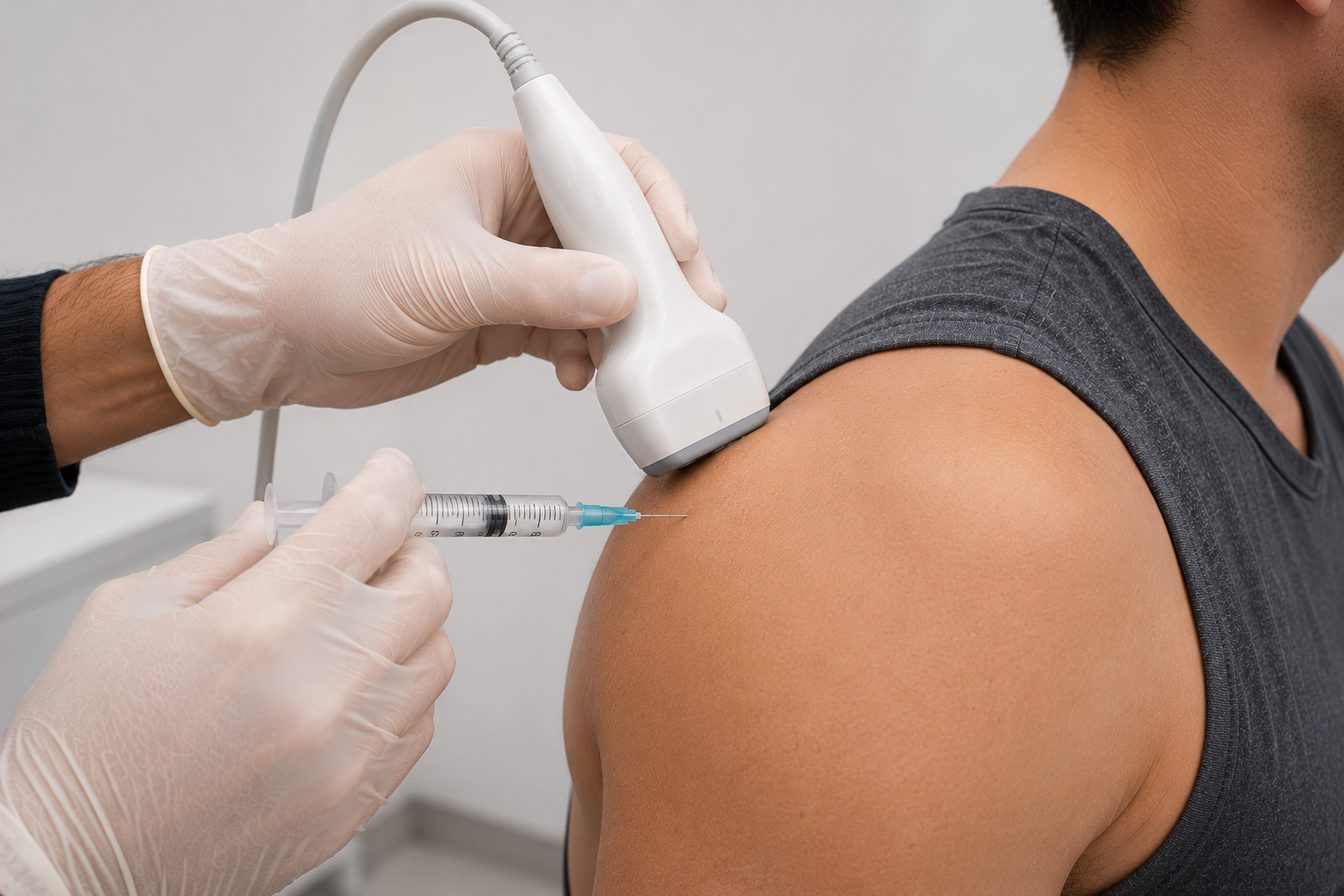
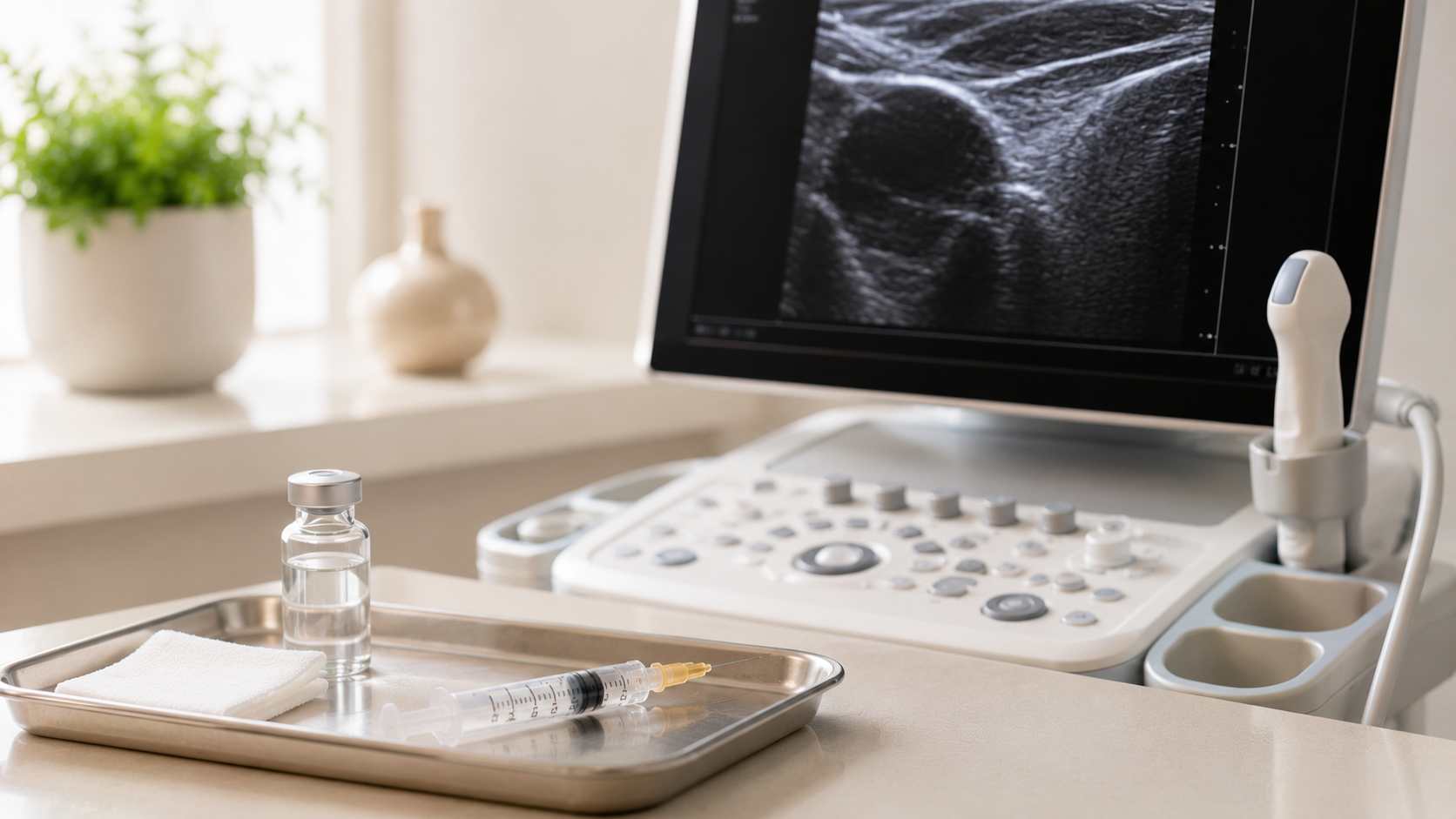
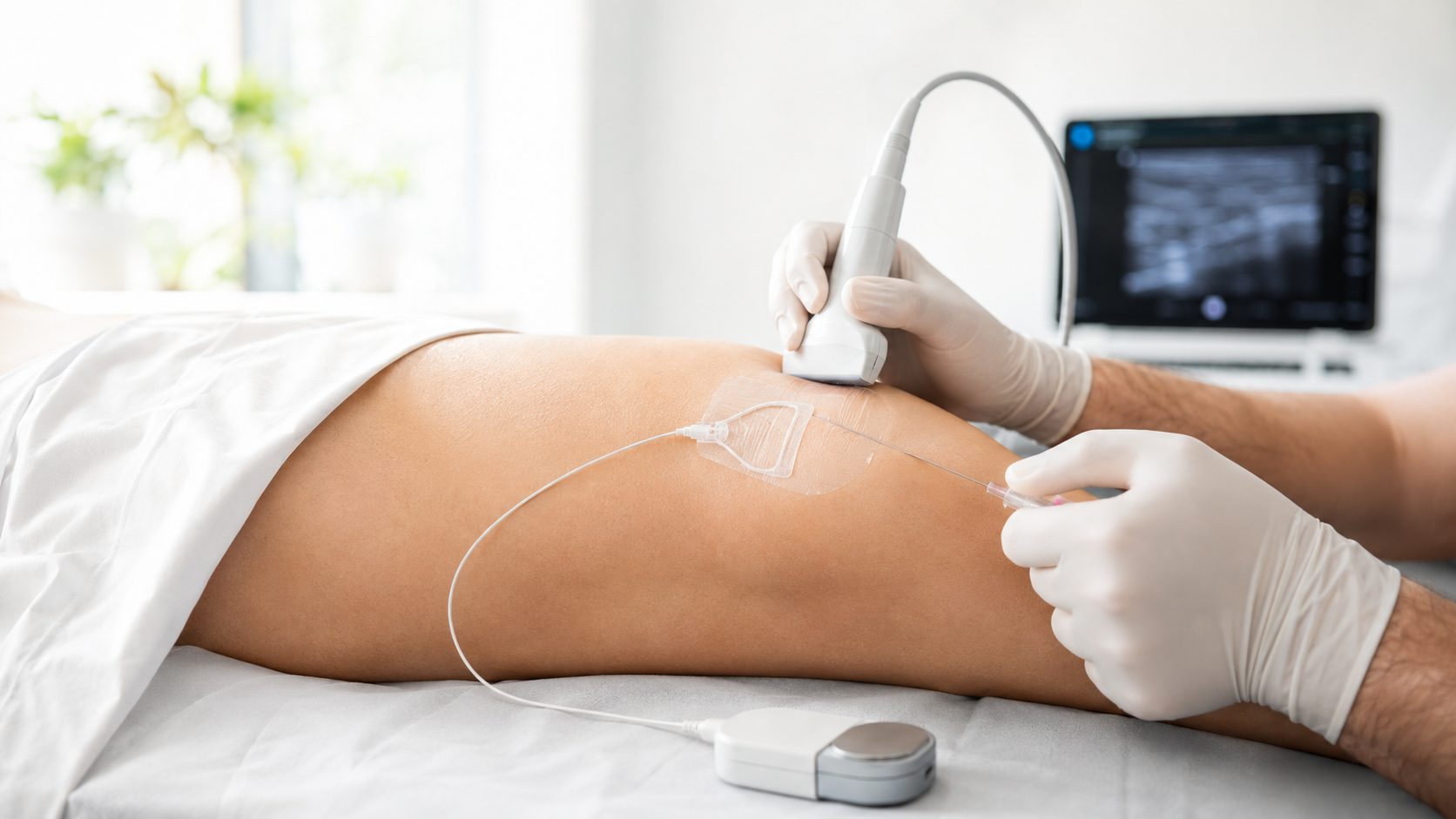
Many SPG blocks are performed through an intranasal approach, where medication is delivered through the nose toward the SPG region. In selected cases, an image-guided approach may be considered. The technique depends on anatomy, diagnosis, clinical goal, and safety factors.
Patients may notice nasal discomfort, bitter taste, throat numbness, temporary facial or nasal numbness, dizziness, nausea, or local irritation. Some may have temporary relief, while others may not respond. MPM reviews the response and uses it to guide future treatment planning.
Risks and Urgent Symptoms
Risks may include nasal discomfort, bitter taste, throat numbness, temporary numbness, dizziness, nausea, nosebleed, local irritation, allergic reaction, incomplete relief, temporary relief only, or no relief. For image-guided approaches, risks may include bruising, bleeding, infection, vascular injury, nerve irritation, and local anesthetic toxicity.
Patients should seek urgent evaluation for sudden worst headache, new neurological deficits, vision loss, confusion, fever, stiff neck, trauma, cancer history, immune suppression, pregnancy or postpartum headache, new headache after age 50, headache with fainting, severe facial swelling, chest pain, trouble breathing, or a major change in headache or facial pain pattern.
For selected patients, an SPG block may be a useful part of understanding and managing headache or facial pain. MPM’s role is to determine whether the SPG is the right target and how the block fits within a coordinated, medically responsible headache care plan.