Hyperhidrosis
Hyperhidrosis is excessive sweating that goes beyond what the body needs to regulate temperature. Sweating is a normal and necessary body function, but in hyperhidrosis, the sweating response can become excessive, unpredictable, socially disruptive, or physically uncomfortable.
Patients may sweat through clothing, avoid handshakes, change shirts multiple times per day, feel uncomfortable at work, avoid certain fabrics, avoid social settings, or feel anxious about visible sweat. Some patients have symptoms in one main area, while others have more widespread sweating.
Hyperhidrosis is not simply cosmetic. It can affect confidence, work performance, skin comfort, sleep, relationships, medical appointments, trauma triggers, and daily function.
What Is Hyperhidrosis?
Hyperhidrosis refers to sweating beyond what is needed for cooling. It may affect the underarms, palms, soles, face, scalp, trunk, or generalized areas. Some patients sweat even when they are cool, resting, or not emotionally stressed. Others sweat more during stress, movement, pain flares, medical encounters, or changes in temperature.
Hyperhidrosis can be primary or secondary. Primary hyperhidrosis often affects specific areas and may begin earlier in life. Secondary hyperhidrosis is related to another cause, such as medications, endocrine conditions, infection, neurologic disease, autonomic dysfunction, hormone changes, or other systemic conditions.
When Sweating Becomes a Medical Concern
Sweating becomes a medical concern when it is excessive, disruptive, new, unexplained, or associated with other symptoms. A patient may seek care because sweating affects clothing, work, social interactions, sports, sleep, skin health, or emotional wellbeing.
Sweating also deserves evaluation when it begins suddenly, becomes generalized, occurs mostly at night, is associated with fever or weight loss, or appears with chest pain, shortness of breath, fainting, palpitations, neurologic symptoms, infection signs, or severe heat intolerance.
MPM evaluates hyperhidrosis carefully because treatment selection depends on the pattern and suspected cause.
Primary vs Secondary Hyperhidrosis
Primary hyperhidrosis often affects focal areas such as the underarms, palms, soles, face, or scalp. It may be symmetrical and may begin earlier in life. Patients may have a long history of sweating that occurs without a clear medical trigger.
Secondary hyperhidrosis is caused by another medical factor. It may be related to medication changes, endocrine conditions, diabetes-related issues, infection, neurologic conditions, autonomic dysfunction, menopause-related changes, chronic pain physiology, anxiety physiology, medical PTSD, or other systemic causes.
Secondary sweating may be more generalized, newer in onset, night-dominant, or associated with additional symptoms. When this pattern is present, further evaluation may be needed before procedural treatment is considered.
Hyperhidrosis and Autonomic Dysfunction
Sweating is regulated by the autonomic nervous system. The autonomic nervous system helps control functions such as heart rate, blood pressure, temperature regulation, digestion, and sweating.
Some patients with excessive sweating also experience symptoms such as heat intolerance, flushing, dizziness, lightheadedness, heart rate changes, temperature sensitivity, fatigue, or abnormal responses to stress or exertion. In these cases, sweating may be part of a broader autonomic pattern.
MPM evaluates these symptoms in context and may coordinate with neurology, primary care, cardiology, endocrinology, or other specialists when broader autonomic dysfunction is suspected.
Hyperhidrosis, Neurologic Symptoms, and Medication Effects
Neurologic conditions and nerve-related disorders can sometimes affect sweating. Sweating that is one-sided, regionally unusual, associated with numbness, weakness, new headaches, autonomic symptoms, or other neurologic changes should be evaluated carefully.
Medications can also cause or worsen sweating. Certain antidepressants, pain medications, hormone-related treatments, stimulants, and other medications may contribute. Medication-related sweating should be reviewed with the prescribing clinician before changes are made.
MPM includes medication review in the evaluation because reducing sweating sometimes requires identifying and addressing the underlying trigger.
Hyperhidrosis and Medical PTSD or Stress-Triggered Symptoms
For some patients, sweating is worsened by stress physiology, anxiety, panic symptoms, medical trauma triggers, or medical PTSD. This does not mean sweating is purely psychological. The body’s stress response is a real physiologic process involving the autonomic nervous system.
Patients with medical PTSD may notice sweating during appointments, procedures, pain flares, memories of prior medical experiences, or situations that make the nervous system feel unsafe. This can create a cycle where sweating causes distress, distress increases arousal, and arousal worsens sweating.
MPM approaches this pattern respectfully. Treatment may include medical evaluation, symptom-targeted care, pain psychology, biofeedback, and coordination with mental health support when appropriate.
Common Areas Affected by Hyperhidrosis
Hyperhidrosis commonly affects the underarms, palms, soles, face, and scalp. Underarm sweating may soak through clothing or create odor concerns. Palmar sweating may affect handshakes, paperwork, keyboards, instruments, phones, or professional interactions. Foot sweating may cause discomfort, skin irritation, slipping, or odor. Facial or scalp sweating may be visible and socially distressing.
Some patients have sweating in multiple areas. Others have generalized sweating that requires broader medical review. The location matters because treatment options, safety considerations, and expected results vary by area.
How MPM Evaluates Excessive Sweating
MPM begins with a detailed history. The evaluation reviews when sweating started, which areas are affected, whether sweating is symmetrical or one-sided, whether it occurs during sleep, whether it is triggered by heat, exercise, stress, pain, meals, medications, or medical settings, and how it affects daily life.
The evaluation also includes review of medication history, neurologic symptoms, autonomic symptoms, endocrine concerns, infection symptoms, chronic pain, trauma-related triggers, and prior treatments such as antiperspirants, prescription products, dermatology care, medications, or botulinum toxin.
The goal is to identify whether treatment should focus on localized hyperhidrosis, secondary causes, autonomic dysfunction, medication management, procedural treatment, or coordinated care.
Medication Management for Hyperhidrosis
Medication management may be considered for selected patients with hyperhidrosis. Some medications reduce sweating by affecting nerve signals to sweat glands. These may be used when sweating is widespread, when focal procedures are not ideal, or when symptoms require broader medical management.
Medication decisions require careful review of medical history, side effects, and drug interactions. Possible side effects may include dry mouth, constipation, urinary retention, blurry vision, dizziness, cognitive effects, heart rate changes, or interactions with other medications, depending on the treatment.
Medication management is not automatic and should be individualized.
Botulinum Toxin Injections for Hyperhidrosis
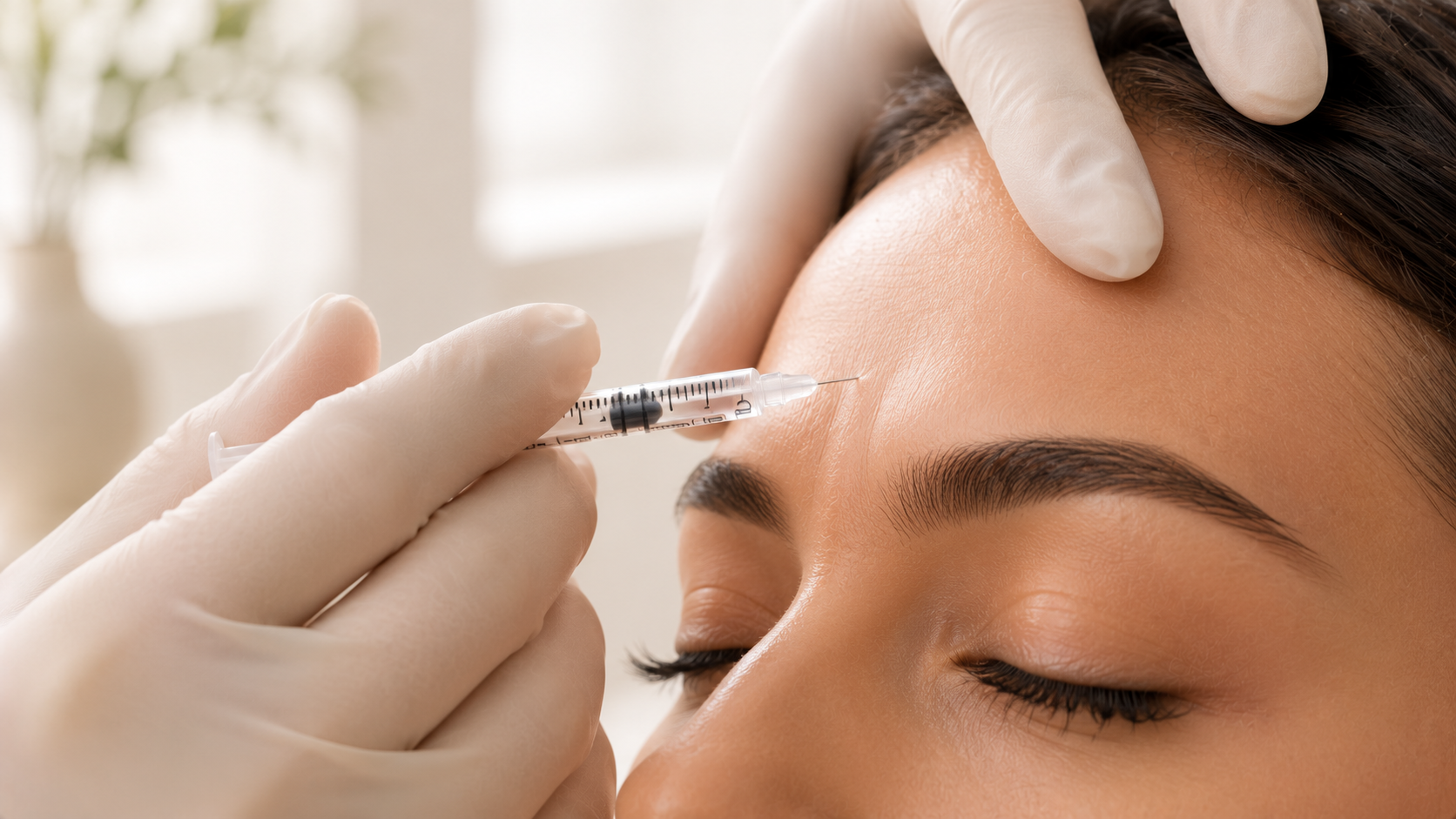
Botulinum toxin injections may be considered for selected patients with focal hyperhidrosis. The treatment works by temporarily blocking nerve signals that activate sweat glands in the treated area.
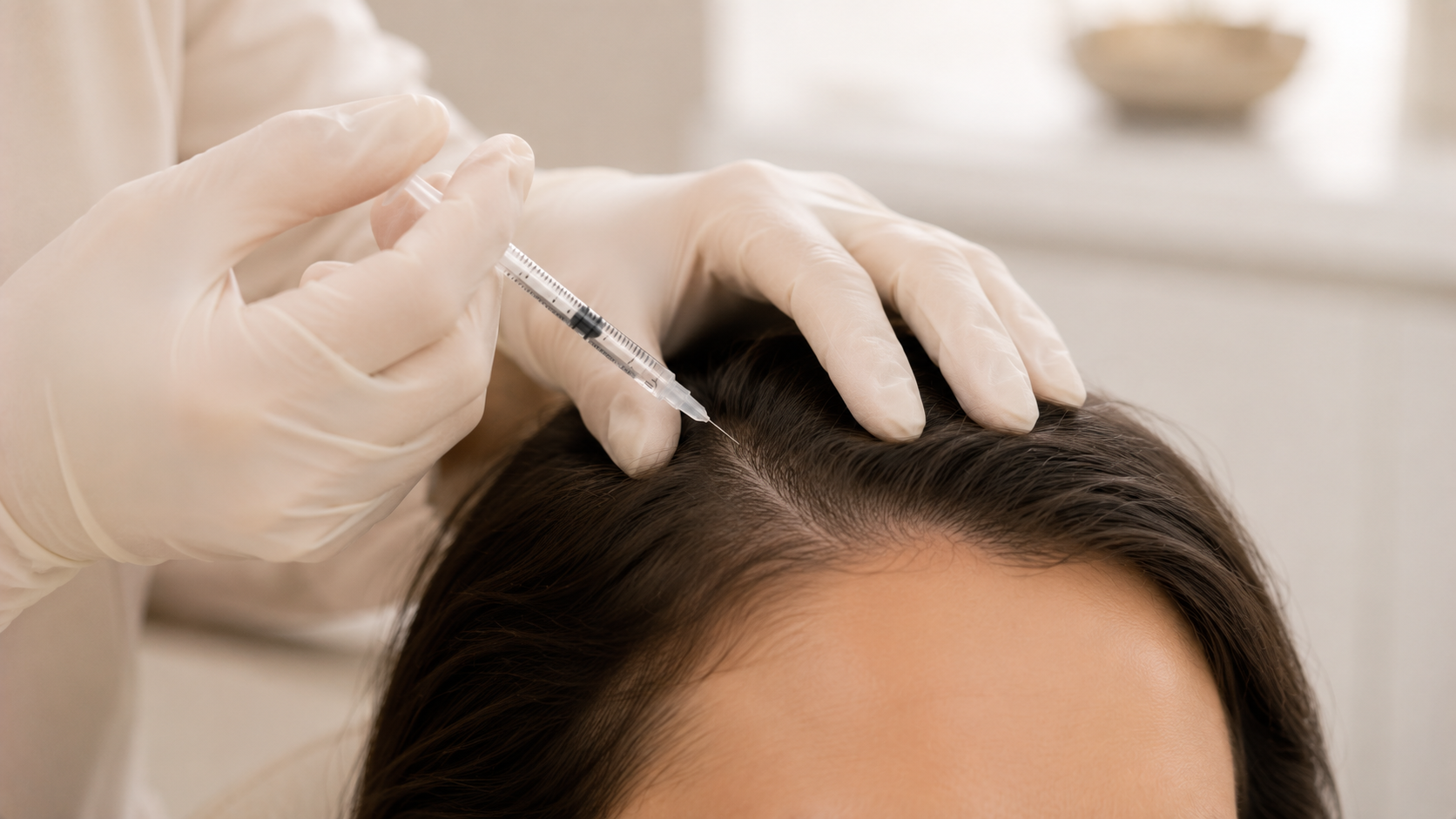
Botulinum toxin is commonly used for underarm sweating and may be considered in other areas such as the palms, soles, face, or scalp depending on the clinical situation. The treatment area must be selected carefully because side effects vary by location.
For example, treatment of the palms may carry a risk of temporary hand weakness. Treatment of the face may carry a risk of asymmetry or unwanted muscle effect. Underarm treatment is often better tolerated, but injection discomfort, bruising, incomplete response, and temporary benefit are still possible.
What to Expect With Botulinum Toxin Treatment
Before treatment, the clinician reviews the sweating pattern, treatment area, medical history, prior treatments, risks, and expectations. In some cases, the sweating area may be mapped before injection.
The injections are placed into the treatment area using a careful pattern. Patients may notice improvement within days to a few weeks. The effect is temporary, and repeat treatment may be needed when sweating returns.
Botulinum toxin does not permanently cure hyperhidrosis. It may reduce sweating in the treated area for selected patients, but response varies.
How Long Results May Last
The duration of benefit from botulinum toxin treatment varies by patient and treatment area. Some patients experience several months of reduced sweating. Others may have a shorter or longer response.
Because results are temporary, the decision to repeat treatment depends on symptom return, benefit from prior treatment, side effects, treatment goals, and whether any new medical factors have emerged.
Risks, Side Effects, and Safety Considerations
Botulinum toxin risks may include injection discomfort, bruising, temporary weakness in treated areas, asymmetry, incomplete response, temporary benefit only, or need for repeat treatment. The risk profile depends on where treatment is performed.
Medication risks depend on the specific medication and patient history. Possible side effects may include dry mouth, constipation, urinary retention, blurry vision, dizziness, cognitive effects, heart rate changes, or drug interactions.
MPM reviews these considerations before treatment. Hyperhidrosis treatment should be selected based on the patient’s pattern, goals, medical history, and safety profile.
When Additional Testing or Specialist Coordination May Be Needed
Additional evaluation may be needed when sweating is new, generalized, night-dominant, severe, one-sided, medication-related, or associated with systemic symptoms. MPM may coordinate with primary care, dermatology, neurology, endocrinology, cardiology, or mental health professionals when the pattern suggests another medical contributor.
Examples include possible thyroid disease, diabetes-related concerns, infection, hormone changes, medication effects, autonomic dysfunction, neurologic disease, or severe stress physiology.
MPM’s role is to help identify the right pathway rather than treating every sweating pattern the same way.
When Urgent Evaluation Is Needed
Patients should seek urgent medical evaluation for drenching night sweats, fever, unexplained weight loss, chest pain, shortness of breath, fainting, new neurologic deficits, sudden severe headache, new palpitations, severe heat intolerance, signs of infection, rapidly worsening symptoms, or sweating that begins suddenly without a clear explanation.
These symptoms may indicate infection, endocrine disease, cardiac concerns, neurologic problems, medication reactions, systemic illness, or another condition that requires timely medical attention.
How MPM Approaches Hyperhidrosis Care
MPM approaches hyperhidrosis through a diagnosis-first, patient-centered model. The goal is to understand the sweating pattern, screen for secondary causes, evaluate autonomic or neurologic overlap, review medications, consider trauma-related nervous system activation when relevant, and select treatment carefully.
For patients looking for hyperhidrosis treatment in Manhattan or NYC, MPM offers a clinical perspective that goes beyond treating sweating as a cosmetic concern. Care may include medication management, botulinum toxin injections in selected cases, autonomic symptom review, neurologic consideration, and coordination with the right specialists.
Treatment is individualized and selected only after the likely contributors, risks, and patient goals are better understood.