Medical PTSD
Medical PTSD is a term patients often use to describe PTSD-like symptoms after frightening, painful, invasive, dismissive, or overwhelming medical experiences. These may include emergency care, surgery, ICU stays, painful procedures, difficult childbirth, cancer care, repeated testing, chronic illness management, delayed diagnosis, medical invalidation, or treatment that felt unpredictable or outside the patient’s control.
Medical PTSD is not a separate DSM diagnosis. However, PTSD symptoms can occur after medical trauma when the experience is perceived as threatening and symptoms persist or impair function. PTSD may include symptoms such as flashbacks, nightmares, severe anxiety, and intrusive thoughts about the event.
What Medical PTSD May Feel Like
Patients with Medical PTSD may feel panic before appointments, avoid doctors even when they need care, experience nightmares or flashbacks, feel unsafe during exams, freeze during procedures, or become overwhelmed by medical language. They may also feel body-based symptoms such as racing heart, nausea, shaking, sweating, dizziness, muscle tension, dissociation, numbness, chest tightness, or pain flares.
These responses can be confusing. A patient may want help and still feel unable to tolerate the process of getting help. They may know a procedure is medically appropriate but still feel that their body is reacting as if danger is present. This is one reason trauma-informed care matters.
How Medical PTSD and Chronic Pain Interact
Medical PTSD and chronic pain can create a cycle. Pain can remind the nervous system of prior medical trauma. Fear can increase muscle tension, guarding, sleep disruption, autonomic arousal, and pain sensitivity. Avoiding care can delay diagnosis, while repeated medical visits can feel threatening if prior care was painful, dismissive, rushed, or unpredictable.
PTSD and chronic pain can intensify each other and make treatment more challenging. This overlap is especially important for patients with complex chronic pain, POTS, EDS, gastroparesis, central pain syndromes, fibromyalgia, pelvic pain, headache, autoimmune-related pain, hypermobility spectrum disorder, or craniocervical instability, where repeated medical encounters are common.
Medical PTSD, Autonomic Symptoms, and the Nervous System
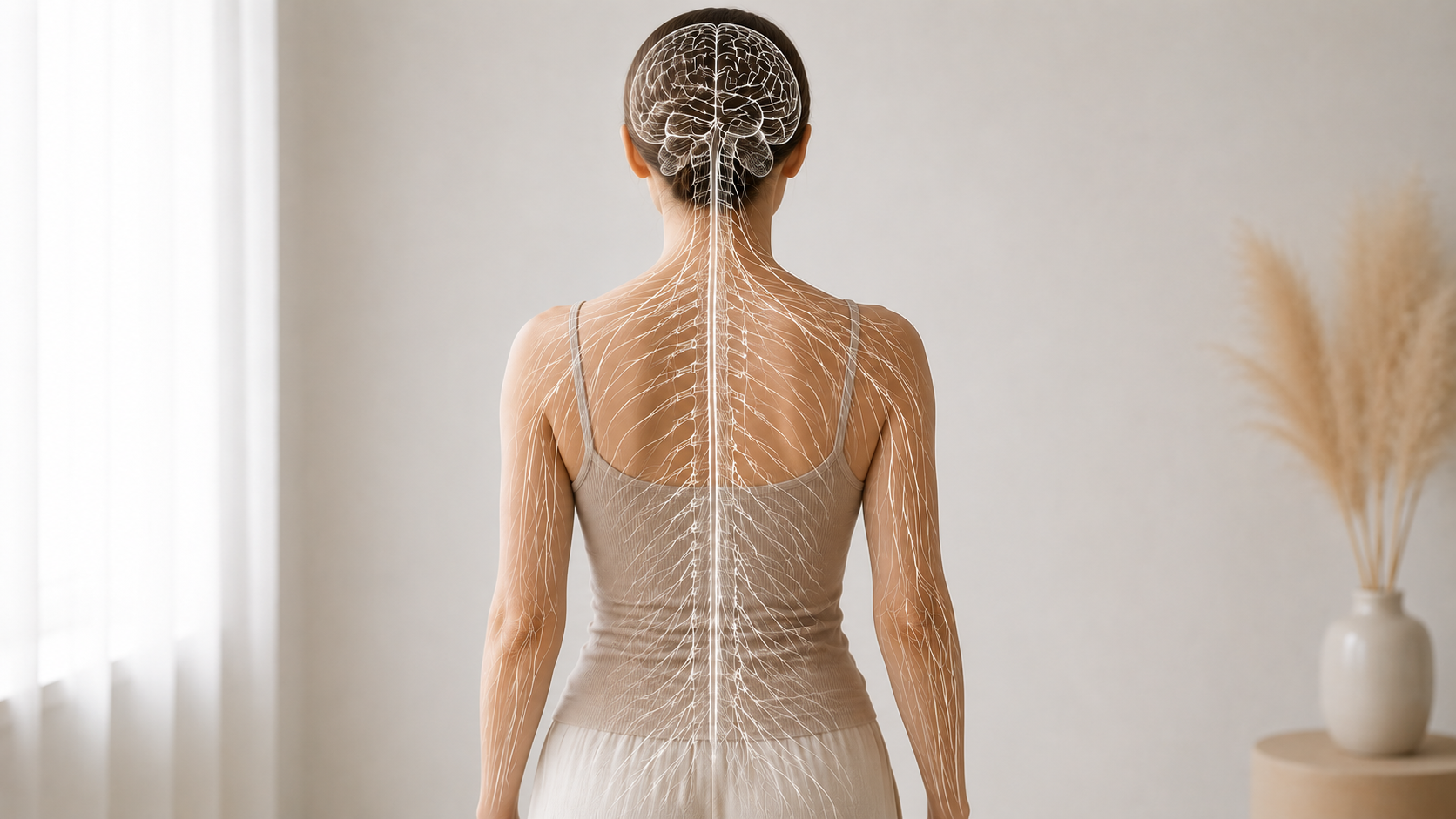
Trauma responses often involve the autonomic nervous system. This can affect heart rate, breathing, digestion, temperature, sweating, muscle tension, and pain sensitivity. For patients with POTS, dysautonomia, gastroparesis, pelvic pain, headache, or hypermobility, medical trauma can add another layer to an already sensitive system.
This does not mean symptoms are “just anxiety.” It means the nervous system is part of the clinical picture. MPM evaluates both the physical pain drivers and the nervous system context around appointments, exams, procedures, and symptom flares.
What Trauma-Informed Pain Care Looks Like
Trauma-informed pain care is practical. It may include explaining what will happen before it happens, asking permission before touch, giving the patient time to ask questions, checking in during an exam, avoiding unnecessary surprises, naming options clearly, and allowing pauses when possible. It also means respecting that the patient may need more predictability and control to stay engaged.
This approach does not remove the need for medical evaluation. It helps make evaluation possible. A patient may still need imaging, procedures, medication changes, physical examination, or specialist coordination. The difference is that care is delivered with more attention to pacing, consent, and emotional safety.
Treatment Options for Medical PTSD and Pain
Medical PTSD treatment often requires mental health support. Trauma-focused psychotherapy, psychiatric care, and medication management may be appropriate depending on symptoms. Patients with self-harm thoughts, severe depression, substance use concerns, or inability to function should seek qualified mental health support promptly.
MPM’s role is pain-focused and coordinated. Treatment may include pain psychology, biofeedback, medication management, acupuncture, Feldenkrais, and strategies to reduce fear of movement, appointment-related panic, pain flares, sleep disruption, and autonomic activation. Pain psychology does not mean the pain is imagined. It supports nervous system regulation, coping, pacing, communication, and the ability to participate in care.
Stellate Ganglion Blocks and Ketamine Therapy
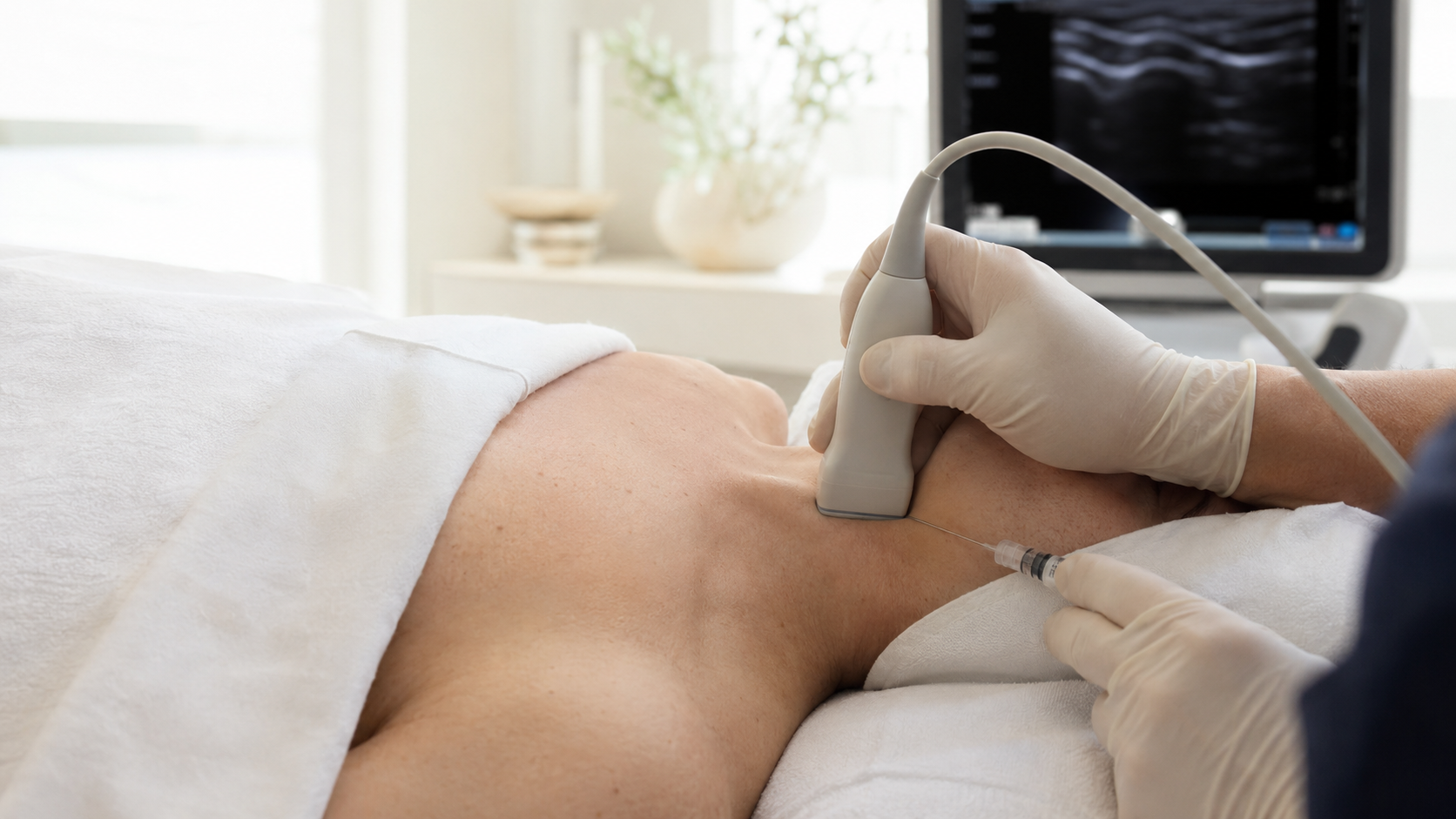
Stellate ganglion block is being studied for PTSD symptoms and may be discussed carefully as an adjunct treatment in selected cases. It should not be presented as a cure or replacement for trauma-focused therapy.
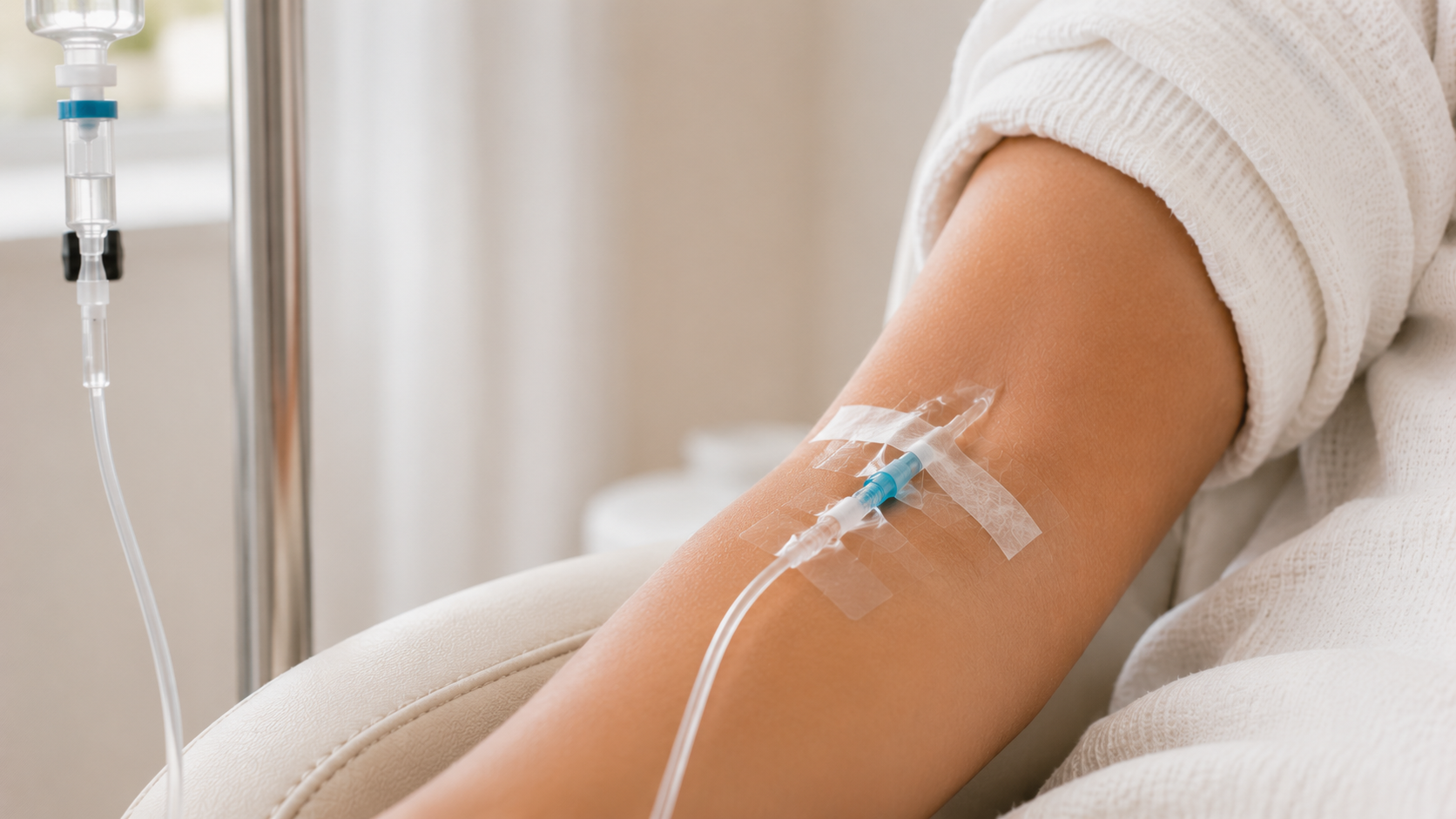
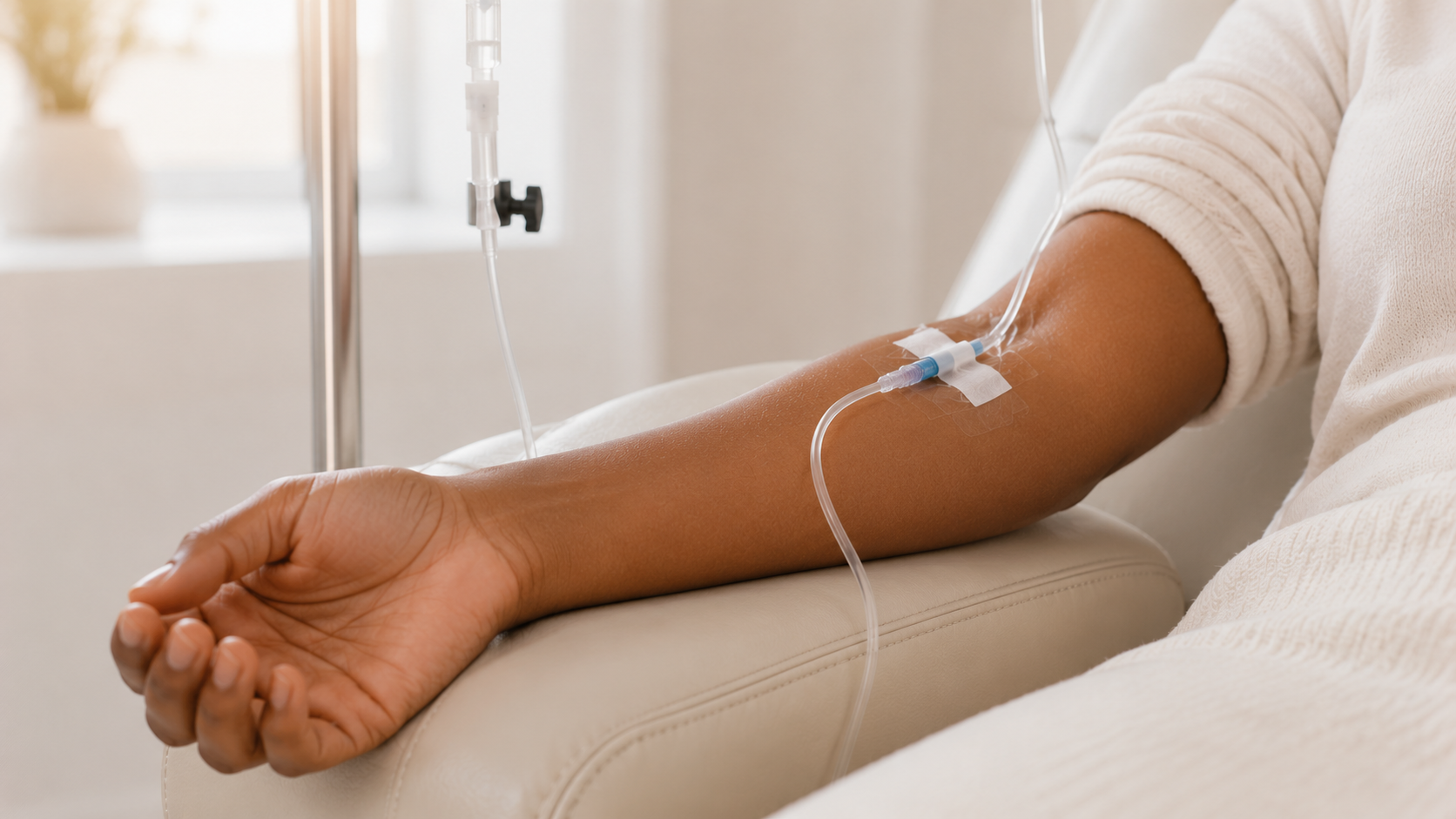
Ketamine therapy and lidocaine and ketamine infusions may be considered in selected chronic pain, depression-related, or trauma-related contexts, but they require careful screening and clinician supervision. They should not be presented as standard care for every patient with Medical PTSD. The decision depends on diagnosis, medical risk, psychiatric history, medications, safety, and care goals.
When to Seek Urgent Support
Medical PTSD should be evaluated by qualified mental health and medical professionals, especially when symptoms include flashbacks, nightmares, severe panic, avoidance of necessary care, severe insomnia, depression, substance use, self-harm thoughts, suicidality, or inability to function. Patients in crisis or at risk of self-harm should seek emergency support, call local emergency services, or contact a crisis line.
How MPM Approaches Medical PTSD and Pain Care
MPM approaches Medical PTSD through a diagnosis-first, trauma-informed model. The evaluation considers the pain condition, prior medical trauma, autonomic symptoms, fear response, sleep, function, medical avoidance, procedure history, and care goals. The process emphasizes predictability, consent, pacing, clear communication, and coordination with mental health and medical specialists when needed.
For patients looking for medical PTSD treatment in Manhattan, MPM offers trauma-informed pain care that respects both the physical reality of pain and the nervous system impact of medical trauma. The goal is to help patients reengage with care more safely, clarify the pain pattern, and build a coordinated treatment plan that supports function, trust, and long-term stability.