Chemodenervation for Orofacial Dystonia
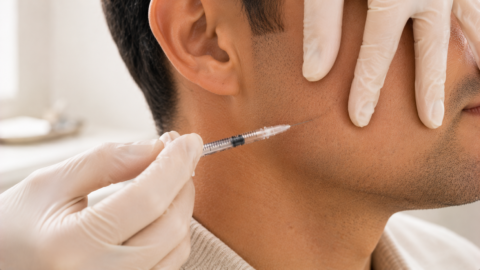
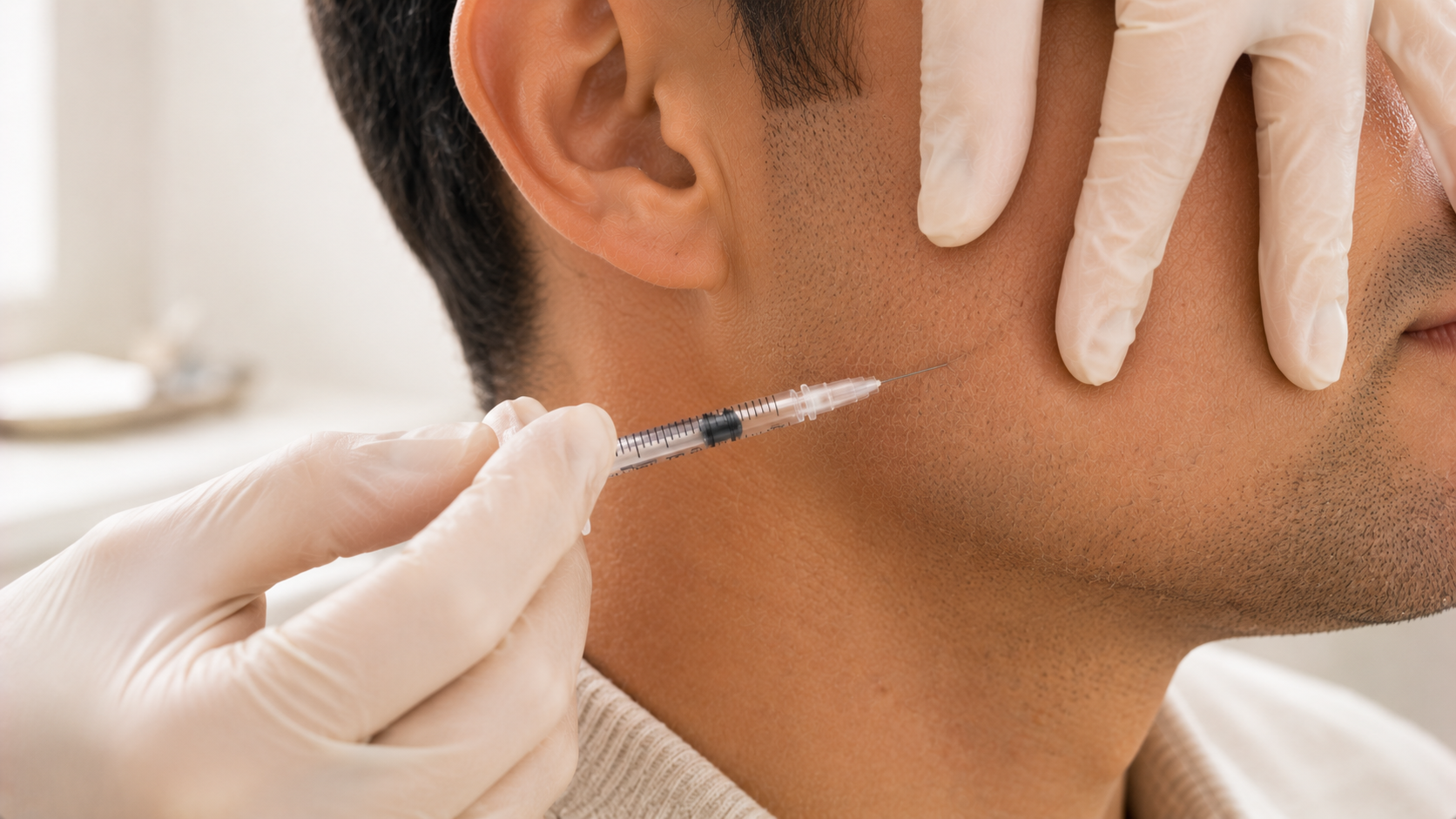
Chemodenervation for orofacial dystonia is a targeted medical treatment that uses botulinum toxin to temporarily reduce overactivity in selected facial, jaw, mouth, tongue, or related muscles. It may be considered for patients with involuntary jaw movements, facial spasms, jaw deviation, jaw closing dystonia, jaw opening dystonia, painful muscle contractions, or oromandibular dystonia.
At Manhattan Pain Medicine (MPM), chemodenervation for orofacial dystonia NYC care begins with diagnosis. Not all jaw pain, facial pain, headache, muscle tightness, or TMJ symptoms are dystonia. The goal is to identify whether a true movement disorder or focal muscle overactivity is contributing to the patient’s symptoms before recommending injections.
What Is Orofacial or Oromandibular Dystonia?
Orofacial dystonia refers to abnormal or involuntary muscle contractions affecting parts of the face, jaw, mouth, or related regions. Oromandibular dystonia often refers more specifically to dystonia involving the jaw, lower face, mouth, or tongue. Symptoms may include involuntary jaw closing, jaw opening, jaw deviation, tongue movement, facial pulling, spasms, pain, difficulty chewing, speech changes, or functional limitation.
Patients may search for treatment for facial and jaw muscle spasms after being told they have TMJ dysfunction, bruxism, facial pain, trigeminal neuralgia, or chronic headache. These conditions can overlap, but they are not the same. Orofacial dystonia is primarily a movement disorder, and treatment must be based on the movement pattern.
How Chemodenervation May Help
Chemodenervation uses botulinum toxin to temporarily reduce nerve signaling to selected muscles. When properly targeted, it may reduce involuntary contractions, spasms, overactivity, or pain related to dystonic muscle activity. It does not cure dystonia or eliminate all facial pain. The effect is temporary, and response varies.
Because the muscles of the jaw, face, mouth, and tongue are involved in chewing, speech, swallowing, facial expression, and airway protection, treatment requires careful planning. The goal is to reduce unwanted overactivity while minimizing functional side effects such as chewing weakness, speech changes, swallowing difficulty, smile asymmetry, or facial weakness.
Orofacial Dystonia Versus TMJ Dysfunction
Orofacial dystonia and TMJ dysfunction can both cause jaw pain, tightness, headaches, and difficulty chewing. TMJ dysfunction may involve the jaw joint, chewing muscles, dental factors, disc problems, arthritis, clenching, or bruxism. Orofacial dystonia involves involuntary or abnormal muscle activation.
This distinction matters because Botox for TMJ-related muscle pain and chemodenervation for jaw dystonia Manhattan care may involve different targets, dosing, expectations, and coordination. A patient with primarily joint-driven TMJ pain may need dental care, oral appliance therapy, physical therapy, anti-inflammatory treatment, joint evaluation, or other care. A patient with oromandibular dystonia may need neurology input and targeted botulinum toxin injections.
Orofacial Dystonia Versus Trigeminal Neuralgia and Headache
Facial pain can also come from trigeminal neuralgia, migraine, tension headache, cluster headache, hemicrania, trigeminal autonomic cephalalgias, dental disease, sinus disease, or cervical contributors. Trigeminal neuralgia often causes sudden, severe, electric shock-like facial pain. Headache disorders may cause head, face, jaw, or neck symptoms. Dystonia typically involves involuntary muscle activity or abnormal movement patterns.
MPM evaluates pain quality, triggers, movement patterns, neurological symptoms, headache features, dental history, and prior treatment response before recommending chemodenervation. If symptoms suggest neuralgia, headache disorder, infection, dental disease, or another neurological condition, additional evaluation may be needed.
How MPM Plans Treatment
MPM identifies the muscles most likely contributing to the dystonia pattern. This may vary depending on whether symptoms involve jaw closing, jaw opening, jaw deviation, tongue involvement, facial pulling, or lower facial spasms. Injection targets and dosing are individualized. In some cases, coordination with neurology, dentistry, oral surgery, ENT, or headache specialists may be recommended.
Treatment is not judged only by pain reduction. MPM also considers chewing, speech, swallowing, facial expression, movement control, headaches, functional ability, and side effects. If the first treatment does not provide enough benefit, the plan may be adjusted after reassessment. If symptoms suggest another diagnosis, the care pathway may change.
Risks and Safety Considerations
Risks of chemodenervation around the face and jaw include injection-site pain, bruising, facial weakness, chewing weakness, smile asymmetry, dry mouth, speech changes, swallowing difficulty, aspiration risk, breathing difficulty, allergic reaction, and spread of toxin effect. These risks make precise dosing and muscle selection especially important.
Extra caution is needed for patients with neuromuscular junction disorders, significant swallowing or breathing problems, active infection at injection sites, pregnancy or breastfeeding considerations, medication interactions, or prior reaction to botulinum toxin. Patients should seek urgent evaluation for trouble breathing, trouble swallowing, severe allergic reaction, rapidly worsening weakness, sudden facial droop, new neurological deficits, severe jaw locking, fever, facial swelling, dental infection symptoms, sudden severe headache, vision changes, chest pain, or rapidly worsening symptoms.
For selected patients, chemodenervation may be a useful treatment for orofacial dystonia. MPM’s role is to determine whether dystonia is truly present, identify the right muscle targets, set realistic expectations, and coordinate treatment within the patient’s broader pain and neurologic care plan.