Botulinum Toxin for TMJ Dysfunction
Botulinum toxin for TMJ dysfunction is a targeted medical treatment that may be considered for selected patients with jaw pain, jaw clenching, bruxism, masseter tightness, or masticatory muscle overactivity. Many patients search for Botox for TMJ NYC care after trying mouth guards, dental evaluation, physical therapy, anti-inflammatory medication, muscle relaxants, massage, or other conservative treatments without enough relief.
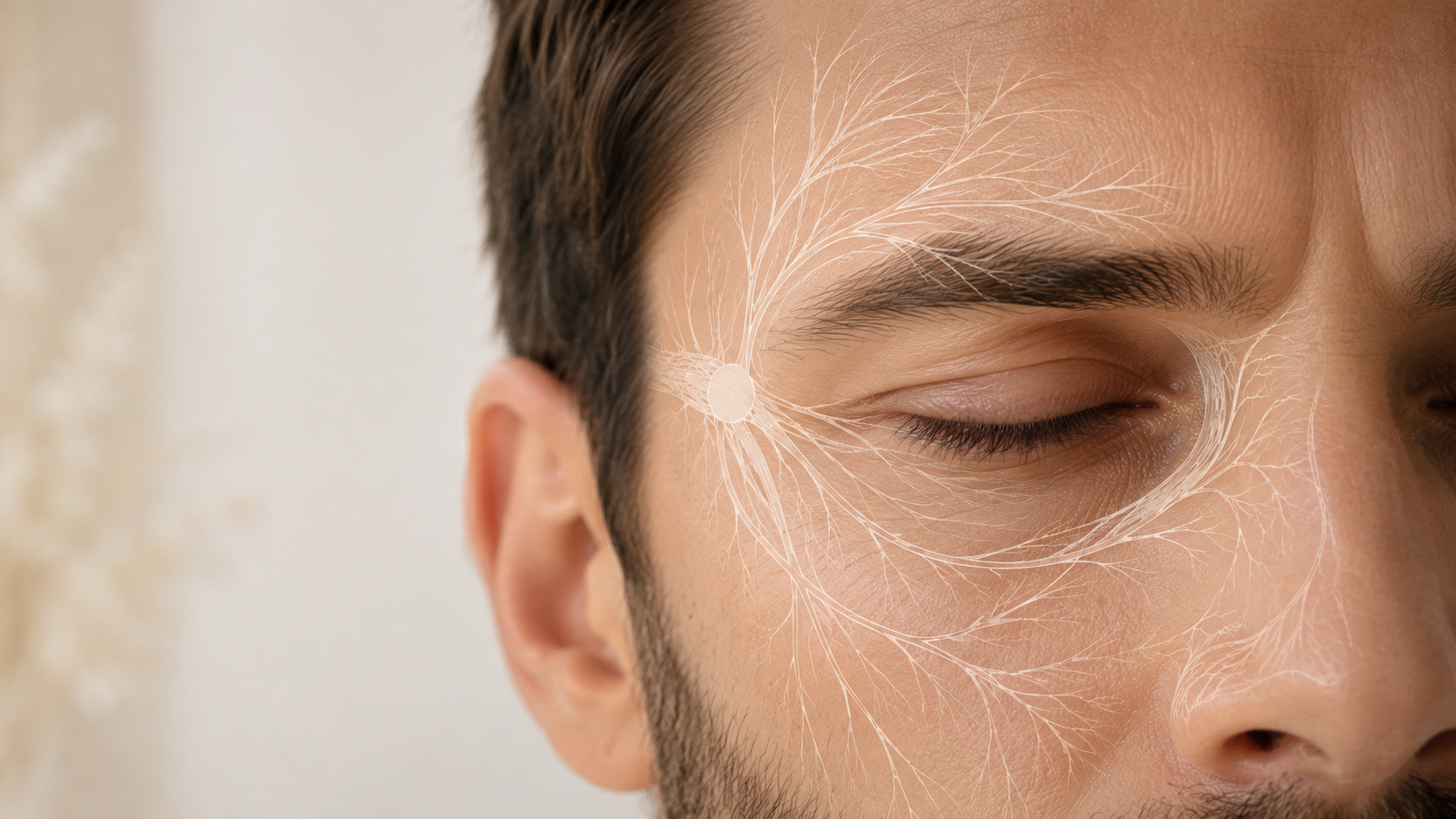
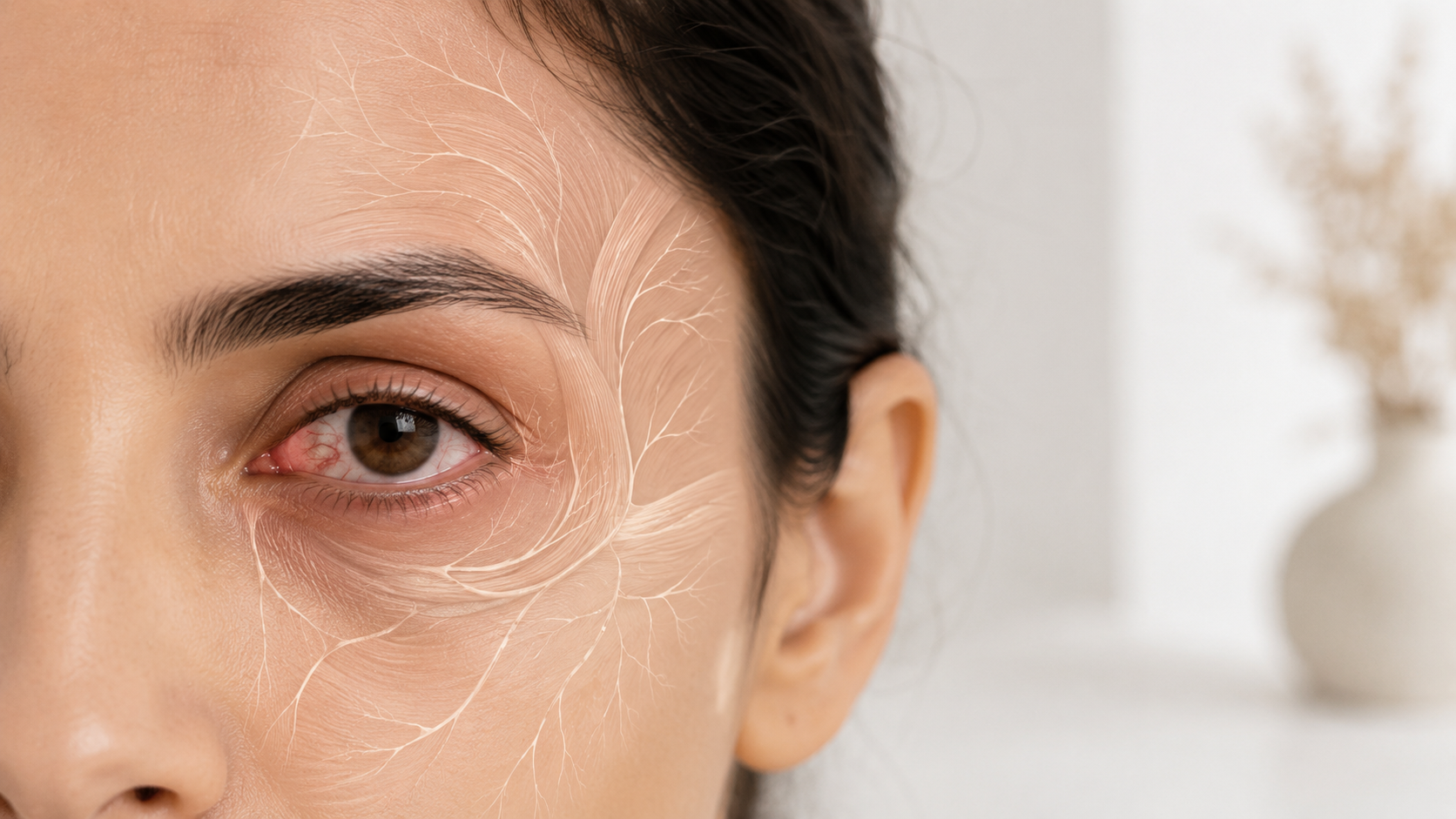
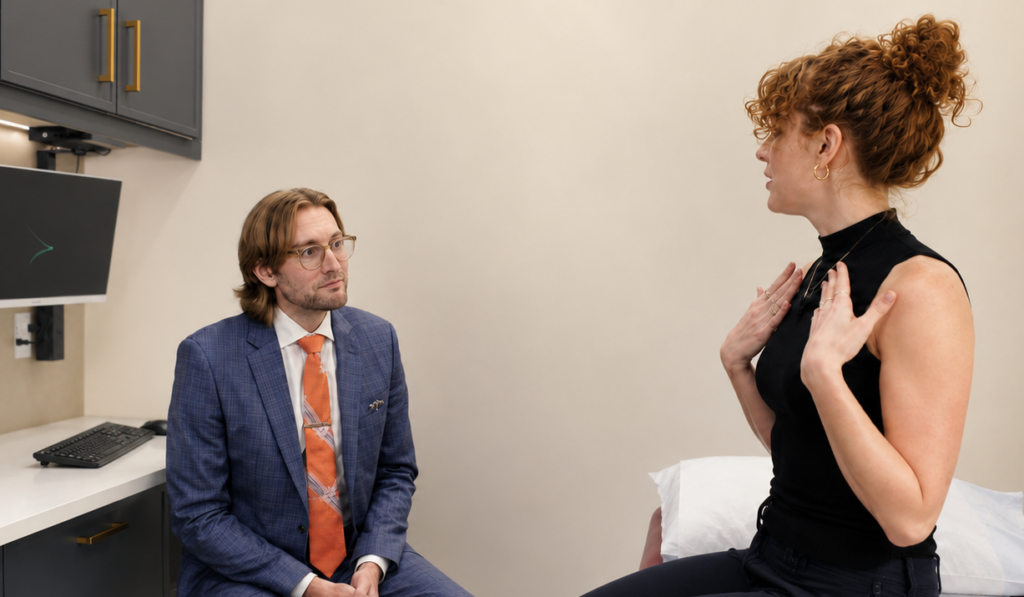
At Manhattan Pain Medicine (MPM), botulinum toxin is not presented as a universal TMJ treatment. It is considered only after a diagnosis-first evaluation. This matters because TMJ dysfunction can involve the jaw joint, chewing muscles, dental factors, nerves, headache disorders, cervical spine contributors, arthritis, inflammatory conditions, or orofacial dystonia.
Medical Botox for Jaw Pain Versus Cosmetic Botox
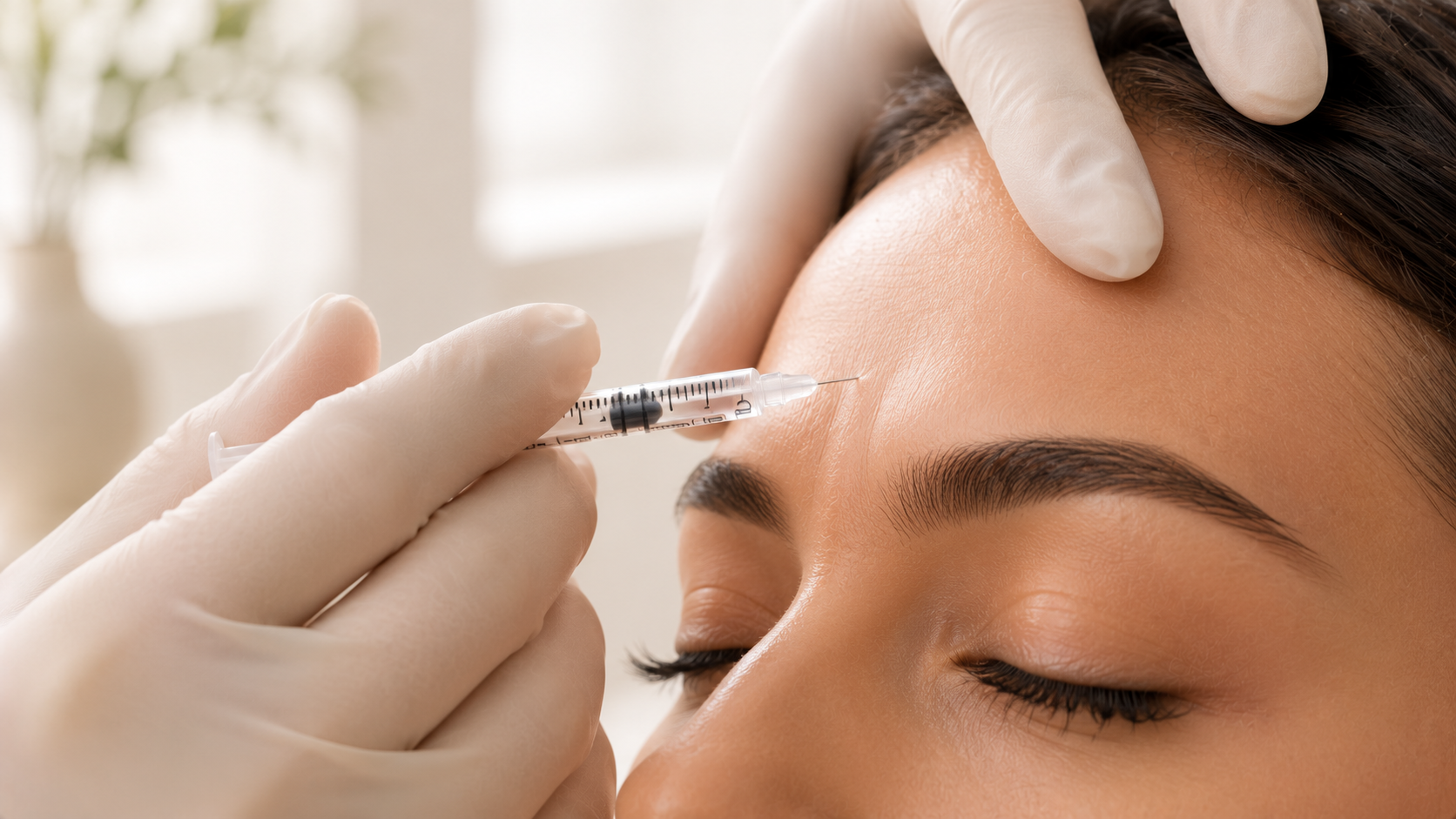
Medical Botox for jaw pain is different from cosmetic Botox. Cosmetic treatment is usually focused on facial lines or appearance. TMJ botulinum toxin treatment is focused on whether targeted relaxation of overactive jaw muscles may help reduce pain, clenching, or functional symptoms in selected patients.
Some patients also ask about jaw slimming from masseter Botox. That is not the focus of MPM’s care. MPM evaluates Botox for TMJ dysfunction as a medical treatment, with attention to diagnosis, muscle involvement, chewing function, safety, and realistic expectations.
How Botulinum Toxin May Help TMJ-Related Muscle Pain
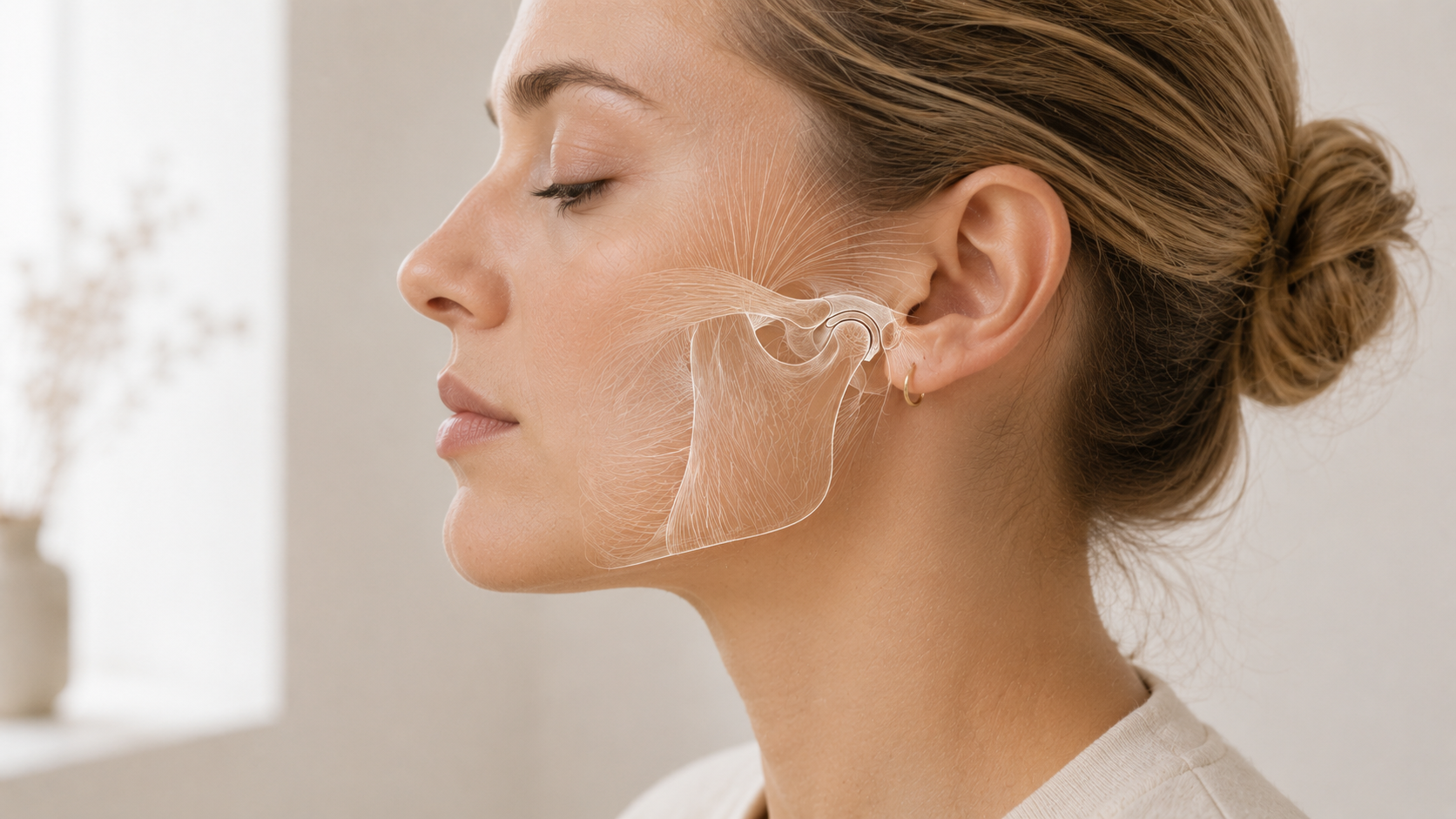
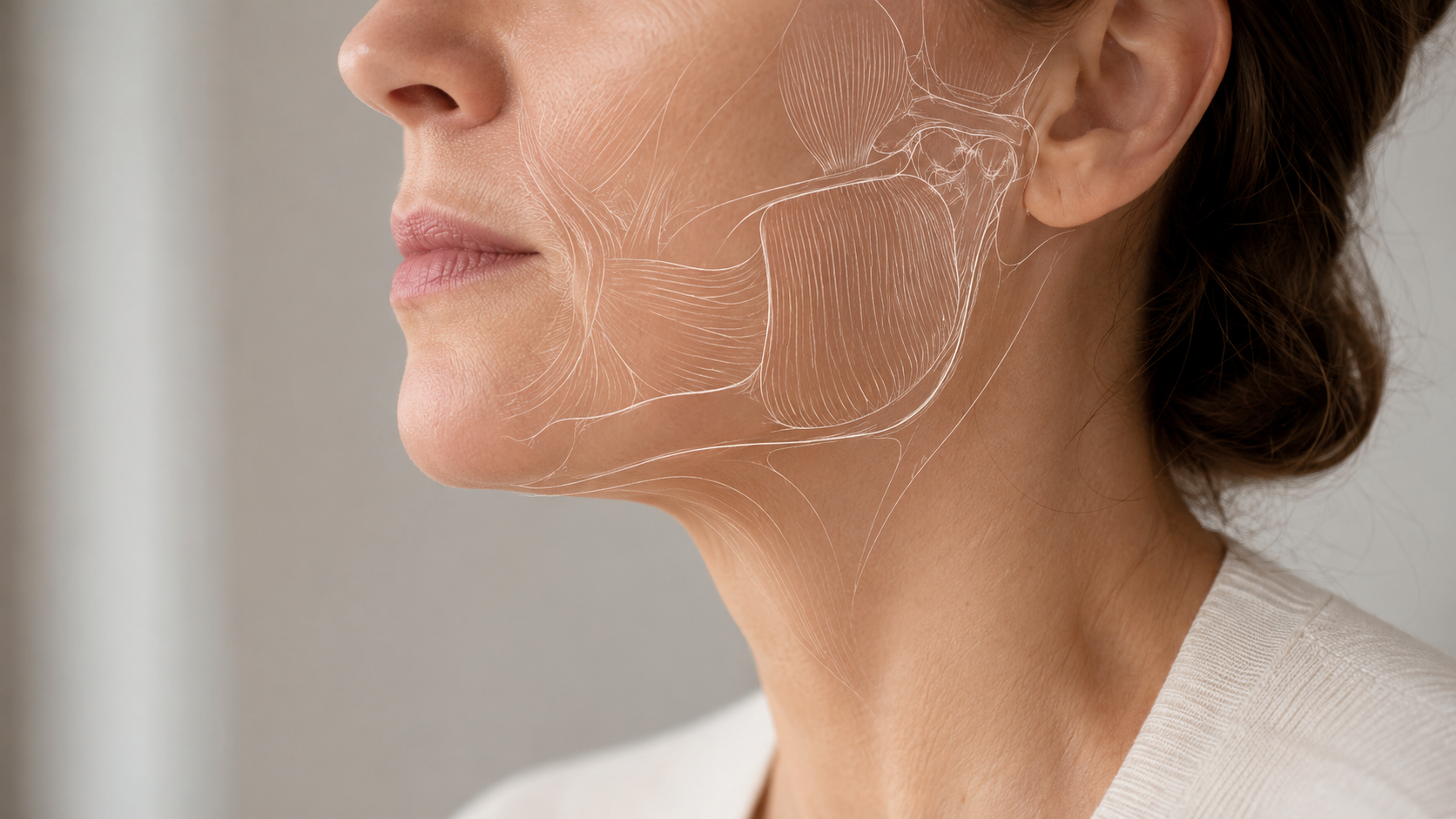
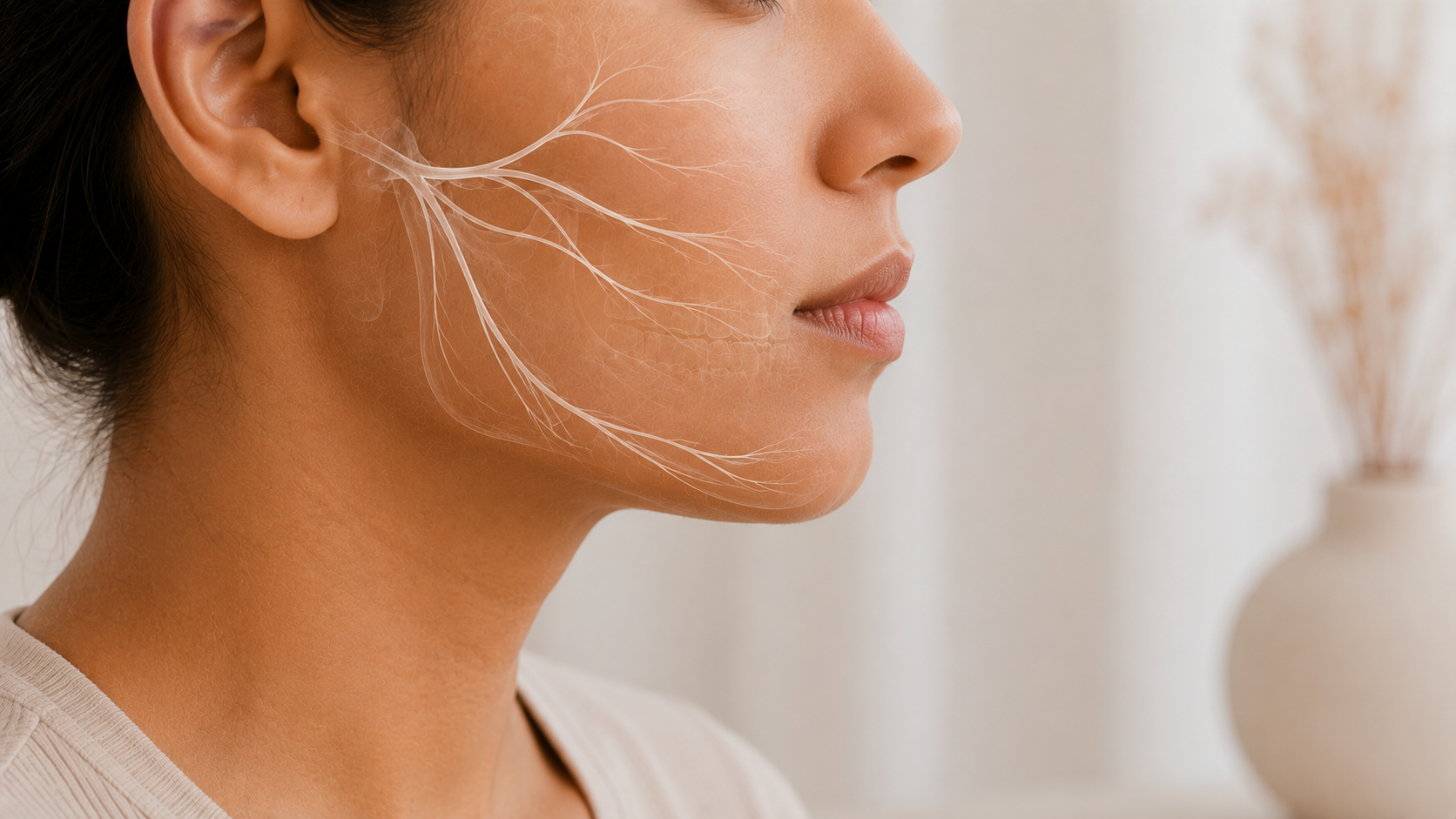
Botulinum toxin temporarily reduces activity in targeted muscles. When jaw pain is driven by muscle overactivity, repeated clenching, bruxism, or painful masseter or temporalis tension, reducing that overactivity may help selected patients. This may be relevant for patients with jaw tightness, muscle soreness, pain with chewing, tension-related headache overlap, or symptoms that persist despite a night guard or conservative care.
However, Botox does not repair the jaw joint, correct dental bite issues, treat infection, cure bruxism, or resolve trigeminal neuralgia. It also does not replace dental evaluation, oral appliance therapy, physical therapy, medication management, headache evaluation, pain psychology, or specialist care when those are needed.
TMJ Pain, Headaches, and Facial Pain Overlap
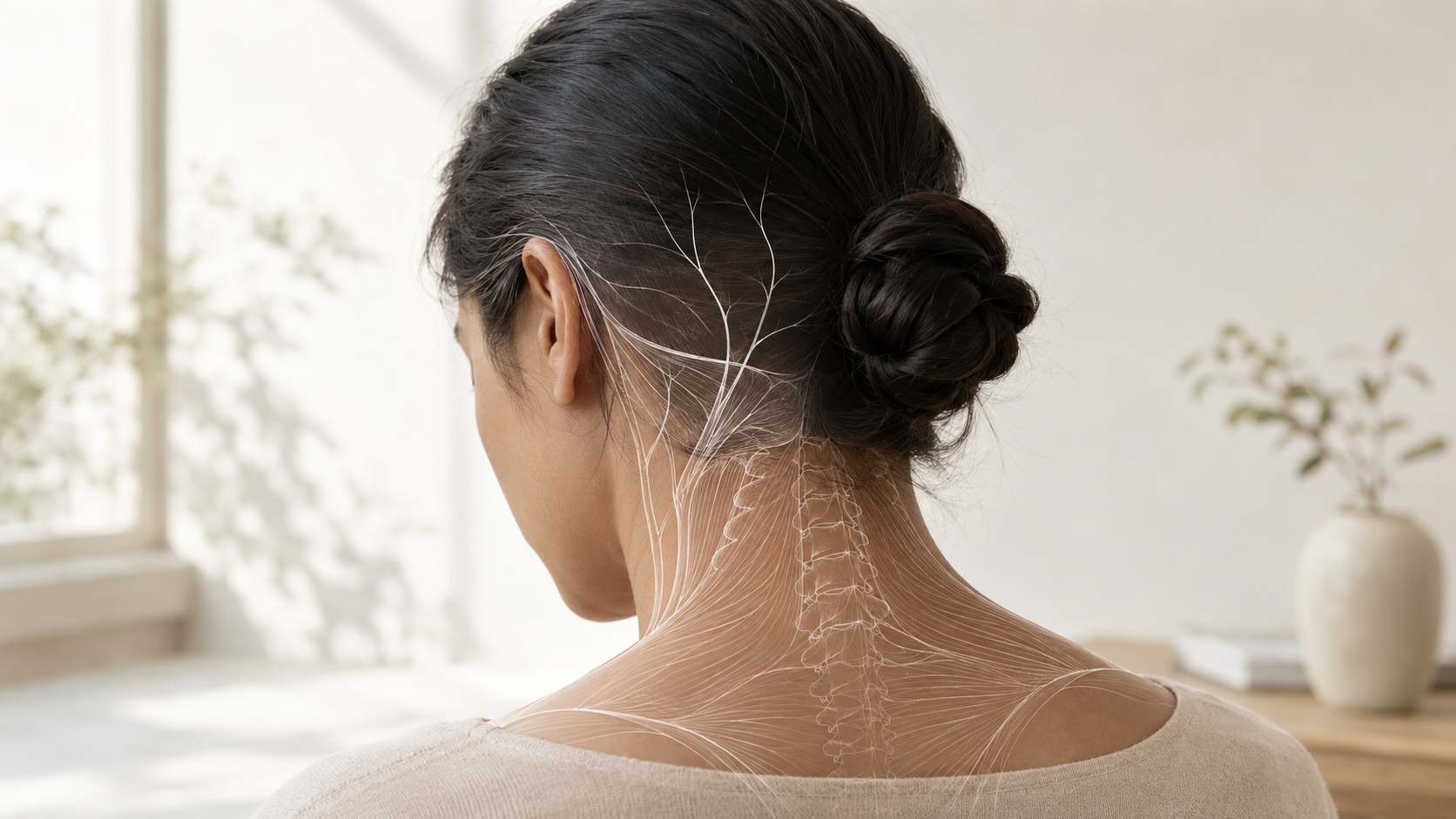
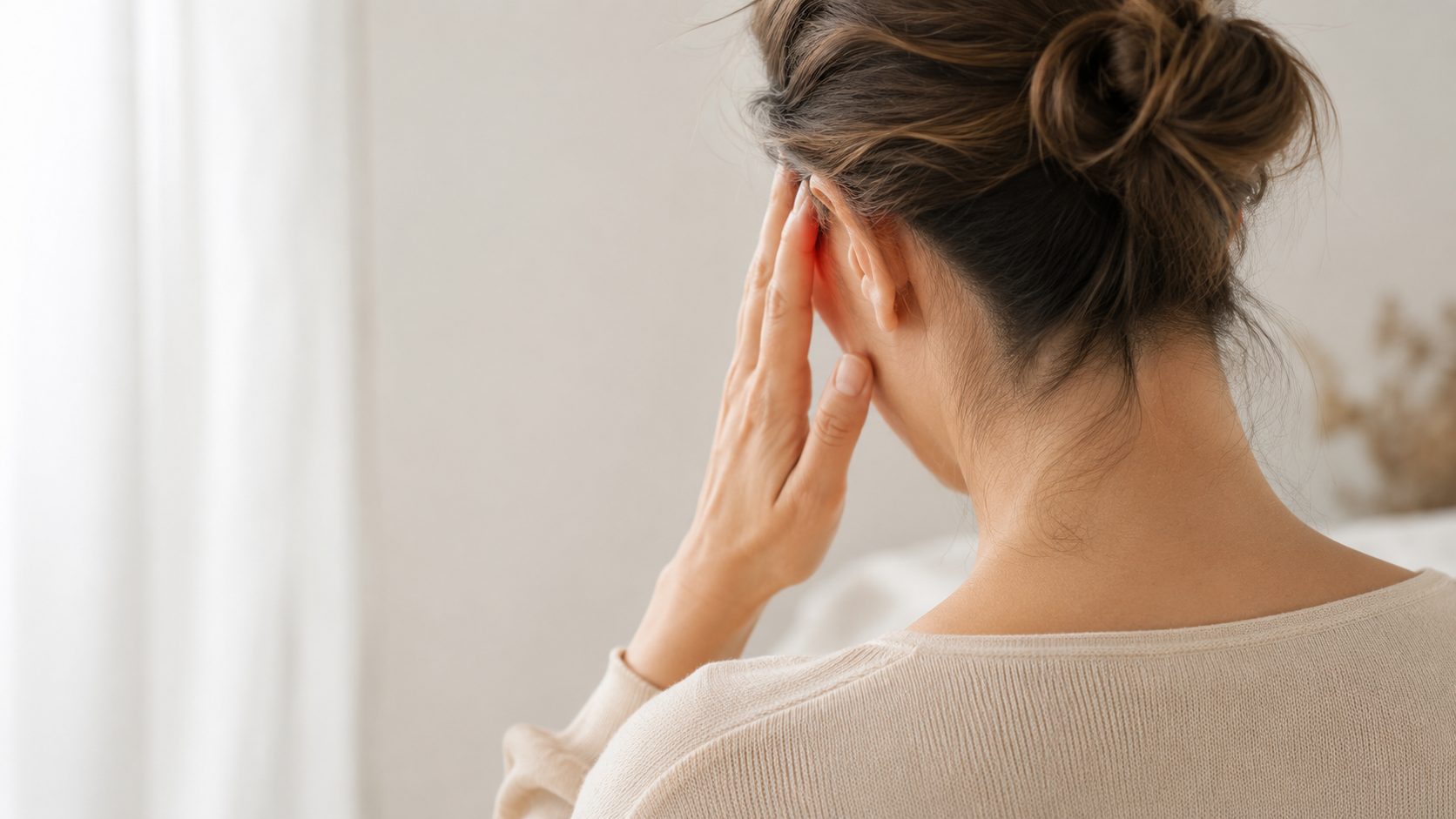
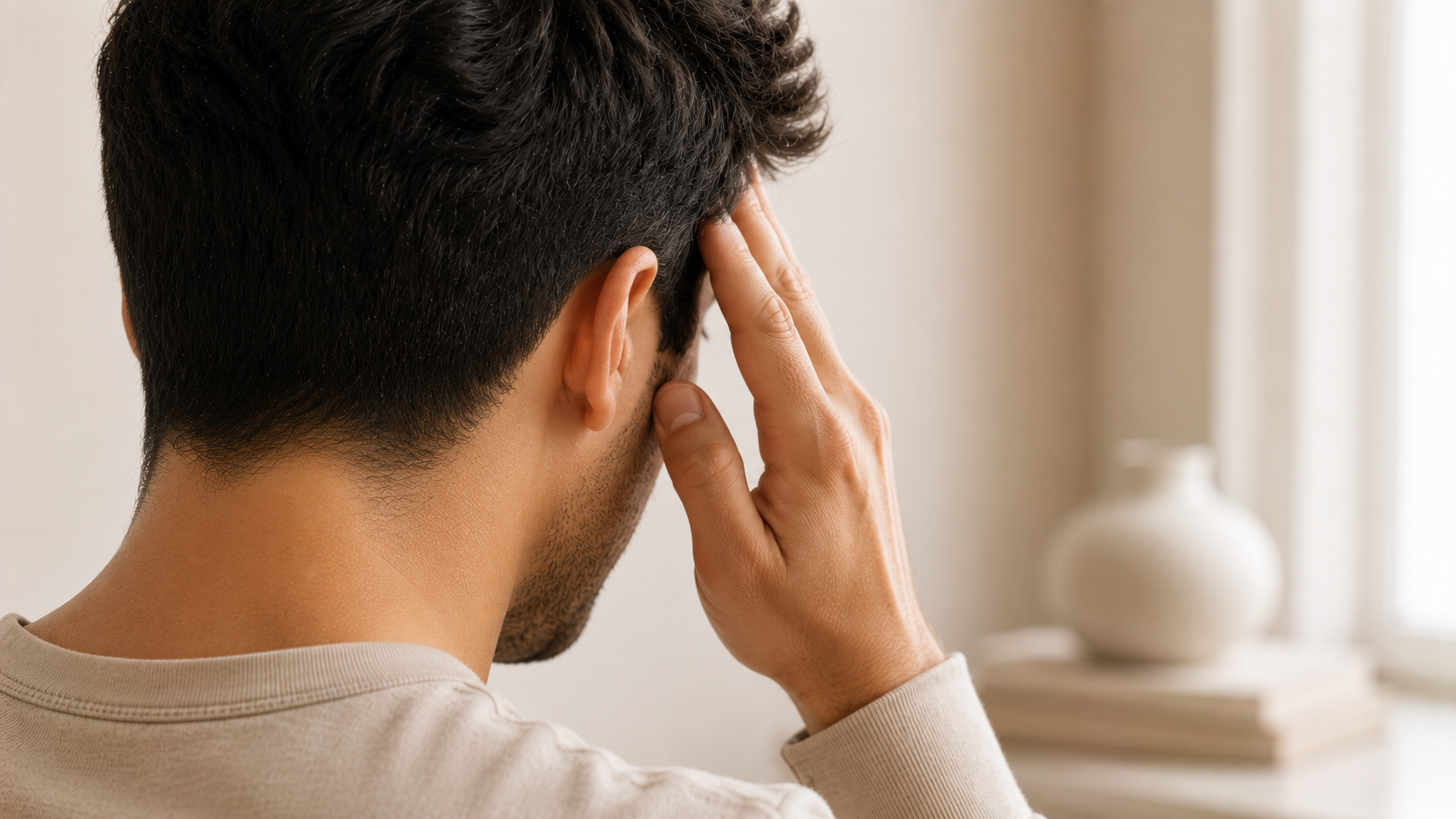
TMJ symptoms often overlap with headache and facial pain. A patient may have jaw pain with chronic migraine, tension headache, neck pain, or facial pain. Another patient may have orofacial dystonia, trigeminal neuralgia, or a trigeminal autonomic cephalalgia that requires a different treatment plan. Some patients have inflammatory arthritis affecting the jaw joint or hypermobility that changes joint mechanics.
MPM evaluates these overlapping contributors before recommending botulinum toxin. Botox for TMJ pain and headaches may be considered only when jaw muscle overactivity appears to be a meaningful driver. If the headache disorder is primary, the patient may need migraine treatment, nerve blocks, medication management, or other headache care. If facial pain suggests neuralgia, further neurological evaluation may be appropriate.
Who May Be a Candidate
A patient may be considered for TMJ Botox when symptoms suggest that masticatory muscle overactivity is contributing to pain or dysfunction. This may include jaw clenching, bruxism, masseter muscle pain, jaw fatigue, muscle spasm, or TMJ-related headaches with clear muscle involvement.
A patient may not be a good candidate if symptoms are mainly driven by joint degeneration, disc displacement, dental occlusion problems, infection, inflammatory arthritis, trigeminal neuralgia, severe jaw locking, or another untreated pain generator. TMJ use of botulinum toxin is generally off-label, and evidence is mixed. This supports careful patient selection and a clear discussion of goals, risks, and alternatives.
What Patients Can Expect
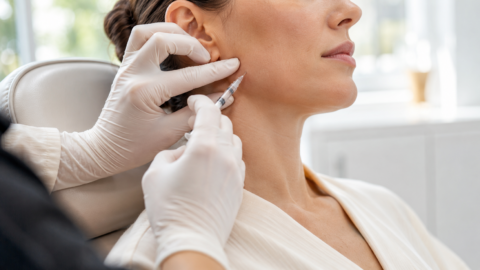
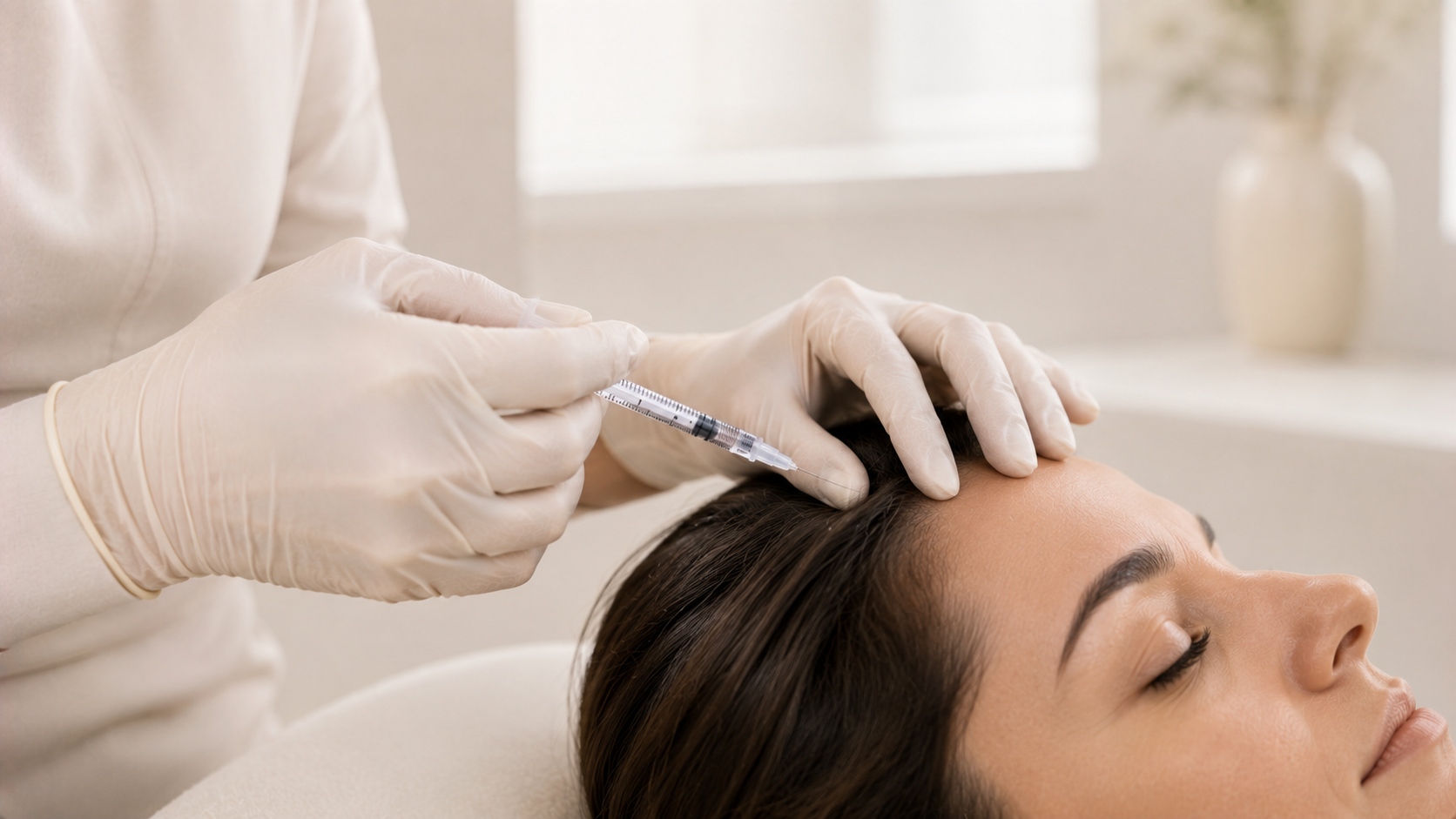
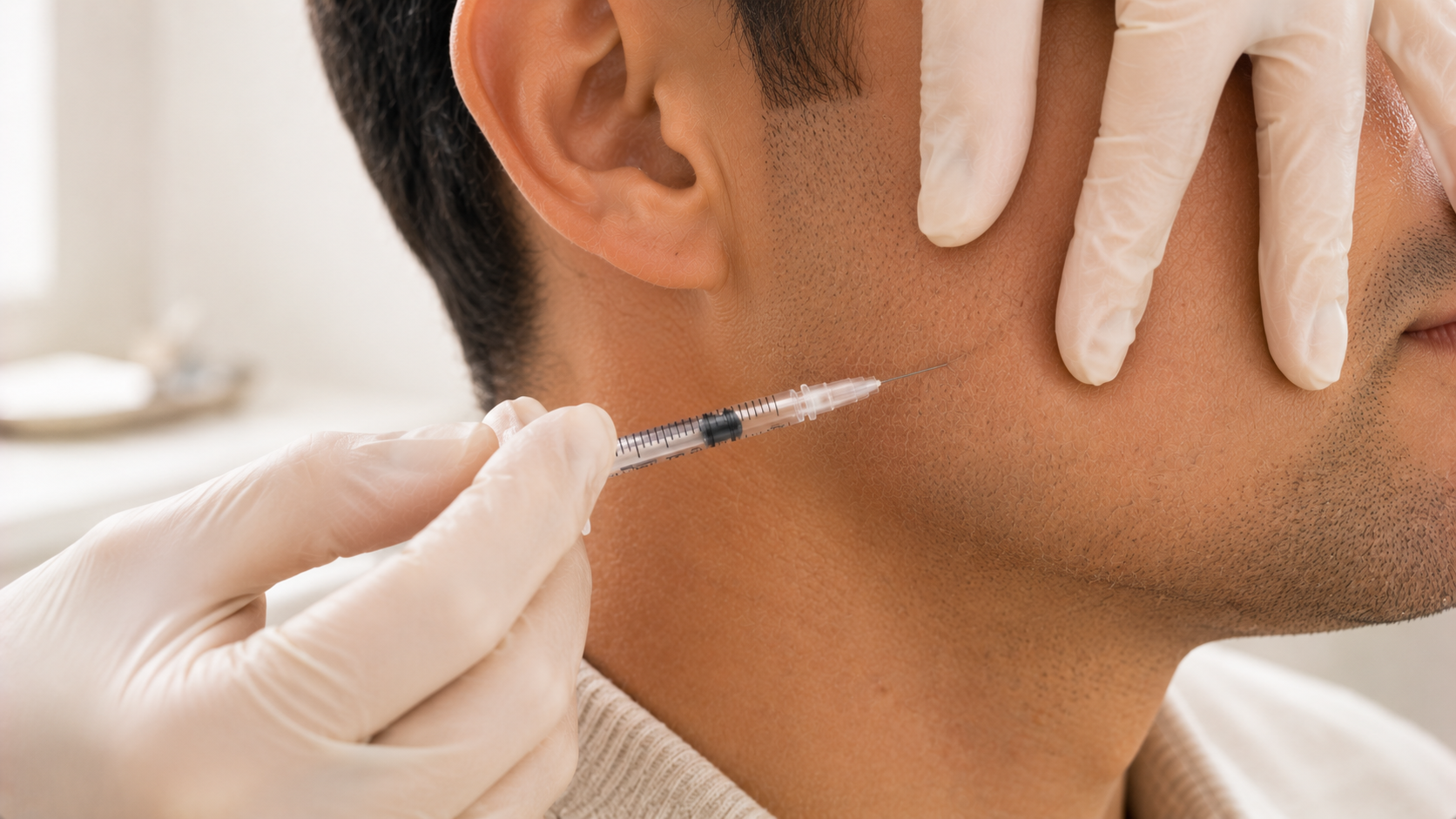
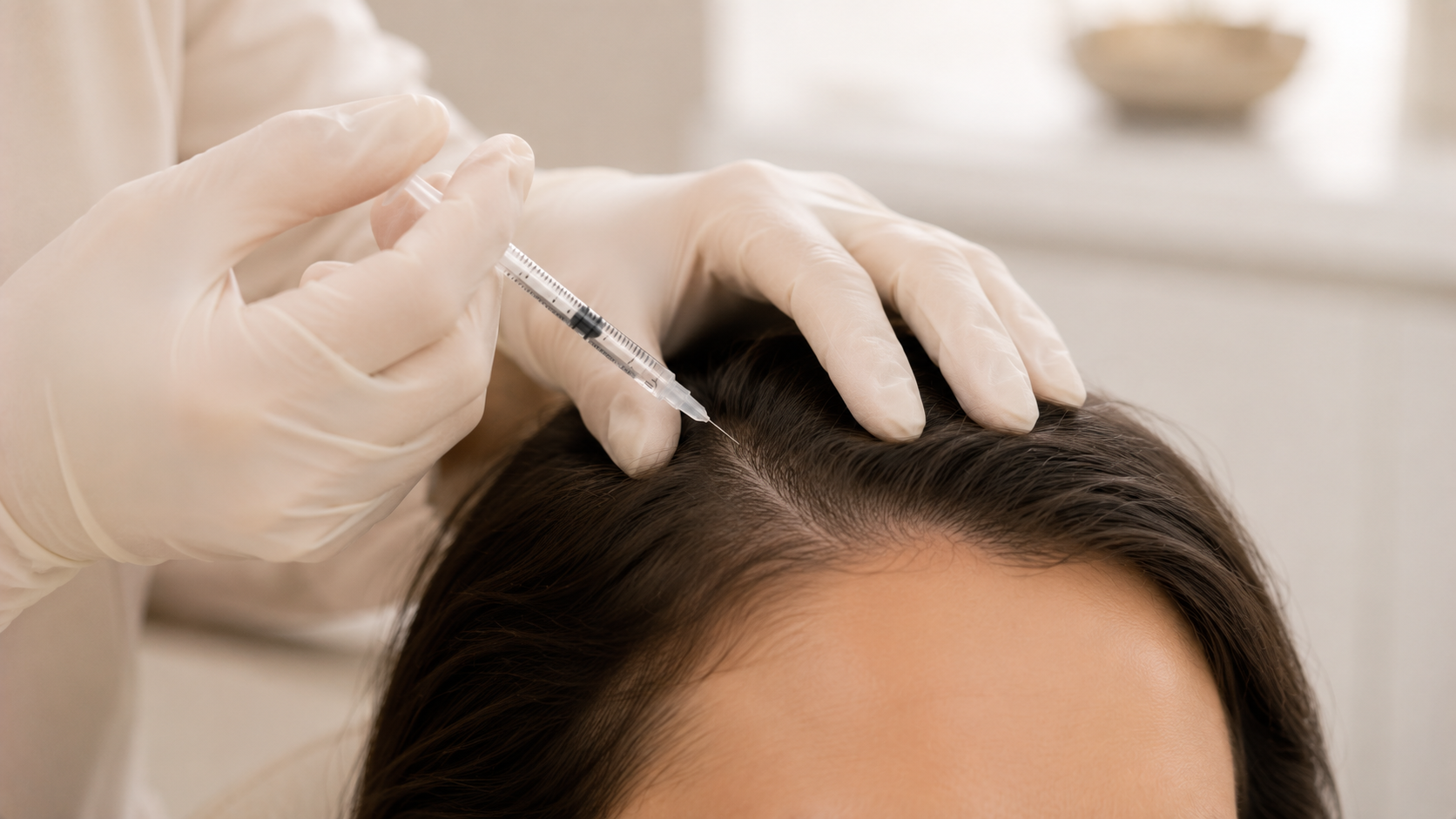
During treatment, small amounts of botulinum toxin are injected into selected jaw or facial muscles. The target muscles and dose depend on the patient’s anatomy, pain pattern, and clinical goals. Patients may feel brief pinching, pressure, or soreness. The effect is not immediate and may take days to begin.
If treatment helps, benefit is temporary and may last several months. Follow-up is important to assess pain, clenching, chewing function, headaches, facial symptoms, and side effects. If Botox does not help, MPM may reconsider the diagnosis, adjust the care plan, or recommend another treatment pathway.
Risks and Safety Considerations
Botox for TMJ can cause injection-site pain, bruising, temporary chewing weakness, jaw fatigue, smile asymmetry, facial weakness, dry mouth, headache, swallowing or speech difficulty, allergic reaction, or spread of toxin effect. It may also affect facial appearance or chewing strength, which should be discussed before treatment.
Extra caution is needed for patients with neuromuscular junction disorders, significant swallowing or breathing problems, active infection at injection sites, pregnancy or breastfeeding considerations, medication interactions, or prior reaction to botulinum toxin.
Patients should seek urgent evaluation for sudden facial weakness, new neurological symptoms, severe jaw locking, fever, facial swelling, dental infection symptoms, trouble breathing, trouble swallowing, sudden severe headache, vision changes, chest pain, or rapidly worsening symptoms.
For selected patients, botulinum toxin may be a useful part of TMJ and orofacial pain care. MPM’s role is to determine whether the jaw muscles are truly contributing to symptoms and whether injections fit safely within a broader coordinated plan.