Trigeminal Neuralgia Evaluation and Treatment in Manhattan

Trigeminal neuralgia can cause sudden, severe, electric shock-like facial pain affecting the cheek, jaw, teeth, gums, lips, forehead, or eye area.

Related Zones of Expertise

Learn how Dr. Siefferman evaluates trigeminal neuralgia, identifies the source of facial nerve pain, and develops personalized treatment plans to help patients find lasting relief.

Understanding Trigeminal Neuralgia

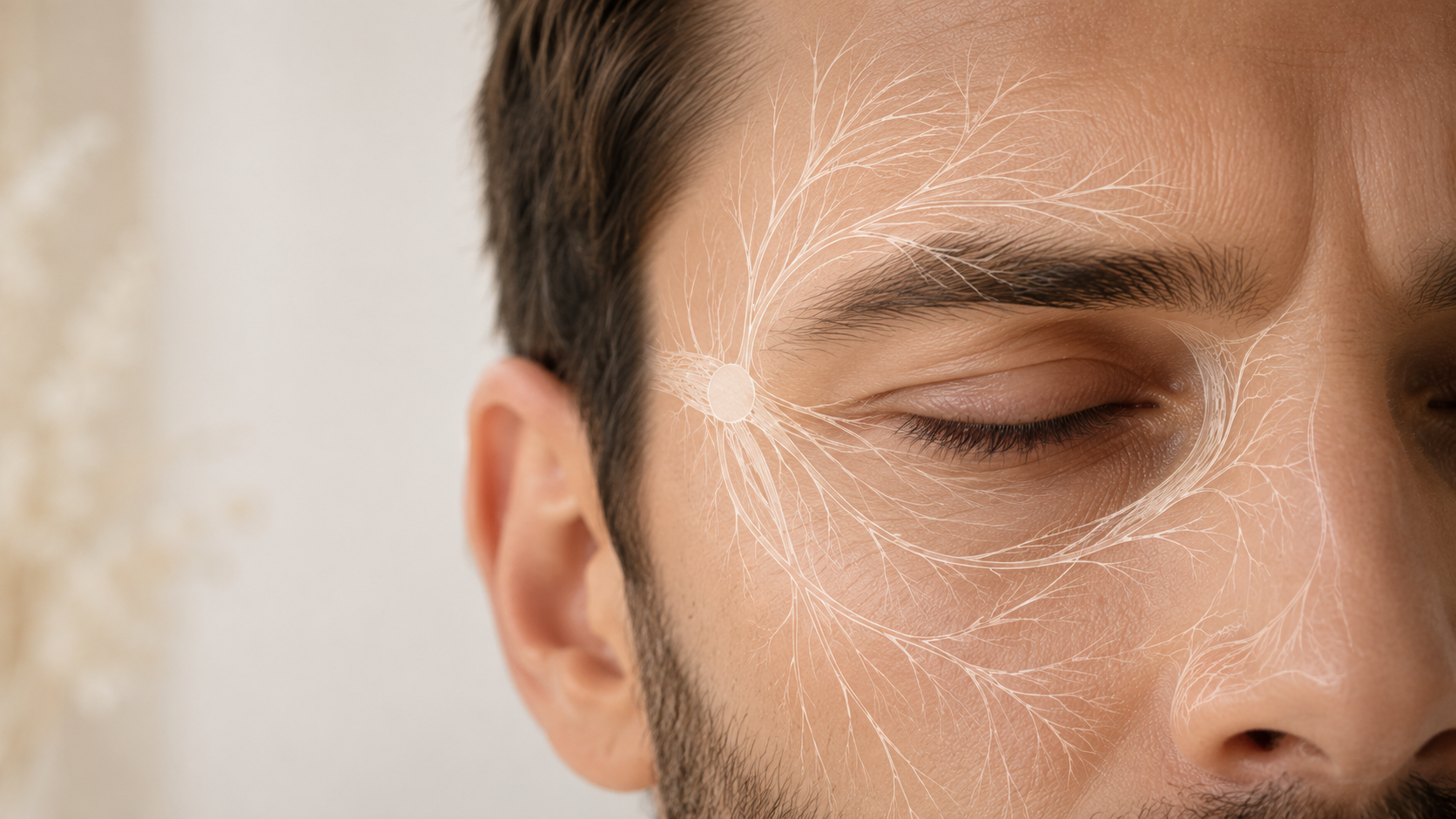
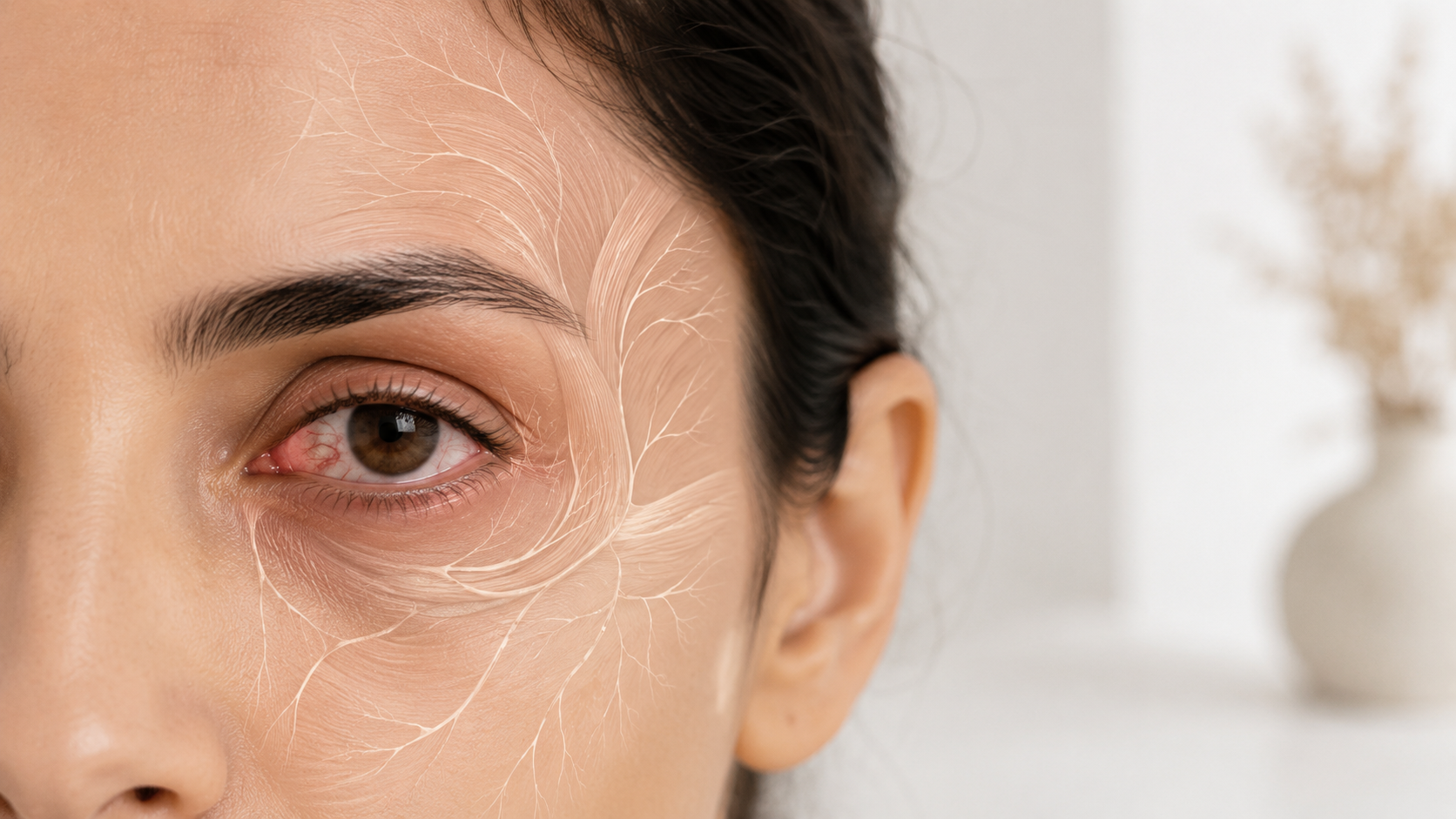
Trigeminal neuralgia is a cranial nerve pain condition that causes sudden attacks of severe facial pain involving one or more branches of the trigeminal nerve. Pain may feel electric, stabbing, shooting, sharp, or shock-like. It may affect the cheek, jaw, teeth, gums, lips, forehead, or area around the eye.

Many patients notice that pain is triggered by ordinary activities such as brushing teeth, chewing, talking, shaving, washing the face, touching the skin, wind exposure, or cold air. Because trigeminal neuralgia can resemble dental pain, TMJ disorders, sinus pain, migraine, cluster headache, hemicrania, trigeminal autonomic cephalalgias, or other facial pain conditions, diagnosis-first evaluation is essential.

At Manhattan Pain Medicine (MPM), evaluation focuses on mapping the facial pain pattern, triggers, nerve distribution, headache overlap, jaw and TMJ contributors, dental or ENT history, prior imaging, medication response, and the need for neurologic or neurosurgical coordination.

Specialist Care for Severe Facial Nerve Pain

At MPM, care begins by identifying whether facial pain is consistent with trigeminal neuralgia or another source of facial, jaw, dental, sinus, or headache-related pain. For patients seeking trigeminal neuralgia treatment in Manhattan, MPM evaluates the location of pain, trigger pattern, duration of attacks, involved trigeminal nerve branch, prior dental workup, TMJ symptoms, headache history, neurologic symptoms, imaging findings, and prior medication response.

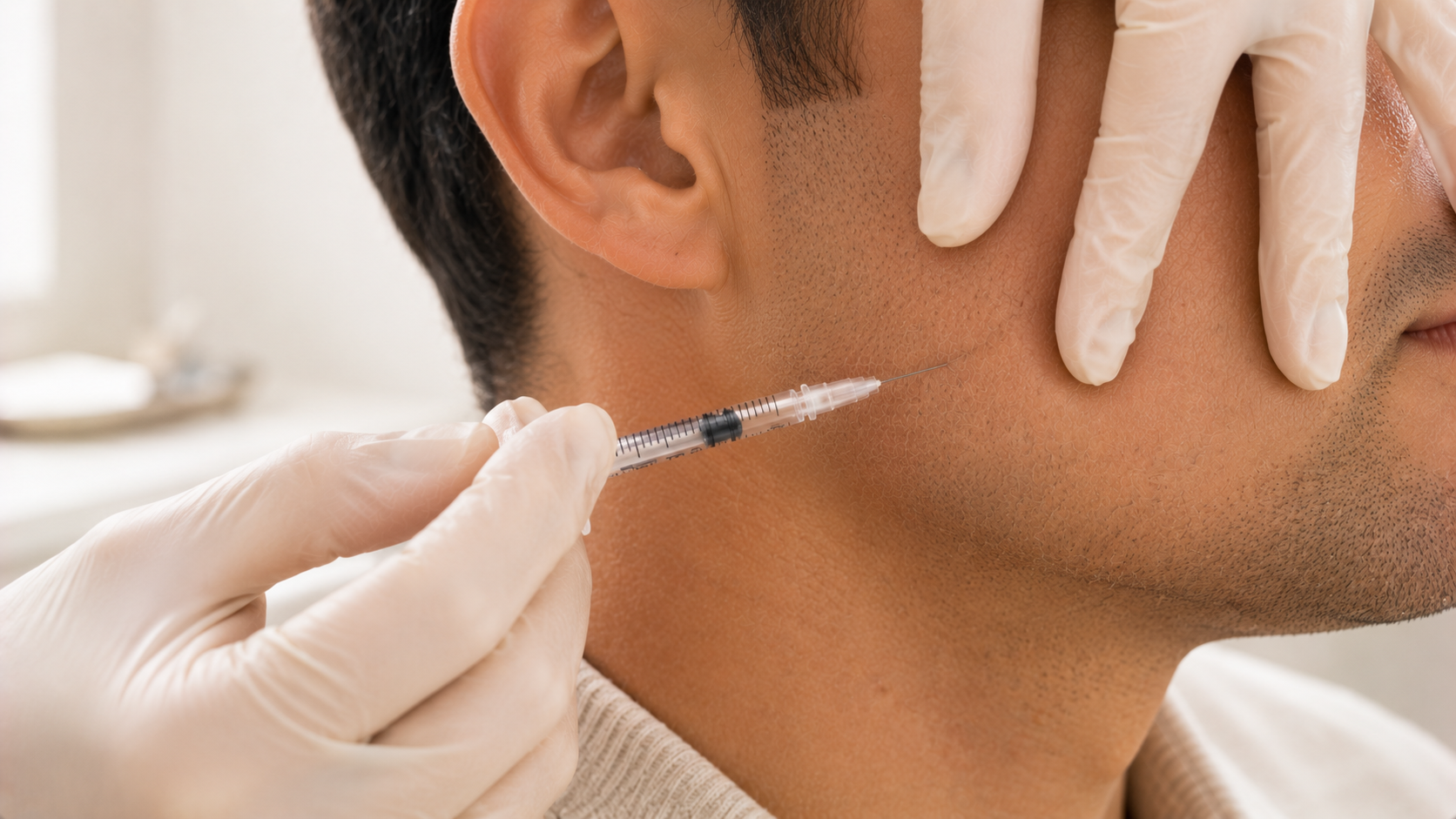
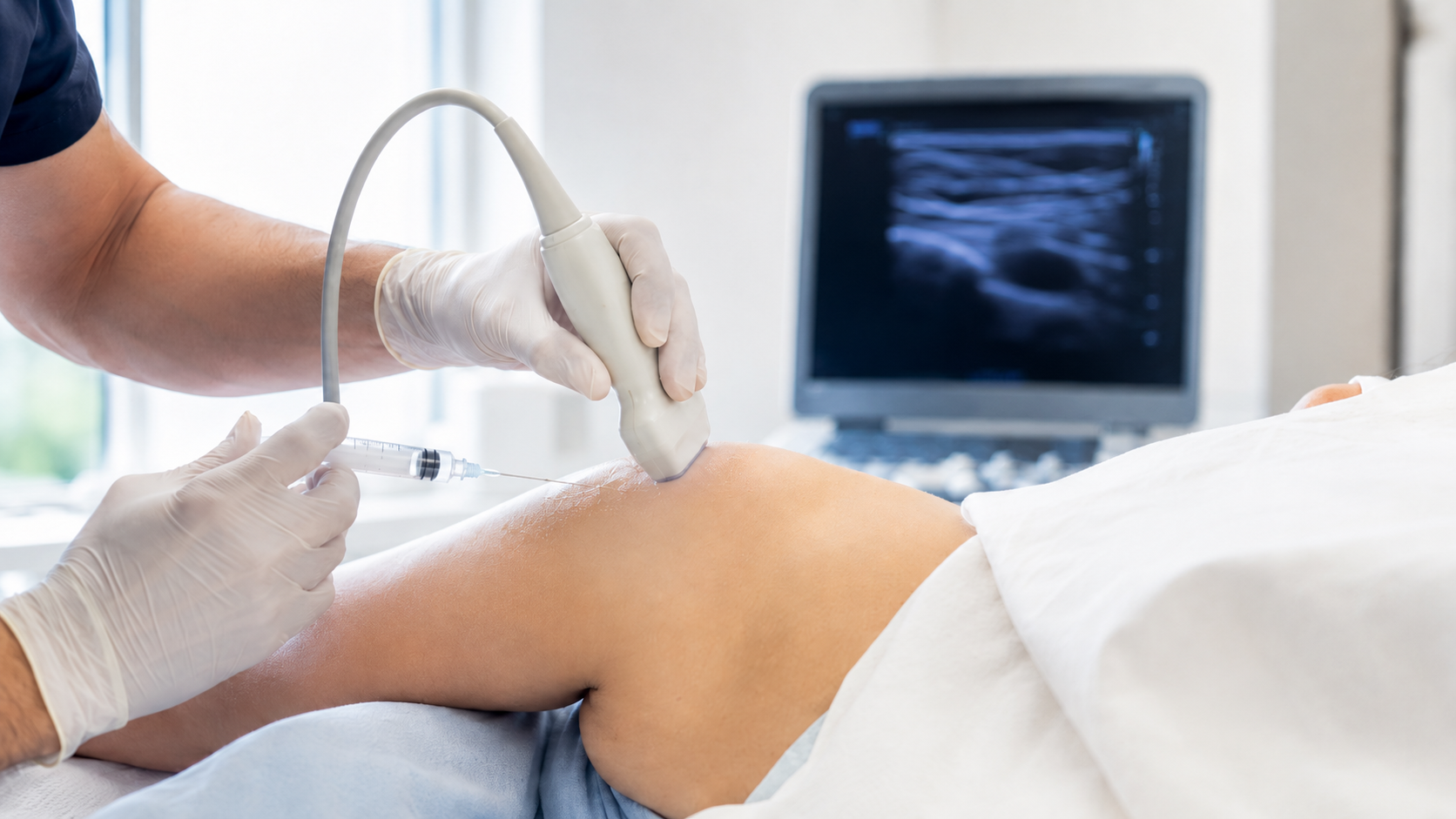
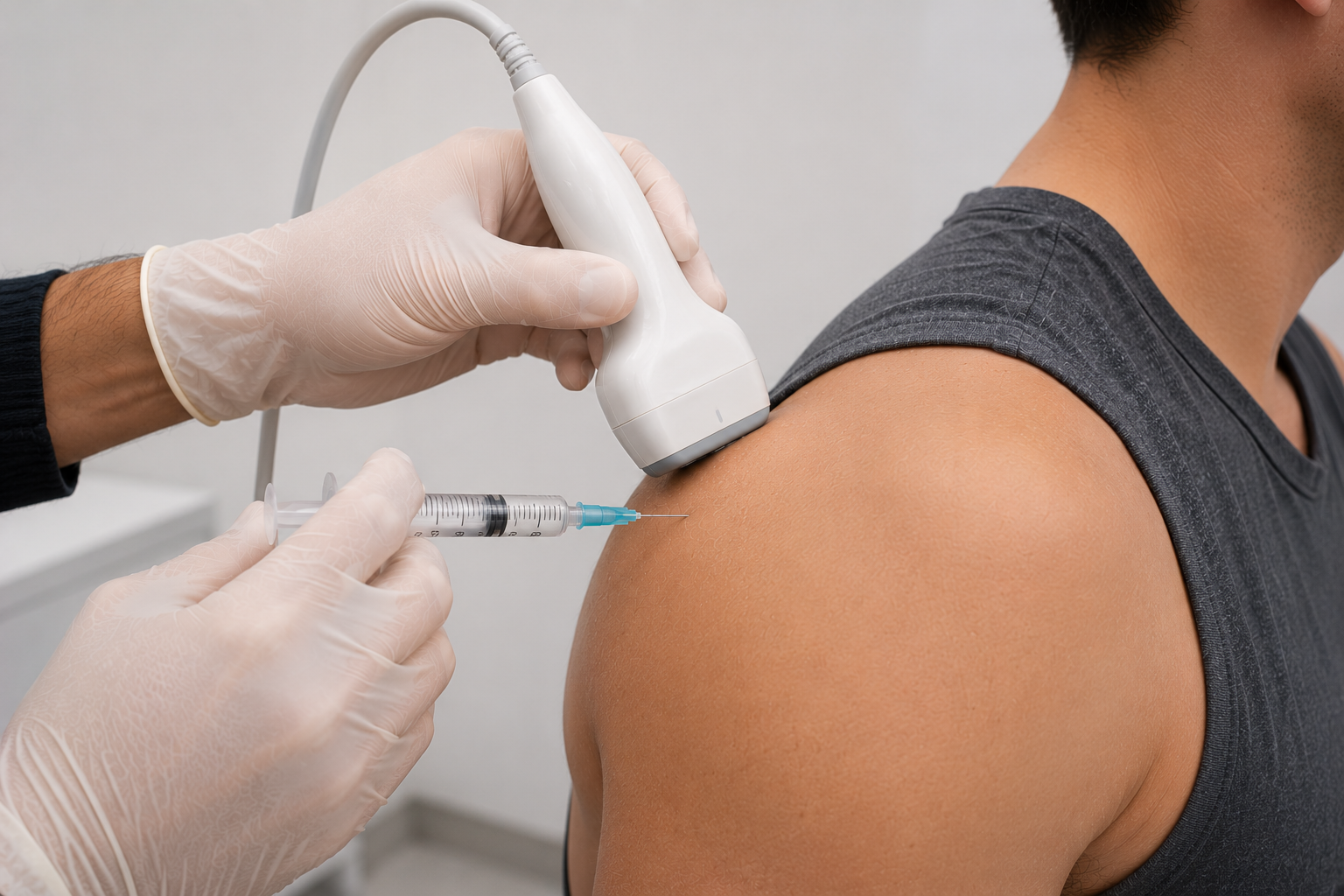
Treatment may include medication management, peripheral nerve blocks, ultrasound-guided procedures, botulinum toxin injections in selected cases, or coordination with neurology, dentistry, ENT, oral surgery, headache medicine, or neurosurgery when needed. The goal is to clarify the pain generator and build a treatment plan that fits the diagnosis, severity, risk profile, and prior response to care.

Why Facial Pain Can Be Difficult to Diagnose

Facial pain can come from many different sources. Pain in the jaw, teeth, gums, cheek, forehead, or eye area may be related to trigeminal neuralgia, painful trigeminal neuropathy, dental disease, TMJ disorder, migraine, cluster headache, hemicrania, sinus disease, cervical referral, or post-procedural nerve irritation.

Trigeminal neuralgia often causes brief, severe, electric or stabbing attacks in a trigeminal nerve distribution. TMJ disorders may cause jaw clicking, chewing pain, facial pain, ear pressure, and headache. Migraine and cluster headache may involve head or facial pain with different timing, associated symptoms, and autonomic features. Dental pain may follow tooth, gum, bite, or infection patterns.

MPM’s diagnosis-first approach is designed to avoid treating every facial pain episode as trigeminal neuralgia. The evaluation considers the full clinical pattern before recommending medication, injections, botulinum toxin, or specialty referral.

Request an Appointment

How MPM Approaches Trigeminal Neuralgia Evaluation

How MPM Approaches Trigeminal Neuralgia Evaluation

MPM evaluates severe facial pain by mapping the nerve distribution, triggers, headache overlap, jaw contributors, prior workup, and treatment history before recommending care.
  • 1

    Map the Facial Pain Pattern

    MPM begins by reviewing where the pain occurs, how it feels, how long attacks last, and what triggers them. Severe electric, stabbing, shooting, or sharp pain in the cheek, jaw, teeth, gums, lips, forehead, or eye area may suggest trigeminal nerve involvement.
  • 2

    Identify Possible Triggers

    Trigeminal neuralgia may be triggered by light touch, chewing, talking, brushing teeth, shaving, washing the face, cold air, wind exposure, or routine facial movement. Understanding these triggers helps distinguish trigeminal neuralgia from TMJ disorders, dental pain, migraine, sinus pain, and other facial pain conditions.
  • 3

    Rule Out Similar Conditions

    MPM considers dental disease, TMJ disorders, migraine, cluster headache, hemicrania, trigeminal autonomic cephalalgias, sinus disease, painful trigeminal neuropathy, glossopharyngeal neuralgia, multiple sclerosis, tumor, vascular compression, shingles, post-herpetic neuralgia, and other neurologic conditions.
  • 4

    Coordinate a Treatment Plan

    Treatment may include medication management, peripheral nerve blocks, ultrasound-guided injections, botulinum toxin injections in selected cases, or referral to neurology, dentistry, ENT, oral surgery, headache medicine, or neurosurgery. Care depends on the diagnosis, severity, imaging findings, medical history, and prior treatment response.

Trigeminal Neuralgia and the Headache Zone of Expertise

Trigeminal neuralgia fits within MPM’s Headache Zone of Expertise because facial pain often overlaps with headache medicine, cranial nerve pain, TMJ disorders, migraine, cluster headache, hemicrania, and trigeminal autonomic cephalalgias.

MPM evaluates whether pain is following a trigeminal nerve distribution, a headache pattern, a jaw and TMJ pattern, a dental pattern, or a mixed facial pain presentation. This broader view helps guide treatment and reduces the risk of treating the wrong pain generator.

Treatments Related to Trigeminal Neuralgia

Treatment depends on whether facial pain is driven by trigeminal neuralgia, headache overlap, TMJ dysfunction, dental or ENT causes, trigeminal neuropathy, vascular compression, or another neurologic source.
PATIENT STORIES

Real Patients. Real Progress.

Hear from patients who came to Manhattan Pain Medicine looking for answers, clarity, and a more thoughtful path forward.
  • Michael O.

    5 star review

    These guys are the best. I've been going here for over 6 years and their familiarity with my Schwannomatosis (most ppl have never even heard of it - its rather rare) and their ability to diagnose my CRPS quickly and accurately and then treat it like I was merely getting a flu shot is just incredible...

    Google

  • John A.

    5 star review

    Highly recommended for those who need Pain Management. Everyone at Manhattan Pain Medicine is extremely nice and helpful. I have had very good interactions with both Dr. Siefferman and Dr. Louis. All of the staff is very responsive. 5 stars.

    Google

  • Rakhee K.

    5 star review

    The providers at Manhattan Pain Medicine are exceptional. I wish I had found them 30 years ago!

    Google

  • Annie R.

    5 star review

    I genuinely can’t say enough good things about the team at Manhattan Pain Medicine. I have MCAS, EDS, and an inflammatory autoimmune disease, and I’ve basically been searching for answers since I was a kid. I had years of unexplained inflammation markers, chronic pain, and allergic reactions despite...

    Google

  • Karine S.

    5 star review

    I have a complex medical history and have seen a lot of doctors over the years. Dr. Mikaberidze and Dr. Siefferman each took the time to really listen and understand everything I had been dealing with. I also appreciated how they work together and communicated about my care. I left with a plan that...

    Google

  • Edwin F-S.

    5 star review

    Sharing my gratitude for the pleasant experience last week during my visit, the medical team provided great care and also treated my session as a learning experience, I left my session with a wealth of knowledge. A big thank you to the kind, and professional staff who welcomed me to the office as a...

    Google

  • Madaline. M

    5 star review

    I cannot say enough good things about Manhattan Pain Medicine. From the moment I walked in, I felt truly cared for and taken seriously. Dr. Nino Mikaberidze, Director of Rheumatology, is exceptional — knowledgeable, compassionate, and incredibly thorough. She takes the time to listen, explains every...

    Google

  • Lauren W.

    5 star review

    Dr Siefferman is the most thorough, patient doctor I have even been to. Currently I travel from miami to nyc to see him because his bed side manner and desire to help is incomparable.

    ZocDoc

  • Dana S.

    5 star review

    This practice is wonderful. I have been a patient of Dr. Siefferman’s since 2019 and he’s extremely helpful and kind. He has brought in a Rheumatologist who is also great. They handle very complex pain issues and always try to find new ways to help me.

    Google

  • Frans M.

    5 star review

    Dr. Siefferman is an incredible doctor! He is extremely diligent and knowledgeable. It feels like you are his only patient. He invests a lot of time and effort into your injuries and concerns. I did not find these wonderful qualities with other pain specialists before, who were always rushed and som...

    ZocDoc

  • Gregory S.

    5 star review

    Dr. Siefferman is a doctor who combines the old world bedside manner of doctors from my childhood (60 years ago) with a sta te of the art embrace of modern technology. It is always a pleasure to have an appointment with him...always has options and solutions to my medical issues. He is truly the doc...

    ZocDoc

  • Judith R.

    5 star review

    Dr. Siefferman is a genius. He is very informed and listens attentively.

    ZocDoc

  • Joshua M.

    5 star review

    Dr. Siefferman and his entire team continue to be efficient, dedicated, and driven by precision and a genuine desire to give fantastic care. Will always recommend.

    ZocDoc

  • Michael W. S

    5 star review

    Doctor Siefferman is fantastic. Have been seeing him for 5 years. Couldn’t recommend more.

    ZocDoc

  • Stephanie G.

    5 star review

    Dr. Siefferman is the ONLY doctor who has ever been able to diagnose my pain and treat it. He is hands down the best

    ZocDoc

Trigeminal Neuralgia FAQs

Related conditions

Conditions That May Overlap With Trigeminal Neuralgia

Trigeminal neuralgia may overlap with headache and migraine, cluster headache, hemicrania, trigeminal autonomic cephalalgia, TMJ disorders, glossopharyngeal neuralgia, orofacial dystonia, cervical dystonia, peripheral neuropathy, central pain syndromes, and complex chronic pain.

Understanding Insurance Before You Begin

Before care begins, our team helps patients understand the practical side of treatment, including insurance verification, out-of-network benefits, cost-share estimates, self-pay options, and billing questions. We believe patients should have as much clarity as possible before moving forward.

Insurance & Billing

Pain Care That Starts With Understanding

When pain is complex, the first step should not be another generic treatment. Manhattan Pain Medicine looks deeper to understand what is driving the pain, why it has persisted, and what path forward makes sense for you.

Request An Appointment

Insights & Research

Explore MPM Insights and Research, including patient-friendly articles, clinical perspectives, and research from our team to help explain how we understand complex pain, evaluate care options, and guide the path to treatment
Patient education

A Deeper Look at Trigeminal Neuralgia and Facial Nerve Pain

Trigeminal neuralgia is a cranial nerve pain condition that can cause sudden, severe facial pain triggered by ordinary touch or movement.

Trigeminal Neuralgia

Trigeminal neuralgia is a condition involving the trigeminal nerve, one of the major cranial nerves responsible for facial sensation. When this nerve is irritated, compressed, or affected by another process, patients may experience sudden attacks of severe facial pain.

The pain is often described as electric, stabbing, sharp, shooting, or shock-like. It may affect the cheek, jaw, teeth, gums, lips, forehead, or area around the eye. For some patients, attacks are brief but intense. For others, attacks may recur in clusters or become more frequent over time.

Common Triggers for Trigeminal Neuralgia

One of the most distinctive features of trigeminal neuralgia is that ordinary sensations can trigger severe pain. Patients may experience attacks while brushing their teeth, chewing, shaving, washing their face, applying makeup, talking, smiling, touching the skin, or feeling wind or cold air on the face.

These triggers can make daily routines difficult. Some patients begin avoiding eating, brushing, socializing, or going outdoors because they fear the next pain attack. This is one reason careful evaluation and a coordinated care plan are important.

Why Trigeminal Neuralgia Can Be Mistaken for Other Conditions

Trigeminal neuralgia can be difficult to diagnose because facial pain overlaps with many specialties. A patient may first see a dentist because the pain feels like it is coming from the teeth or gums. Others may see ENT for sinus or ear symptoms, oral surgery for jaw pain, neurology for cranial nerve pain, or headache medicine for migraine-like symptoms.

Similar pain patterns may come from dental infection, TMJ disorders, sinus disease, migraine, cluster headache, hemicrania, trigeminal autonomic cephalalgias, painful trigeminal neuropathy, glossopharyngeal neuralgia, shingles, post-herpetic neuralgia, cervical referral, multiple sclerosis, tumor, or vascular compression.

MPM does not assume every case of facial pain is trigeminal neuralgia. The evaluation starts with the full pattern: location, timing, triggers, sensation, exam findings, prior dental or ENT workup, headache history, neurologic symptoms, and prior response to medication or procedures.

Trigeminal Neuralgia and Headache Overlap

Trigeminal neuralgia is not the same as migraine, cluster headache, hemicrania, or trigeminal autonomic cephalalgia, but these conditions can overlap in the patient’s experience of facial or head pain.

Migraine may cause longer-lasting head pain, light sensitivity, sound sensitivity, nausea, and visual symptoms. Cluster headache and other trigeminal autonomic cephalalgias may cause severe head or facial pain with eye redness, tearing, nasal congestion, eyelid changes, or restlessness. TMJ disorders may cause jaw pain, chewing pain, ear pressure, facial tension, and headache.

Because these patterns can be complex, MPM evaluates trigeminal neuralgia within a broader facial pain and headache framework.

How MPM Evaluates Trigeminal Nerve Pain

MPM begins by mapping the pain across the trigeminal nerve branches. The evaluation looks at whether symptoms affect the forehead and eye region, cheek and upper jaw region, lower jaw and chin region, or multiple areas.

The team reviews pain quality, attack duration, triggers, associated symptoms, neurologic findings, medication history, dental procedures, prior imaging, and prior evaluations. When needed, MPM may coordinate with dentistry, ENT, oral surgery, neurology, headache medicine, or neurosurgery.

Imaging may be recommended when there is concern for neurovascular compression, multiple sclerosis, tumor, structural lesions, or another neurologic condition. The goal is to clarify whether symptoms fit trigeminal neuralgia, painful trigeminal neuropathy, headache disorder, TMJ-related pain, dental pain, or another diagnosis.

Treatment Options for Trigeminal Neuralgia

Treatment often begins with medication management. Anticonvulsant medications such as carbamazepine or oxcarbazepine are commonly used for trigeminal neuralgia under clinician supervision. Other medications may be considered depending on the patient’s diagnosis, medical history, tolerance, interactions, and prior response.

For selected patients, peripheral nerve blocks, ultrasound-guided injections, or botulinum toxin injections may be considered as part of a broader plan. These options are not universal treatments and should not be presented as cures. The decision depends on the pain distribution, suspected nerve involvement, medication response, risk profile, and goals of care.

When Neurosurgical Evaluation May Be Needed

Some patients with severe or medication-resistant trigeminal neuralgia may need neurosurgical evaluation. This is especially relevant when imaging suggests neurovascular compression or when pain remains disabling despite appropriate medication and less invasive care.

Neurosurgical options are not appropriate for every patient. They require careful review of imaging, symptom pattern, medical risk, prior treatment response, and specialist recommendations.

When Symptoms Require Urgent Evaluation

Patients should seek urgent evaluation for sudden facial weakness, facial droop, speech difficulty, vision changes, new numbness, severe sudden headache, fever, confusion, trouble swallowing or breathing, chest pain, fainting, rash near the eye, unexplained weight loss, cancer history, immunosuppression, or rapidly worsening neurologic symptoms.

Facial pain can sometimes reflect urgent medical conditions. New or changing neurologic symptoms should not be managed as routine trigeminal neuralgia without appropriate medical evaluation.

How MPM Approaches Trigeminal Neuralgia Care

MPM approaches trigeminal neuralgia through a diagnosis-first, coordinated model. The goal is to identify whether pain is coming from the trigeminal nerve, headache pathways, TMJ structures, dental or ENT causes, cervical referral, neuropathy, or another neurologic source.

For patients looking for trigeminal neuralgia treatment in Manhattan, MPM offers a careful pain medicine perspective focused on facial pain mapping, headache overlap, nerve-targeted treatment options, medication coordination, and appropriate referral when neurology or neurosurgery is needed. Treatment is individualized and based on the diagnosis, severity, anatomy, medical history, and care goals.