Botulinum Toxin for Migraine
Botulinum toxin for migraine is a preventive medical treatment used for selected adults with chronic migraine. Many patients know it as Botox, but Botox for migraine NYC care is different from cosmetic Botox. In headache medicine, botulinum toxin is injected in specific head, neck, and shoulder areas using a chronic migraine prevention protocol.
At Manhattan Pain Medicine (MPM), botulinum toxin for migraine is not used as a general headache treatment. It is considered only after a diagnosis-first headache evaluation. This is important because chronic migraine can overlap with other headache and facial pain conditions, and each may require a different care plan.
Who May Qualify for Botox for Chronic Migraine
Botox is FDA-approved for prevention of headaches in adults with chronic migraine. Chronic migraine is generally associated with headache on 15 or more days per month for more than three months, with migraine features on some of those days. Patients often seek Botox for chronic migraine in Manhattan after trying acute migraine medications, preventive medications, lifestyle changes, urgent care visits, neurology care, imaging, or other treatments without enough improvement.
Patients with occasional migraine or episodic migraine may not qualify for botulinum toxin treatment. They may still need a migraine care plan, but that plan may involve other preventive medications, acute treatments, trigger management, nerve blocks, or further diagnostic evaluation.
Why Diagnosis Matters Before Migraine Botox
Headache classification matters. Chronic migraine can overlap with tension headache, cluster headache, hemicrania, trigeminal autonomic cephalalgia, trigeminal neuralgia, TMJ-related headache, or cervical spine-related pain. Some patients also have neck pain, jaw pain, facial pain, muscle tension, light sensitivity, nausea, dizziness, medication overuse, or autonomic symptoms.
MPM evaluates the full headache pattern before recommending treatment. This may include headache frequency, duration, location, associated symptoms, prior medication response, neurological symptoms, medical history, and red flags. The goal is to determine whether the patient truly has chronic migraine and whether medical Botox for migraine Manhattan care is appropriate.
How Botox May Help Prevent Migraine
Botulinum toxin is believed to reduce migraine burden by affecting pain signaling pathways involved in chronic migraine. It does not stop a migraine attack immediately, and it does not cure migraine. Instead, it is used preventively, with the goal of reducing headache frequency and overall migraine burden for selected patients.
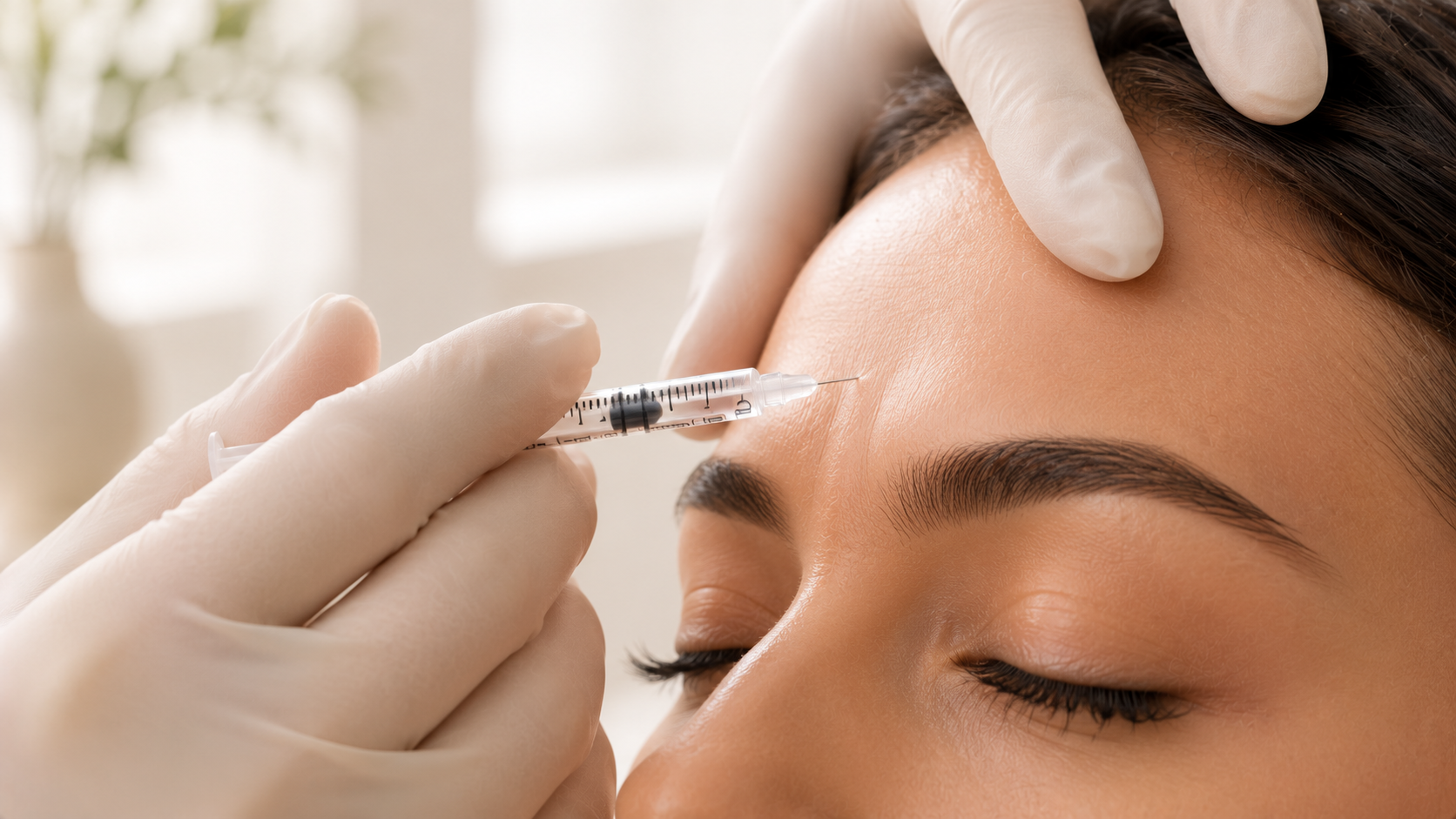
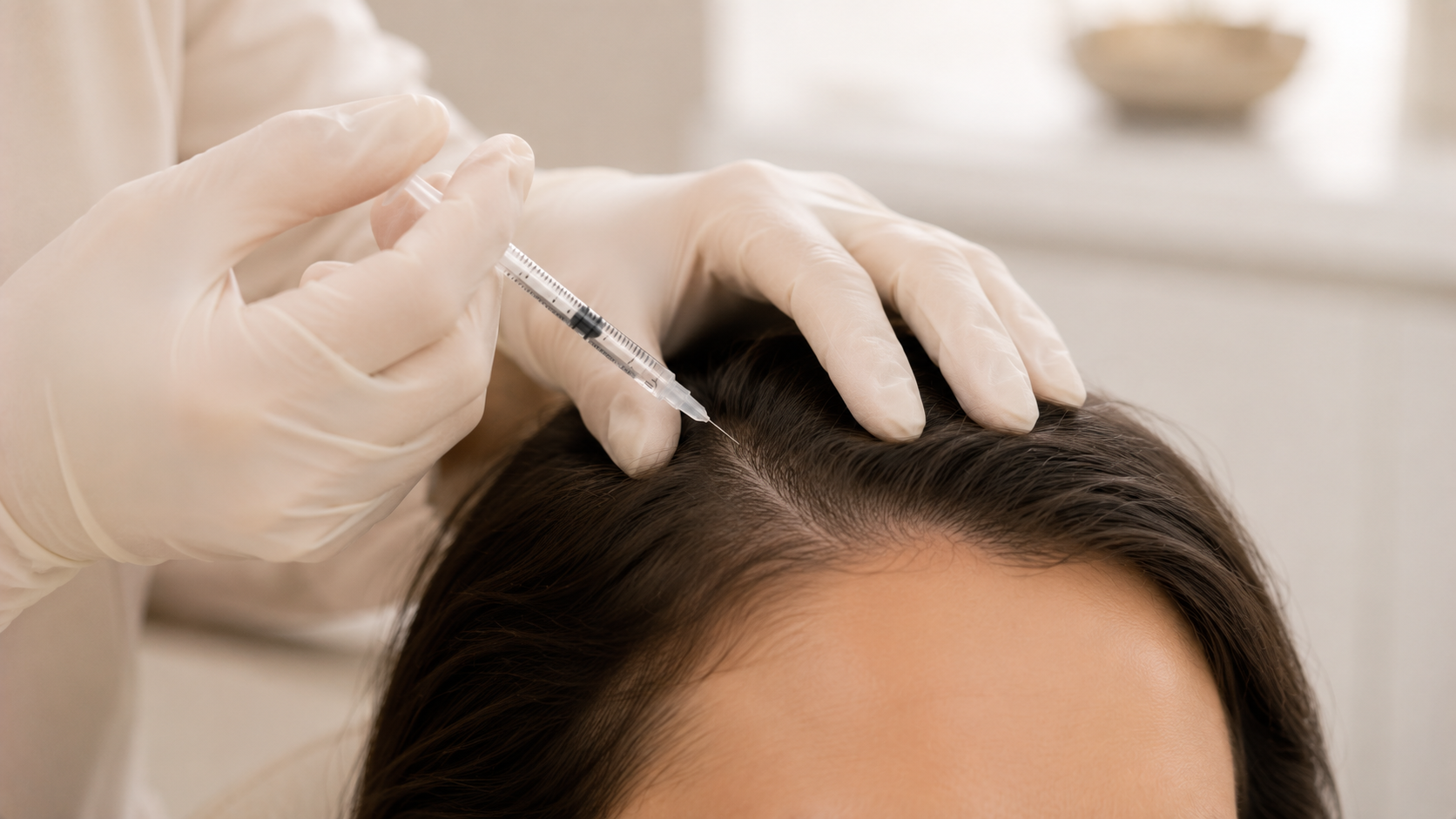
Migraine Botox injections NYC care often follows a structured protocol. The commonly referenced chronic migraine protocol includes multiple injections across the forehead, temples, back of the head, neck, and shoulder regions. Treatment is usually repeated at medically appropriate intervals, commonly around every 12 weeks when safe and effective. Some patients may need more than one treatment cycle before the response is clear.
Botox for Migraine, Neck Pain, and TMJ Overlap
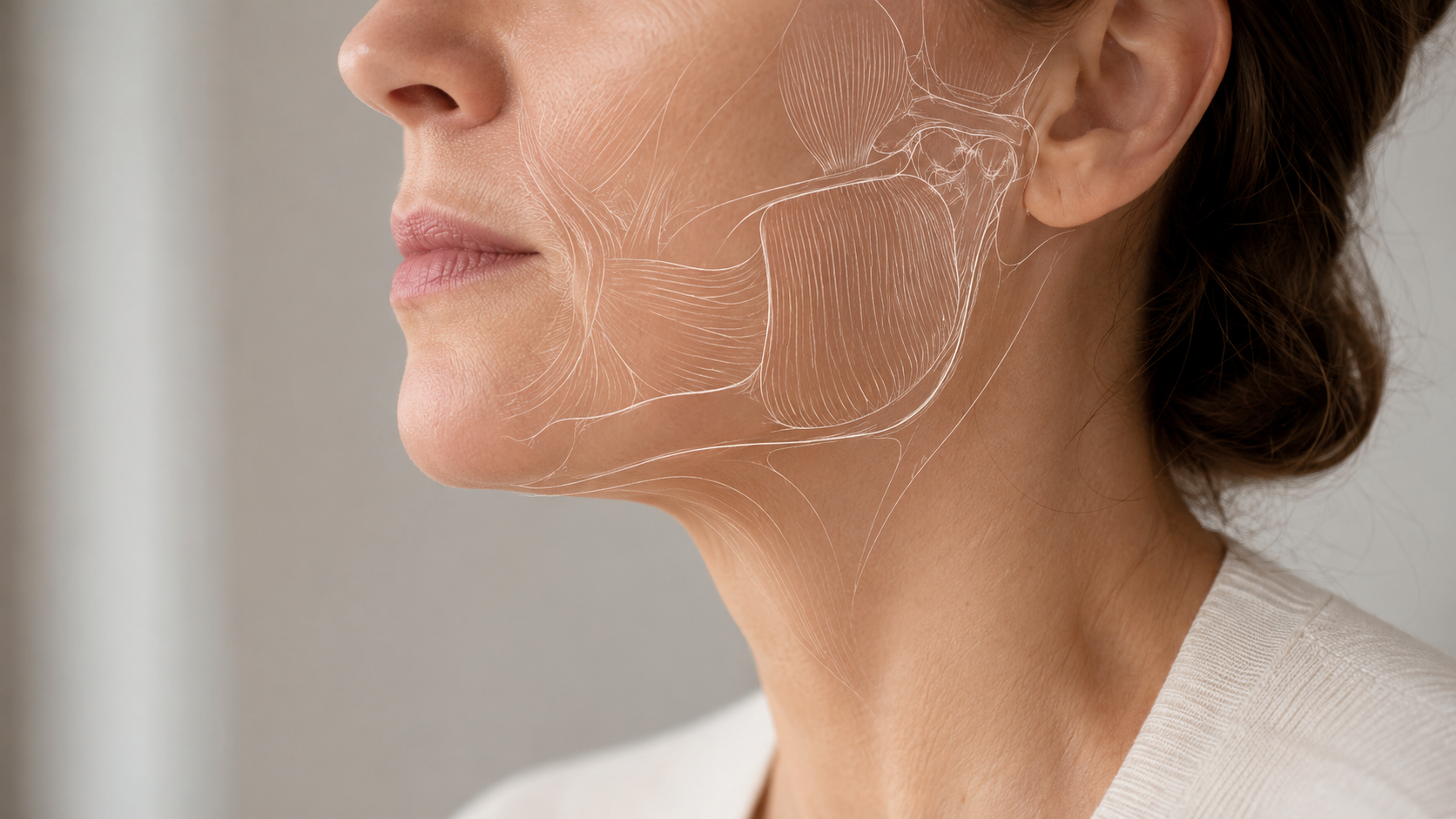
Many chronic migraine patients also experience neck pain, shoulder tension, TMJ symptoms, facial pain, or tension-type features. Botox for migraine and neck pain NYC care may be considered when the primary diagnosis is chronic migraine and the treatment protocol fits the patient’s pattern. However, neck pain or jaw pain should not automatically be assumed to be migraine-related.
TMJ disorders, orofacial dystonia, trigeminal neuralgia, cervical muscle dysfunction, cervical spine conditions, and other headache disorders may require different evaluation and treatment. MPM considers these overlaps so the treatment plan addresses more than one possible contributor when needed.
What Patients Can Expect
Before treatment, MPM reviews the diagnosis, injection plan, expected timeline, possible risks, and follow-up plan. During treatment, small amounts of botulinum toxin are injected into selected head, neck, and shoulder sites. Patients may feel brief pinching, pressure, or soreness.
The effect is not immediate. Some patients notice improvement within several weeks, while others need multiple treatment cycles to determine whether Botox is helping. MPM may ask patients to track headache days, severity, acute medication use, and functional impact. If treatment helps, repeat injections may be considered. If it does not help enough, the plan may be adjusted.
Risks and Red Flags
Risks may include injection-site pain, bruising, headache, neck pain, temporary weakness, eyelid or brow droop, dry mouth, allergic reaction, swallowing or breathing difficulty, and spread of toxin effect. Extra caution is needed for patients with neuromuscular junction disorders, significant swallowing or breathing problems, active infection at injection sites, pregnancy or breastfeeding considerations, medication interactions, or prior reaction to botulinum toxin.
Patients should seek urgent evaluation for sudden worst headache, new neurological deficits, vision loss, confusion, fever, stiff neck, trauma, cancer history, immune suppression, pregnancy or postpartum headache, new headache after age 50, or a major change in headache pattern.
For selected patients, Botox for chronic migraine may be a useful part of preventive headache care. MPM’s role is to confirm the diagnosis, evaluate safety, set realistic expectations, and coordinate treatment with the broader headache care plan.