Our Approach to Pain Care

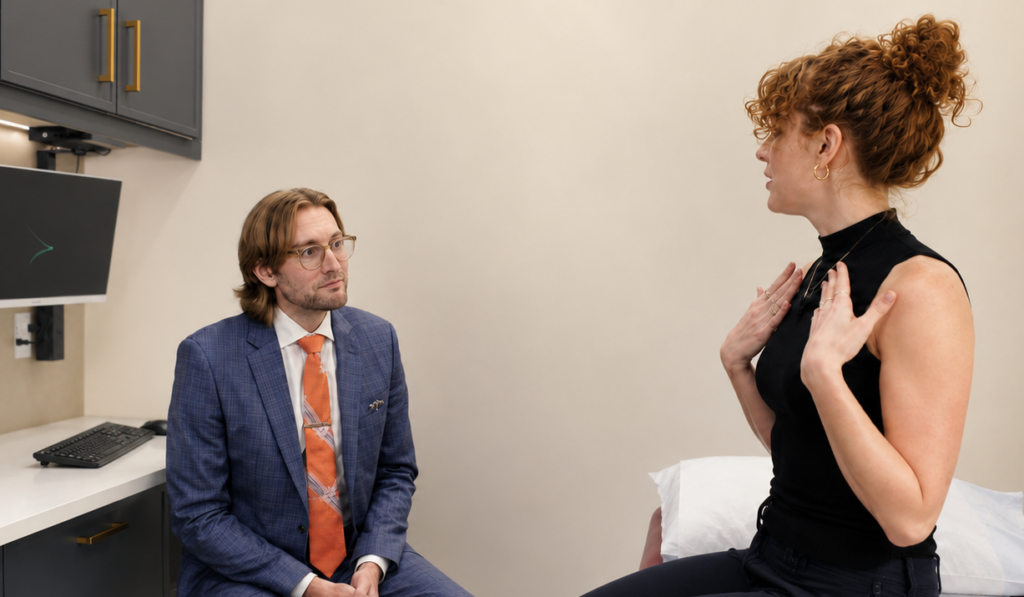
At Manhattan Pain Medicine, pain is evaluated before it is treated. Our approach is diagnosis-first and discovery-led, designed to understand what is generating the pain, how it developed, and why it has not resolved. Care is organized through three connected phases: Discovery, Treatment, and Maintenance.

Learn how Dr. Siefferman approaches pain diagnosis and treatment through a personalized, step-by-step process focused on identifying the root cause, reducing pain, and helping patients achieve lasting relief.

What Makes the MPM Approach Different

Complex pain often involves more than one structure, system, or specialty. Our approach is designed to organize that complexity, identify the most important drivers, and guide care in the right sequence. We combine clinical reasoning, precise diagnostics, multi-specialty collaboration, and patient education so treatment is based on understanding, not guesswork.

  • Diagnosis-First Care
  • Reverse-Engineering the Pain Pattern
  • Zones of Expertise
  • Multi-Specialty Collaboration
  • Precision Diagnostics
  • Treatment Sequencing
  • Patient Education & Body Literacy
ZONES OF EXPERTISE

Expertise Built for Complex Pain

Manhattan Pain Medicine’s Zones of Expertise reflect the focused clinical experience, pattern recognition, and collaborative care our team has developed in treating complex pain. Each zone gives patients a clearer starting point while helping our team evaluate overlapping symptoms, identify underlying drivers, and guide care with greater precision.

Explore the Zones of Expertise by clicking or tapping on a circle.

Orbit background
DISCOVERY, TREATMENT, MAINTENANCE

Your Care Journey

Care at Manhattan Pain Medicine typically unfolds in three connected phases. The process is structured, but not always perfectly linear. Each finding and treatment response helps refine the next step.
  • 1

    Discovery

    Discovery is the diagnostic phase. We work to understand what is generating the pain, how the pain developed, what systems are involved, and why the body has not been able to recover on its own.
  • 2

    Treatment

    Treatment focuses on two goals at the same time: helping the patient feel more comfortable while continuing to confirm and address the underlying drivers. Each response becomes useful clinical information.
  • 3

    Maintenance

    Maintenance begins once the major drivers are clearer, treatment is working, and the patient has a practical plan for keeping progress stable. The focus shifts to body literacy, flare planning, function, and long-term self-management.

Discovery, Treatment, and Maintenance are not isolated steps. In complex pain, the process is often iterative. A diagnostic block, medication trial, procedure, physical therapy response, or flare pattern may teach us something new and help guide the next decision.

DISCOVERY

Discovery: Understanding the Pain Before Treating It

Discovery is where we organize the full clinical picture. We look beyond the symptom itself to understand the structures, systems, and patterns that may be keeping the pain active.

Start With the Whole System

Before focusing on one joint, nerve, muscle, or procedure, we look for broader factors that may be amplifying symptoms. This may include neurologic sensitization, immune or inflammatory activity, dysautonomia, mast cell activation, migraine, medical trauma, or psychological sensitization. When the system is highly reactive, the true structural drivers can be harder to see.

Map the Pain Pattern

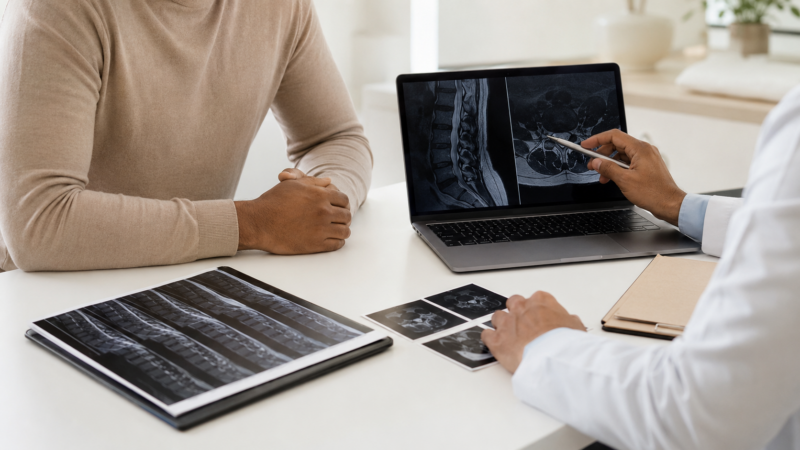
The place that hurts is not always the original driver. We evaluate the full timeline, including where symptoms began, how the body compensated, which pains appeared later, what imaging shows, and how symptoms respond to movement, posture, medications, procedures, or rest.

Test the Clinical Hypothesis

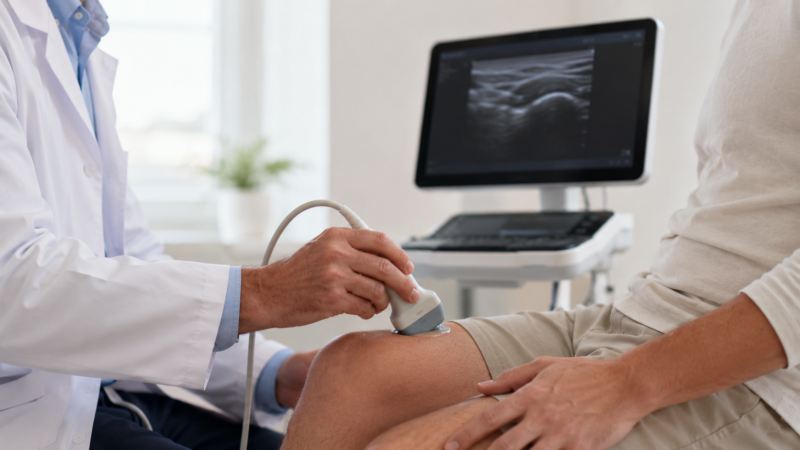
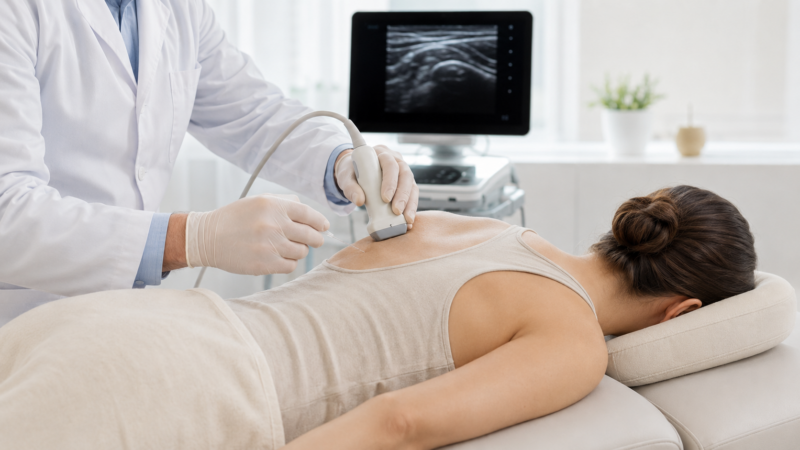
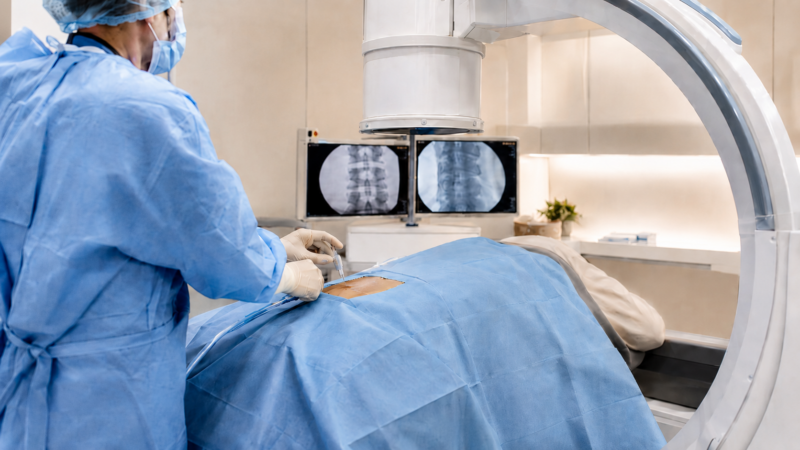
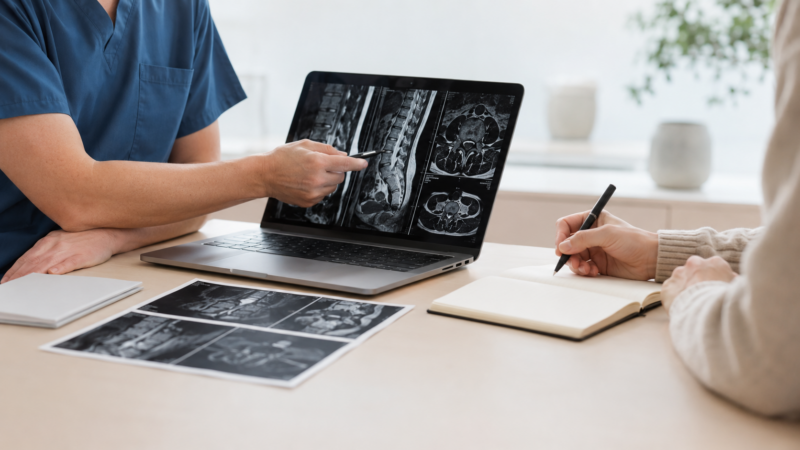
When appropriate, we use precise diagnostic tools to test specific questions. This may include dynamic imaging, physical examination, medication trials, ultrasound evaluation, or image-guided diagnostic blocks that temporarily quiet a specific structure or pathway. The goal is to move from guesswork toward clearer clinical evidence.

Why Discovery Matters

Many patients with complex pain have already tried multiple treatments. Discovery helps reduce unnecessary repetition by asking a more precise question: what is driving the pain, and what should be treated first?

TREATMENT

Treatment: Comfort, Clarity, and Targeted Care

Treatment is selected based on what Discovery reveals. The goal is to improve comfort while continuing to refine the diagnosis and address the underlying drivers of the pain pattern.

Improve Comfort While We Keep Learning

Finding the root cause can take time. When symptoms are severe, care may include medications, infusions, nerve blocks, sympathetic blocks, pain psychology, or other strategies that help reduce distress and support function while deeper diagnostic work continues.

Treat the Driver, Not Just the Symptom

Durable progress depends on treating the reason the pain persists. Depending on the diagnosis, care may include regenerative medicine, image-guided procedures, radiofrequency ablation, neuromodulation, rheumatologic treatment, pelvic pain care, headache treatment, rehabilitation, or coordinated specialty referral.

Use Each Response as Data

A treatment response can confirm, refine, or change the working diagnosis. Relief, no response, temporary improvement, or a flare may all provide useful information about which structures or systems are involved and what should happen next.

Why Treatment Sequencing Matters

In complex pain, doing the right treatment in the wrong order can lead to frustration or flares. We work to determine what needs to be calmed, repaired, retrained, or monitored first so the treatment plan is more coherent and more tolerable.

MAINTENANCE

Maintenance: Keeping Progress Durable

Maintenance begins when the major drivers are clearer, treatment is working, and the patient has a more stable path forward. This phase is about protecting progress, understanding the body, and building confidence beyond the treatment room.

Build Body Literacy

Patients learn how distinct symptoms relate to specific structures, systems, triggers, or flare patterns. This understanding helps reduce fear, improve communication with the care team, and support more confident decisions when symptoms change.

Plan for Flares Without Starting Over

A flare does not always mean the treatment plan has failed. Maintenance includes building a practical plan for recognizing familiar symptoms, responding early, pacing activity, and knowing when to contact the care team.

Move Beyond Survival Mode

As symptoms stabilize, patients may need support rebuilding trust in movement, processing the emotional impact of chronic pain, and reconnecting with work, family, activity, and identity. Pain psychology can be especially important during this transition.

Why Maintenance Matters

Long-term progress depends on more than reducing symptoms. Maintenance helps patients understand their patterns, protect functional gains, manage future flares, and build a life that is no longer organized around pain.

OUR TEAM

Care That’s Personal. Expertise That’s Shared.

Complex pain requires more than one perspective. Our physicians, advanced practice providers, pain psychology specialists, and rehabilitation partners work within a shared clinical framework so patients benefit from coordinated expertise without losing the personal attention of an individualized care plan.

A Team Built Around Complex Pain

At Manhattan Pain Medicine, providers collaborate across specialties to understand the full pattern behind the pain. The goal is not to pass patients from one silo to another, but to bring the right perspectives together around the same clinical question.

Meet Our Team

NEXT STEPS

Get Started With Manhattan Pain Medicine

Learn more about how to begin care, prepare for a visit, and understand the practical steps before treatment.

Insurance & Billing

Review how out-of-network benefits, verification of benefits, cost-share estimates, self-pay options, and billing questions are handled at Manhattan Pain Medicine.

Insurance & Billing

Request an Appointment

Tell us briefly what you are experiencing, and our team will review the request to help determine the most appropriate next step in care.

Request An Appointment

Patient Forms & Resources

Access forms and resources that help prepare for the visit, share important medical information, and support a more organized care experience.

Patient Forms & Resources

PATIENT STORIES

Real Patients. Real Progress.

Hear from patients who came to Manhattan Pain Medicine looking for answers, clarity, and a more thoughtful path forward.
  • Madaline. M

    5 star review

    I cannot say enough good things about Manhattan Pain Medicine. From the moment I walked in, I felt truly cared for and taken seriously. Dr. Nino Mikaberidze, Director of Rheumatology, is exceptional — knowledgeable, compassionate, and incredibly thorough. She takes the time to listen, explains every...

    Google

  • Haleigh Y.

    5 star review

    The best care I've received as a chronic pain patient. I traveled from out of state to visit Manhattan Pain Medicine because I could not find knowledgeable doctors in my hometown for my hypermobility, and Ehlers-Danlos syndrome symptoms and comorbidities. Let me tell you, it was worth every travel e...

    Google

  • Damien P.

    5 star review

    I was injured in a bicycle accident over 8 years ago. I’ve suffered throughout the years since my accident with nothing seeming to work. PT, Yoga, lifestyle changes, NOTHNG! I finally made an appointment with Dr Kane and I’m feeling an improvement in my life. I no longer stay up all night in pain, a...

    Google

  • JP S.

    5 star review

    One of the best experiences, if not the best, I have ever had at the doctor’s office. From the front desk to the nurses to the PA assisting the doctor this was a great experience. Dr.Nino actually listened to me and came up with a game plan. Would recommend this practice to as many people as I could...

    Google

  • Richard B.

    5 star review

    I have very unique & severe nerve pain from CRPS which has no known specific cure. Dr. Siefferman has a huge tool box, far greater than the other 23 Drs. I have seen. He saved me from jumping off a bridge and continues to help me with both treatments and advice. Dr. S. is in a different league!

    Google

  • Clare F.

    5 star review

    After two years of searching and feeling lost and let down, I finally found real help at Manhattan Pain Medicine. With Dr. Siefferman, Adam Rosenberg, Dr. Mikaberidze, and the whole team, I feel heard, supported and understood. Every symptom is being considered and I’m finally getting answers with m...

    Google

  • Jonathan C.

    5 star review

    Why is Dr Dr. Tayyaba Ahmed one of the top pevic Floor specialists - 1- She wants to know a full history of what led the patient to get to this point. 2 - She listens intensley to the patient 3- She does not rush you 4- Extremely skilled at giving pelvic floor injections 5- I thank my luck stars she...

    Google

  • Jodi K.

    5 star review

    The staff was friendly and helpful. Dr. Siefferman was thoughtful, listened, asked questions and proposed simple safe ways to come to further conclusions regarding my pain and discomfort. The office staff including Dr. Siefferman is responsive even after the initial in-person visit. Very pleased.

    Google

  • Sabrina S.

    5 star review

    Dr. Siefferman is a brilliant provider. While my pain is still a work in progress, Dr Siefferman always gives me options and explains his reasoning behind things. He listens to my feedback and concerns. I never feel rushed; and am grateful he works to meet me where I am. I highly recommend him.

    Google

  • Lorraine B.

    5 star review

    What a great find! They listen to me, I listen to them and the diagnosis is made and a plan developed to develop an approach to treat all of my chronic pain. I wish I could have discovered this type of treatment sooner. This doctor and group give me hope.

    Google

Understanding Insurance Before You Begin

Before care begins, our team helps patients understand the practical side of treatment, including insurance verification, out-of-network benefits, cost-share estimates, self-pay options, and billing questions. We believe patients should have as much clarity as possible before moving forward.

Insurance & Billing

Start With the Right Diagnosis

If pain has been difficult to explain, slow to improve, or treated without a clear path forward, Manhattan Pain Medicine can help evaluate the full pattern and guide the next step in care.

Request An Appointment