Tarlov Cysts
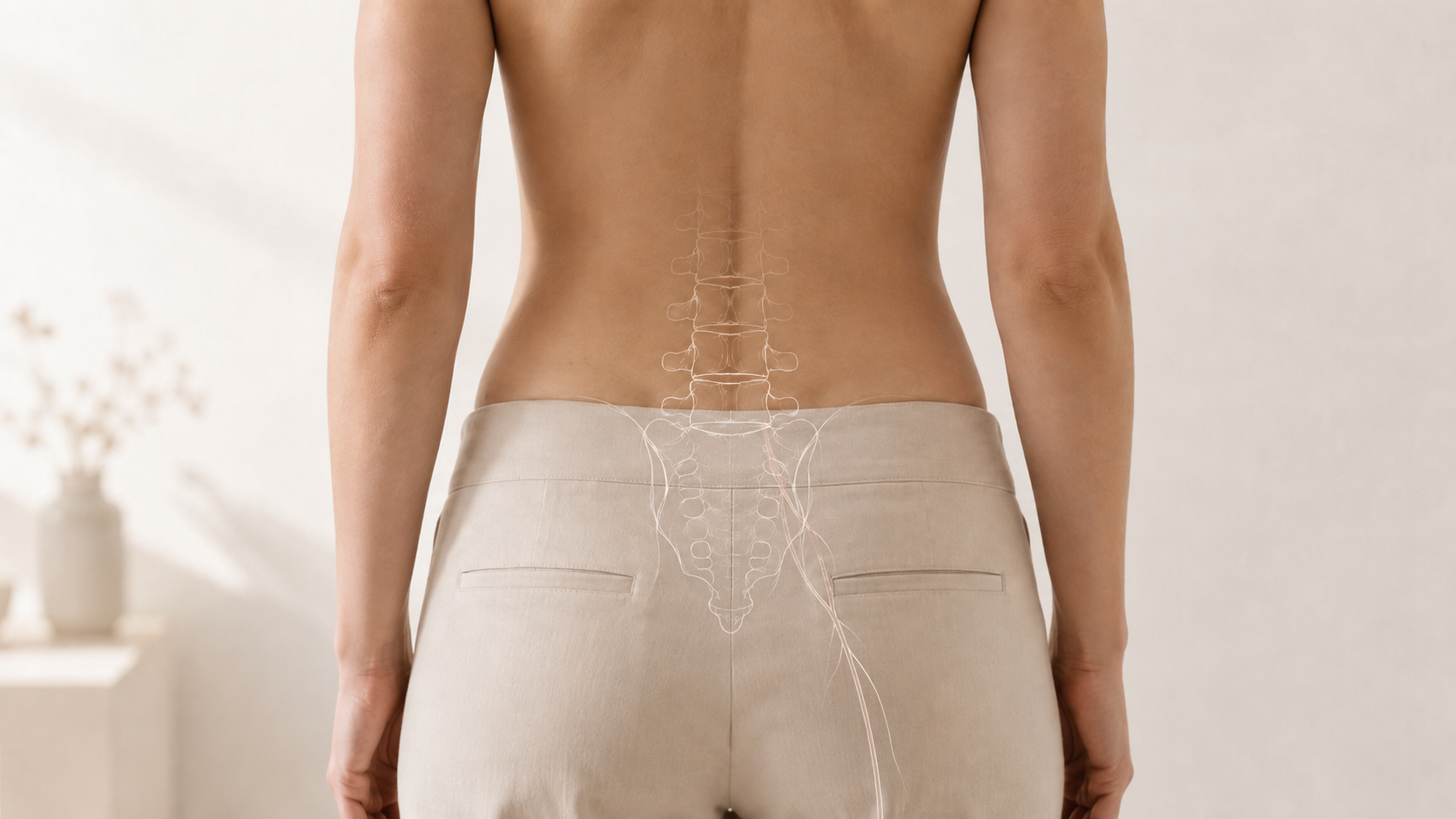
Tarlov cysts, also called perineural cysts, are fluid-filled sacs that form around spinal nerve roots. They most often occur in the sacral spine, near the base of the back. Many people discover a Tarlov cyst after MRI is performed for low back pain, pelvic pain, sciatica symptoms, numbness, tingling, or other neurologic concerns.
The most important question is not simply whether a cyst is present. The key question is whether the cyst is actually contributing to the patient’s symptoms.
When a Tarlov Cyst May Be Incidental
Many Tarlov cysts do not cause symptoms. They may appear on imaging while the patient’s pain is actually coming from another source, such as a herniated disc, spinal stenosis, sacroiliac joint dysfunction, piriformis-related pain, pelvic floor dysfunction, pudendal neuralgia, hip mechanics, EDS-related instability, or central pain sensitization.
This is why MPM does not treat the MRI finding alone. The cyst must be interpreted alongside the patient’s symptoms, neurologic exam, pain distribution, positional triggers, bowel and bladder function, and prior workup.
When a Tarlov Cyst May Be Symptomatic
A Tarlov cyst may be more clinically relevant when symptoms match the involved sacral nerve roots. Patients may describe sacral pain, coccygeal pain, buttock pain, perineal pain, pelvic pain, genital pain, sciatica-like leg pain, numbness, tingling, weakness, or symptoms that worsen with sitting, standing, walking, or bending.
Some symptomatic patients may also experience bowel, bladder, or sexual function symptoms. These symptoms require careful evaluation and should not be dismissed.
Tarlov Cysts and Pelvic Pain
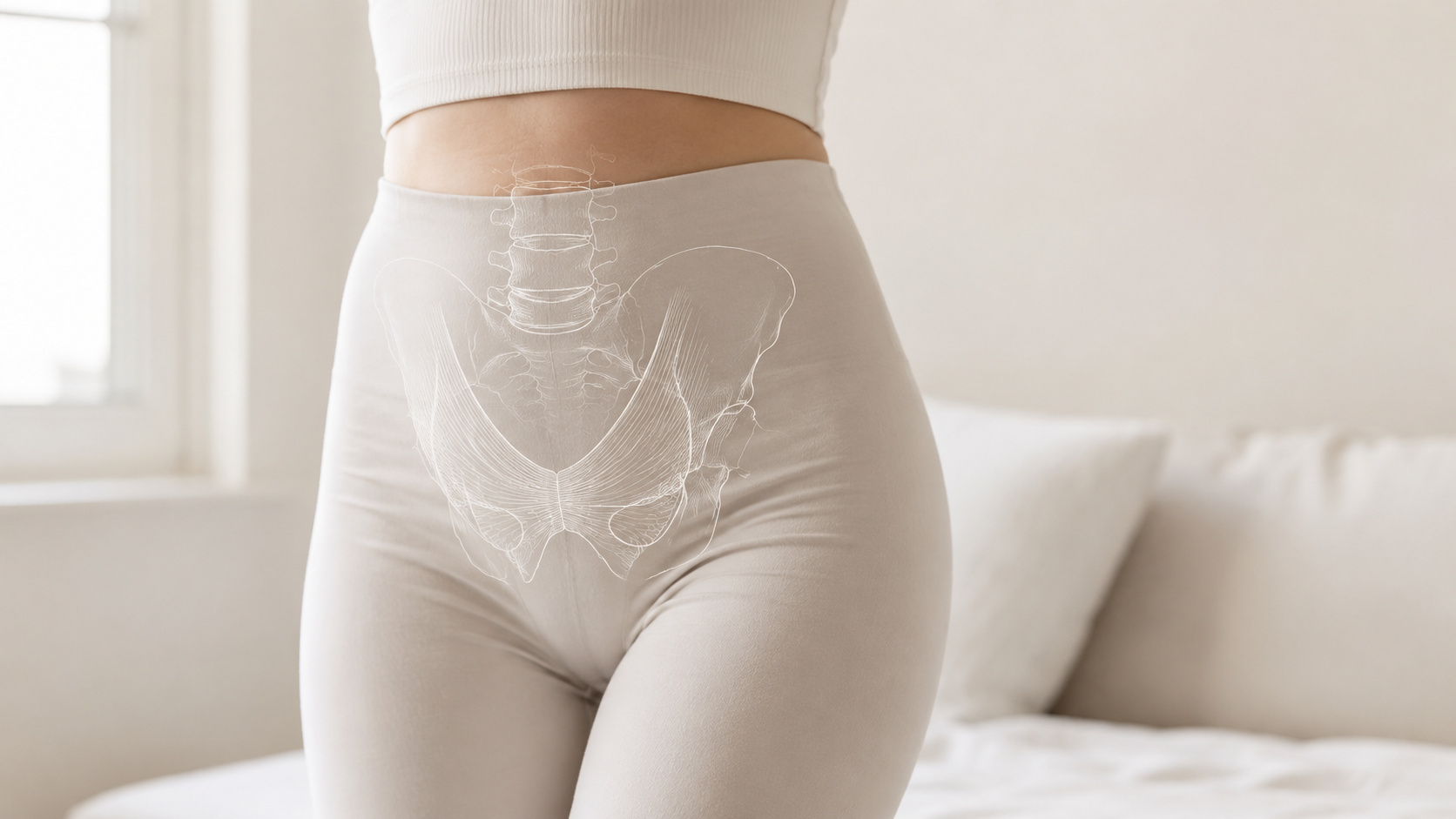
Because Tarlov cysts most often occur in the sacral region, they can overlap with pelvic pain patterns. Sacral nerve irritation may contribute to pelvic, perineal, buttock, genital, or lower extremity symptoms in selected cases.
However, pelvic pain is often multifactorial. Pelvic floor dysfunction, pudendal neuralgia, pelvic dystonia, endometriosis, SI joint dysfunction, piriformis syndrome, hip-related pain, EDS, and central pain syndromes may coexist with a Tarlov cyst or mimic cyst-related symptoms.
MPM evaluates these overlapping patterns to determine whether the pain appears cyst-related, pelvic floor-related, pudendal nerve-related, spine-related, musculoskeletal, or mixed.
Tarlov Cysts and Sciatica-Like Symptoms
Some patients with Tarlov cysts describe leg pain, numbness, tingling, or weakness that feels similar to sciatica. This can happen when sacral nerve roots are involved.
Similar symptoms may also come from lumbar disc herniation, spinal stenosis, piriformis syndrome, peripheral neuropathy, sacroiliac joint dysfunction, or another nerve condition. MPM reviews the full nerve pathway and imaging history to help distinguish these possibilities.
Tarlov Cysts, EDS, and Connective Tissue Concerns
Some patients with EDS or hypermobility spectrum disorder may also have Tarlov cysts or complex pelvic and spine symptoms. Connective tissue differences, pelvic mechanics, nerve sensitivity, joint instability, and chronic pain sensitization can complicate the clinical picture.
MPM does not assume that EDS causes every Tarlov cyst symptom. Instead, the evaluation considers whether connective tissue vulnerability, sacral nerve symptoms, pelvic floor dysfunction, SI joint mechanics, or chronic pain pathways may be interacting.
How Tarlov Cysts Are Diagnosed
Tarlov cysts are usually identified on MRI. Because these cysts are often located in the sacral region, imaging that includes the sacrum may be important when symptoms suggest sacral nerve involvement.
In selected cases, a specialist may recommend CT myelography or additional imaging review. Imaging decisions should be guided by the patient’s symptoms, neurologic findings, prior studies, and the clinician’s judgment.
Why a Diagnosis-First Approach Matters
A diagnosis-first approach matters because treatment depends on the true pain generator. If a Tarlov cyst is incidental, cyst-directed care may not help. If the cyst is symptomatic and aligned with neurologic findings, neurosurgical or specialized cyst-directed evaluation may be appropriate.
If pain is coming from an overlapping condition, treatment may need to focus on pelvic floor dysfunction, pudendal neuralgia, SI joint dysfunction, sciatica, piriformis syndrome, spine pain, or central sensitization instead.
Treatment Options for Tarlov Cyst-Related Pain
Treatment depends on whether the cyst appears symptomatic, whether there are neurologic concerns, and whether other pain generators are present. Some patients may be managed conservatively with monitoring, medication management, pelvic floor therapy coordination, activity modification, or pain-focused care for overlapping conditions.
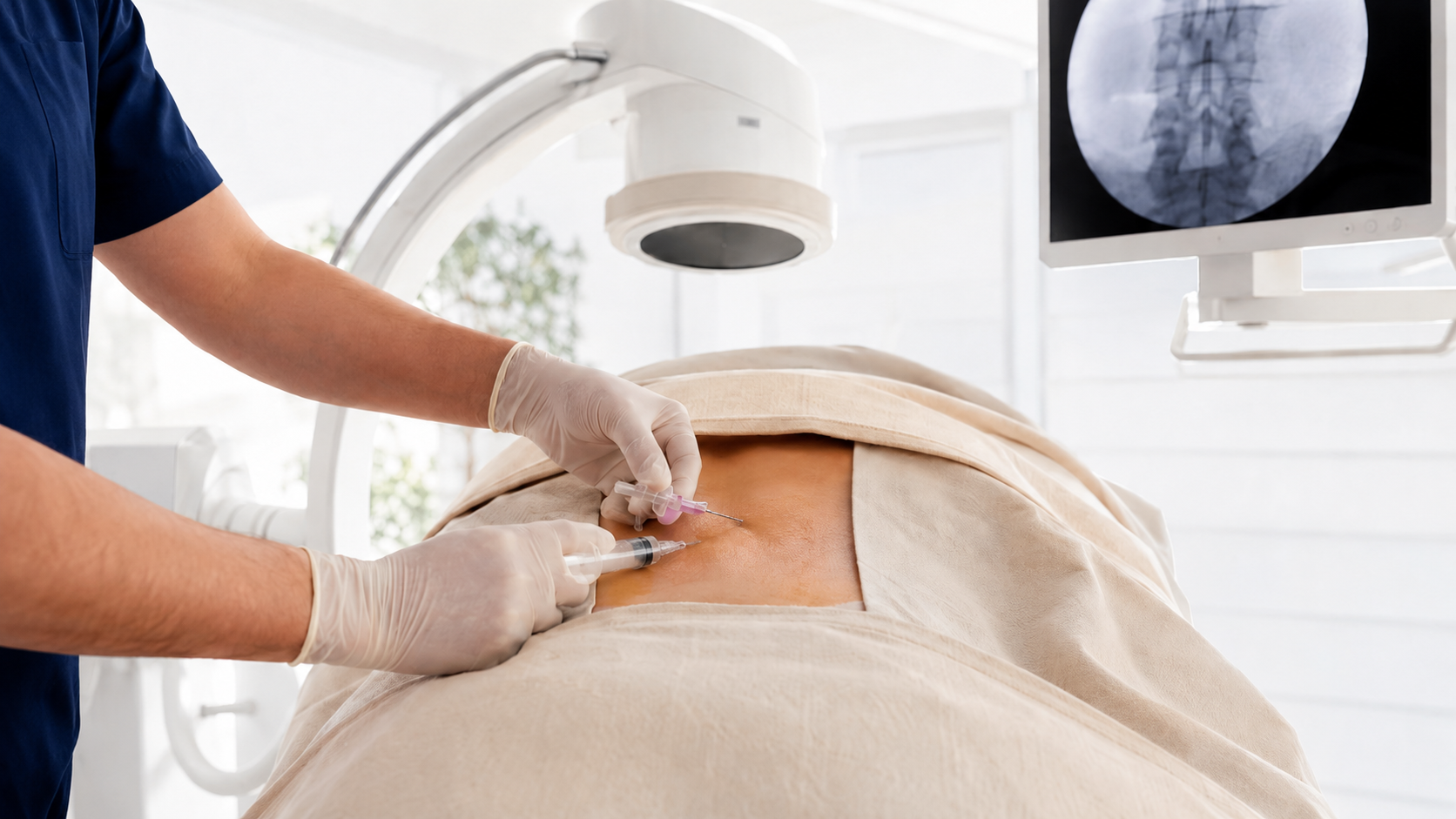
Cyst-directed treatments, such as aspiration, fibrin sealant injection, or surgery, are specialist-directed options for selected patients. These decisions usually require neurosurgical or specialty evaluation and careful review of imaging, symptoms, risks, and goals.
Epidural injections and spine injections may be considered only when the evaluation suggests an overlapping spine, radicular, or inflammatory pain pattern. They should not be described as treatments that shrink or remove Tarlov cysts.
When Neurosurgery or Specialty Care Is Needed
Neurosurgical or specialty evaluation may be needed when symptoms and imaging suggest a symptomatic Tarlov cyst, especially if there is progressive neurologic dysfunction, severe sacral nerve pain, bowel or bladder changes, saddle anesthesia, worsening weakness, or significant functional limitation.
MPM may coordinate with neurosurgery, spine specialists, neurology, pelvic floor therapy, urology, gynecology, or other clinicians when the patient’s symptoms require a broader care team.
When Symptoms Require Urgent Evaluation
Patients should seek urgent medical evaluation for progressive weakness, new or worsening numbness, saddle anesthesia, urinary retention, loss of bowel control, new or worsening bowel or bladder dysfunction, severe new sacral or back pain, fever, infection concern, unexplained weight loss, cancer history, or rapidly worsening neurologic symptoms.
These symptoms may reflect serious nerve, spine, infection, oncologic, or neurologic conditions and should not be managed as routine chronic pain.
How MPM Approaches Tarlov Cyst Care
MPM approaches Tarlov cyst-related pain through a diagnosis-first, coordinated model. The goal is to determine whether symptoms are likely related to the cyst, another spine condition, pelvic floor dysfunction, pudendal neuralgia, pelvic dystonia, SI joint dysfunction, EDS-related mechanics, or central pain sensitization.
For patients looking for Tarlov cyst treatment in Manhattan, MPM offers a careful pain medicine perspective focused on source-finding, symptom validation, and coordinated next steps. The goal is to help patients understand what may be driving their pain and connect them with the right care pathway without overpromising outcomes.