Pudendal Neuralgia
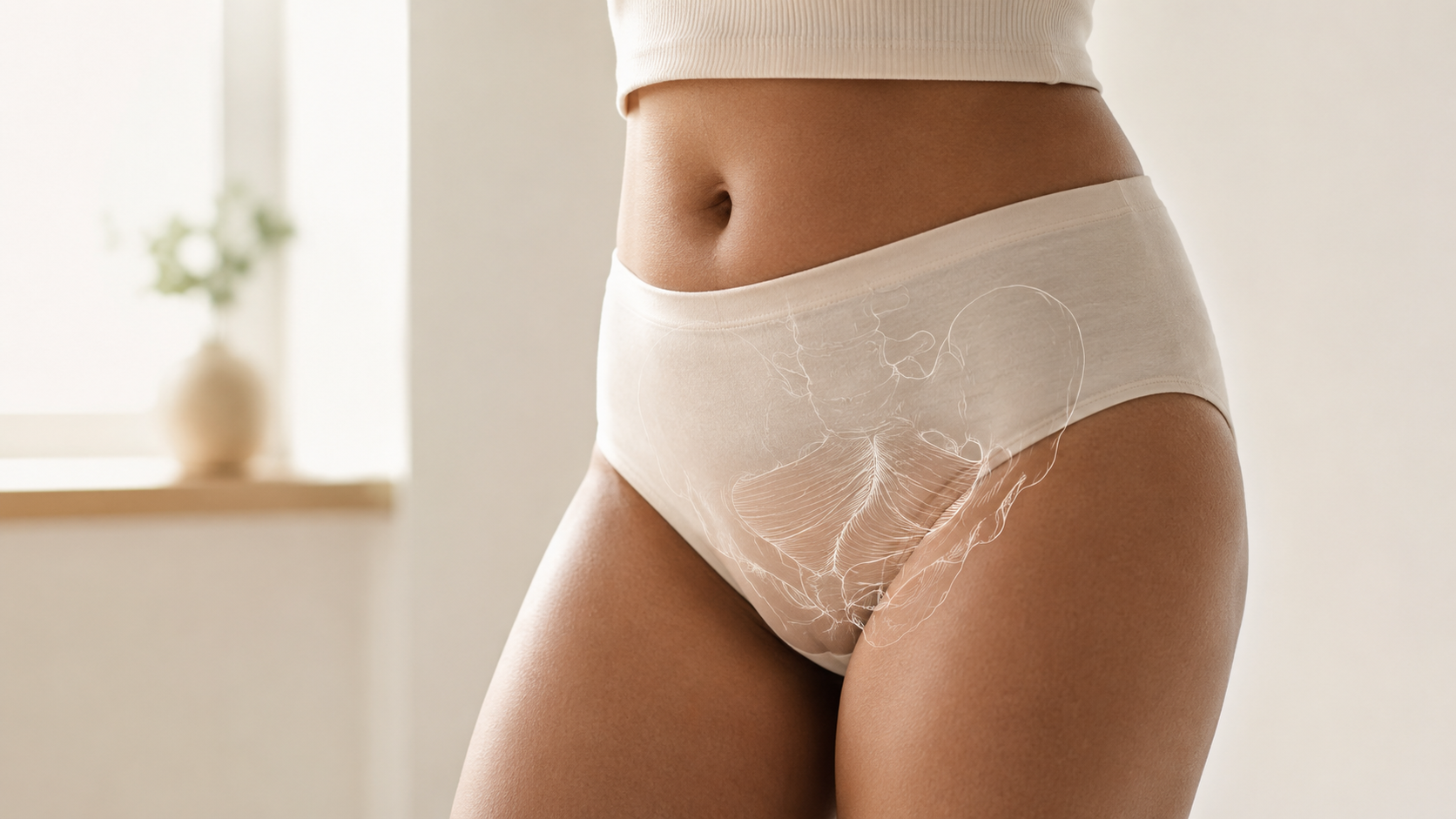
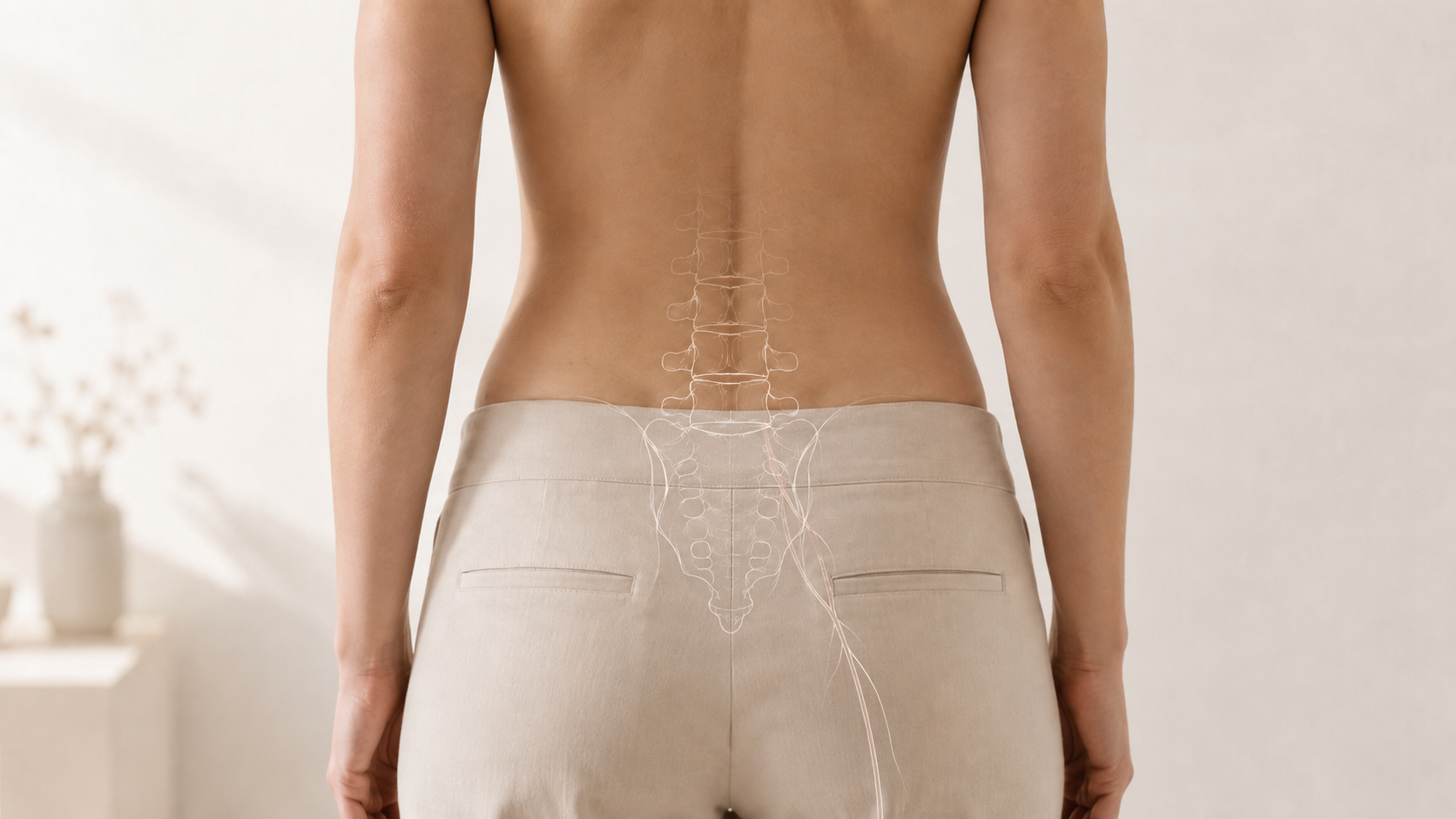
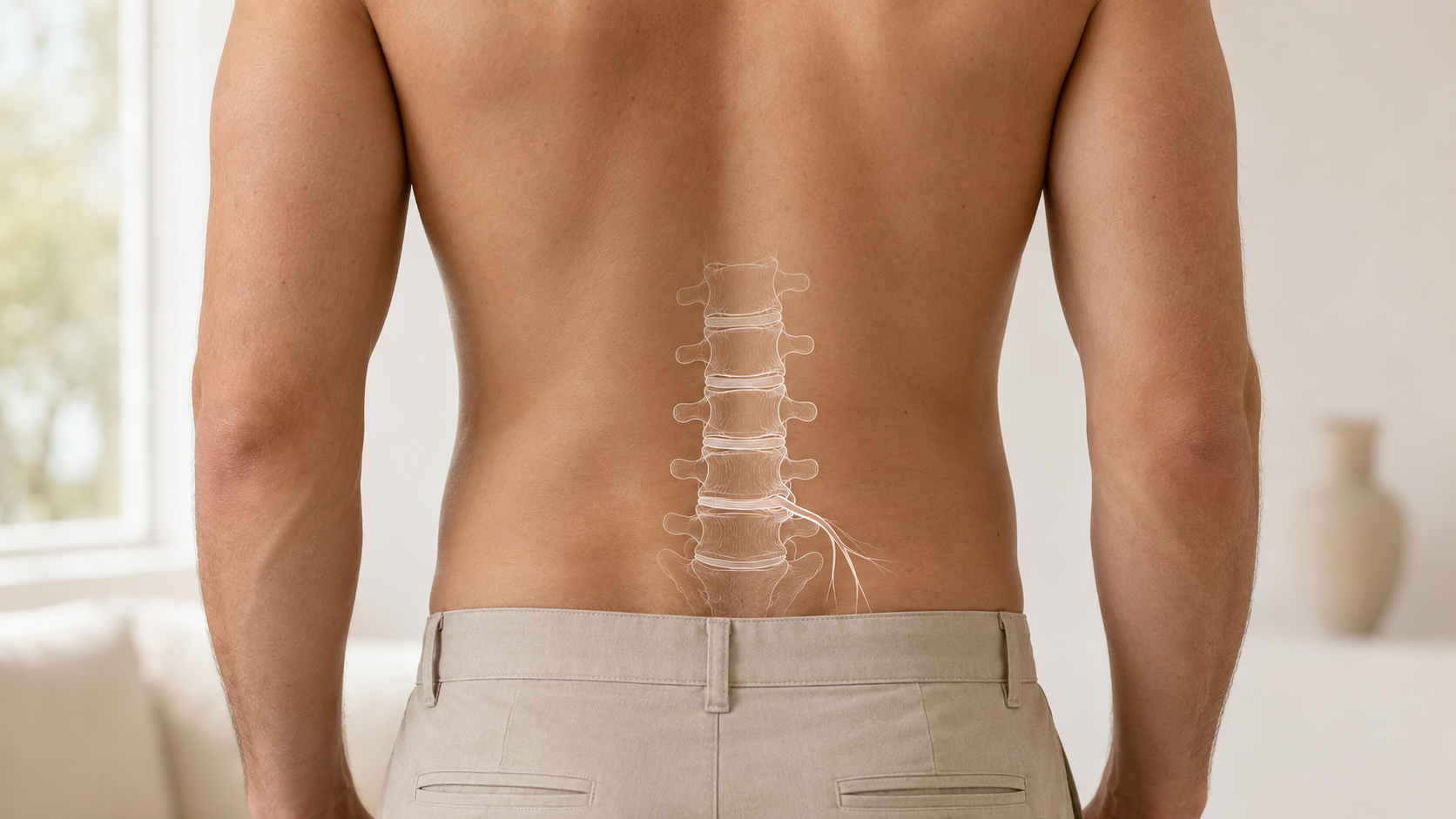
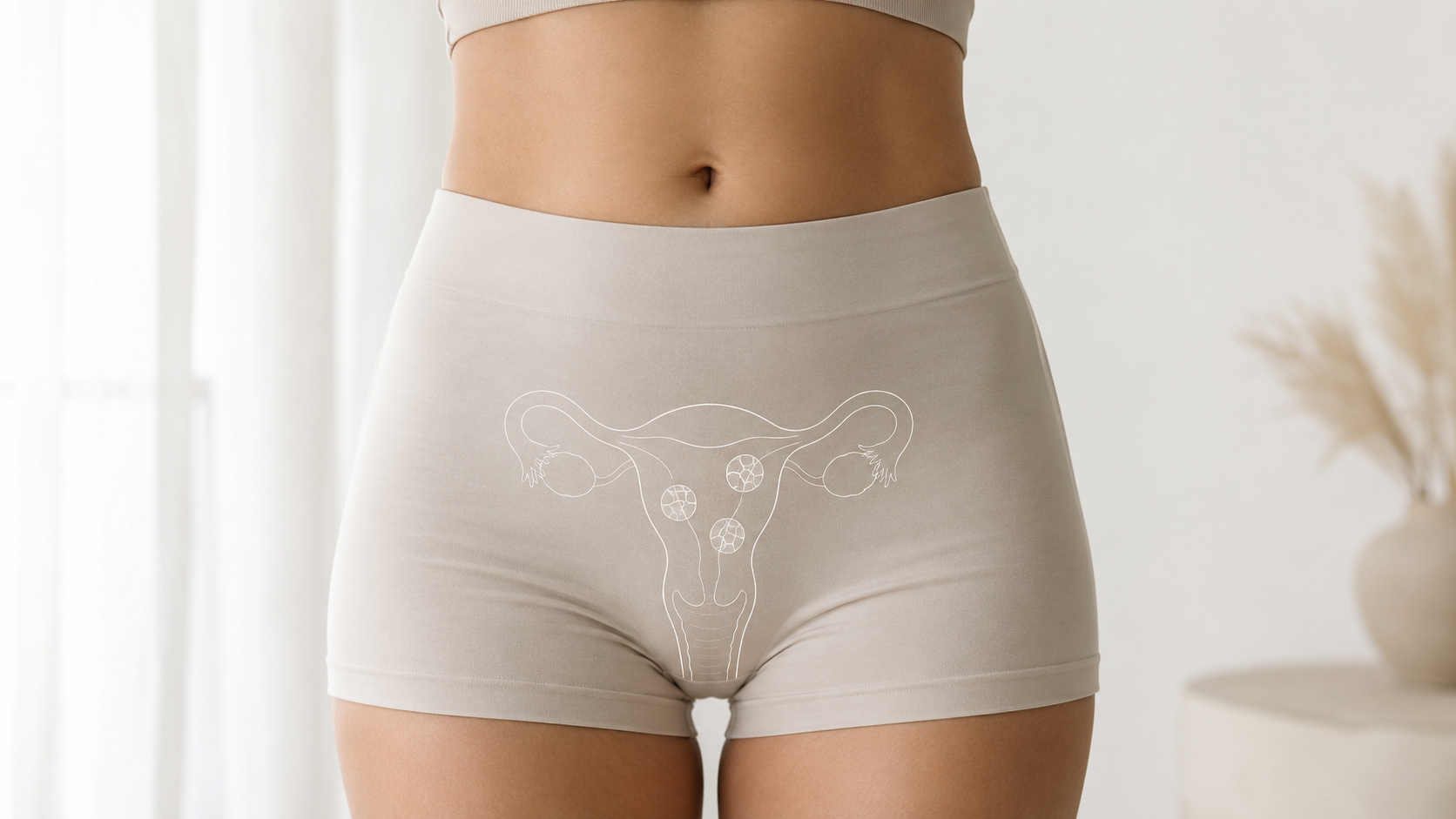
Pudendal neuralgia is a complex pelvic nerve pain condition involving the pudendal nerve. The pudendal nerve travels through the pelvis and supplies sensation and function to parts of the perineum, rectal region, and genital region. When the nerve becomes irritated, compressed, sensitized, or mechanically stressed, patients may experience burning, stabbing, shooting, electric, aching, raw, or pressure-like pain.
The pain may affect the rectum, vagina, penis, clitoris, scrotum, perineum, buttock, pelvis, or nearby structures. Many patients report that sitting makes the pain worse. Some feel better when standing or lying down. Others experience pain with intercourse, bowel movements, urination, cycling, exercise, or prolonged sitting.
Why Pudendal Neuralgia Can Be Difficult to Diagnose
Pudendal neuralgia is often difficult to diagnose because the symptoms can overlap with many other pelvic and musculoskeletal conditions. A patient with pudendal nerve pain may also be evaluated for pelvic floor dysfunction, endometriosis, fibroids, bladder pain, bowel disease, prostatitis, vulvodynia, rectal pain, hip impingement, SI joint dysfunction, sciatica, disc herniation, or unexplained pelvic pain.
Some patients have normal imaging. Others have several findings, but no clear explanation for why the pain is persistent. Many have already tried pelvic floor physical therapy, medications, gynecology, urology, GI evaluation, colorectal care, orthopedics, neurology, or pain management before seeking a more integrated evaluation.
Pudendal Neuralgia vs Pudendal Nerve Entrapment
Pudendal neuralgia refers to pain involving the pudendal nerve. Pudendal nerve entrapment is a more specific concept in which the nerve may be compressed or mechanically irritated along its course. Not every patient with pudendal neuralgia has a clearly proven entrapment.
Clinical criteria for pudendal nerve entrapment often emphasize pain in the pudendal nerve territory, pain worsened by sitting, pain that does not typically wake the patient at night, no major objective sensory loss, and improvement after a pudendal nerve block. These criteria can be useful, but they do not replace careful clinical evaluation.
Pudendal Neuralgia, Sitting Pain, and Pelvic Nerve Pain
Pain that worsens with sitting is one of the classic clues that the pudendal nerve may be involved. Sitting may increase pressure on the nerve or surrounding pelvic floor muscles, ligaments, or connective tissue. Patients may describe pain that feels like burning, electric shocks, rawness, stabbing, pressure, or a foreign-body sensation.
However, sitting pain can also come from pelvic floor dysfunction, tailbone pain, hip pathology, SI joint dysfunction, hamstring or deep gluteal pain, Tarlov cysts, spine-related nerve irritation, or central pain sensitization. This is why MPM evaluates sitting-related pain in a broader pelvic and musculoskeletal context.
Pudendal Neuralgia and Pelvic Floor Dysfunction
Pudendal neuralgia and pelvic floor dysfunction often overlap. Pelvic floor muscles may become tight, overactive, or painful in response to nerve irritation. At the same time, tight pelvic floor muscles may increase pressure or irritation around pelvic nerves.
A patient may have pelvic floor trigger points, pelvic muscle spasm, pelvic dystonia, pudendal nerve irritation, or all of these together. If pelvic floor therapy helps only partially, it may mean that the pelvic floor is involved but not the only pain generator.
Pudendal Neuralgia, Hip Pain, SI Joint Pain, and Pelvic Mechanics
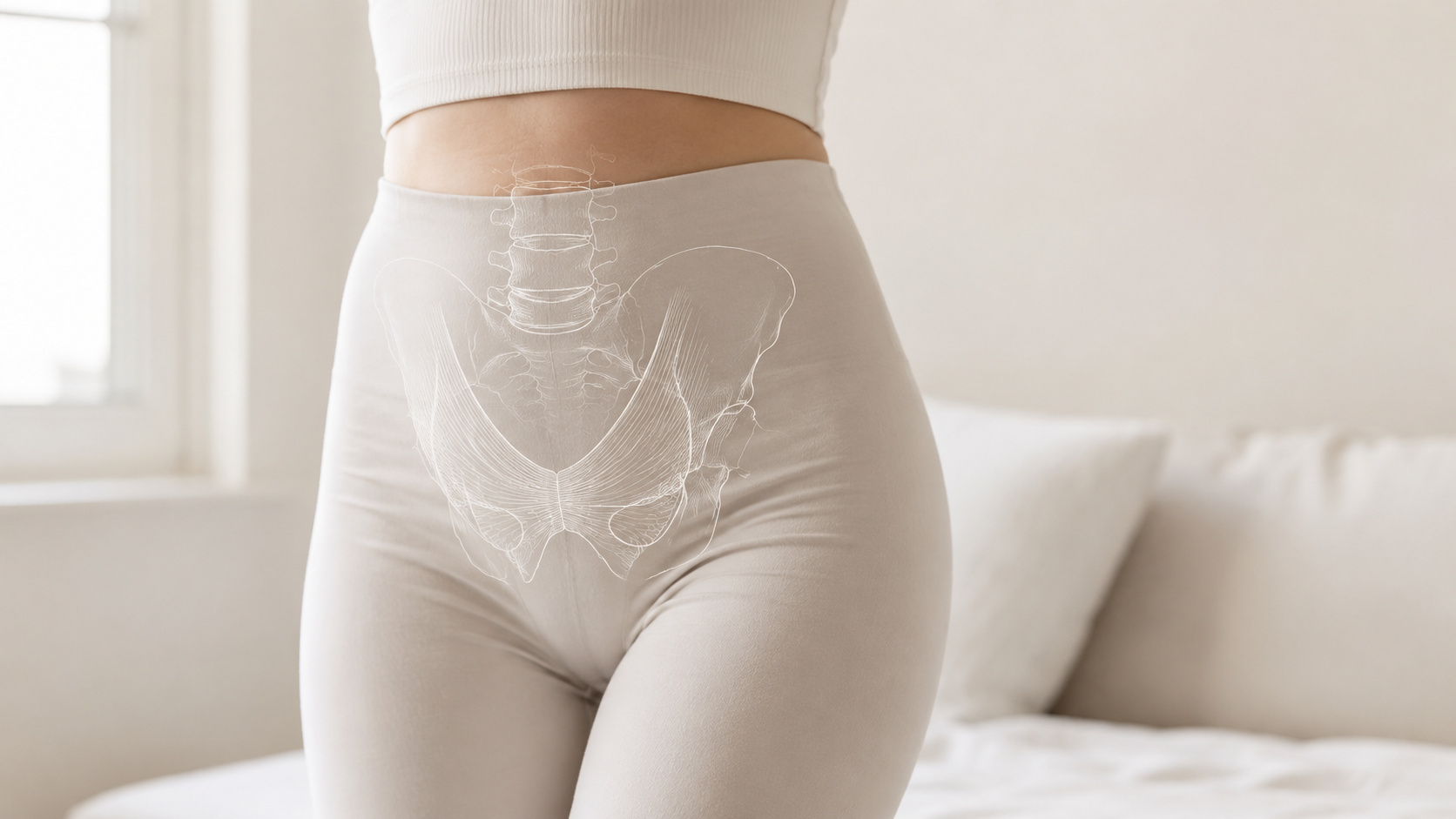
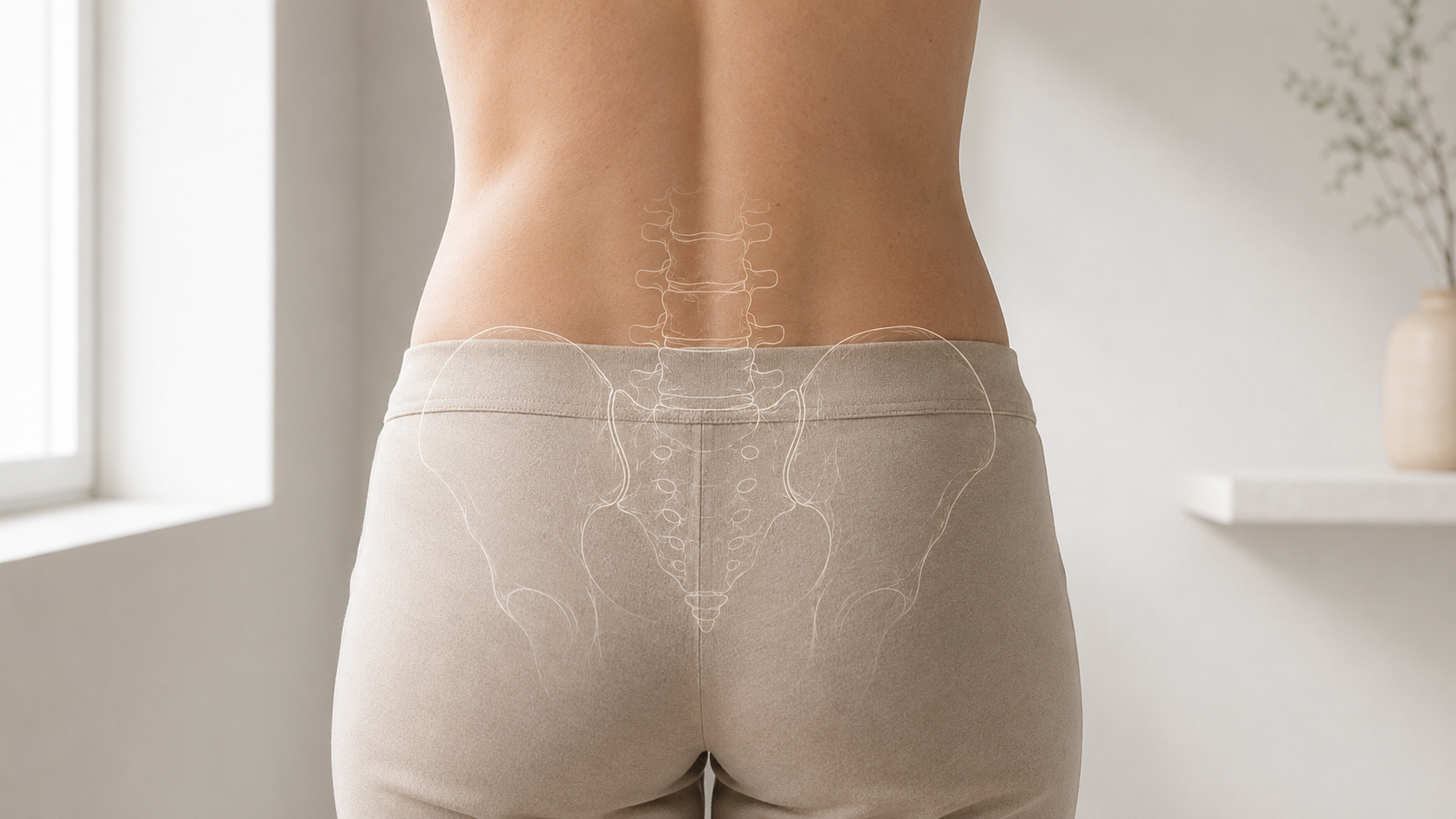
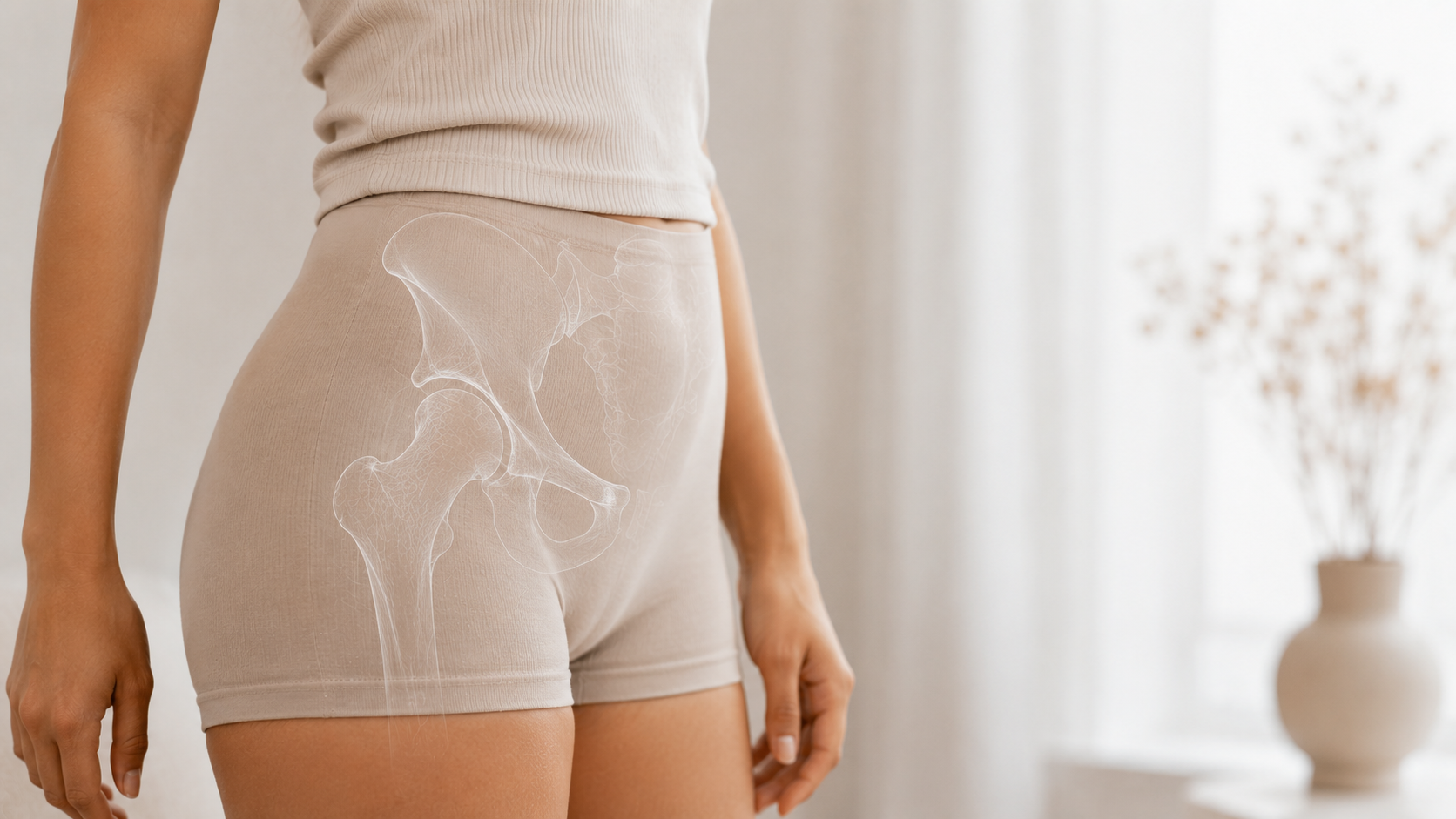
The pudendal nerve sits within a complex mechanical system that includes the pelvis, hips, sacroiliac joints, low back, pelvic floor muscles, and deep stabilizing structures. Hip impingement, anterior pelvic tilt, SI joint dysfunction, pelvic instability, and altered gait may contribute to pelvic floor guarding or nerve irritation in selected patients.
Some patients have pelvic pain that appears nerve-related but is being driven by hip mechanics or SI joint dysfunction. Others have pudendal nerve pain that causes secondary muscle guarding and altered movement. MPM evaluates these relationships before recommending treatment.
Pudendal Neuralgia, Endometriosis, and Fibroids
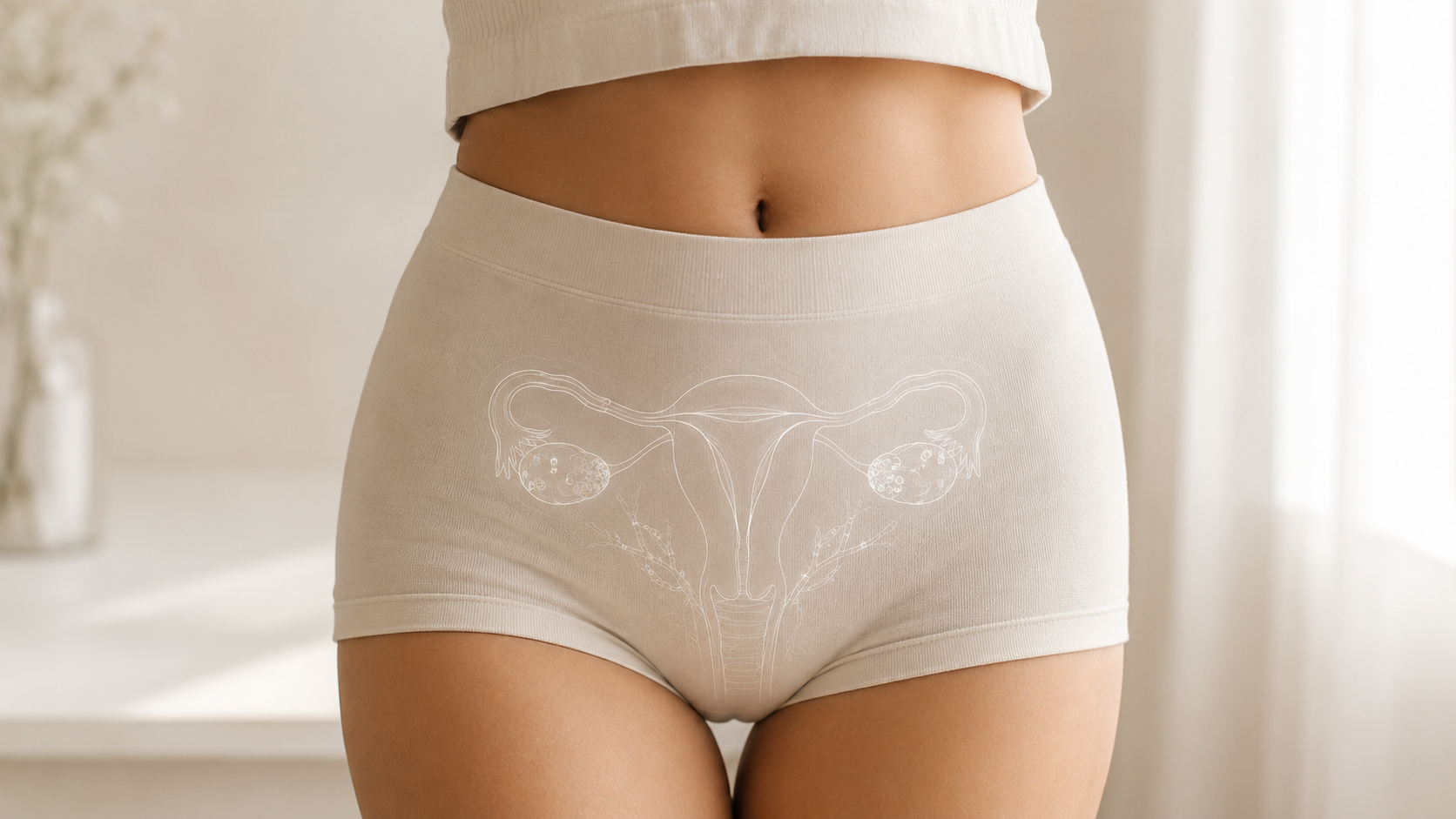
Endometriosis and fibroids can overlap with pudendal neuralgia-like symptoms. Chronic gynecologic pain may contribute to pelvic floor guarding, nerve sensitization, painful intercourse, bowel symptoms, bladder symptoms, and persistent pelvic pain.
MPM does not replace gynecology or gynecologic treatment. Instead, MPM evaluates the pain generators that may coexist with gynecologic conditions, including pudendal nerve irritation, pelvic floor dysfunction, abdominal wall pain, hip pain, SI joint pain, spine-related nerve pain, and chronic pain sensitization.
Pudendal Neuralgia, Constipation, and Bowel Symptoms
Chronic constipation and painful bowel movements can increase pelvic floor strain, pressure, and guarding. Over time, this may contribute to rectal pain, perineal pain, pelvic floor dysfunction, or pudendal nerve irritation. Some patients experience flares after bowel movements or prolonged straining.
When bowel symptoms are significant, care may need to involve gastroenterology, colorectal specialists, pelvic floor therapy, and pain medicine. The goal is to reduce strain, identify the source of pain, and avoid treating only one piece of a broader pelvic pain pattern.
Pudendal Neuralgia, Hypermobility, and EDS
In selected patients, hypermobility spectrum disorder or Ehlers-Danlos syndrome may contribute to pelvic nerve pain through altered pelvic mechanics, ligamentous laxity, SI joint instability, hip instability, muscle guarding, and increased sensitivity to mechanical stress.
This does not mean that every patient with pudendal neuralgia has EDS or hypermobility. It means that when a patient has joint instability, recurrent injuries, pelvic instability, SI joint symptoms, hip pain, multi-region pain, or known hypermobility, the evaluation should consider how connective tissue and mechanics may influence the pelvic pain pattern.
How Vascular Compression Syndromes Fit Into Pelvic Pain Evaluation
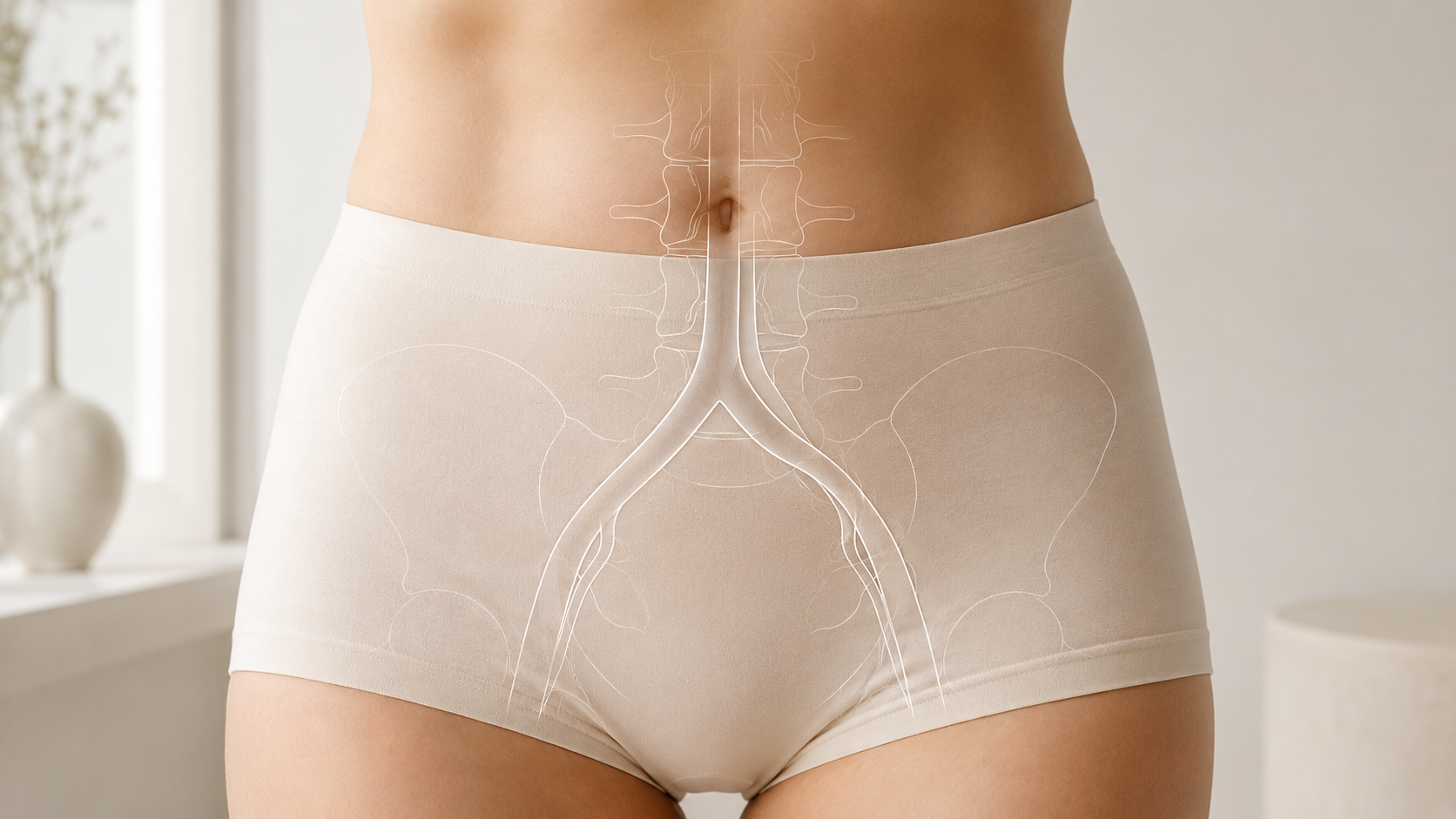
May Thurner Syndrome and Nutcracker Syndrome are vascular compression conditions that may overlap with pelvic pain in selected patients. These are not pudendal nerve diagnoses, but they may be part of the differential when symptoms include pelvic heaviness, vascular findings, leg swelling, flank pain, blood in urine, pelvic congestion-type symptoms, or unexplained pelvic pain.
MPM does not replace vascular, urology, nephrology, or surgical evaluation for vascular compression syndromes. MPM may help evaluate whether persistent pain is vascular, nerve-related, pelvic floor-related, musculoskeletal, or mixed and coordinate referral when appropriate.
How MPM Evaluates Pudendal Neuralgia
MPM begins with a detailed symptom map. This includes pain location, pain quality, sitting tolerance, bowel symptoms, bladder symptoms, sexual pain, pelvic floor therapy history, childbirth history, surgery history, cycling or trauma history, gynecologic history, hip symptoms, SI joint symptoms, spine findings, prior imaging, prior procedures, and response to treatment.
The evaluation also considers pelvic floor dysfunction, pelvic dystonia, pudendal neuralgia, hip impingement, SI joint dysfunction, anterior pelvic tilt, constipation, endometriosis, fibroids, vascular compression syndromes, hypermobility, EDS, sciatica, disc herniations, and chronic pain sensitization.
Treatment Options for Pudendal Neuralgia
Treatment depends on the diagnosis and pain generator. Some patients benefit from pelvic floor physical therapy coordination, medication management, pain psychology, biofeedback, acupuncture, Feldenkrais, activity modification, seating strategies, or movement retraining. Others may need targeted evaluation of hip, SI joint, spine, nerve, gynecologic, bowel, bladder, or vascular contributors.
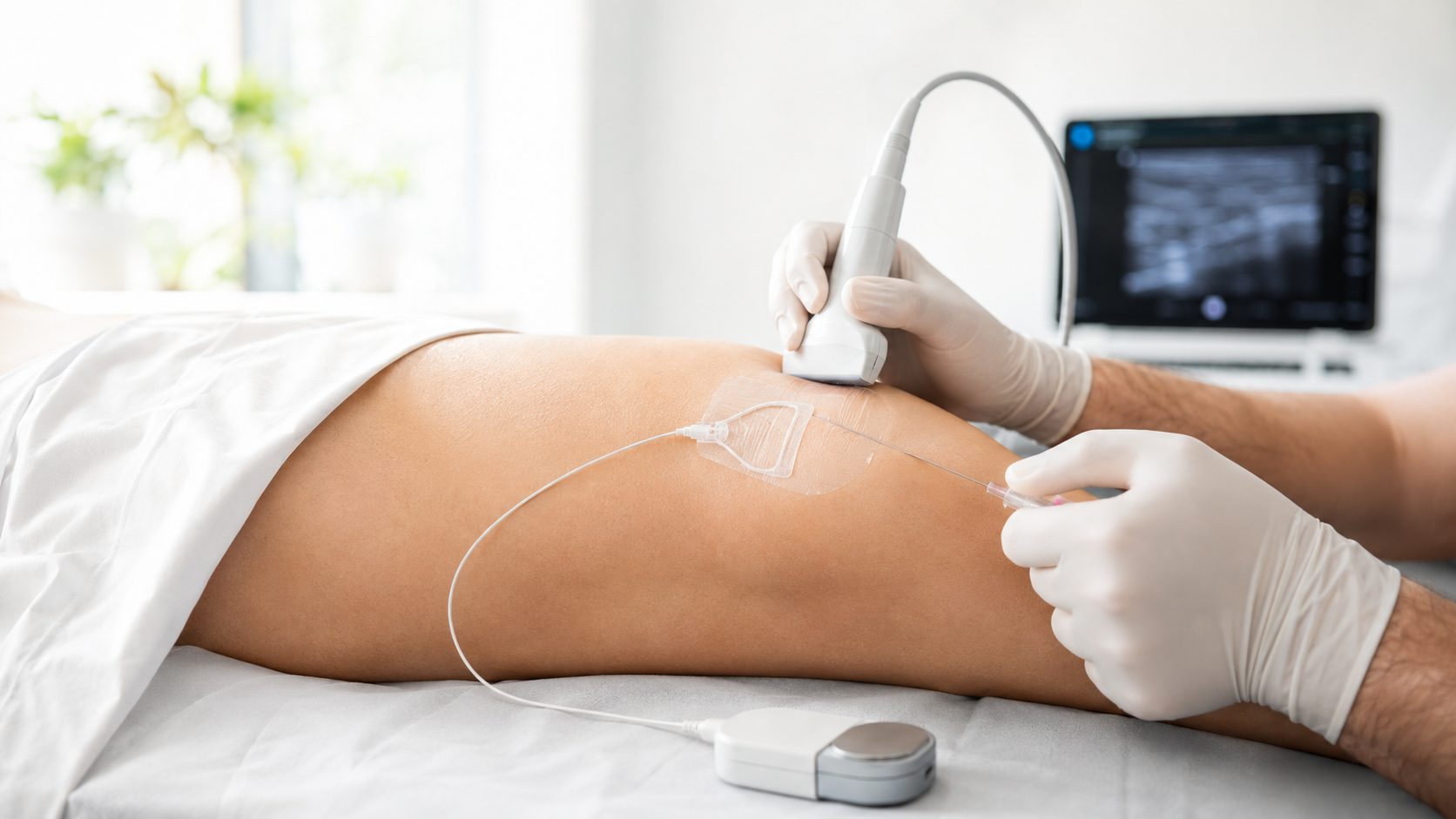
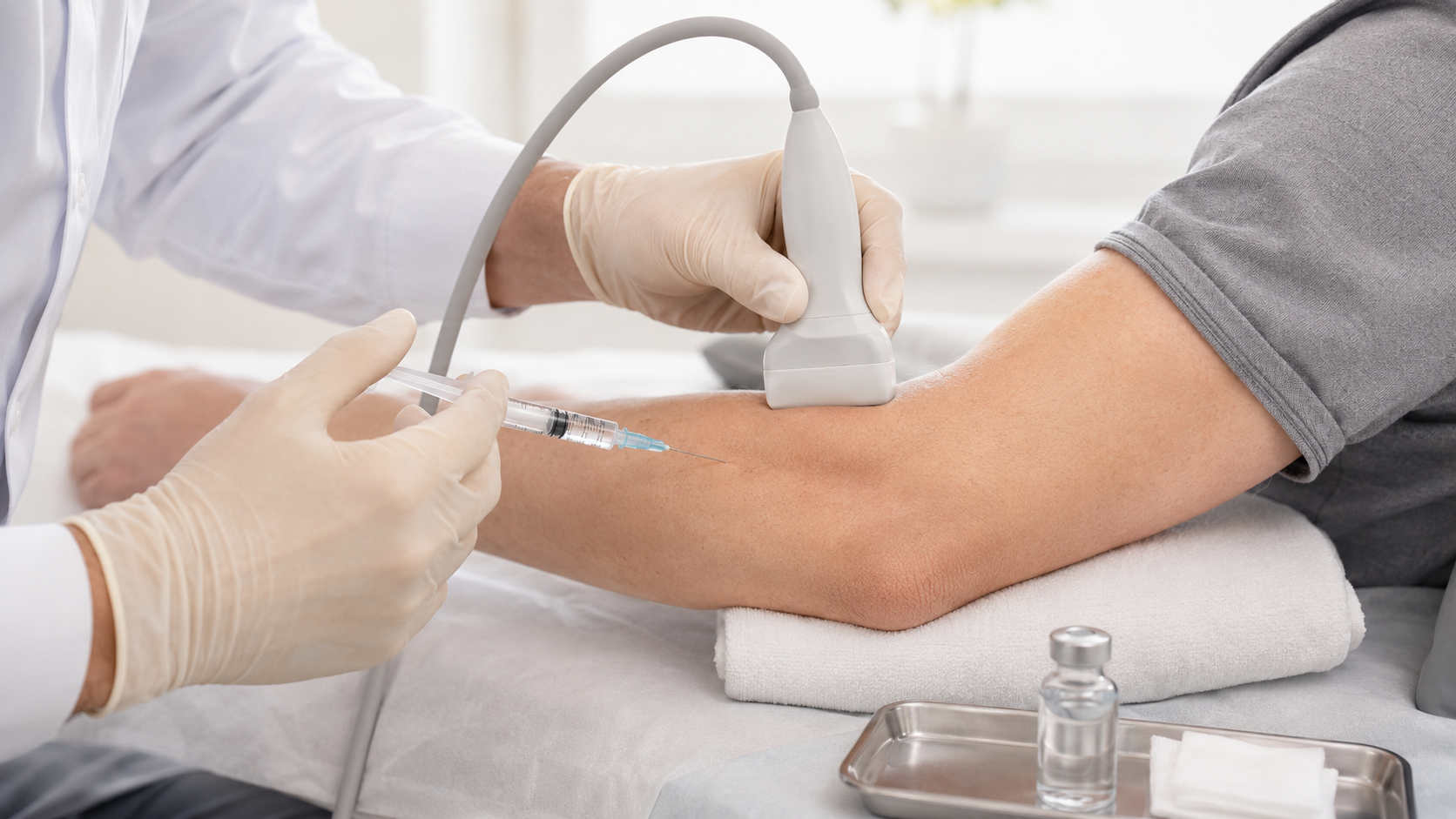
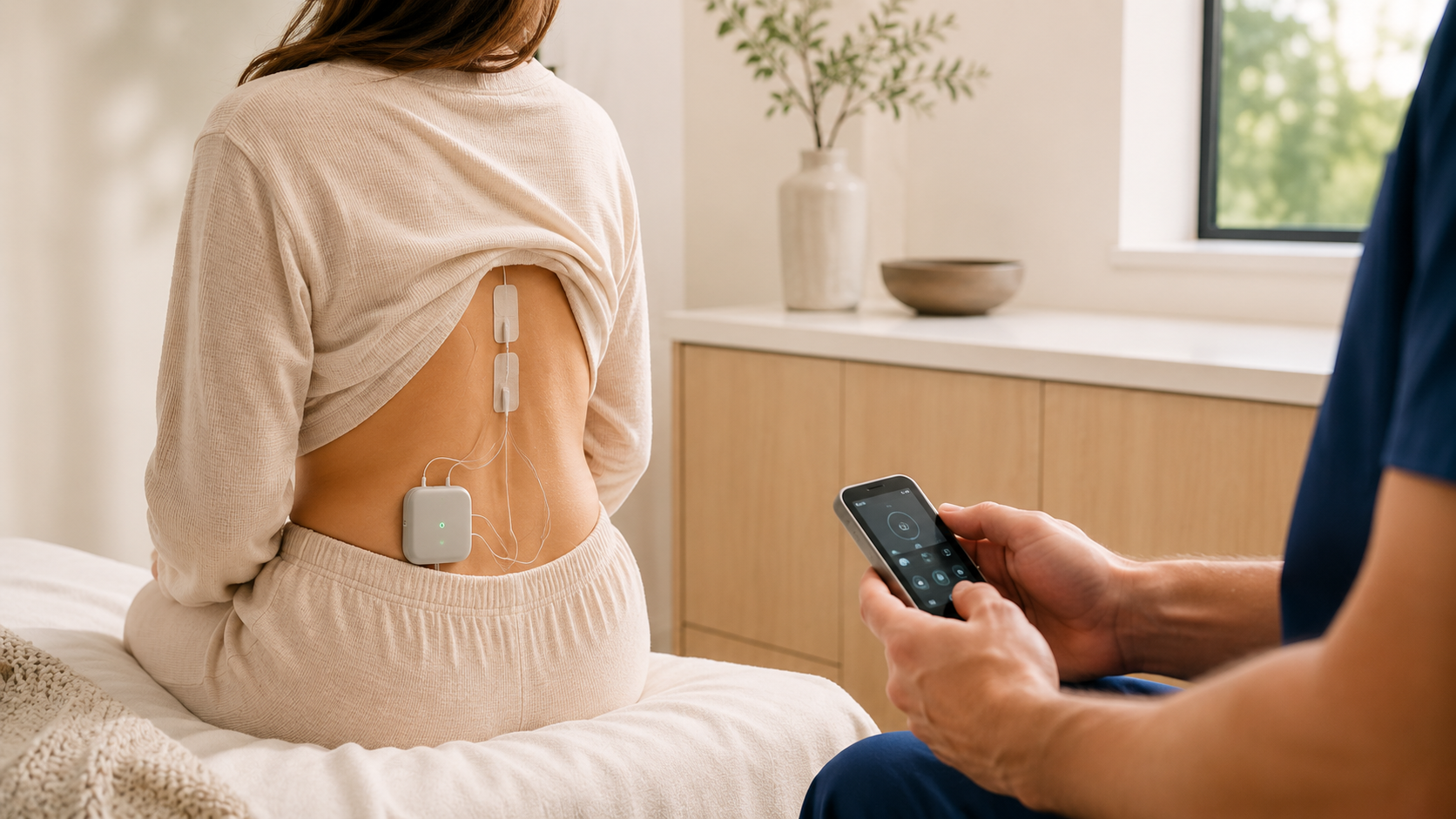
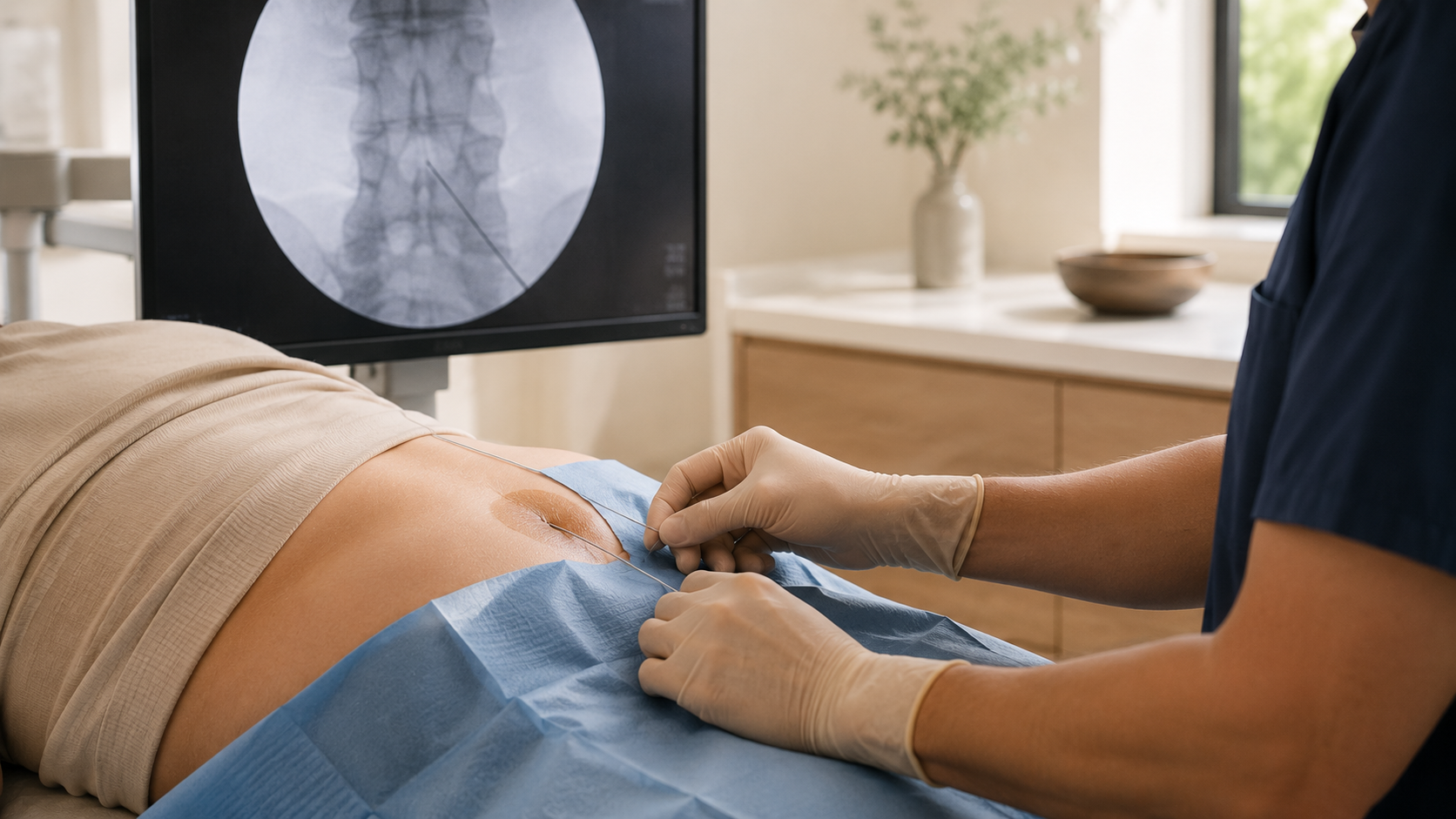
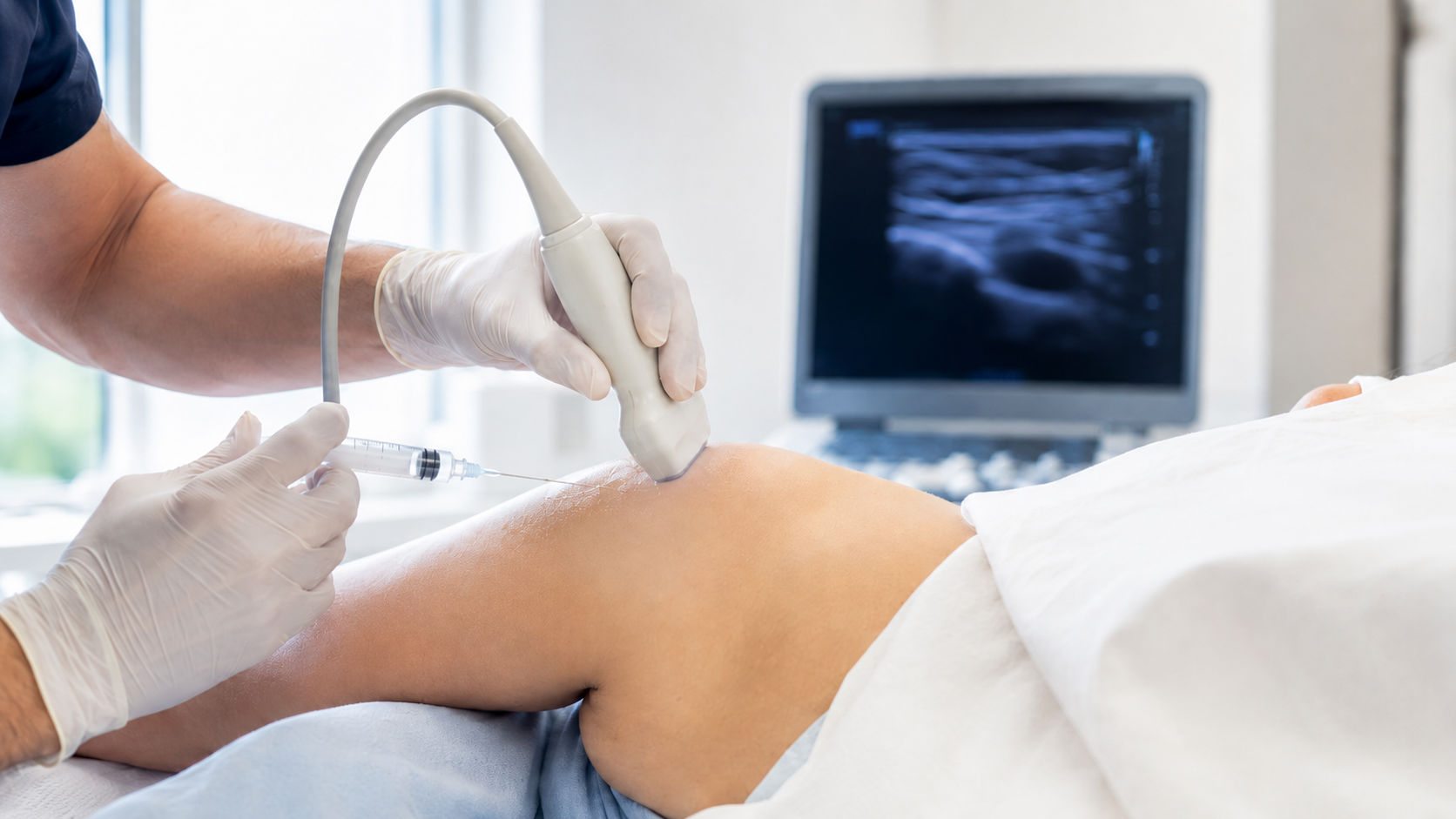
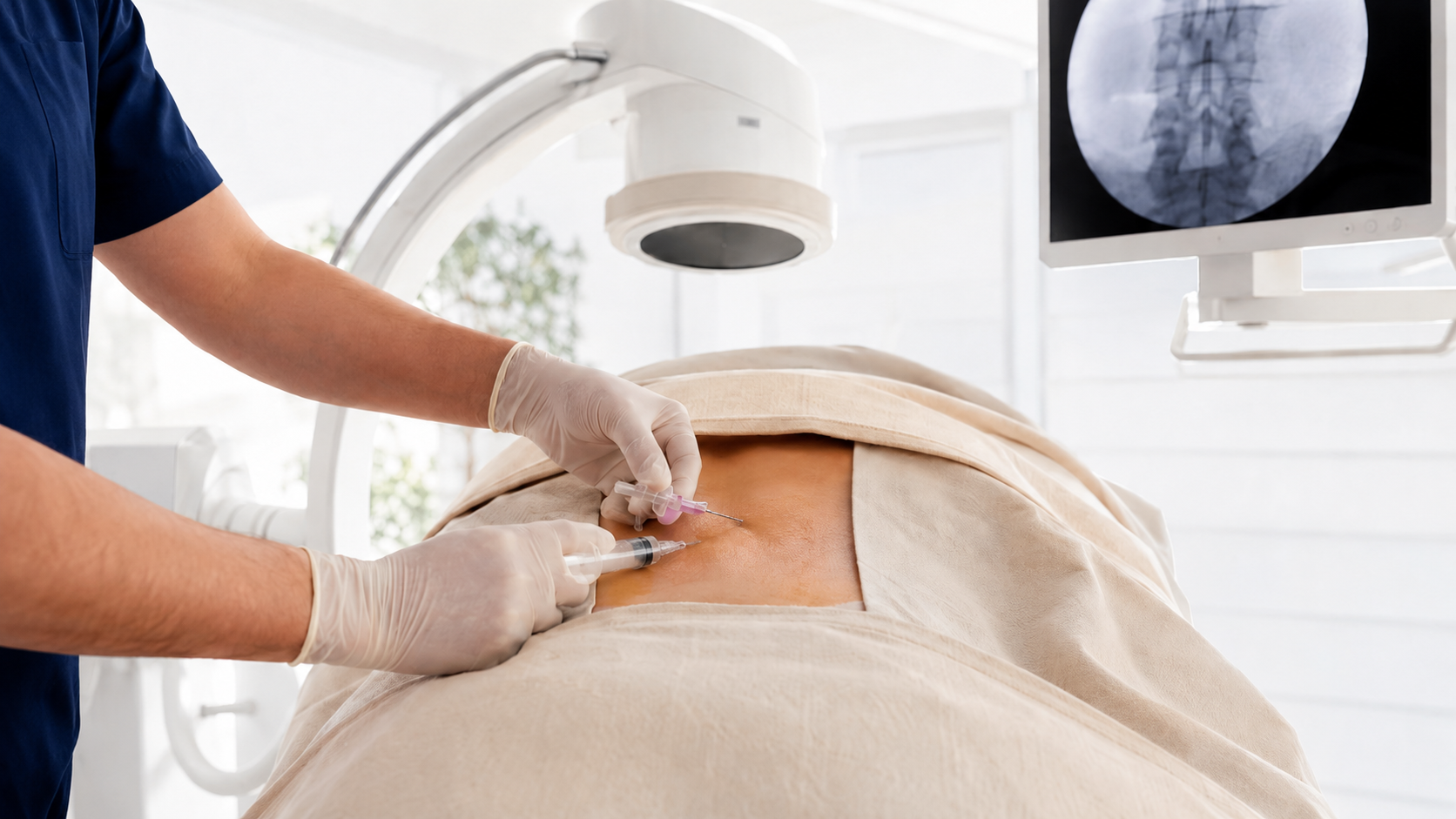
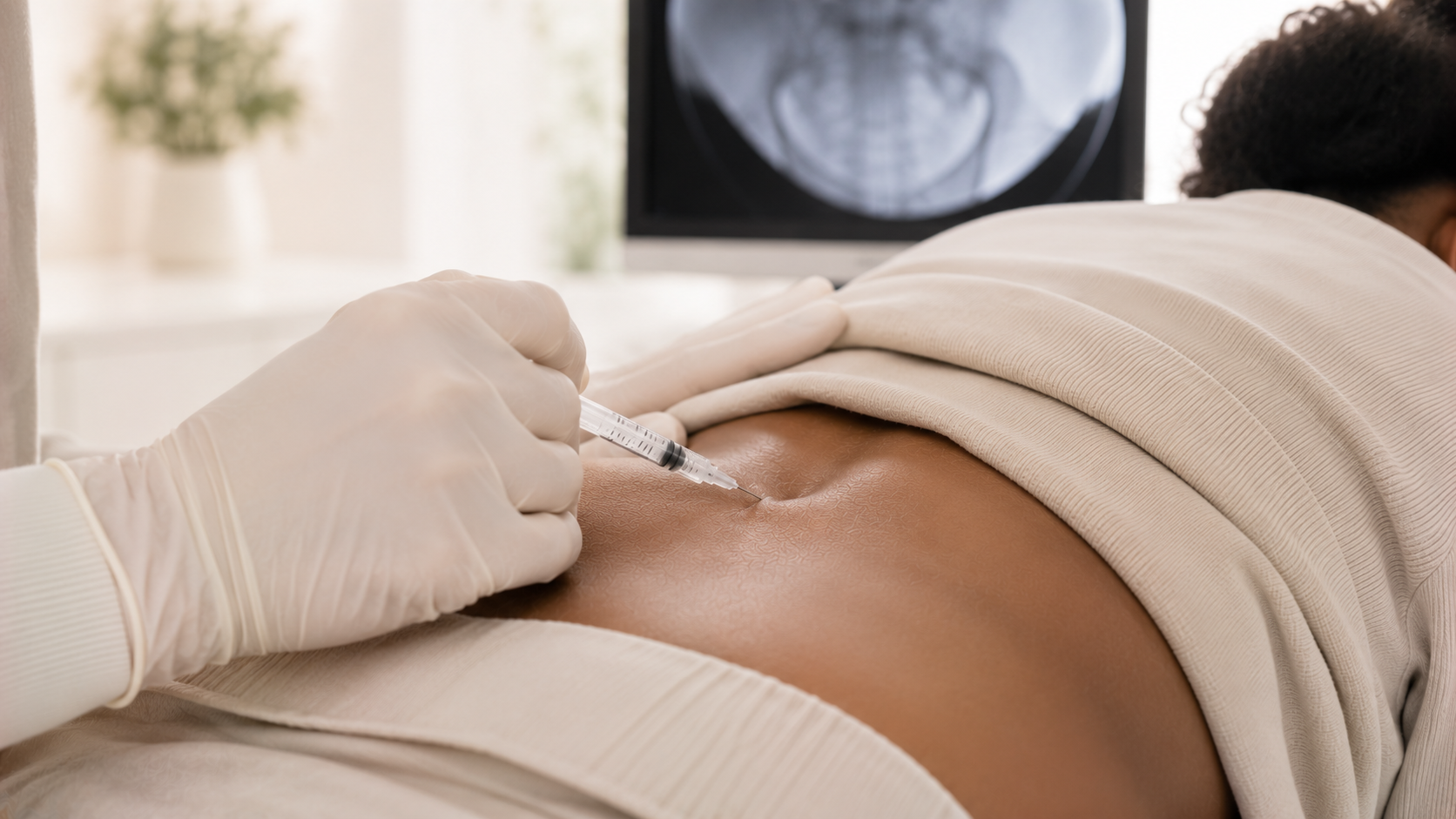
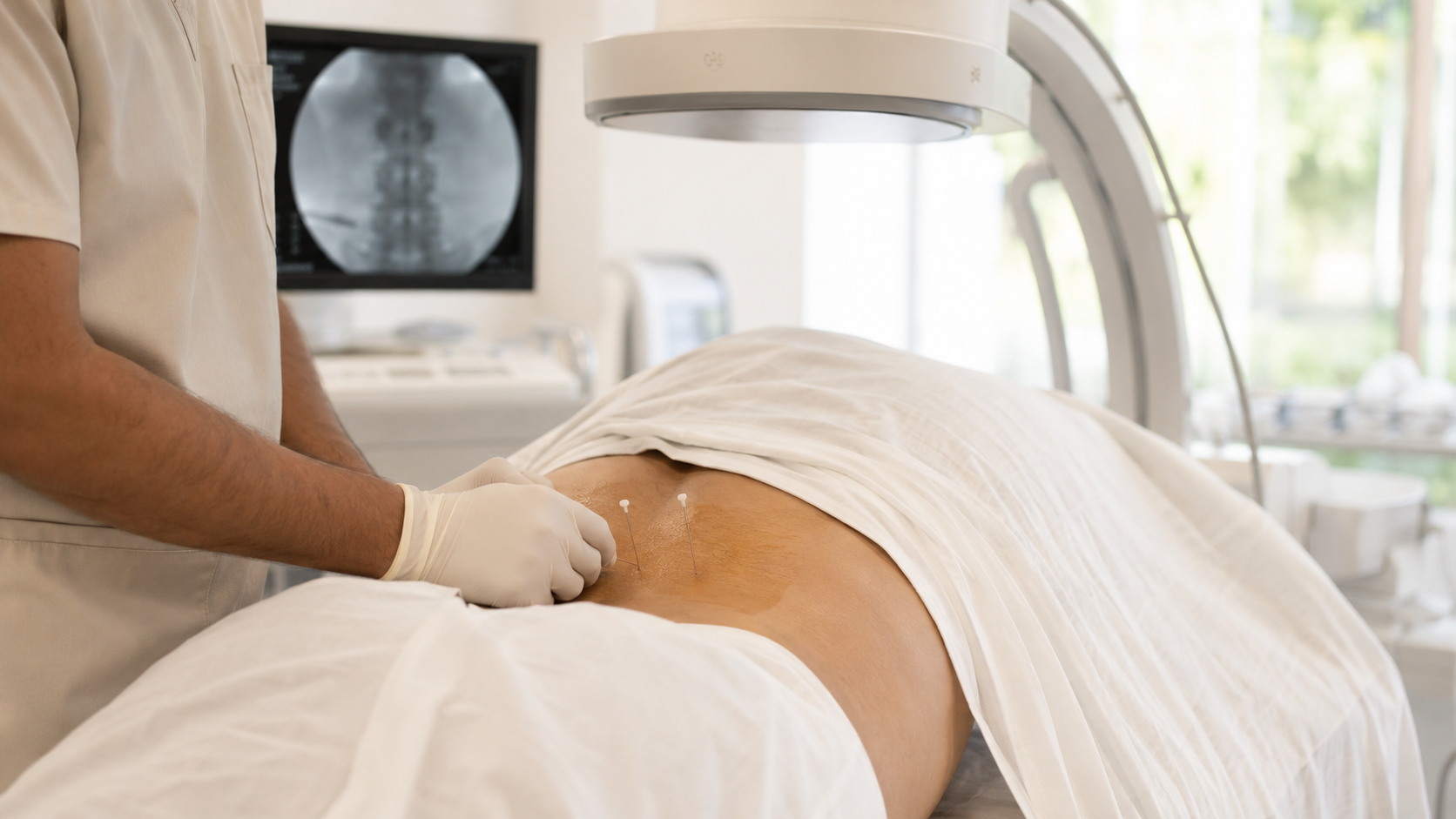
Selected patients may be considered for pudendal nerve blocks, pelvic floor trigger point injections, peripheral nerve blocks, botulinum toxin injections in selected muscle overactivity patterns, nerve hydrodissection, ganglion impar block, superior hypogastric plexus block, sympathetic blocks, lidocaine or ketamine-related treatments, peripheral nerve stimulation, dorsal root ganglion stimulation, spinal cord stimulation, or other neuromodulation approaches. These options are not routine for every patient.
When Pudendal Nerve Blocks May Be Considered
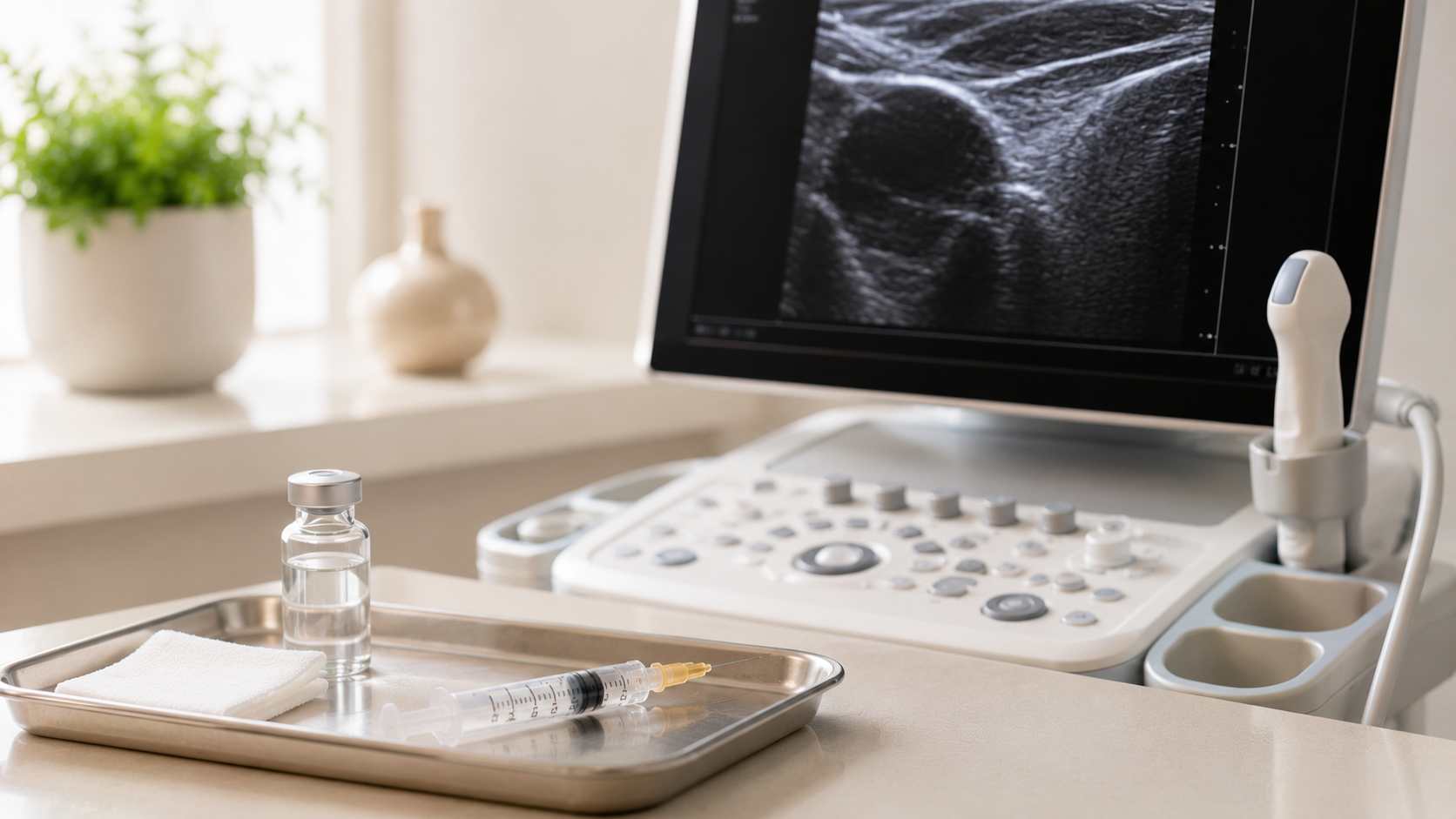
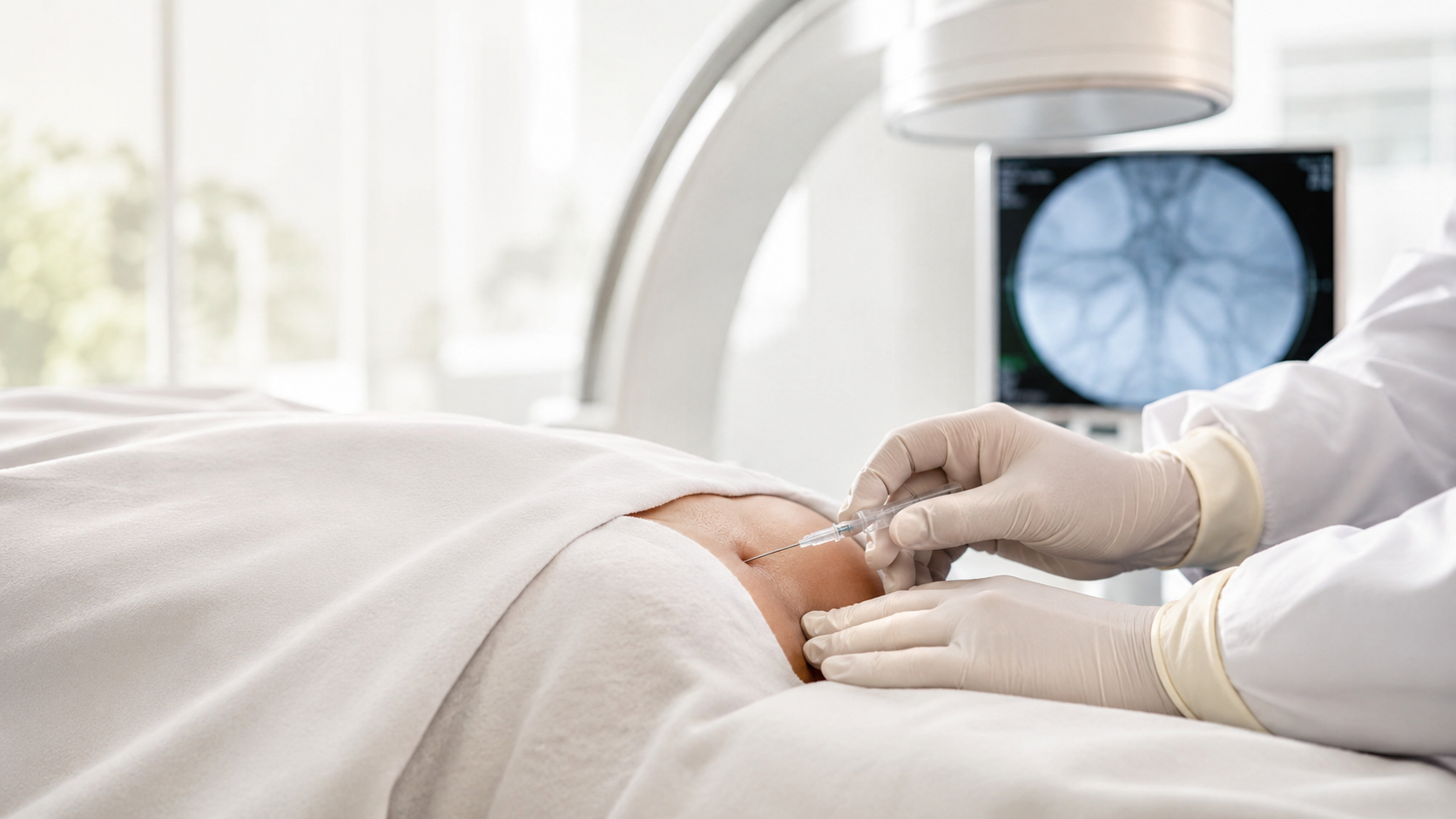
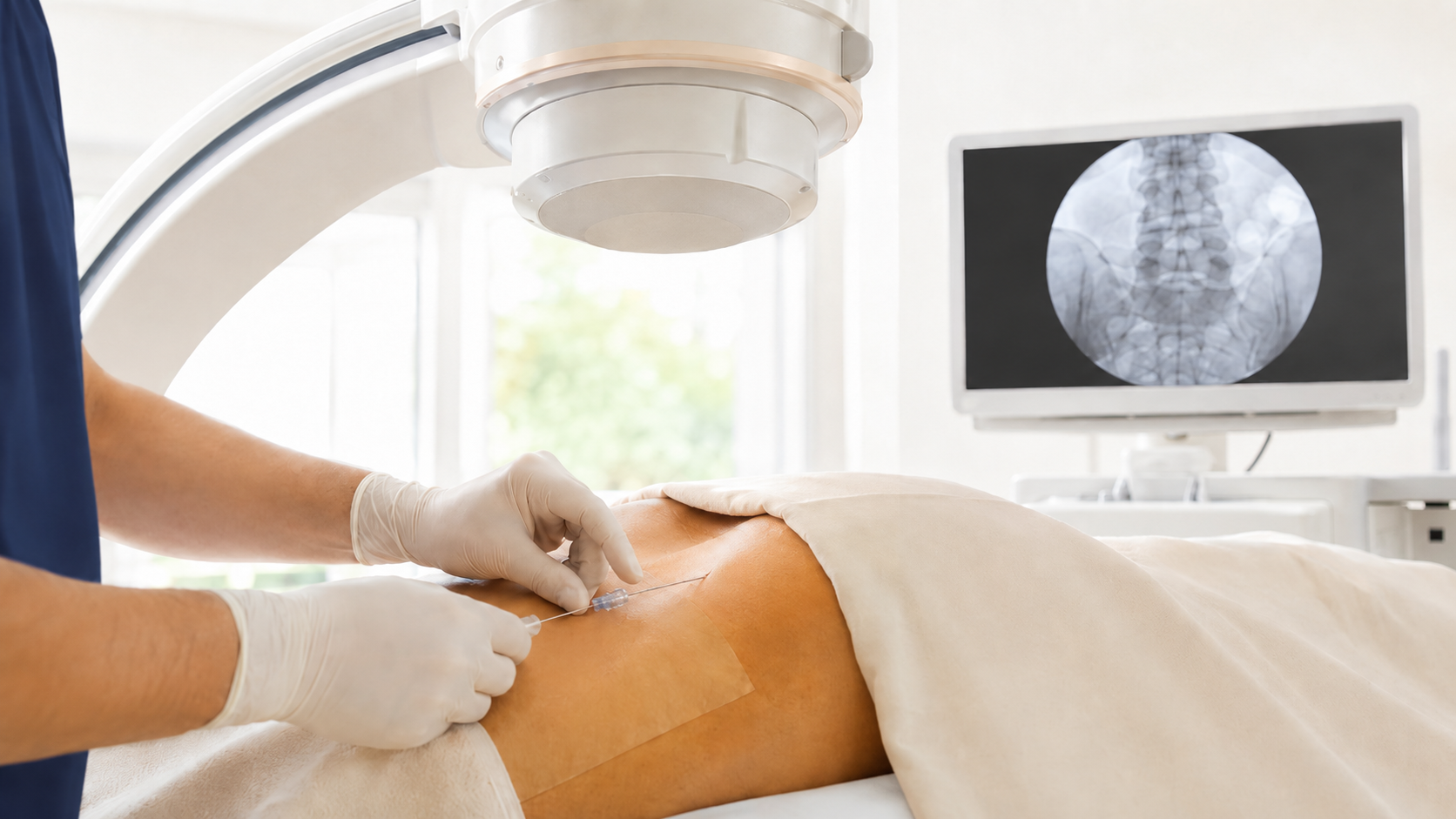
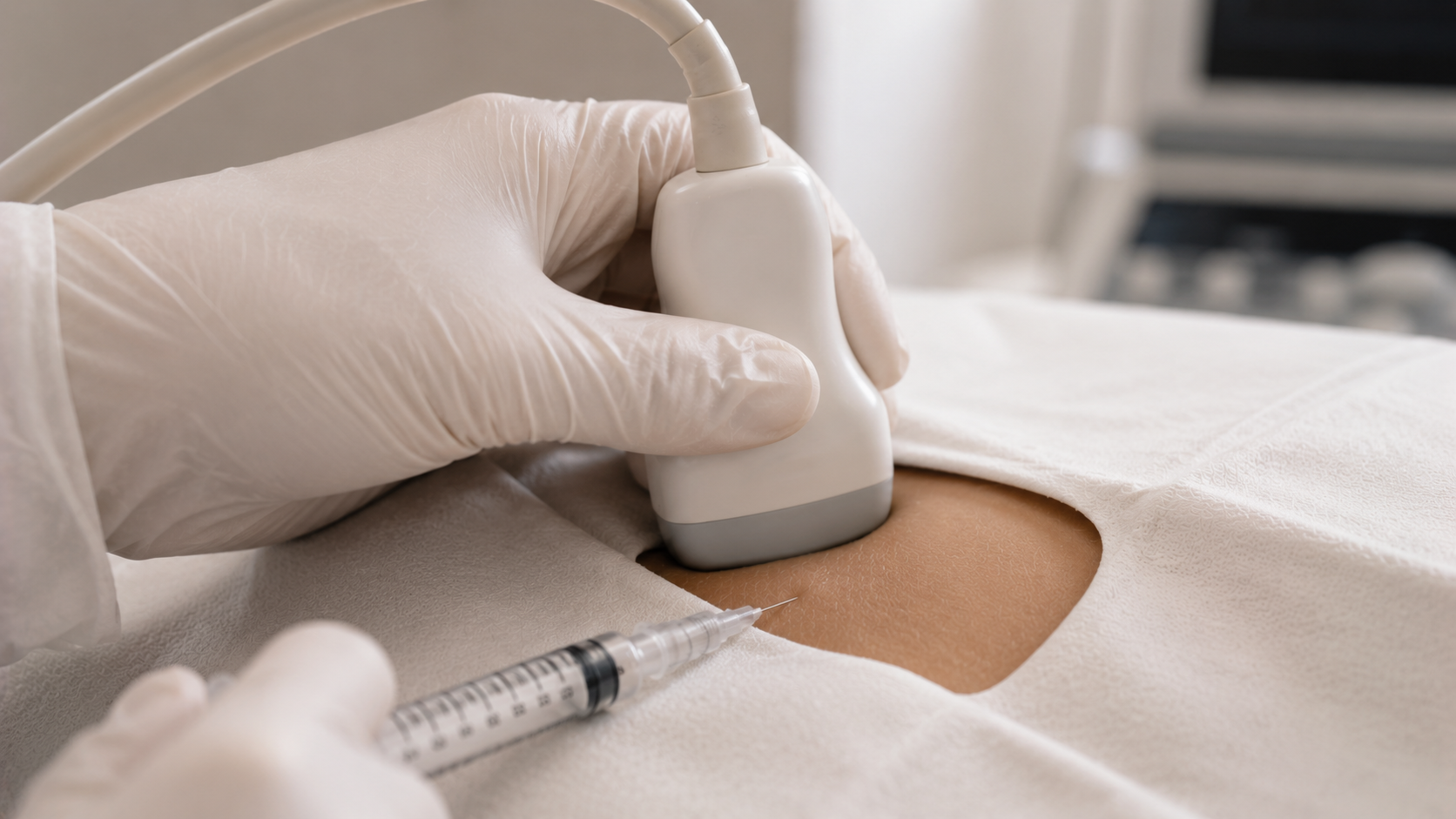
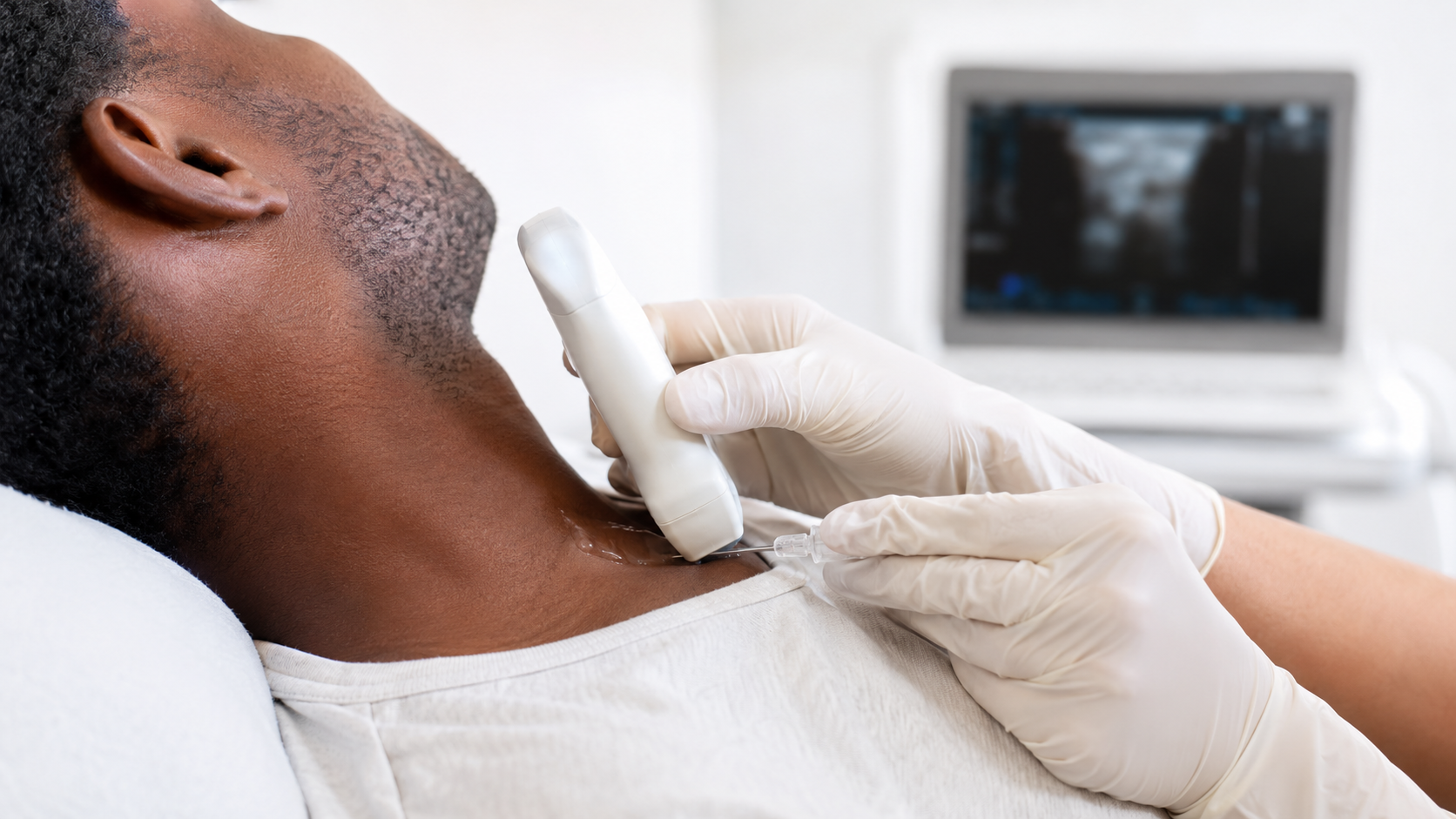
A pudendal nerve block may be considered when the pain pattern suggests pudendal nerve involvement. It may be used diagnostically, therapeutically, or both. A meaningful response can provide useful information about whether the pudendal nerve is contributing to symptoms, but the result must be interpreted alongside the patient’s full clinical picture.
Pudendal nerve blocks do not cure every pelvic pain condition and are not appropriate for every patient. They require diagnosis-specific evaluation, anatomical planning, risk discussion, and clinician supervision.
When Pelvic Floor Trigger Point Injections or Botulinum Toxin May Be Considered
Pelvic floor trigger point injections may be considered when focal pelvic floor muscle trigger points are contributing to pain. Botulinum toxin may be considered in selected cases involving pelvic muscle overactivity, spasm, or dystonia patterns. These treatments are not general treatments for all pelvic pain or all pudendal neuralgia.
They may be most useful when the clinical evaluation suggests that pelvic floor muscle overactivity is a meaningful part of the pain pattern and when treatment is coordinated with pelvic floor therapy or other supportive care.
When Neuromodulation May Be Considered
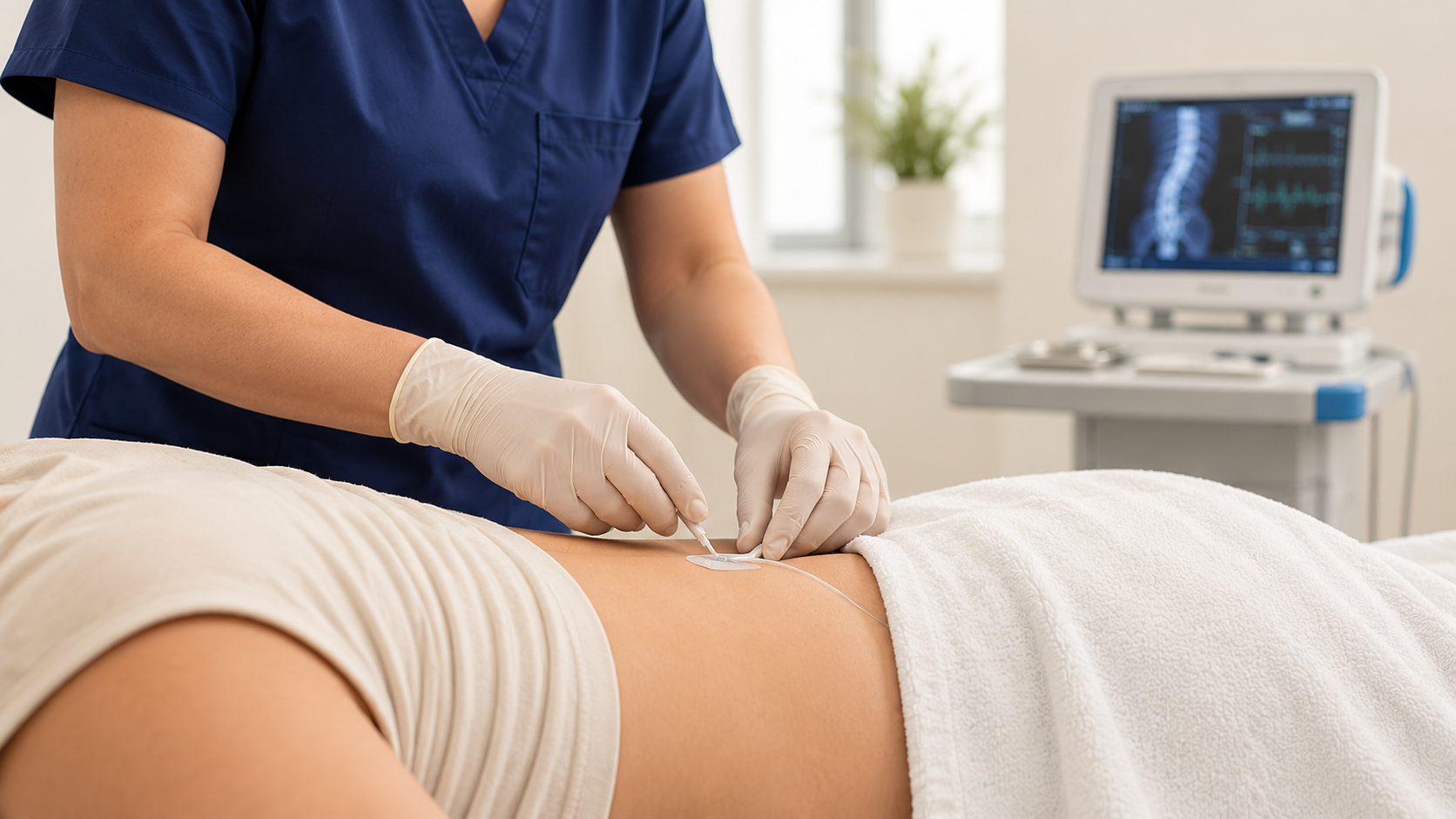
Neuromodulation may be considered for selected refractory chronic pelvic nerve pain patterns when conservative care and less invasive treatments have not provided sufficient relief. Options may include peripheral nerve stimulation, dorsal root ganglion stimulation, spinal cord stimulation, or other approaches depending on the pain pattern and clinical evaluation.
Neuromodulation is not a first-line treatment for pudendal neuralgia and should only be considered after careful diagnosis, review of prior treatments, risk discussion, and evaluation of patient goals.
When Urgent Evaluation Is Needed
Pudendal neuralgia-like symptoms should not be assumed to be benign or purely nerve-related. Patients should seek urgent evaluation for fever, severe or sudden pelvic or abdominal pain, heavy bleeding, pregnancy-related pain, fainting, blood in urine or stool, inability to urinate, new bowel or bladder dysfunction, saddle anesthesia, new leg weakness, unexplained weight loss, severe testicular pain, signs of infection, chest pain, shortness of breath, or rapidly worsening symptoms.
These symptoms may indicate conditions that require emergency, gynecologic, urologic, gastrointestinal, vascular, neurologic, or surgical evaluation.
How MPM Approaches Pudendal Neuralgia Care
MPM approaches pudendal neuralgia through a diagnosis-first, coordinated model. The goal is to determine whether pain is coming from the pudendal nerve, pelvic floor dysfunction, pelvic dystonia, hip impingement, SI joint dysfunction, anterior pelvic tilt, endometriosis, fibroids, constipation, vascular compression syndromes, hypermobility, EDS, spine-related nerve pain, or chronic pain sensitization.
For patients looking for pudendal neuralgia treatment in Manhattan or NYC, MPM offers a careful pain medicine perspective focused on pelvic nerve evaluation, musculoskeletal assessment, pelvic floor collaboration, symptom mapping, image-guided procedures when appropriate, and coordination with the right specialists. Treatment is individualized and selected only after the likely pain generators are better understood.