Epidural Injections
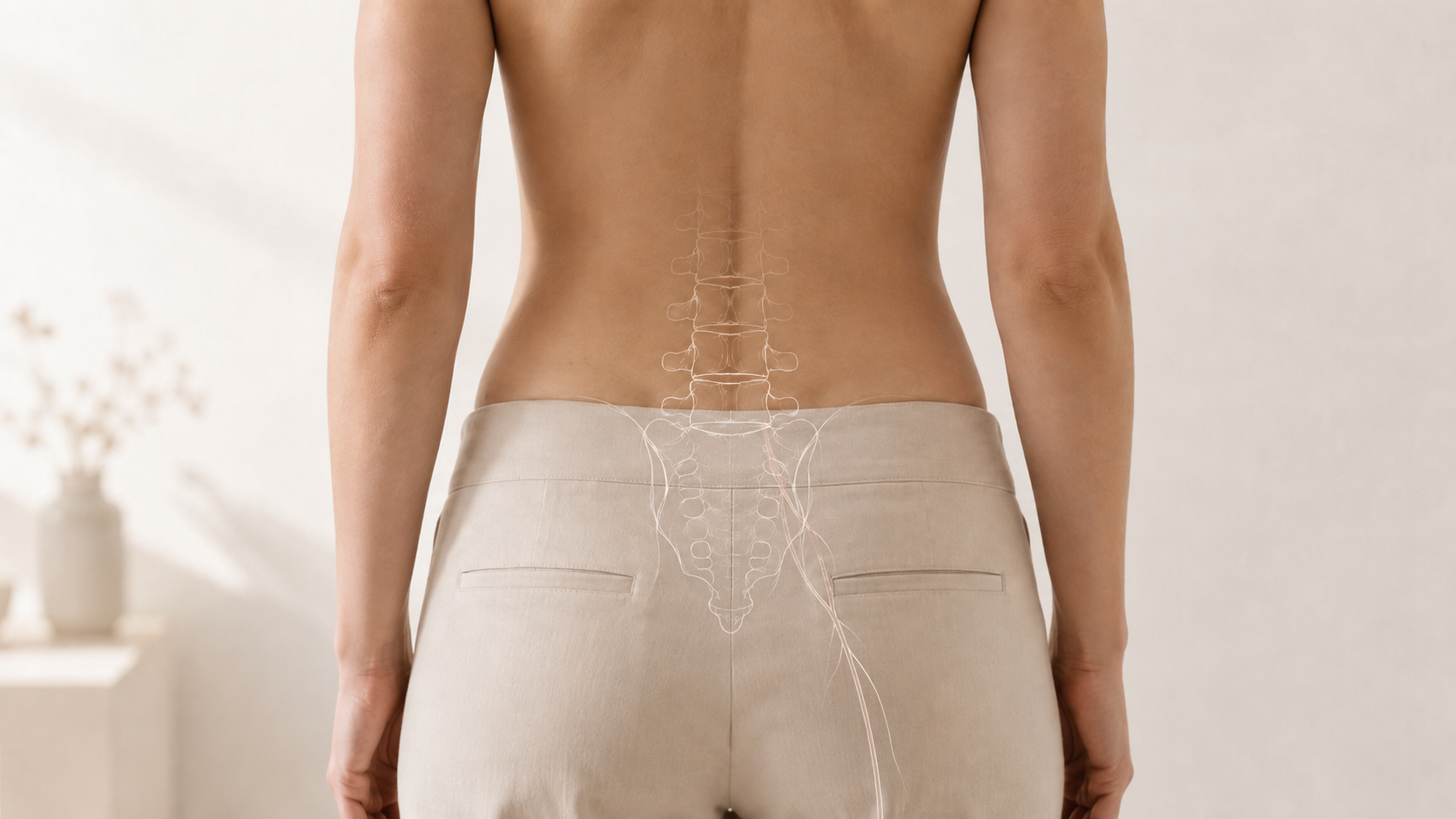
Epidural injections are targeted spine procedures used to evaluate or reduce selected nerve-root-related pain. They may be considered for sciatica, radiating leg pain, radiating arm pain, disc herniations, spinal stenosis, cervical radiculopathy, lumbar radiculopathy, or other spine-related nerve irritation patterns.
At Manhattan Pain Medicine (MPM), epidural injections NYC care begins with diagnosis-first evaluation. The goal is to determine whether the patient’s symptoms, imaging, exam findings, and treatment history support an epidural target before recommending the procedure.
What an Epidural Steroid Injection Does
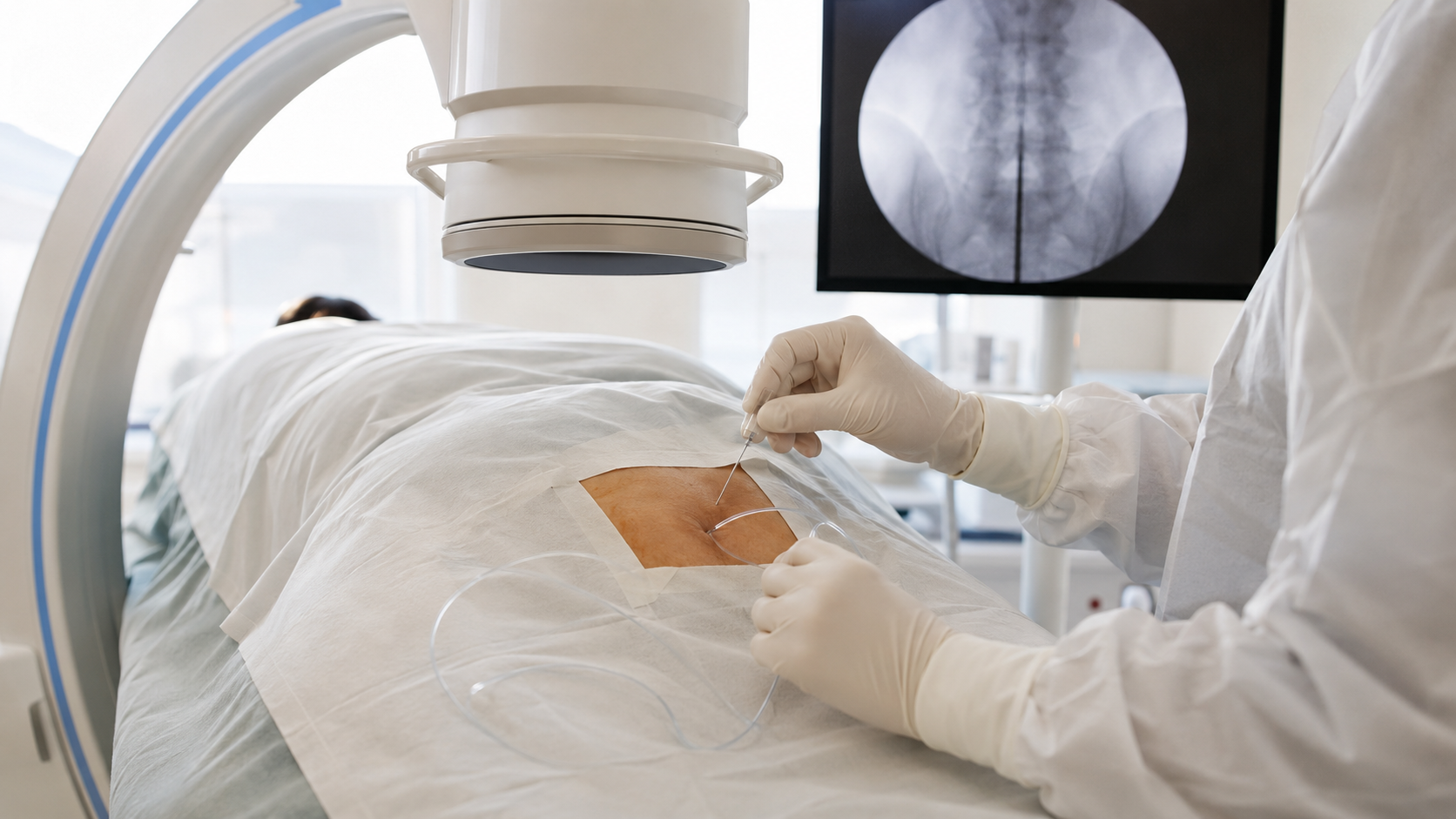
An epidural steroid injection places anti-inflammatory medication into the epidural space around spinal nerves. The purpose is to reduce inflammation around an irritated nerve root and potentially reduce radiating pain. Local anesthetic may also be used, which can provide temporary numbing and diagnostic information.
Epidural injections may help selected patients with pain traveling from the neck into the arm or from the lower back into the leg. They are not designed to repair a herniated disc, reverse spinal stenosis, correct scoliosis, or cure chronic spine pain. Their role depends on whether the patient’s pain pattern is truly nerve-root-related.
Why the Source of Pain Matters
Back, neck, pelvic, arm, or leg pain can come from several structures. A patient may have pain from a disc, spinal nerve root, facet joint, SI joint, hip, muscle, ligament, pelvic floor, peripheral nerve, inflammatory disease, Tarlov cyst-related symptoms, endometriosis overlap, or central sensitization. Some patients have more than one contributor at the same time.
This is why MPM does not treat epidural injections as a default answer for spine pain. The evaluation focuses on symptom location, radiation pattern, neurological findings, imaging correlation, prior treatment response, and safety factors. The correct target matters more than simply receiving an injection.
Epidural Injections for Sciatica and Radiating Leg Pain
Sciatica often refers to pain that travels from the lower back or buttock into the leg. It may occur when a spinal nerve root is irritated or inflamed. In selected cases, a lumbar or caudal epidural injection may help reduce nerve-related inflammation and improve symptoms for a period of time.
However, leg pain is not always caused by spinal nerve root irritation. SI joint dysfunction, hip pathology, piriformis-related pain, pelvic mechanics, peripheral nerve entrapment, vascular conditions, or centralized pain can sometimes create similar symptoms. MPM evaluates these possibilities before recommending an epidural injection.
Epidural Injections for Neck Pain and Arm Pain
Cervical epidural injections may be considered when neck pain is associated with radiating arm pain, numbness, tingling, or nerve-root-related symptoms. This can occur when a cervical disc herniation, foraminal narrowing, or spinal stenosis irritates a nerve root.
If symptoms are mainly caused by facet joints, muscle tension, shoulder pathology, peripheral nerve entrapment, headache disorders, or cervical dystonia, an epidural injection may not be the best target. MPM evaluates the full clinical picture before selecting a treatment approach.
Types of Epidural Injections
Different epidural approaches may be used depending on the diagnosis and anatomy.
Interlaminar epidural injections place medication into the epidural space through the back of the spine. Transforaminal epidural injections target the area near a specific spinal nerve root as it exits the spine. Caudal epidural injections access the epidural space through the lower sacral region and may be considered in selected lower back or leg pain patterns.
The best approach depends on the patient’s symptoms, imaging, prior surgery, anatomy, safety factors, and treatment goals.
Epidural Injections vs. Epidural Lysis of Adhesions and Spinal Cord Stimulation
Epidural injections are often considered when inflammation around an irritated spinal nerve may be contributing to pain. Epidural lysis of adhesions, sometimes associated with a Racz catheter, may be considered in selected cases when scar tissue or adhesions are suspected to contribute to persistent nerve pain, often after prior surgery or prolonged symptoms.
Spinal cord stimulation is a more advanced neuromodulation option that may be considered for selected chronic nerve-related pain patterns when conservative care and less invasive procedures have not provided enough relief. MPM uses diagnosis, imaging, prior treatment response, and functional goals to determine whether any of these options should be discussed.
What Relief After an Epidural Injection May Mean
Relief after an epidural injection can provide useful information. If pain improves in the expected region, the response may support the targeted spinal nerve or level as clinically meaningful. If relief is incomplete, very short-lived, or absent, another pain generator may be involved.
MPM reviews the timing, location, and degree of relief after the procedure. This helps determine whether to repeat an injection, consider another target, adjust medication management, continue rehabilitation, evaluate for epidural lysis of adhesions, discuss spinal cord stimulation, or coordinate surgical evaluation when appropriate.
Risks and Safety Considerations
Epidural injections are medical procedures and should be selected carefully. Risks may include pain flare, bruising, bleeding, infection, allergic reaction, temporary numbness or weakness, dizziness, vasovagal reaction, elevated blood sugar, steroid-related side effects, dural puncture headache, nerve irritation, vascular injury, local anesthetic toxicity, incomplete relief, temporary relief only, or no relief. Rare serious neurologic complications have been reported with epidural corticosteroid injections.
Patients should seek urgent evaluation for new or worsening weakness, bowel or bladder dysfunction, saddle anesthesia, fever, severe back pain after trauma, unexplained weight loss, cancer-related red flags, severe infection symptoms, sudden severe headache after injection, chest pain, shortness of breath, severe allergic reaction, or rapidly worsening symptoms.
For selected patients, epidural injections may be an important part of a diagnosis-first spine pain plan. MPM’s role is to determine whether the pain pattern, imaging, exam, and safety profile support an epidural injection and how the response should guide the next step in care.