Trigeminal Neuralgia
Trigeminal neuralgia is a condition involving the trigeminal nerve, one of the major cranial nerves responsible for facial sensation. When this nerve is irritated, compressed, or affected by another process, patients may experience sudden attacks of severe facial pain.
The pain is often described as electric, stabbing, sharp, shooting, or shock-like. It may affect the cheek, jaw, teeth, gums, lips, forehead, or area around the eye. For some patients, attacks are brief but intense. For others, attacks may recur in clusters or become more frequent over time.
Common Triggers for Trigeminal Neuralgia
One of the most distinctive features of trigeminal neuralgia is that ordinary sensations can trigger severe pain. Patients may experience attacks while brushing their teeth, chewing, shaving, washing their face, applying makeup, talking, smiling, touching the skin, or feeling wind or cold air on the face.
These triggers can make daily routines difficult. Some patients begin avoiding eating, brushing, socializing, or going outdoors because they fear the next pain attack. This is one reason careful evaluation and a coordinated care plan are important.
Why Trigeminal Neuralgia Can Be Mistaken for Other Conditions
Trigeminal neuralgia can be difficult to diagnose because facial pain overlaps with many specialties. A patient may first see a dentist because the pain feels like it is coming from the teeth or gums. Others may see ENT for sinus or ear symptoms, oral surgery for jaw pain, neurology for cranial nerve pain, or headache medicine for migraine-like symptoms.
Similar pain patterns may come from dental infection, TMJ disorders, sinus disease, migraine, cluster headache, hemicrania, trigeminal autonomic cephalalgias, painful trigeminal neuropathy, glossopharyngeal neuralgia, shingles, post-herpetic neuralgia, cervical referral, multiple sclerosis, tumor, or vascular compression.
MPM does not assume every case of facial pain is trigeminal neuralgia. The evaluation starts with the full pattern: location, timing, triggers, sensation, exam findings, prior dental or ENT workup, headache history, neurologic symptoms, and prior response to medication or procedures.
Trigeminal Neuralgia and Headache Overlap
Trigeminal neuralgia is not the same as migraine, cluster headache, hemicrania, or trigeminal autonomic cephalalgia, but these conditions can overlap in the patient’s experience of facial or head pain.
Migraine may cause longer-lasting head pain, light sensitivity, sound sensitivity, nausea, and visual symptoms. Cluster headache and other trigeminal autonomic cephalalgias may cause severe head or facial pain with eye redness, tearing, nasal congestion, eyelid changes, or restlessness. TMJ disorders may cause jaw pain, chewing pain, ear pressure, facial tension, and headache.
Because these patterns can be complex, MPM evaluates trigeminal neuralgia within a broader facial pain and headache framework.
How MPM Evaluates Trigeminal Nerve Pain
MPM begins by mapping the pain across the trigeminal nerve branches. The evaluation looks at whether symptoms affect the forehead and eye region, cheek and upper jaw region, lower jaw and chin region, or multiple areas.
The team reviews pain quality, attack duration, triggers, associated symptoms, neurologic findings, medication history, dental procedures, prior imaging, and prior evaluations. When needed, MPM may coordinate with dentistry, ENT, oral surgery, neurology, headache medicine, or neurosurgery.
Imaging may be recommended when there is concern for neurovascular compression, multiple sclerosis, tumor, structural lesions, or another neurologic condition. The goal is to clarify whether symptoms fit trigeminal neuralgia, painful trigeminal neuropathy, headache disorder, TMJ-related pain, dental pain, or another diagnosis.
Treatment Options for Trigeminal Neuralgia
Treatment often begins with medication management. Anticonvulsant medications such as carbamazepine or oxcarbazepine are commonly used for trigeminal neuralgia under clinician supervision. Other medications may be considered depending on the patient’s diagnosis, medical history, tolerance, interactions, and prior response.
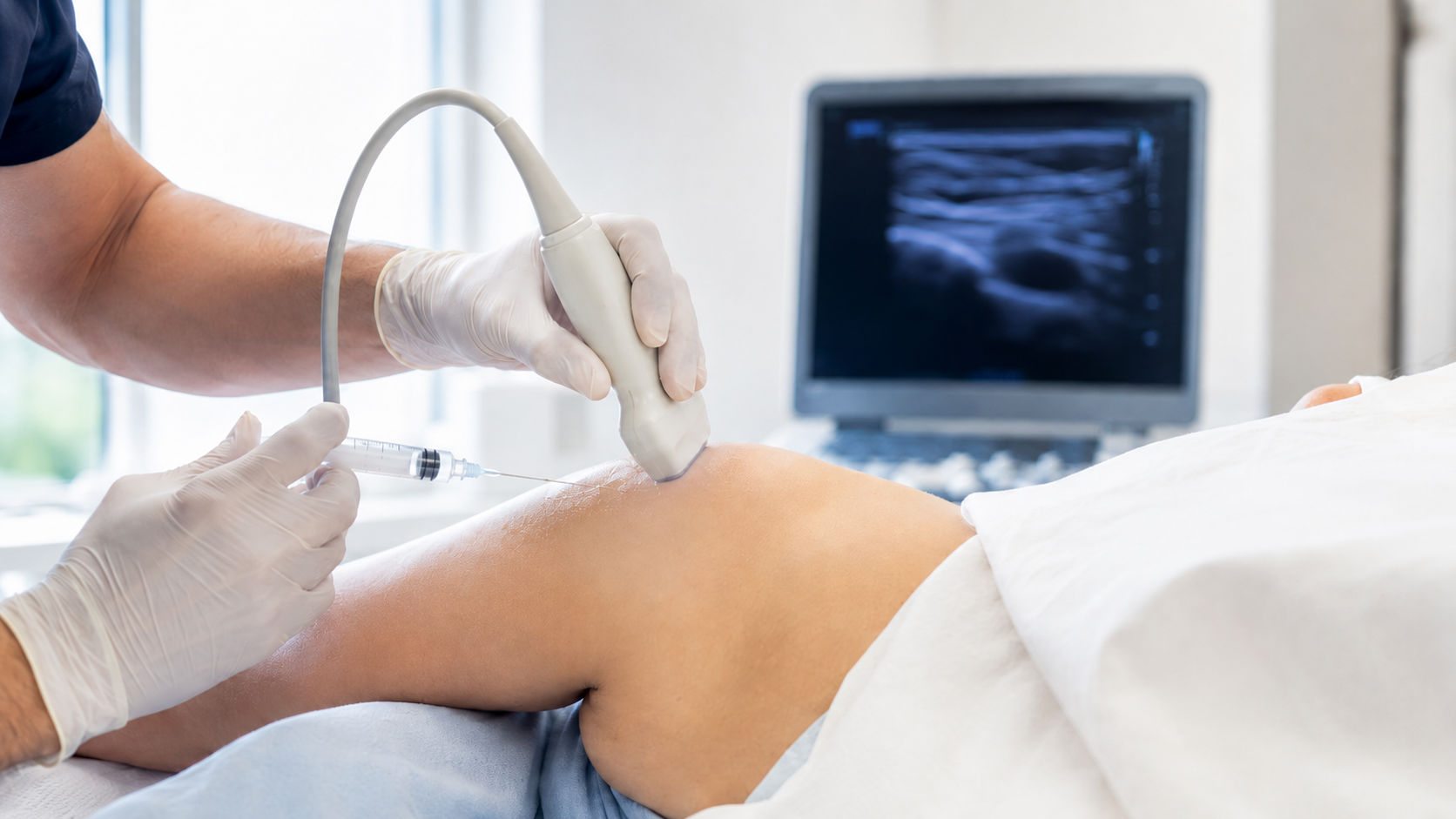
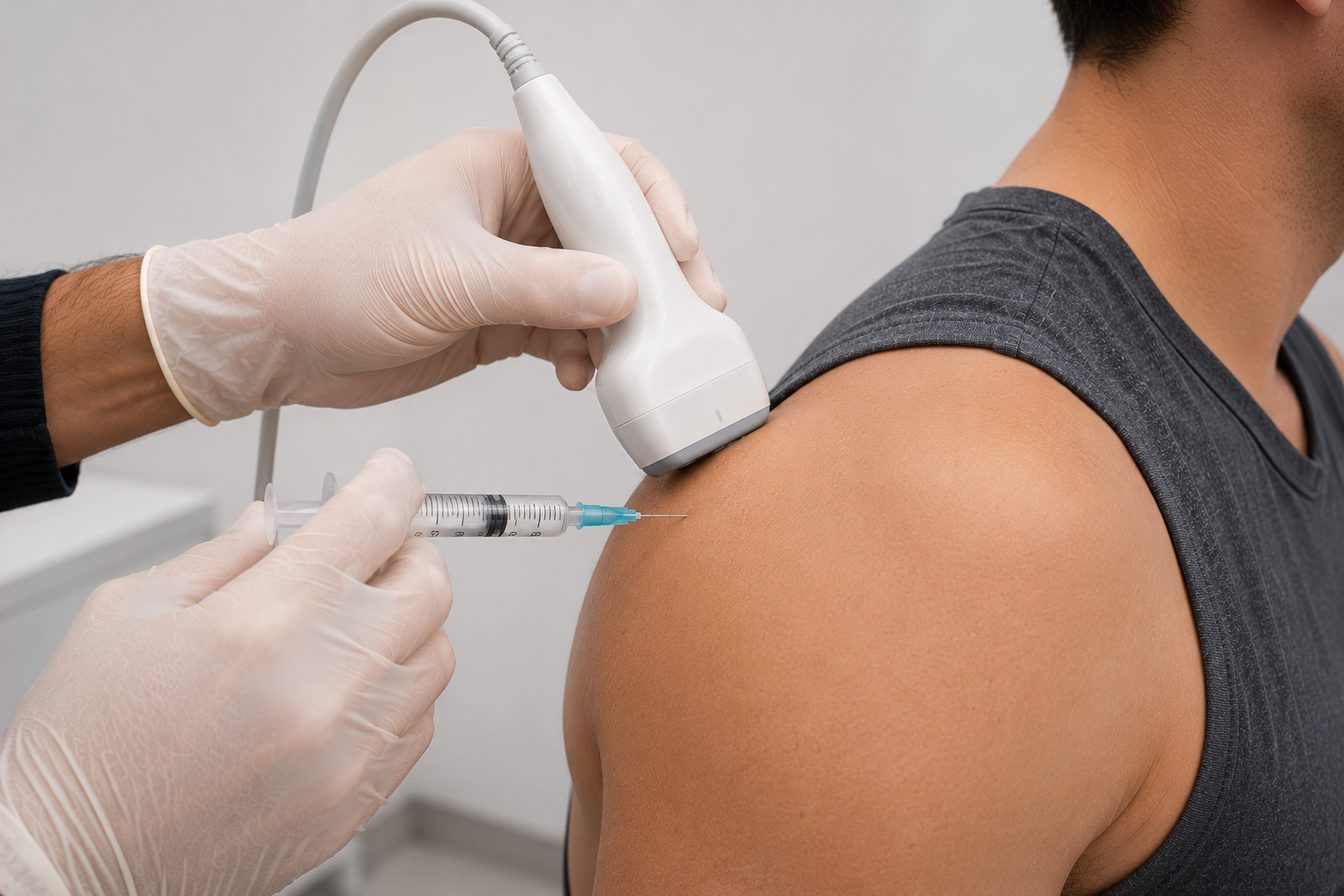
For selected patients, peripheral nerve blocks, ultrasound-guided injections, or botulinum toxin injections may be considered as part of a broader plan. These options are not universal treatments and should not be presented as cures. The decision depends on the pain distribution, suspected nerve involvement, medication response, risk profile, and goals of care.
When Neurosurgical Evaluation May Be Needed
Some patients with severe or medication-resistant trigeminal neuralgia may need neurosurgical evaluation. This is especially relevant when imaging suggests neurovascular compression or when pain remains disabling despite appropriate medication and less invasive care.
Neurosurgical options are not appropriate for every patient. They require careful review of imaging, symptom pattern, medical risk, prior treatment response, and specialist recommendations.
When Symptoms Require Urgent Evaluation
Patients should seek urgent evaluation for sudden facial weakness, facial droop, speech difficulty, vision changes, new numbness, severe sudden headache, fever, confusion, trouble swallowing or breathing, chest pain, fainting, rash near the eye, unexplained weight loss, cancer history, immunosuppression, or rapidly worsening neurologic symptoms.
Facial pain can sometimes reflect urgent medical conditions. New or changing neurologic symptoms should not be managed as routine trigeminal neuralgia without appropriate medical evaluation.
How MPM Approaches Trigeminal Neuralgia Care
MPM approaches trigeminal neuralgia through a diagnosis-first, coordinated model. The goal is to identify whether pain is coming from the trigeminal nerve, headache pathways, TMJ structures, dental or ENT causes, cervical referral, neuropathy, or another neurologic source.
For patients looking for trigeminal neuralgia treatment in Manhattan, MPM offers a careful pain medicine perspective focused on facial pain mapping, headache overlap, nerve-targeted treatment options, medication coordination, and appropriate referral when neurology or neurosurgery is needed. Treatment is individualized and based on the diagnosis, severity, anatomy, medical history, and care goals.