Peripheral Nerve Blocks
Peripheral nerve blocks are targeted injections placed near a specific nerve or nerve group. They may be used to help diagnose or temporarily reduce nerve-related pain. Depending on the clinical goal, the injection may include local anesthetic, with or without corticosteroid when appropriate.
At Manhattan Pain Medicine (MPM), peripheral nerve blocks NYC care begins with diagnosis-first evaluation. The goal is to determine whether symptoms are likely coming from a specific peripheral nerve and whether a block may provide diagnostic information, symptom relief, or both.
How Peripheral Nerve Blocks Work
Peripheral nerves carry signals between the body and the nervous system. When a nerve is irritated, compressed, inflamed, injured, or sensitized, pain may feel burning, shooting, stabbing, electric, radiating, or sharply localized. A nerve block places medication near the suspected nerve to reduce signal transmission temporarily.
The response can be important. If pain improves in the expected area after a nerve block, that may support the nerve as a pain generator. If there is little or no improvement, the pain may be coming from another structure, another nerve, the spine, a joint, muscle, pelvic floor dysfunction, vascular issues, or central sensitization.
Diagnostic vs. Therapeutic Nerve Blocks
Peripheral nerve blocks may be diagnostic, therapeutic, or both. A diagnostic block helps answer the question: Is this nerve contributing to the pain? A therapeutic block may help reduce symptoms for a period of time. In many cases, temporary relief still provides useful information.
This is especially important before more advanced treatments such as nerve hydrodissection, peripheral nerve stimulation, stellate ganglion block, or neuromodulation. A block response can help confirm whether the treatment plan is focused on the right nerve pathway.
Nerve Blocks for Pelvic Pain
Peripheral nerve blocks may be considered for selected pelvic pain patterns, including suspected pudendal neuralgia or pudendal nerve involvement. Symptoms may include burning, sitting pain, genital or perineal pain, pelvic nerve pain, or overlap with pelvic floor dysfunction, pelvic dystonia, or PGAD-related symptoms.
Pelvic pain is complex and may also involve gynecologic, urologic, GI, musculoskeletal, spine, autonomic, or central pain contributors. A pudendal nerve block may provide temporary relief or diagnostic information, but it does not cure pelvic pain. MPM evaluates the broader pelvic pain pattern before recommending treatment.
Nerve Blocks for Headache and Facial Pain
Peripheral nerve blocks may be considered for selected headache and facial pain patterns. Occipital nerve blocks may be used when occipital neuralgia or headache overlap is suspected. Trigeminal nerve blocks may be considered for selected facial pain patterns. Glossopharyngeal nerve blocks may be considered for selected throat, jaw, or facial pain presentations.
Headache and facial pain can also come from migraine, cluster headache, TACs, TMJ dysfunction, cervical spine conditions, or neurologic disease. MPM evaluates the diagnosis and red flags before recommending a targeted nerve block.
Nerve Blocks for Foot, Abdominal Wall, Scar, and Cancer-Related Pain
Peripheral nerve blocks may be considered for selected foot pain related to Morton’s neuroma, tarsal tunnel syndrome, metatarsalgia with nerve overlap, or peripheral nerve entrapment. They may also be used to evaluate abdominal wall nerve pain, scar neuroma pain, or selected cancer-related pain patterns.
These conditions require careful evaluation. Foot pain may be mechanical, joint-related, tendon-related, vascular, or nerve-related. Abdominal pain may be nerve-related, hernia-related, visceral, GI, pelvic, or urgent. MPM evaluates the full picture before using a nerve block.
Ultrasound Guidance and Precision
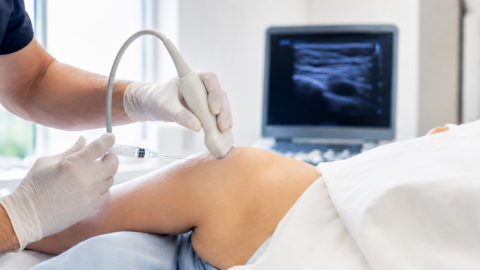
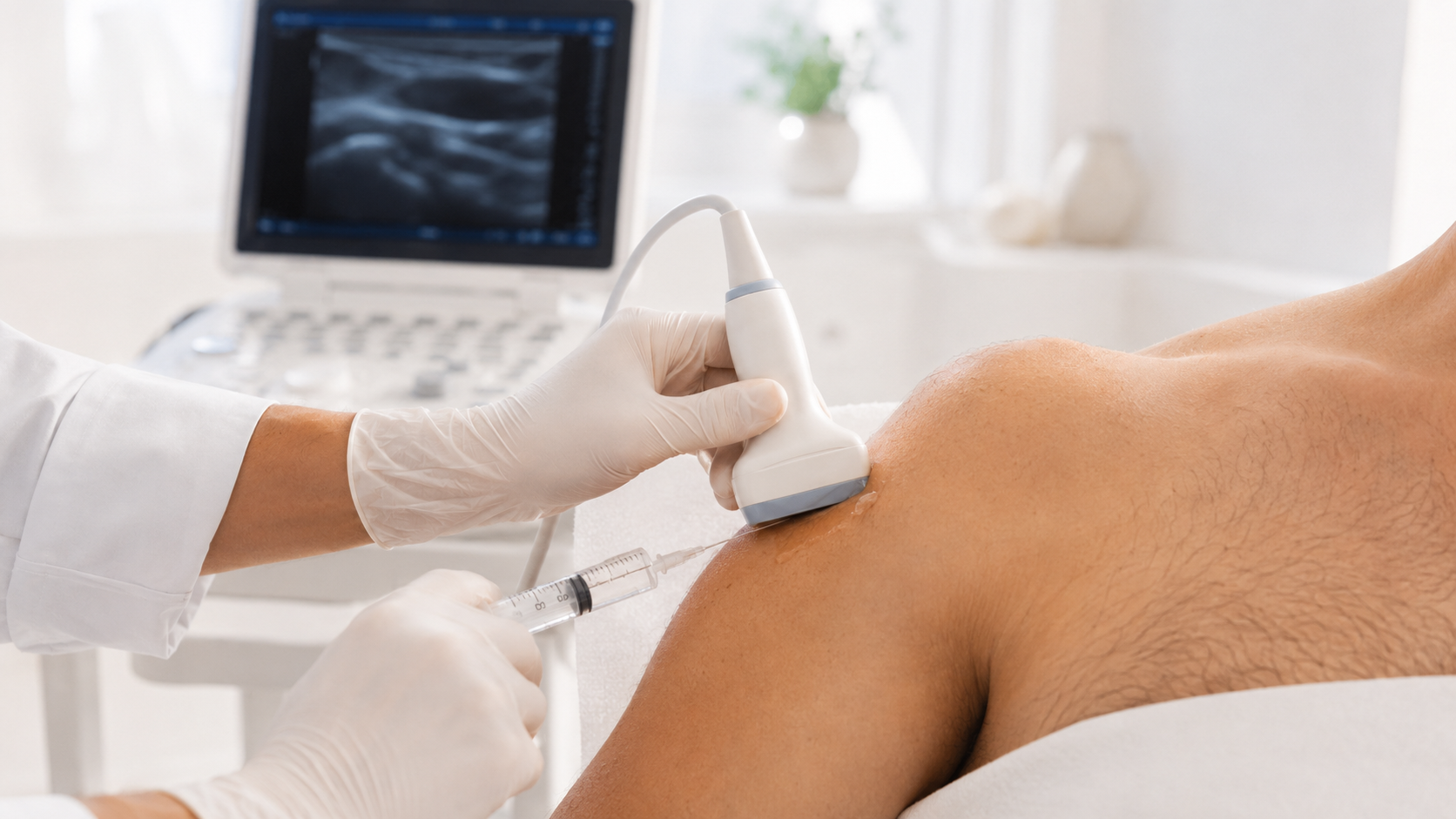
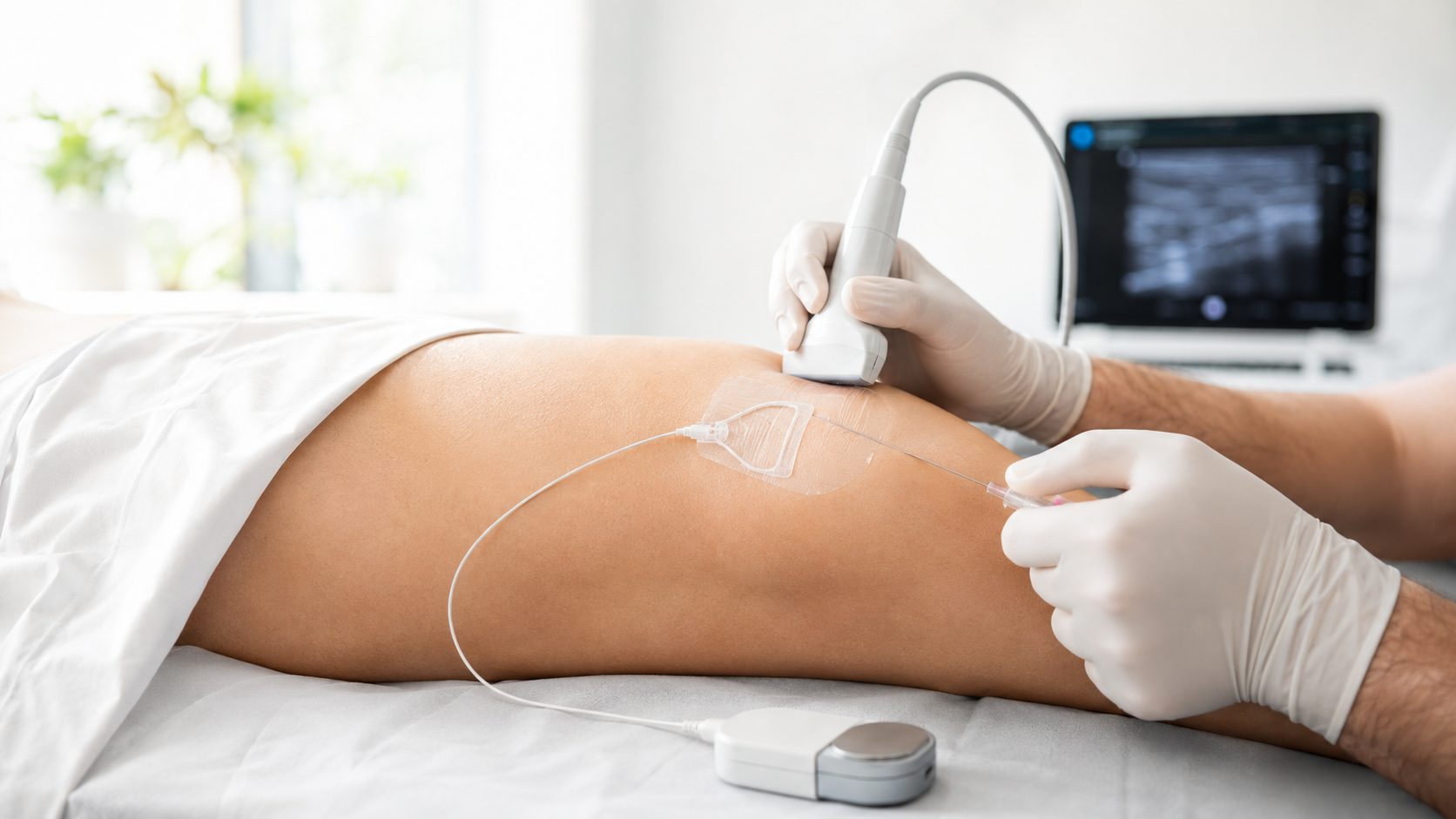
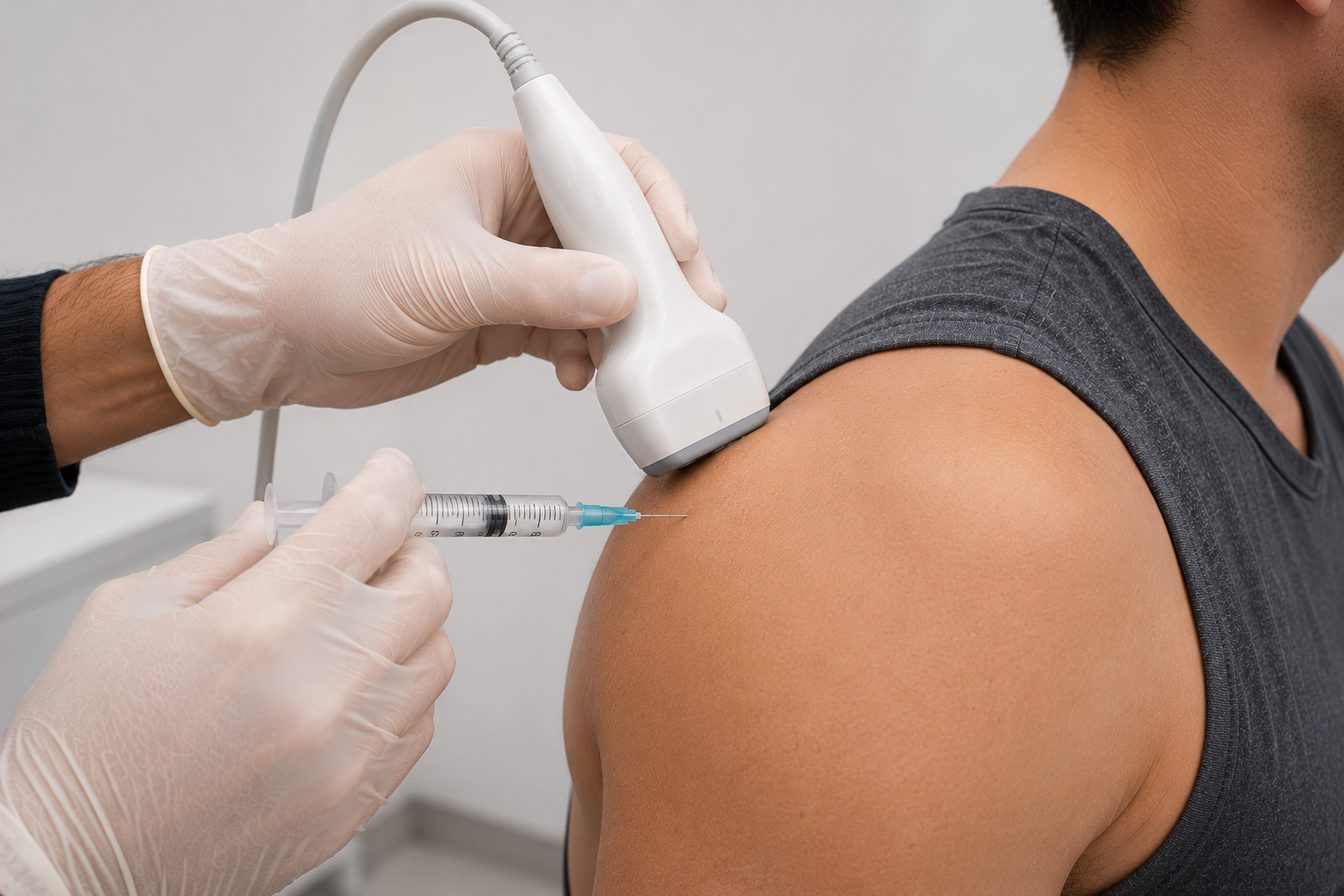
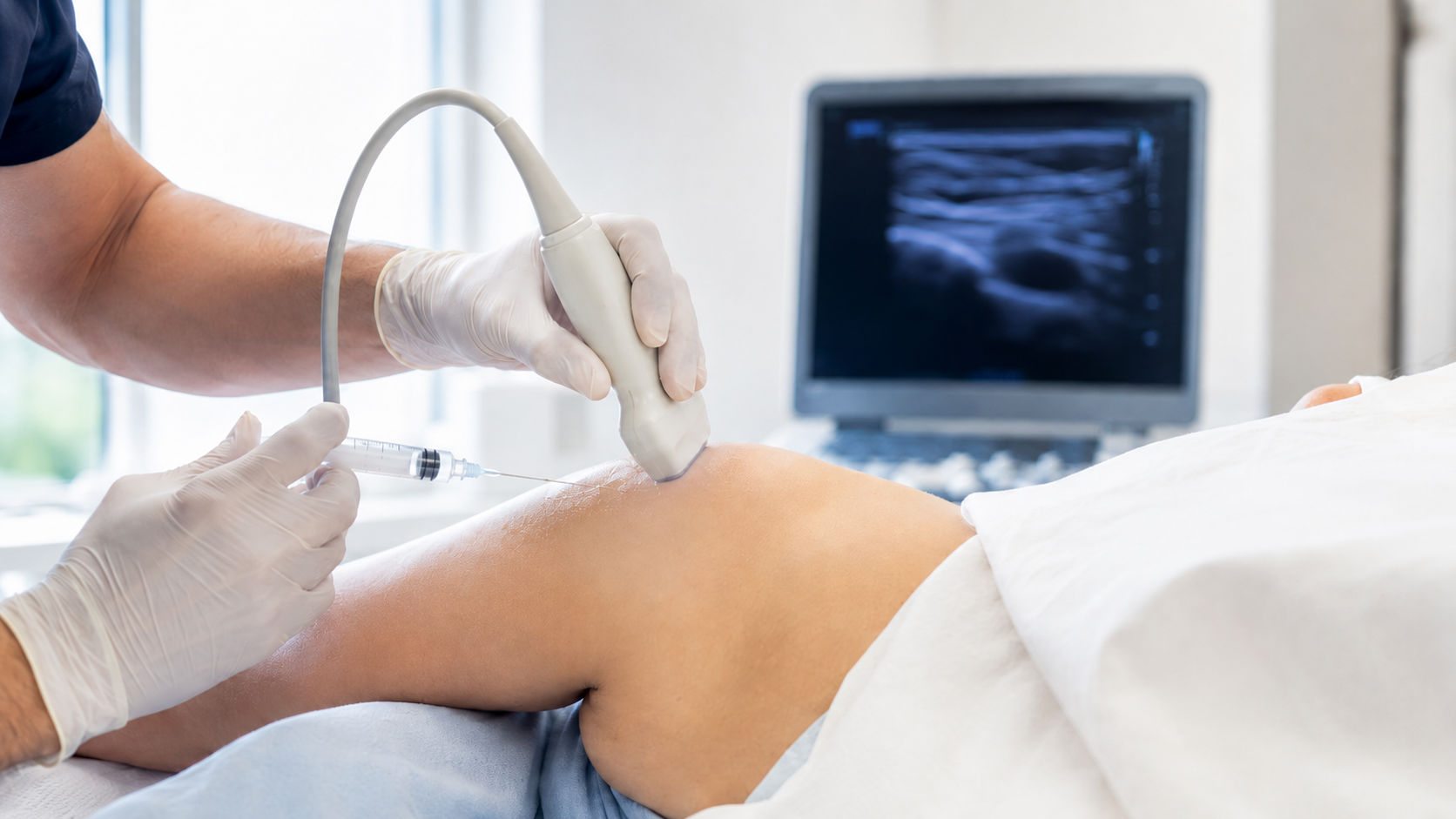
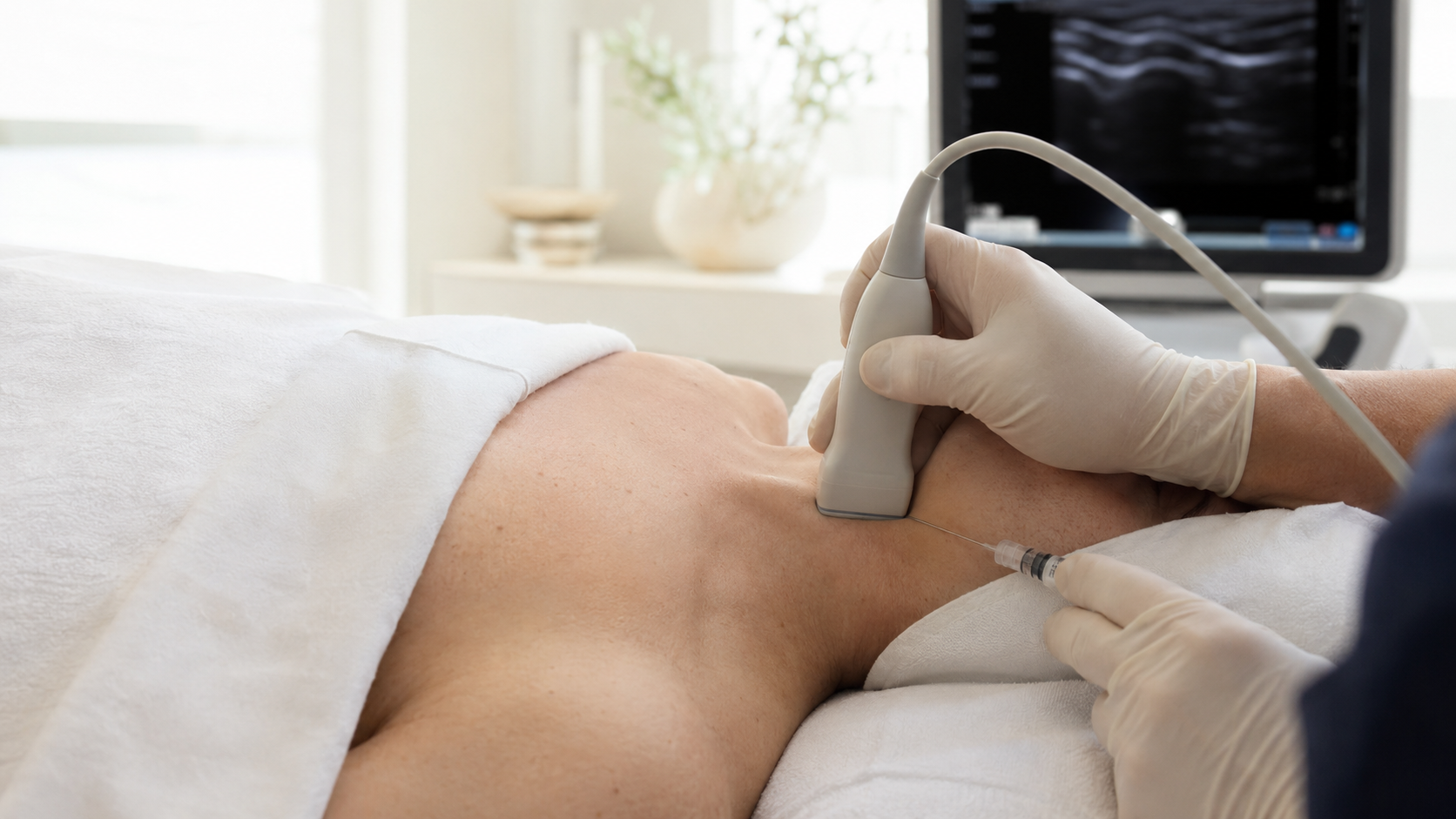
Ultrasound guidance may be used for selected peripheral nerve blocks. It can help visualize nearby tissues, blood vessels, and the expected nerve region. This may support more precise placement and may be useful when anatomy is complex or when diagnostic accuracy matters.
Ultrasound guidance does not guarantee relief. The most important step is selecting the correct nerve target based on the patient’s symptoms and clinical findings.
Risks, Limits, and Next Steps
Peripheral nerve blocks may cause pain flare, bruising, bleeding, infection, allergic reaction, temporary numbness or weakness, nerve irritation, vascular injury, local anesthetic toxicity, steroid-related side effects when steroids are used, incomplete relief, temporary relief only, or no relief.
Patients should seek urgent evaluation for fever, spreading redness, severe swelling, new weakness, new numbness, bowel or bladder dysfunction, saddle anesthesia, chest pain, shortness of breath, sudden severe headache, severe abdominal or pelvic pain, loss of pulses, limb discoloration, suspected infection, severe allergic reaction, or rapidly worsening symptoms.
For selected patients, peripheral nerve blocks can help clarify the pain source and guide next steps. MPM’s role is to determine whether the nerve target is clinically appropriate and how the block fits within a coordinated, medically responsible pain care plan.