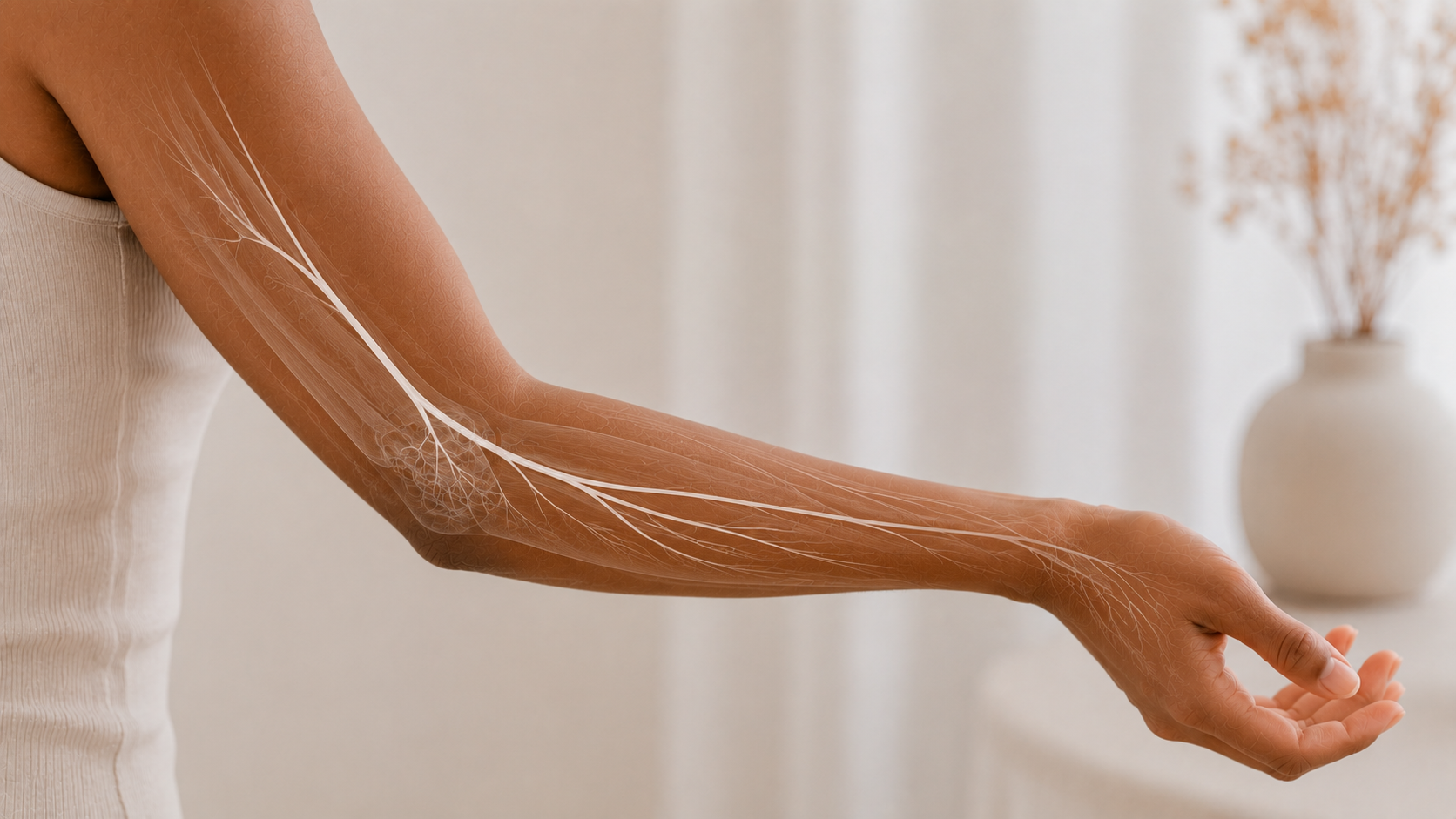
Peroneal Nerve Entrapment
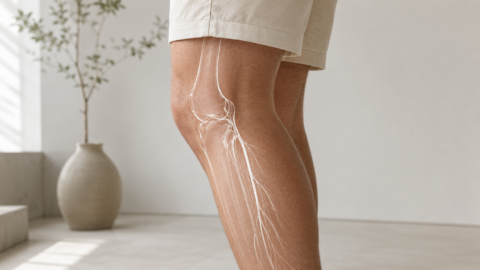
Peroneal nerve entrapment occurs when the peroneal nerve becomes compressed, irritated, or restricted along its path. The most common site is near the outside of the knee, where the common peroneal nerve passes around the fibular head. Because the nerve is relatively superficial in this area, it can be vulnerable to pressure, injury, repetitive positioning, scar tissue, or local mechanical irritation.
The peroneal nerve helps control muscles that lift the foot and toes. It also provides sensation to parts of the outer lower leg and top of the foot. When the nerve is affected, patients may develop numbness, tingling, burning pain, electric sensations, weakness, tripping, foot slap, or difficulty clearing the foot while walking.
Why Peroneal Nerve Entrapment Can Be Missed
Peroneal nerve symptoms can be mistaken for several other conditions. Numbness on the top of the foot, lateral leg pain, weakness, or foot drop may be attributed to sciatica, lumbar radiculopathy, peripheral neuropathy, ankle injury, knee injury, or generalized weakness. Some patients may have spine imaging or EMG testing that does not fully explain the symptoms.
This is why diagnosis-first evaluation matters. Peroneal nerve entrapment is not confirmed by one symptom alone. The evaluation should identify whether the common peroneal nerve, superficial peroneal nerve, deep peroneal nerve, sciatic nerve, lumbar spine, ankle, knee, or systemic neuropathy is most likely contributing.
Common Symptoms
Symptoms may include numbness or tingling along the outer lower leg, top of the foot, or between the first and second toes. Some patients experience burning pain, electric pain, or pain near the outside of the knee. Others notice weakness when lifting the foot or toes.
When weakness is significant, foot drop may occur. Foot drop can cause tripping, toe catching, foot slap, difficulty walking on the heel, difficulty climbing stairs, or changes in gait. These symptoms should be evaluated carefully, especially when they are new, worsening, or associated with trauma.
What Can Cause Peroneal Nerve Entrapment?
Peroneal nerve entrapment may be caused by compression near the fibular head, prolonged leg crossing, repetitive squatting, trauma, knee injury, ankle injury, scar tissue, cysts, swelling, surgical changes, casts or braces, rapid weight loss, or local tissue restriction. It may also occur in the lower leg, ankle, or foot depending on the branch involved.
In patients with EDS or hypermobility spectrum disorder, altered joint mechanics, ankle instability, knee mechanics, repetitive sprains, or gait changes may increase nerve irritation in some cases. Hypermobility should not be assumed to be the cause, but it may be an important part of the evaluation.
Peroneal Nerve Entrapment vs. Sciatica or Neuropathy
Peroneal nerve entrapment can resemble sciatica or lumbar radiculopathy because both may cause leg symptoms and weakness. However, sciatica or lumbar radiculopathy usually begins from nerve irritation in the spine or along the sciatic nerve pathway. Peroneal nerve entrapment is a more focal peripheral nerve problem.
Peripheral neuropathy can also cause numbness, tingling, burning, or weakness, often in both feet or hands. Peroneal nerve entrapment more often follows a specific nerve distribution and may involve focal tenderness, compression, or weakness related to the peroneal nerve. The distinction matters because treatment pathways are different.
How MPM Evaluates Peroneal Nerve Pain
MPM begins by reviewing the symptom pattern, walking changes, pain location, numbness distribution, weakness, prior injury, prior imaging, EMG or nerve conduction testing, and any history of hypermobility, EDS, spine pain, knee injury, ankle instability, or neuropathy.
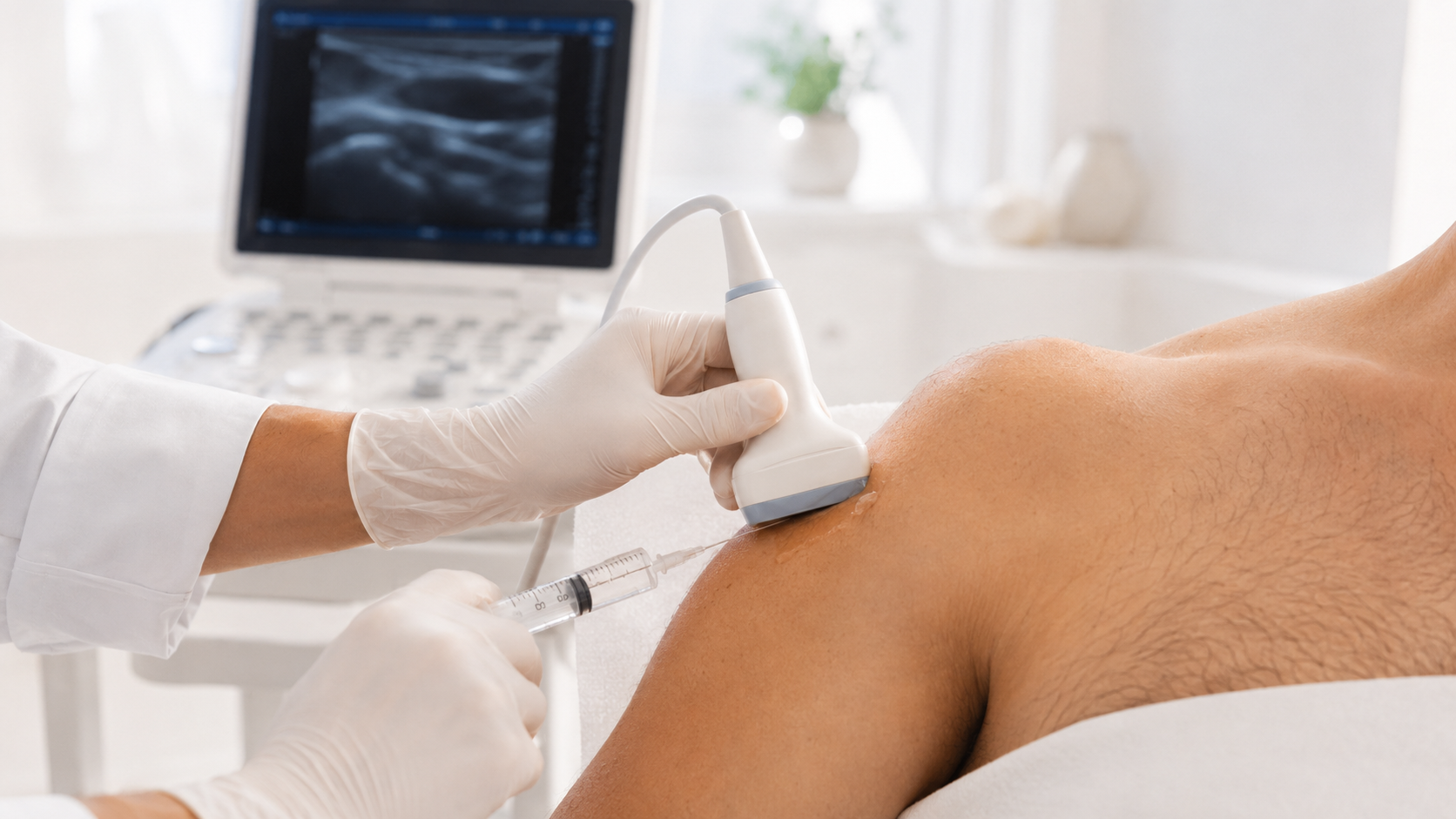
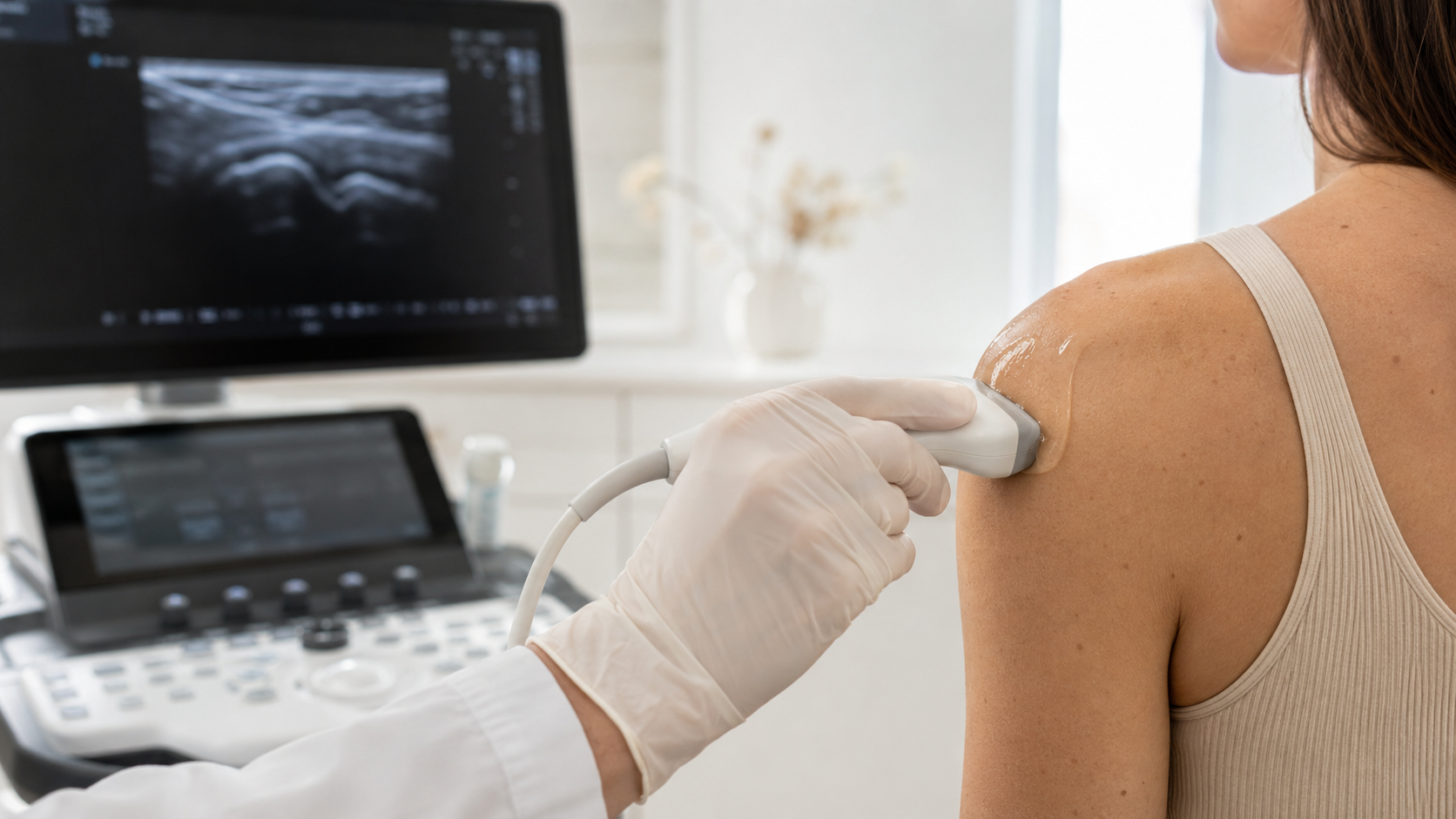
The exam may include gait assessment, ankle and toe strength testing, sensory testing, nerve pathway palpation, spine screening, knee and ankle mechanics, and evaluation for signs of focal compression. Diagnostic ultrasound may be considered in selected cases to evaluate nerve size, swelling, scar tissue, cysts, masses, compression, or dynamic movement.
Treatment Options
Treatment depends on the cause and severity of symptoms. Conservative care may include activity modification, avoiding pressure near the fibular head, bracing, gait support, physical therapy coordination, ankle-foot orthosis when needed, medication management, and treatment of contributing spine, knee, ankle, or neuropathy factors.
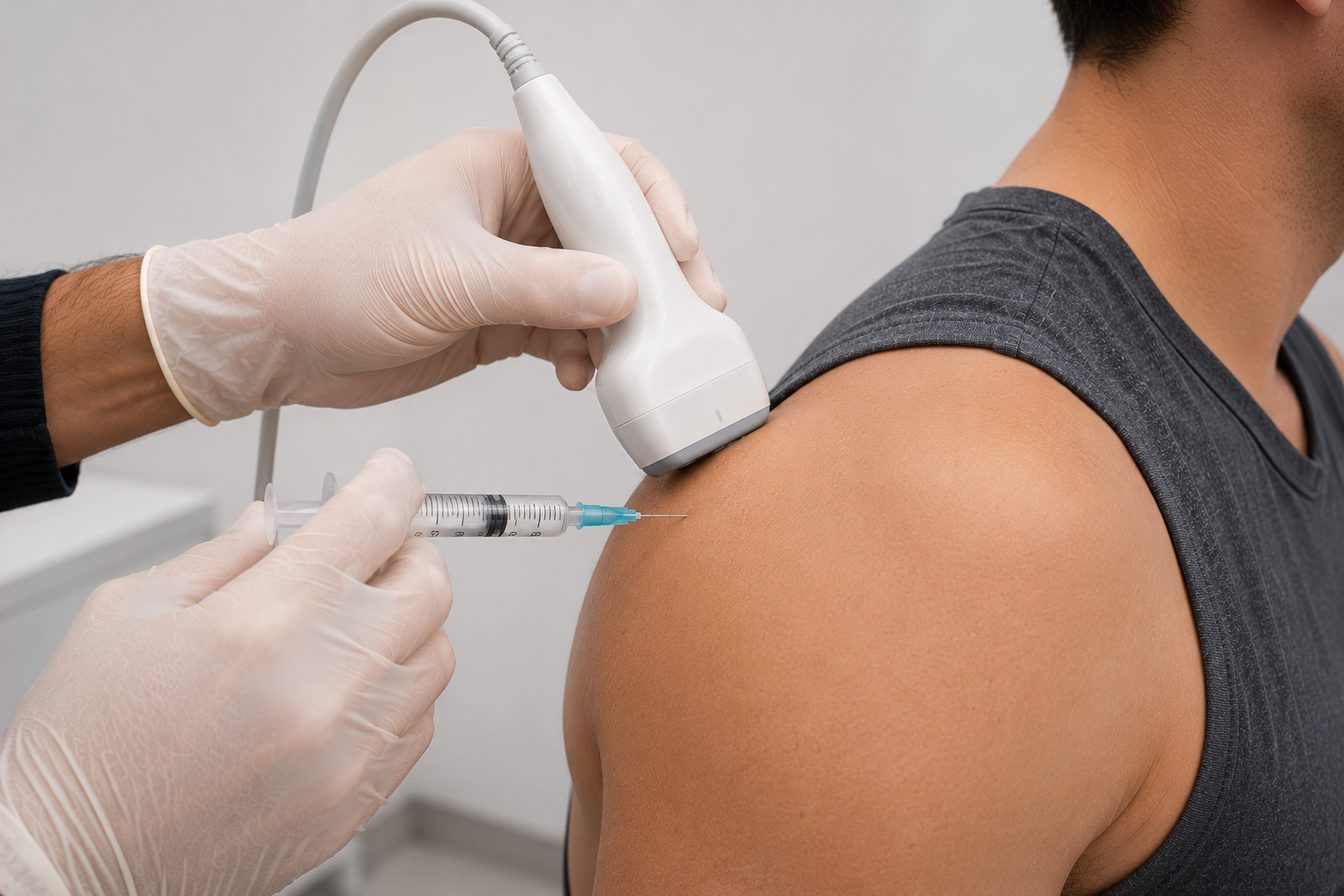
Steroid injections may be considered in selected cases when inflammation or local irritation is contributing, but they require careful diagnosis and image guidance. Peripheral nerve blocks may help clarify a pain generator or reduce symptoms in appropriate cases.
Nerve Hydrodissection and Image-Guided Care
Nerve hydrodissection is an ultrasound-guided technique that uses fluid to separate a nerve from surrounding tissue when entrapment or tethering is suspected. For peroneal nerve entrapment, it may be considered only when the symptom pattern, anatomy, and imaging findings support a focal nerve restriction.
Hydrodissection does not repair a damaged nerve, reverse foot drop, or replace surgery when decompression is needed. It is one possible tool within a broader care plan for selected patients.
When Surgery or Urgent Referral May Be Needed
Surgical or specialist referral may be needed for progressive weakness, severe foot drop, muscle loss, persistent numbness, structural compression, or symptoms that do not improve with appropriate conservative or image-guided care. Neurology, orthopedics, peripheral nerve surgery, or spine specialists may be involved depending on the suspected source.
Patients should seek urgent evaluation for sudden or progressive foot drop, rapidly worsening weakness, new numbness after trauma, severe back pain with neurologic deficits, loss of bowel or bladder control, saddle anesthesia, fever, swelling, loss of pulses, severe calf pain, or signs of stroke or systemic neurologic disease.
How MPM Approaches Peroneal Nerve Entrapment Care
MPM approaches peroneal nerve entrapment through a diagnosis-first, nerve-mapping model. The goal is to identify whether symptoms are driven by peroneal nerve compression, lumbar radiculopathy, sciatic neuropathy, peripheral neuropathy, knee or ankle injury, scar tissue, hypermobility-related mechanics, or a mixed pain pattern.
For patients looking for peroneal nerve entrapment treatment in Manhattan, MPM offers a careful pain medicine perspective focused on nerve pathway evaluation, gait impact, diagnostic ultrasound when appropriate, image-guided options, nerve hydrodissection in selected cases, and coordination with the right specialists when weakness or structural compression requires further care.