
Conditions We Treat
At Manhattan Pain Medicine, conditions are not treated as isolated labels. Our team uses a diagnosis-first, protocol-driven approach to understand what is generating the pain, how it developed, and why it has not resolved, then selects care based on the underlying drivers.
What Are Zones of Expertise?
Our team organizes conditions and treatments into related zones of expertise to make it easier to explore the care paths most relevant to your symptoms and goals.
Use the zone tags above to browse dedicated pages for each focus area, including services, providers, and what to expect during treatment.
Expertise Built for Complex Pain
Explore the Zones of Expertise by clicking or tapping on a circle.


A Diagnosis-First Approach to Complex Conditions
Many pain conditions develop in layers. A primary driver may lead to compensation, guarding, nervous system sensitization, inflammation, or emotional distress over time. Our role is to separate those layers carefully, so treatment is guided by what is actually driving the pain rather than the symptom alone.
How We Evaluate Conditions
-

Arthritis Joint Pain
Joint pain and stiffness can come from arthritis, injury, instability, or pain referred from a nearby structure. We assess when joints swell or hurt and how they respond to movement to distinguish inflammatory disease from wear and mechanical stress.
-

Tendinopathy
Tendinopathy can cause persistent tendon pain, stiffness, or weakness when a tendon is loaded. We assess the movements that reproduce symptoms and look at how training load, joint stability, or inflammation may contribute before recommending care.
-

Chronic Migraine
Chronic migraine involves frequent headache days, often with nausea, light or sound sensitivity, dizziness, or neck pain. We review headache frequency, migraine features, and medication use to identify what sustains the pattern and guide prevention.
-
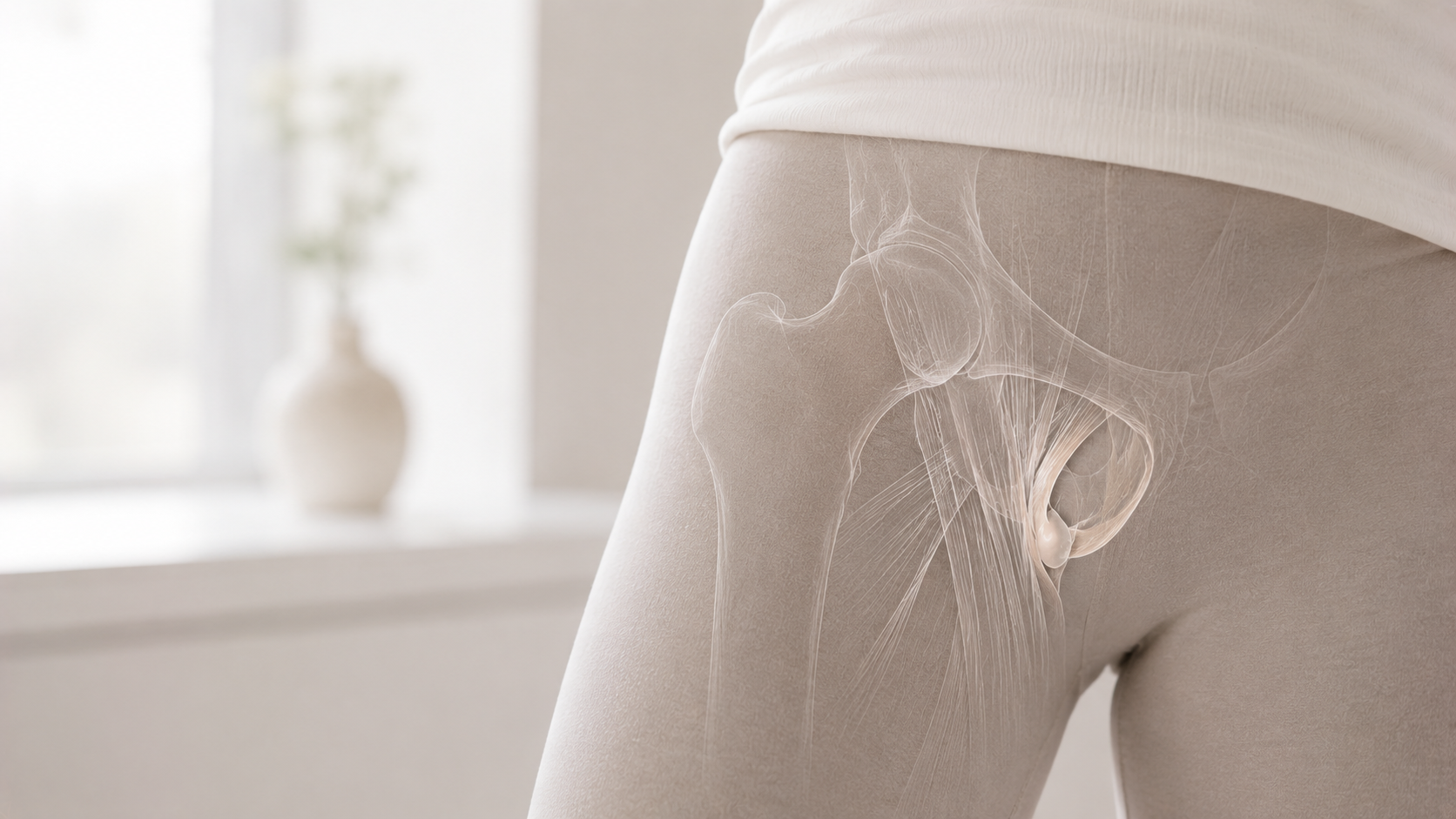
Obturator Hernia
An obturator hernia is a rare pelvic hernia that can cause pain in the abdomen, groin, hip, or inner thigh. We consider it when symptoms resemble hip or nerve pain and prioritize surgical evaluation if bowel entrapment or obstruction is suspected.
-

Hemicrania
Hemicrania causes strictly one-sided head pain that can be continuous or occur in repeated attacks, sometimes with tearing, congestion, or restlessness. We use the timing, associated symptoms, and medication response when appropriate to identify the subtype.
-

Tarsal Tunnel Syndrome
Tarsal tunnel syndrome occurs when the tibial nerve is irritated or compressed on the inside of the ankle. We map burning, tingling, or numbness in the sole, heel, or toes and review ankle mechanics, swelling, and footwear triggers to localize the irritation.
-
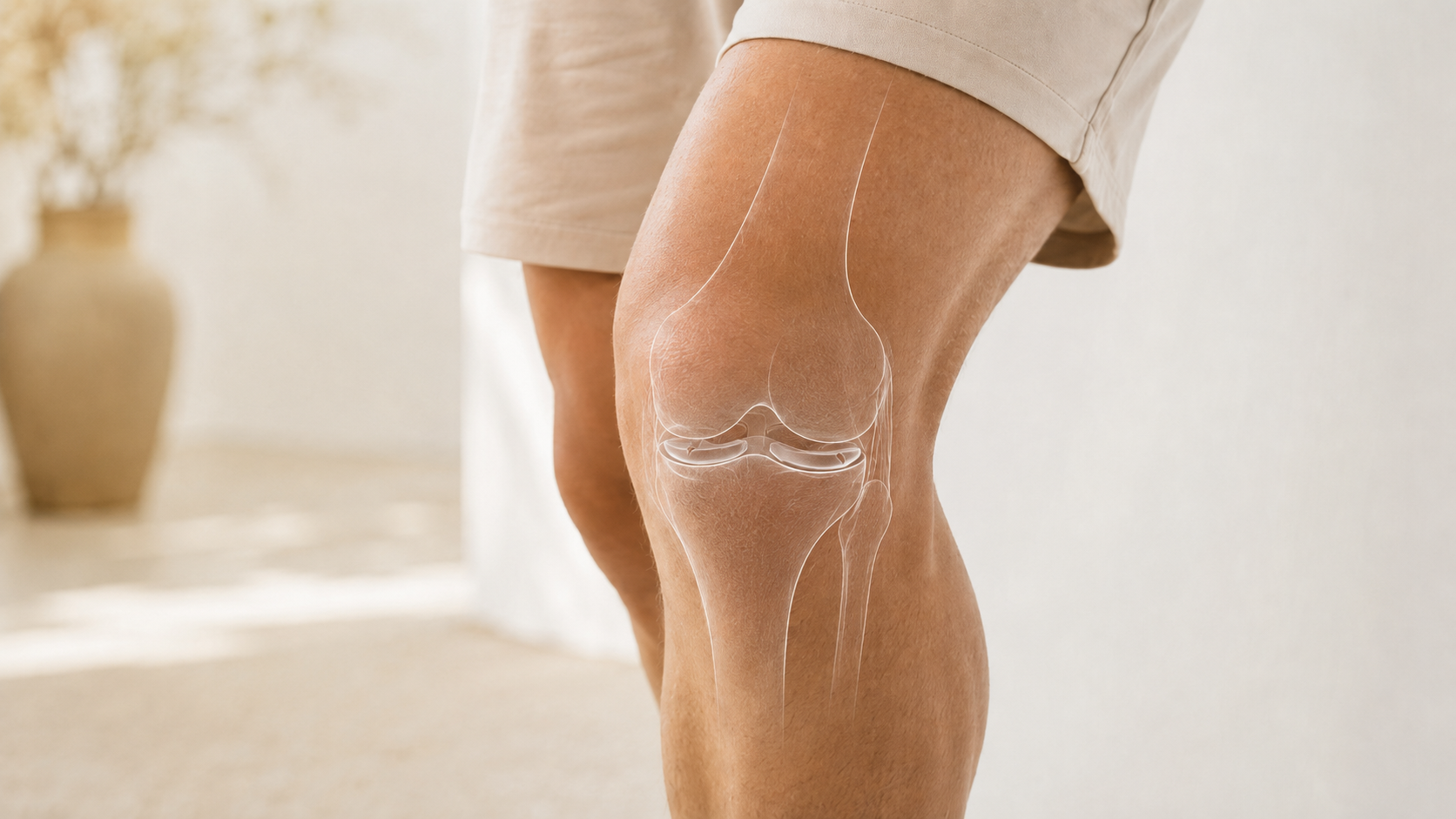
Meniscal Tears
A meniscal tear can cause knee pain, swelling, clicking, catching, or difficulty straightening the knee. We compare how symptoms began and what happens with twisting or squatting against exam and imaging findings to see whether the tear explains the pain.
-
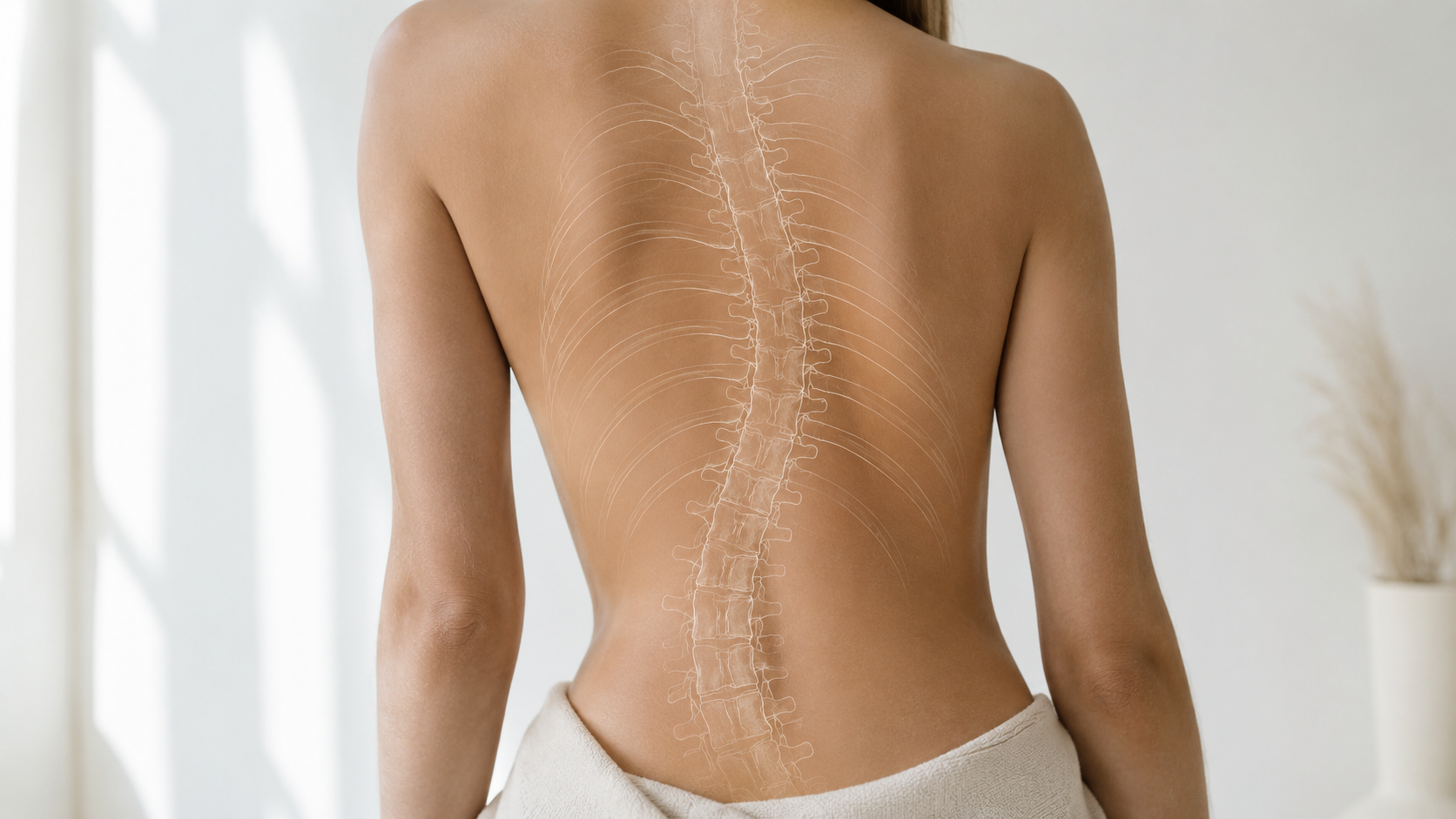
Scoliosis
A spinal curve can change how the back, ribs, hips, and pelvis bear load. We match the curve with your symptoms and movement to see whether pain comes from scoliosis-related mechanics, discs, facet joints, nerves, muscles, or the SI joints.
-

Stomach Pain
Pain in the upper abdomen can come from the digestive tract, abdominal wall, nerves, or changes in how the stomach moves. We review the location, relation to meals and movement, and prior GI findings to identify what may be driving persistent pain.
-

Cancer Pain
Cancer pain can come from the disease itself, nerve injury, surgery, radiation, or chemotherapy and may persist into survivorship. We assess the source and how it affects daily life, then coordinate pain care with the patient’s treating team when needed.
-

Piriformis Syndrome
Piriformis syndrome can cause deep buttock pain that travels down the back of the leg. We assess the piriformis and surrounding hip and pelvic structures, and check whether the lumbar spine or SI joint may be contributing to the sciatica-like symptoms.
-

Chronic Constipation
Chronic constipation can cause difficult bowel movements, bloating, abdominal pain, or pelvic pressure. We review symptom patterns and look for overlap with pelvic floor dysfunction, autonomic symptoms, or other contributors alongside GI evaluation.