Tendinopathy
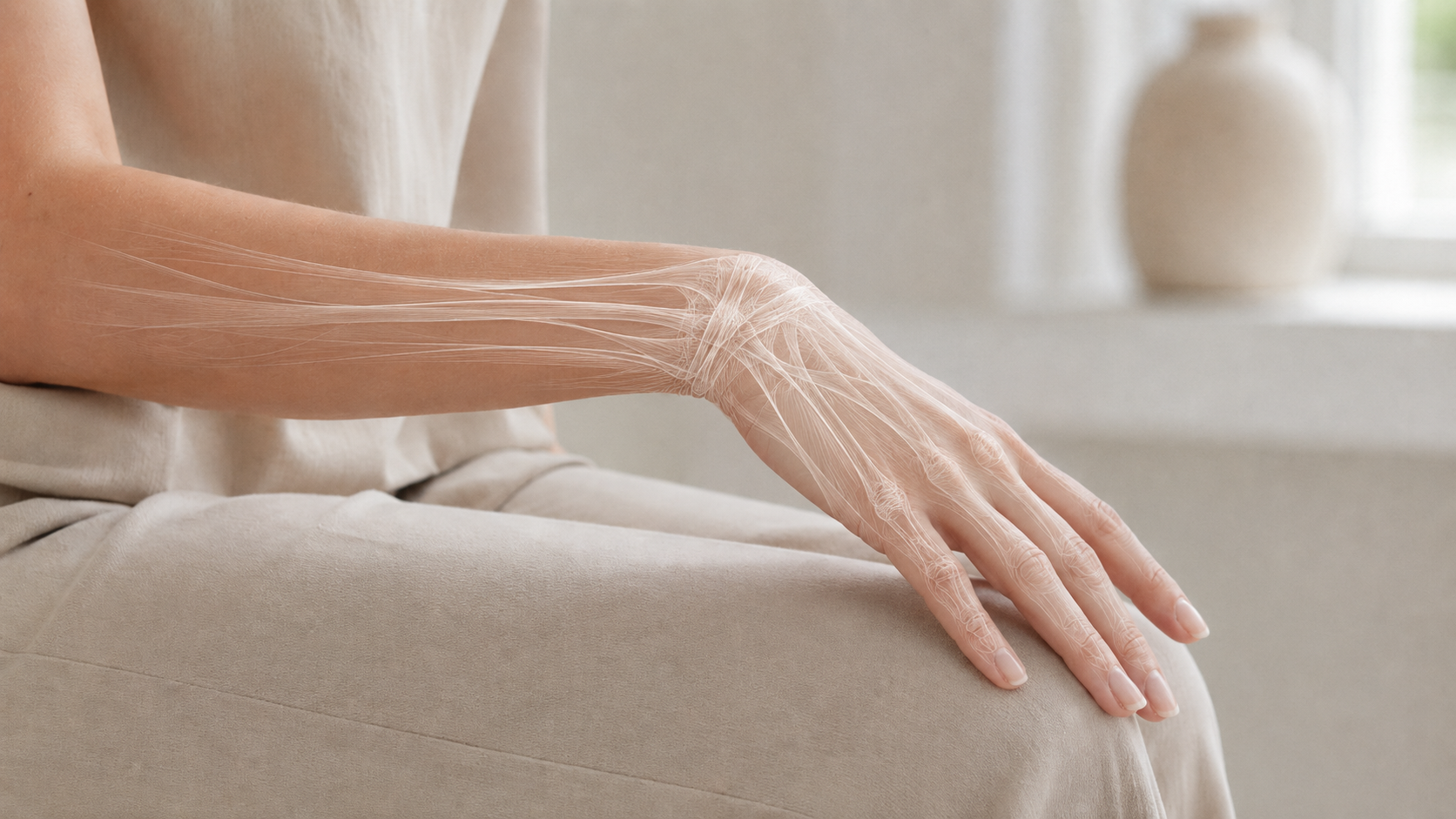
Tendinopathy is a broad term for tendon pain and tendon dysfunction. Tendons connect muscles to bones and help transfer force during movement. When a tendon is irritated, overloaded, injured, or unable to tolerate repeated stress, it may become painful with activity, pressure, stretching, or resisted movement.
Tendinopathy can affect many areas of the body. Common examples include Achilles tendinopathy, rotator cuff tendinopathy, patellar tendinopathy, tennis elbow, golfer’s elbow, hip tendinopathy, wrist tendon pain, and foot or ankle tendon pain. Symptoms may include tenderness, stiffness, swelling, weakness, pain with loading, or pain where the tendon attaches to bone.
Tendinitis, Tendinosis, and Tendinopathy
Patients are often told they have tendinitis, tendinosis, or tendinopathy. Tendinitis usually suggests inflammation. Tendinosis usually refers to more chronic degenerative or disordered tendon change. Tendinopathy is often the most useful umbrella term because long-standing tendon pain may involve irritation, overload, tissue sensitivity, failed healing, and structural tendon change rather than inflammation alone.
This distinction matters. If chronic tendon pain is treated only as inflammation, the plan may miss important contributors such as load intolerance, weakness, joint instability, movement mechanics, or tendon degeneration.
Why Tendon Pain Becomes Chronic
Tendon pain may become chronic when the tendon is repeatedly loaded beyond its current capacity. This can happen after a sudden increase in training, repetitive work activity, poor recovery, altered biomechanics, joint instability, weakness, or incomplete rehabilitation after injury. Some patients continue to irritate the tendon because normal daily activity still exceeds what the tissue can tolerate.
Hypermobility can also contribute. In patients with EDS or hypermobility spectrum disorder, joint laxity may increase the demand on muscles and tendons for stability. The tendon may become overloaded because it is compensating for a joint that moves too much or lacks control. This can lead to recurrent tendon irritation, muscle guarding, and chronic pain.
Tendon Pain vs. Other Pain Sources
Not all pain near a tendon is tendinopathy. Similar symptoms can come from tendon tear, bursitis, arthritis, enthesitis, nerve irritation, inflammatory disease, joint instability, referred spine pain, infection, fracture, or vascular problems. Enthesitis, for example, involves inflammation where a tendon or ligament attaches to bone and may be associated with inflammatory arthritis. A tendon tear may require a different approach than chronic tendinopathy.
MPM evaluates the full pattern before recommending treatment. This includes pain location, load triggers, activity history, tenderness, strength, range of motion, swelling, joint mechanics, nerve symptoms, and prior response to therapy or injections.
How MPM Evaluates Tendinopathy
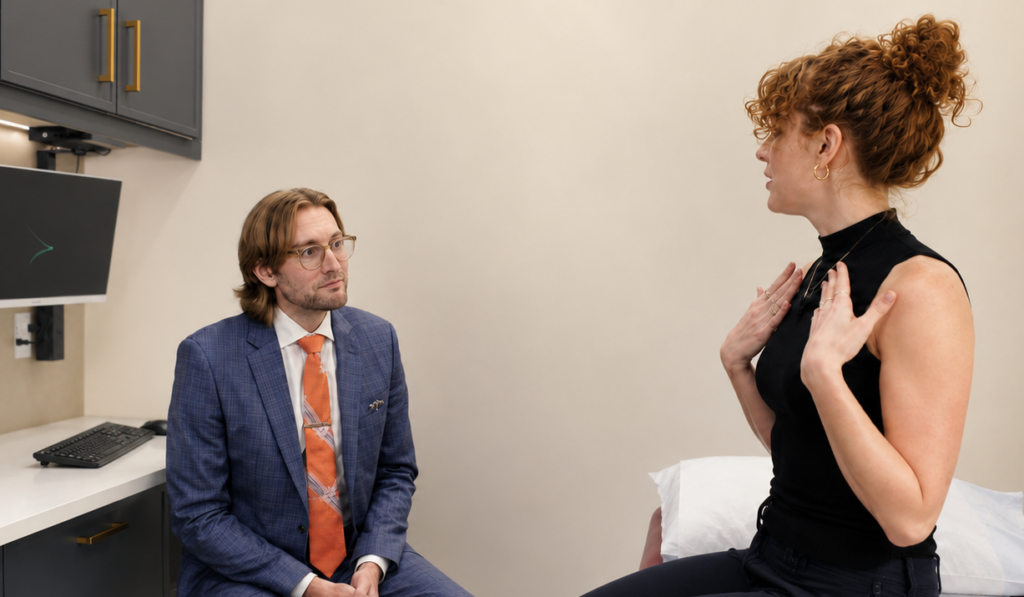
MPM begins with a detailed history and physical examination. The clinician reviews when pain began, what activities provoke it, whether symptoms followed injury or overuse, what treatment has already been tried, and whether pain is improving, worsening, or recurring.
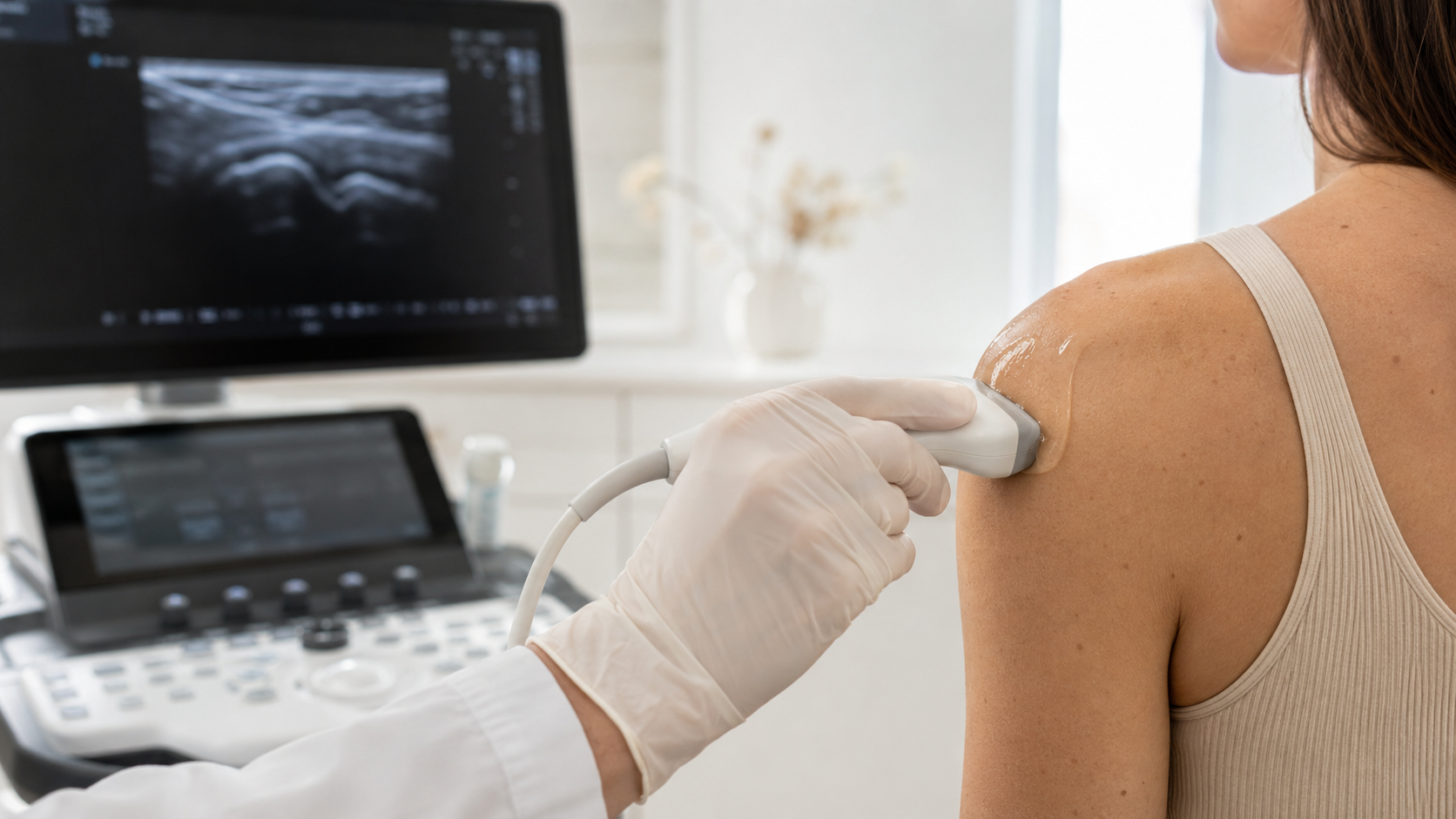
The exam may include resisted movement testing, palpation of the tendon and attachment site, joint assessment, movement analysis, and evaluation for hypermobility, instability, nerve irritation, or inflammatory signs. Diagnostic ultrasound may be used when it can help assess tendon thickening, partial tearing, fluid, calcification, tendon sheath irritation, dynamic movement, or nearby soft tissue pathology. Imaging is interpreted in context because structural findings do not always explain the full pain experience.
Treatment Options for Tendinopathy
Treatment depends on the tendon involved, symptom duration, severity, functional goals, imaging findings, and contributing factors. Many patients need activity modification and load management. This may mean reducing painful activities temporarily, changing technique, adjusting training volume, or gradually rebuilding tendon tolerance.
Physical therapy or rehabilitation may focus on progressive strengthening, tendon loading, mobility, motor control, and return-to-activity planning. The goal is usually not complete rest, but the right amount of load at the right time. Too much activity can keep the tendon irritated, while too little activity can reduce strength and tissue tolerance.
Medication management may be considered when appropriate, especially for pain control or short-term symptom flares. Steroid injections near tendons require caution because of tendon-related risks and should only be used when clinically appropriate.
Image-Guided and Regenerative Options
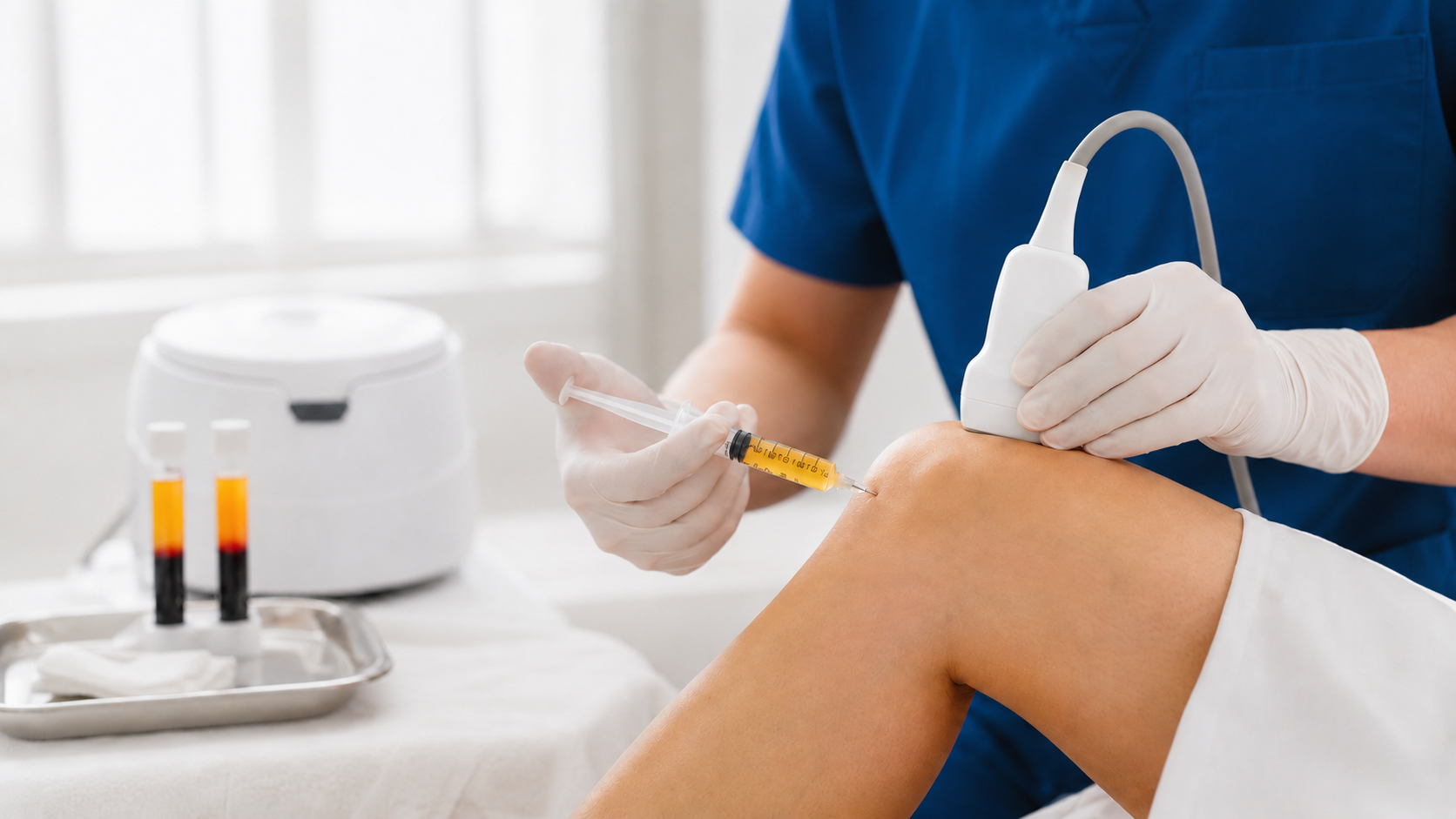
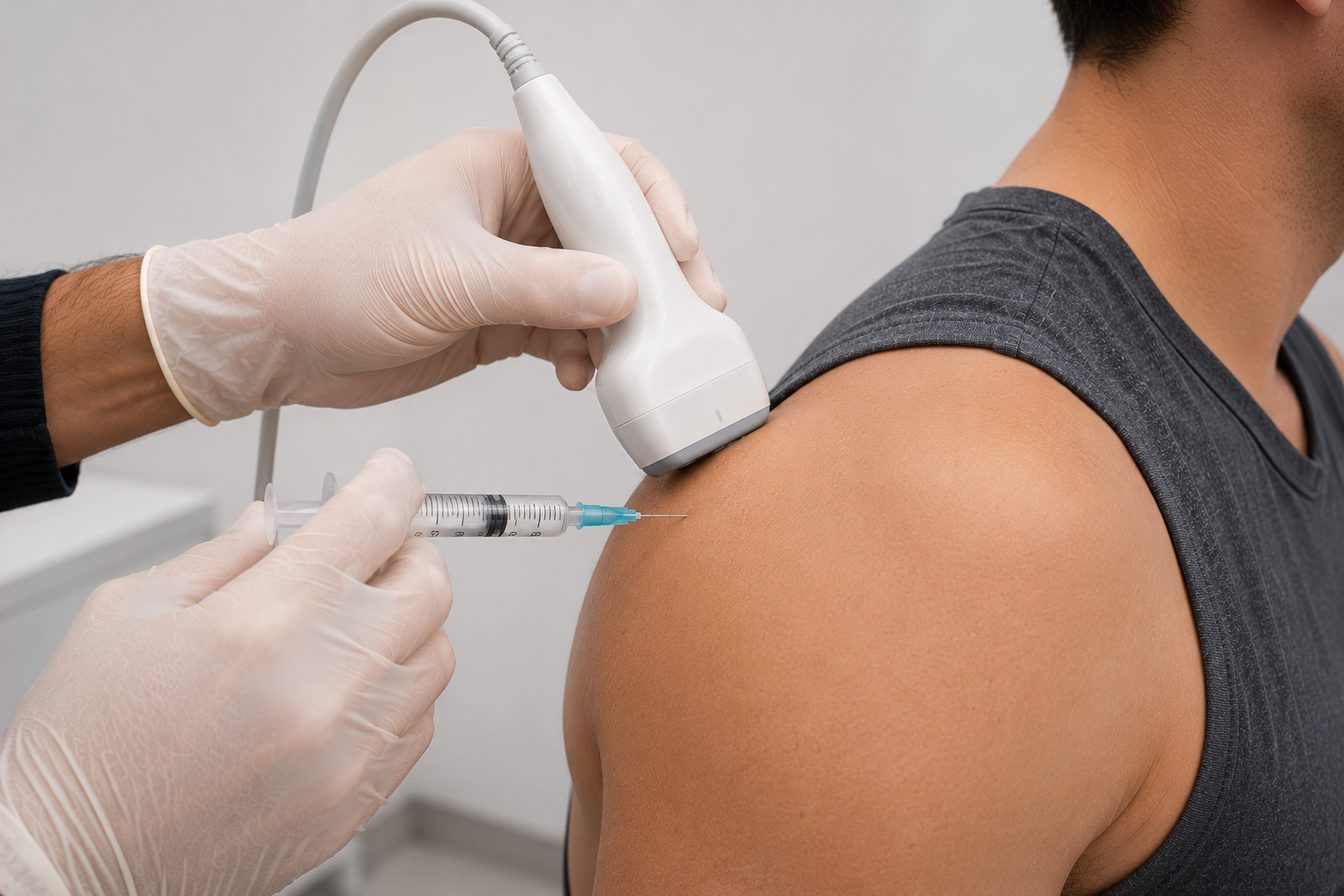
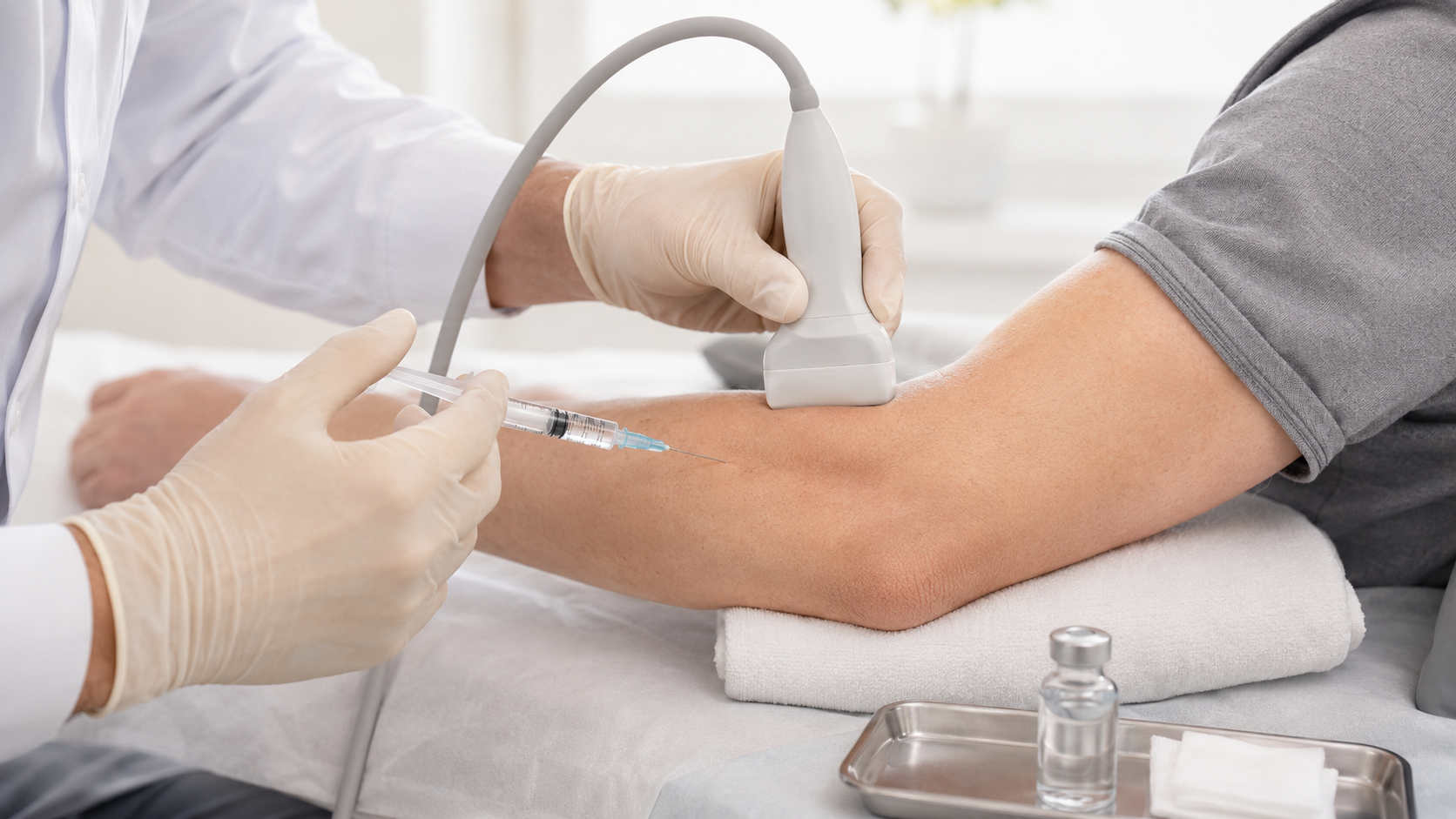
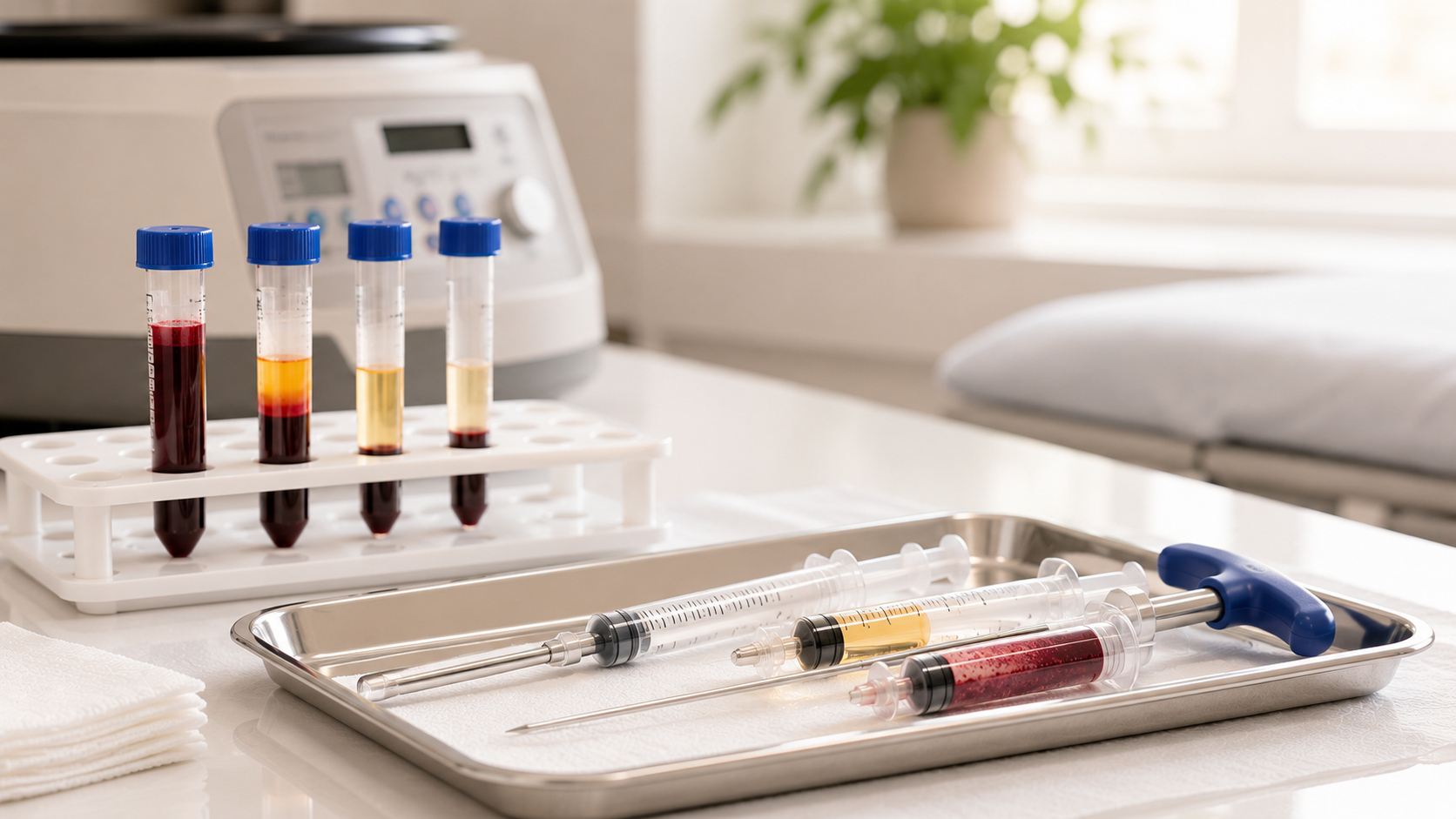
Diagnostic ultrasound and ultrasound-guided procedures may help when a specific target is identified. In selected chronic cases, PRP, BMAC, prolotherapy, or regenerative medicine may be discussed. These options are not automatic treatments for tendon pain. They should be considered only after the tendon location, severity, chronicity, imaging findings, prior care, evidence, risks, and goals are reviewed.
Patients should be cautious about any claim that regenerative medicine repairs all tendon damage or prevents surgery in every case. Some tendon injuries require orthopedic evaluation, especially when there is a significant tear, major weakness, functional loss, or failure of appropriate nonsurgical care.
When Tendon Pain Needs Timely Evaluation
Tendon pain should be evaluated when symptoms persist, worsen, limit function, follow a sudden pop or injury, cause weakness, swelling, bruising, deformity, inability to use the limb, numbness, fever, redness, or rapidly worsening pain. These symptoms may suggest a tendon tear, infection, fracture, nerve issue, vascular problem, or another condition that should not be treated as routine tendinopathy.
How MPM Approaches Tendinopathy Care
MPM approaches tendinopathy through a diagnosis-first, function-focused model. The evaluation considers the specific tendon, attachment site, tendon sheath, surrounding joint, nearby bursa, nerve pathways, inflammatory overlap, hypermobility, EDS, movement mechanics, and chronic pain contributors.
For patients looking for tendinopathy treatment in Manhattan, MPM offers a careful pain medicine perspective that can work alongside physical therapy, orthopedics, rheumatology, sports medicine, and rehabilitation. The goal is to identify the true pain generator, match treatment to the tendon and load pattern, and build a plan that supports function, activity tolerance, and long-term movement capacity.