Piriformis Syndrome
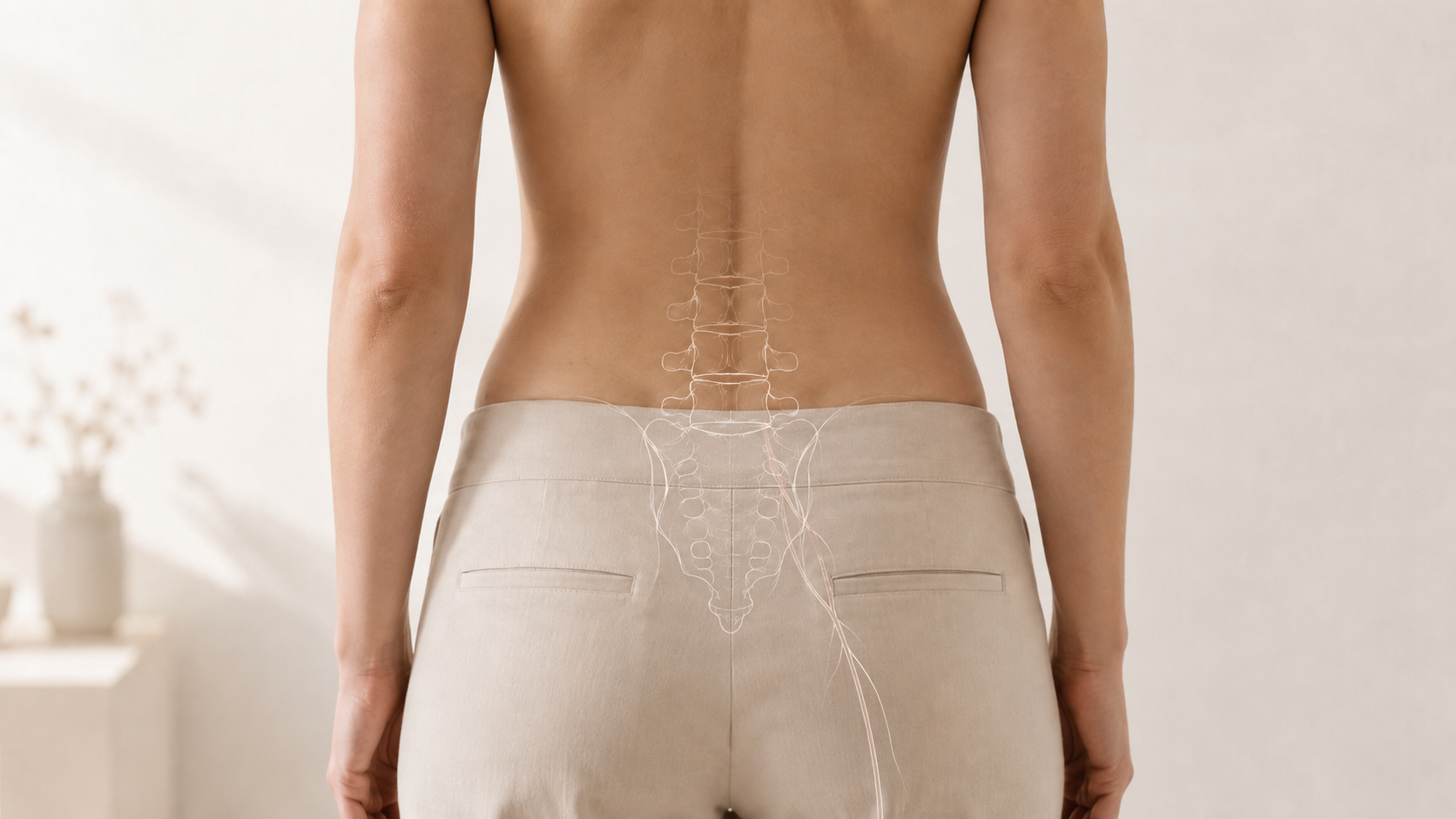
Piriformis syndrome is commonly described as a condition in which the piriformis muscle irritates or compresses the sciatic nerve. The piriformis is a small, deep muscle in the buttock that helps with hip movement and pelvic stability. Because the sciatic nerve runs near this muscle, irritation in this region may cause buttock pain and sciatica-like symptoms.
Patients may feel deep gluteal pain, pain when sitting, pain with walking or stairs, hip-region discomfort, or pain that travels down the back of the leg. Some describe burning, tingling, numbness, aching, or electric sensations. These symptoms can be frustrating because they may resemble sciatica from a herniated disc, even when lumbar imaging does not clearly explain the pain.
Piriformis Syndrome vs Sciatica
Sciatica is a symptom pattern that usually refers to pain traveling from the lower back, buttock, or hip down the leg. It is not a diagnosis by itself. Sciatica can be caused by lumbar disc herniation, spinal stenosis, nerve root irritation, spondylolisthesis, or other spine conditions.
Piriformis syndrome can mimic sciatica because symptoms may travel down the leg, but the suspected nerve irritation occurs outside the spine in the deep gluteal region. Distinguishing these conditions matters because treatment for a lumbar nerve root problem is different from treatment for a piriformis or deep gluteal muscle problem.
Piriformis Syndrome vs Herniated Disc
A herniated disc may irritate or compress a spinal nerve root and cause pain, numbness, tingling, weakness, or reflex changes. Symptoms may worsen with bending, lifting, sitting, coughing, sneezing, or certain spine positions.
Piriformis syndrome is more often associated with deep buttock pain, pain with sitting, hip rotation, direct pressure over the gluteal region, or pain patterns involving the deep hip and pelvis. However, symptoms can overlap. MPM evaluates the patient’s neurologic findings, movement pattern, imaging, exam findings, and functional limitations before deciding which pain generator is most likely.
Common Causes of Piriformis Pain
Piriformis pain may develop after overuse, prolonged sitting, repetitive hip rotation, direct trauma, altered gait, hip weakness, pelvic imbalance, SI joint dysfunction, or muscle guarding. It may also occur when the piriformis and surrounding deep gluteal muscles overwork to stabilize the hip or pelvis.
In some patients, anterior pelvic tilt, hip impingement, pelvic floor dysfunction, or sacroiliac joint dysfunction may contribute to the pain pattern. In others, the symptoms may be more closely related to myofascial pain, lumbar radiculopathy, or peripheral nerve irritation.
Why Piriformis Syndrome Is Often Misdiagnosed
Piriformis syndrome can be difficult to diagnose because there is no single symptom that confirms it. Deep buttock pain and radiating leg pain can come from many sources, including herniated disc, spinal stenosis, SI joint dysfunction, hip impingement, pelvic floor pain, pudendal neuralgia, peripheral nerve entrapment, vascular disease, inflammatory disease, or muscle pain.
Some patients are told they have sciatica even when spine imaging is inconclusive. Others are told the issue is muscular without a full evaluation of the spine, SI joint, hip, pelvis, and nerves. MPM’s diagnosis-first approach is designed to avoid both extremes.
Piriformis Syndrome, Hip Pain, SI Joint Pain, and Pelvic Mechanics
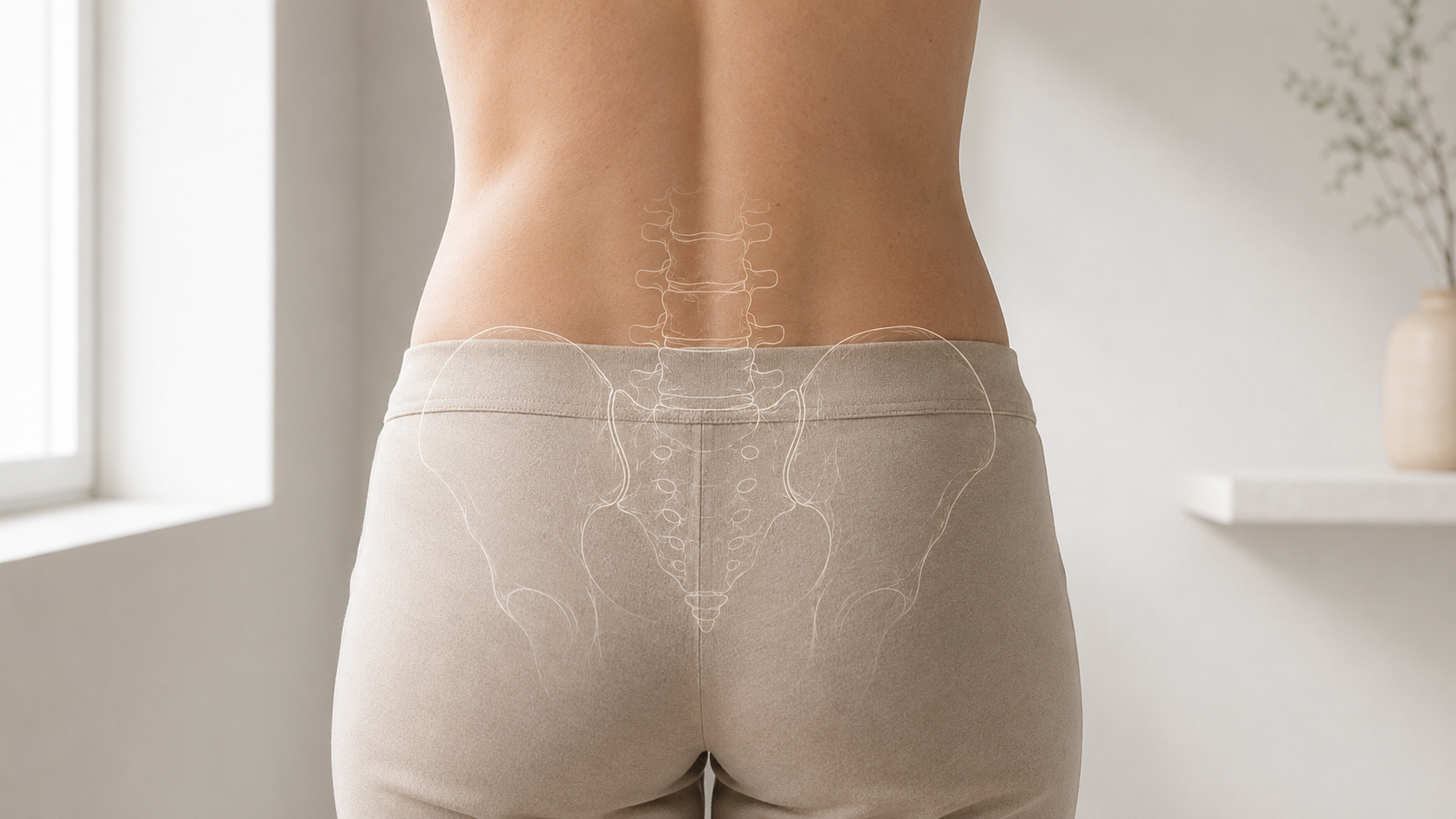
The piriformis sits in an area where the hip, pelvis, SI joint, and lumbar spine interact. When one part of this system is irritated, another part may compensate. Hip impingement can change how the hip moves. SI joint dysfunction can create buttock and pelvic pain. Anterior pelvic tilt can increase load through the hip flexors, gluteal muscles, lumbar spine, and pelvic stabilizers.
For patients with pelvic pain, piriformis symptoms may overlap with pelvic floor dysfunction, pudendal nerve irritation, or deep pelvic muscle guarding. MPM evaluates these relationships carefully, especially when symptoms are worsened by sitting, walking, hip motion, pelvic positioning, or prior pelvic pain conditions.
Hypermobility and Piriformis-Related Pain
Patients with hypermobility may experience joint laxity, instability, recurrent sprains, muscle guarding, and altered movement patterns. When the pelvis, SI joint, or hip feels unstable, deep gluteal muscles such as the piriformis may overwork to provide stability. This can contribute to pain, tightness, fatigue, or nerve irritation.
Hypermobility does not automatically mean the piriformis is the cause of pain. It does mean the evaluation should consider joint mechanics, stability, muscle control, and safe treatment selection.
How MPM Evaluates Piriformis Syndrome
MPM begins with a detailed history of pain location, onset, triggers, sitting tolerance, leg symptoms, prior imaging, prior treatments, and functional limitations. The evaluation may include lumbar spine screening, neurologic assessment, hip and SI joint exam, movement testing, palpation of the deep gluteal region, and review of pelvic mechanics.
The goal is to determine whether symptoms are most consistent with piriformis syndrome, lumbar radiculopathy, herniated disc, spinal stenosis, SI joint dysfunction, hip impingement, pelvic pain, anterior pelvic tilt, muscle pain, or another source.
Treatment Options for Piriformis Syndrome
Treatment depends on the suspected driver of pain. Conservative care may include activity modification, movement retraining, physical therapy coordination, hip and pelvic stabilization, postural and gait strategies, and avoidance of aggravating positions when appropriate.
Acupuncture and Feldenkrais may be used as supportive options for selected patients. Trigger point injections may be considered when myofascial trigger points or deep gluteal muscle pain appear to be contributing. Botulinum toxin injections may be considered in selected cases when piriformis muscle overactivity or spasm is a meaningful contributor and other care has not been sufficient.
These treatments are not automatic. MPM selects treatment based on the patient’s diagnosis, anatomy, symptoms, risks, goals, and prior response.
When Injections May Be Considered
Injections may be used diagnostically, therapeutically, or both, depending on the clinical situation. A targeted injection may help determine whether a specific muscle or region is contributing to pain. It may also reduce pain enough to allow better participation in movement-based care.
Trigger point injections may be considered for myofascial pain patterns. Botulinum toxin may be considered for selected muscle overactivity patterns. These procedures require clinician evaluation, target selection, risk discussion, and follow-up planning.
When Another Diagnosis May Be More Likely
Piriformis syndrome should not be assumed when symptoms include significant neurologic deficits, progressive weakness, severe numbness, spinal red flags, hip joint mechanical symptoms, pelvic floor symptoms, vascular concerns, or signs of infection or inflammatory disease.
If symptoms suggest a herniated disc, lumbar radiculopathy, spinal stenosis, SI joint dysfunction, hip impingement, pelvic floor dysfunction, peripheral nerve entrapment, or another condition, MPM adjusts the evaluation and care plan accordingly.
When Piriformis-Like Pain Requires Urgent Evaluation
Patients should seek urgent evaluation for buttock or leg pain associated with new or worsening leg weakness, foot drop, bowel or bladder dysfunction, saddle anesthesia, fever, unexplained weight loss, history of cancer, major trauma, severe night pain, trouble walking, rapidly worsening numbness, or severe progressive neurologic symptoms.
These signs may indicate a more serious spine, neurologic, infectious, vascular, inflammatory, or structural condition that should not be treated as routine piriformis syndrome.
How MPM Approaches Piriformis Syndrome Care
MPM approaches piriformis syndrome through a diagnosis-first model. The goal is to identify whether pain is truly coming from the piriformis muscle, sciatic nerve irritation, lumbar spine, SI joint, hip, pelvis, or another overlapping pain generator.
For patients looking for piriformis syndrome treatment in Manhattan or NYC, MPM provides coordinated evaluation for deep buttock pain, sciatica-like leg pain, hip and pelvic overlap, SI joint dysfunction, anterior pelvic tilt, and complex musculoskeletal pain. The goal is to clarify the source of symptoms and guide a treatment plan that is precise, safe, and function-focused.