Chronic Constipation Evaluation and Treatment in NYC and Manhattan

Chronic constipation can cause difficult bowel movements, abdominal pain, bloating, pelvic pressure, and symptoms that overlap with autonomic or pelvic pain conditions.

Chronic constipation can be a sign of an underlying neurologic, autonomic, or gastrointestinal condition rather than a digestive issue alone. Dr. Siefferman explains the potential causes of chronic constipation and how identifying the underlying problem is key to effective treatment.

Understanding Chronic Constipation and Pain

Chronic constipation is a long-lasting or recurring pattern of difficult stool passage, infrequent bowel movements, hard or lumpy stools, painful bowel movements, straining, or a feeling of incomplete evacuation.

Constipation is not a disease by itself. It may be a symptom of digestive motility changes, pelvic floor dysfunction, medication effects, autonomic dysfunction, connective tissue laxity, chronic pain mechanisms, or another medical condition.

Some patients also experience abdominal pain, bloating, pelvic pressure, low back discomfort, or worsening pain sensitivity. Because constipation can overlap with GI, pelvic, neurologic, autonomic, and chronic pain conditions, careful evaluation is important before building a care plan.

Specialist Care for Constipation-Related Pain

At Manhattan Pain Medicine, evaluation begins by identifying whether constipation-related pain is connected to abdominal pain, pelvic floor dysfunction, autonomic symptoms, nerve-related pain, hypermobility, medication effects, endometriosis, fibroids, hernia pain, or chronic pain sensitization.

For patients looking for chronic constipation treatment in Manhattan, MPM does not replace gastroenterology, primary care, pelvic floor therapy, gynecology, colorectal surgery, or emergency care when those are needed.

Instead, MPM helps evaluate pain drivers that may overlap with constipation and coordinate care when pelvic, abdominal, autonomic, or nerve-related pain is part of the clinical picture.

Why Constipation Can Overlap With Pain

Constipation can cause abdominal pain, bloating, pelvic pressure, and discomfort from stool retention, straining, bowel distension, and pelvic floor tension.

In some patients, constipation is also connected to broader patterns such as pelvic pain, pelvic floor dysfunction, POTS, autonomic dysfunction, Ehlers-Danlos syndrome, hypermobility spectrum disorder, endometriosis, fibroids, hernia-related pain, fibromyalgia, or complex chronic pain.When standard approaches such as fiber, hydration, laxatives, or diet changes do not fully help, the issue may be more complex. The problem may involve motility, pelvic floor coordination, medication side effects, pain-related guarding, autonomic regulation, connective tissue mechanics, or chronic pain sensitization.

MPM’s diagnosis-first approach helps place constipation-related pain in context while coordinating bowel management with the appropriate GI, pelvic floor, gynecology, colorectal, vascular, or primary care specialists.

Request an Appointment

Diagnosis-first care

How MPM Approaches Constipation-Related Pain

MPM uses a stepwise process to evaluate chronic constipation-related pain, pelvic overlap, autonomic symptoms, and chronic pain drivers.
  • 1

    Screen for Red Flags

    MPM first considers whether symptoms require urgent medical, GI, colorectal, pelvic, or emergency evaluation. Red flags may include rectal bleeding, blood in stool, constant abdominal pain, inability to pass gas, vomiting, fever, severe bloating, unexplained weight loss, anemia, new constipation after age 50, or family history of colon or rectal cancer.
  • 2

    Map the Symptom Pattern

    Evaluation includes bowel frequency, stool consistency, straining, incomplete evacuation, bloating, abdominal pain, pelvic pressure, urinary symptoms, pain with bowel movements, autonomic symptoms, medication history, diet changes, prior testing, and response to treatments. This helps identify whether symptoms may be motility-related, pelvic floor-related, medication-related, autonomic, structural, or pain-driven.
  • 3

    Clarify the Pain Drivers

    Constipation-related pain may come from stool retention, pelvic floor tension, abdominal wall strain, nerve irritation, endometriosis, fibroids, hernia-related pain, autonomic dysfunction, hypermobility, or chronic pain sensitization. MPM evaluates whether pain appears abdominal, pelvic, nerve-related, sympathetically mediated, musculoskeletal, or multifactorial before considering pain-focused treatment.
  • 4

    Coordinate the Care Plan

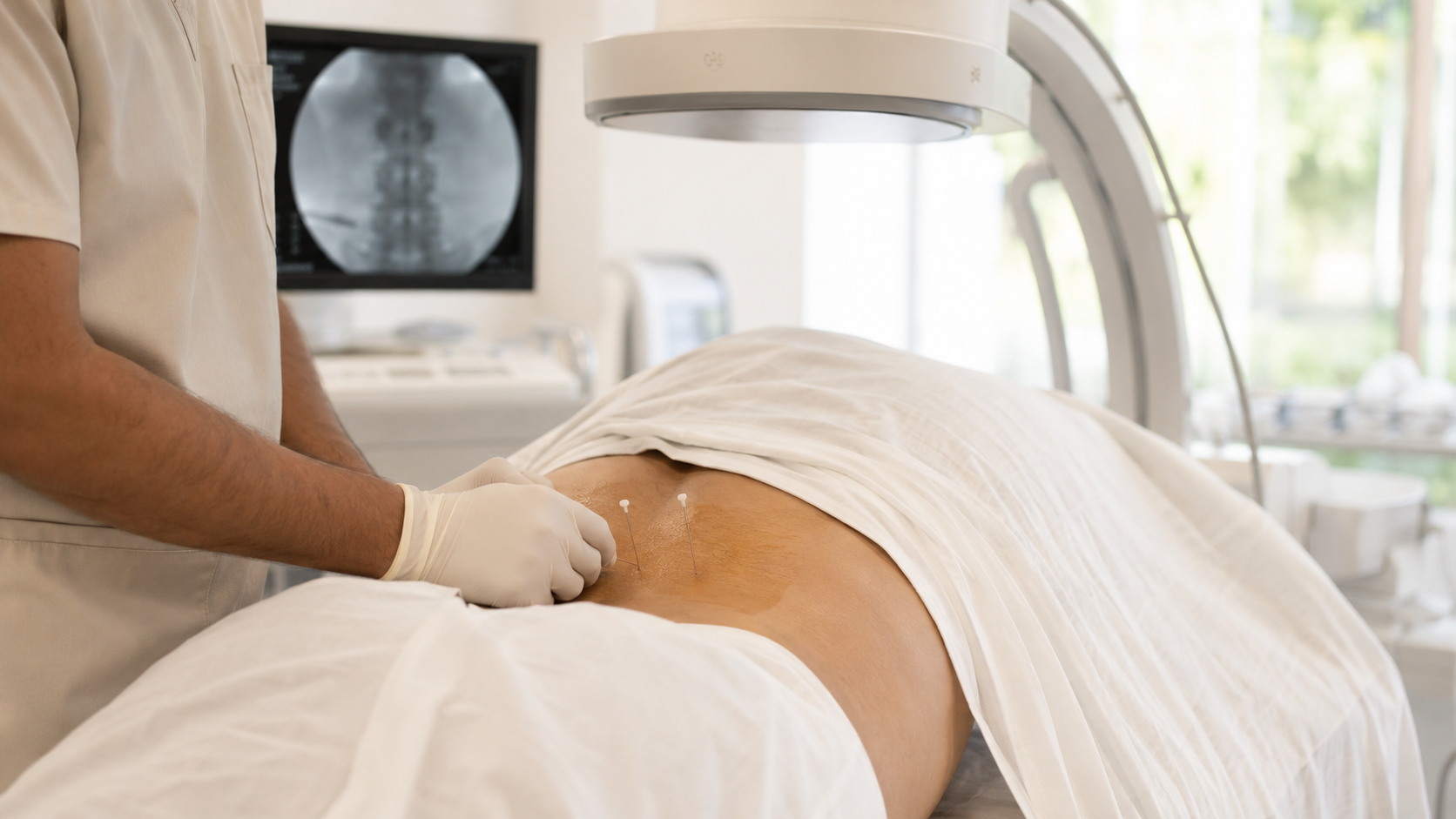
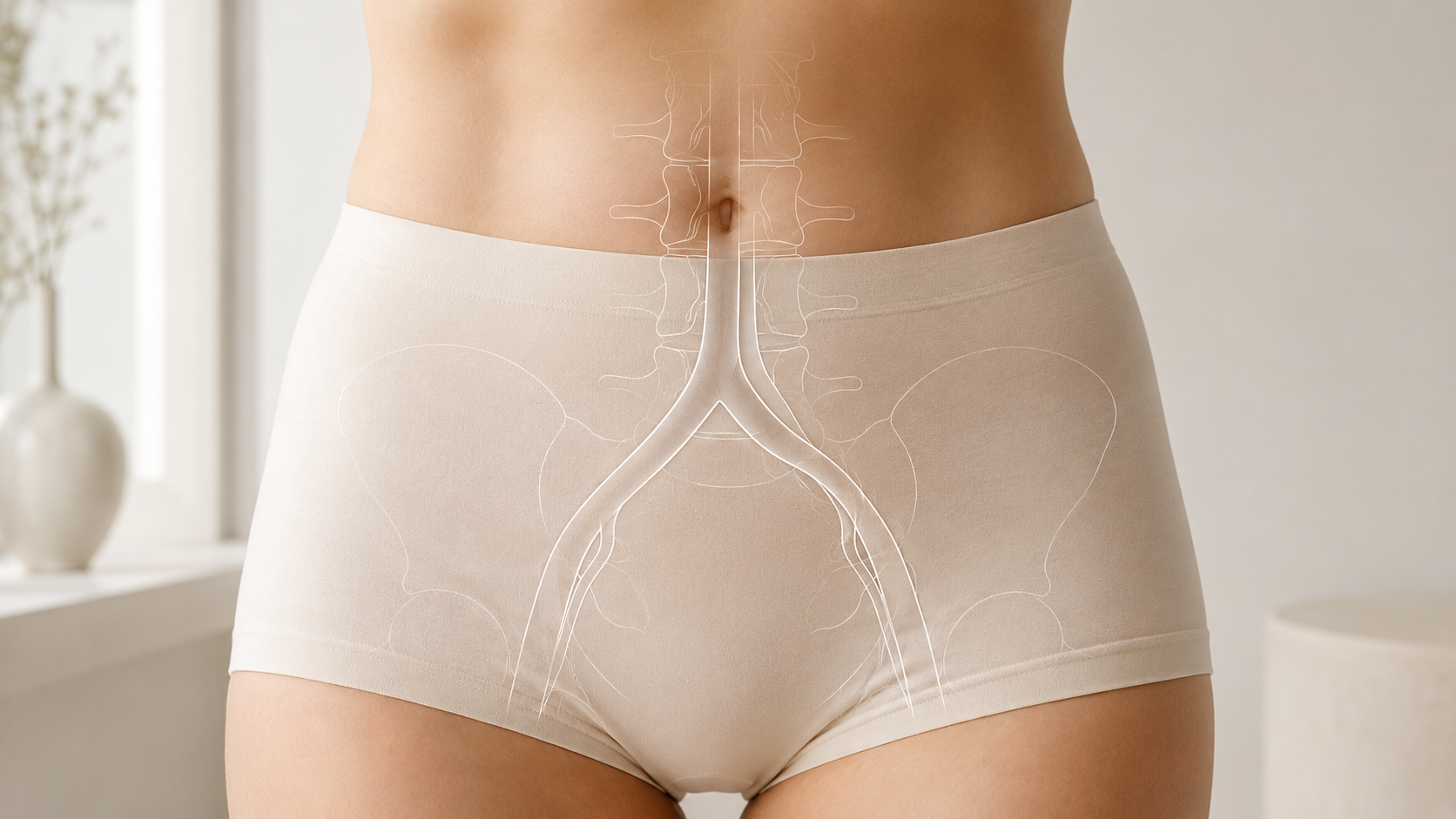
    Care may include medication review, coordination with GI or pelvic floor specialists, pain psychology, autonomic-informed care, and selected procedures only when pain drivers support them. Superior hypogastric plexus block, lumbar sympathetic blocks, or sympathetic blocks may be considered for selected pelvic or sympathetically mediated pain patterns, not as standard constipation treatment.

Constipation Across Chronic Pain, Autonomic, and Pelvic Care

Chronic constipation fits across several MPM Zones of Expertise, including Complex Chronic Pain, Autonomic Dysfunction, and Pelvic Pain. This matters because constipation-related symptoms may involve bowel motility, pelvic floor coordination, abdominal pain, pelvic pressure, nerve sensitivity, hypermobility, POTS, EDS, endometriosis, fibroids, hernia-related pain, or chronic pain sensitization.

MPM uses the Zones of Expertise framework to evaluate whether symptoms appear primarily GI-related, pelvic, autonomic, connective tissue-related, nerve-related, or part of a broader chronic pain pattern. For some patients, the priority is coordination with gastroenterology or pelvic floor therapy. For others, pain remains a central issue and requires its own careful evaluation and treatment pathway.

Treatments Related to Constipation-Related Pain

Treatment depends on whether symptoms involve bowel motility, pelvic floor dysfunction, autonomic symptoms, nerve pain, or chronic pain pathways.
PATIENT STORIES

Real Patients. Real Progress.

Hear from patients who came to Manhattan Pain Medicine looking for answers, clarity, and a more thoughtful path forward.
  • Madaline. M

    5 star review

    I cannot say enough good things about Manhattan Pain Medicine. From the moment I walked in, I felt truly cared for and taken seriously. Dr. Nino Mikaberidze, Director of Rheumatology, is exceptional — knowledgeable, compassionate, and incredibly thorough. She takes the time to listen, explains every...

    Google

  • Haleigh Y.

    5 star review

    The best care I've received as a chronic pain patient. I traveled from out of state to visit Manhattan Pain Medicine because I could not find knowledgeable doctors in my hometown for my hypermobility, and Ehlers-Danlos syndrome symptoms and comorbidities. Let me tell you, it was worth every travel e...

    Google

  • Damien P.

    5 star review

    I was injured in a bicycle accident over 8 years ago. I’ve suffered throughout the years since my accident with nothing seeming to work. PT, Yoga, lifestyle changes, NOTHNG! I finally made an appointment with Dr Kane and I’m feeling an improvement in my life. I no longer stay up all night in pain, a...

    Google

  • JP S.

    5 star review

    One of the best experiences, if not the best, I have ever had at the doctor’s office. From the front desk to the nurses to the PA assisting the doctor this was a great experience. Dr.Nino actually listened to me and came up with a game plan. Would recommend this practice to as many people as I could...

    Google

  • Richard B.

    5 star review

    I have very unique & severe nerve pain from CRPS which has no known specific cure. Dr. Siefferman has a huge tool box, far greater than the other 23 Drs. I have seen. He saved me from jumping off a bridge and continues to help me with both treatments and advice. Dr. S. is in a different league!

    Google

  • Clare F.

    5 star review

    After two years of searching and feeling lost and let down, I finally found real help at Manhattan Pain Medicine. With Dr. Siefferman, Adam Rosenberg, Dr. Mikaberidze, and the whole team, I feel heard, supported and understood. Every symptom is being considered and I’m finally getting answers with m...

    Google

  • Jonathan C.

    5 star review

    Why is Dr Dr. Tayyaba Ahmed one of the top pevic Floor specialists - 1- She wants to know a full history of what led the patient to get to this point. 2 - She listens intensley to the patient 3- She does not rush you 4- Extremely skilled at giving pelvic floor injections 5- I thank my luck stars she...

    Google

  • Jodi K.

    5 star review

    The staff was friendly and helpful. Dr. Siefferman was thoughtful, listened, asked questions and proposed simple safe ways to come to further conclusions regarding my pain and discomfort. The office staff including Dr. Siefferman is responsive even after the initial in-person visit. Very pleased.

    Google

  • Sabrina S.

    5 star review

    Dr. Siefferman is a brilliant provider. While my pain is still a work in progress, Dr Siefferman always gives me options and explains his reasoning behind things. He listens to my feedback and concerns. I never feel rushed; and am grateful he works to meet me where I am. I highly recommend him.

    Google

  • Lorraine B.

    5 star review

    What a great find! They listen to me, I listen to them and the diagnosis is made and a plan developed to develop an approach to treat all of my chronic pain. I wish I could have discovered this type of treatment sooner. This doctor and group give me hope.

    Google

Chronic Constipation FAQs

Understanding Insurance Before You Begin

Before care begins, our team helps patients understand the practical side of treatment, including insurance verification, out-of-network benefits, cost-share estimates, self-pay options, and billing questions. We believe patients should have as much clarity as possible before moving forward.

Insurance & Billing

Pain Care That Starts With Understanding

When pain is complex, the first step should not be another generic treatment. Manhattan Pain Medicine looks deeper to understand what is driving the pain, why it has persisted, and what path forward makes sense for you.

Request An Appointment

Insights & Research

Explore MPM Insights and Research, including patient-friendly articles, clinical perspectives, and research from our team to help explain how we understand complex pain, evaluate care options, and guide the path to treatment
Patient education

A Deeper Look at Chronic Constipation, Pelvic Pain, and Autonomic Symptoms

Chronic constipation may involve bowel motility, pelvic floor coordination, autonomic function, connective tissue mechanics, and chronic pain pathways.

Chronic Constipation

Chronic constipation is a recurring or persistent pattern of difficult bowel movements, infrequent stools, hard or lumpy stools, straining, painful passage, or a feeling that stool has not fully passed. It can be uncomfortable, frustrating, and sometimes embarrassing to discuss. It can also become painful, especially when constipation overlaps with abdominal pain, pelvic pressure, bloating, autonomic symptoms, hypermobility, or chronic pain.

Constipation is not a disease by itself. It is a symptom pattern that may have many causes. Some are related to diet, hydration, activity level, medications, or bowel habits. Others involve motility disorders, pelvic floor dysfunction, autonomic nervous system regulation, connective tissue conditions, nerve sensitivity, gynecologic conditions, hernia-related pain, or chronic pain mechanisms. This is why persistent constipation deserves careful evaluation rather than repeated trial and error.

What Chronic Constipation May Feel Like

Patients with chronic constipation may have fewer than three bowel movements per week, hard stools, painful stool passage, straining, bloating, abdominal pain, pelvic pressure, low back discomfort, or a sense of incomplete evacuation. Some feel full, heavy, or distended. Others have pain that worsens before a bowel movement or during attempts to pass stool.

Constipation may also affect daily life. Patients may avoid eating, travel, social plans, exercise, or sexual activity because of bloating, discomfort, urgency, or fear of pain. Over time, chronic constipation can contribute to pelvic floor guarding, abdominal wall tension, pain sensitivity, and anxiety around bowel movements.

Why Constipation Can Cause Abdominal and Pelvic Pain

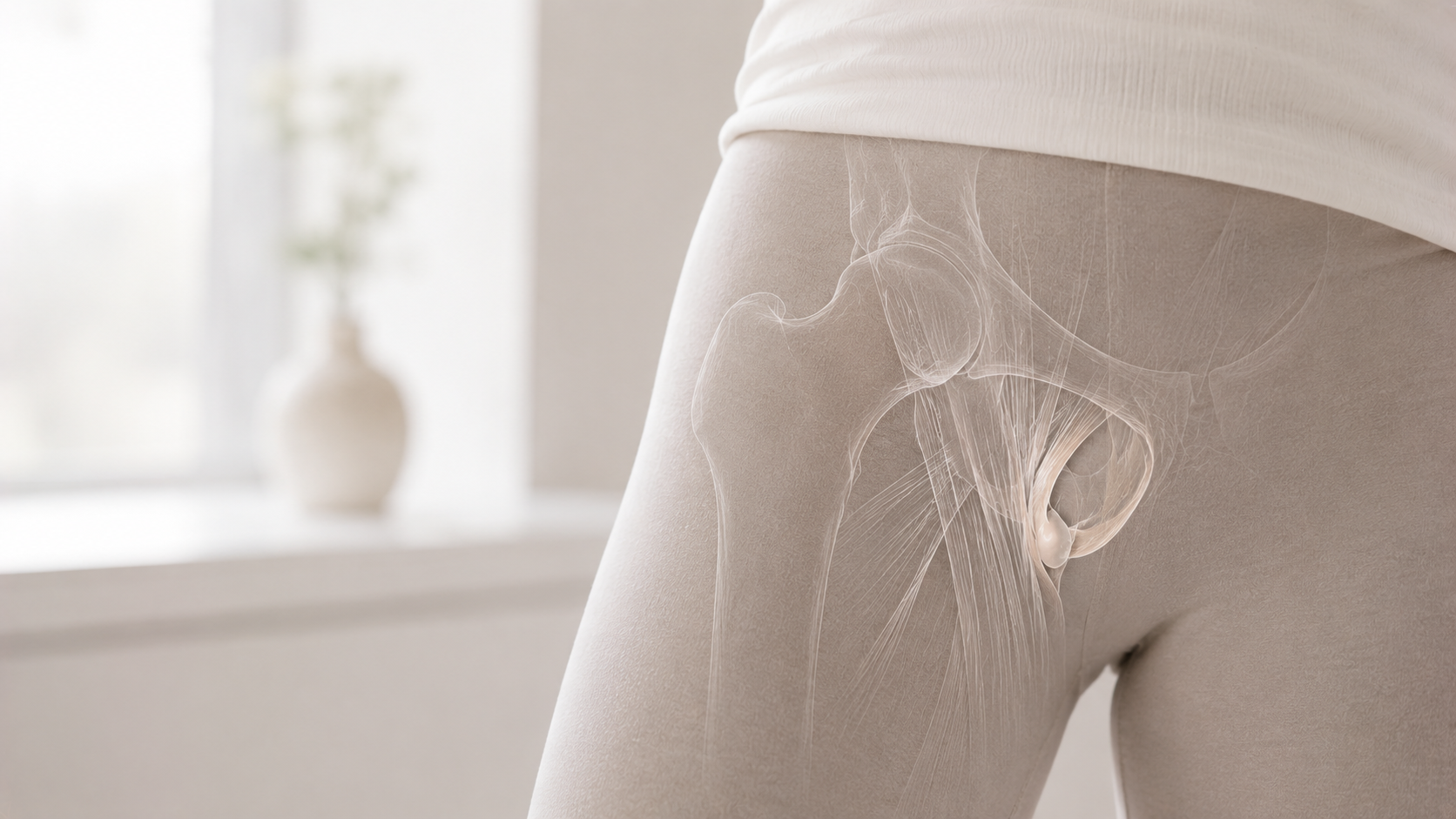
Constipation can cause pain through several pathways. Stool retention can stretch the bowel and create pressure. Straining can irritate the pelvic floor, abdominal wall, hips, and low back. Painful bowel movements can cause protective muscle guarding, which may make evacuation even harder. Pelvic floor muscles may become overactive or poorly coordinated, creating a cycle of constipation and pelvic pain.

In some patients, constipation overlaps with autonomic dysfunction. The autonomic nervous system helps regulate gut motility. Patients with POTS or related autonomic symptoms may experience constipation, bloating, nausea, or variable motility patterns. Patients with EDS or hypermobility spectrum disorder may also experience changes in pelvic support, connective tissue mechanics, and pain sensitivity that contribute to bowel symptoms.

Conditions That May Overlap With Constipation

Chronic constipation may overlap with abdominal pain, stomach pain, pelvic pain, pelvic floor dysfunction, gastroparesis, POTS, EDS, hypermobility spectrum disorder, endometriosis, fibroids, hernia pain, sports hernia, femoral hernia, obturator hernia, umbilical hernia, fibromyalgia, CRPS-like sensitization, May Thurner Syndrome, Nutcracker Syndrome, MCAS, and complex chronic pain.

These overlaps do not mean constipation is caused by one condition automatically. They mean that the symptom pattern should be evaluated carefully. A patient with constipation and pelvic pain may need pelvic floor assessment. A patient with constipation and bloating may need GI evaluation. A patient with constipation, dizziness, and tachycardia may need autonomic evaluation. A patient with constipation and severe focal hernia-like pain may need surgical evaluation.

How Chronic Constipation Is Evaluated

Evaluation may include medical history, medication review, family history, bowel pattern review, diet and hydration review, physical examination, abdominal exam, rectal exam, blood tests, imaging, colonoscopy, motility testing, pelvic floor evaluation, or other testing depending on symptoms. GI and primary care clinicians often lead constipation evaluation and bowel management.

MPM’s role is different but complementary. MPM evaluates constipation-related pain. This may include reviewing pain location, pelvic pressure, abdominal wall sensitivity, nerve symptoms, autonomic symptoms, prior imaging, prior GI workup, pelvic floor history, gynecologic history, hernia evaluation, and chronic pain factors. The goal is to determine whether pain is bowel-related, pelvic, nerve-related, sympathetically mediated, abdominal wall-related, musculoskeletal, or part of a broader chronic pain pattern.

Treatment Options for Chronic Constipation-Related Pain

Constipation treatment often begins with diet, fiber, fluid intake, physical activity, bowel training, and medication review. Some patients need laxatives, prescription constipation medications, pelvic floor physical therapy, motility evaluation, or treatment of another medical condition. Patients should not stop medications or overuse laxatives or supplements without clinician guidance.

Pain-focused care depends on the pain driver. MPM may support medication review, pain psychology, autonomic-informed care, and coordination with pelvic floor therapy, GI, gynecology, colorectal surgery, vascular specialists, or primary care. Pain psychology can help when constipation-related pain causes fear, guarding, stress, sleep disruption, or chronic symptom vigilance. This does not mean the pain is psychological. It means chronic symptoms can affect the nervous system and coping patterns.

Sympathetic blocks, lumbar sympathetic blocks, and superior hypogastric plexus block may be discussed only for selected pelvic or sympathetically mediated pain patterns. They are not standard treatments for constipation and should not be presented as direct bowel motility treatments. Their role depends on anatomy, diagnosis, prior workup, and the presence of specific pain drivers.

When Constipation Needs Prompt Medical Evaluation

Patients should seek medical evaluation when constipation persists despite self-care, worsens, or occurs with rectal bleeding, blood in stool, black stool, constant abdominal pain, inability to pass gas, vomiting, fever, lower back pain, unintentional weight loss, severe bloating, anemia, new constipation after age 50, or family history of colon or rectal cancer. These symptoms may require GI, colorectal, emergency, or primary care evaluation.

How MPM Approaches Constipation-Related Pain

MPM approaches chronic constipation-related pain through a diagnosis-first, coordinated model. The evaluation considers abdominal pain, pelvic pain, pelvic floor dysfunction, autonomic symptoms, nerve-related pain, hypermobility, medication effects, endometriosis, fibroids, hernia-related pain, and chronic pain sensitization.

For patients looking for chronic constipation treatment in Manhattan, MPM offers a careful, patient-centered approach to the pain patterns that may overlap with constipation. The goal is to support clearer evaluation, safer coordination, and a treatment plan that reflects the patient’s bowel symptoms, pain drivers, prior workup, function, and long-term goals.