Glossopharyngeal Nerve Block
A glossopharyngeal nerve block is a specialized injection placed near the glossopharyngeal nerve, also known as cranial nerve IX. It may be considered for selected patients with suspected glossopharyngeal neuralgia or glossopharyngeal nerve-related pain involving the throat, back of the tongue, tonsillar region, ear, jaw angle, or deep head and neck region.
At Manhattan Pain Medicine (MPM), glossopharyngeal nerve block NYC care begins with diagnosis-first evaluation. The goal is to determine whether the glossopharyngeal nerve is likely contributing to symptoms and whether a block may provide diagnostic information, temporary relief, or both.
What Glossopharyngeal Nerve Pain Can Feel Like
Glossopharyngeal neuralgia is rare. It may cause repeated episodes of severe, sharp, stabbing, electric, or shock-like pain in the throat, tonsil area, back of the tongue, ear, or jaw angle. Pain may last seconds to minutes and may be triggered by swallowing, chewing, talking, coughing, yawning, or touching the throat area.
These symptoms can be frightening and disruptive. They can also be difficult to diagnose because throat, ear, tongue, jaw, and facial pain may come from many different sources.
Why Careful Diagnosis Matters
Glossopharyngeal nerve pain can overlap with trigeminal neuralgia, migraine, headache disorders, ear disease, throat infection, tonsillar disease, dental pain, temporomandibular disorders, cervical spine pain, craniocervical instability, vascular compression, tumor-related causes, or other neurological conditions.
A glossopharyngeal nerve block is not a first-line answer for every case of throat or ear pain. Before considering the block, MPM reviews the pain territory, triggers, duration, neurological symptoms, ENT history, dental history, imaging, medication response, and red flags. Some patients may need ENT evaluation, dental or oral surgery evaluation, neurology care, imaging, vascular evaluation, or neurosurgical consultation before or alongside pain treatment.
Diagnostic vs. Therapeutic Glossopharyngeal Nerve Blocks
A glossopharyngeal nerve block may be diagnostic, therapeutic, or both. A diagnostic block helps answer whether the glossopharyngeal nerve is contributing to the pain. If pain improves in the expected area after the injection, that response may support glossopharyngeal nerve involvement.
A therapeutic block may reduce symptoms for a period of time. Relief may last hours, days, or longer depending on the medication used, the target, and the patient’s condition. Some patients may not respond. MPM uses the timing, degree, and location of relief to guide next steps.
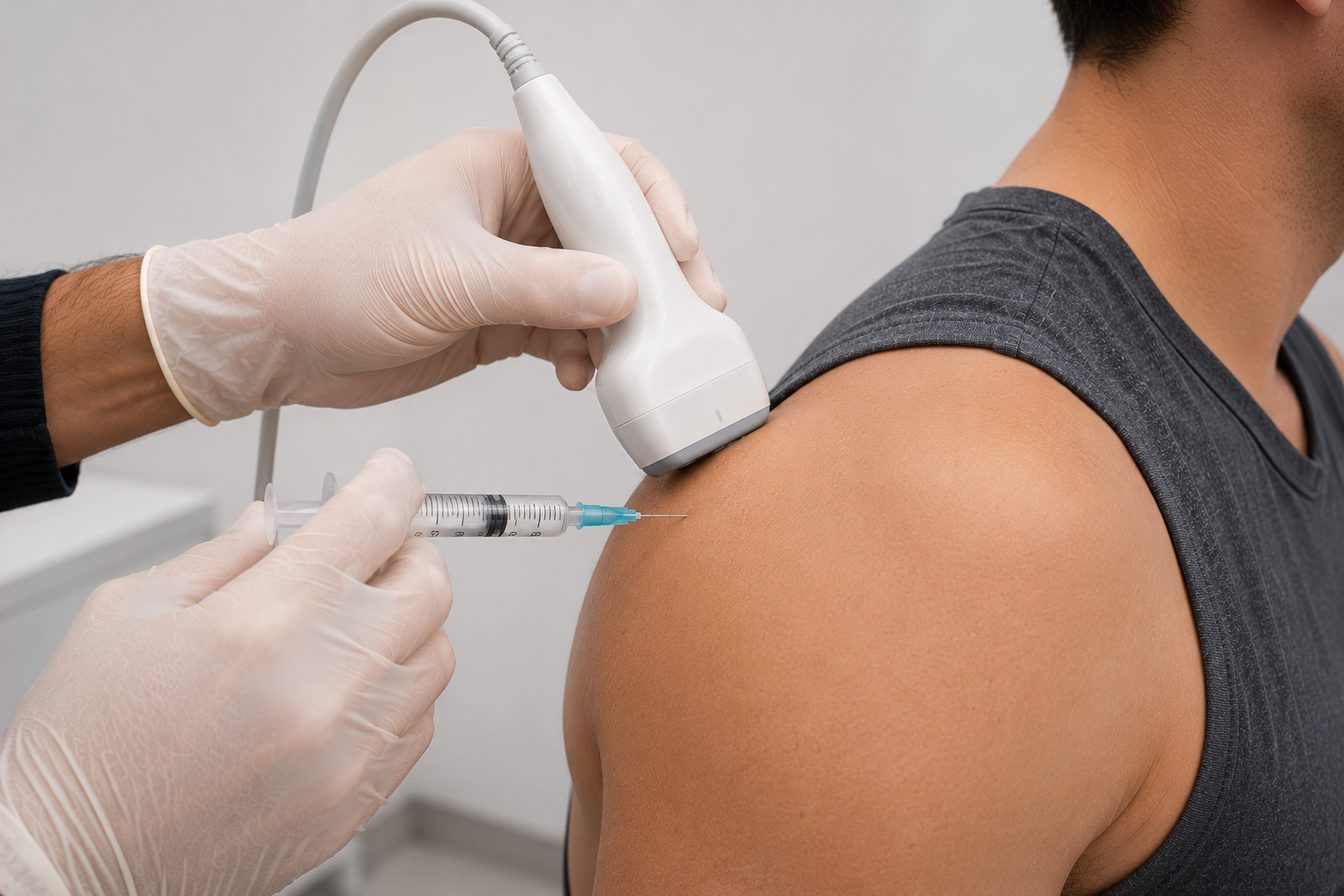
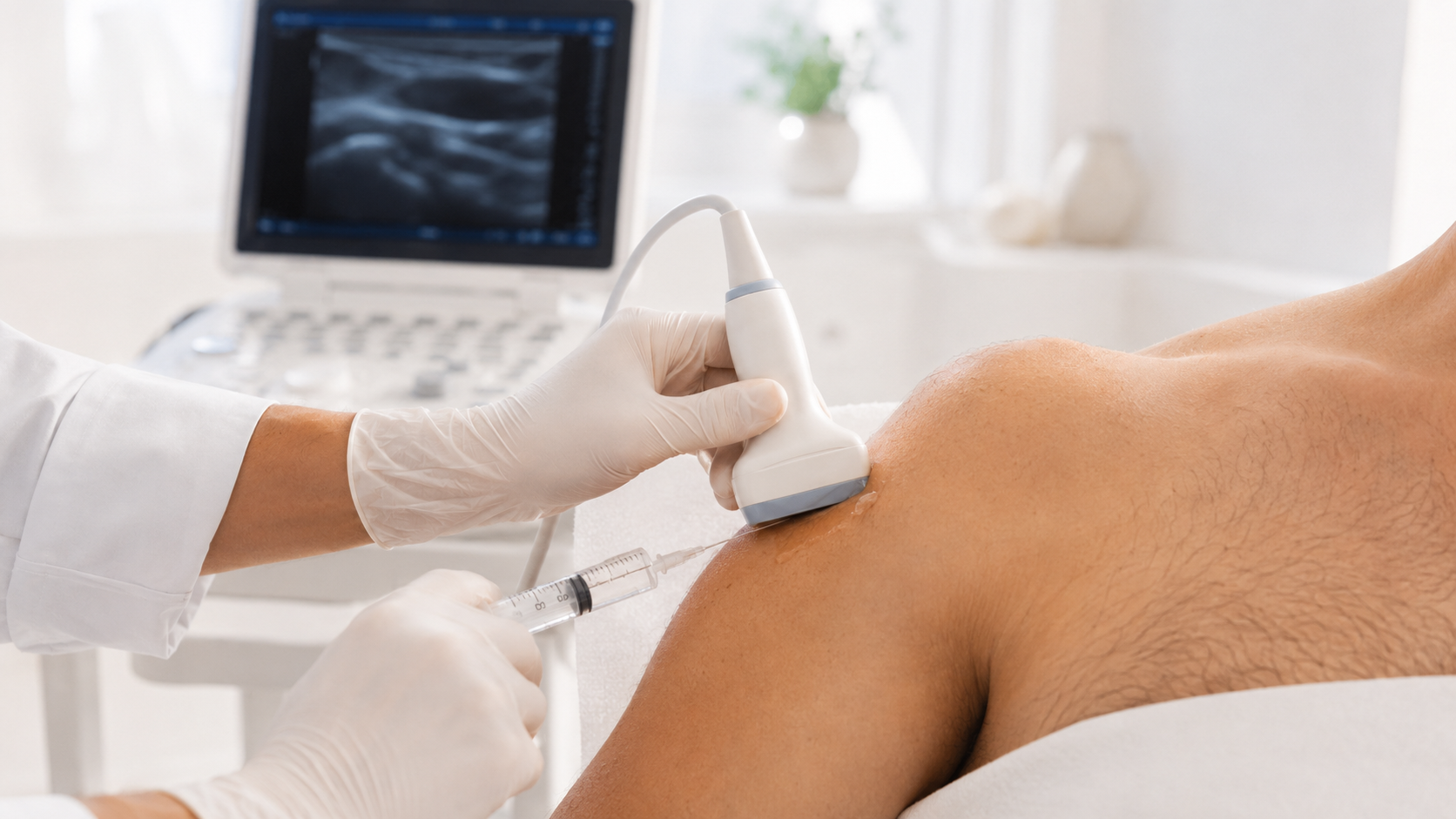
Ultrasound-Guided Glossopharyngeal Nerve Block
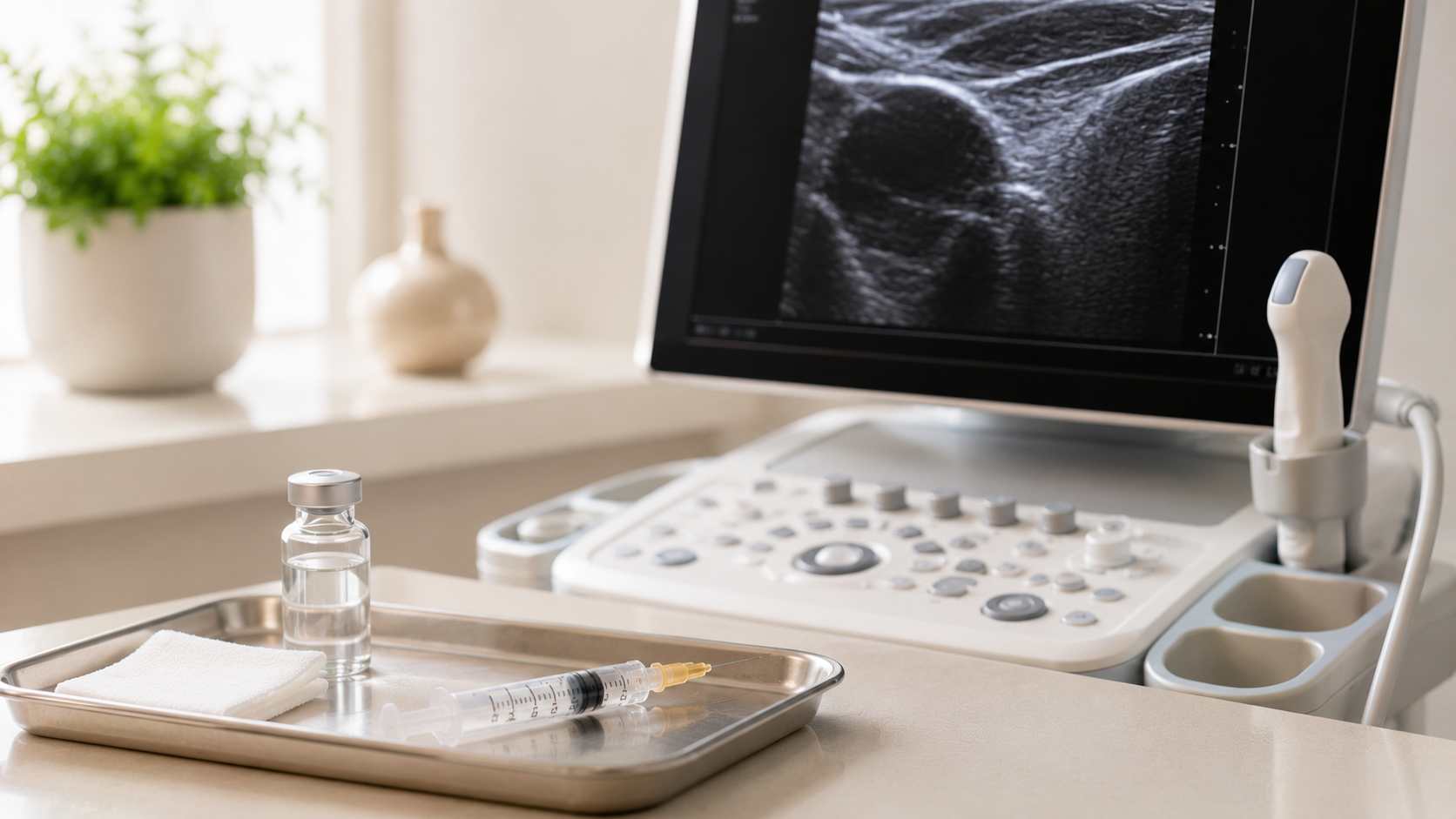
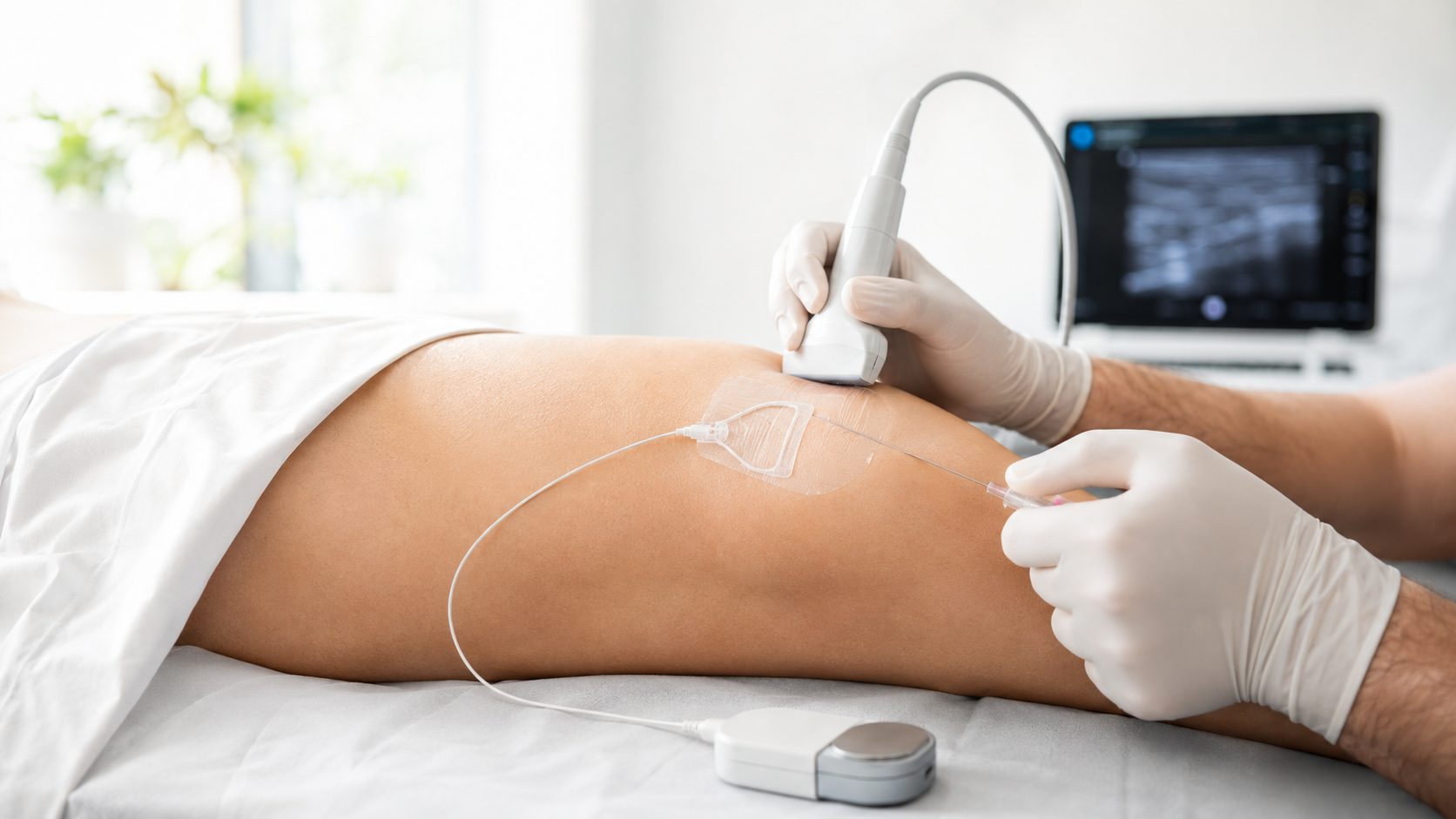
Ultrasound guidance may be used for selected glossopharyngeal nerve blocks when it supports anatomical precision and procedural safety. The glossopharyngeal nerve is located near important structures involved in swallowing, sensation, and vascular anatomy, so careful planning is essential.
Ultrasound guidance does not guarantee relief, but it may help with target identification and procedural confidence in selected cases. MPM determines the technique based on the patient’s anatomy, symptoms, safety factors, and clinical goals.
Cranial Nerve Pain, CCI, and Complex Overlap
Some patients with complex cranial nerve pain also have cervical symptoms, headache overlap, hypermobility, or craniocervical instability concerns. These conditions do not automatically mean the glossopharyngeal nerve is the pain source. However, they may influence evaluation and coordination.
MPM considers whether symptoms are primarily cranial nerve-related, headache-related, cervical, ENT-related, dental, vascular, or mixed. When needed, care may involve neurology, ENT, dentistry, oral surgery, headache care, imaging review, medication management, neuromodulation, or neurosurgical consultation.
Risks and Safety Considerations
Risks may include pain flare, bruising, bleeding, infection, allergic reaction, temporary throat numbness, swallowing difficulty, voice changes, gag reflex changes, aspiration risk, temporary tongue or throat weakness, vascular injury, nerve irritation, local anesthetic toxicity, incomplete relief, temporary relief only, or no relief.
Because swallowing and airway-related symptoms can be serious, patients should seek urgent evaluation for trouble breathing, trouble swallowing, choking, drooling, severe throat swelling, fever, neck stiffness, sudden severe headache, fainting, chest pain, new neurological deficits, new facial weakness, sudden vision changes, severe ear pain with infection symptoms, unexplained weight loss, cancer-related red flags, or rapidly worsening symptoms.
For selected patients, a glossopharyngeal nerve block may be an important step in understanding rare cranial nerve pain. MPM’s role is to determine whether the glossopharyngeal nerve is the right target and how the block fits within a coordinated, medically responsible care plan.