Peripheral Nerve Stimulation
Peripheral nerve stimulation is an advanced neuromodulation treatment that targets a specific peripheral nerve or nerve branch. It uses controlled electrical stimulation to help modulate pain signaling from a focused nerve pathway.
At Manhattan Pain Medicine (MPM), peripheral nerve stimulation NYC care begins with diagnosis-first evaluation. The goal is to determine whether a specific peripheral nerve appears to be clinically meaningful, whether the pain pattern is appropriate for PNS, and whether another treatment such as nerve hydrodissection, spinal cord stimulation, dorsal root ganglion stimulation, repeat nerve blocks, medication management, rehabilitation, or surgery referral may be more appropriate.
What Peripheral Nerves Are
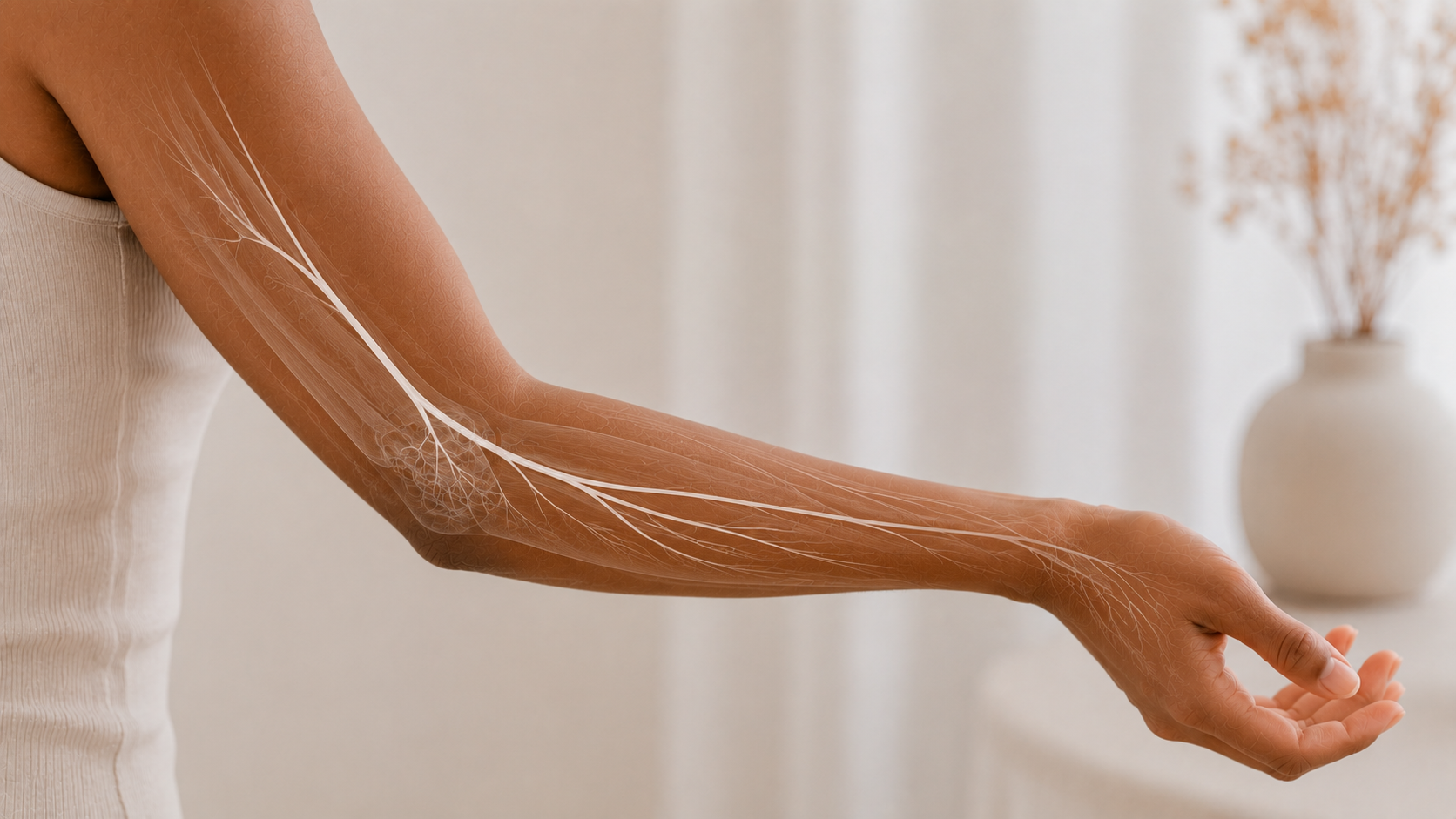
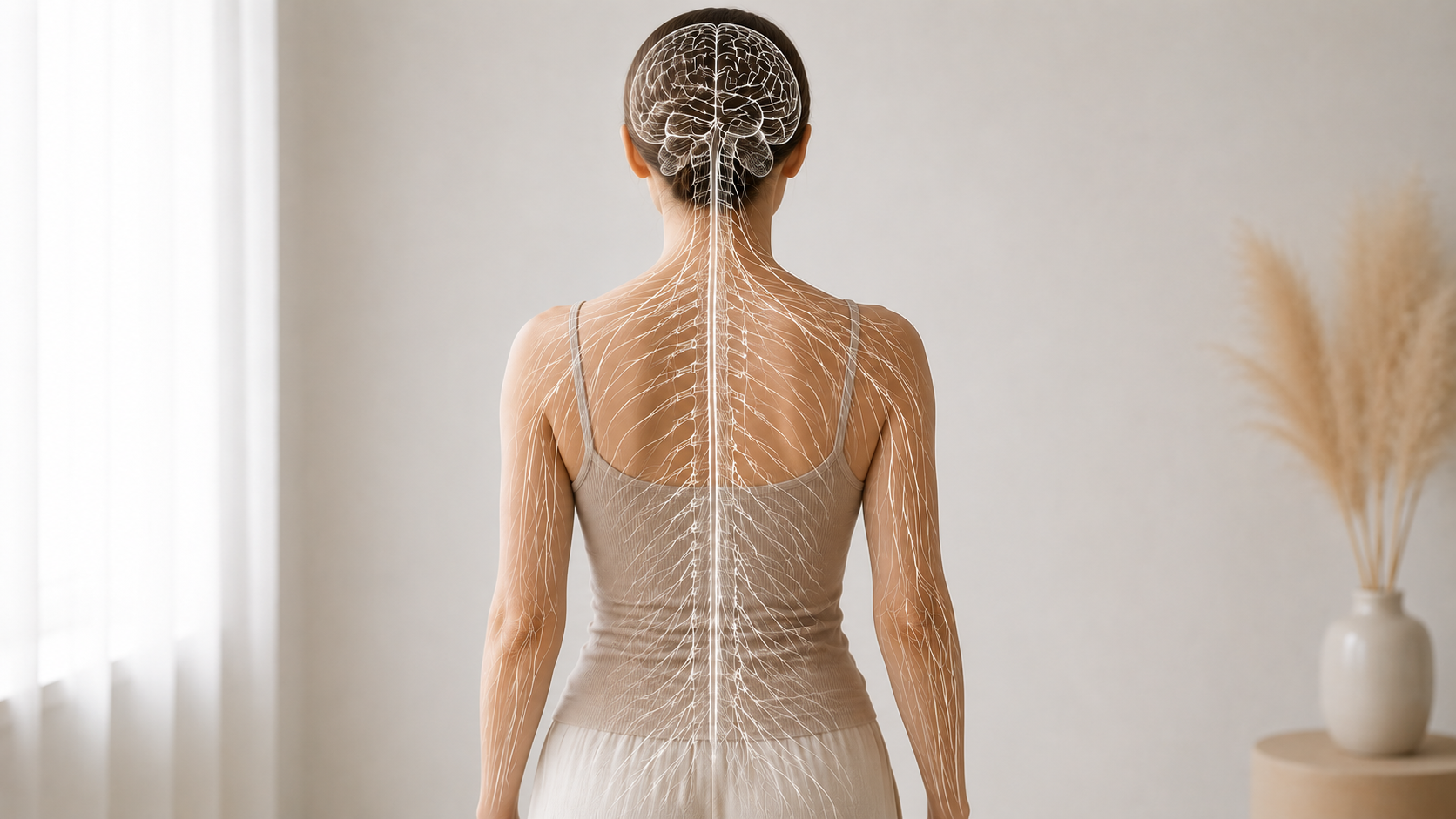
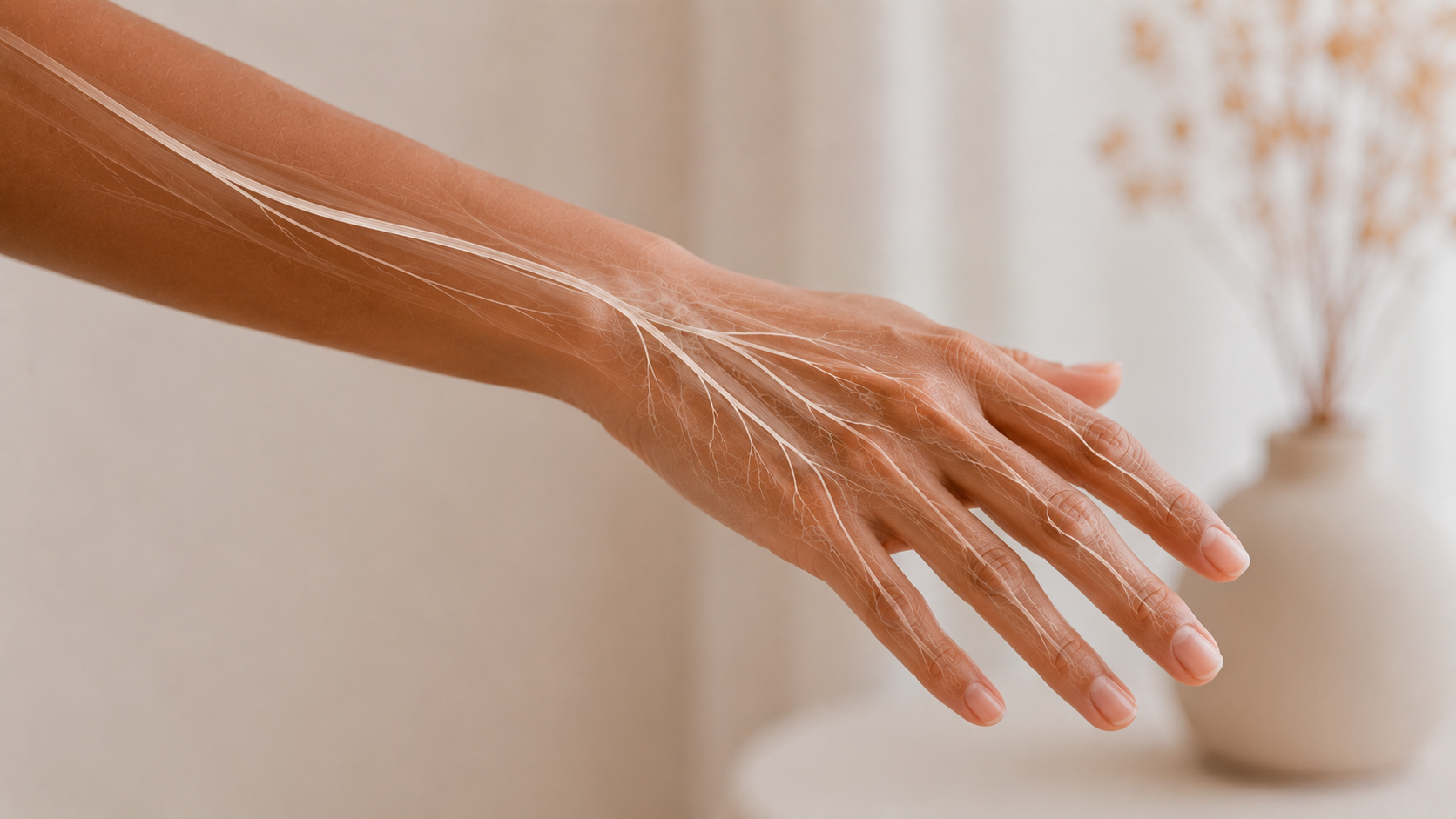
Peripheral nerves are nerves outside the brain and spinal cord. They carry sensory and motor information between the body and the central nervous system. When a peripheral nerve is irritated, compressed, injured, or hypersensitive, pain may feel burning, tingling, electric, shooting, stabbing, radiating, or unusually sensitive to touch.
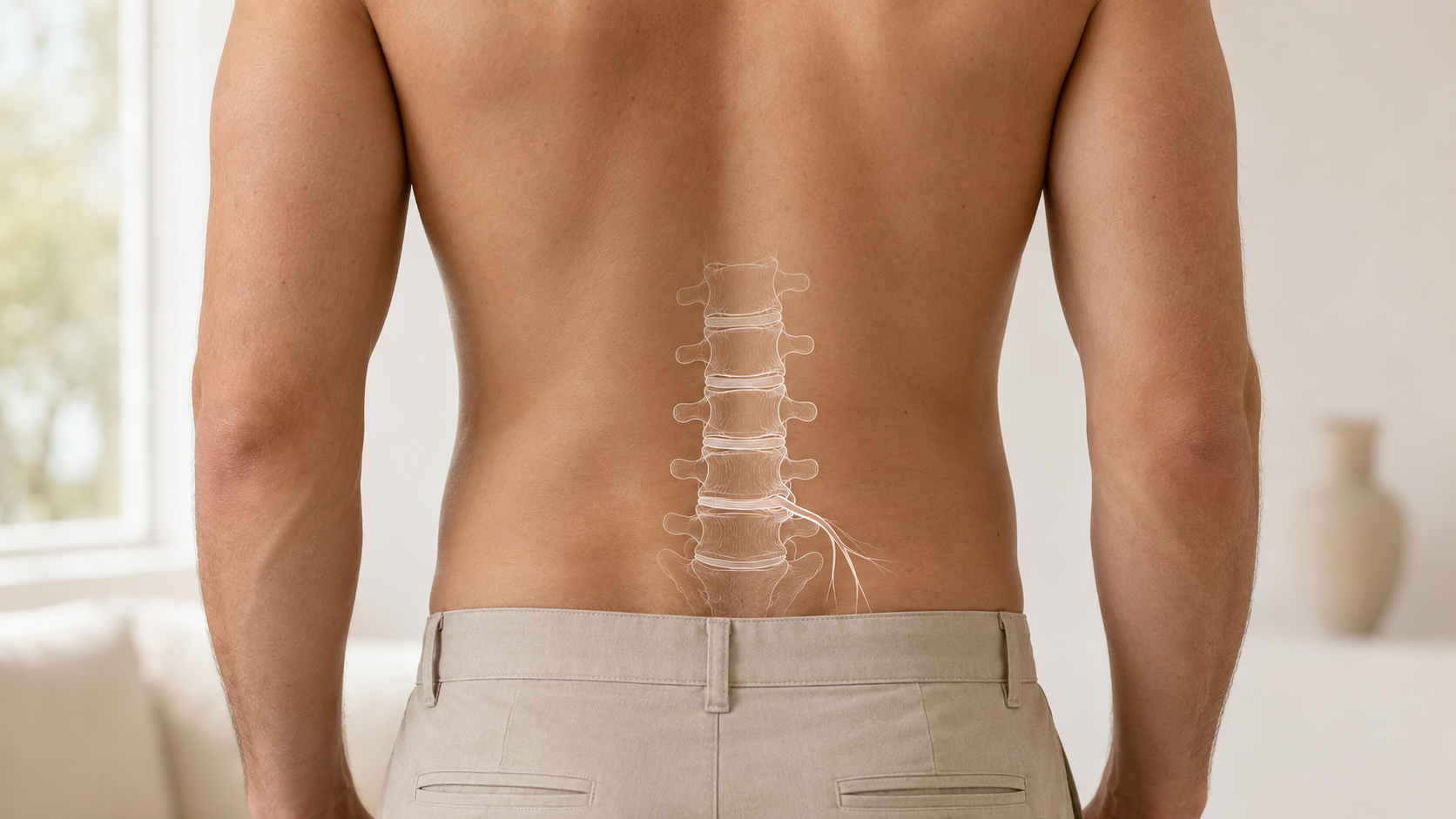
Peripheral nerve pain may occur after surgery, trauma, entrapment, inflammation, repetitive strain, spine-related nerve irritation, pelvic pain conditions, foot or ankle conditions, or complex chronic pain states. In some patients, the pain is focal enough to map to one nerve. In others, pain is more widespread or driven by multiple mechanisms.
How Peripheral Nerve Stimulation Modulates Pain
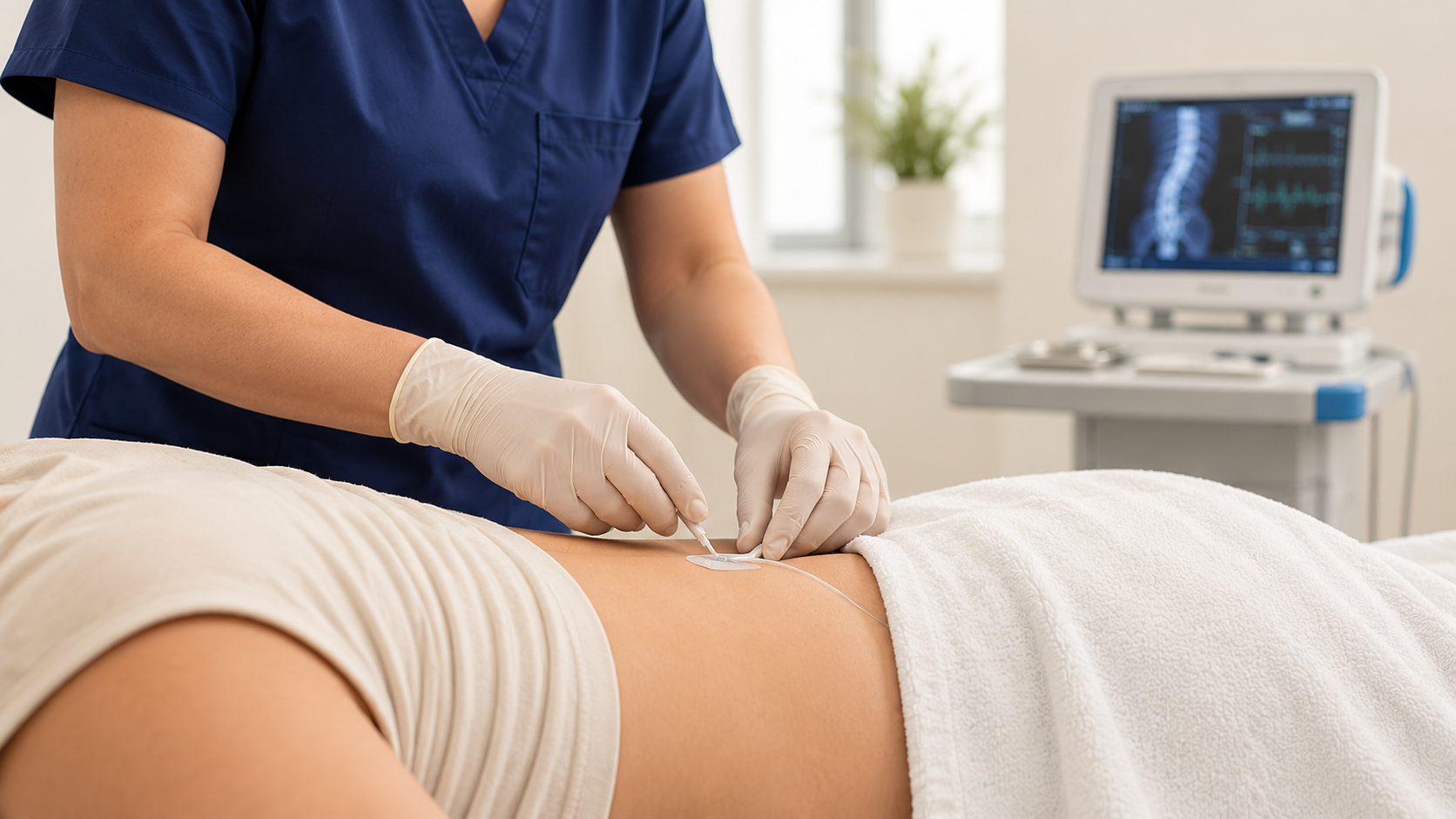
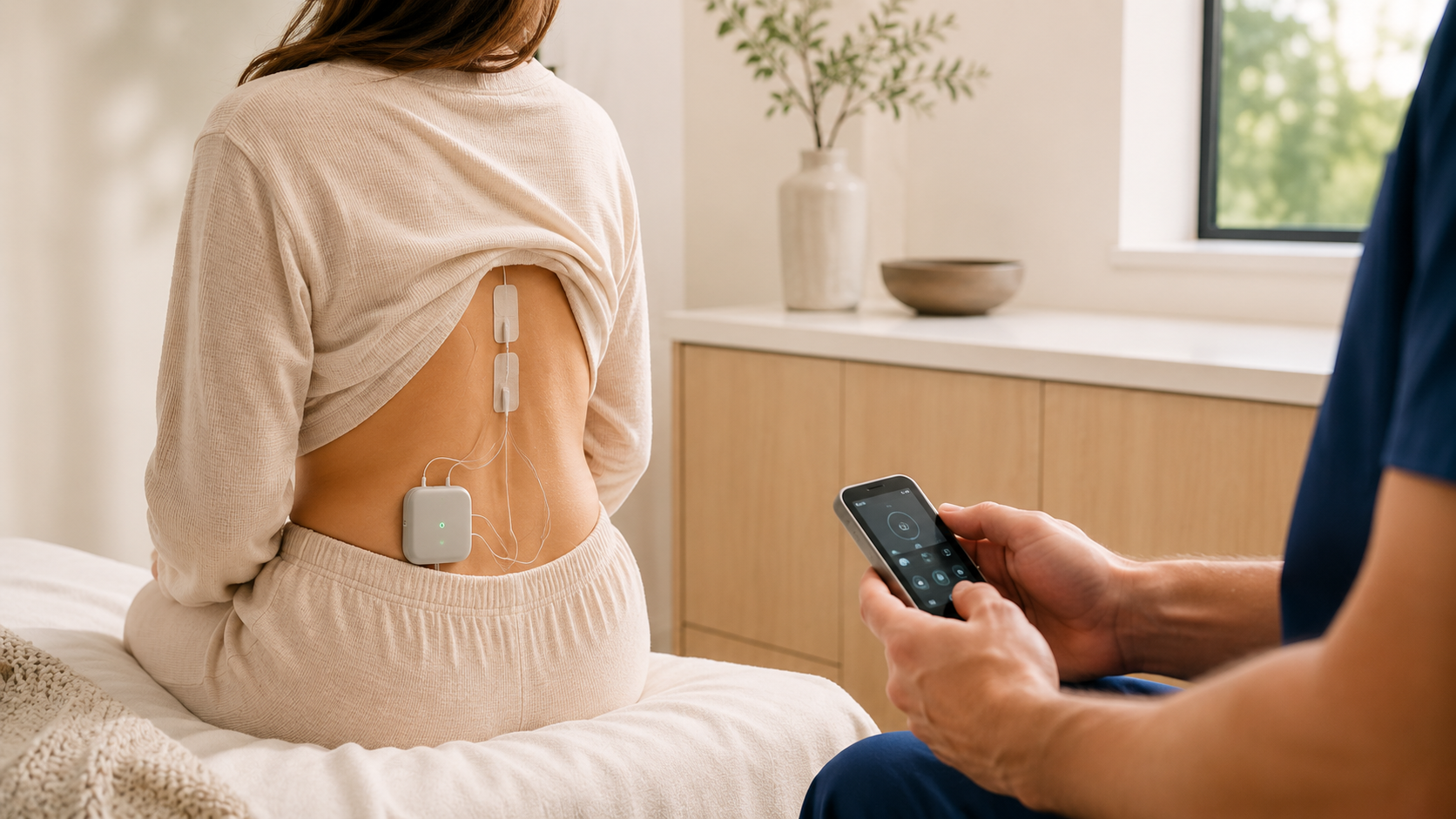
PNS places a small stimulation lead near a targeted peripheral nerve. The stimulation is intended to change pain signaling from that nerve pathway. It does not repair the nerve, cure neuropathy, cure CRPS, cure pelvic pain, or eliminate every pain generator.
The purpose of PNS is to reduce pain signaling and improve function in carefully selected patients. A successful treatment goal may include improved sitting tolerance, walking tolerance, sleep, activity, pelvic function, reduced pain flares, or reduced reliance on certain medications when clinically appropriate. Results vary, which is why trialing and careful follow-up are important.
Conditions That May Be Considered for PNS
Peripheral nerve stimulation may be considered for selected patients with focal peripheral nerve pain, peripheral nerve entrapment, peripheral neuropathy with a focal pain target, pudendal neuralgia overlap, pelvic nerve pain, foot or ankle nerve pain, CRPS, post-surgical nerve pain, post-traumatic nerve pain, or complex chronic pain.
The key question is whether the pain can be mapped to a specific peripheral nerve. If symptoms are widespread, centrally amplified, inflammatory, spine-driven, or caused by another untreated condition, PNS may not be the best next step.
PNS for Pelvic Pain and Pudendal Neuralgia
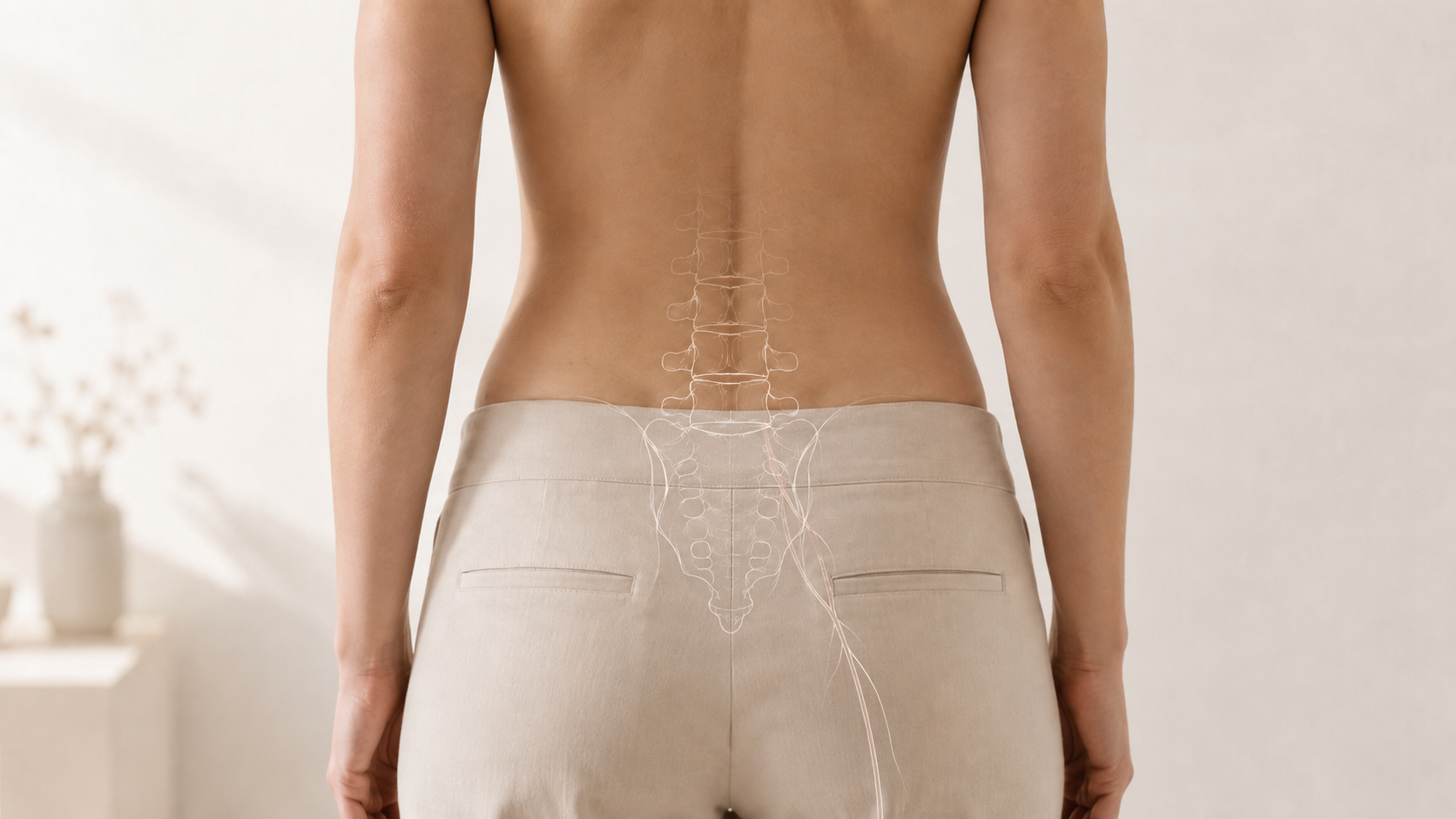
PNS may be considered for selected pelvic nerve pain patterns, including some cases of pudendal neuralgia overlap. This requires careful evaluation because pelvic pain can come from pudendal nerve irritation, pelvic floor dysfunction, endometriosis, pelvic dystonia, ganglion impar pathway involvement, superior hypogastric plexus pathways, spine-related nerve pain, hip or SI joint mechanics, and central sensitization.
MPM evaluates pain distribution, sitting tolerance, genital, rectal, perineal, or pelvic symptoms, prior pudendal nerve block response, pelvic floor therapy response, and other contributors before considering PNS. Some patients may be better suited for pudendal nerve block, nerve hydrodissection, pelvic floor trigger point injections, sympathetic blocks, DRG stimulation, or broader neuromodulation.
PNS for Foot Pain, Nerve Entrapment, and Neuropathy
PNS may be considered when foot, ankle, or lower extremity pain appears related to a specific peripheral nerve. This may include selected cases of nerve entrapment, focal neuropathic pain, post-surgical nerve pain, or persistent pain after other treatments.
Foot pain can also come from joint problems, tendon or ligament injury, spine-related nerve pain, peripheral neuropathy, tarsal tunnel-type symptoms, Morton’s neuroma, inflammatory disease, or altered biomechanics. MPM evaluates these possibilities before recommending a peripheral nerve stimulation pathway.
PNS for CRPS and Complex Chronic Pain
Some patients with CRPS or complex chronic pain may have a focal peripheral nerve target that could make PNS relevant. Others may have more regional or centralized pain patterns that are better suited for dorsal root ganglion stimulation, spinal cord stimulation, sympathetic blocks, rehabilitation, medication management, pain psychology, or another pathway.
MPM evaluates CRPS features such as sensitivity, swelling, color or temperature changes, sweating changes, movement limitation, functional impact, and prior block response before recommending a neuromodulation option.
PNS vs. Spinal Cord Stimulation and DRG Stimulation
Peripheral nerve stimulation targets a specific peripheral nerve. Spinal cord stimulation targets broader spinal pain pathways. Dorsal root ganglion stimulation targets a sensory nerve structure near the spine that may correspond to more focal body regions.
PNS is not simply smaller spinal cord stimulation. It is a different strategy for a different type of pain target. MPM determines the best option based on the diagnosis, pain map, nerve anatomy, prior response to blocks or hydrodissection, imaging findings, and functional goals.
PNS After Nerve Blocks or Nerve Hydrodissection
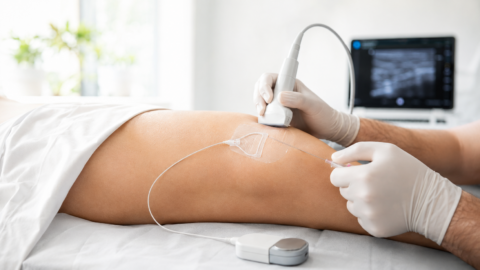
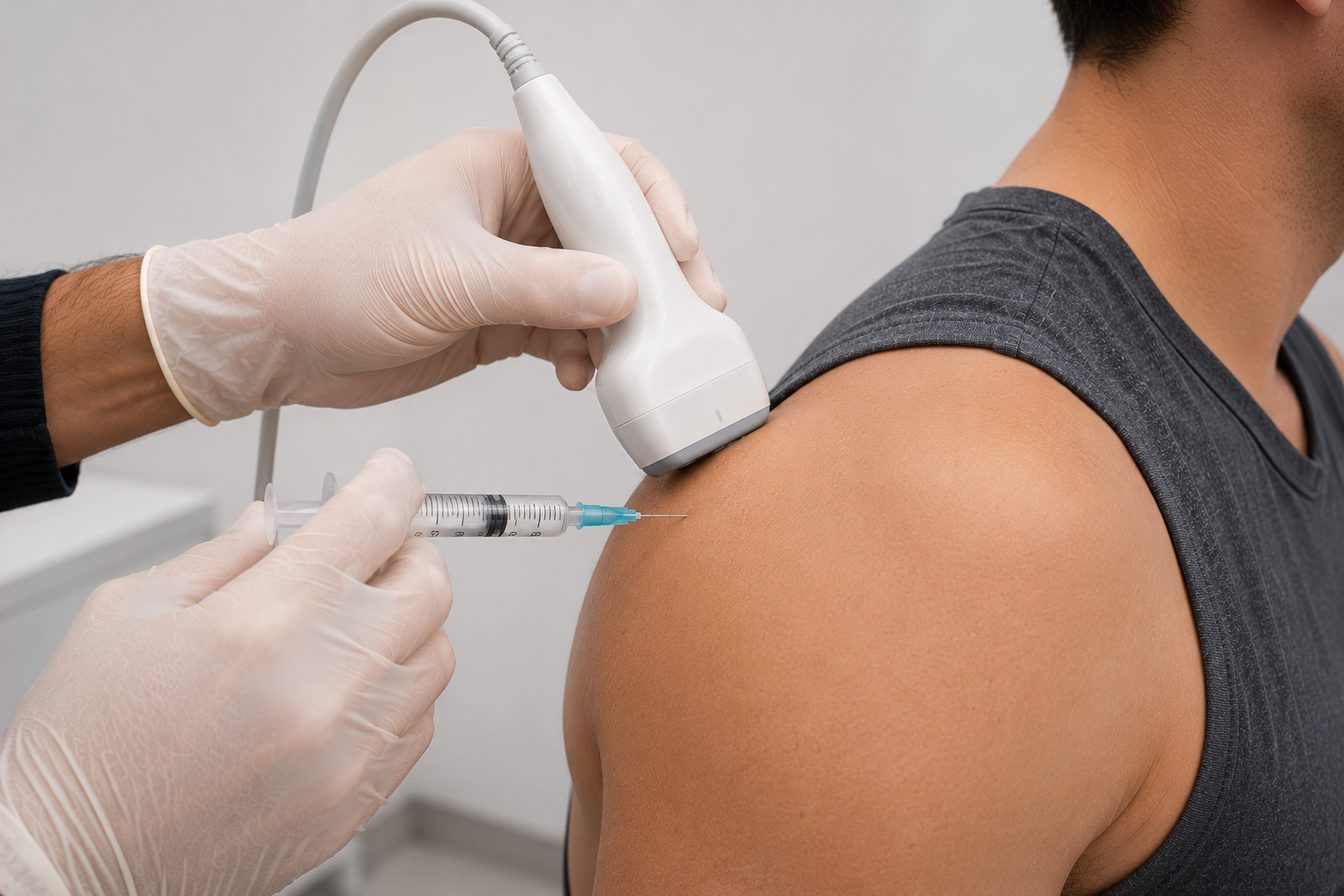
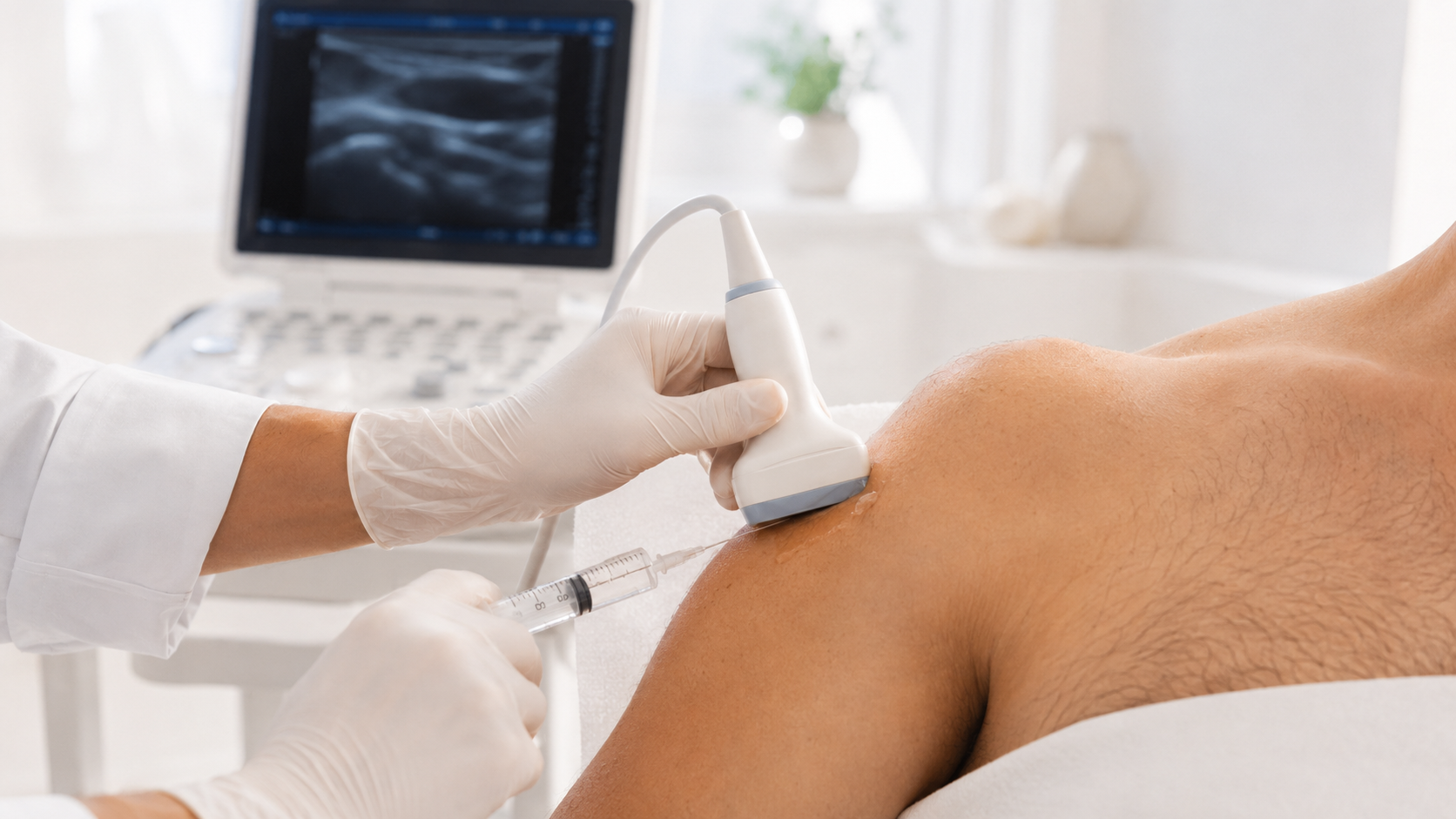
A prior response to a nerve block may help suggest that a specific peripheral nerve is involved. Nerve hydrodissection may be considered when a nerve appears restricted or irritated by surrounding tissue. If these treatments provide temporary or incomplete relief, PNS may be considered in selected cases.
Temporary relief does not automatically mean PNS is appropriate. MPM reviews the location, duration, and quality of relief, along with the patient’s anatomy, safety profile, and broader care plan.
The PNS Trial Process
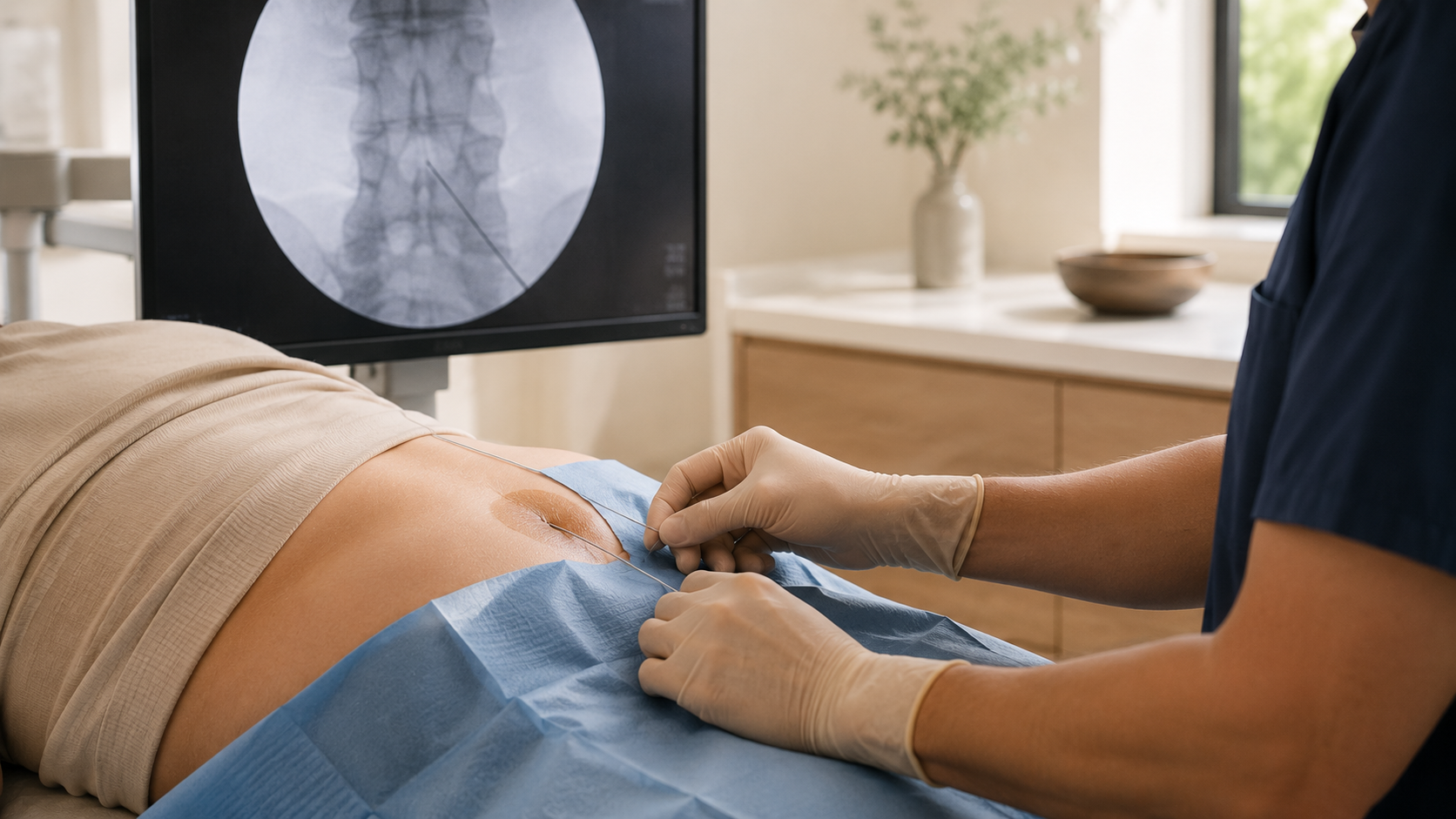
A PNS trial is often used to determine whether stimulation near the target nerve provides meaningful relief. During the trial, a temporary lead is placed near the selected nerve and connected to an external device. The patient tracks pain relief, function, activity tolerance, sleep, stimulation comfort, and side effects.
If the trial is successful, longer-term peripheral nerve stimulation may be discussed. If the trial does not help, the lead is removed and permanent or longer-term PNS is usually not recommended. MPM then reassesses whether another pain generator or treatment pathway should be considered.
Risks and Long-Term Considerations
Peripheral nerve stimulation may require imaging or ultrasound review, psychological screening, medical clearance, medication review, infection risk assessment, insurance authorization, and device follow-up.
Risks may include pain flare, infection, bleeding, lead migration, lead fracture, skin irritation or erosion, device malfunction, uncomfortable stimulation, loss of benefit, implant site pain, need for reprogramming, device removal, revision procedure, nerve irritation, incomplete relief, or no relief.
Patients should seek urgent evaluation for fever, wound drainage, spreading redness, severe swelling, new weakness, new numbness, bowel or bladder dysfunction, saddle anesthesia, chest pain, shortness of breath, severe allergic reaction, rapidly worsening pain, device-related burning or shocking sensation, or new neurological symptoms.
For selected patients, peripheral nerve stimulation may be an important part of an advanced chronic pain plan. MPM’s role is to determine whether a specific peripheral nerve is clinically meaningful, whether PNS is appropriate, and how stimulation fits within a coordinated, diagnosis-first care plan.