Occipital Nerve Block
An occipital nerve block is a targeted injection placed near the greater or lesser occipital nerve. These nerves are located in the back of the head and upper neck region and provide sensation to parts of the scalp. When the occipital nerves are irritated or sensitized, pain may feel sharp, shooting, burning, aching, or tender.
At Manhattan Pain Medicine (MPM), occipital nerve block NYC care begins with diagnosis-first headache evaluation. The goal is to determine whether the occipital nerve is likely contributing to symptoms and whether a block may provide diagnostic information, temporary relief, or both.
What Occipital Nerve Pain Can Feel Like
Occipital nerve pain may start at the base of the skull or upper neck and travel toward the back or top of the head. Some patients feel scalp tenderness, pain with brushing hair, sensitivity over the back of the head, or pain that travels toward the eye. Symptoms may be one-sided or occur on both sides.
These symptoms can overlap with many headache disorders. Occipital neuralgia can mimic migraine, cluster headache, cervicogenic headache, hemicrania, or tension headache. Neck pain, cervical spine irritation, muscle tension, and trigeminal pathways may also contribute to symptoms. MPM evaluates the full headache pattern before recommending an injection.
Diagnostic vs. Therapeutic Occipital Nerve Blocks
An occipital nerve block may be diagnostic, therapeutic, or both. A diagnostic block helps determine whether the occipital nerve is involved. If the patient has temporary relief in the expected area, that response may support the occipital nerve as a pain generator.
A therapeutic block may help reduce symptoms for a period of time. Relief may last hours, days, weeks, or longer depending on the medication used and the patient’s condition. Some patients may not respond. A block does not cure headache disorders, but the response can guide the next step in care.
Occipital Nerve Block for Migraine, Cluster Headache, and Neck-Related Pain
Occipital nerve blocks may be considered for selected patients with migraine overlap, cluster headache patterns, tension headache overlap, or cervicogenic headache when occipital nerve involvement is suspected. For migraine, a block may be considered when posterior head pain, scalp tenderness, or neck-related pain is part of the pattern. For cluster headache, it may be considered as part of a broader headache strategy in selected cases.
These conditions still require accurate diagnosis and appropriate headache management. Occipital nerve blocks do not replace migraine prevention, acute headache medication, Botox for migraine, neurological evaluation, imaging when indicated, or emergency care for red flag symptoms.
What Treatment May Involve
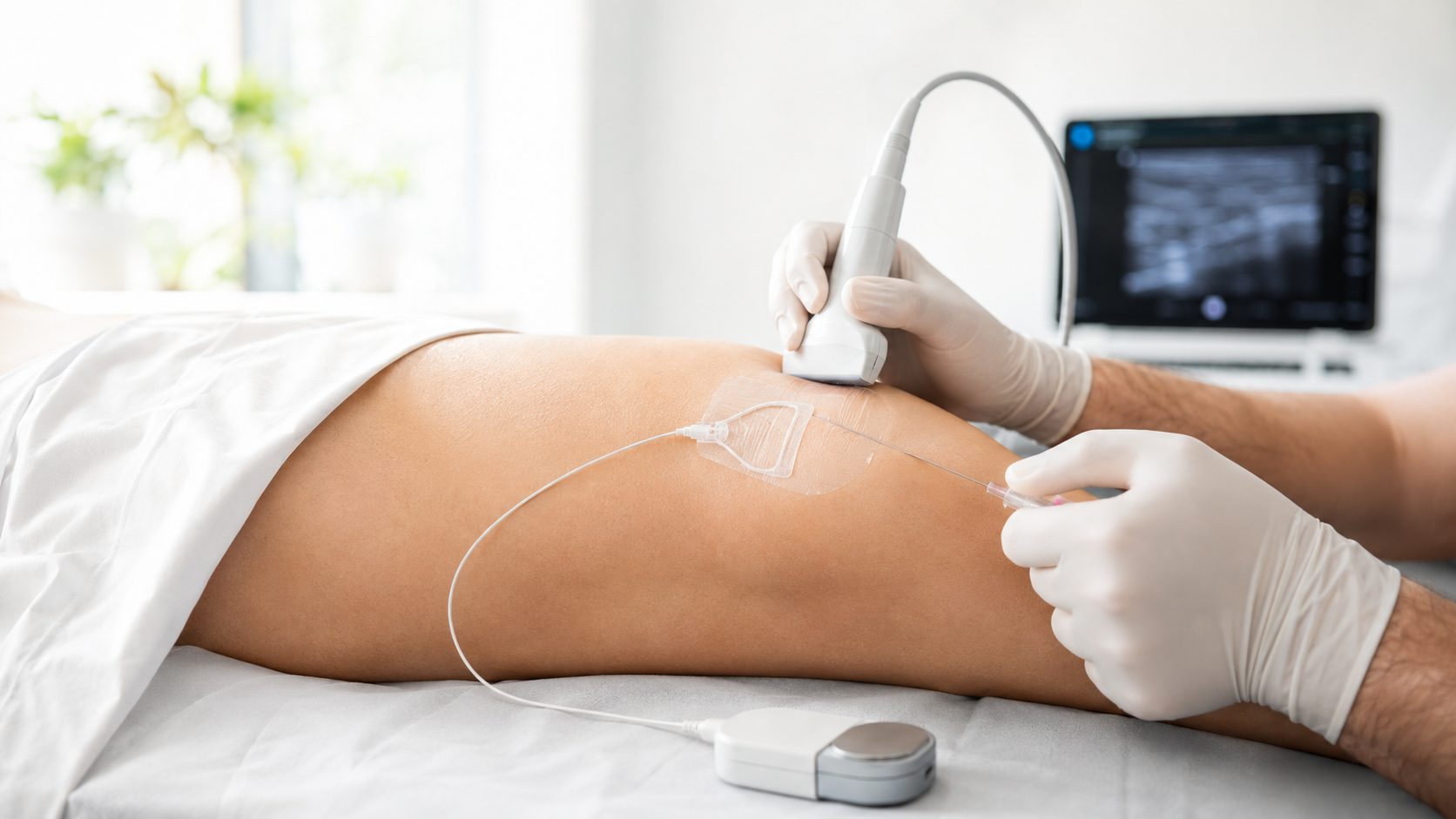
Before treatment, MPM reviews headache history, pain location, neurological symptoms, scalp tenderness, neck symptoms, prior imaging, medication history, and prior headache treatments. The injection is placed near the greater or lesser occipital nerve. The medication may include local anesthetic, sometimes with corticosteroid when clinically appropriate.
Patients may feel pressure, brief discomfort, warmth, numbness, tenderness, or temporary scalp sensation changes. Some may notice improvement within minutes. Others may have delayed improvement, temporary soreness, or no relief.
What the Response May Mean
If the block provides meaningful temporary relief, it may suggest that the occipital nerve is contributing to the headache pattern. That may guide additional treatment such as physical therapy, medication management, Botox for migraine, nerve hydrodissection, peripheral nerve stimulation, or neuromodulation when appropriate.
If the block does not help, the pain is still real. It may mean the occipital nerve is not the main driver, the target needs reassessment, or another headache disorder is responsible. MPM may then evaluate migraine, cluster headache, hemicrania, tension headache, cervical spine pain, TMJ overlap, or secondary headache causes.
Risks and Urgent Symptoms
Risks may include pain flare, bruising, bleeding, infection, allergic reaction, temporary numbness, dizziness, vasovagal reaction, nerve irritation, local anesthetic effects, steroid-related side effects when steroids are used, incomplete relief, temporary relief only, or no relief.
Patients should seek urgent evaluation for sudden worst headache, new neurological deficits, vision loss, confusion, fever, stiff neck, trauma, cancer history, immune suppression, pregnancy or postpartum headache, new headache after age 50, headache with fainting, or a major change in headache pattern.
For selected patients, an occipital nerve block may be an important step in understanding headache or scalp pain. MPM’s role is to determine whether the occipital nerve is the right target and how the block fits within a coordinated, medically responsible headache care plan.