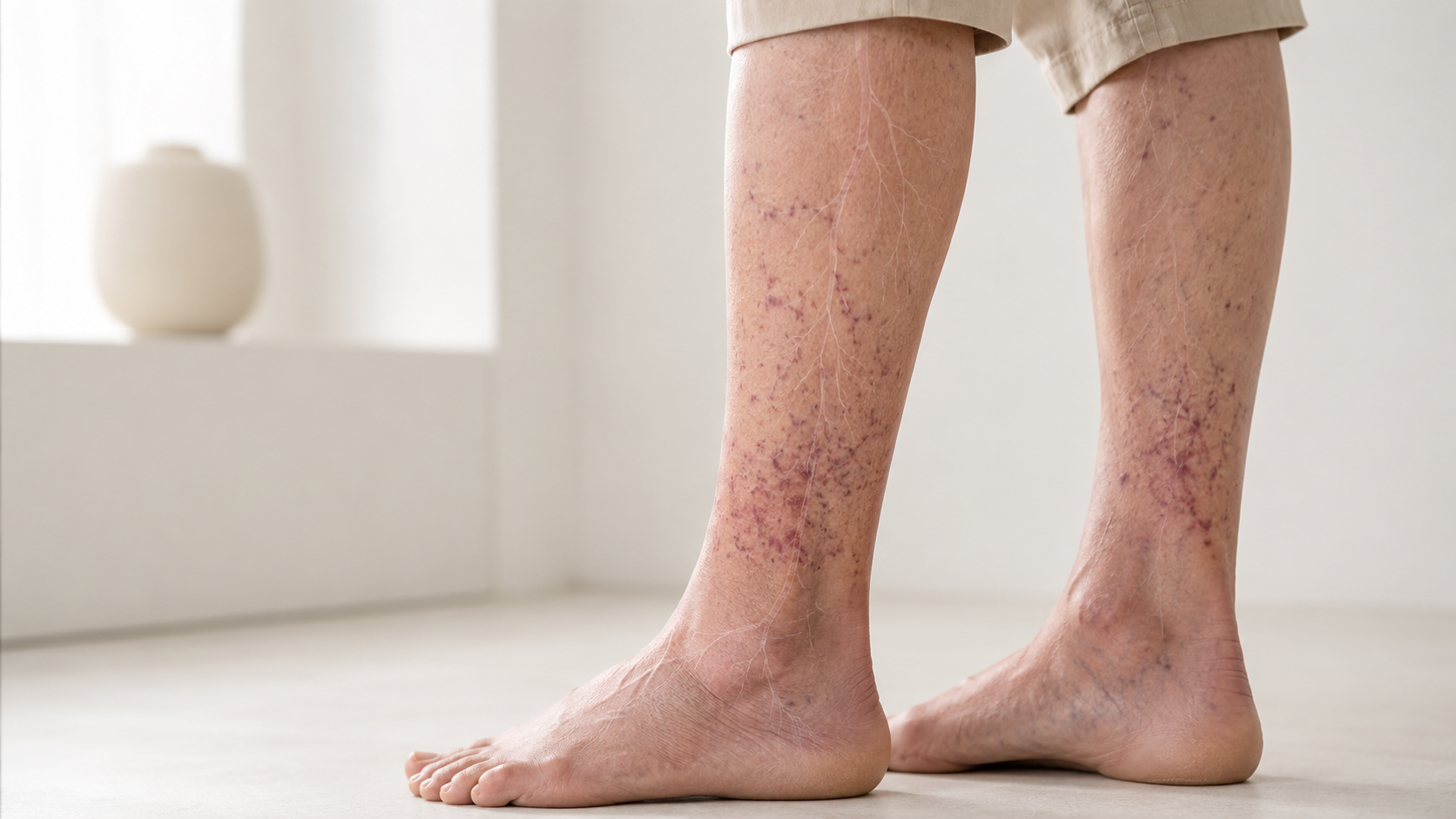
DMARDs Treatment
DMARDs, or disease-modifying antirheumatic drugs, are medications used to treat selected autoimmune and inflammatory diseases. They are not general pain medications. Their purpose is to reduce inflammatory disease activity over time, which may help protect joints, reduce swelling and stiffness, and improve function for selected patients.
At Manhattan Pain Medicine (MPM), DMARDs treatment NYC care is approached through diagnosis-first evaluation and specialist coordination. The goal is to determine whether pain is truly inflammatory, whether DMARDs may be relevant, and whether other pain generators also need to be addressed.
How DMARDs Differ from Regular Pain Medications
Regular pain medications may reduce pain signals, inflammation, nerve sensitivity, muscle spasm, or symptom burden. DMARDs are different. They are disease-modifying treatments for specific autoimmune or inflammatory conditions. They may be used for rheumatoid arthritis, psoriatic arthritis, lupus, Sjogren’s, vasculitis, seronegative spondyloarthropathy, and other inflammatory conditions when clinically appropriate.
DMARDs may take weeks or months to work, and they require monitoring. They are not usually used simply because a patient has pain. MPM helps evaluate whether the patient’s symptoms suggest inflammatory disease or whether pain may be mechanical, neuropathic, hypermobility-related, gout-related, centralized, or mixed.
Types of DMARDs
DMARD categories include conventional synthetic DMARDs, biologic DMARDs, and targeted synthetic DMARDs. Conventional synthetic DMARDs may be used in conditions such as rheumatoid arthritis and other inflammatory diseases. Biologic DMARDs target specific immune pathways and may be given by injection or infusion. Targeted synthetic DMARDs work through specific intracellular pathways and require careful monitoring.
The choice of medication depends on diagnosis, disease activity, prior treatment response, risks, side effects, cost, patient preferences, and specialist guidance. MPM does not replace rheumatology management. Instead, MPM helps connect inflammatory disease treatment with pain generator evaluation and coordinated care.
Inflammatory Pain Patterns DMARDs May Address
DMARDs may be relevant when pain is linked to inflammatory arthritis, joint swelling, prolonged morning stiffness, psoriasis-related joint symptoms, inflammatory enthesitis, lupus-related symptoms, Sjogren’s overlap, vasculitis, or connective tissue disease. For example, a patient with hand swelling and stiffness may need evaluation for rheumatoid arthritis. A patient with psoriasis and tendon insertion pain may need assessment for psoriatic arthritis or enthesitis. A patient with widespread autoimmune symptoms may need broader specialist evaluation before medication decisions are made.
However, these symptoms are not always inflammatory. Joint pain can come from osteoarthritis, gout, injury, overuse, instability, nerve irritation, or spine referral. SI joint pain can be inflammatory or mechanical. Tendon pain can be enthesitis or tendinopathy. MPM evaluates these possibilities before assuming that DMARDs are the right pathway.
When Pain Persists Despite DMARD Treatment
Some patients continue to have pain even when autoimmune disease is being treated. This does not mean the pain is not real. It may mean that another pain generator is present. Persistent pain may come from joint damage, tendinopathy, nerve irritation, small fiber neuropathy, spine disease, sacroiliac joint dysfunction, hypermobility, gout, central sensitization, or deconditioning.
MPM helps evaluate these overlapping contributors. A patient may need imaging review, diagnostic ultrasound, targeted injections, medication management, biologics, infusions, rehabilitation, or additional specialist coordination. DMARDs may reduce inflammatory disease activity, but they may not resolve pain from mechanical, neuropathic, hypermobility-related, or centralized sources.
Safety Screening and Monitoring
DMARDs require careful safety review. Depending on the medication, patients may need blood count monitoring, liver function monitoring, kidney function monitoring, infection risk review, vaccine review, pregnancy considerations, alcohol use review for some medications, and medication interaction review. Some patients may need coordination with rheumatology, dermatology, gastroenterology, primary care, or another clinician.
Patients should report fever, signs of infection, shortness of breath, chest pain, severe allergic reaction, severe rash, mouth sores, unusual bruising or bleeding, yellowing of the skin or eyes, severe abdominal pain, black or bloody stool, new neurological symptoms, rapidly worsening weakness, or rapidly worsening symptoms.
For selected patients, DMARDs may be an important part of autoimmune and inflammatory pain care. MPM’s role is to help determine whether inflammation is likely contributing to symptoms, whether DMARD-related care should be coordinated, and whether additional pain sources need targeted evaluation.