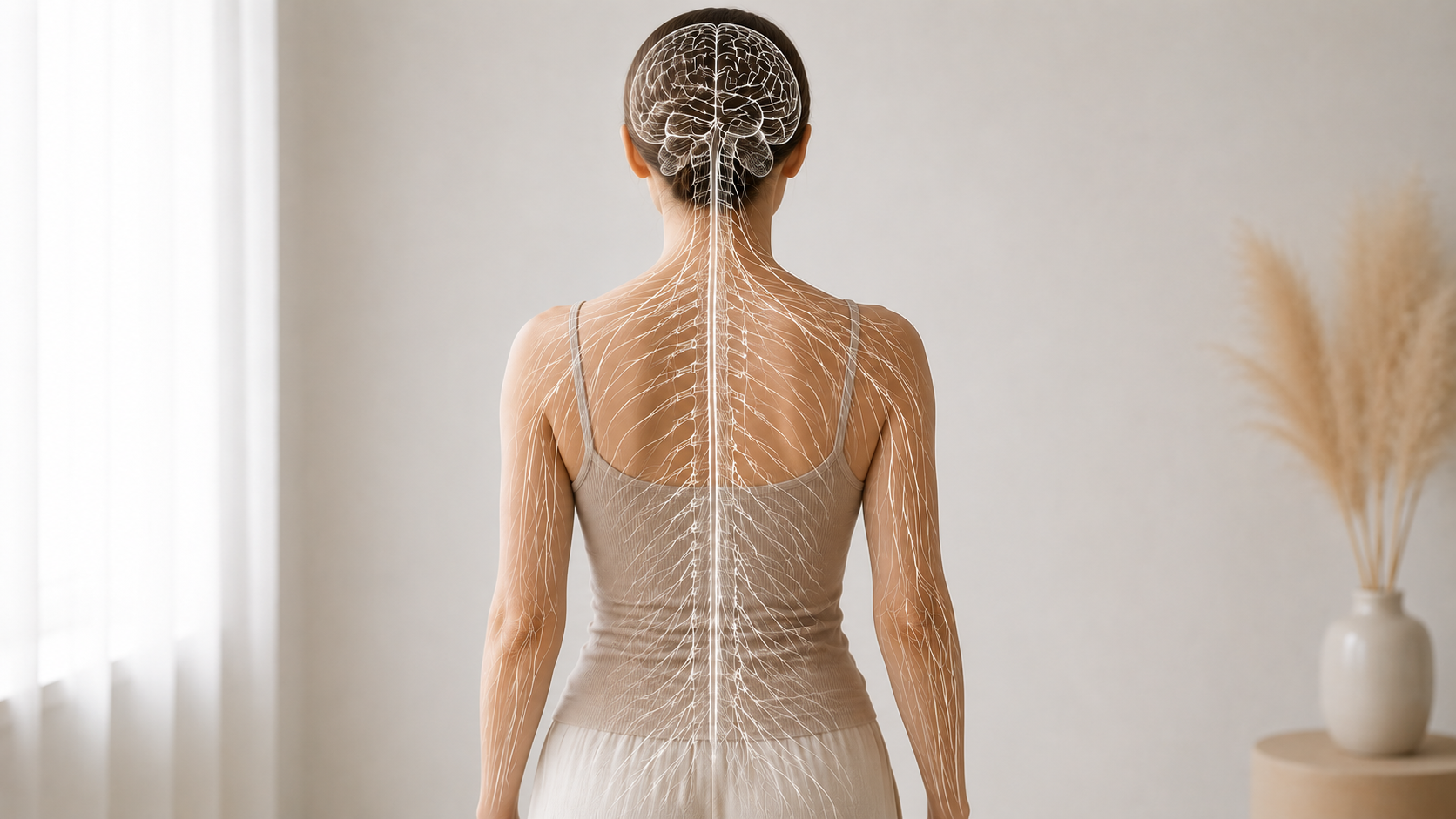
Chronic pain is not simply a physical sensation. It is a nervous system experience that can affect nearly every part of life, including sleep, movement, work, relationships, memory, attention, mood, identity, and hope for the future.
At Manhattan Pain Medicine, pain psychology is part of the care model because pain is both sensory and emotional. Even when pain begins from a joint, nerve, organ, injury, inflammatory condition, or structural problem, the brain and nervous system shape how that pain is processed and how the body responds to it over time.
Pain Psychology Is Not Standard Talk Therapy
Pain psychology is focused on the relationship between pain, the nervous system, behavior, medical trauma, emotional distress, and function. It is practical, strategic, and closely connected to the medical treatment plan.
The goal is not to convince patients that pain is psychological. The goal is to help patients understand how the nervous system responds to pain, how fear and stress can amplify symptoms, and how regulation tools can help the body move out of a constant alarm state.
The Fight-or-Flight Loop
Chronic pain can keep the sympathetic nervous system stuck in a heightened fight-or-flight state. This is the body’s alarm system. It is designed to protect us, but when it stays activated for too long, the brain and body may begin to interpret normal signals as threatening.
Patients may feel tense, vigilant, exhausted, irritable, overwhelmed, or unable to relax. They may fear movement, brace before activity, scan constantly for symptoms, or feel as though the body is never safe. Over time, this alarm loop can contribute to central sensitization and make pain feel louder, faster, and harder to predict.
Psychological Sensitization
Psychological sensitization does not mean the pain is imagined. It means that the emotional and cognitive systems involved in threat, memory, attention, and meaning are interacting with the physical pain system.
Fear, anger, grief, uncertainty, and unresolved trauma can all increase the nervous system’s sensitivity. When the brain is overwhelmed, it may have less capacity to think clearly, track symptoms, make decisions, or tolerate normal fluctuations in pain.
Medical Trauma and Loss of Trust
Many patients with complex chronic pain arrive after years of being dismissed, misunderstood, or told that nothing is wrong. Some have undergone failed procedures or repeated evaluations without a clear explanation. These experiences can create medical trauma and make future care feel threatening, even when the new care team is trying to help.
Pain psychology helps patients rebuild trust carefully. This may include preparing for appointments, organizing questions, tracking treatment responses, processing disappointment, and learning how to stay engaged in care without feeling consumed by it.
Loss of Identity
Chronic pain can take away roles that once gave life structure and meaning. Patients may lose access to work, hobbies, exercise, intimacy, social connection, independence, or the sense of being reliable in their own body.
When pain becomes the organizing center of life, identity can narrow. Part of pain psychology is helping patients grieve what has been lost while also building a life that is not defined only by symptoms.
Common Clinical Patterns
Cognitive and Emotional Overwhelm
Chronic pain can fill the mind with fear, urgency, frustration, and grief. Patients may feel unable to process new information, may ask the same questions repeatedly, or may try to control every detail of care because uncertainty feels intolerable. This is often a sign of nervous system overload, not lack of understanding.
Dissociation and Disconnection from the Body
Some patients cope by disconnecting from the painful area or from the body as a whole. This can be protective in the short term, but it may also make it harder to notice subtle changes, track symptoms accurately, or rebuild trust in movement.
Fear of Movement
When movement repeatedly leads to flares, the brain may begin to treat movement as dangerous. Patients may avoid activity, brace before motion, or feel panic around physical therapy. Pain psychology helps patients re-enter movement gradually, with pacing, safety, and a clearer plan.
Fear of Hope
After years of disappointment, hope can feel dangerous. Patients may fear that any new treatment will lead to another failure. Pain psychology helps patients hold realistic hope without requiring certainty, and helps them measure progress through evidence rather than pressure.
Maintenance Phase Anxiety
When pain begins to improve, some patients feel unexpected anxiety. The brain is no longer occupied only with survival, and delayed grief, fear of recurrence, or questions about identity may surface. This phase requires support, not dismissal.
Discovery
Discovery begins by understanding how pain has changed the patient’s nervous system and life. We look at fear, avoidance, grief, medical trauma, coping patterns, identity loss, sleep disruption, flare behavior, symptom tracking, and the patient’s relationship with the body.
Patients may be coached to describe symptoms in a more granular way. Instead of treating all pain as one overwhelming experience, they learn to name distinct pain patterns, identify triggers, track responses, and separate physical signals from fear-driven interpretations.
This helps restore the locus of control. The patient moves from feeling like pain is happening to them without explanation toward becoming an active participant who can observe patterns, test strategies, and make informed decisions with the care team.
Treatment
Treatment combines top-down and bottom-up approaches. Top-down strategies work through thoughts, attention, meaning, and behavior. Bottom-up strategies work through the body, breath, sensory system, and autonomic nervous system.
- Cognitive behavioral therapy: CBT can help identify fear-driven thoughts, catastrophic predictions, and automatic responses that increase distress or avoidance.
- Acceptance and commitment therapy: ACT helps patients reconnect with values, build flexibility, and take meaningful action even while symptoms are still being treated.
- Biofeedback: Biofeedback gives patients real-time information about nervous system arousal, helping them learn how breathing, attention, posture, and regulation strategies affect the body.
- Somatic processing: Somatic approaches help patients notice body sensations safely, reduce fear of internal signals, and reconnect with the body without becoming overwhelmed.
- EMDR and trauma-informed care: Trauma-informed approaches may help patients process medical trauma, fear, grief, and memories that keep the nervous system on high alert.
- Safe and Sound Protocol: This sound-based nervous system intervention may be used in selected patients to support autonomic regulation and a greater sense of safety.
- Ketamine-assisted psychotherapy: In selected cases, ketamine-assisted psychotherapy may help patients access a window of nervous system flexibility for trauma processing, emotional integration, and altered engagement with pain.
- Pacing and behavioral planning: Patients learn to avoid boom-and-bust cycles, build sustainable routines, and create contingency plans for flares.
- Support groups and education: Chronic pain support groups and structured education programs such as Empowered Relief can help reduce isolation and provide practical tools for the pain journey.
Why Pain Psychology Matters in Medical Treatment
Complex pain care often requires patience, testing, uncertainty, and stepwise decision-making. When the nervous system is overwhelmed, it becomes harder to tolerate that process. Patients may understandably want one immediate answer or one definitive fix.
Pain psychology helps patients stay engaged through discovery, treatment, and maintenance. It supports the ability to track results, tolerate uncertainty, regulate fear, communicate clearly with providers, and make decisions from a steadier place.
Maintenance
Maintenance begins when the patient has stronger tools, more stability, and a clearer understanding of the pain process. At this stage, the work often shifts toward identity reconstruction, meaning, confidence, and life beyond survival mode.
Patients may need to grieve the years lost to pain, let go of protective armor, rebuild relationships, redefine activity, and create a future that is not organized entirely around symptoms. This is not a cosmetic part of care. It is central to long-term recovery and self-management.
The goal of the Psychology of Pain Zone is to help the brain and body work together again, so patients can move through care with more clarity, less fear, and a stronger sense of agency.