Psychological Sensation
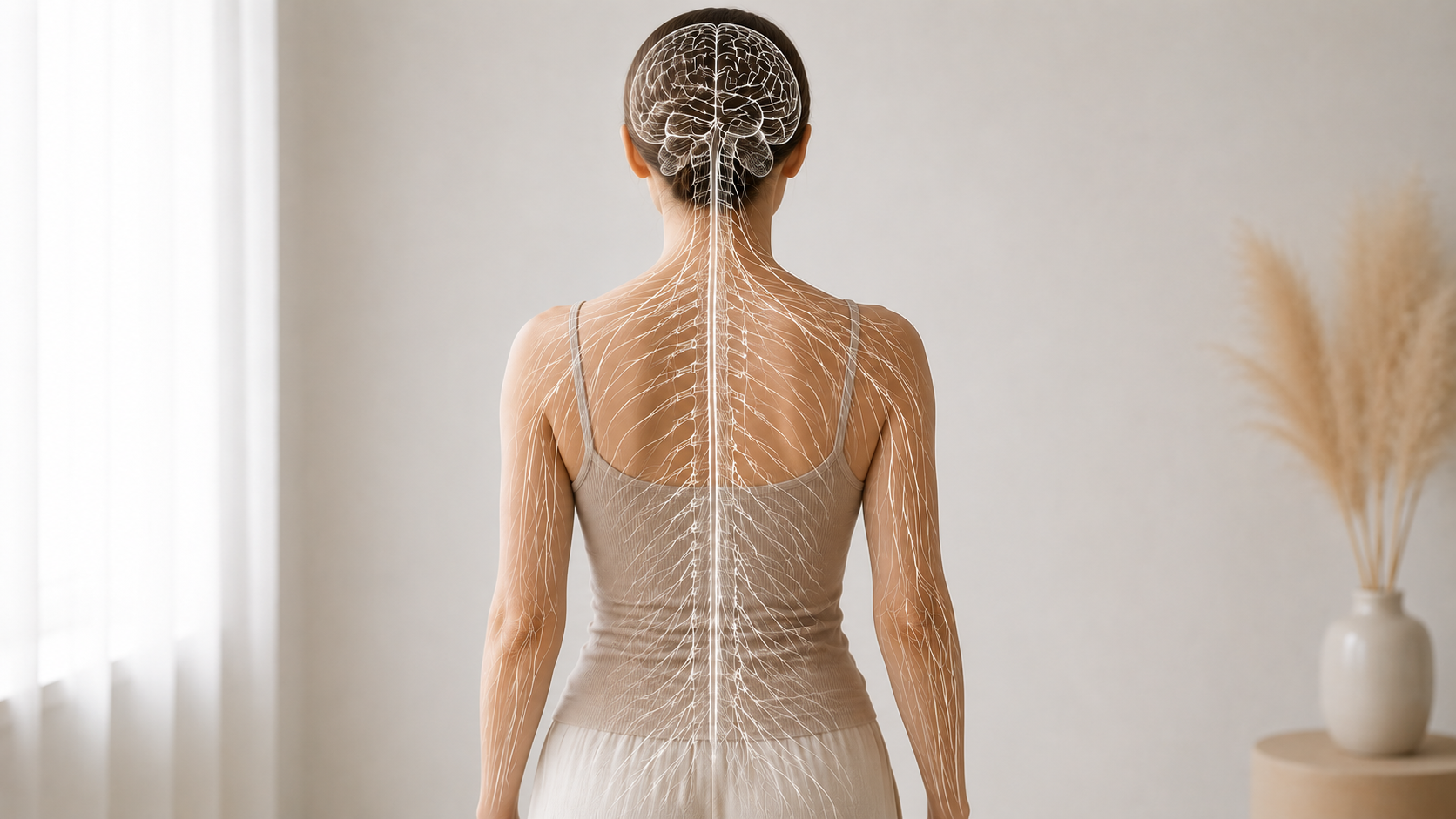
Psychological sensation is a term for real physical symptoms that may be shaped, triggered, or amplified by the nervous system, stress physiology, trauma, fear, medical uncertainty, or chronic pain pathways. Patients may describe pain, tightness, burning, pressure, dizziness, nausea, palpitations, abdominal discomfort, stomach pain, pelvic pain, headache, fatigue, or body alarm signals that become stronger during stress, uncertainty, or medical situations.
This topic requires careful language because many patients have been dismissed before. Psychological sensation does not mean symptoms are fake. It does not mean the patient is causing them on purpose. It does not mean medical evaluation should stop. It means the brain, body, and nervous system are connected, and those connections can affect how symptoms are generated and experienced.
Why Symptoms Can Be Real When Testing Is Unclear
Many patients with chronic pain or unexplained symptoms have normal or incomplete test results. Imaging may not show damage. Bloodwork may be inconclusive. Specialist evaluations may not agree. This can leave patients feeling invalidated or afraid that something has been missed.
A diagnosis-first approach is important. Before symptoms are described as psychosomatic, psychogenic, functional, or stress-related, clinicians should consider relevant medical, neurologic, inflammatory, autonomic, pelvic, structural, and musculoskeletal causes. MPM evaluates these possibilities while also recognizing that the nervous system can amplify symptoms even when testing does not show a single clear source.
How Stress and Trauma Affect the Body
Stress and trauma can affect the body through the autonomic nervous system, muscle tension, breathing patterns, sleep, inflammation, digestion, pain processing, and attention to body signals. When the body feels unsafe, it may stay in a heightened alarm state. This can make normal sensations feel threatening or painful.
Patients with medical trauma, chronic illness, pelvic pain, headache, abdominal pain, endometriosis, EDS, MCAS-like symptoms, central pain syndromes, or autoimmune-related pain may be especially sensitive to body signals because they have lived through repeated symptoms, uncertainty, or invalidating care. This does not make the symptoms less real. It means the nervous system may need treatment and support alongside medical care.
Psychological Sensation and Central Sensitization
Central sensitization occurs when the nervous system becomes more sensitive over time. Pain may feel stronger, spread more widely, or persist after tissues have healed. Touch, movement, temperature, stress, sound, light, or normal body sensations may feel intense or painful.
Psychological sensation can overlap with central sensitization, but they are not exactly the same. A patient may have central pain syndromes, anxiety around symptoms, autonomic arousal, medical PTSD, pelvic pain, headache, abdominal pain, or musculoskeletal pain at the same time. MPM evaluates how these layers interact rather than assuming one label explains everything.
Somatic Symptom Disorder and Chronic Pain
Somatic symptom disorder involves significant distress and difficulty functioning related to physical symptoms. The symptoms may be medically explained, partially explained, or unclear. The diagnosis is not a statement that symptoms are invented. It is a way of describing when symptom-related distress, fear, and functional impact become part of the clinical picture.
Some patients benefit from psychiatry, psychotherapy, pain psychology, medication management, or coordinated care. MPM’s role is to evaluate pain and nervous system contributors while coordinating with mental health professionals when symptoms require trauma-focused therapy, psychiatric support, or broader behavioral health care.
Treatment Options for Psychological Sensation and Mind-Body Pain
Treatment depends on the patient’s symptom pattern and medical workup. Pain psychology can help with nervous system regulation, fear of symptoms, stress physiology, pacing, sleep, trauma response, and function. Biofeedback can help patients learn how breathing, muscle tension, heart rate, and autonomic activation may relate to symptoms. Acupuncture and Feldenkrais may support body awareness, movement confidence, and regulation for selected patients.
Medication management may be helpful when pain, sleep, anxiety, depression, nerve sensitivity, or autonomic symptoms are part of the picture. Stellate ganglion blocks, ketamine therapy, and lidocaine and ketamine infusions may be discussed only in selected cases after careful screening. These treatments should not be presented as cures for trauma, somatic symptom disorder, or psychological sensation.
Why Coordinated Care Matters
Psychological sensation often sits at the intersection of multiple systems. A patient may need pain medicine, psychology, psychiatry, neurology, primary care, gastroenterology, gynecology, rheumatology, cardiology, or autonomic evaluation depending on symptoms. The care plan should not force a choice between “medical” and “psychological.” In complex chronic pain, both the body and nervous system may need attention.
MPM uses a trauma-informed and diagnosis-first model. This means evaluating pain carefully, explaining findings clearly, asking permission before sensitive parts of care, pacing treatment when needed, and creating a plan that respects both physical symptoms and nervous system sensitivity.
When Symptoms Need Urgent Evaluation
Psychological sensation should never be used as a shortcut diagnosis for new, severe, progressive, or unexplained symptoms. Patients should seek urgent care for chest pain, shortness of breath, fainting, new weakness or numbness, facial droop, speech changes, severe headache, fever, unexplained weight loss, blood in stool or urine, severe abdominal pain, suicidal thoughts, self-harm risk, rapidly worsening symptoms, or loss of bowel or bladder control.
How MPM Approaches Psychological Sensation
MPM approaches psychological sensation through a calm, validating, diagnosis-first model. The evaluation considers central pain syndromes, autonomic dysfunction, pelvic pain, headache, abdominal pain, stomach pain, EDS, endometriosis, MCAS-like symptoms, autoimmune-related pain, musculoskeletal issues, stress physiology, trauma, sleep, fear, and function.
For patients looking for psychosomatic pain treatment in Manhattan, MPM offers a careful and non-dismissive approach to real physical symptoms shaped by the nervous system. The goal is to identify medical and nervous system contributors, reduce symptom fear, support function, and build a coordinated care plan that helps the patient feel understood and safely guided.