
Conditions We Treat
At Manhattan Pain Medicine, conditions are not treated as isolated labels. Our team uses a diagnosis-first, protocol-driven approach to understand what is generating the pain, how it developed, and why it has not resolved, then selects care based on the underlying drivers.
What Are Zones of Expertise?
Our team organizes conditions and treatments into related zones of expertise to make it easier to explore the care paths most relevant to your symptoms and goals.
Use the zone tags above to browse dedicated pages for each focus area, including services, providers, and what to expect during treatment.
Expertise Built for Complex Pain
Explore the Zones of Expertise by clicking or tapping on a circle.


A Diagnosis-First Approach to Complex Conditions
Many pain conditions develop in layers. A primary driver may lead to compensation, guarding, nervous system sensitization, inflammation, or emotional distress over time. Our role is to separate those layers carefully, so treatment is guided by what is actually driving the pain rather than the symptom alone.
How We Evaluate Conditions
-
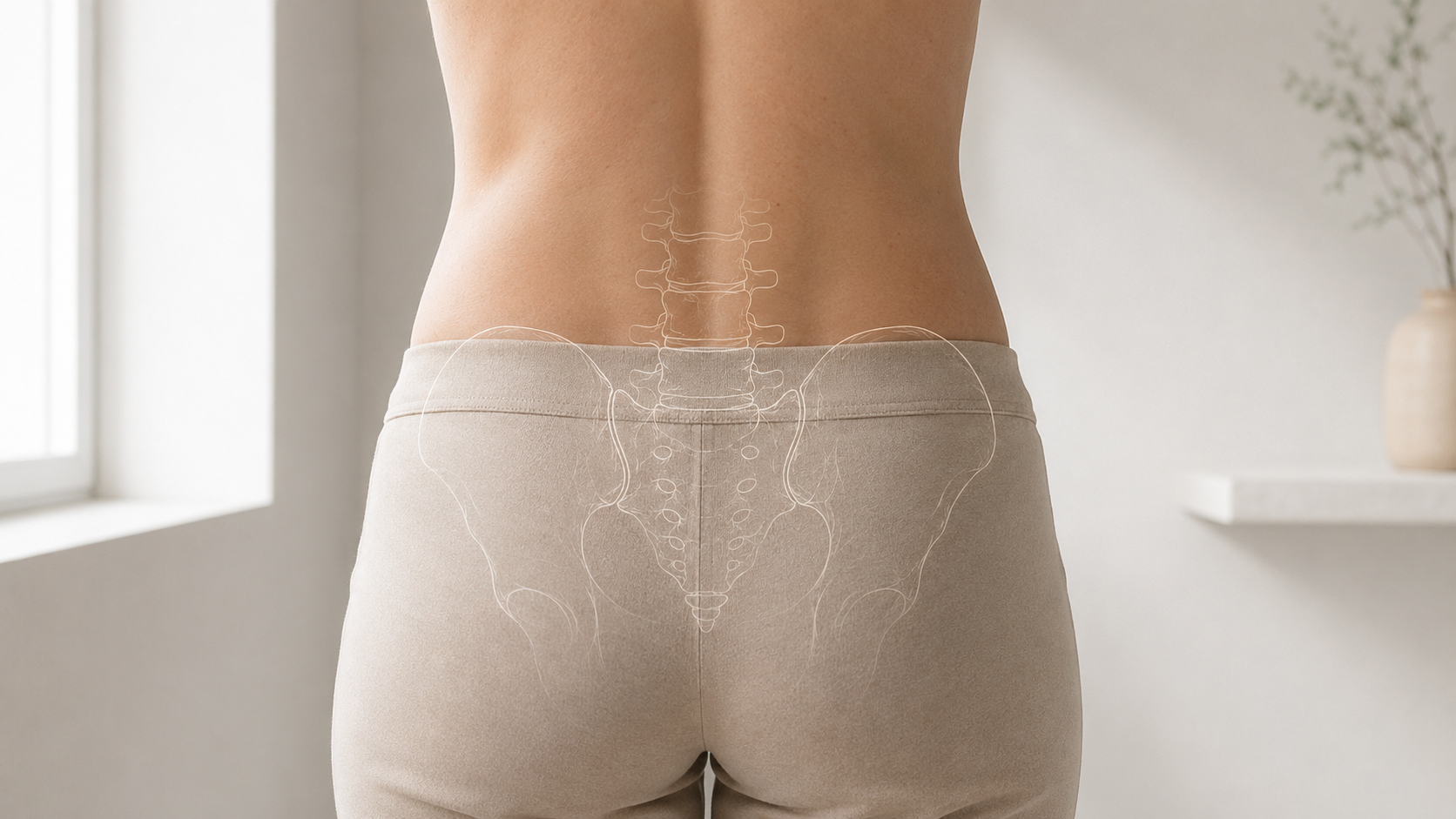
Sacroiliac Joint Dysfunction
Sacroiliac joint dysfunction can cause pain in the lower back, buttock, hip, groin, or thigh. We evaluate the SI joint alongside the spine and hip and consider how inflammation or hypermobility may affect the way the pelvis bears load.
-
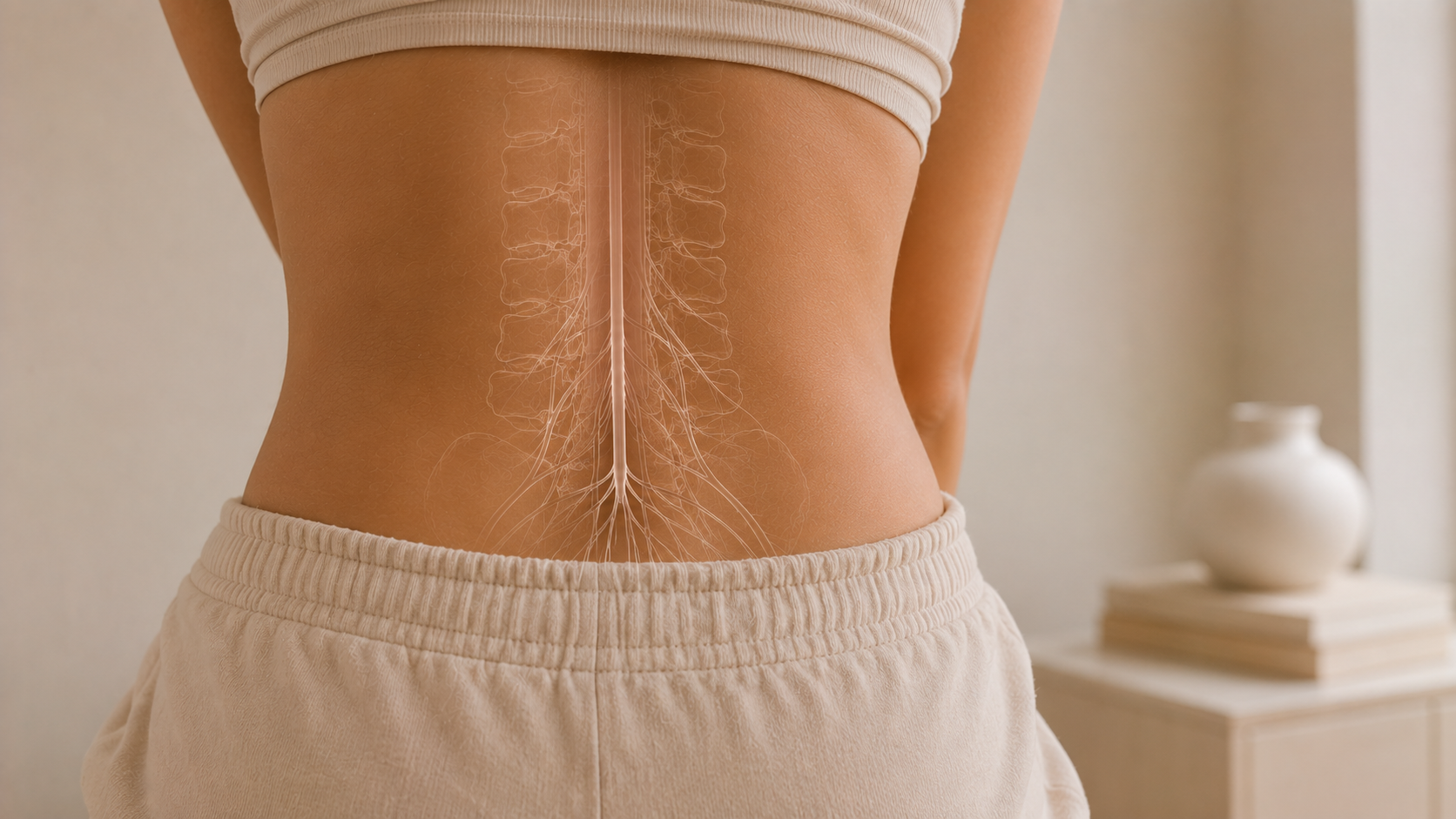
Tethered Cord Syndrome
Tethered cord syndrome involves abnormal tension on the spinal cord and may cause back or leg pain, weakness, changes in walking, or bladder and bowel symptoms. We look at how these findings fit together and coordinate specialist evaluation when indicated.
-

Fibromyalgia
Fibromyalgia can cause widespread pain and sensitivity alongside fatigue, poor sleep, and brain fog. We assess how symptoms cluster and which other conditions may contribute so the care plan addresses the factors affecting your daily function.
-
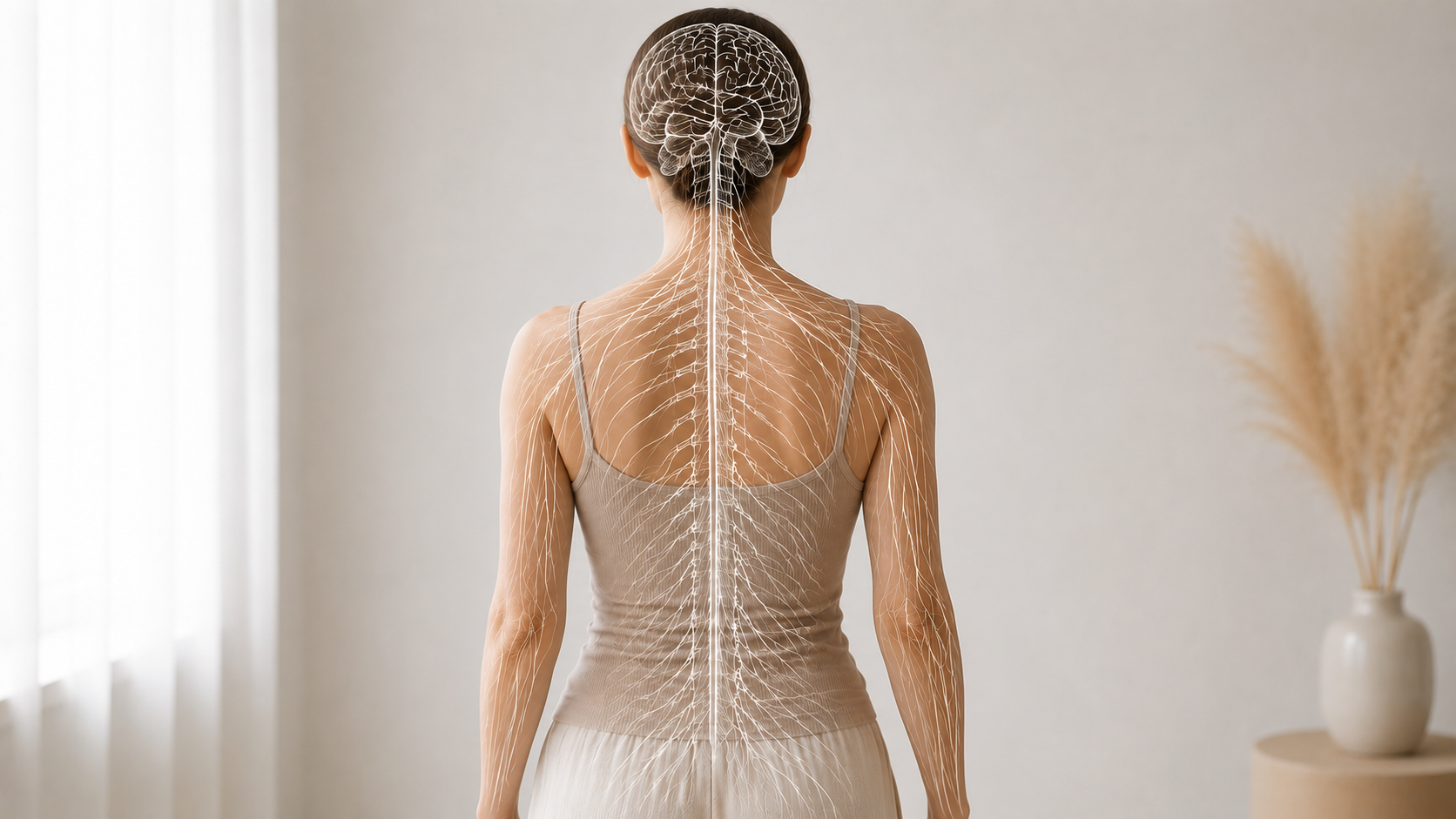
Central Pain Syndromes
Central pain syndromes can cause persistent, widespread, burning, or electric pain when the nervous system amplifies or sustains pain signals. We assess sensitivity, symptom distribution, and other sources of pain to understand how the signals are being maintained.
-
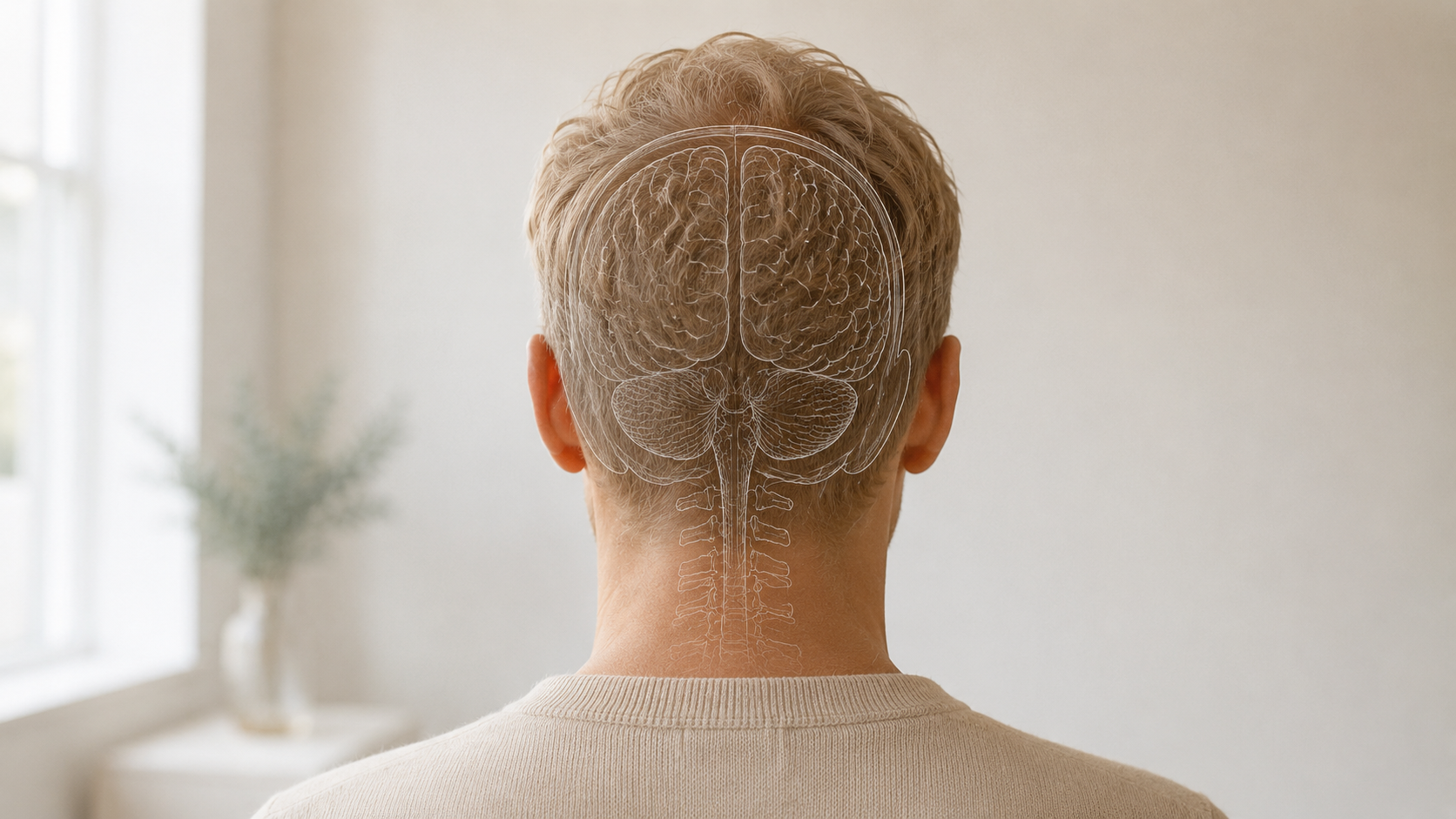
Intracranial Hypertension
Intracranial hypertension is elevated pressure around the brain that can cause pressure headaches, vision changes, or a pulsing sound in the ears. We review the symptom pattern and overlapping headache or neck issues and coordinate timely specialist evaluation.
-

Vaginismus
Vaginismus can cause involuntary pelvic floor tightening and make penetration, tampon use, or pelvic exams difficult or painful. We assess for muscle spasm, vulvar pain, nerve irritation, endometriosis, and other contributors to pelvic guarding.
-

Autoimmune Related Pain
Autoimmune-related pain can involve sore or swollen joints, muscle aches, nerve symptoms, fatigue, and flares. We assess how symptoms relate to inflammation and whether separate nerve or musculoskeletal issues contribute to ongoing pain.
-

Rheumatoid Arthritis
Rheumatoid arthritis can cause joint swelling, stiffness, pain, and fatigue, with inflammation sometimes extending beyond the joints. We assess for active inflammation and overlapping sources of pain to guide coordinated rheumatology and pain care.
-
Gastroparesis
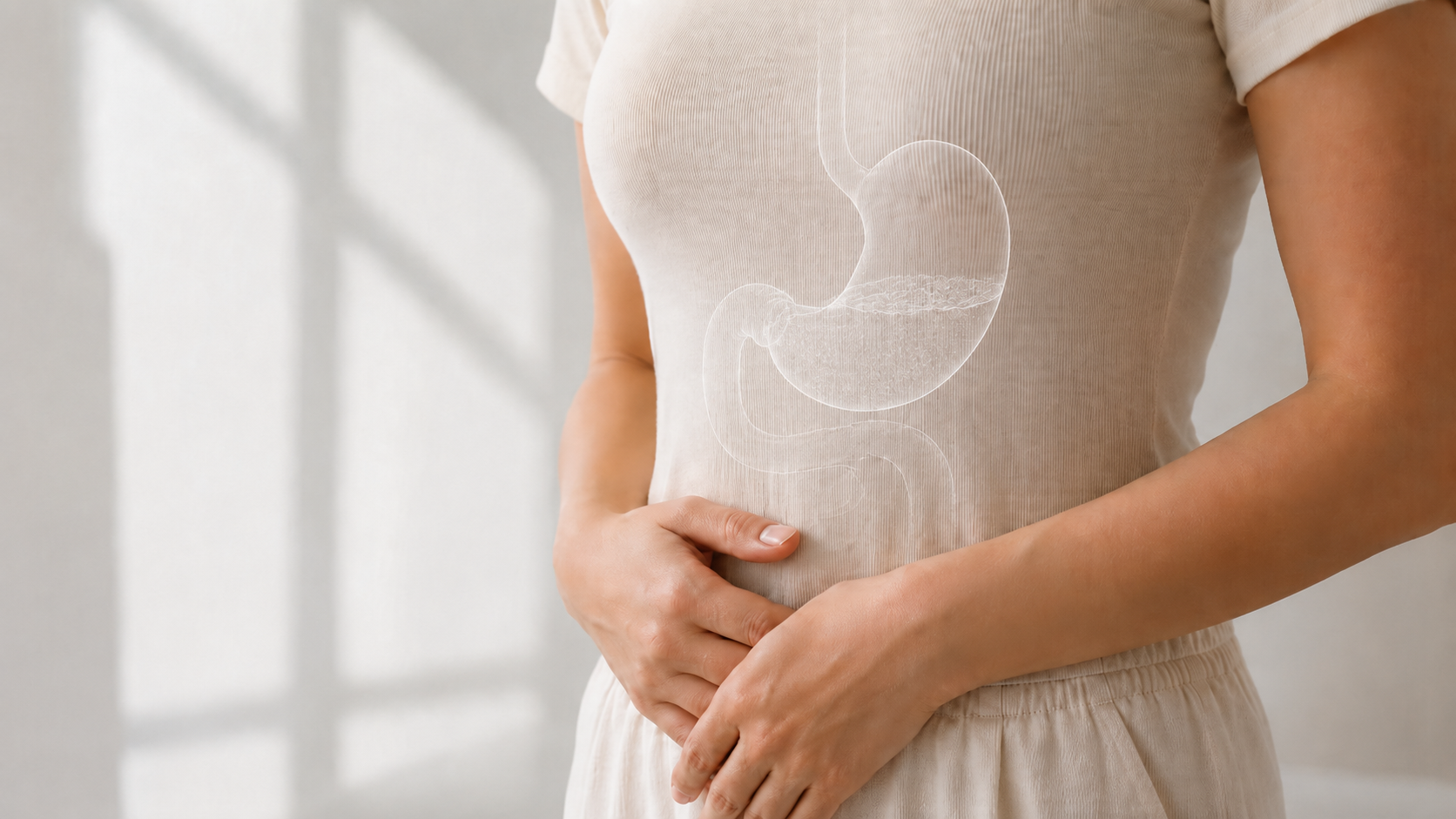
Gastroparesis is delayed stomach emptying that can cause early fullness, bloating, nausea, vomiting, or upper abdominal pain. We assess how symptoms relate to meals and consider autonomic or nerve-related overlap alongside gastroenterology findings.
-

Complex Regional Pain Syndrome (CRPS)
Complex regional pain syndrome can cause severe, persistent pain after an injury or surgery, with touch sensitivity, swelling, skin color or temperature changes, and difficulty moving. We assess how these signs cluster and what else may be contributing to loss of function.
-
Endometriosis
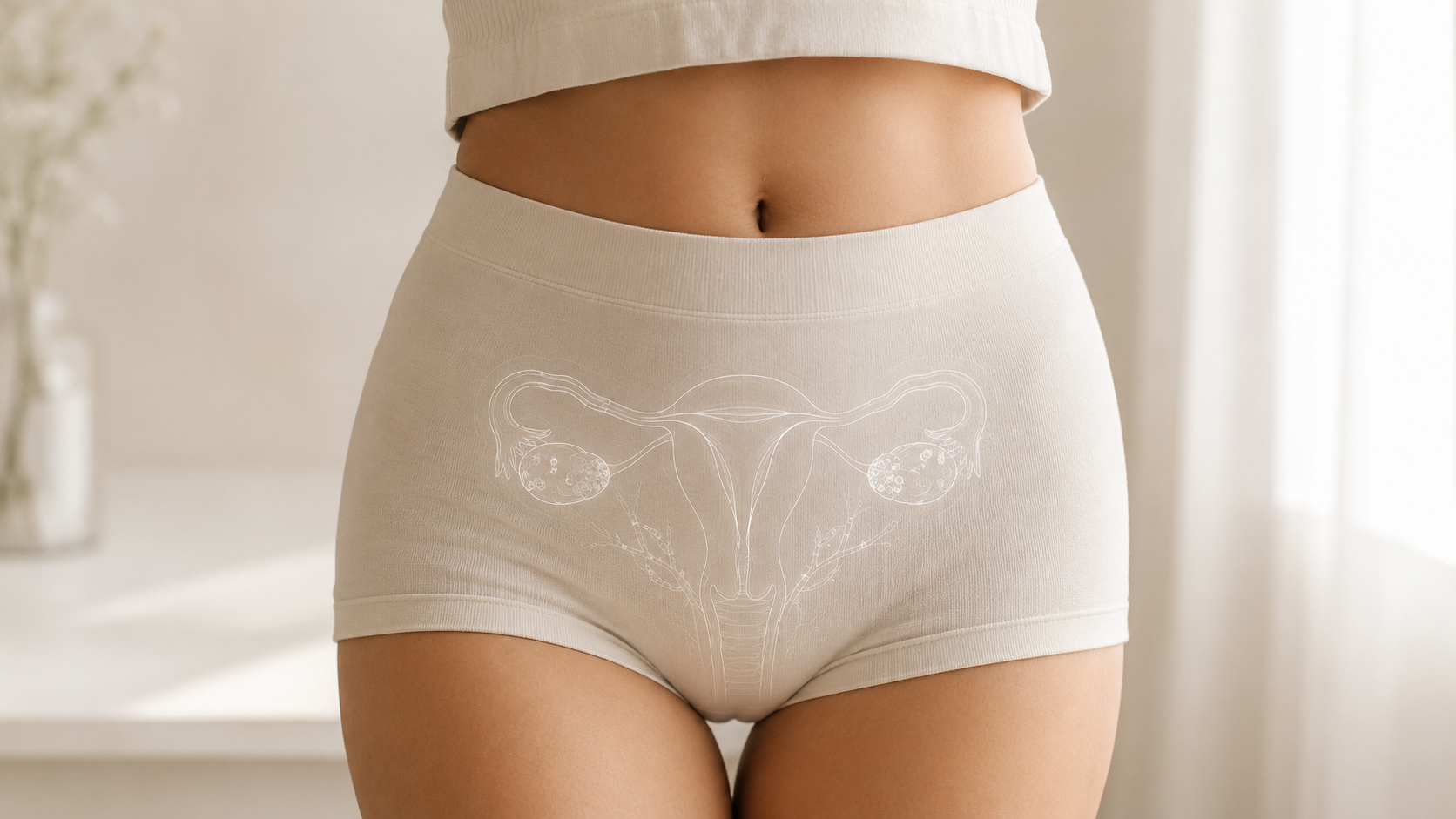
Endometriosis can cause painful periods, pelvic or abdominal pain, and pain with sex, bowel movements, or urination. If pain persists after gynecologic treatment or surgery, we look for pelvic floor tension, nerve irritation, and other overlapping sources.
-

Pelvic Pain
Pelvic pain can involve pelvic floor muscles, nerves, joints, or abdominal wall structures and may overlap with endometriosis, fibroids, hernias, or hypermobility. We map symptoms and triggers to see how these sources may be contributing together.