Sacroiliac Joint Dysfunction Treatment in Manhattan and NYC

Sacroiliac joint dysfunction can cause lower back, buttock, hip, groin, thigh, or pelvic-region pain that may be mistaken for sciatica, herniated disc pain, hip pain, or pelvic pain. MPM provides diagnosis-first evaluation to determine whether the SI joint is the primary pain generator or part of a broader spine, pelvis, hip, inflammatory, or hypermobility-related pattern.

This video explains how sacroiliac joint dysfunction can mimic spine, hip, and pelvic pain, and how careful evaluation guides treatment planning.

Understanding Sacroiliac Joint Dysfunction

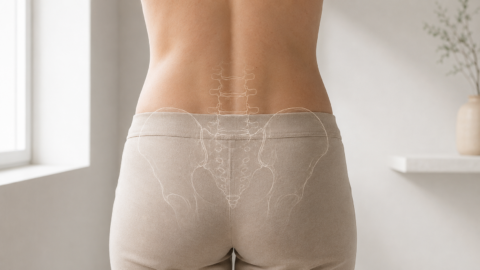
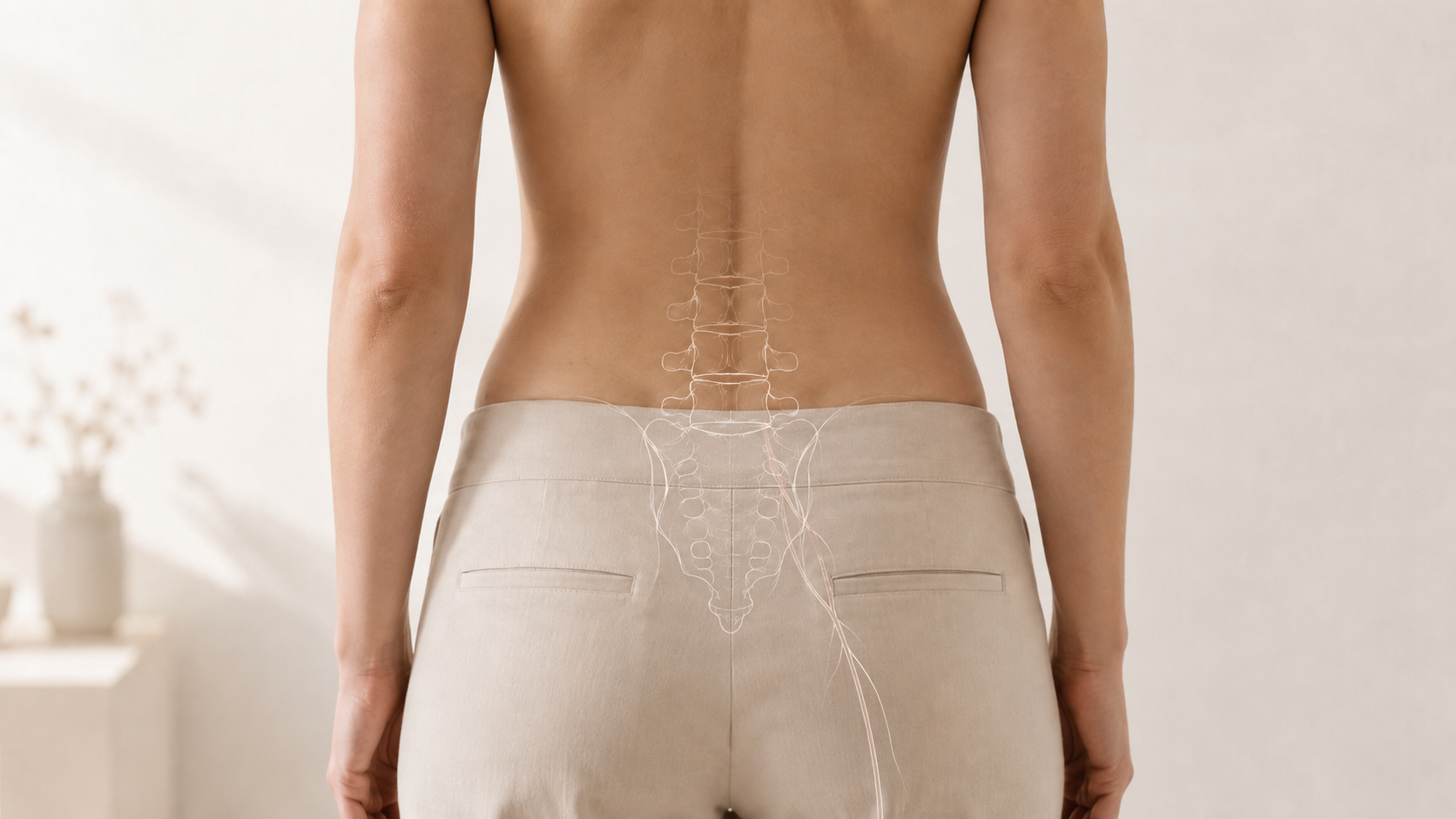
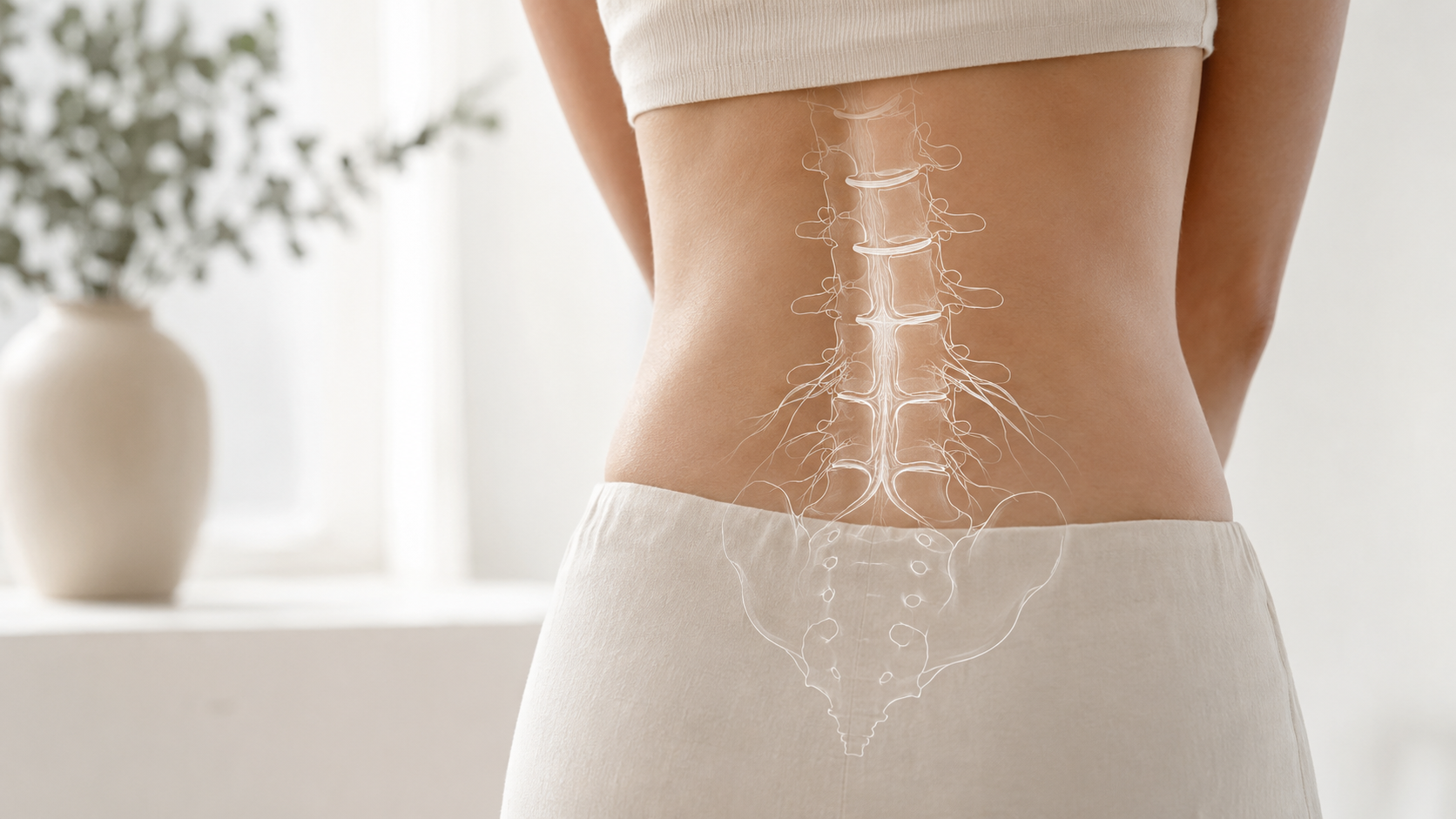
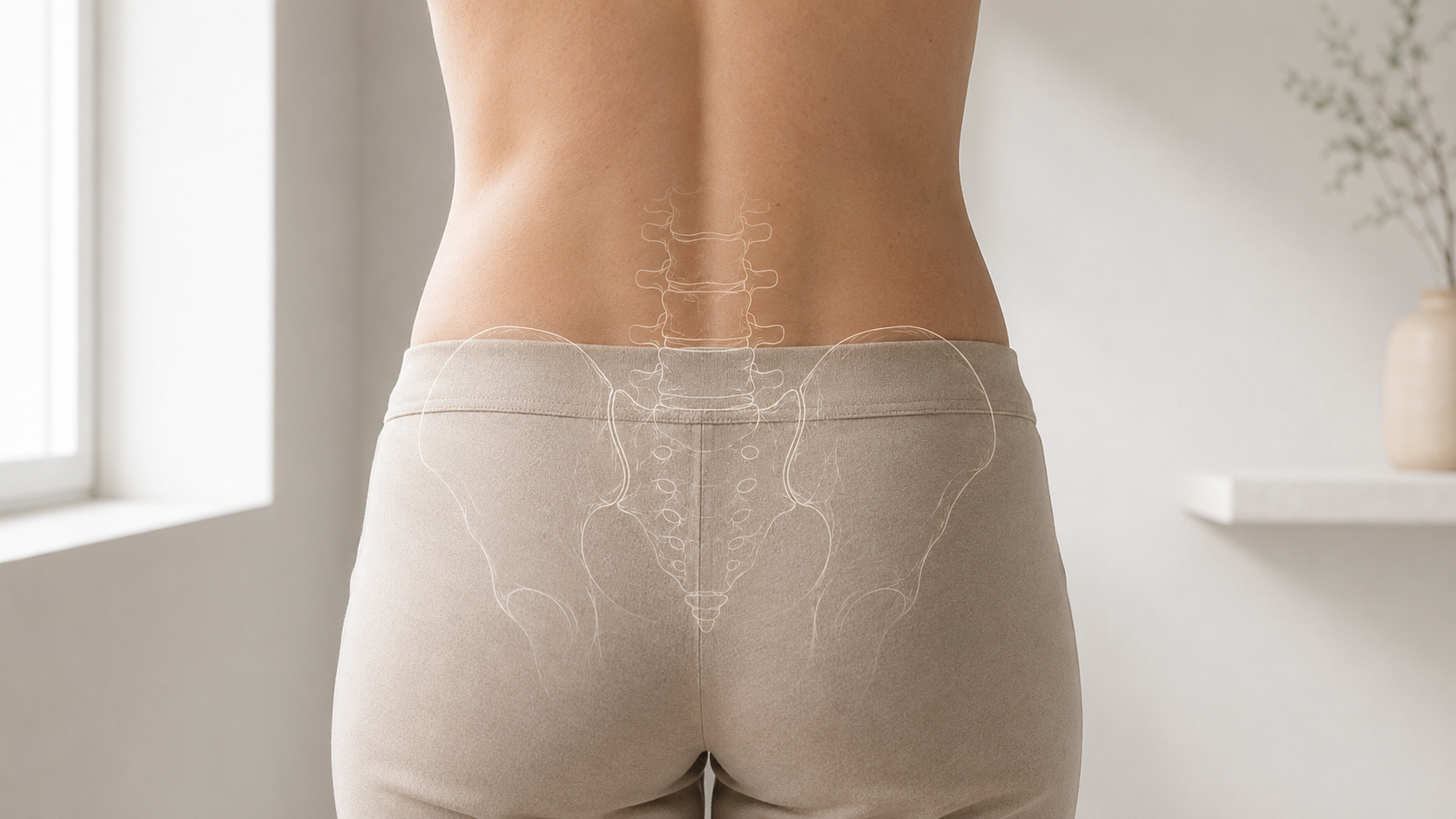
The sacroiliac joints connect the sacrum at the base of the spine to the pelvic bones. These joints help transfer force between the upper body, pelvis, and legs. When the sacroiliac joint becomes irritated, inflamed, unstable, or mechanically overloaded, it can cause pain in the lower back, buttock, hip, groin, thigh, or pelvic region.

Sacroiliac joint dysfunction is often missed because it can resemble sciatica, herniated disc pain, lumbar facet pain, hip impingement, pelvic floor pain, sacroiliitis, or general low back pain. Some patients have normal or mild spine imaging but continue to experience significant pain with sitting, standing, stairs, walking, rolling in bed, or changing positions.

For patients looking for sacroiliac joint dysfunction treatment in Manhattan or NYC, MPM focuses on identifying whether the SI joint is truly the pain source, whether hypermobility or instability is contributing, whether inflammatory sacroiliitis may be present, and whether other spine, hip, pelvic, or nerve-related conditions are involved.

Specialist Care for SI Joint, Lower Back, Hip, and Pelvic Pain

At Manhattan Pain Medicine (MPM), evaluation begins with a detailed review of the pain location, movement triggers, injury history, pregnancy or postpartum history when relevant, hypermobility features, inflammatory symptoms, imaging, prior treatments, and functional limitations.

MPM evaluates whether symptoms may be driven by mechanical SI joint dysfunction, SI joint instability, inflammatory sacroiliitis, lumbar radiculopathy, herniated disc pain, spinal stenosis, hip pathology, pelvic floor dysfunction, anterior pelvic tilt, hypermobility spectrum disorder, Ehlers-Danlos syndrome, autoimmune-related pain, or another pain generator. Treatment may include conservative care coordination, diagnostic ultrasound when appropriate, ultrasound-guided injections, sacroiliac joint injection, steroid injections, prolotherapy, PRP, regenerative options, medication management, Feldenkrais, acupuncture, or referral for rheumatology, spine, orthopedic, pelvic, or surgical evaluation when needed.

Why SI Joint Pain Can Be Difficult to Identify

SI joint pain can appear in areas that overlap with many other conditions. Some patients feel pain on one side of the lower back near the pelvis. Others feel pain in the buttock, outer hip, groin, thigh, or pelvic region. In some cases, symptoms can feel similar to sciatica, even when the lumbar spine is not the main source.

The SI joint can be painful because of mechanical irritation, ligament laxity, altered pelvic mechanics, pregnancy-related changes, trauma, repetitive load, inflammatory arthritis, sacroiliitis, or hypermobility-related instability. It can also coexist with hip pain, spine pain, pelvic floor dysfunction, anterior pelvic tilt, or chronic pain sensitization.

MPM’s diagnosis-first approach is designed to avoid treating SI joint dysfunction as a catch-all explanation. The goal is to determine whether the SI joint is the main pain generator, a secondary contributor, or one part of a more complex pain pattern.

Request an Appointment

Diagnosis-first care

How MPM Approaches Sacroiliac Joint Dysfunction Evaluation

MPM uses a structured process to evaluate lower back, buttock, hip, groin, thigh, and pelvic-region pain before recommending treatment.
  • 1

    Map the Pain Pattern

    MPM begins by reviewing where the pain is located, whether it stays near the pelvis or radiates into the hip, groin, buttock, or thigh, and which movements make it worse. Pain with sitting, standing, stairs, walking, rolling in bed, or single-leg loading may suggest SI joint involvement, but the full pattern must be evaluated.
  • 2

    Differentiate SI Joint Pain From Spine and Hip Pain

    SI joint dysfunction can resemble sciatica, herniated disc pain, spinal stenosis, facet-mediated back pain, hip impingement, and pelvic pain. MPM evaluates the lumbar spine, hip, pelvis, neurologic symptoms, imaging findings, and prior treatment response to determine the most likely pain generator.
  • 3

    Assess Hypermobility, Instability, and Inflammatory Features

    In some patients, EDS, hypermobility spectrum disorder, pregnancy-related changes, ligament laxity, anterior pelvic tilt, or altered pelvic mechanics may contribute to SI joint instability. In others, inflammatory back pain or sacroiliitis may suggest an autoimmune or inflammatory contributor that requires rheumatology coordination.
  • 4

    Use Diagnostic and Targeted Treatment Options

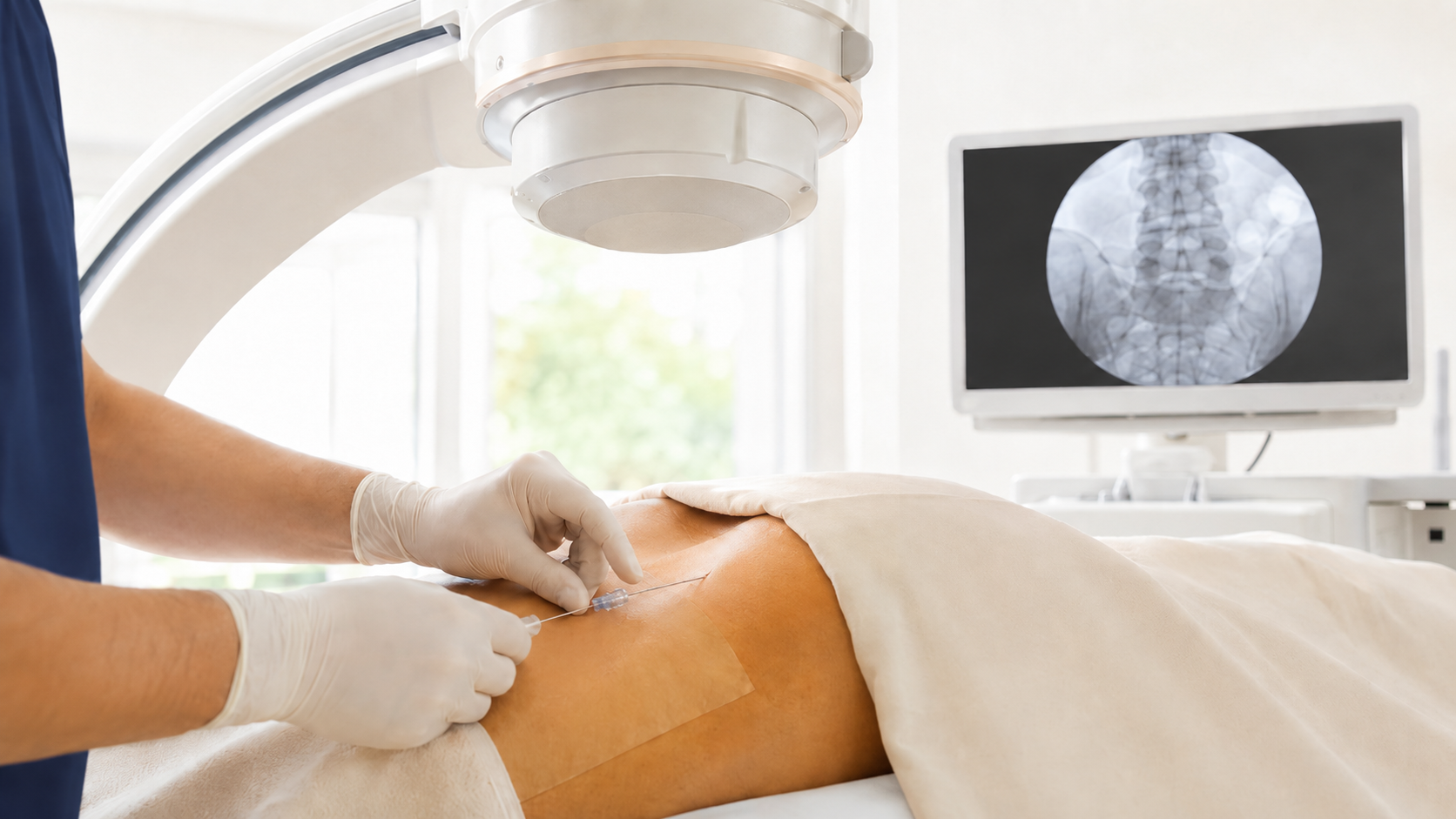
    When clinically appropriate, an image-guided SI joint injection may help clarify whether the SI joint is the pain source and may also reduce inflammation or pain. Treatment may also include medication management, physical therapy coordination, stabilization strategies, acupuncture, Feldenkrais, ultrasound-guided injections, steroid injections, prolotherapy, PRP, regenerative options, or specialist referral depending on the diagnosis.

Sacroiliac Joint Dysfunction, Hypermobility, and Pelvic Pain

Sacroiliac joint dysfunction fits within MPM’s Musculoskeletal issues Zone of Expertise, with important overlap in Hypermobility and Pelvic Pain. The SI joint sits at the intersection of the spine, pelvis, hips, and lower extremities, which means instability or irritation in this region can affect movement, sitting tolerance, walking, and pelvic-region symptoms.

In patients with EDS or hypermobility spectrum disorder, ligament laxity and altered muscle control may increase load through the SI joint. Muscles around the pelvis, hips, and lower back may guard or tighten to create stability, which can contribute to secondary muscle pain or trigger points.

In patients with pelvic pain, SI joint dysfunction may overlap with pelvic floor dysfunction, hip mechanics, pudendal nerve symptoms, anterior pelvic tilt, or chronic pelvic pain. MPM evaluates these relationships carefully so treatment can target the right pain generator.

Treatments Related to Sacroiliac Joint Dysfunction

Treatment depends on whether pain is driven by SI joint irritation, instability, inflammation, hypermobility, pelvic mechanics, lumbar spine pathology, hip involvement, or another overlapping condition.
PATIENT STORIES

Real Patients. Real Progress.

Hear from patients who came to Manhattan Pain Medicine looking for answers, clarity, and a more thoughtful path forward.
  • Madaline. M

    5 star review

    I cannot say enough good things about Manhattan Pain Medicine. From the moment I walked in, I felt truly cared for and taken seriously. Dr. Nino Mikaberidze, Director of Rheumatology, is exceptional — knowledgeable, compassionate, and incredibly thorough. She takes the time to listen, explains every...

    Google

  • Haleigh Y.

    5 star review

    The best care I've received as a chronic pain patient. I traveled from out of state to visit Manhattan Pain Medicine because I could not find knowledgeable doctors in my hometown for my hypermobility, and Ehlers-Danlos syndrome symptoms and comorbidities. Let me tell you, it was worth every travel e...

    Google

  • Damien P.

    5 star review

    I was injured in a bicycle accident over 8 years ago. I’ve suffered throughout the years since my accident with nothing seeming to work. PT, Yoga, lifestyle changes, NOTHNG! I finally made an appointment with Dr Kane and I’m feeling an improvement in my life. I no longer stay up all night in pain, a...

    Google

  • JP S.

    5 star review

    One of the best experiences, if not the best, I have ever had at the doctor’s office. From the front desk to the nurses to the PA assisting the doctor this was a great experience. Dr.Nino actually listened to me and came up with a game plan. Would recommend this practice to as many people as I could...

    Google

  • Richard B.

    5 star review

    I have very unique & severe nerve pain from CRPS which has no known specific cure. Dr. Siefferman has a huge tool box, far greater than the other 23 Drs. I have seen. He saved me from jumping off a bridge and continues to help me with both treatments and advice. Dr. S. is in a different league!

    Google

  • Clare F.

    5 star review

    After two years of searching and feeling lost and let down, I finally found real help at Manhattan Pain Medicine. With Dr. Siefferman, Adam Rosenberg, Dr. Mikaberidze, and the whole team, I feel heard, supported and understood. Every symptom is being considered and I’m finally getting answers with m...

    Google

  • Jonathan C.

    5 star review

    Why is Dr Dr. Tayyaba Ahmed one of the top pevic Floor specialists - 1- She wants to know a full history of what led the patient to get to this point. 2 - She listens intensley to the patient 3- She does not rush you 4- Extremely skilled at giving pelvic floor injections 5- I thank my luck stars she...

    Google

  • Jodi K.

    5 star review

    The staff was friendly and helpful. Dr. Siefferman was thoughtful, listened, asked questions and proposed simple safe ways to come to further conclusions regarding my pain and discomfort. The office staff including Dr. Siefferman is responsive even after the initial in-person visit. Very pleased.
    Google

  • Sabrina S.

    5 star review

    Dr. Siefferman is a brilliant provider. While my pain is still a work in progress, Dr Siefferman always gives me options and explains his reasoning behind things. He listens to my feedback and concerns. I never feel rushed; and am grateful he works to meet me where I am. I highly recommend him.

    Google

  • Lorraine B.

    5 star review

    What a great find! They listen to me, I listen to them and the diagnosis is made and a plan developed to develop an approach to treat all of my chronic pain. I wish I could have discovered this type of treatment sooner. This doctor and group give me hope.

    Google

Sacroiliac Joint Dysfunction FAQs

Related conditions

Conditions That May Overlap With Sacroiliac Joint Dysfunction

Sacroiliac joint dysfunction may overlap with spine pain, sciatica and herniated discs, spondylosis, spondylolisthesis, spinal stenosis, anterior pelvic tilt, pelvic pain, hypermobility spectrum disorder, Ehlers-Danlos syndrome, autoimmune-related pain, inflammatory sacroiliitis, arthritis joint pain, and seronegative spondyloarthropathy.

Understanding Insurance Before You Begin

Before care begins, our team helps patients understand the practical side of treatment, including insurance verification, out-of-network benefits, cost-share estimates, self-pay options, and billing questions. We believe patients should have as much clarity as possible before moving forward.

Insurance & Billing

Request a Sacroiliac Joint Pain Evaluation

If lower back, buttock, hip, groin, thigh, or pelvic-region pain is interfering with sitting, standing, walking, stairs, sleep, or daily activity, MPM can help evaluate what may be contributing. Our diagnosis-first approach considers sacroiliac joint dysfunction, SI joint instability, sacroiliitis, sciatica, herniated disc pain, hip pathology, anterior pelvic tilt, pelvic pain, hypermobility, EDS, and inflammatory spine conditions. Request an appointment to discuss your symptoms and care options.

Request An Appointment

Insights & Research

Explore MPM Insights and Research, including patient-friendly articles, clinical perspectives, and research from our team to help explain how we understand complex pain, evaluate care options, and guide the path to treatment
Patient education

A Deeper Look at Sacroiliac Joint Dysfunction and Pelvic-Region Pain

Sacroiliac joint dysfunction is one possible source of lower back, buttock, hip, groin, thigh, and pelvic-region pain, but similar symptoms can come from the spine, hip, pelvis, nerves, or inflammatory disease.

Sacroiliac Joint Dysfunction

The sacroiliac joints are located at the back of the pelvis, where the sacrum meets the iliac bones. These joints are small, but they play an important role in transferring force between the spine, pelvis, and legs. Because the SI joints sit at the intersection of the lower back, hips, and pelvis, pain from this area can be difficult to identify.

Sacroiliac joint dysfunction can occur when the joint becomes irritated, inflamed, unstable, stiff, or overloaded. Some patients feel pain directly over one side of the lower back near the pelvis. Others feel pain in the buttock, hip, groin, thigh, or pelvic region. Symptoms may worsen with sitting, standing, walking, stairs, bending, rolling in bed, or transitioning from sitting to standing.

Why SI Joint Dysfunction Is Often Missed

SI joint pain is often confused with lumbar spine pain, sciatica, herniated disc pain, hip pain, muscle strain, or pelvic pain. This is because the pain patterns overlap. A patient may feel lower back and buttock pain and assume the problem is a disc. Another patient may feel hip or groin pain and assume the problem is inside the hip joint. Others may experience pelvic-region pain and be evaluated through gynecology, urology, GI, or pelvic floor therapy before the SI joint is considered.

MPM evaluates the full pain pattern instead of relying on one symptom or one imaging finding. The goal is to determine whether the SI joint is the main pain generator, whether another condition is responsible, or whether multiple sources are interacting.

SI Joint Pain vs Sciatica and Herniated Disc Pain

Sciatica usually refers to radiating leg pain caused by irritation of a nerve pathway, often from the lumbar spine. A herniated disc, spinal stenosis, or nerve root irritation may cause burning pain, numbness, tingling, weakness, or pain that travels below the knee.

SI joint pain can sometimes mimic sciatica, but it more commonly refers pain into the buttock, hip, groin, or thigh. It may not follow a classic nerve root pattern. However, the distinction is not always clear from symptoms alone. MPM evaluates neurologic findings, spine imaging, hip mechanics, SI joint provocation tests, and the patient’s functional pattern before selecting treatment.

SI Joint Dysfunction vs Hip Pain

Hip and SI joint pain can overlap. Hip impingement, labral tears, arthritis, tendon pain, and pelvic mechanics can all create pain near the groin, outer hip, buttock, or thigh. SI joint dysfunction can also refer pain into these areas.

This overlap is one reason diagnosis-first care matters. Treating the hip when the SI joint is the primary driver may not help. Treating the SI joint when hip pathology is the main issue may also miss the source. MPM evaluates both regions when symptoms suggest a hip and pelvis connection.

SI Joint Dysfunction and Pelvic Pain

The SI joint is part of the pelvic ring. When it is irritated or unstable, it can contribute to pelvic-region pain, buttock pain, groin discomfort, or pain that worsens with sitting, standing, walking, or load transfer. In some patients, SI joint dysfunction may coexist with pelvic floor dysfunction, pudendal neuralgia, anterior pelvic tilt, hip impingement, abdominal wall pain, or chronic pelvic pain.

For patients with complex pelvic symptoms, MPM considers whether the SI joint is a primary driver, a secondary contributor, or part of a broader pelvic pain pattern. This helps guide coordinated care with pelvic floor therapy, gynecology, urology, GI, orthopedics, rheumatology, or other specialists when needed.

Hypermobility, EDS, and SI Joint Instability

In patients with hypermobility spectrum disorder or Ehlers-Danlos syndrome, ligament laxity can affect joint stability. The SI joint may become painful when passive support is reduced and surrounding muscles must work harder to stabilize the pelvis. This may create pain, muscle guarding, tightness, recurrent flares, or a feeling that the pelvis is unstable.

Hypermobility-related SI joint pain requires careful treatment selection. Aggressive stretching or manipulation may not be appropriate for every patient. Stabilization, joint protection, movement retraining, and selective procedures may be considered depending on the patient’s pattern and goals.

Inflammatory SI Joint Pain and Sacroiliitis

Not all SI joint pain is mechanical. Inflammatory sacroiliitis can occur with autoimmune or inflammatory conditions, including seronegative spondyloarthropathy and related inflammatory spine disorders. Patients may report morning stiffness, pain that improves with movement, pain that worsens with rest, alternating buttock pain, fatigue, tendon pain, heel pain, psoriasis, bowel symptoms, or eye inflammation.

These features do not diagnose inflammatory disease by themselves, but they are important clues. MPM evaluates inflammatory pain patterns and coordinates with rheumatology when DMARDs, biologics, infusions, or other immune-directed treatments may be appropriate.

How MPM Evaluates Sacroiliac Joint Dysfunction

MPM begins with a detailed history of pain location, triggers, duration, injury history, pregnancy or postpartum factors when relevant, hypermobility, inflammatory symptoms, prior imaging, prior injections, and response to physical therapy or medication.

The physical exam may include SI joint provocation tests, lumbar spine evaluation, hip assessment, neurologic screening, gait or movement review, and assessment of pelvic mechanics. Imaging may be reviewed to evaluate the spine, hips, SI joints, and inflammatory or structural findings. In selected cases, an image-guided SI joint injection may help confirm whether the SI joint is a meaningful pain source.

Treatment Options for SI Joint Dysfunction

Treatment depends on the underlying driver. Mechanical SI joint dysfunction may respond to stabilization-focused rehabilitation, activity modification, medication management when appropriate, pelvic mechanics work, bracing in selected cases, acupuncture, or Feldenkrais.

When pain persists or the diagnosis remains unclear, image-guided SI joint injections may be considered. Steroid injections may be used when inflammation is suspected and clinically appropriate. Prolotherapy, PRP, or other regenerative options may be considered for selected patients with instability or soft tissue-related pain patterns, but they are not automatic treatments and should not be presented as guaranteed solutions.

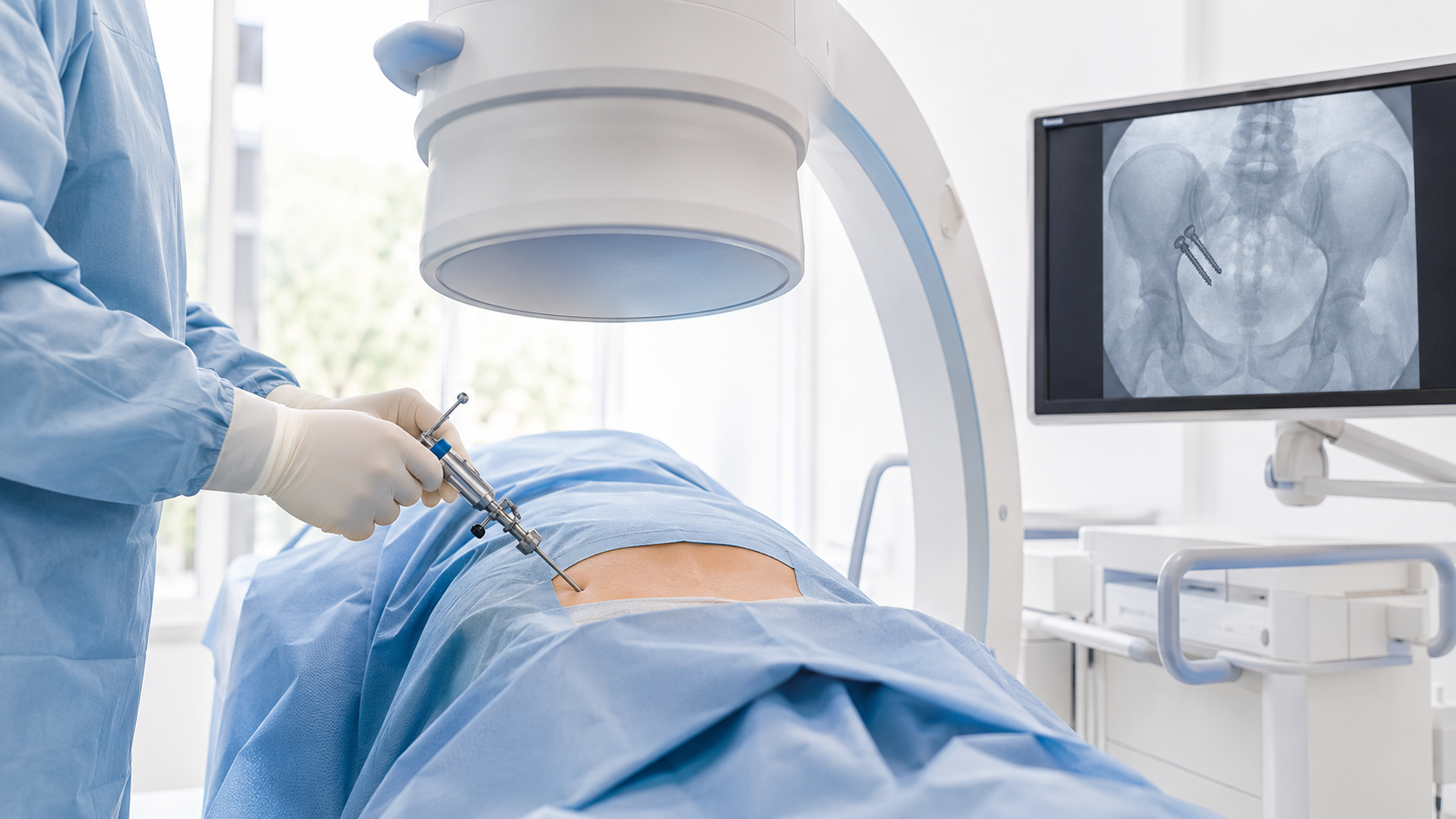
For patients with inflammatory sacroiliitis, care may require rheumatology coordination and disease-directed treatment. For patients with severe instability or persistent symptoms despite appropriate care, SI joint fixation or fusion may be considered only after careful specialist evaluation.

When SI Joint Fixation or Fusion May Be Considered

SI joint fixation or fusion is not first-line treatment for most patients. It may be considered when a patient has persistent, function-limiting SI joint pain, a confirmed SI joint pain generator, failure of appropriate conservative and interventional care, and structural findings that support surgical evaluation.

MPM does not treat SI joint fusion as a routine solution. When advanced structural intervention may be appropriate, care should be coordinated with the right orthopedic, spine, or surgical specialist.

When SI Joint-Like Pain May Be Something Else

SI joint-like symptoms can overlap with herniated disc, sciatica, spinal stenosis, hip disease, pelvic floor dysfunction, inflammatory arthritis, sacroiliitis, infection, fracture, malignancy, vascular disease, pregnancy-related pelvic pain, and central pain syndromes.

This is why MPM avoids assuming that all lower back, buttock, groin, hip, pelvic, or leg pain comes from the SI joint. A diagnosis-first evaluation helps protect patients from unnecessary procedures and helps direct care toward the most likely source.

When Symptoms Require Urgent Evaluation

Patients should seek urgent evaluation for lower back, pelvic, hip, or SI joint-like pain associated with fever, unexplained weight loss, history of cancer, major trauma, new weakness, progressive numbness, bowel or bladder dysfunction, saddle anesthesia, inability to bear weight, severe night pain, hot swollen joint, eye pain or vision changes, chest pain, shortness of breath, or rapidly worsening symptoms.

These signs may point to a more serious spine, neurologic, infectious, inflammatory, vascular, or systemic condition that should not be treated as routine SI joint dysfunction.

How MPM Approaches Sacroiliac Joint Dysfunction Care

MPM approaches sacroiliac joint dysfunction through a diagnosis-first model. The goal is to identify whether pain is coming from the SI joint, lumbar spine, hip, pelvis, inflammatory disease, hypermobility-related instability, or another overlapping contributor.

For patients looking for sacroiliac joint dysfunction treatment in Manhattan or NYC, MPM provides coordinated evaluation for SI joint pain, lower back pain, pelvic pain, hip-region pain, sciatica-like symptoms, hypermobility-related instability, and inflammatory SI joint pain. The goal is to clarify the source of symptoms and guide a treatment plan that is precise, safe, and function-focused.